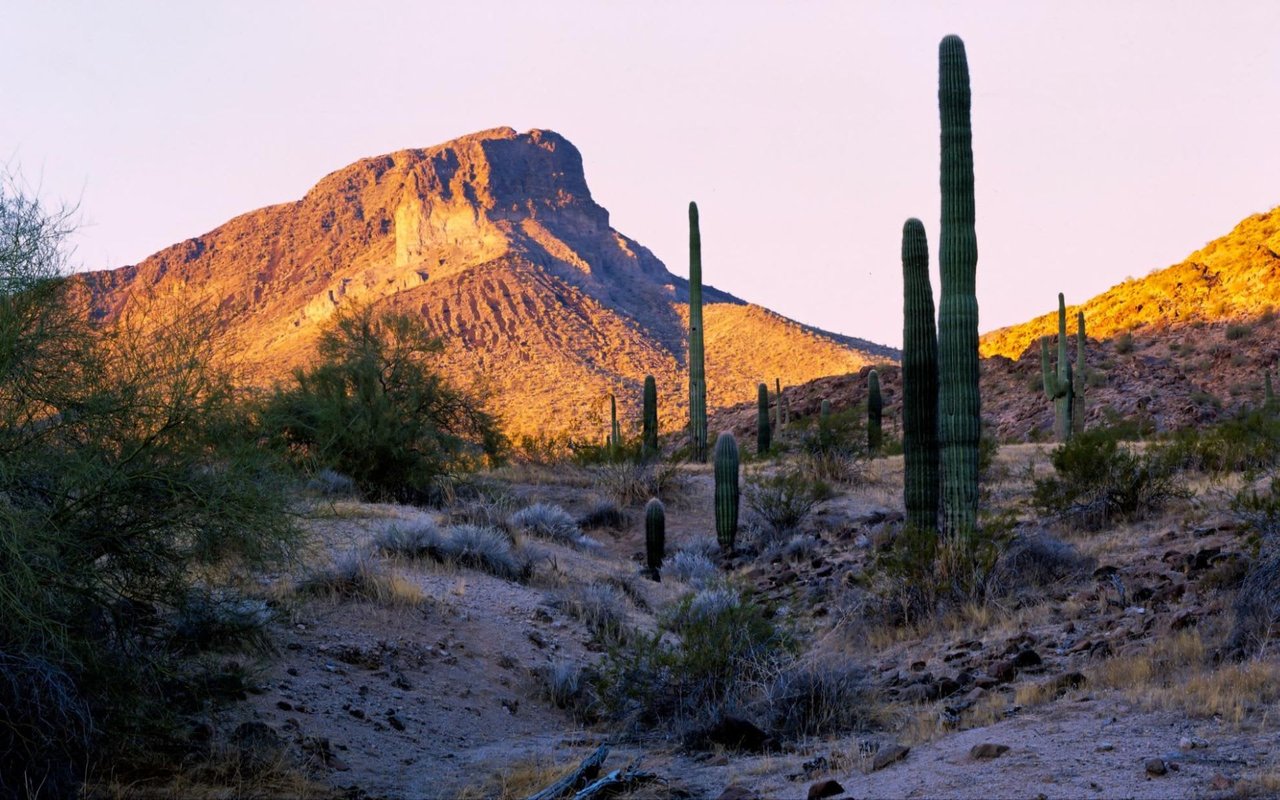
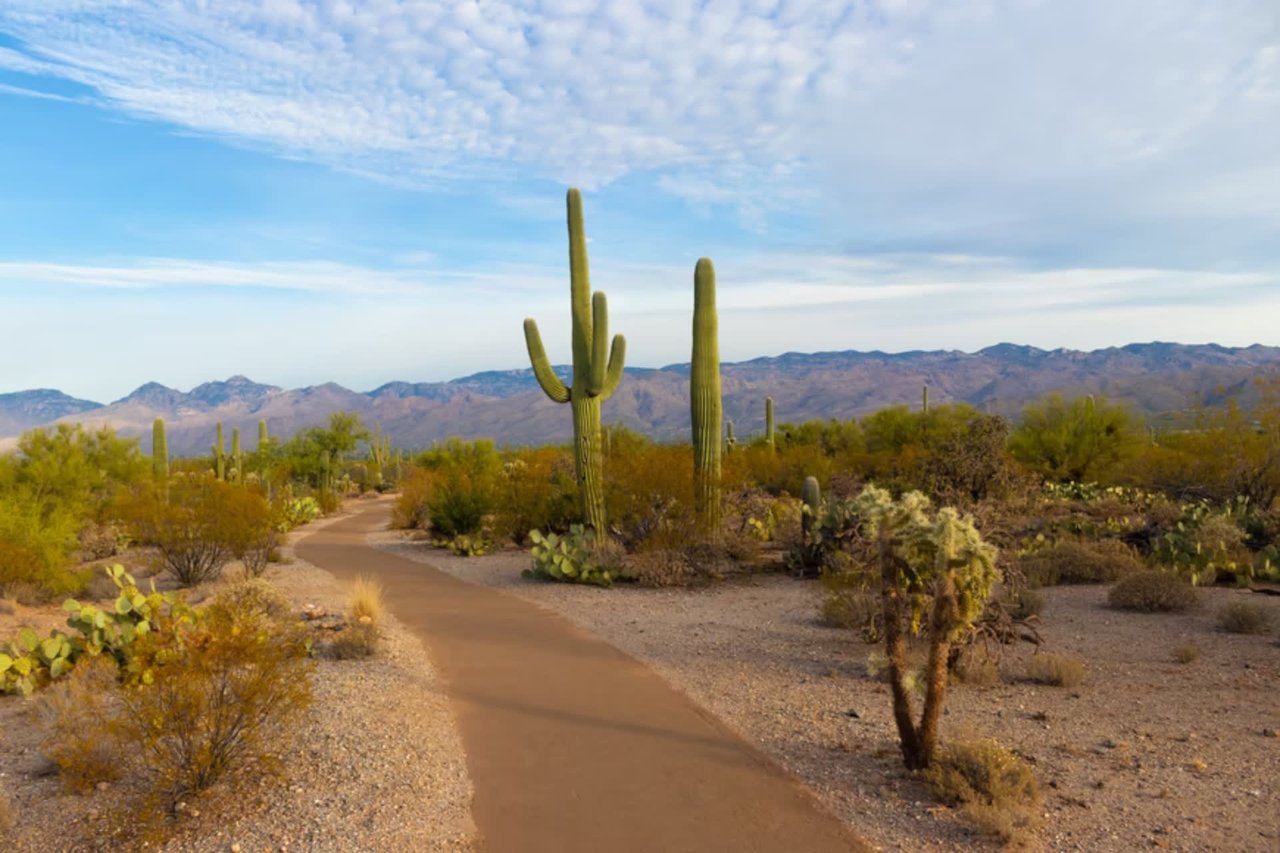
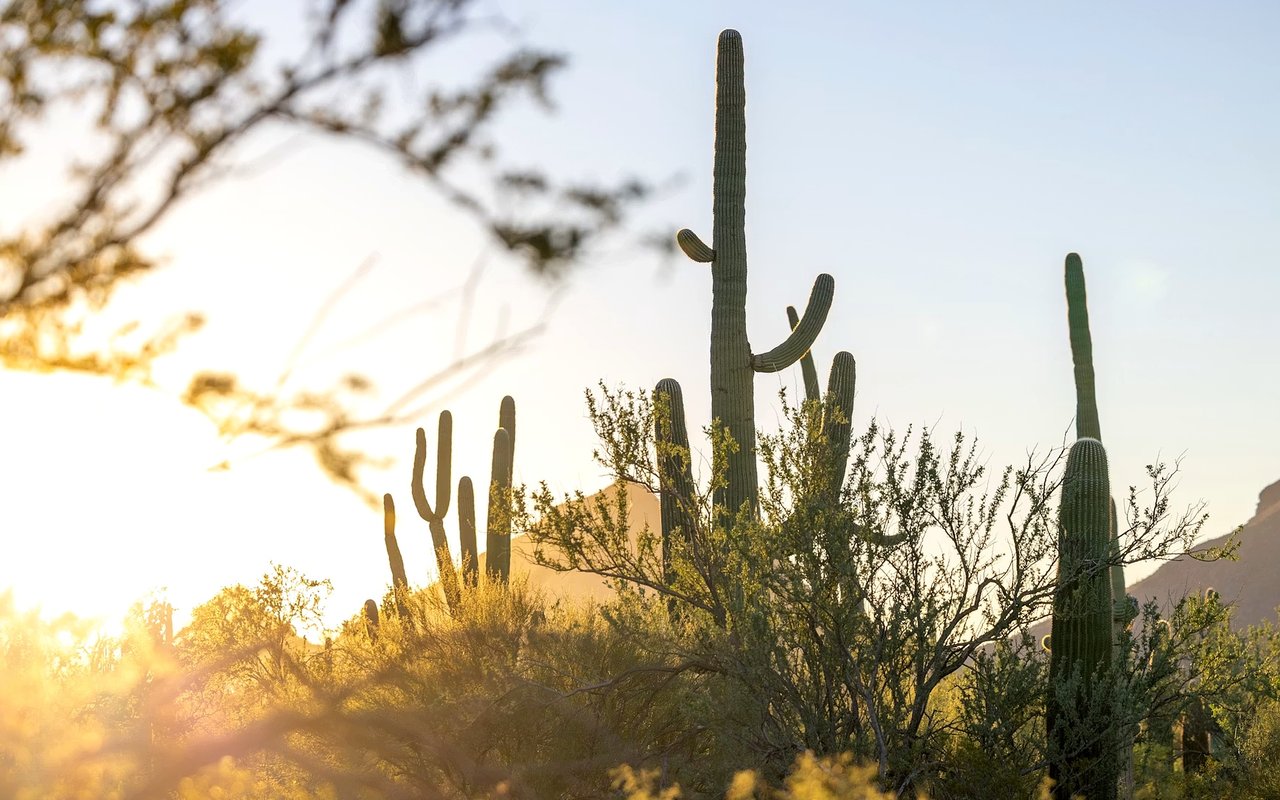
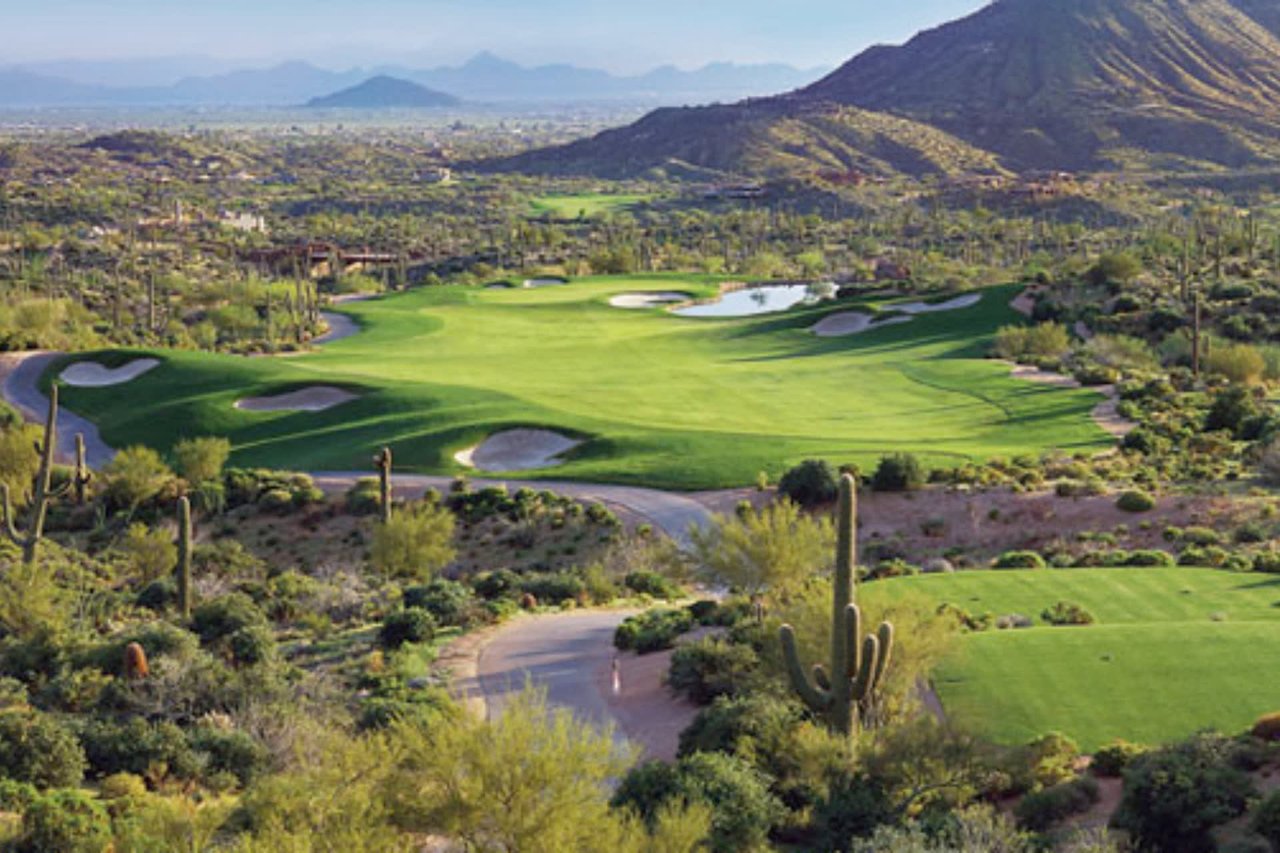
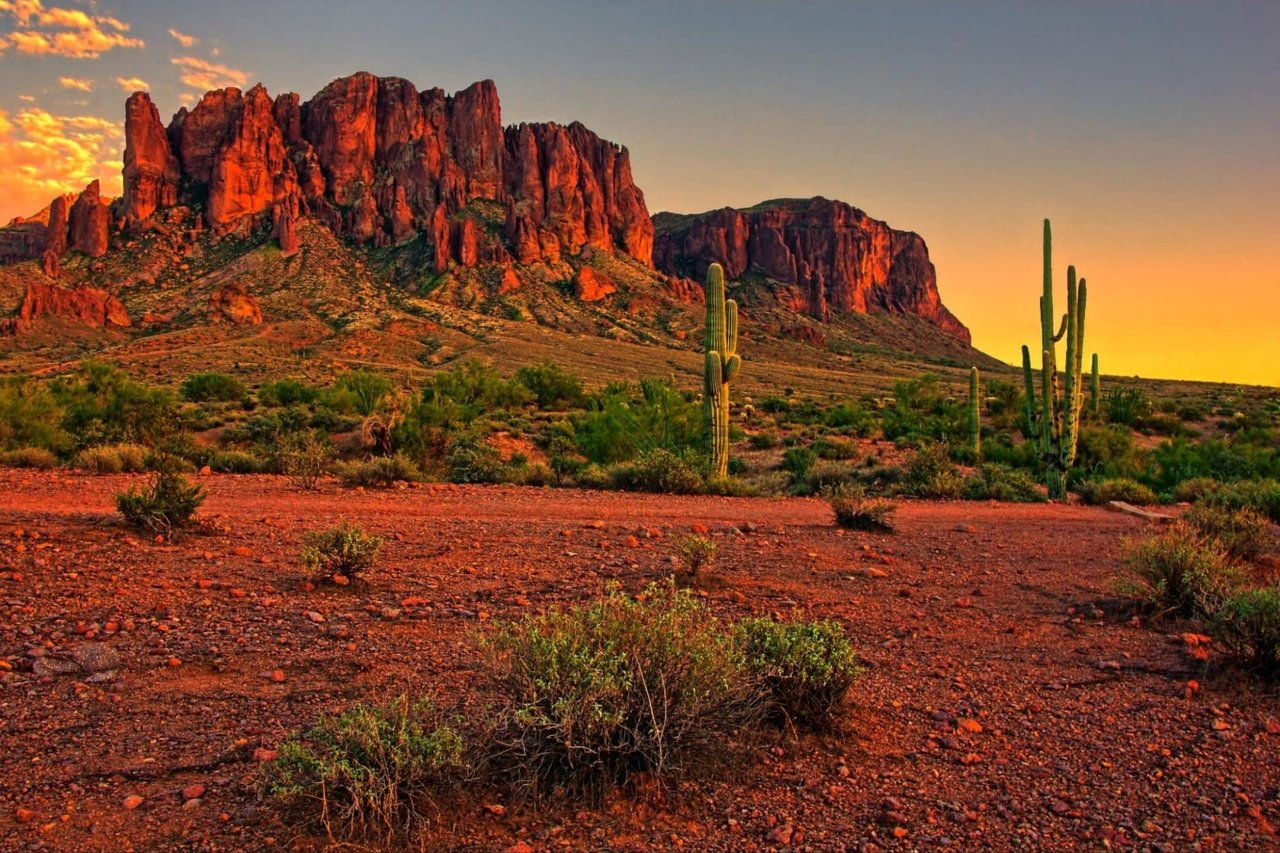
Walk the cart path along the back nine of Renegade some September morning while the light is still low and gray, and you will likely meet them first as sound. A ratcheting, three-note call, ka-KAA-ka-ka, rising out of the mesquite before you see a single bird. Then the covey crosses ahead of you at a dead run, thirty or forty of them, plumes bobbing, none of them bothering to fly.
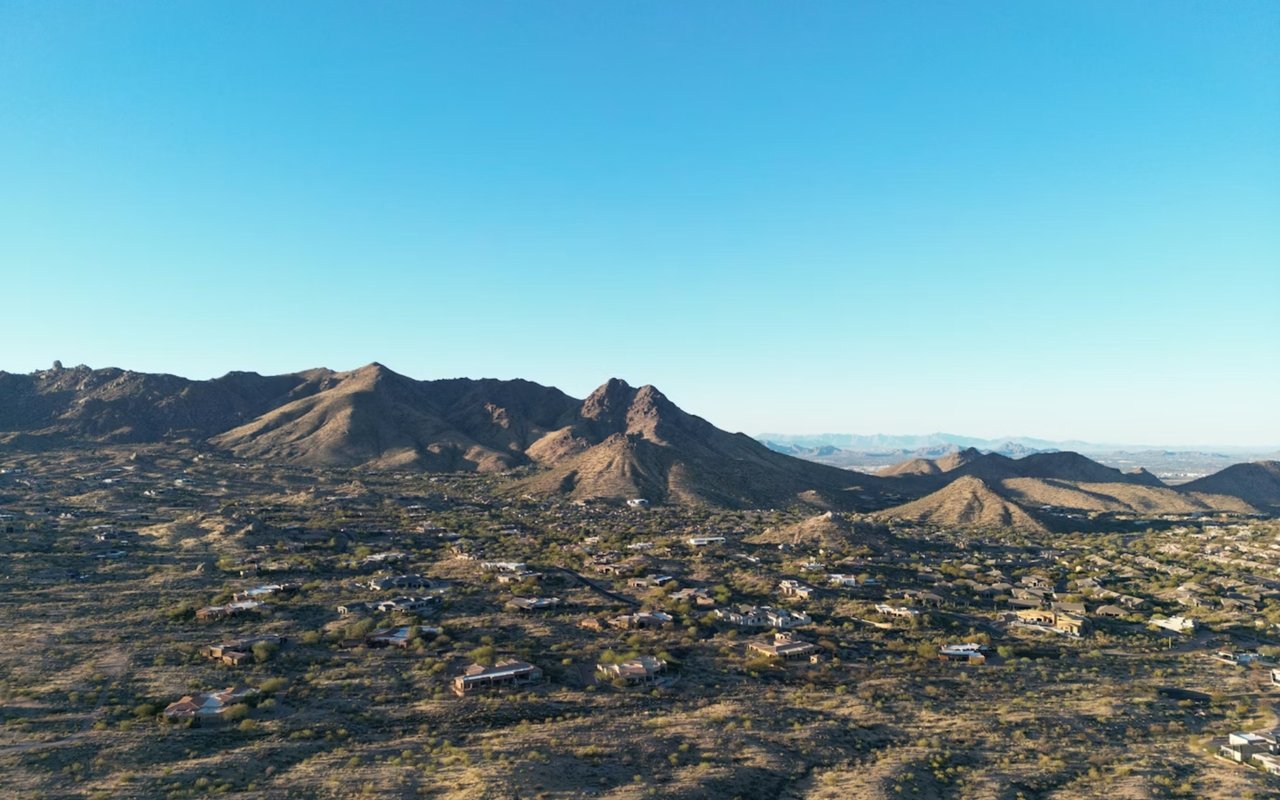
If you live in the Gambel Quail village, you already know this scene. What most residents do not know is why it happens on this particular schedule, or why their stretch of Desert Mountain sees it more intensely than the desert on the other side of the fence line.
It Is Not a Baby Boom
The easy assumption is that September brings more quail because more quail were born. That is wrong on the calendar. Gambel's quail begin pairing off in March, and a hen's clutch of ten to twelve eggs typically hatches in late April or May. Whatever population exists by early summer is set. Nothing about fall adds birds to the count.
What changes in fall is arrangement, not headcount. Through the hottest months, quail move as tight family units, a mated pair and their brood holding a home range together. As days shorten and temperatures ease, those family groups stop holding separate ground and start combining into the large coveys residents notice, sometimes twenty birds, sometimes fifty or more. The birds you are seeing in September are not new. They are the same population, reorganized into bigger, more visible groups for the fall and winter.
That reorganization is a defense strategy as much as anything social. More eyes and ears in a group means earlier warning of a Cooper's hawk or a bobcat working the wash. It also means the birds move differently, covering ground on foot in a loose column rather than scattering in pairs, which is exactly the pattern that makes a covey so noticeable crossing a fairway or a driveway at dawn.
The Turf Explains the Timing
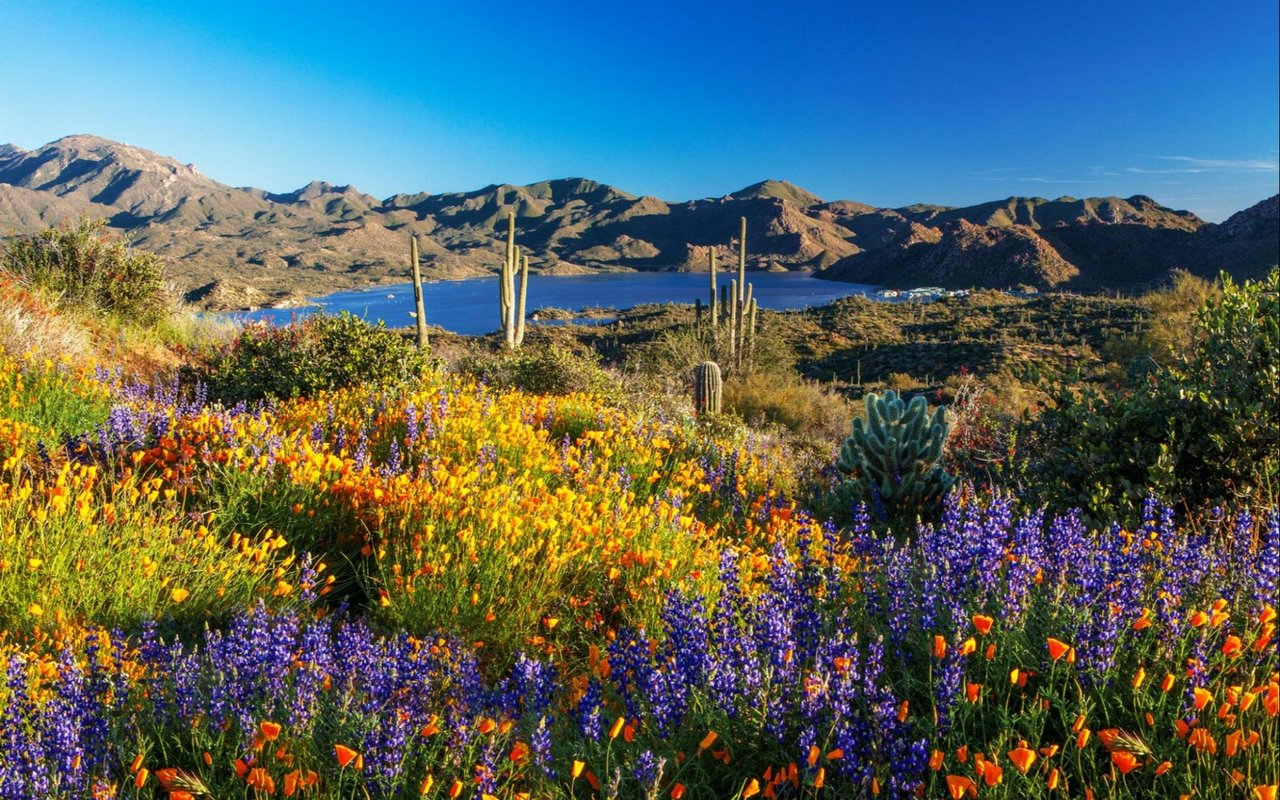
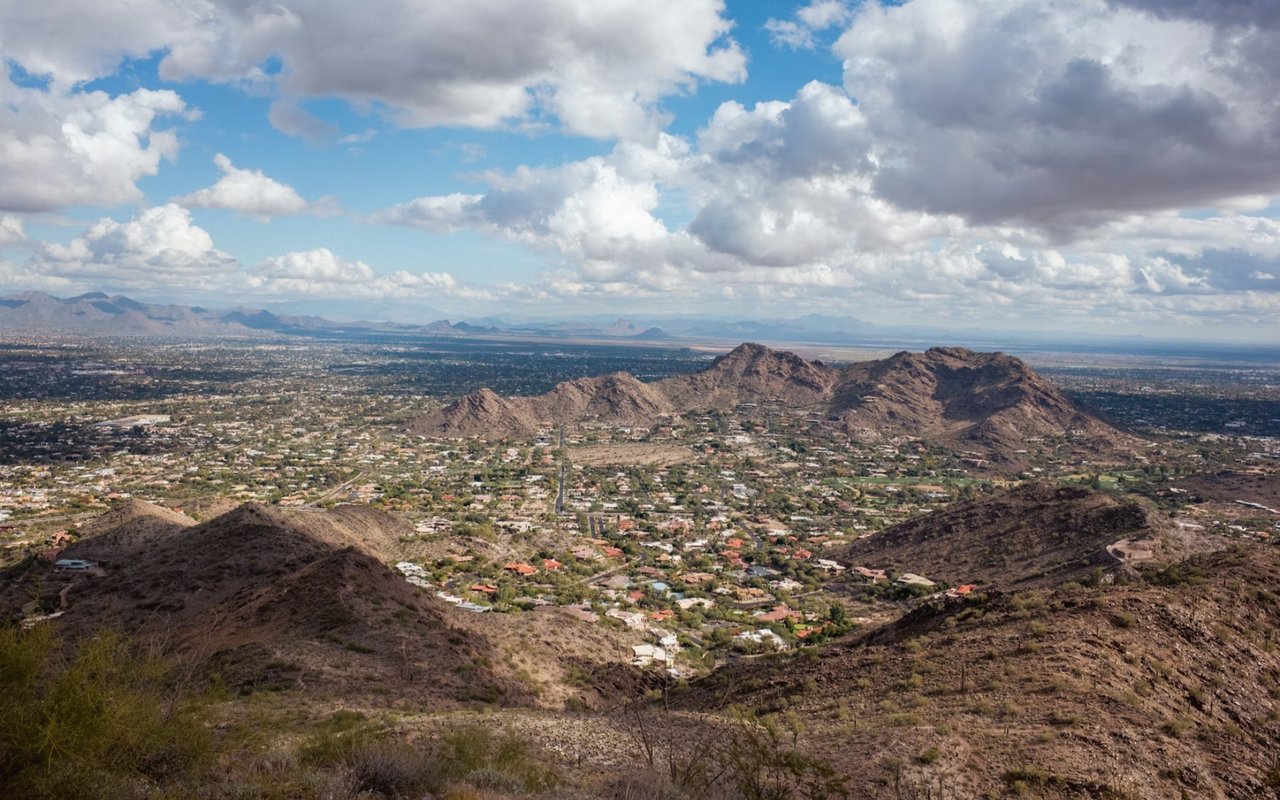
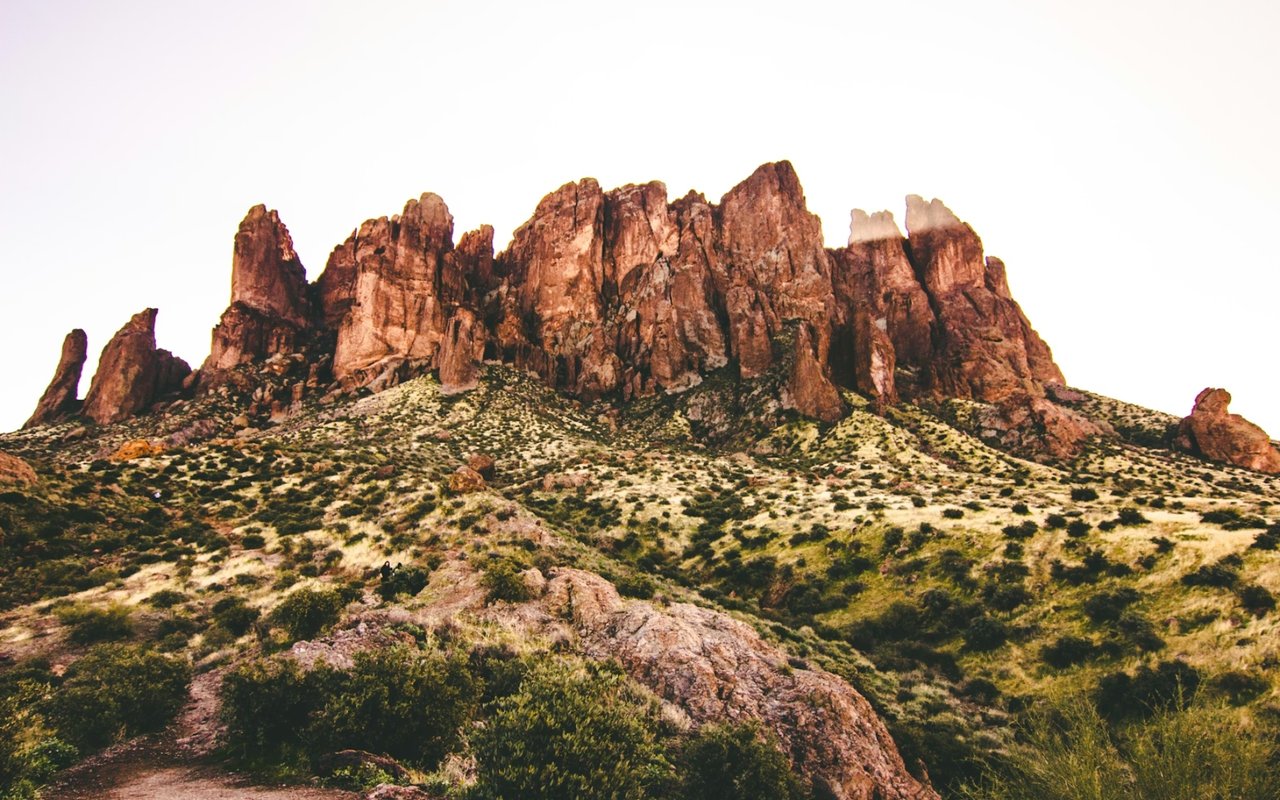
Here is the part that is specific to this village and not just to quail biology generally. Gambel's quail need water daily, either by drinking it directly or pulling it from succulent food, and they concentrate wherever water and cover overlap. Through most of the Sonoran Desert, that means washes and seeps, which thin out fast once the summer monsoon ends in September.
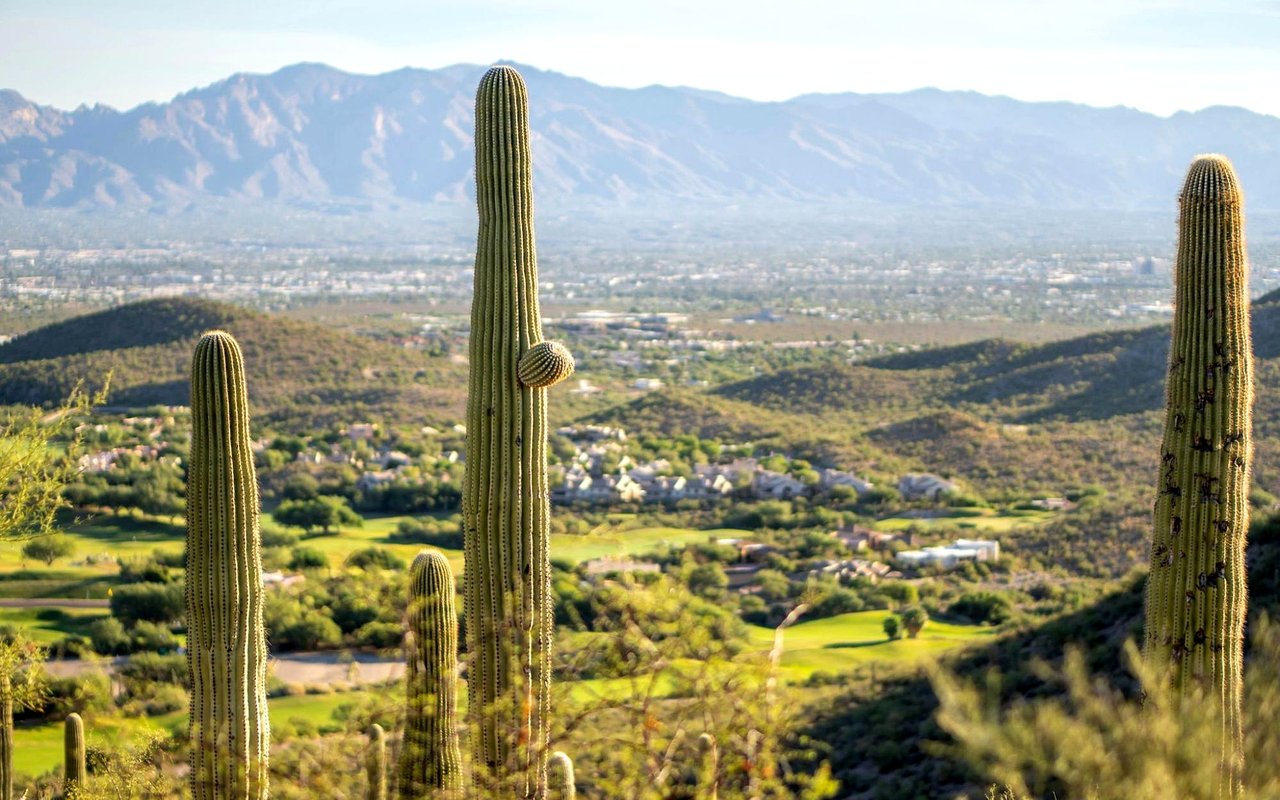
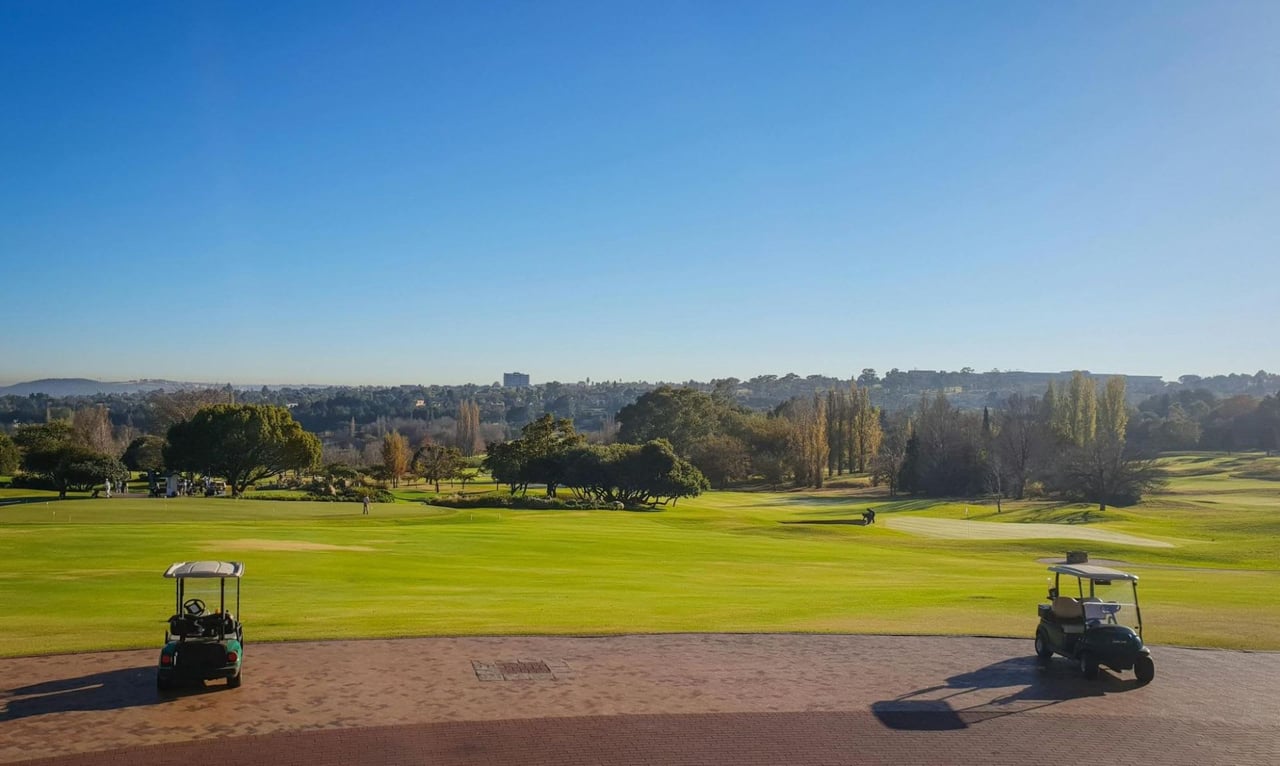
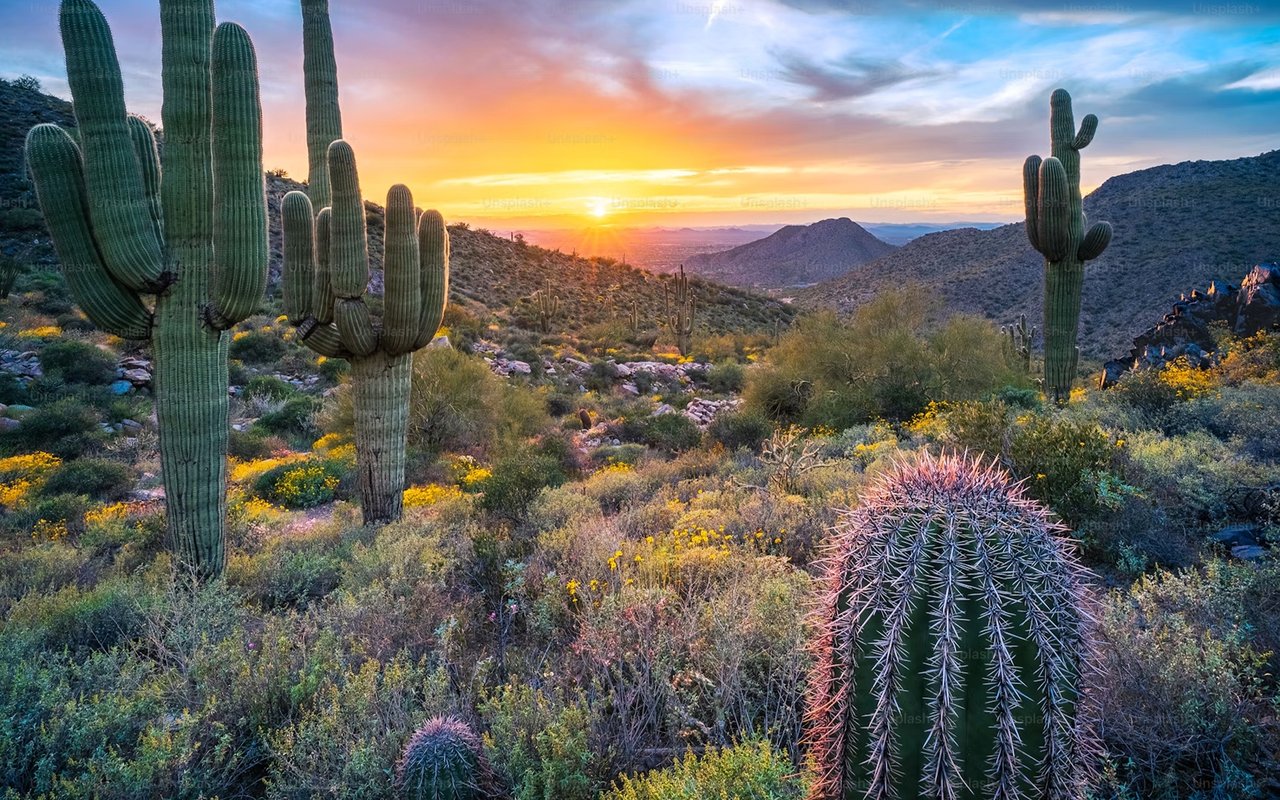
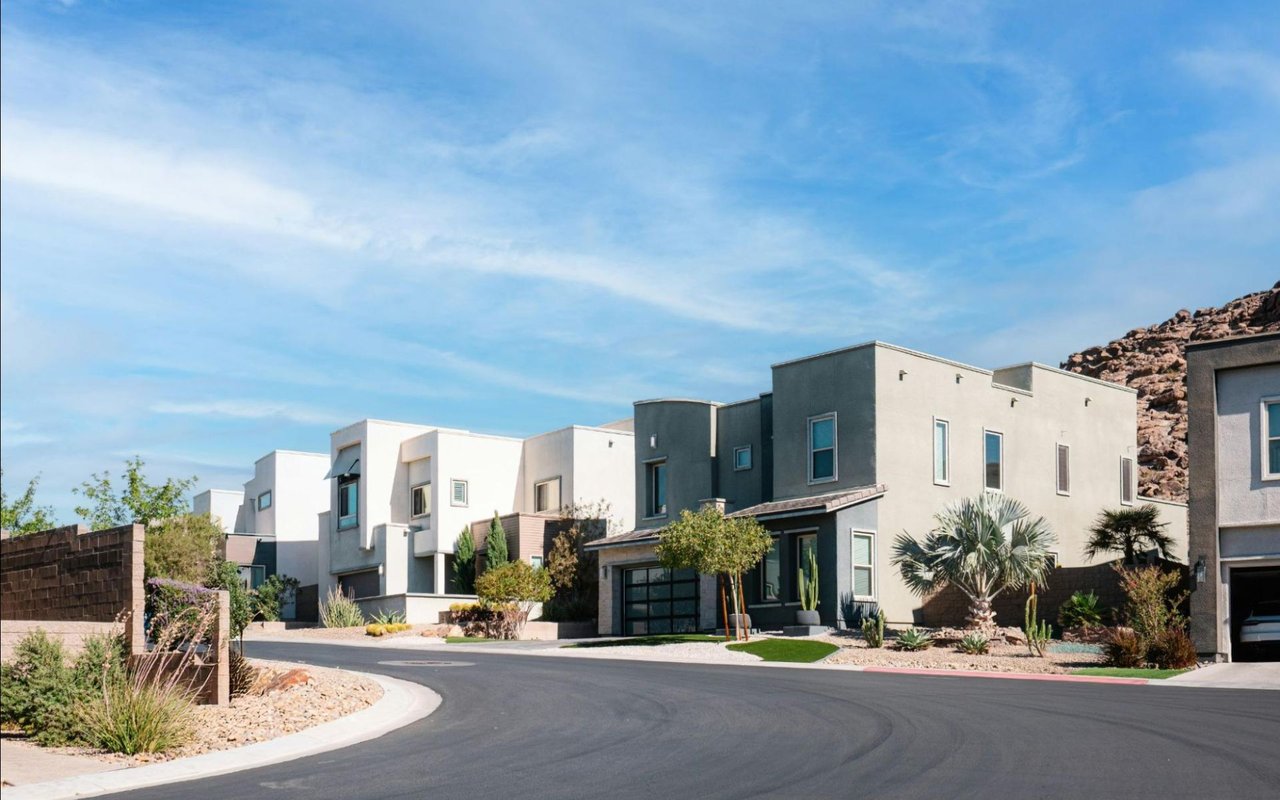
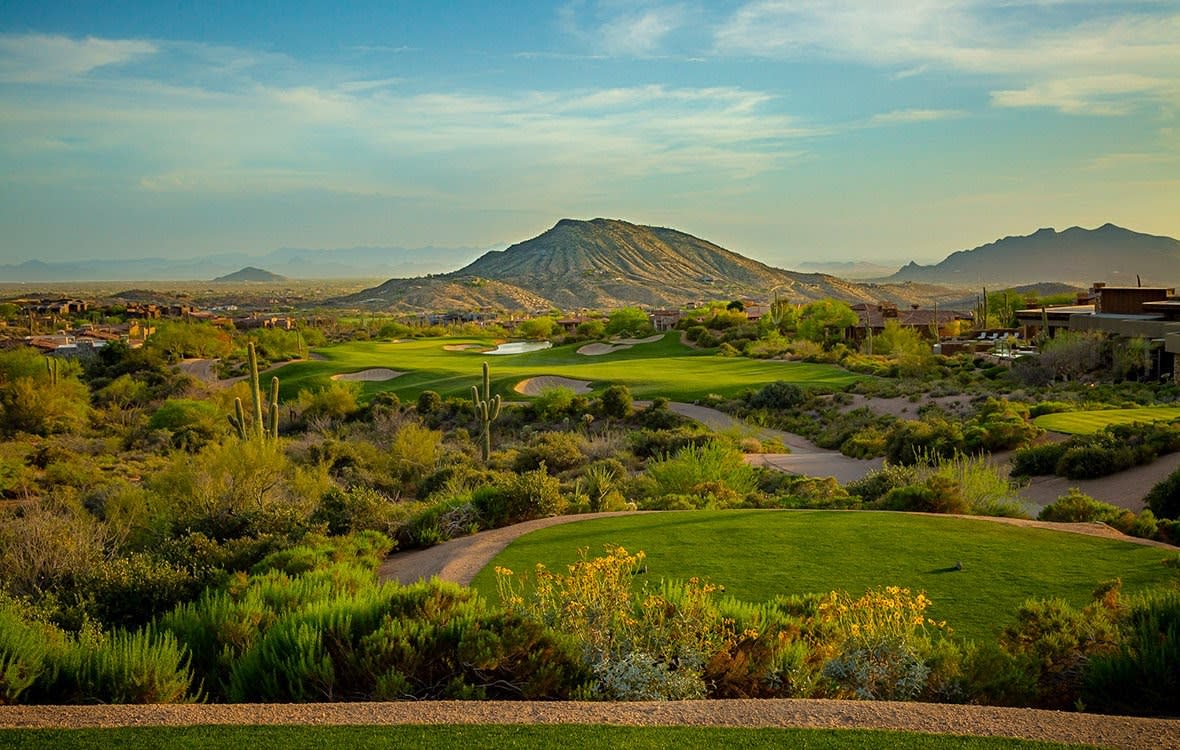
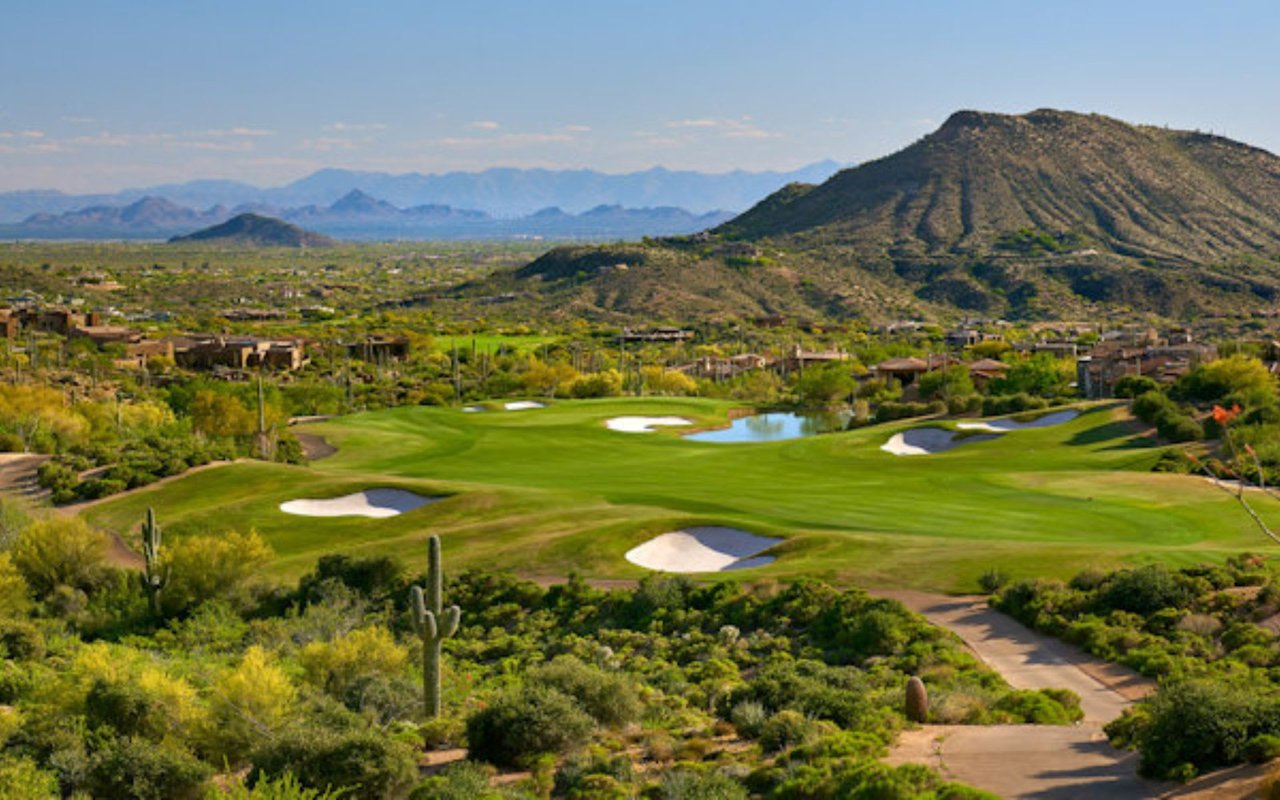
Gambel Quail sits directly alongside the back nine of the Renegade Golf Course, which was converted to cool-season bentgrass fairways during a renovation completed in 2019 and 2020. Cool-season turf does not survive on monsoon rain. It runs on a steady irrigation cycle year round, which means the fairway edging this village stays green and moist through the exact stretch of the calendar when the surrounding desert washes are drying out. Add the mesquite, palo verde, and low desert shrubs planted along those fairway margins for cover, and the back nine becomes something close to an artificial oasis at precisely the moment natural water sources elsewhere are disappearing.
That is the mechanism behind what looks, from a patio, like quail suddenly multiplying. The birds are not multiplying. They are consolidating on the one strip of ground in the neighborhood that still reliably has both water and brush, and that strip happens to run along the edge of the village named for them.
A few things to watch for if you want to tell a covey from a random cluster of birds:
- The black topknot that curves forward, easiest to spot on a bird standing still on a rock or low wall
- The call itself, most common in mid-morning and late afternoon rather than midday heat
- Running rather than flying as the default response to being startled, with flight reserved for real alarm
- Group size building through fall and peaking in winter, then breaking apart again as pairing starts in March
The Same Calendar Turn, for a Different Reason
The birds are not the only residents of Gambel Quail whose year turns over at the start of fall. Desert Mountain Club's own membership calendar splits the year into a Winter Season running October 1 through December 31 and January 1 through May 31, and a quieter Summer Season from June through September. That is not a coincidence of wording. It is the same seasonal cue, cooler temperatures and the return of usable outdoor hours, driving two different populations to concentrate activity at the same time of year.
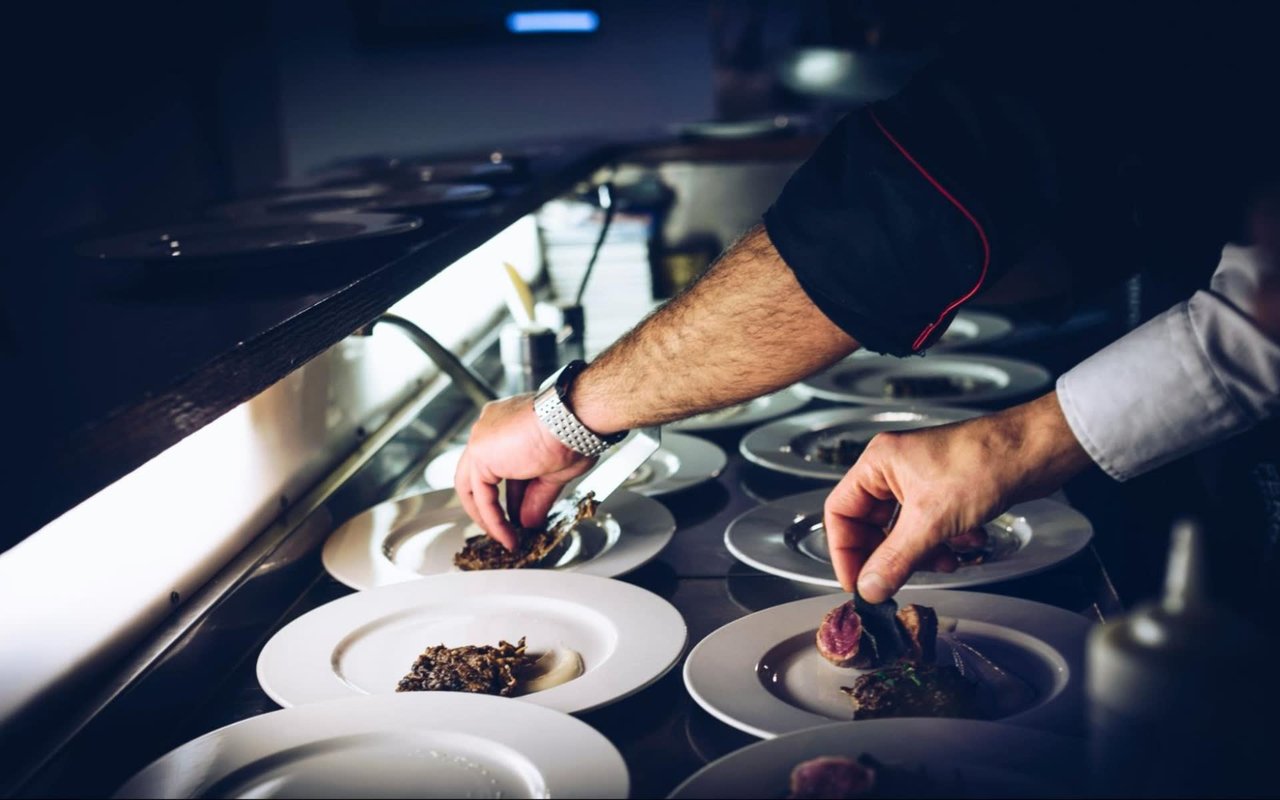
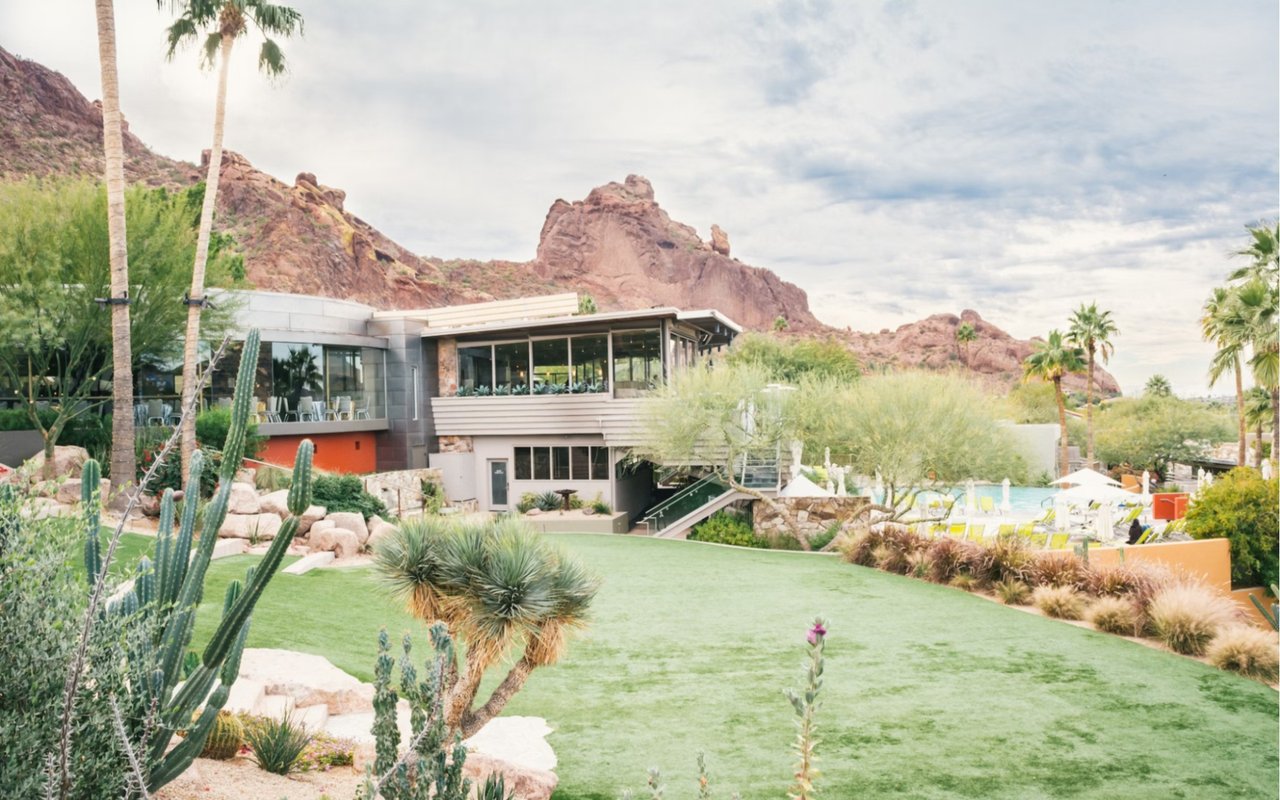
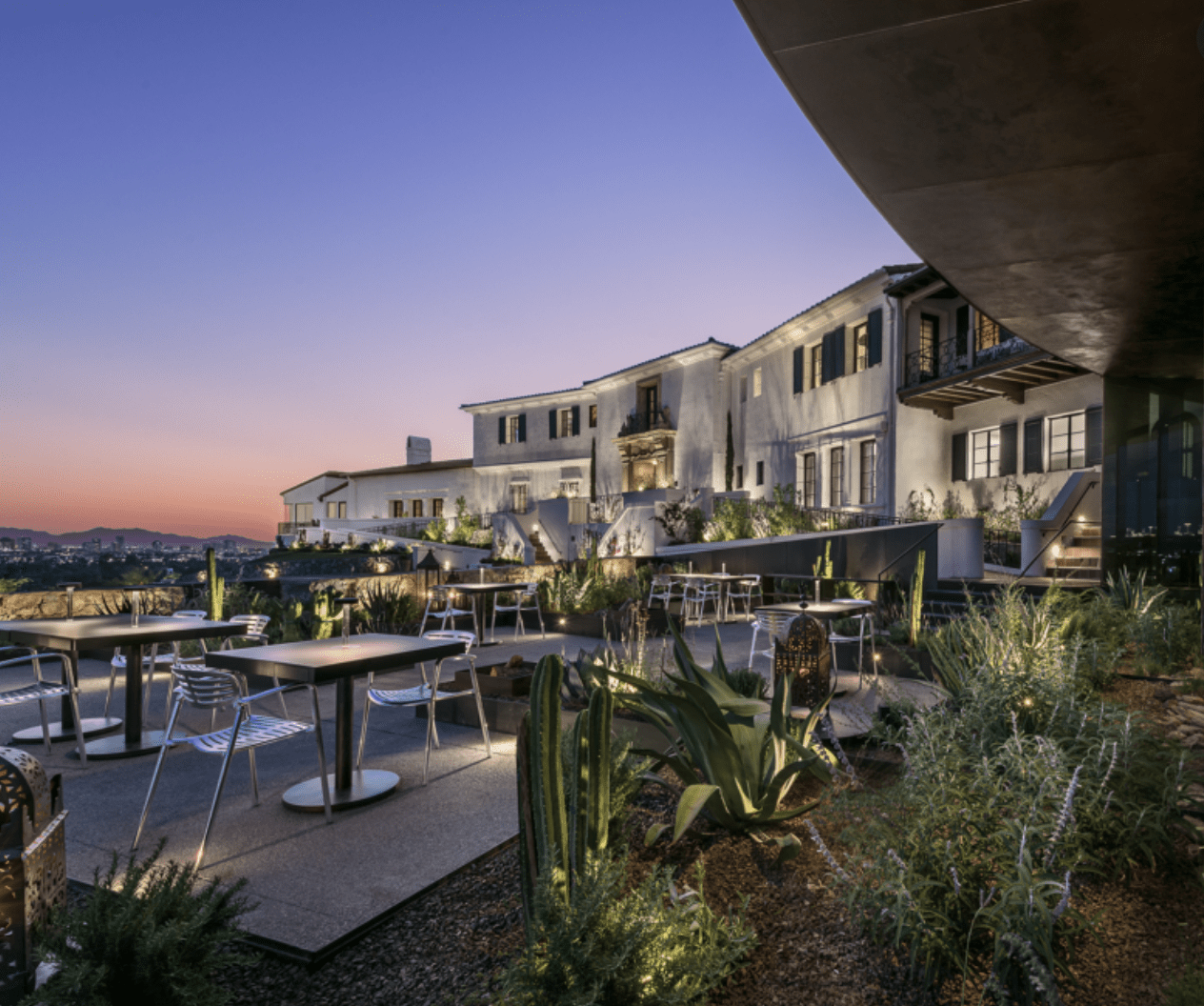
On the human side, that concentration shows up at the Renegade Clubhouse, rebuilt from the ground up and reopened in January 2024 after work that began in 2021. The Hideout, its casual restaurant, runs breakfast through dinner under Culinary Director Bertrand Bouquin, a Maître Cuisinier de France who oversees all ten of Desert Mountain's dining rooms. The clubhouse also houses the Jim Flick Golf Performance Center, which sees noticeably more traffic once the fall lesson calendar fills in alongside cooler morning tee times. None of that is about birds, but it is driven by the identical shift in weather that pulls quail coveys together on the fairway just outside.
Live in this village long enough and you start to notice the two calendars running in parallel. The clubhouse patio fills up again. The practice range gets busier before nine in the morning. And on the walk over, there is a fair chance you will cross a covey doing essentially the same thing your neighbors are, moving toward the one part of the property that stays green and comfortable while the rest of the desert dries out and cools down.
What This Actually Means for a Morning Walk
None of this requires residents to do anything differently. Quail nest on the ground, tucked under a shrub or the base of a cactus, so the practical takeaway during breeding months is simply to give ground cover a wide berth if you are walking a dog off leash. In fall, when coveys are moving in the open along fairway edges, there is nothing delicate about the encounter. They will see you before you see them, and they will handle it by running, not by scattering into your path.
What is worth carrying with you is the actual explanation, because it changes what the sight means. A covey of forty birds crossing the back nine in September is not evidence of a good breeding year or a bad one. It is evidence that the irrigated turf your village borders is doing exactly what irrigated turf does in a desert that just finished its wet season and is heading into its dry one, which is to become, for a few months, the most reliable water source within walking distance for anything that needs one.
That is a small thing to know about where you live. It is also the kind of detail that only shows up if you are paying attention to the actual mechanics of this particular piece of ground, rather than the general idea of desert wildlife.
Power+ is a boutique team of Desert Mountain residents who happen to notice these things too, on the same fairways, in the same villages, on the same fall mornings. If you have a question about life in Gambel Quail or anywhere else inside the gates, reach out. We live here.