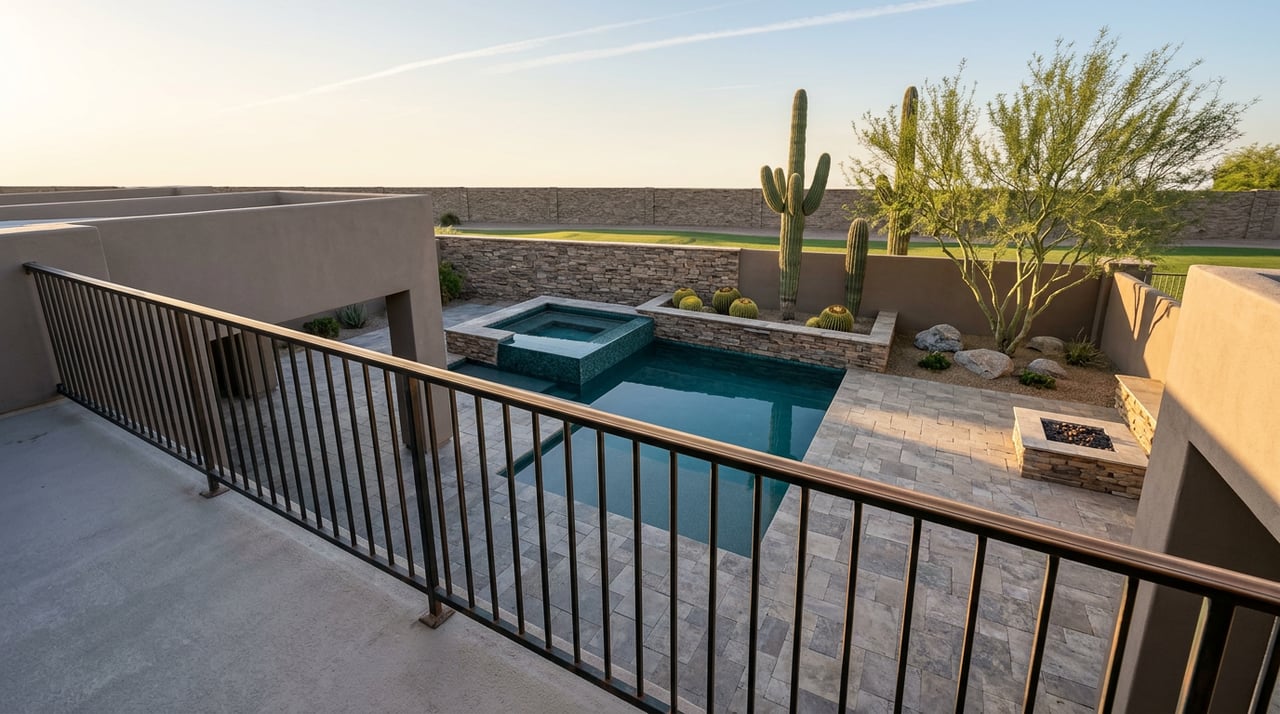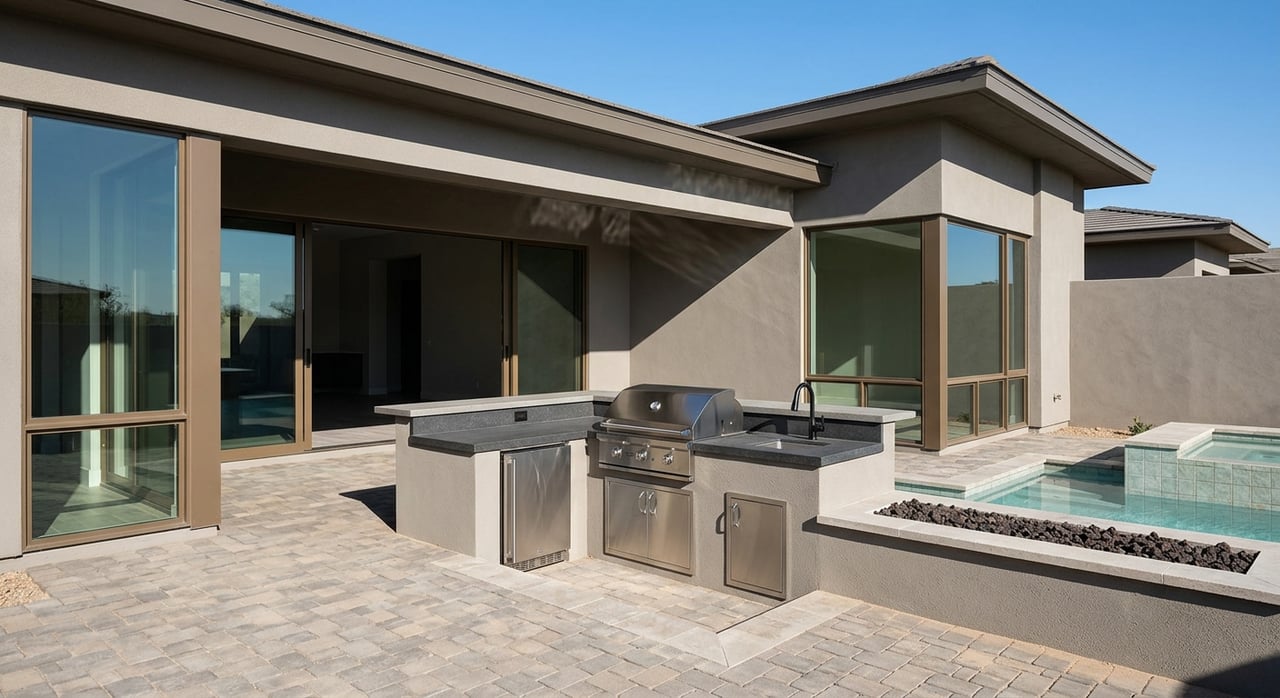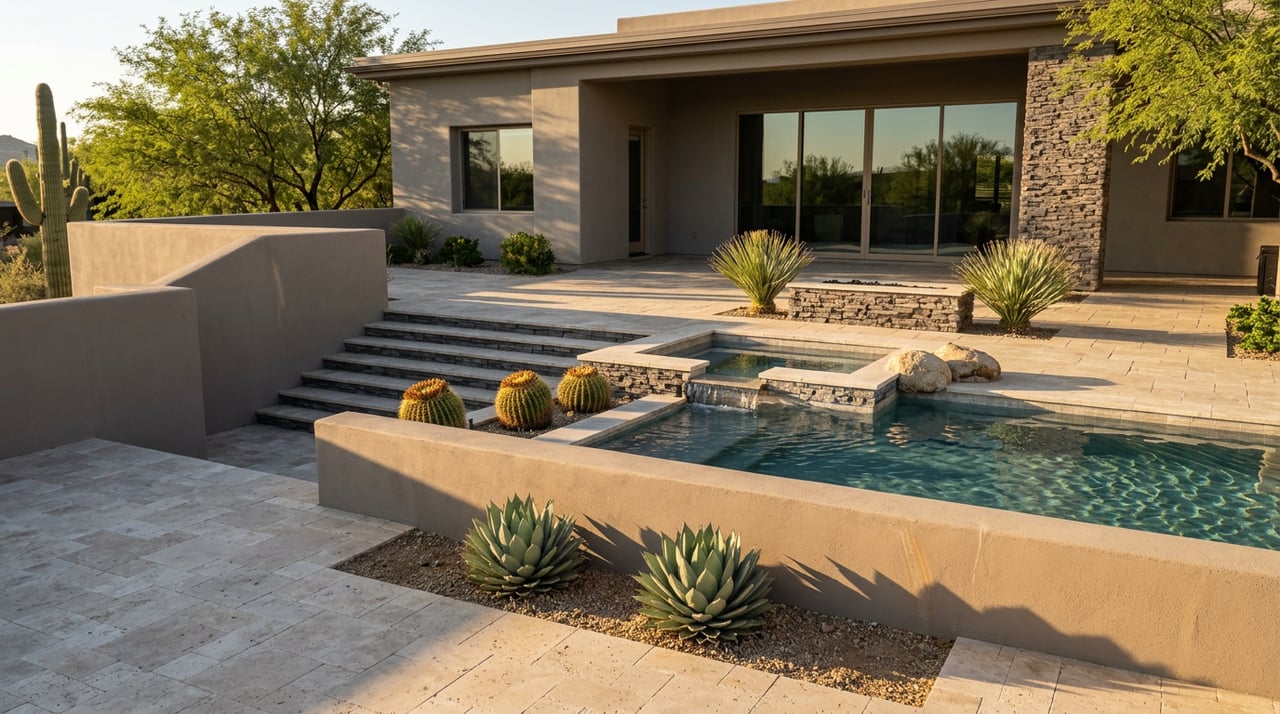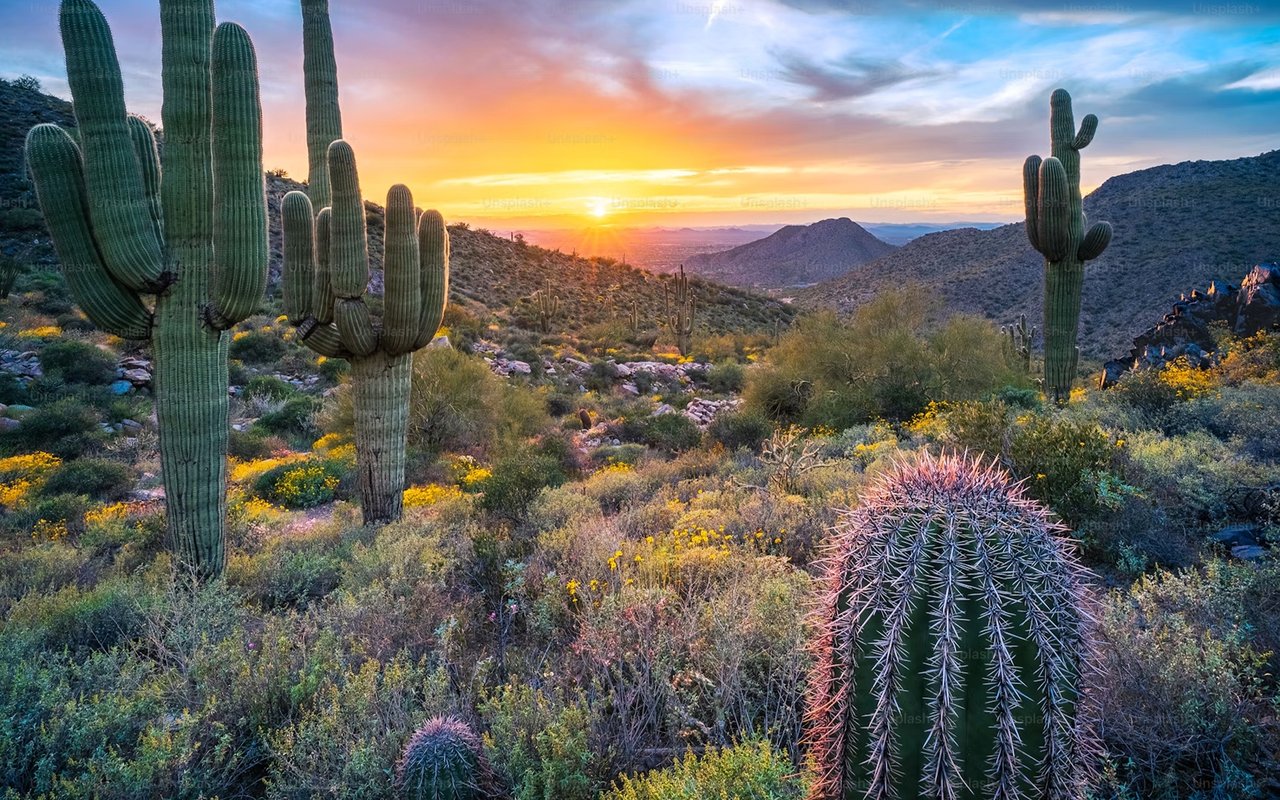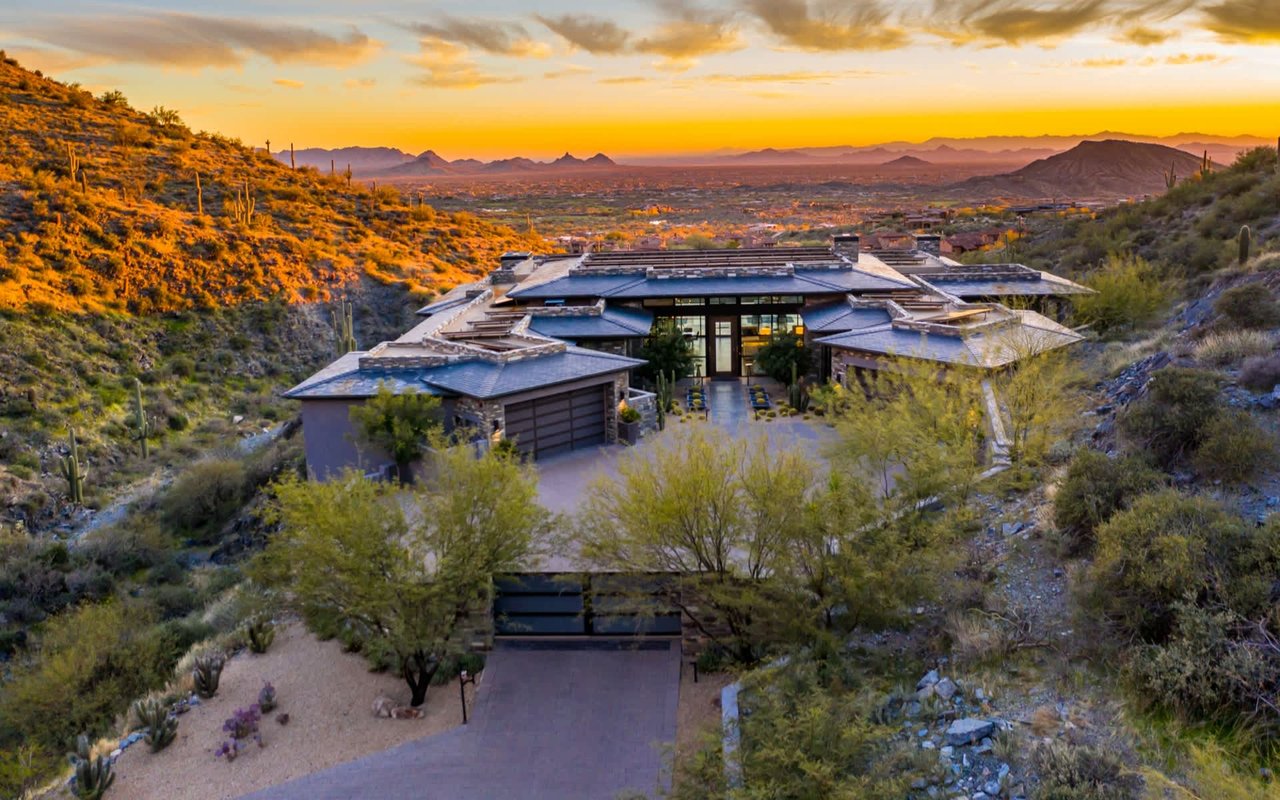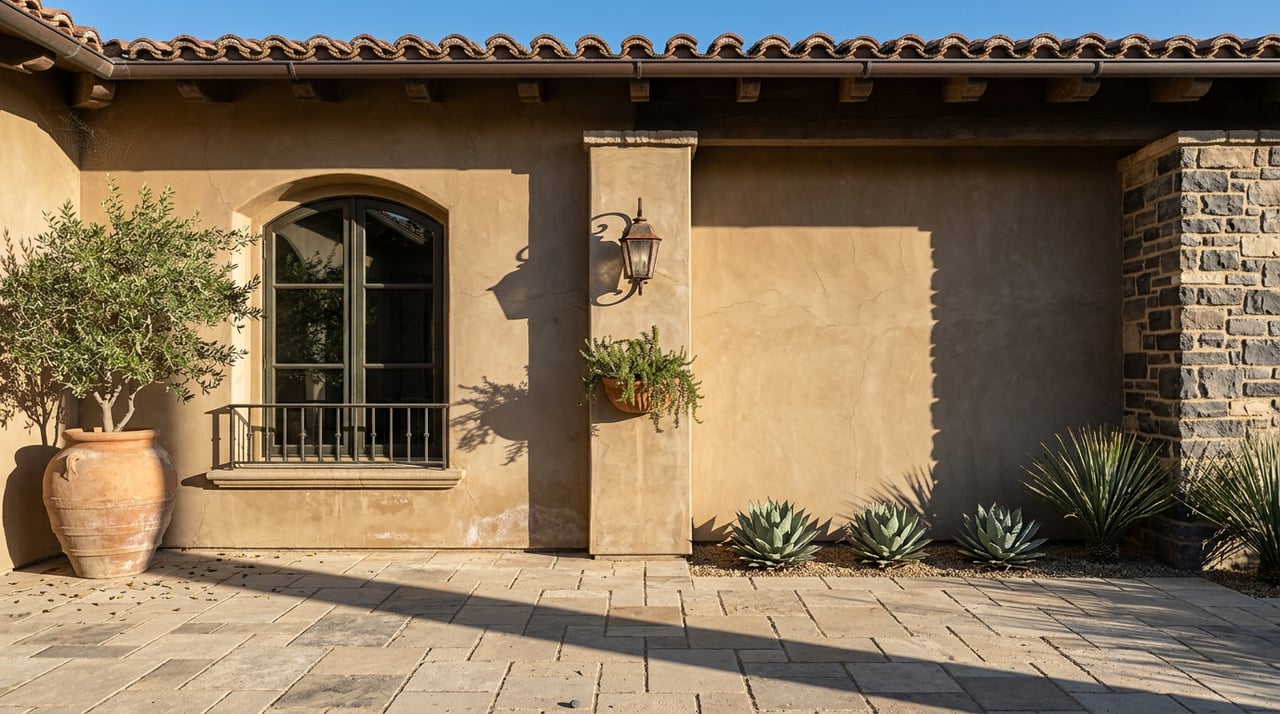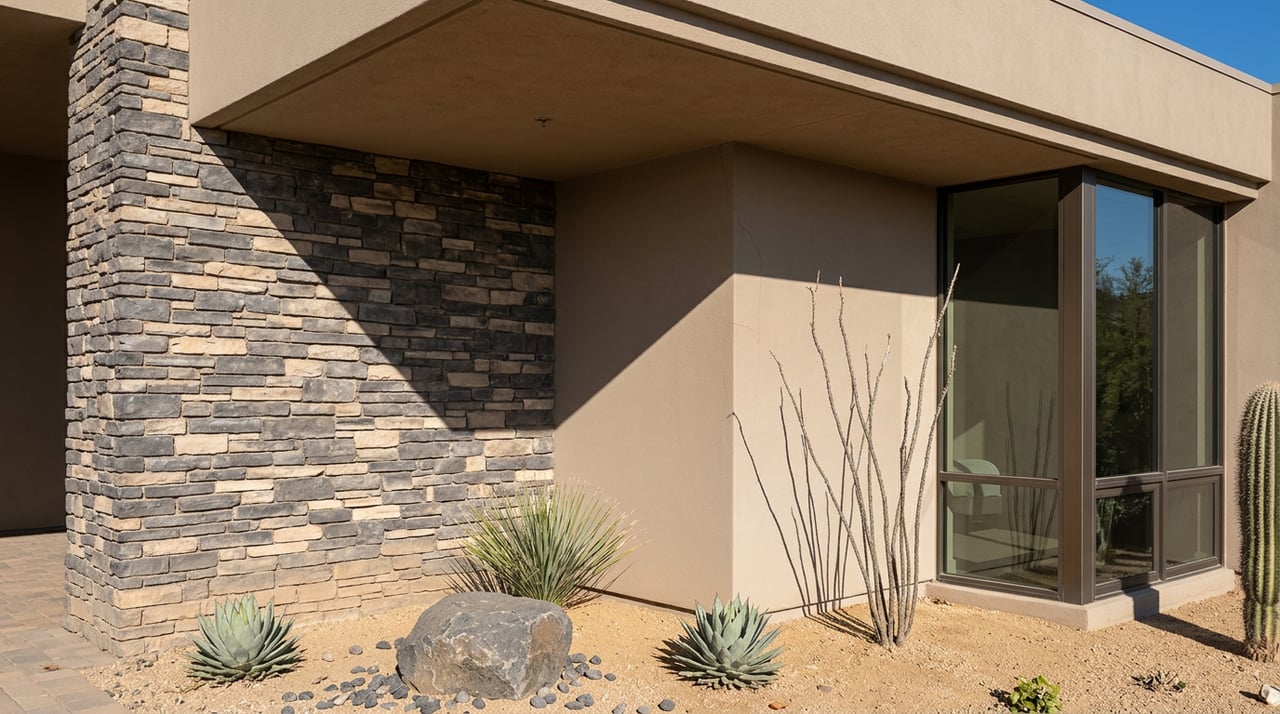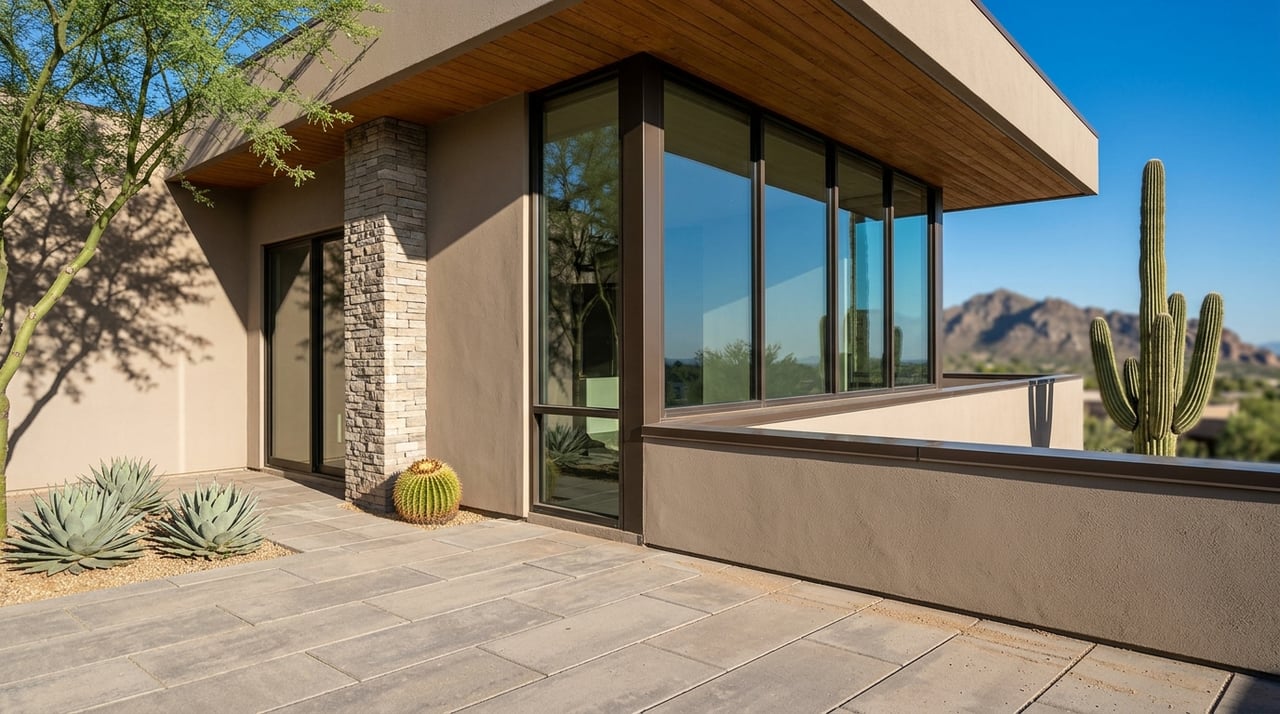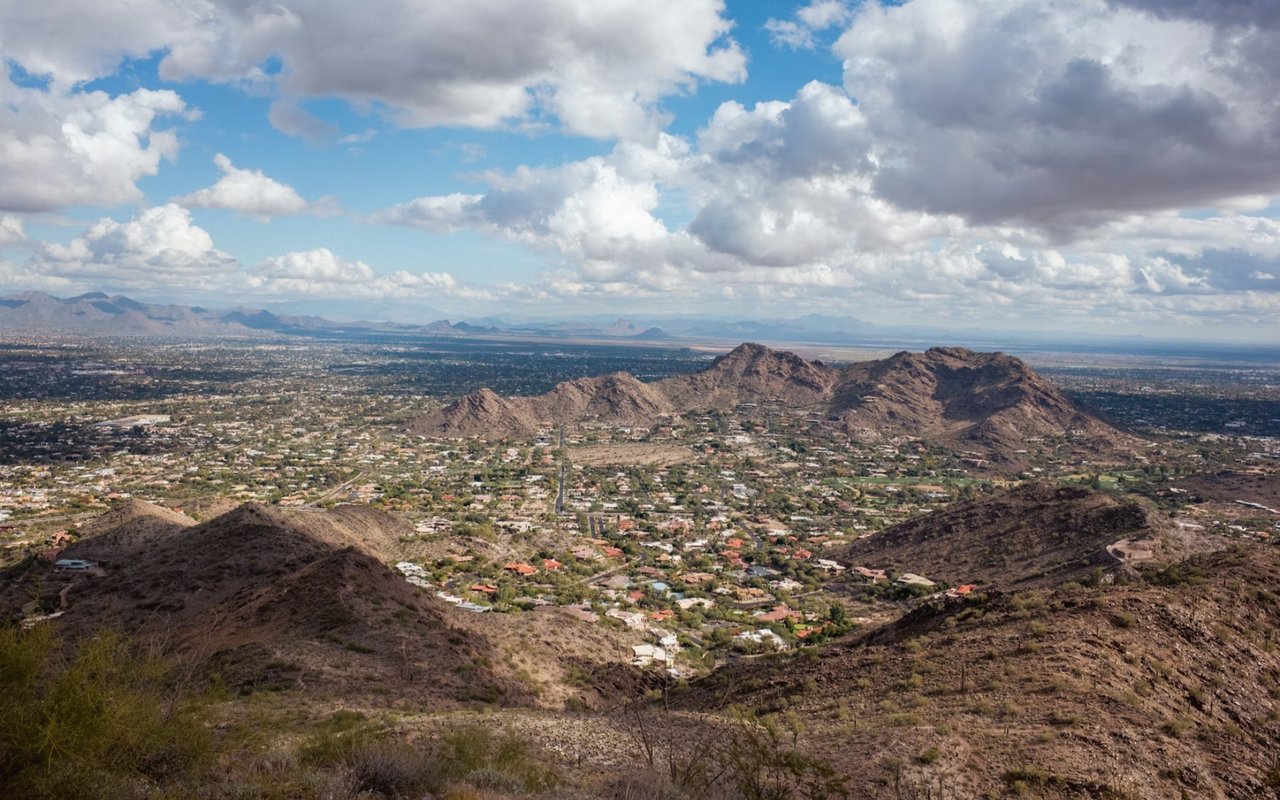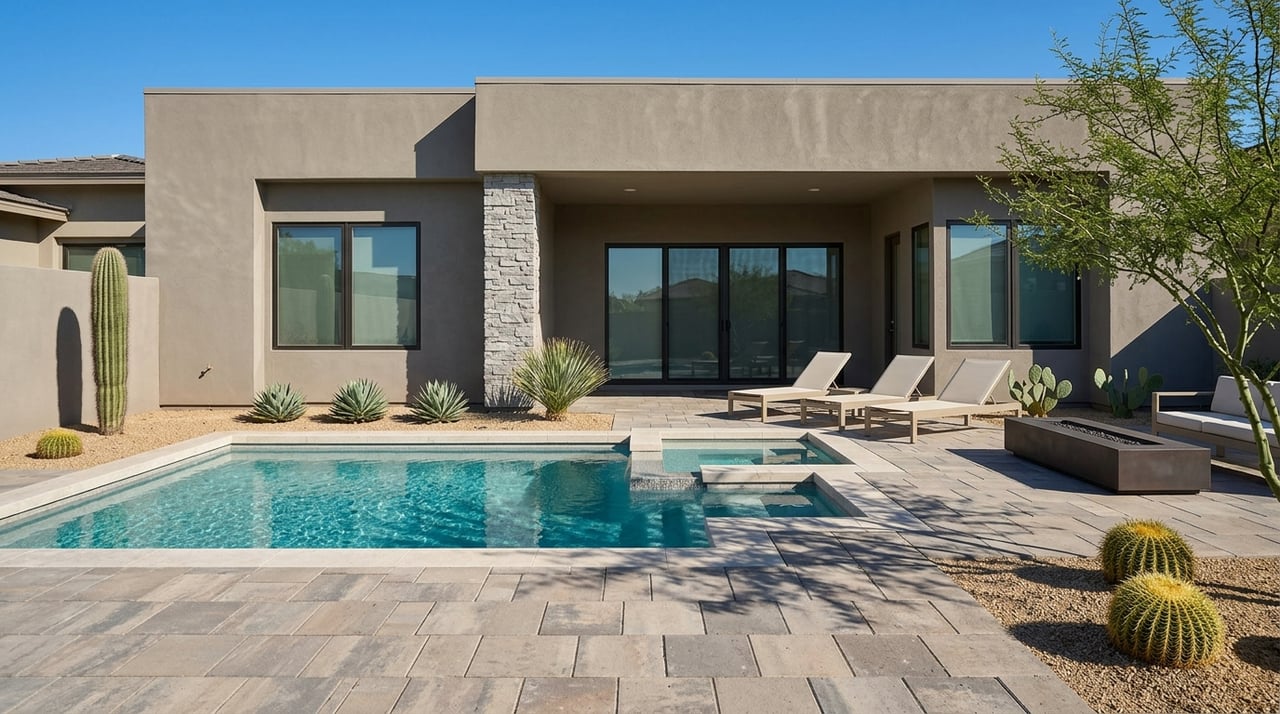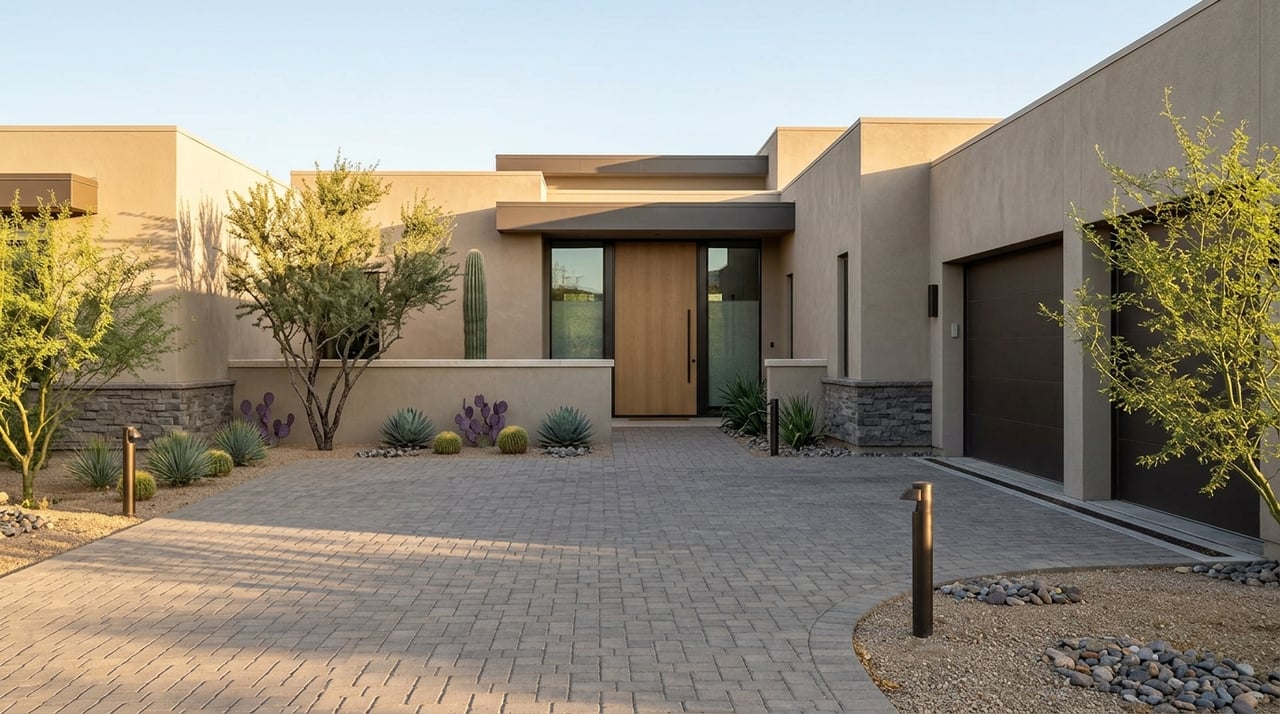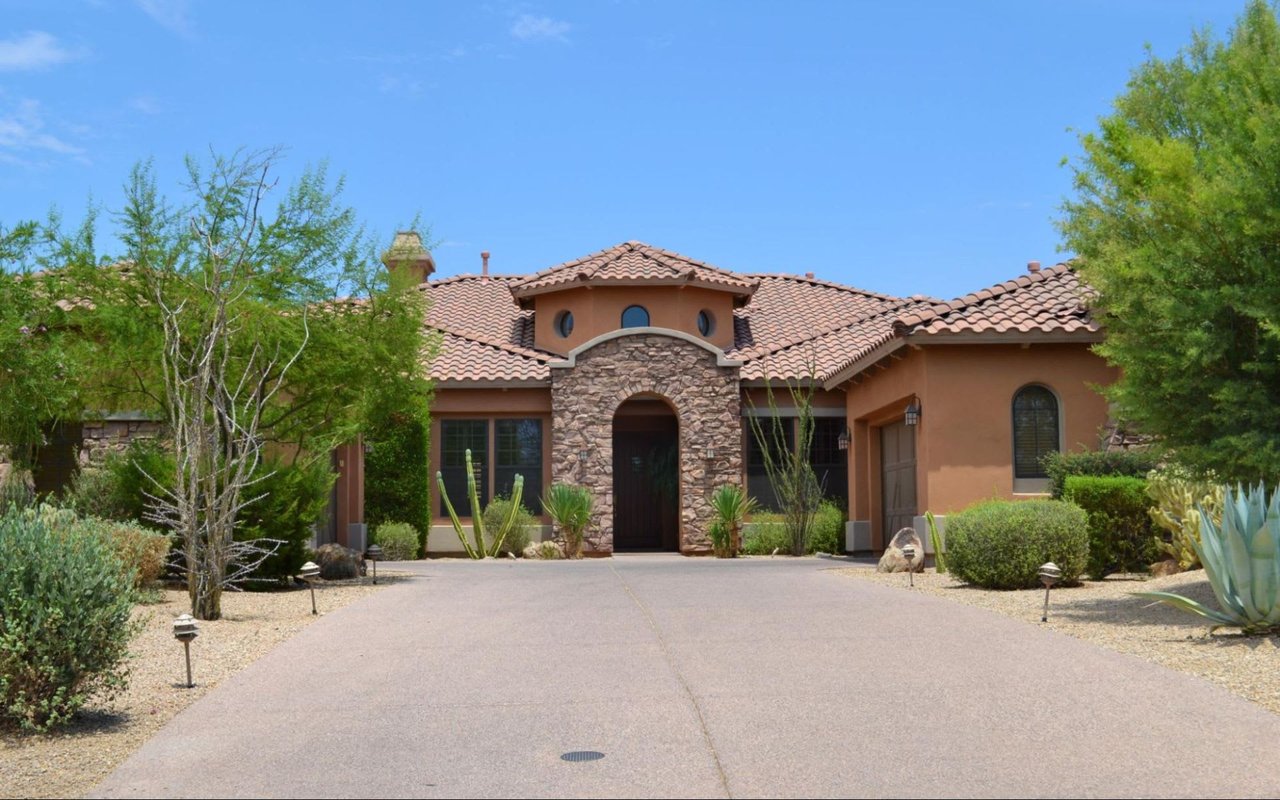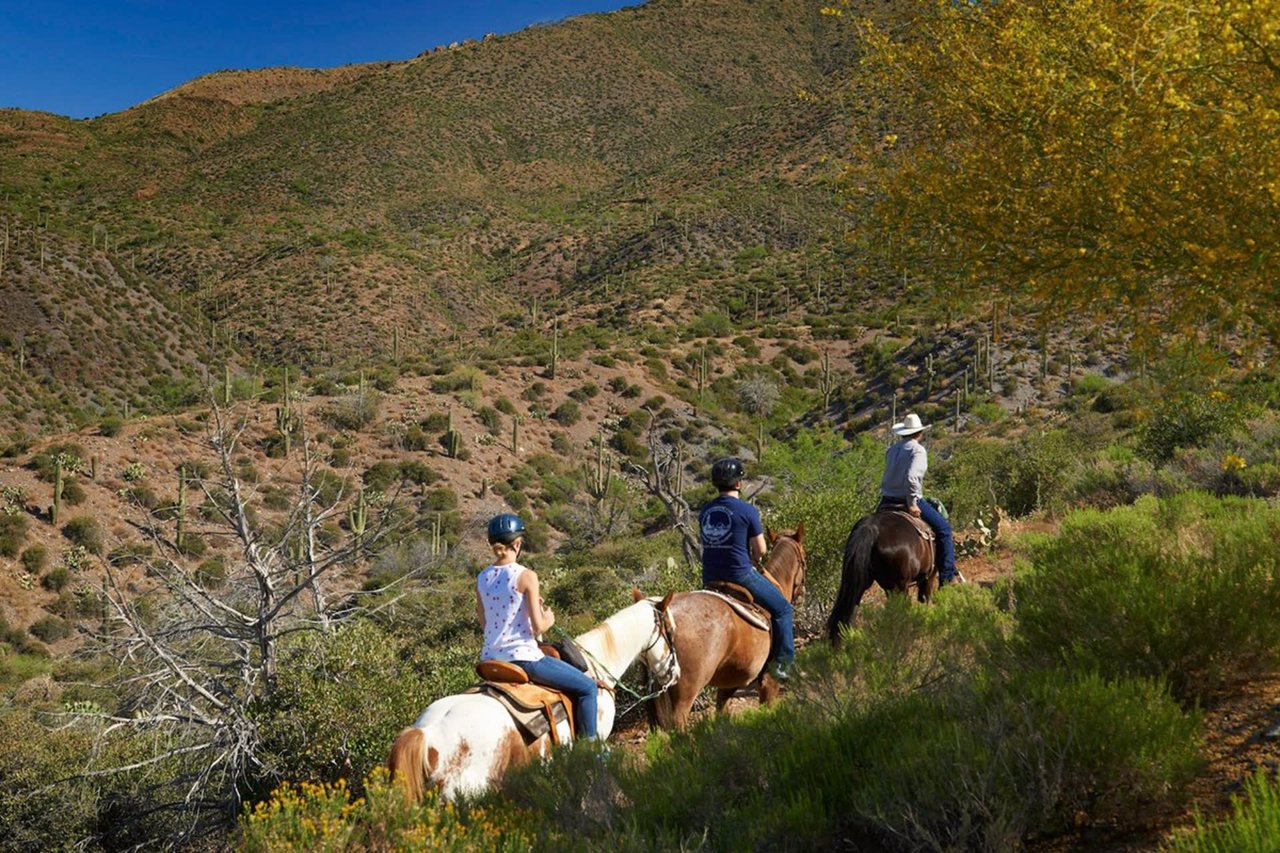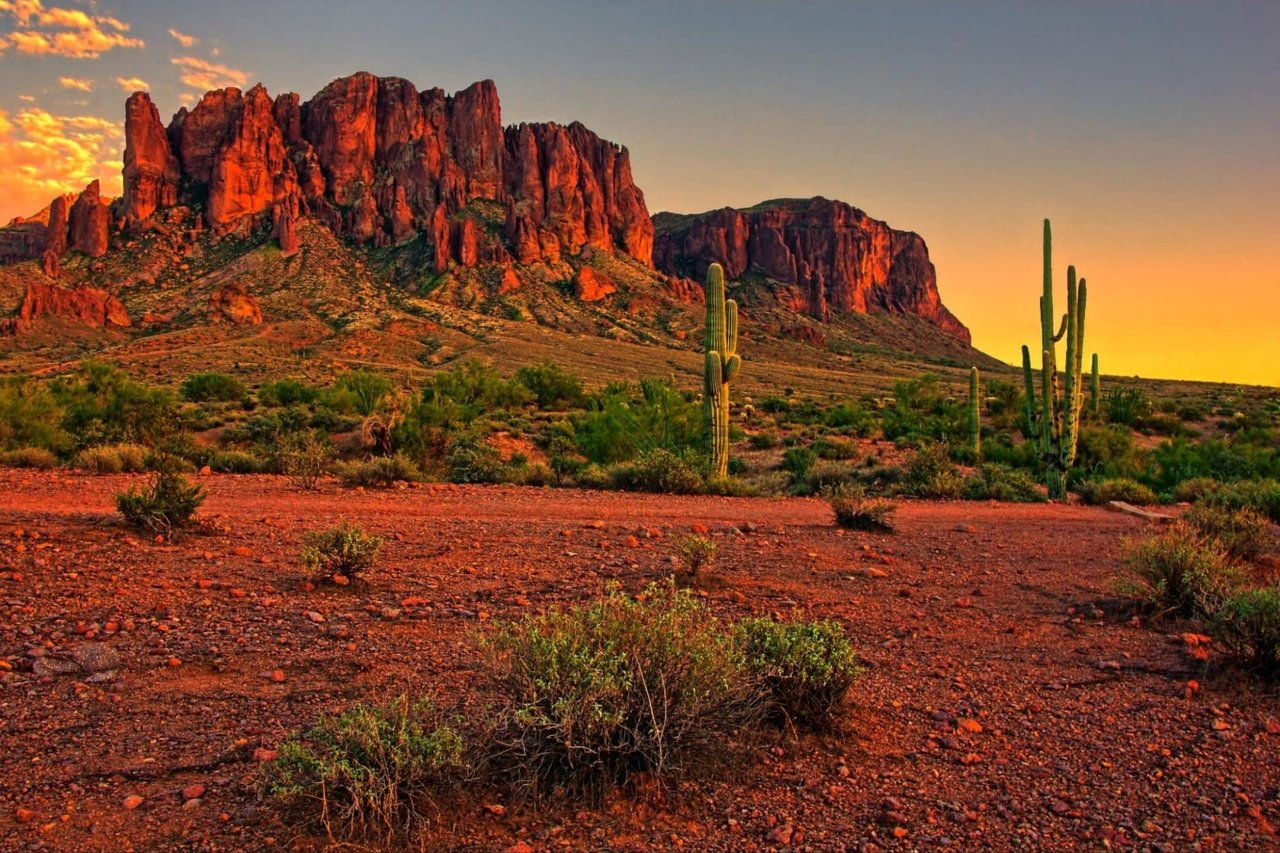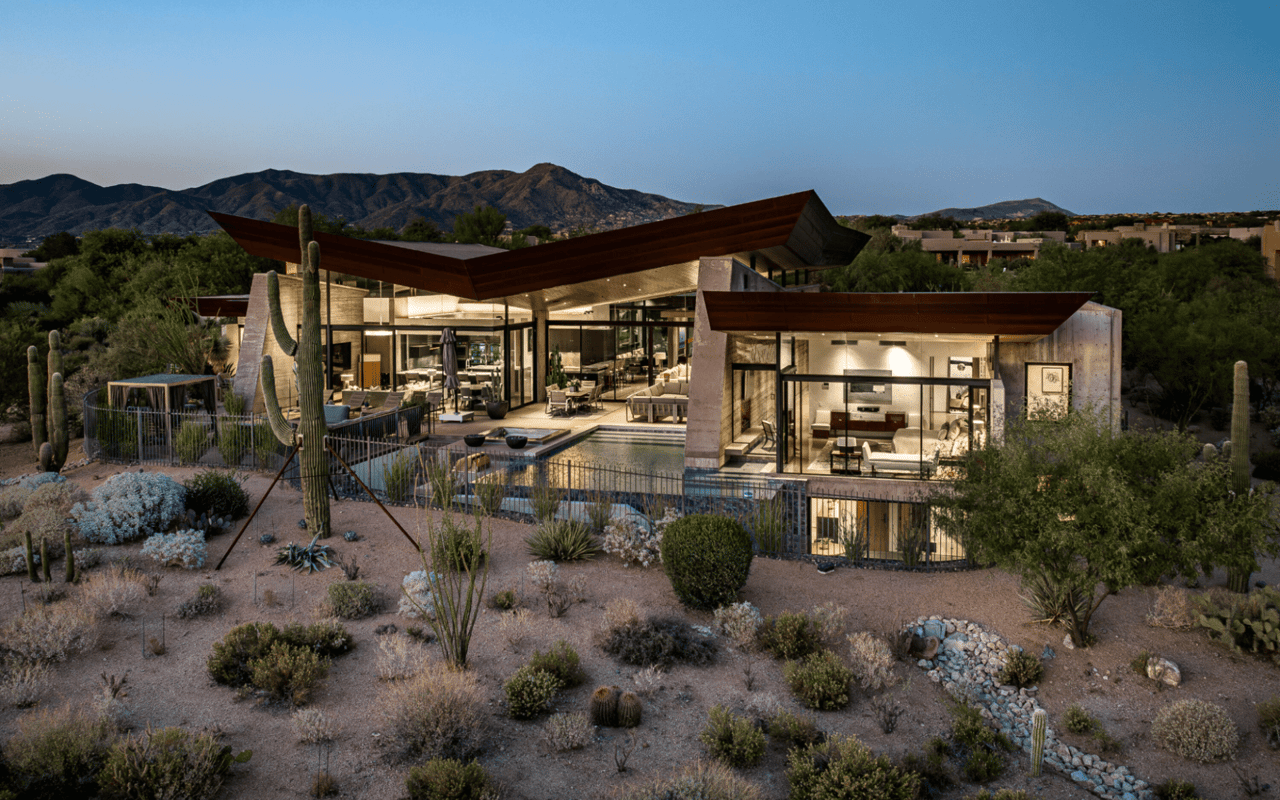
If you are thinking about building a legacy estate in Cintarosa Ranch, the homesite matters just as much as the home itself. In this part of Desert Mountain, you are not simply choosing land. You are choosing elevation, view corridors, design constraints, and a long-term relationship with the desert setting. This guide will help you understand what Cintarosa Ranch is, what can be built, and what to evaluate before you move forward. Let’s dive in.
What Cintarosa Ranch Actually Is
Cintarosa Ranch is a defined sub-area within Saguaro Forest in Desert Mountain, not a general label for North Scottsdale land. Under Desert Mountain’s supplemental guidelines, it includes lots 348 through 368 in Saguaro Forest.
Those lots may be developed as either one-of-a-kind custom homes or developer-built homes. That distinction matters because your options may vary by parcel, and each homesite should be evaluated on its own terms rather than treated as interchangeable.
The same supplemental guidelines identify Lot 369 separately as “The Ranch.” That parcel may be used for a recreational facility or other club amenity, which adds context to the surrounding land and reinforces that this area is part of a larger, carefully planned Desert Mountain setting.
Why Cintarosa Ranch Feels Different
Cintarosa Ranch stands out because the land itself is part of the luxury proposition. Desert Mountain’s HOA structure is organized by villages, and neighborhoods may have their own rules, bylaws, and architectural review guidelines.
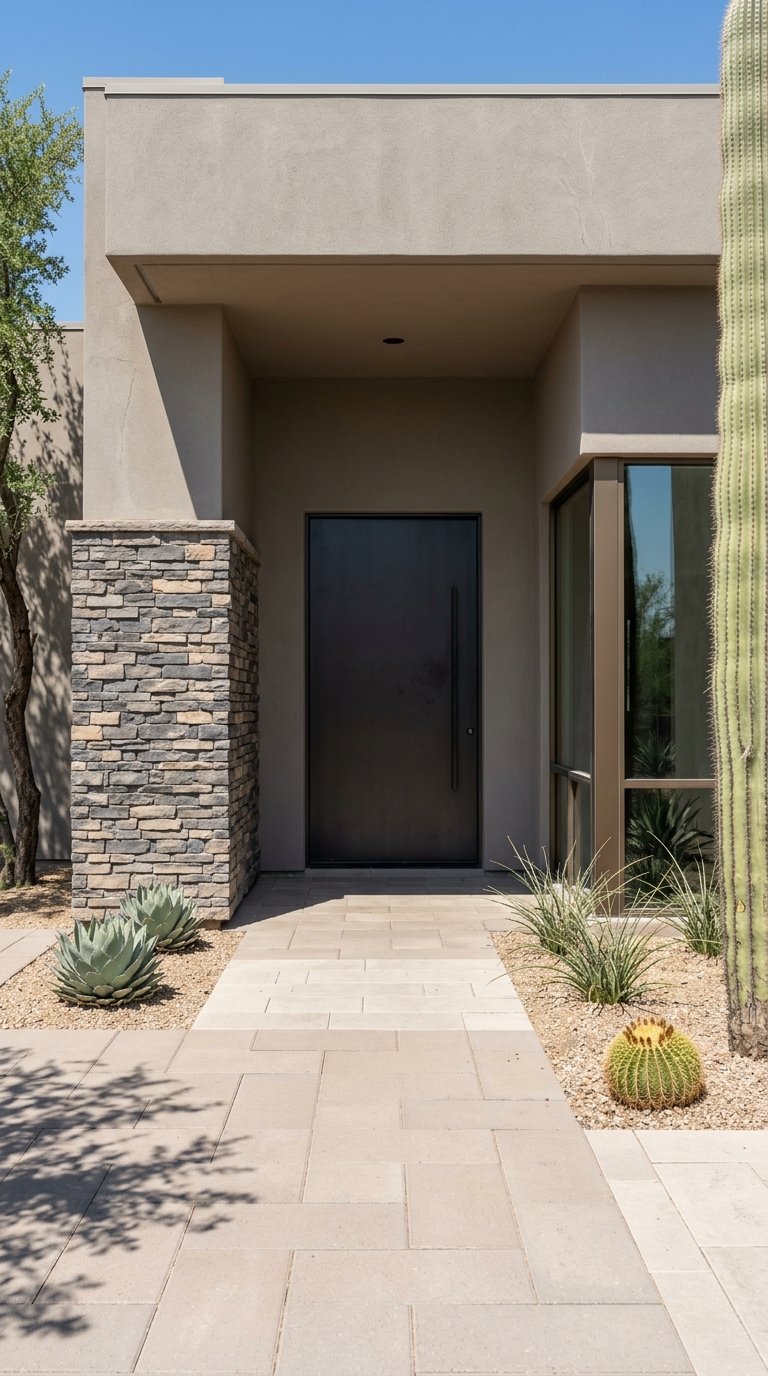
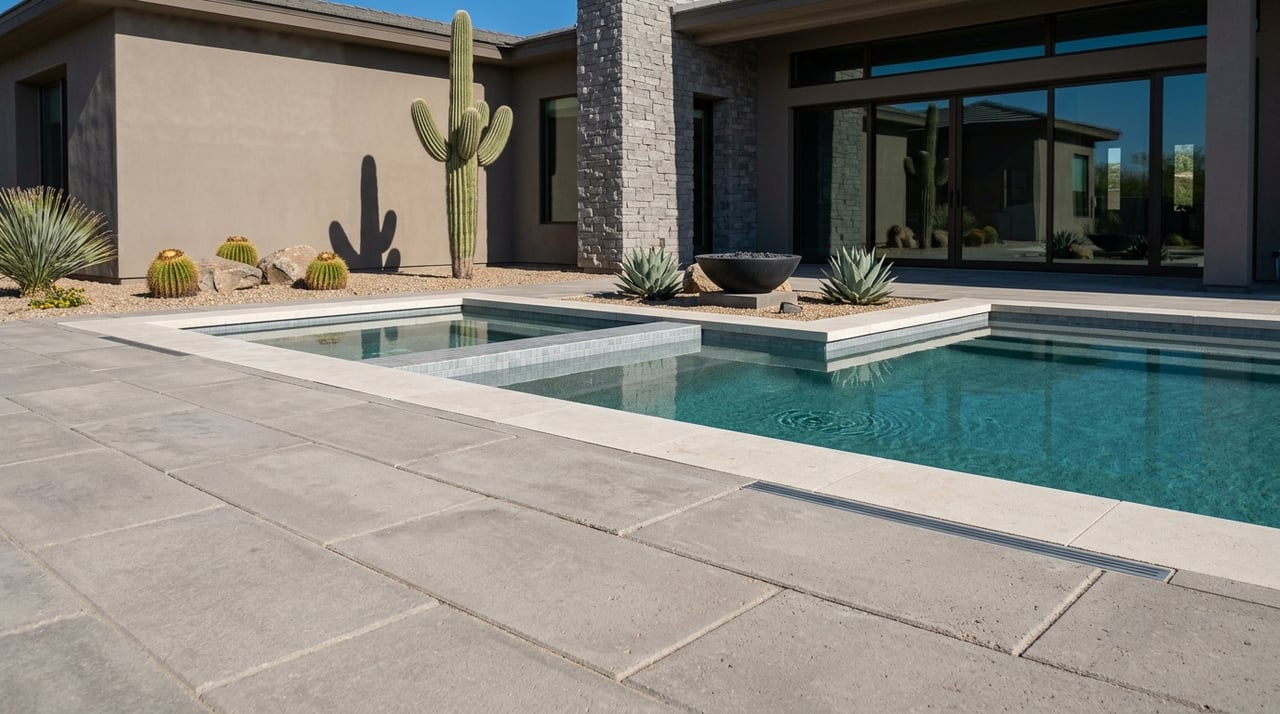
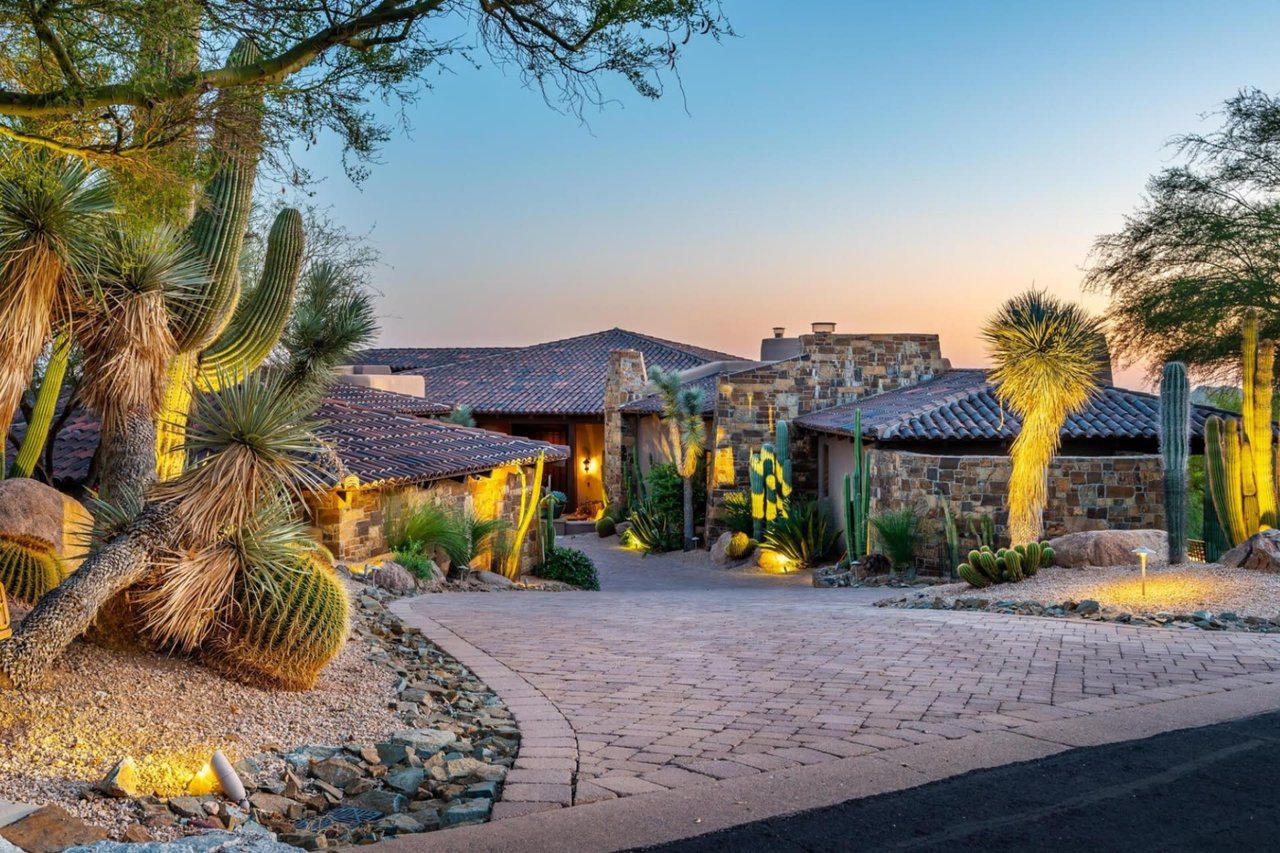
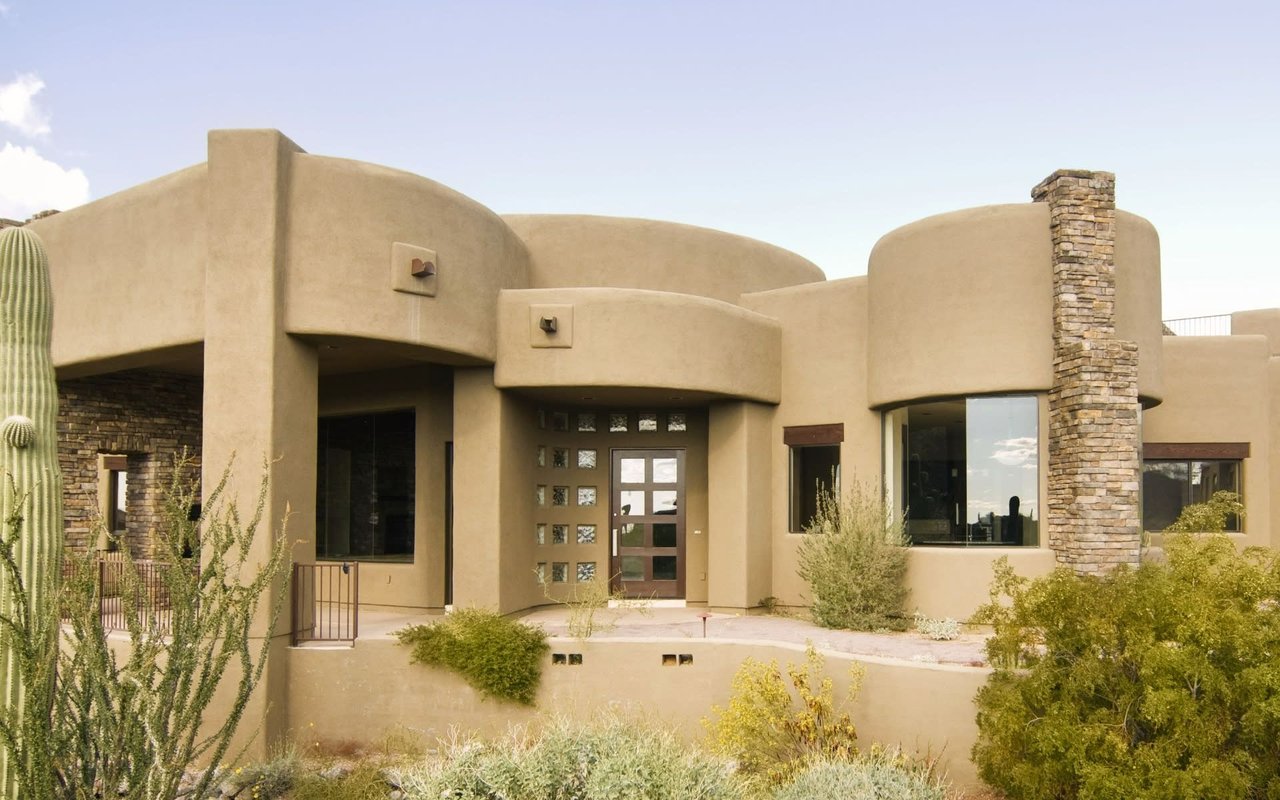
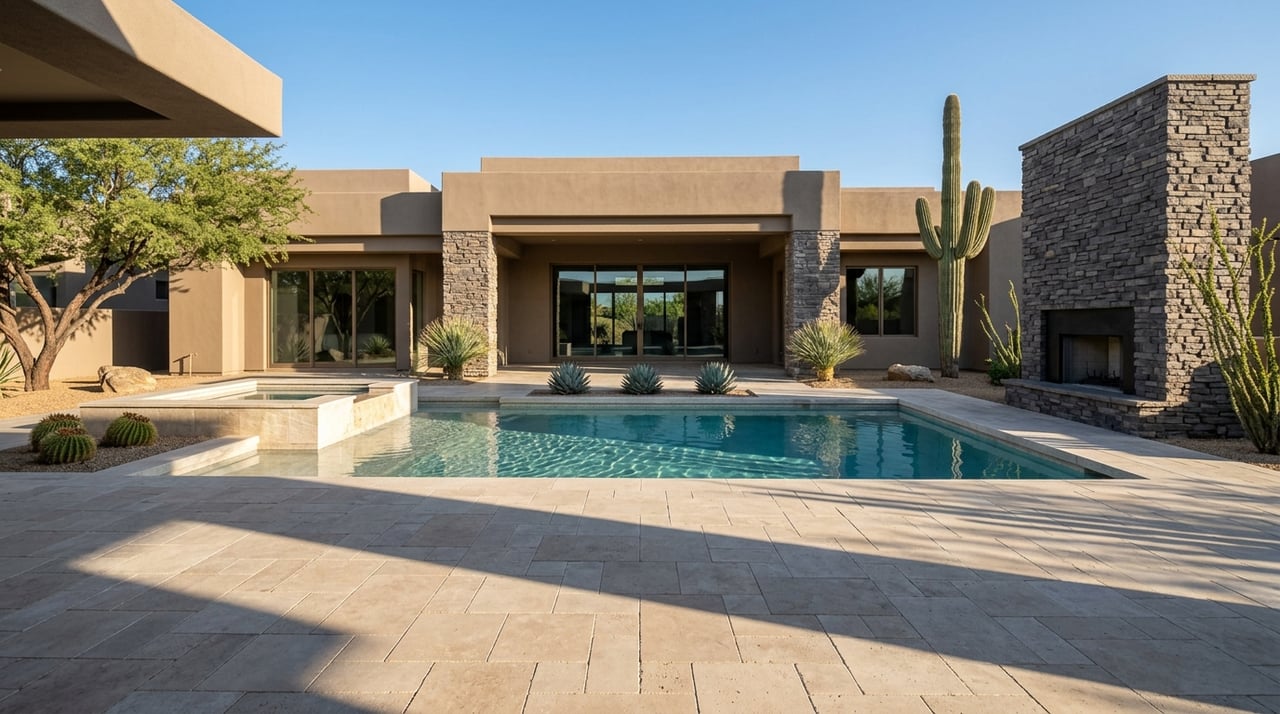
The community’s planning philosophy emphasizes large building envelopes and preservation of native desert. Desert Mountain also notes the influence of Taliesin and Frank Lloyd Wright design principles, which shape how homes are expected to relate to the land rather than overpower it.
For you as a buyer or landowner, that means a successful estate here starts with the site. Slope, orientation, envelope size, setbacks, and surrounding open space all help determine what kind of home makes sense.
Elevation and Views in Cintarosa Ranch
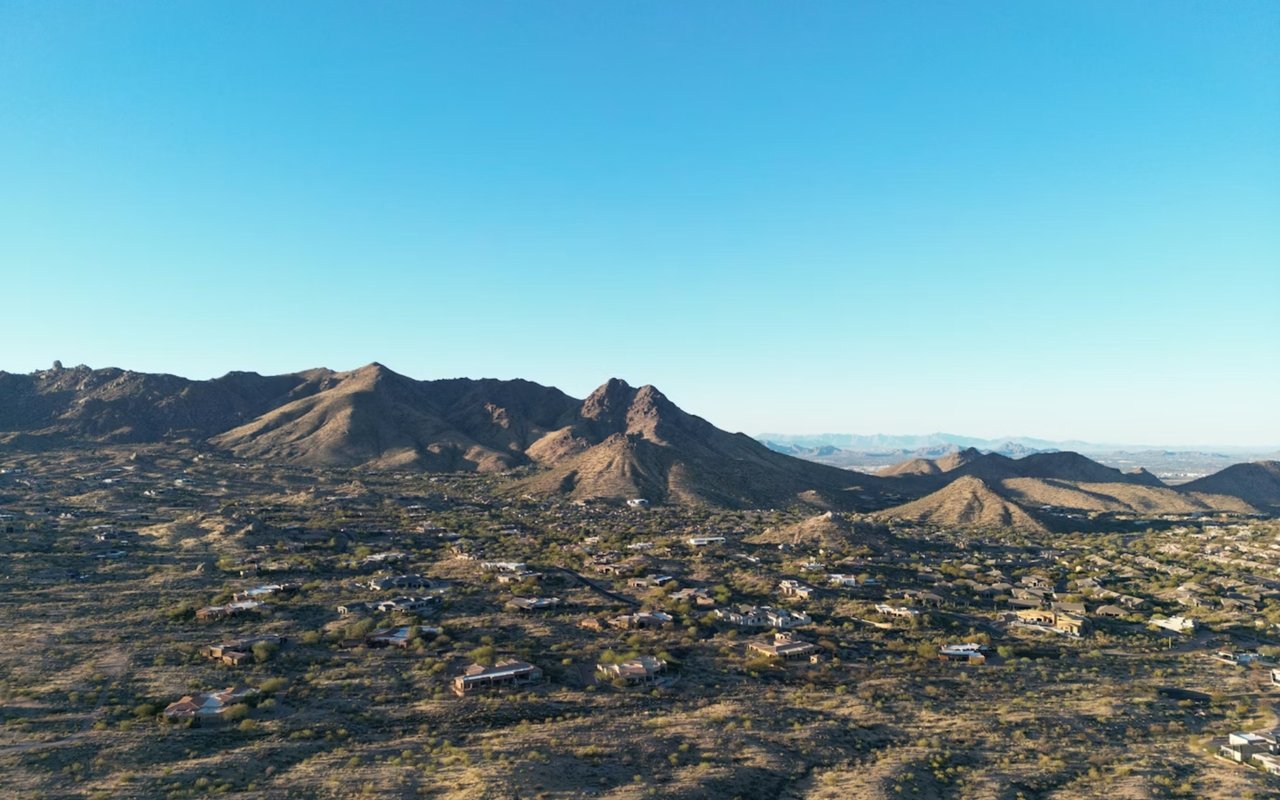
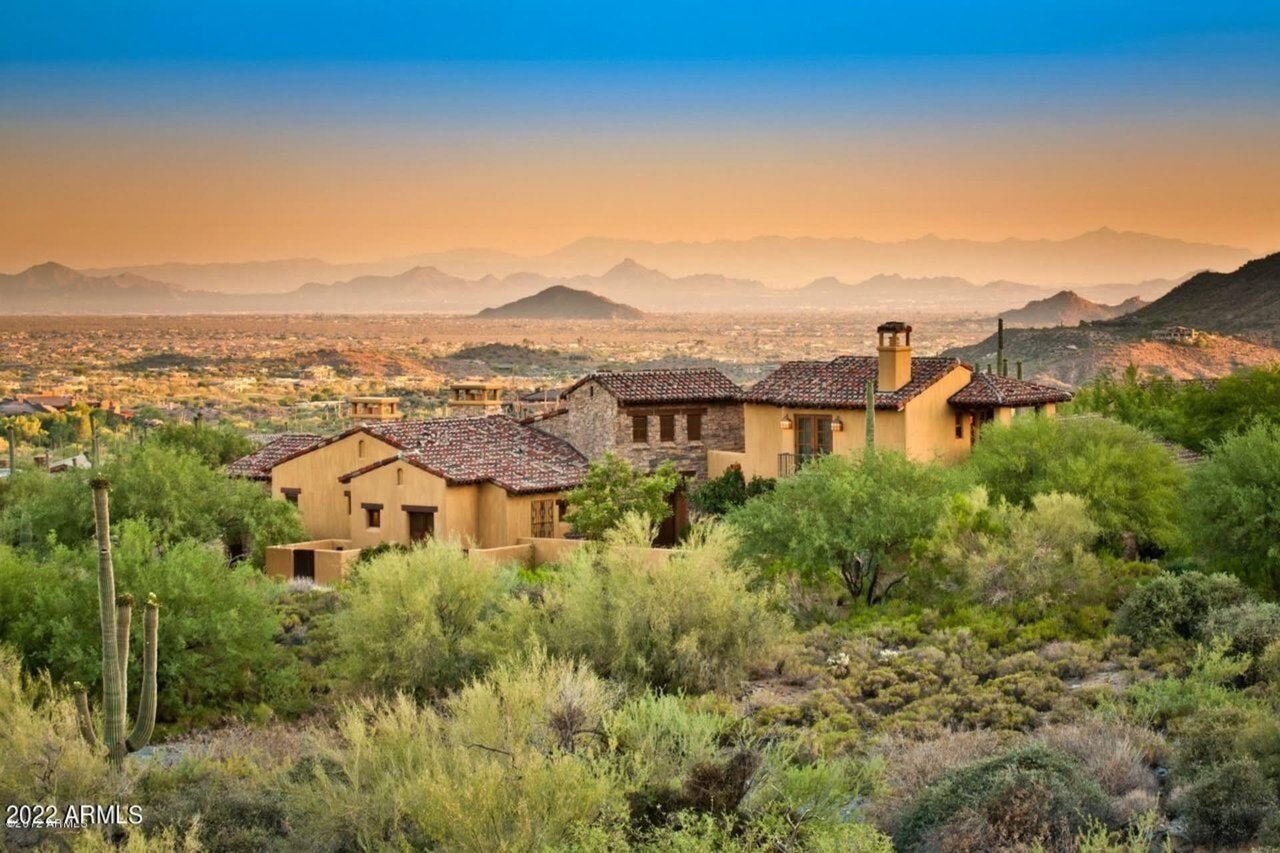
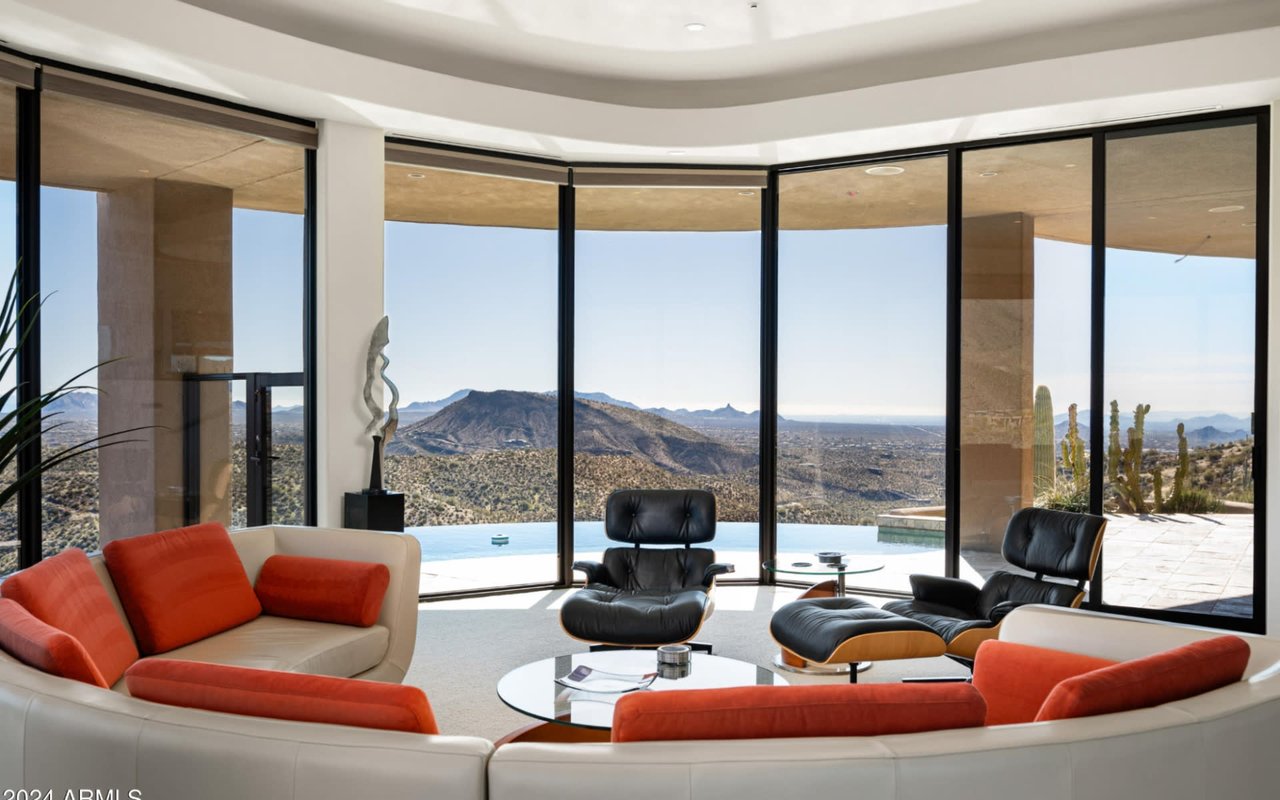
One reason buyers pursue Cintarosa Ranch is its elevated setting. Current official Desert Mountain land listings describe one Cintarosa homesite at 9660 Cintarosa Pass as a 5.6-acre parcel at about 3,500 feet, identified as the highest lot in the community with broad views in every direction.
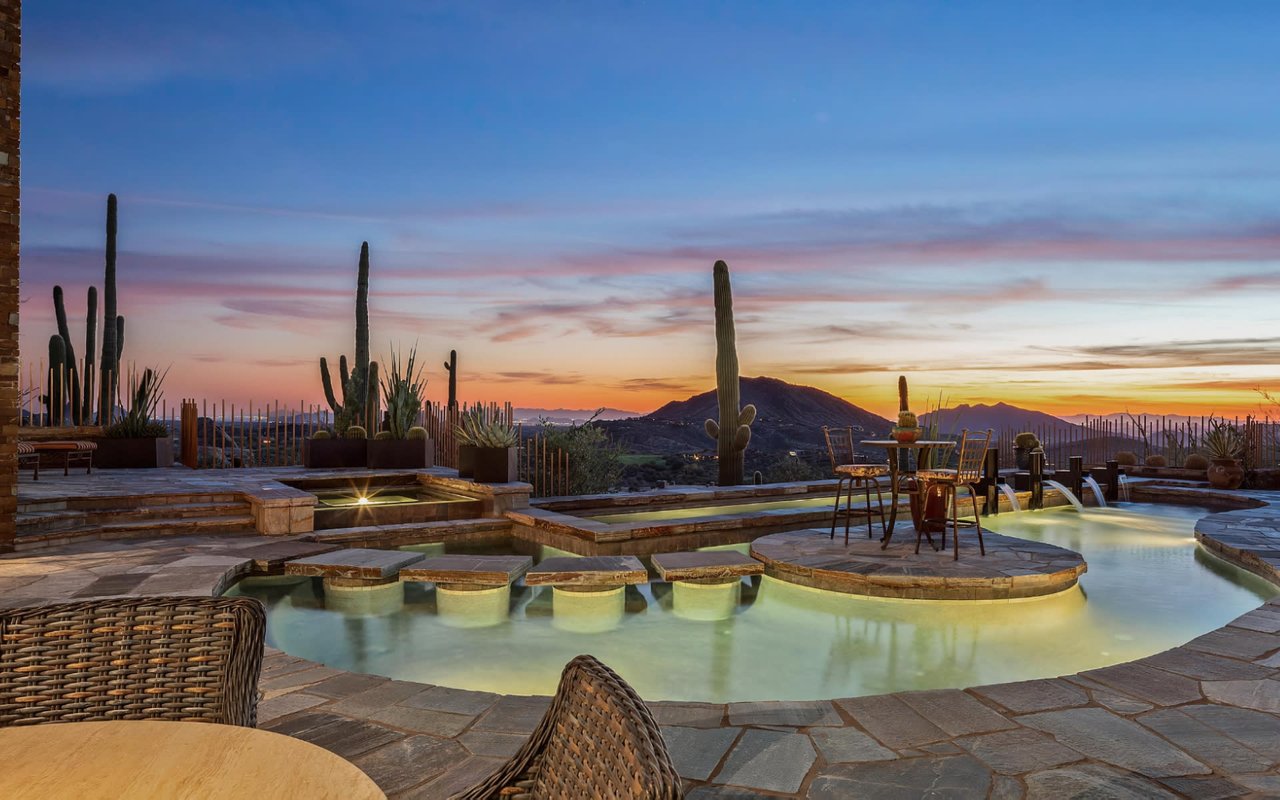
Another current listing at 42597 Chiricahua Pass is described as a 6-acre parcel with a 38,471-square-foot building envelope. That homesite has a south and southwest orientation designed to capture mountain, sunset, and city-light views.
These examples show why no two Cintarosa Ranch parcels should be viewed the same way. Acreage, elevation, orientation, and building envelope all shape the final outcome, and each one can affect privacy, design possibilities, and how the home sits in the landscape.
Privacy and Open-Space Context
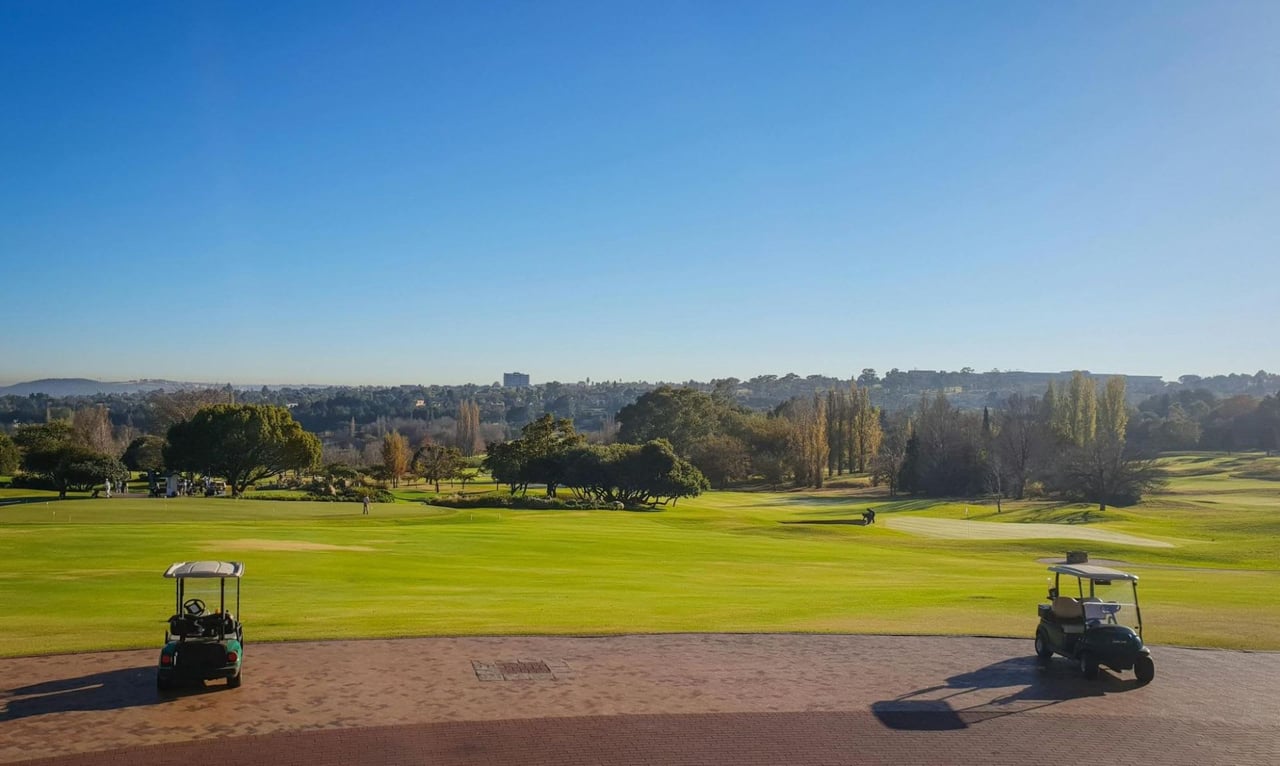
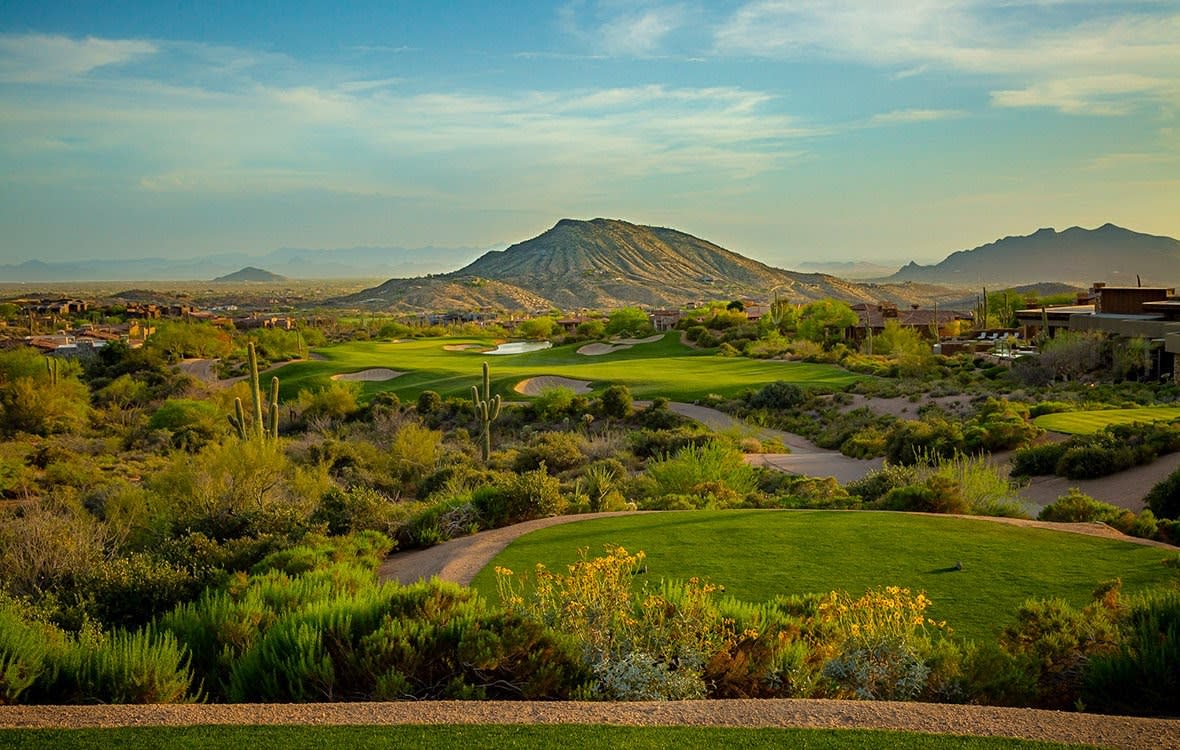
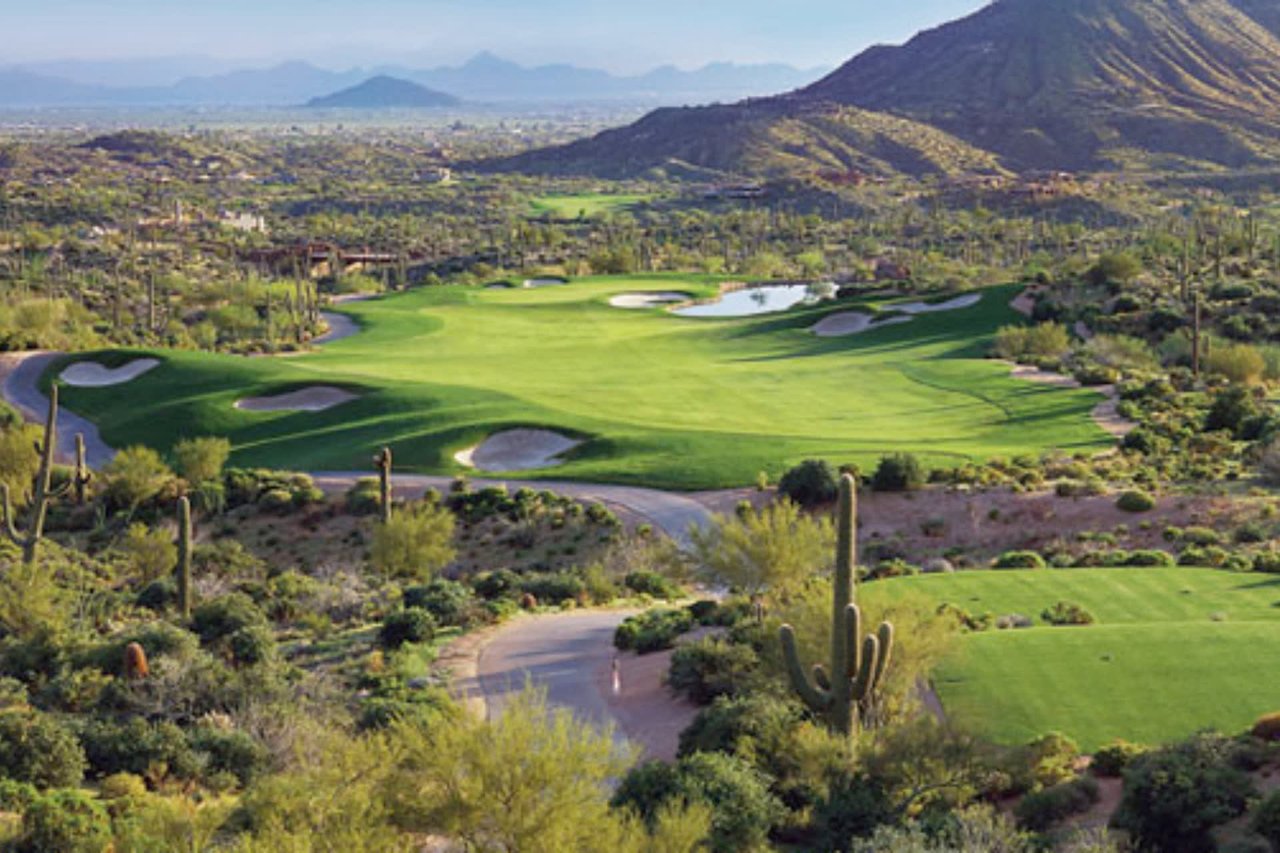
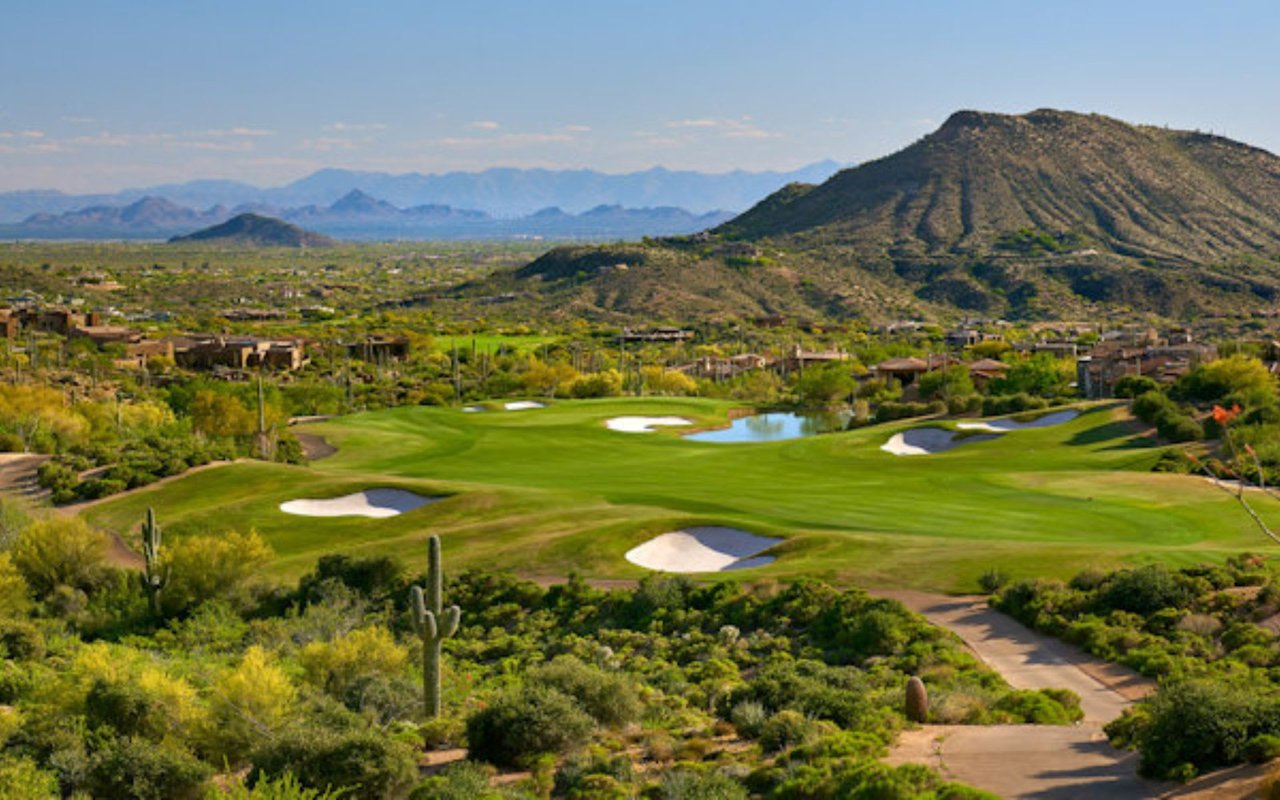
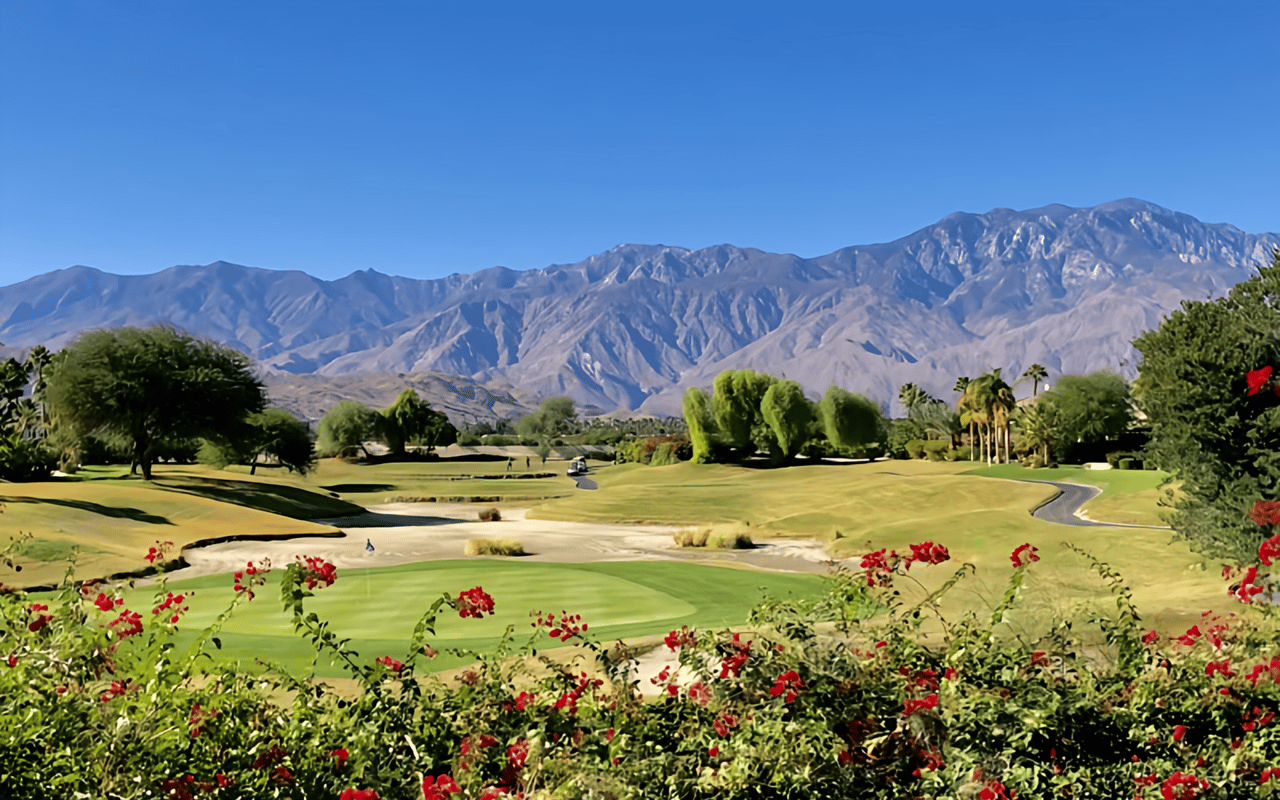
The setting around Cintarosa Ranch adds to its appeal. Desert Mountain notes that the nearby Chiricahua golf course winds through Saguaro Forest and reaches elevations from roughly 3,000 to 3,300 feet, with the clubhouse at about 3,300 feet.
Nearby, The Ranch is described as a 33-acre western wilderness amenity bordering Tonto National Forest. Desert Mountain also states that the Ranch and Trails area earned Quiet Conservation Area recognition.
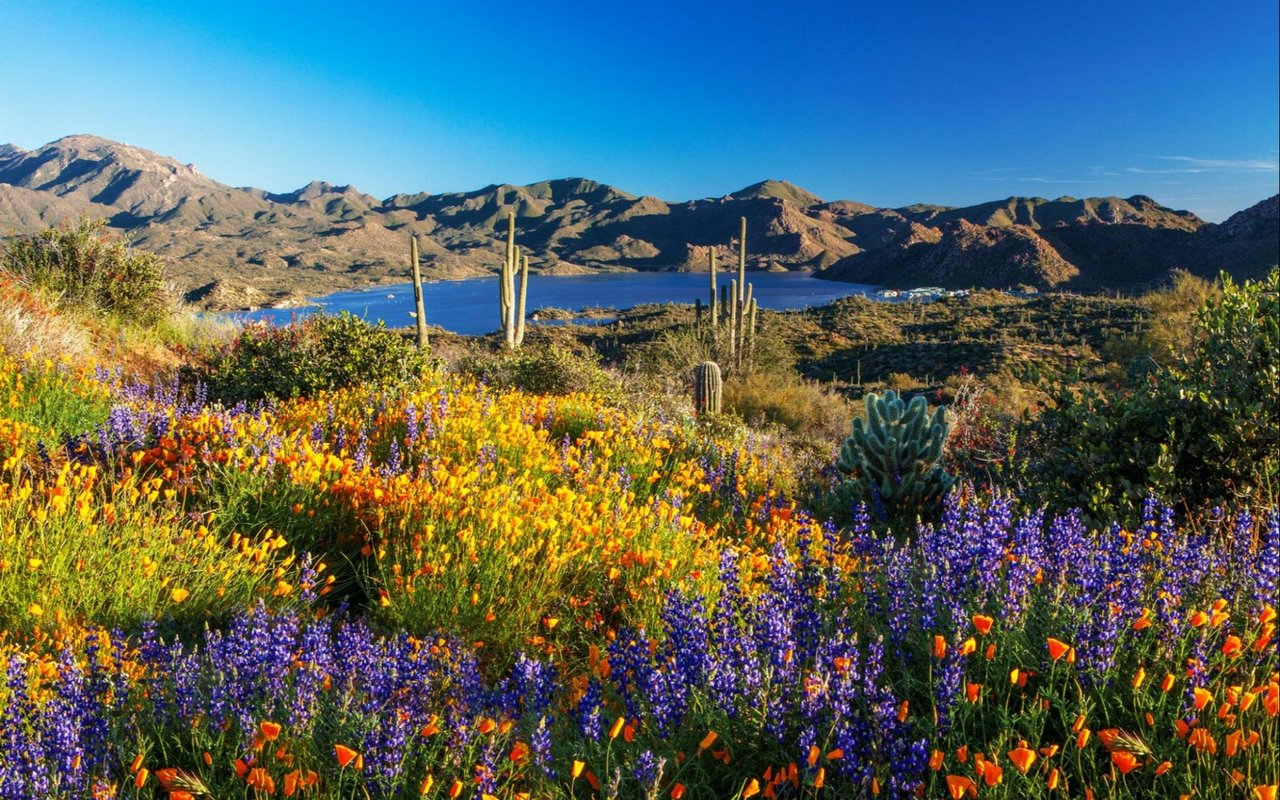
For you, that means the value story is about more than lot size. It is also about protected desert character, a sense of seclusion, and the visual experience of building in an elevated part of the community.
How Large Can a Home Be?
In Cintarosa Ranch, the supplemental guideline sets a default maximum of 8,500 square feet of total enclosed area, including garages, unless the committee approves more. That figure is one of the most important starting points for estate planning in this enclave.
At the same time, the actual build potential may be lower or more complex depending on the parcel. The guidelines make clear that topography, setbacks, and the defined building envelope may further limit what can be built.
Desert Mountain’s broader architectural guidelines also note that residences are generally expected to fall between 2,500 and 12,500 square feet of enclosed conditioned and unconditioned space. In practice, your lot-specific constraints and the review process will matter more than a broad size range.
Architecture Must Follow the Land
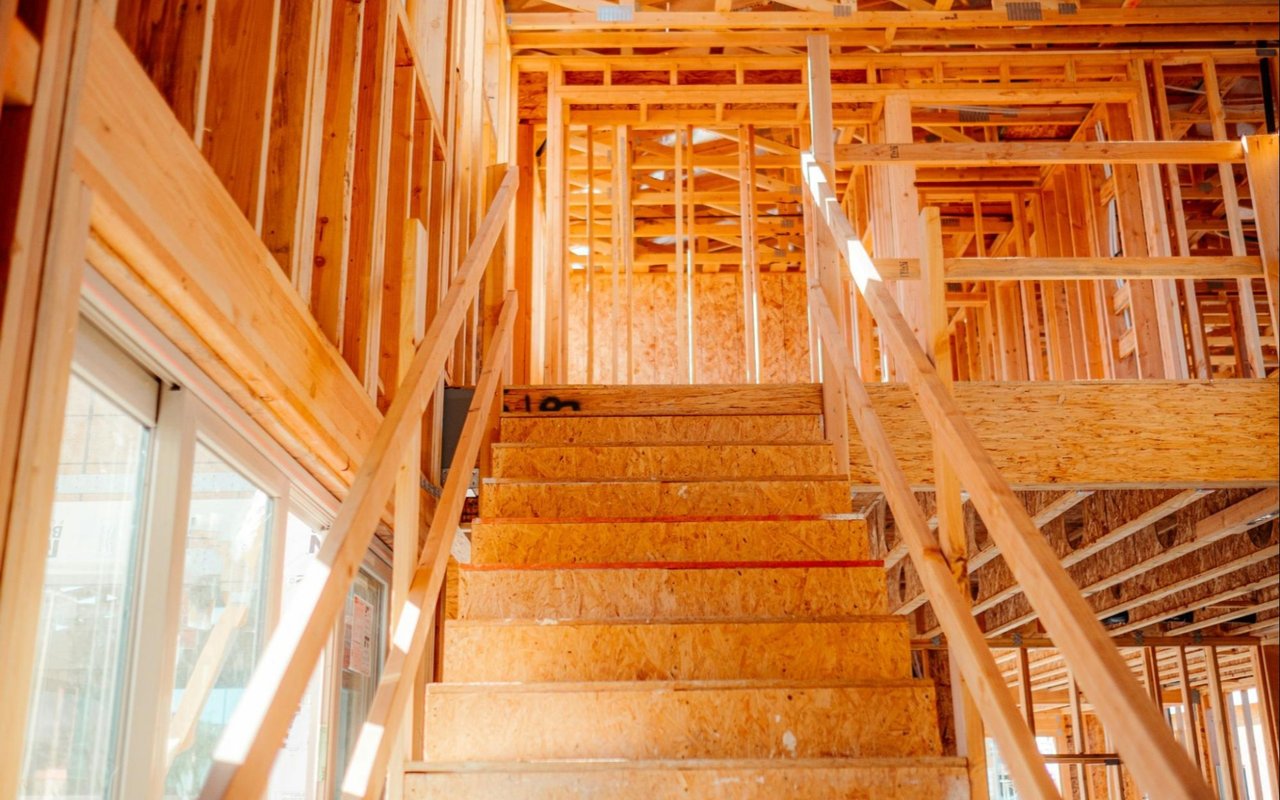
Desert Mountain treats architecture as a governed process from the beginning. The HOA states that the Architectural Review Committee oversees new homes and exterior remodels, and that owners, architects, and builders are expected to work with the HOA consulting architect from pre-design through final approval.
That matters even more in Cintarosa Ranch because the supplement highlights terrain-driven design concerns. Some lots have modified grade, and the guidelines place special emphasis on minimizing visual impact on steep or prominent sites.
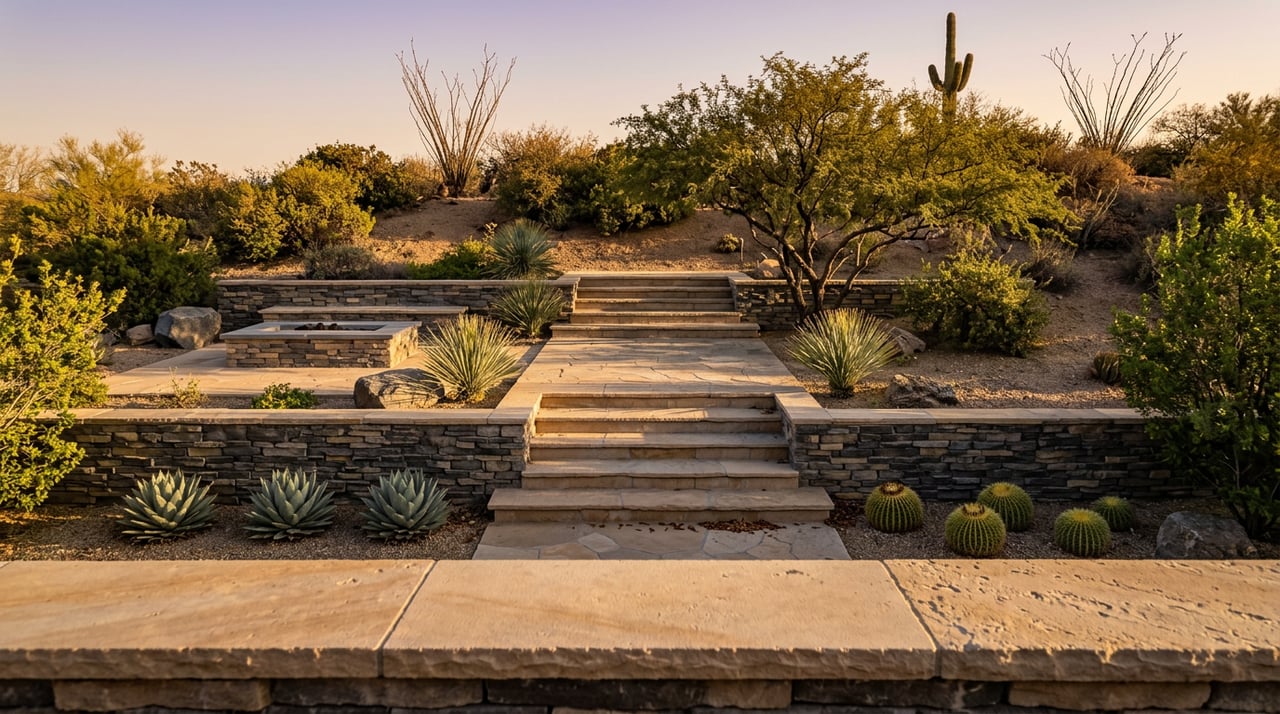
This includes integrated retaining walls, roof-form control, and earthwork or slope protection plans before construction authorization is issued. In simple terms, a legacy estate here should be designed for the homesite, not dropped onto it from a standard plan.
Height, Massing, and Visual Impact
In Desert Mountain, approval is not based only on whether a home fits inside a numeric limit. The HOA states that building height is reviewed in part by how excessive a structure may appear from a golf course, street, common area, or neighboring lot.
That approach is important in a view-driven area like Cintarosa Ranch. A design that looks compelling on paper may still need to change if it creates too much visual impact on a prominent hillside or interrupts the broader character of the village.
For that reason, the best early planning often involves balancing view goals with massing, roofline, and grading strategy. That helps reduce redesign later in the process.
Scottsdale Review Still Matters
A Cintarosa Ranch build does not stop at HOA approval. The City of Scottsdale states that building permits are required for construction work such as homes, additions, walls, fences, retaining walls, and accessory buildings.
The city also notes that single-family residential projects typically move through plan review and administrative approval, with plans reviewed across planning, building, engineering, stormwater, and fire disciplines. In this area, Scottsdale’s Environmentally Sensitive Lands Overlay also protects natural area open space and requires protection of vegetation, washes, ridges, and peaks.
Scottsdale further notes that CC&Rs may govern items even when the city does not. For you, that reinforces the need to think about HOA and city review together, not one after the other.
Club Lifestyle and Ownership Are Separate
Desert Mountain’s amenities are a major part of the appeal, but ownership and club membership are not the same thing. The HOA states that all property owners are members of the HOA whether or not they join the club.
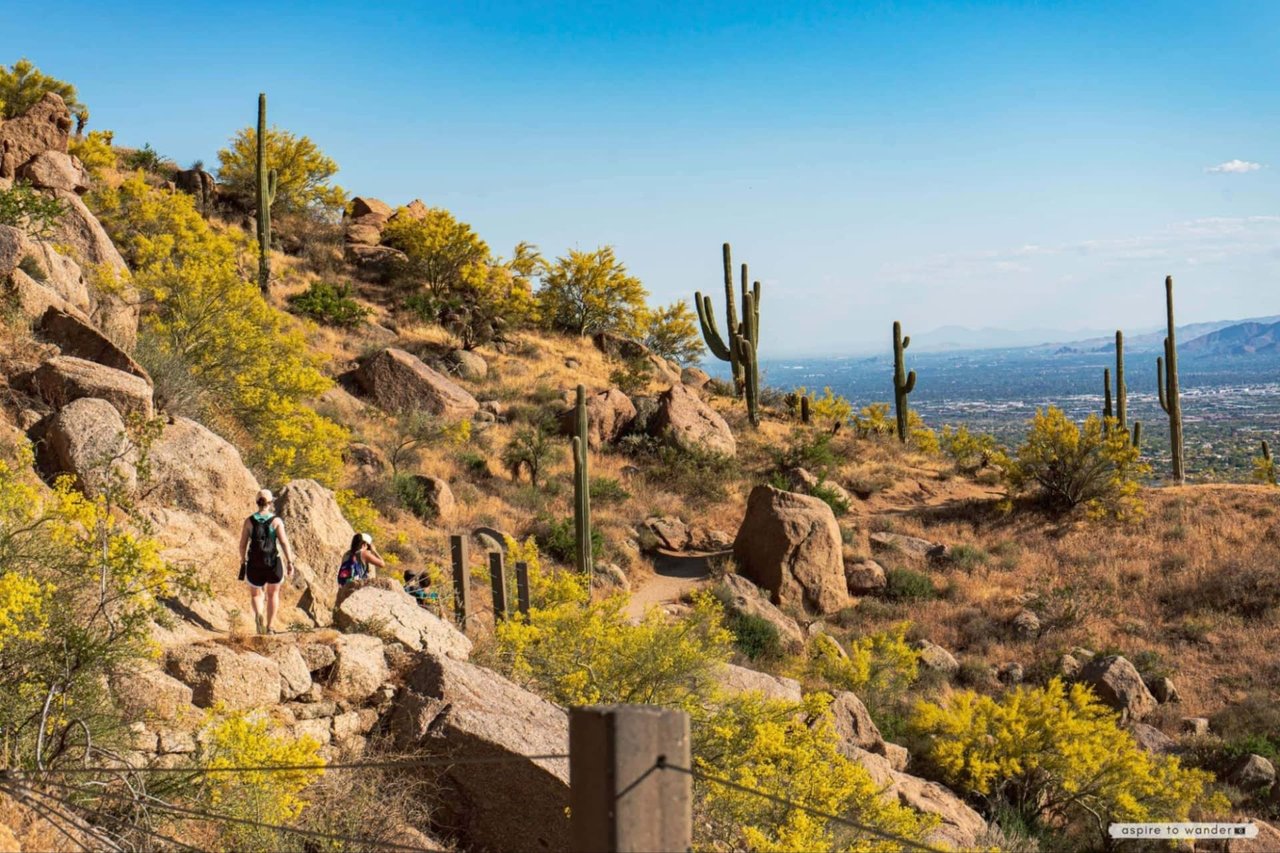
The club describes itself as private and member-driven, with six Jack Nicklaus Signature courses plus the No. 7 short course, seven clubhouses, a 42,000-square-foot Sonoran Clubhouse, ten restaurants and grills, and 25 miles of private hiking trails.
If lifestyle access is important to you, membership should be part of your due diligence rather than an assumption. A homesite purchase and club participation are separate considerations.
Smart Due Diligence Before You Design
For a legacy-estate project, the most important work usually happens early. Before committing to a design concept, it is wise to confirm the building envelope, understand site grade and access, and verify whether the parcel is intended for custom or developer-built use.
It is also important to map out the approval path with both Desert Mountain and the City of Scottsdale. On elevated or view-oriented sites, that early homework can help reduce redesign risk and keep your vision aligned with the lot’s actual constraints.
A focused early review often includes questions like these:
- What is the exact building envelope size and shape?
- How do topography and setbacks affect usable design area?
- Are there modified grades or slope-protection considerations?
- How will roof form, retaining walls, and massing be evaluated?
- What city permits and review steps are likely to apply?
- Is club membership available and relevant to your goals?
Why Site Selection Deserves Extra Attention
In many luxury communities, buyers start with the house plan. In Cintarosa Ranch, you are often better served by starting with the land. Official sources show meaningful differences from lot to lot, including acreage, elevation, orientation, and building envelope size.
That means your ideal parcel depends on your priorities. You may care most about sunset exposure, long-range views, privacy, access, or the ability to create a certain type of desert-modern estate within the rules.
Because Bee & Kathleen Power + live and work within Desert Mountain, they understand how village nuances, homesite positioning, and approval realities shape the real opportunity. If you want informed guidance on buying, selling, or positioning land in this enclave, schedule a private consultation with Power+.
FAQs
What is Cintarosa Ranch in Desert Mountain?
- Cintarosa Ranch is the Saguaro Forest cluster of lots 348 through 368 in Desert Mountain, with homesites that may be developed as custom homes or developer-built homes.
How large can a home be in Cintarosa Ranch?
- The supplemental guideline sets a default maximum of 8,500 square feet of total enclosed area, including garages, unless the committee approves more.
Are all Cintarosa Ranch lots the same?
- No. Official sources show differences in acreage, elevation, orientation, terrain, and building envelope, so each parcel should be evaluated individually.
Are views guaranteed from a Cintarosa Ranch homesite?
- No. Views can be affected by topography, setbacks, building envelopes, and height or massing review during the architectural approval process.
Is Desert Mountain club membership included with property ownership?
- No. HOA ownership and club membership are separate, so membership should be reviewed as part of your due diligence.
What approvals are needed to build in Cintarosa Ranch?
- You should expect Desert Mountain Architectural Review Committee review along with City of Scottsdale permitting and inspections for applicable construction work.