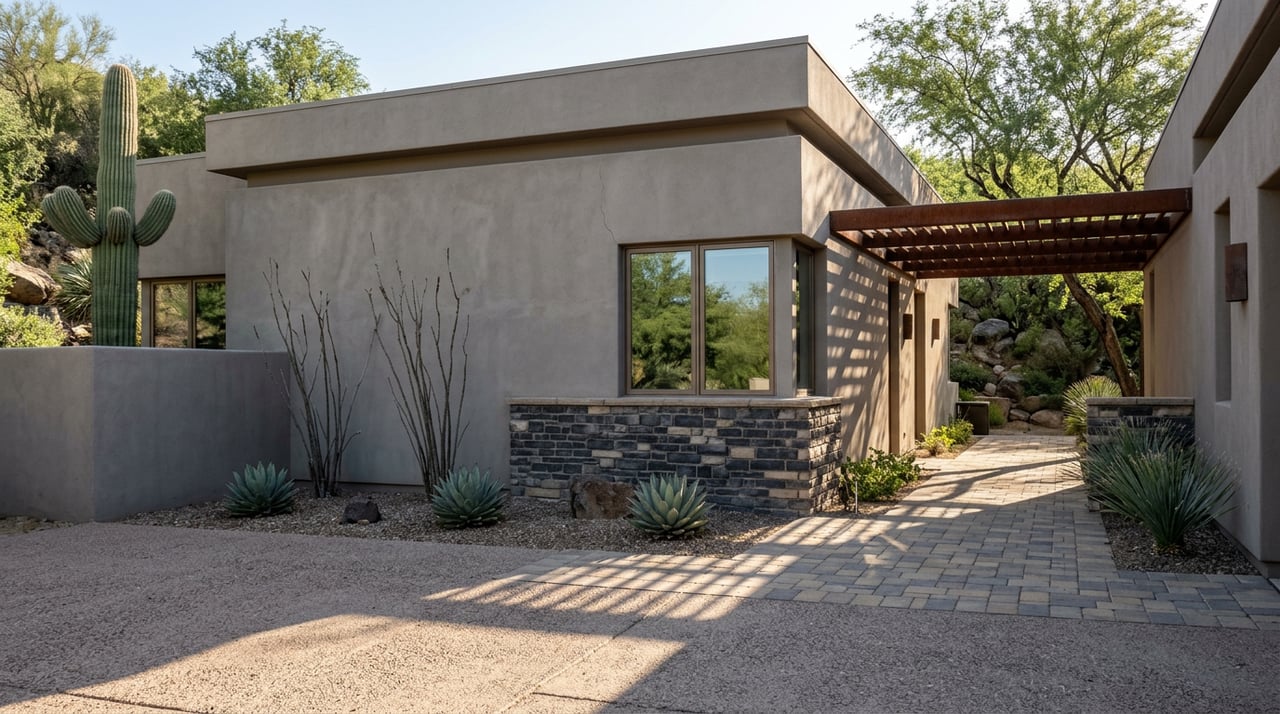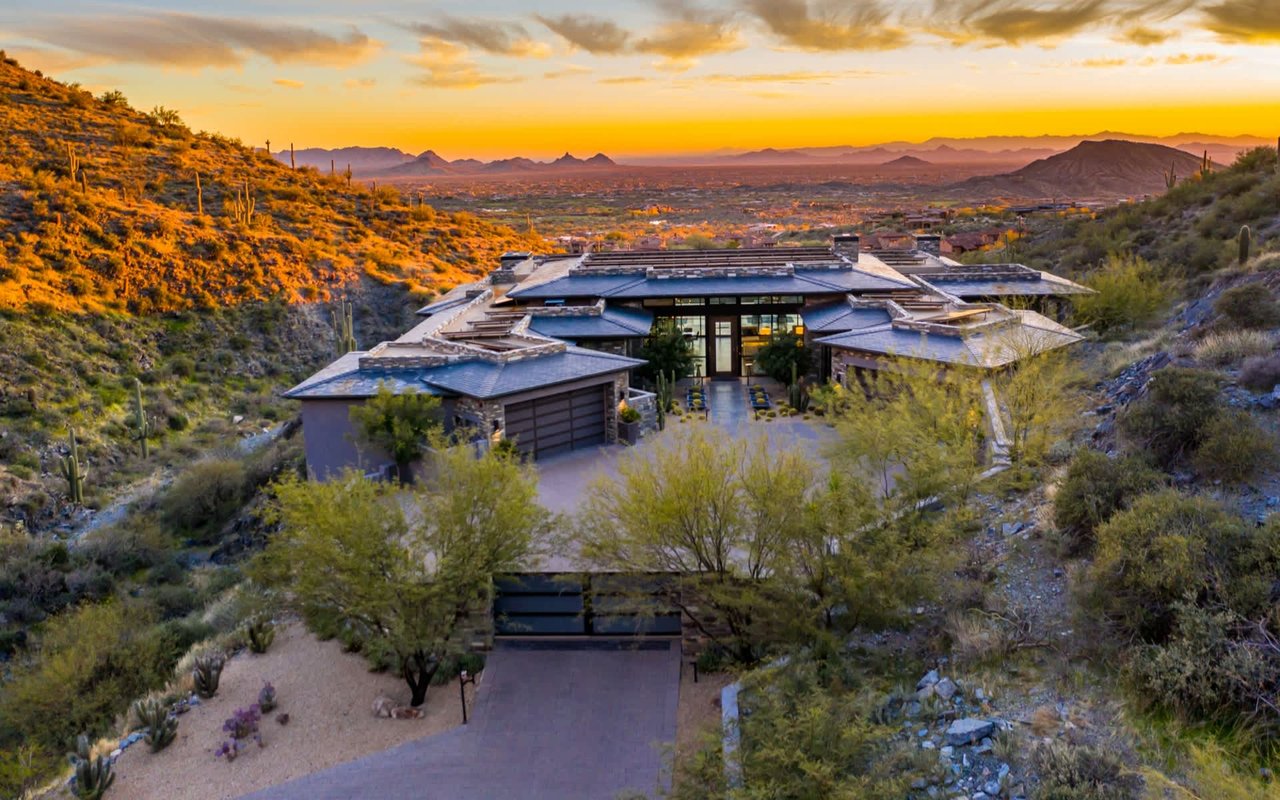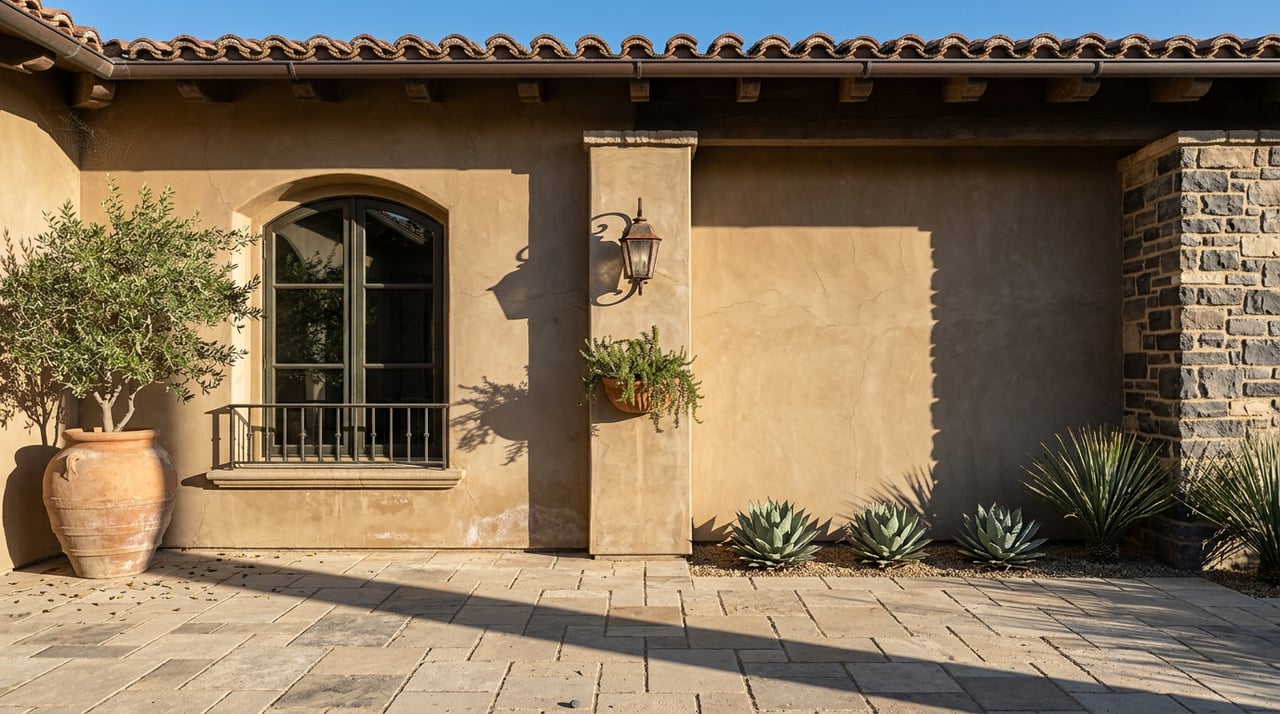
Thinking about a move to North Scottsdale and torn between a club-centered retreat and a more connected neighborhood setting? That choice often comes down to how you want your days to feel, not just what kind of home you want to buy. If you are comparing DC Ranch and Desert Mountain, understanding the rhythm of each community can help you narrow the field with much more confidence. Let’s dive in.
North Scottsdale Living at a Glance
DC Ranch and Desert Mountain are both established luxury communities in North Scottsdale, but they offer meaningfully different living experiences. DC Ranch spans 4,400 acres and includes four residential villages, 26 neighborhoods, and about 2,800 homes with roughly 7,000 residents. Desert Mountain spans 8,300 acres, includes 35 villages, and is home to more than 5,000 residents.
At a high level, DC Ranch tends to feel more neighborhood-oriented and convenience-driven. Desert Mountain tends to feel more private, gated, and centered around a resort-style club environment. For many relocators, that difference shapes everything from commute patterns to social life.
DC Ranch: Country Club Convenience
DC Ranch sits east of Pima Road at Thompson Peak Parkway, about three miles north of Frank Lloyd Wright Boulevard. That location supports easy access to Loop 101, the greater Phoenix metro area, valley airports, and the interstate freeway system. If your routine includes regular off-site meetings, dining reservations, or frequent airport trips, that can be a major advantage.
The community also has a built-in day-to-day structure that feels highly organized and accessible. DC Ranch directs residents to nearby services in Market Street, DC Ranch Crossing, and Canyon Village for restaurants, boutiques, health and wellness, finance, and other everyday needs. In practical terms, errands tend to feel straightforward and close at hand.
Within DC Ranch, Desert Camp Village includes the Market Street commercial area, which the community describes as a hub of retail, restaurant, and office space. That adds to the sense that DC Ranch functions as a connected living environment rather than a purely secluded enclave. For buyers who want luxury without feeling far removed from daily convenience, that distinction matters.
The Country Club at DC Ranch Lifestyle
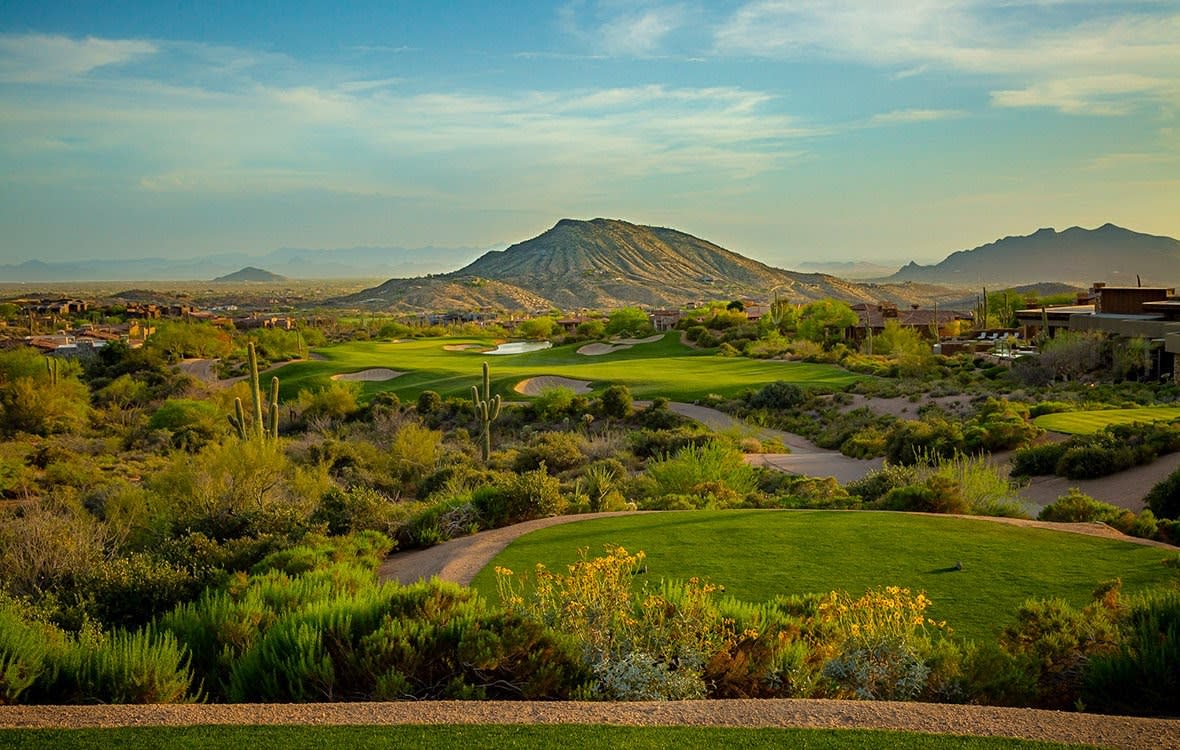
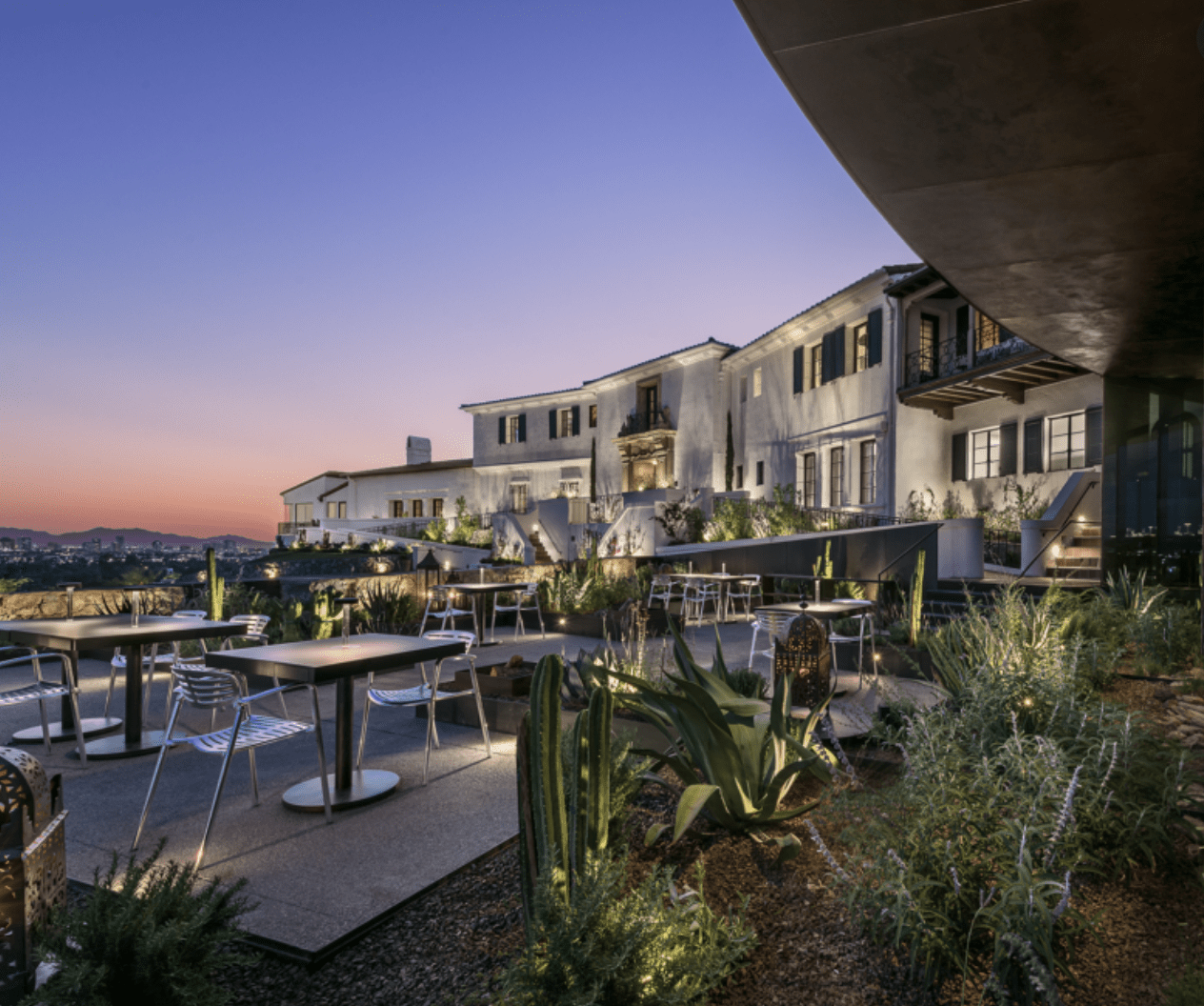
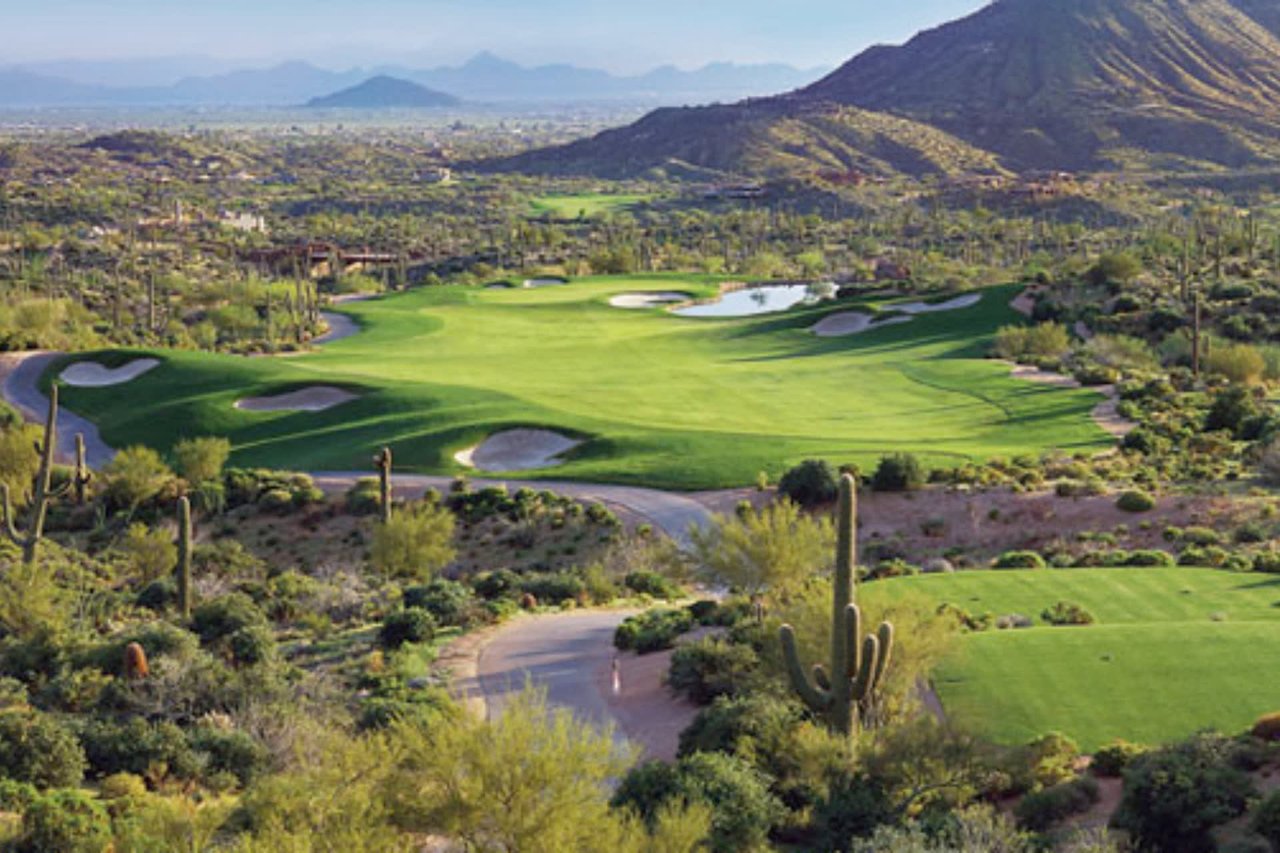
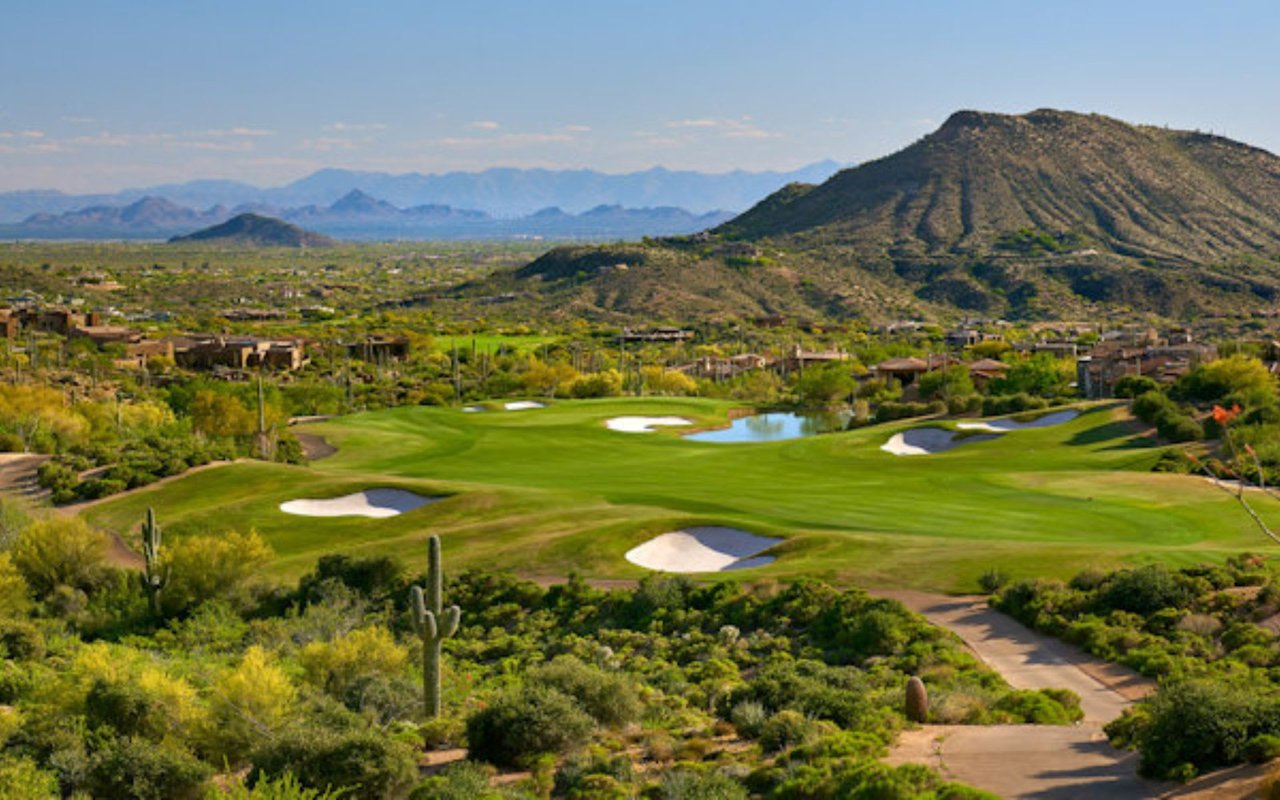
The Country Club at DC Ranch offers a focused club experience built around golf, dining, wellness, and recreation. Community materials highlight a Tom Lehman and John Fought golf course, the Hacienda clubhouse, dining patios, a fitness room, tennis, and swimming. It is an appealing fit if you want club access as part of your life, but not necessarily the center of every day.
An important detail for relocators is membership structure. The Country Club at DC Ranch states that it is currently accepting Golf Equity Memberships and Clubhouse Memberships, and membership is not tied to real estate ownership. If flexibility matters to you, that can be worth discussing early in your search.
Desert Mountain: A Private Club Environment
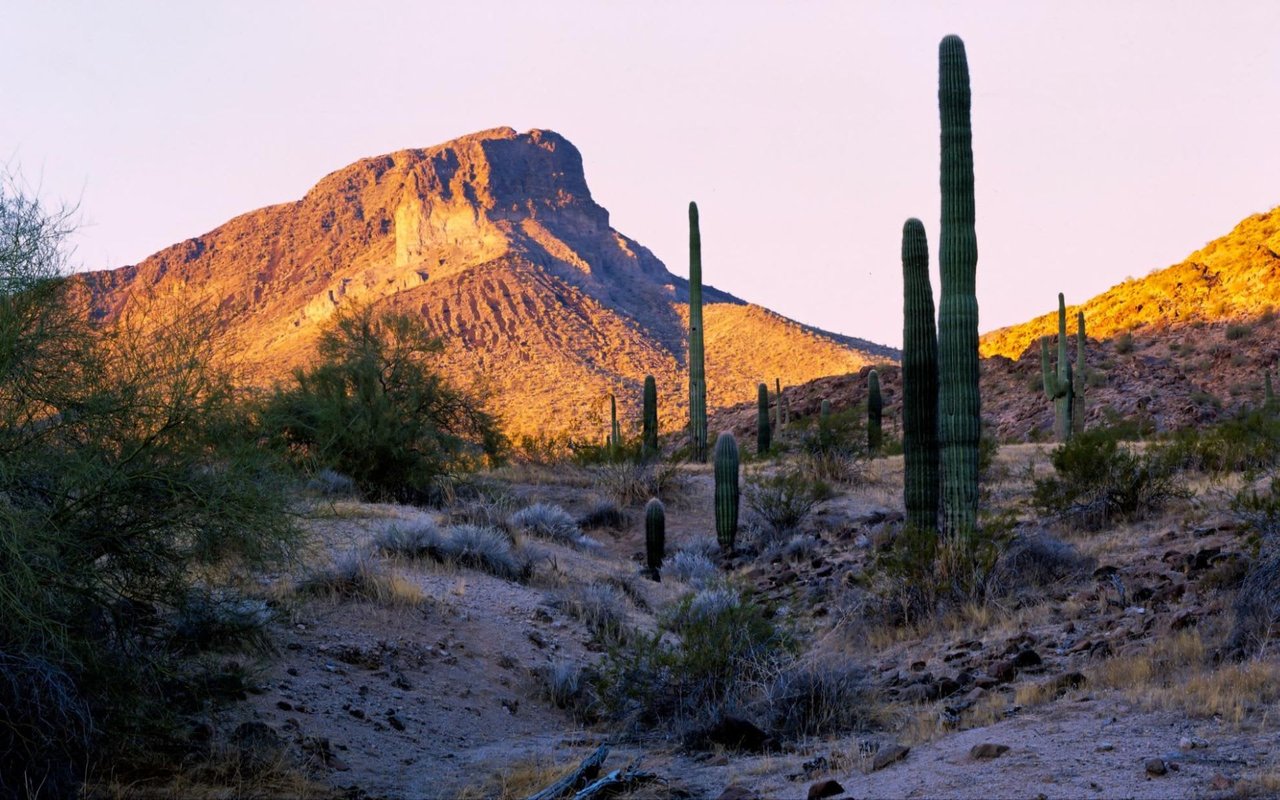
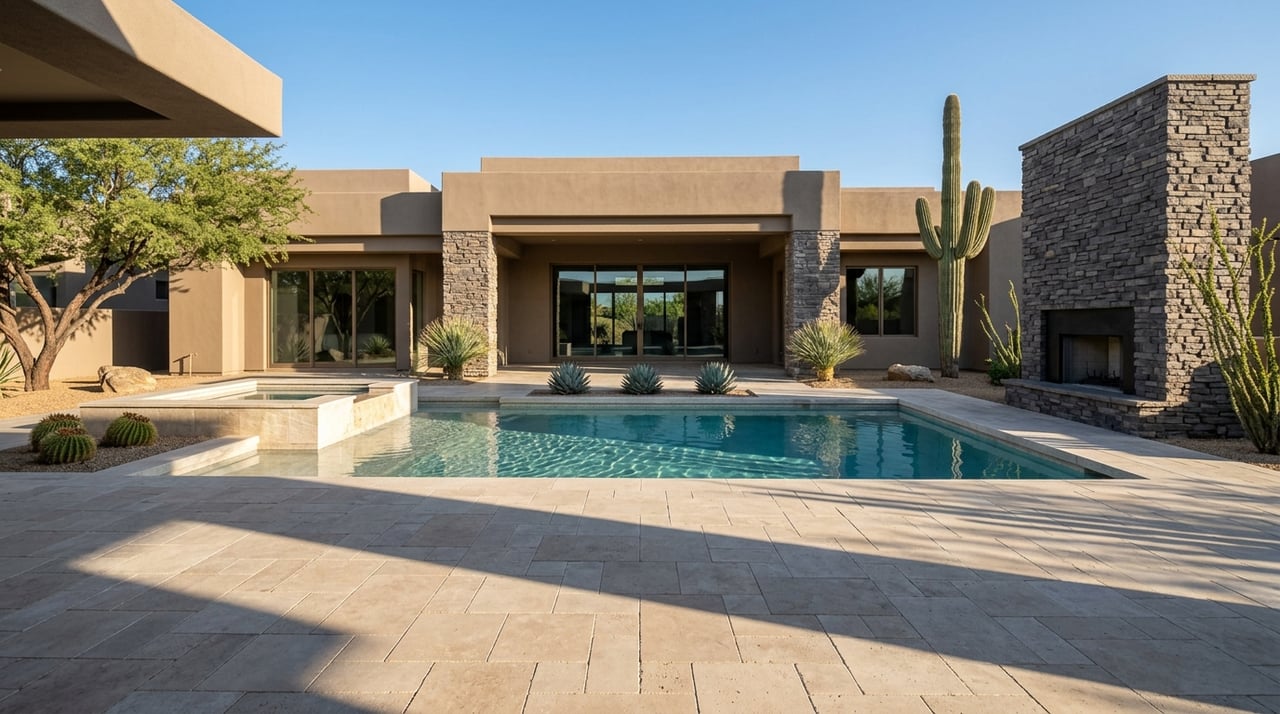
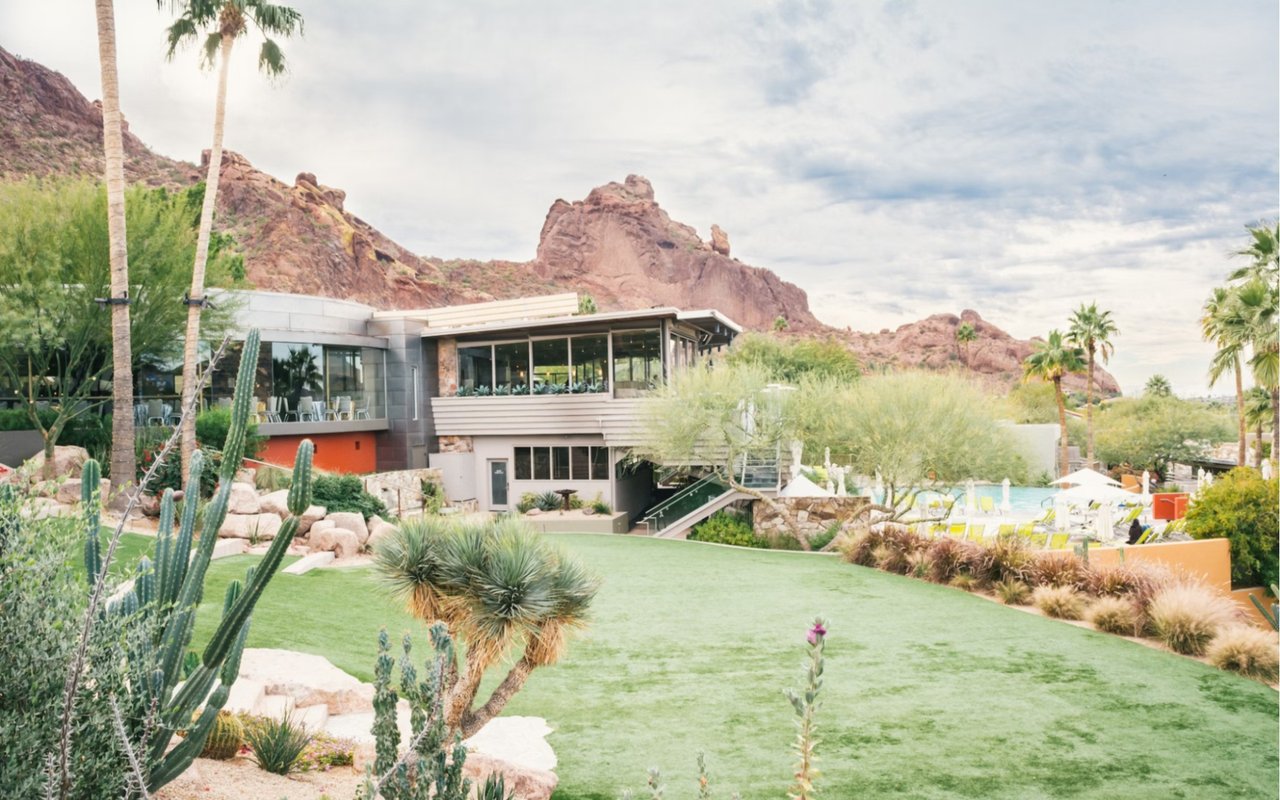
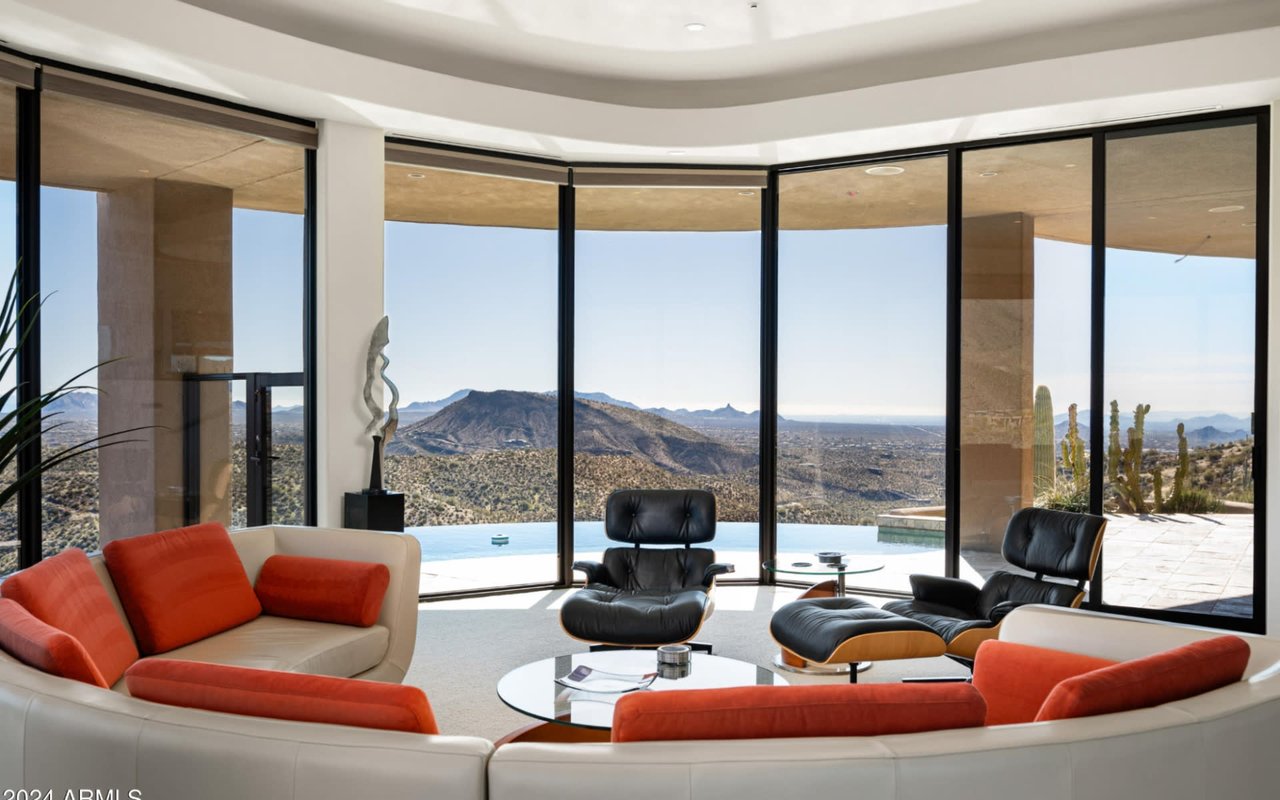
Desert Mountain offers a more immersive residential and club setting. The community spans 8,300 acres in a private, gated Sonoran Desert setting, with more than 5,000 residents across 35 villages. The overall impression is more self-contained and more intentionally shaped around private-club living.
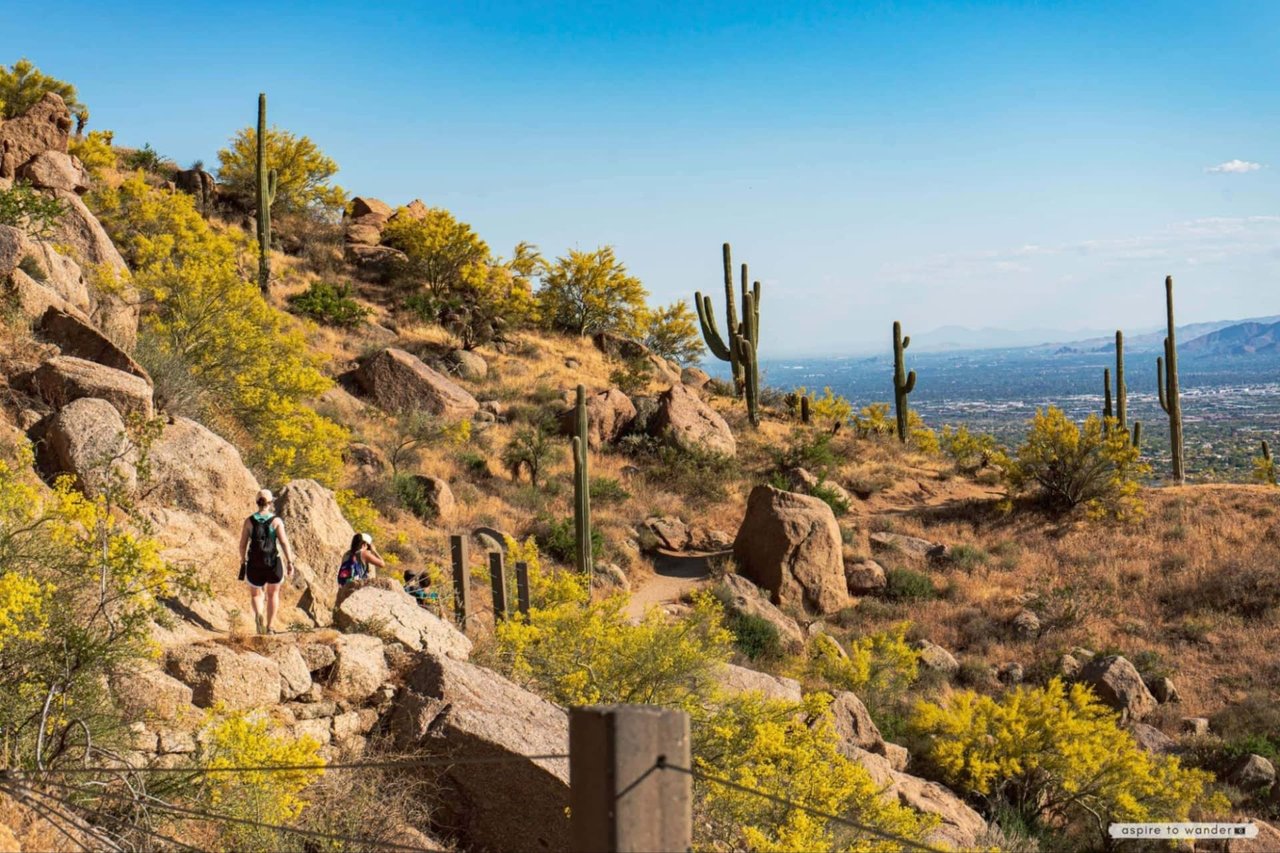
For many buyers, that is the appeal. Desert Mountain describes a lifestyle where members can fill a full day without leaving the community, thanks to multiple clubhouses, spa and fitness facilities, dining, and private trails. If you want your home base to feel like a destination in itself, Desert Mountain stands apart.
The club offering is also broader in scale. Desert Mountain Club includes six Jack Nicklaus Signature courses plus No. 7, multiple clubhouses, restaurants and grills, tennis, pickleball, private hiking trails, and more than 40 member-led social clubs. Rather than simply adding amenities to a residential community, the club experience helps define the community’s identity.
Membership and Access in Desert Mountain
Membership logistics are important here as well. Desert Mountain states that home ownership provides the opportunity to apply for membership, with access varying by category. For buyers considering Desert Mountain specifically for its lifestyle offerings, understanding membership timing and category options should be part of the conversation from the start.
That is especially true if you are relocating from another private-club market and expect a seamless transition into golf, racquet sports, hiking, wellness, and dining. In Desert Mountain, the club is not just an amenity package. It is a major part of how many residents structure their time.
Daily Life: Errands vs. On-Property Living
One of the clearest differences between these communities is how your daily life may flow. In DC Ranch, the official materials emphasize nearby dining, shopping, services, and roadway access. That makes it a strong option if you want a luxury home base with efficient connections to the rest of Scottsdale and the metro area.
In Desert Mountain, the official lifestyle presentation points toward spending much more of your time within the gates. Dining, fitness, private trails, and social activity are built into the community in a way that reduces the need to leave regularly. If that sounds restful and appealing, Desert Mountain may feel like a natural fit.
Neither model is better in a universal sense. It comes down to whether you want your home to support an in-town routine or a more resort-like rhythm.
Home Types and Village Structure
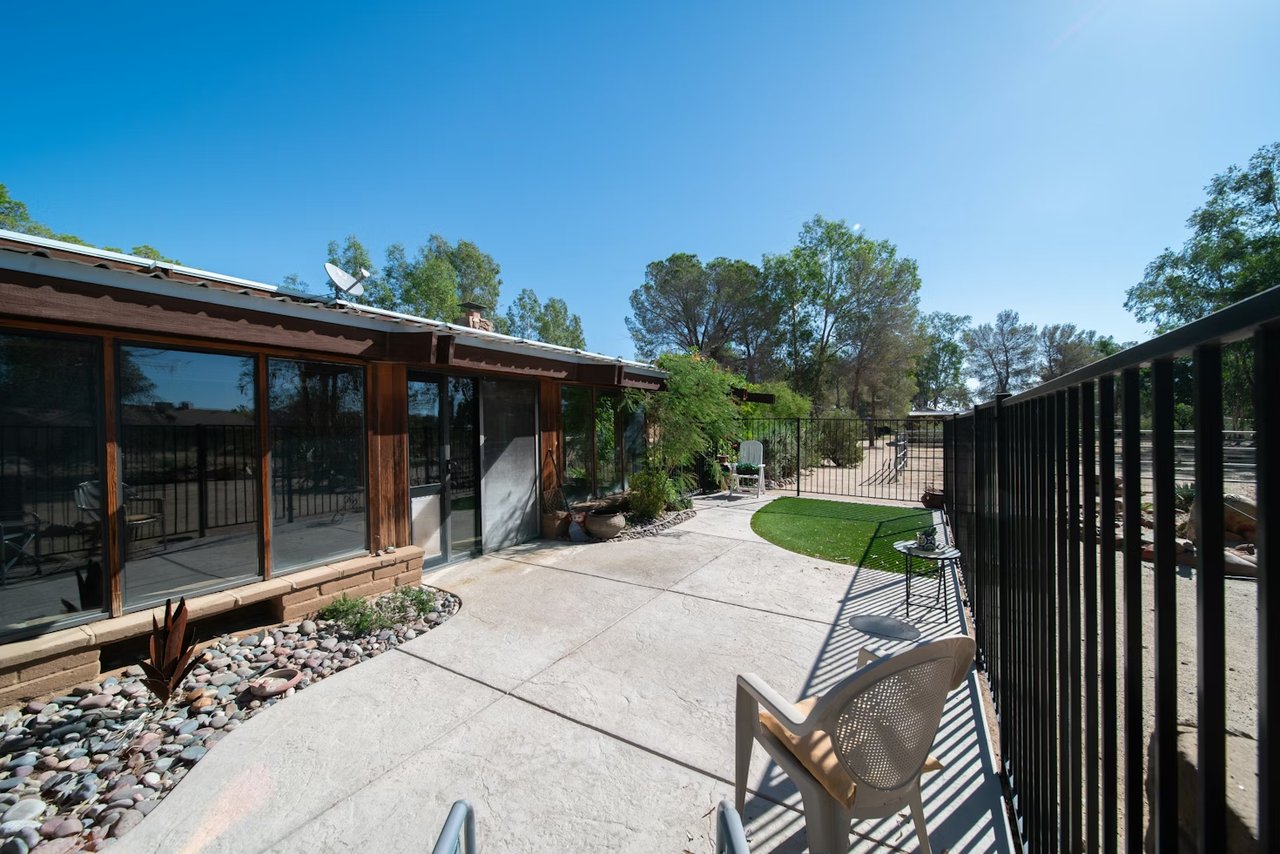
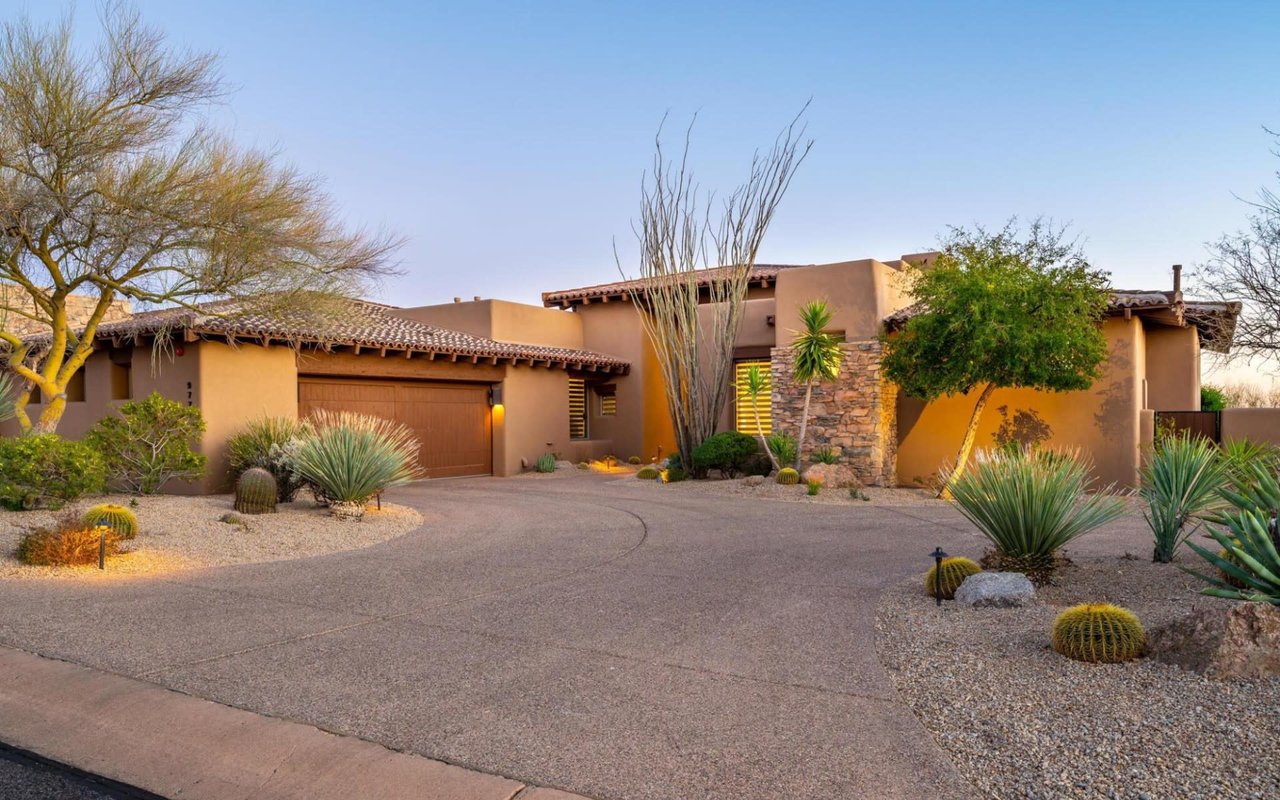
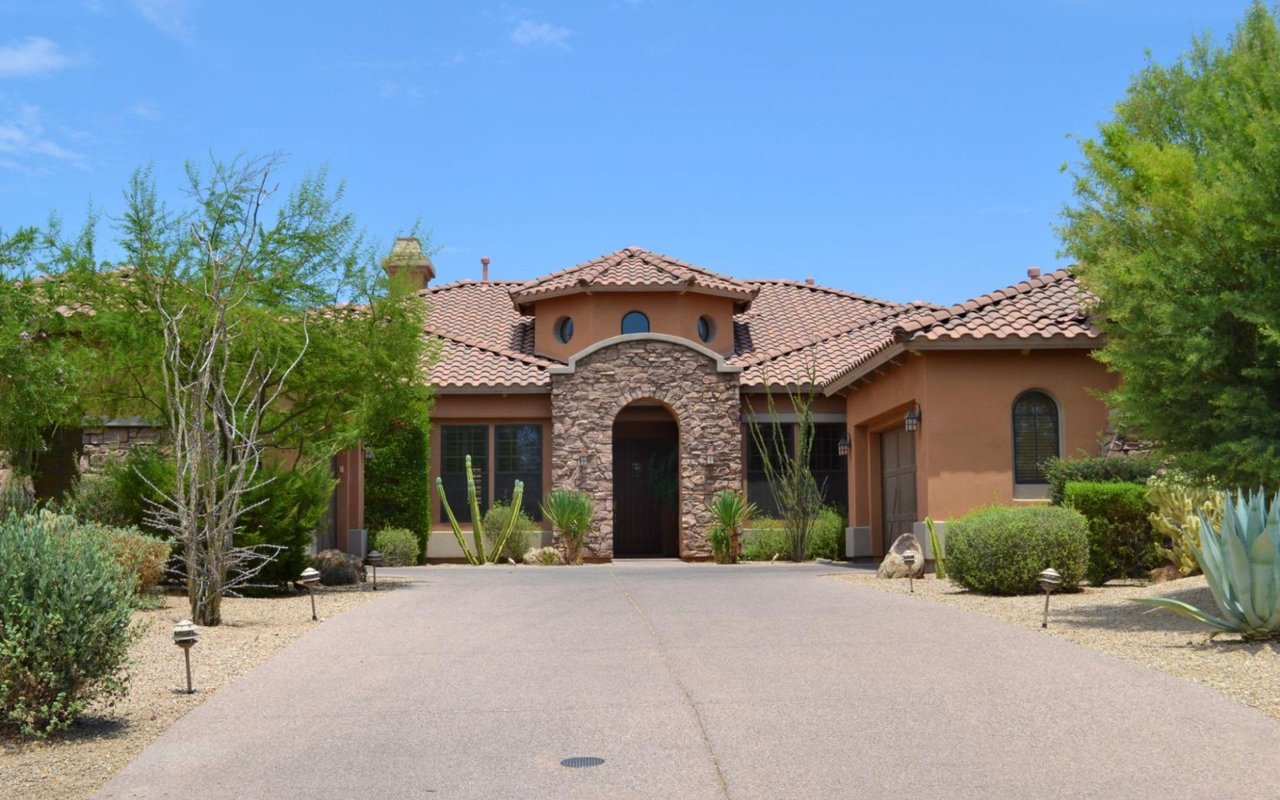
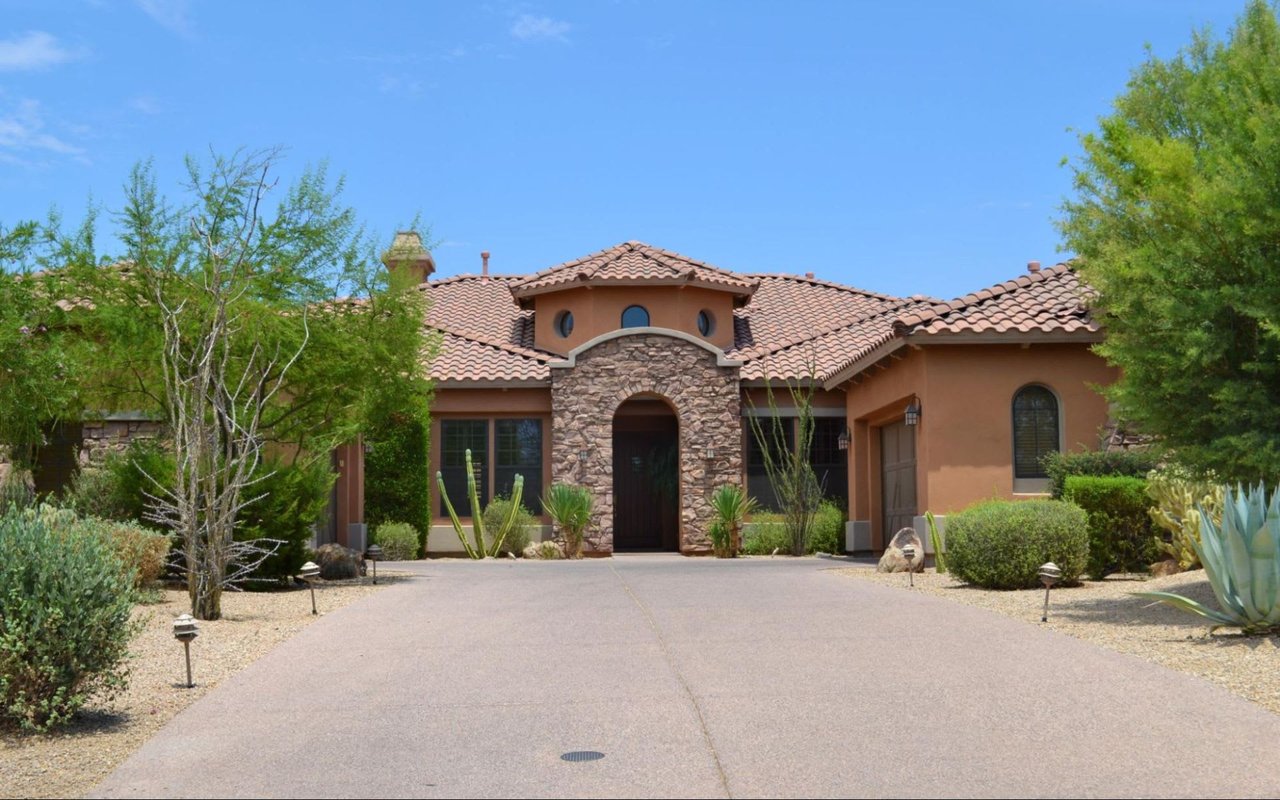
DC Ranch offers a broad range of housing types. Official community materials reference custom estates, single-family homes, townhomes, patio homes, and apartments, with some villages mixing attached homes, condos, luxury apartments, and custom homes. That variety can be helpful if you are still deciding between full-time living, a part-time residence, or a lower-maintenance option.
DC Ranch also has a strong neighborhood framework. The community’s governance structure includes neighborhood voting roles and resident liaisons, which supports a more neighbor-led culture and a clear village identity. For some buyers, that creates a greater sense of organized community life.
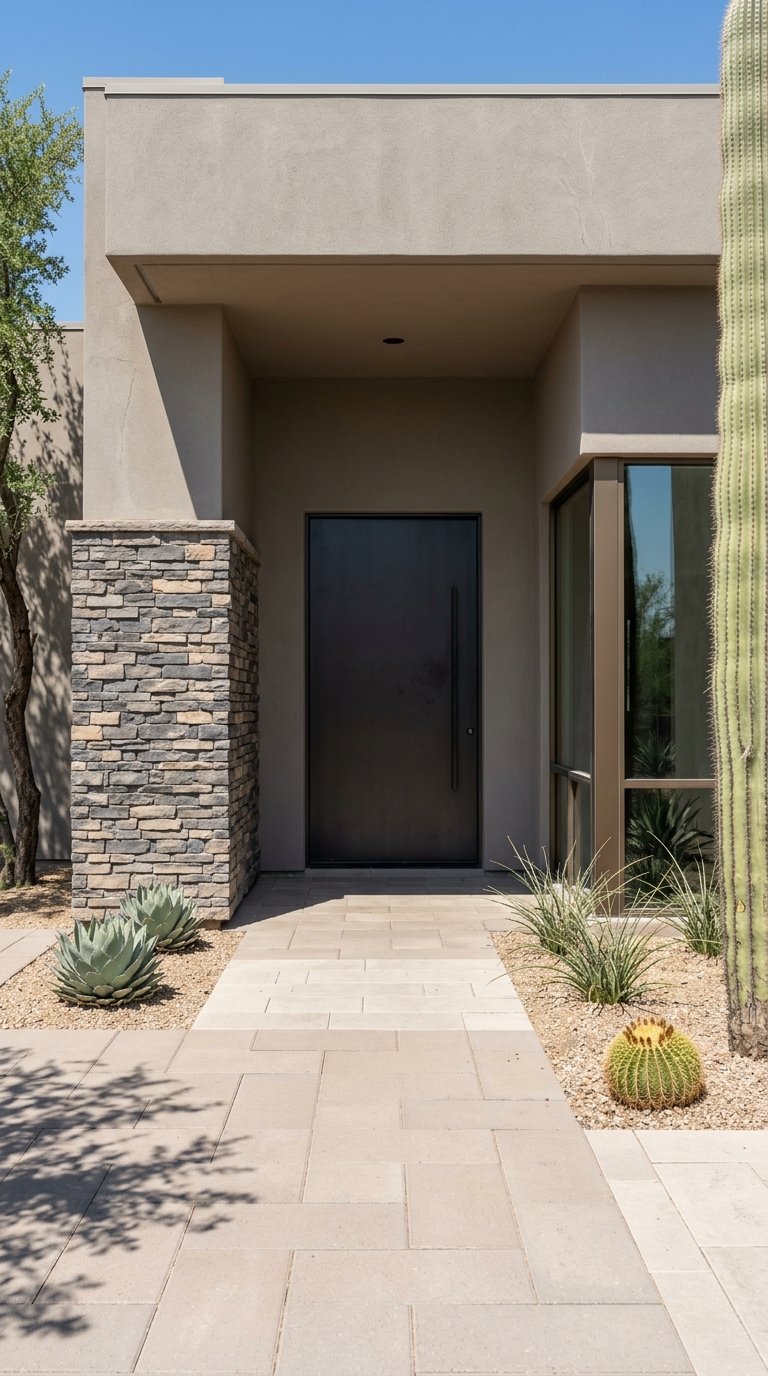
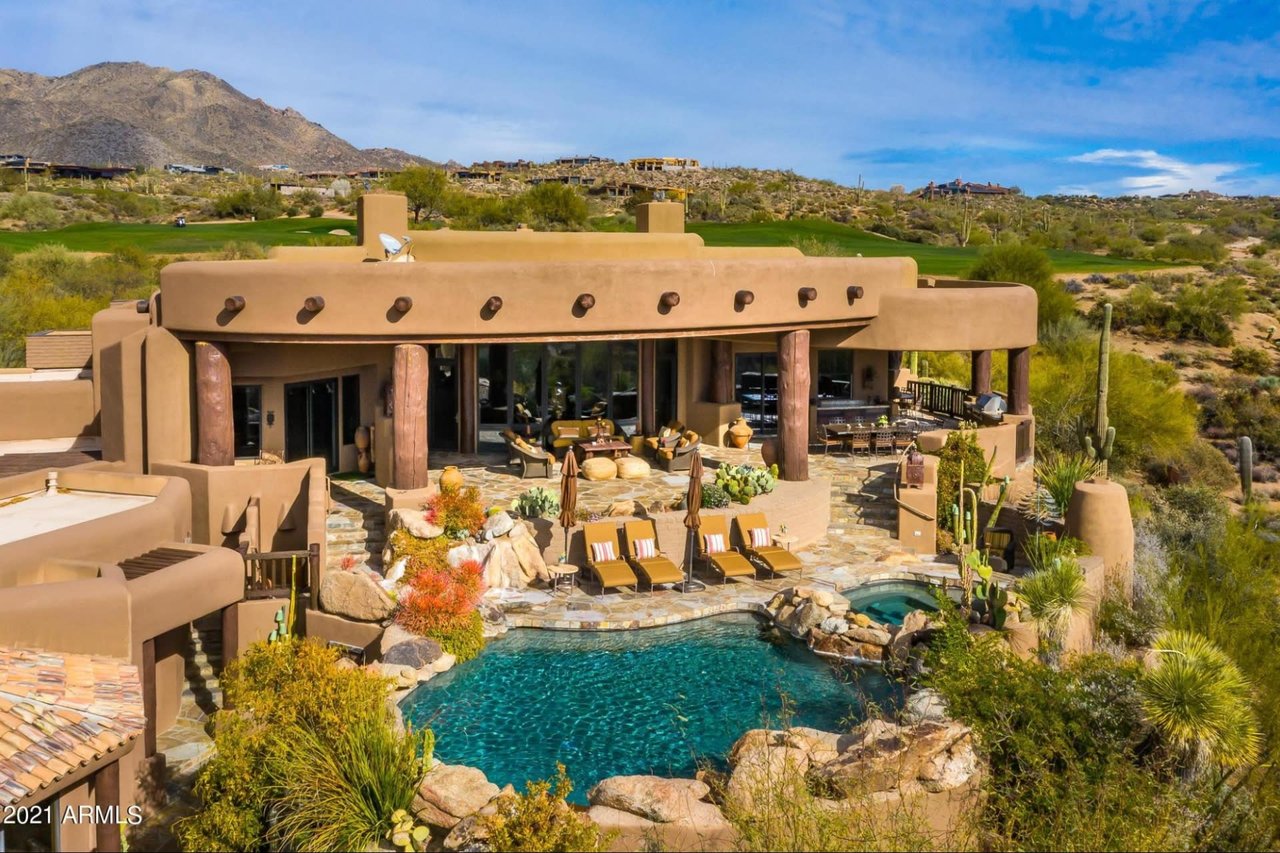
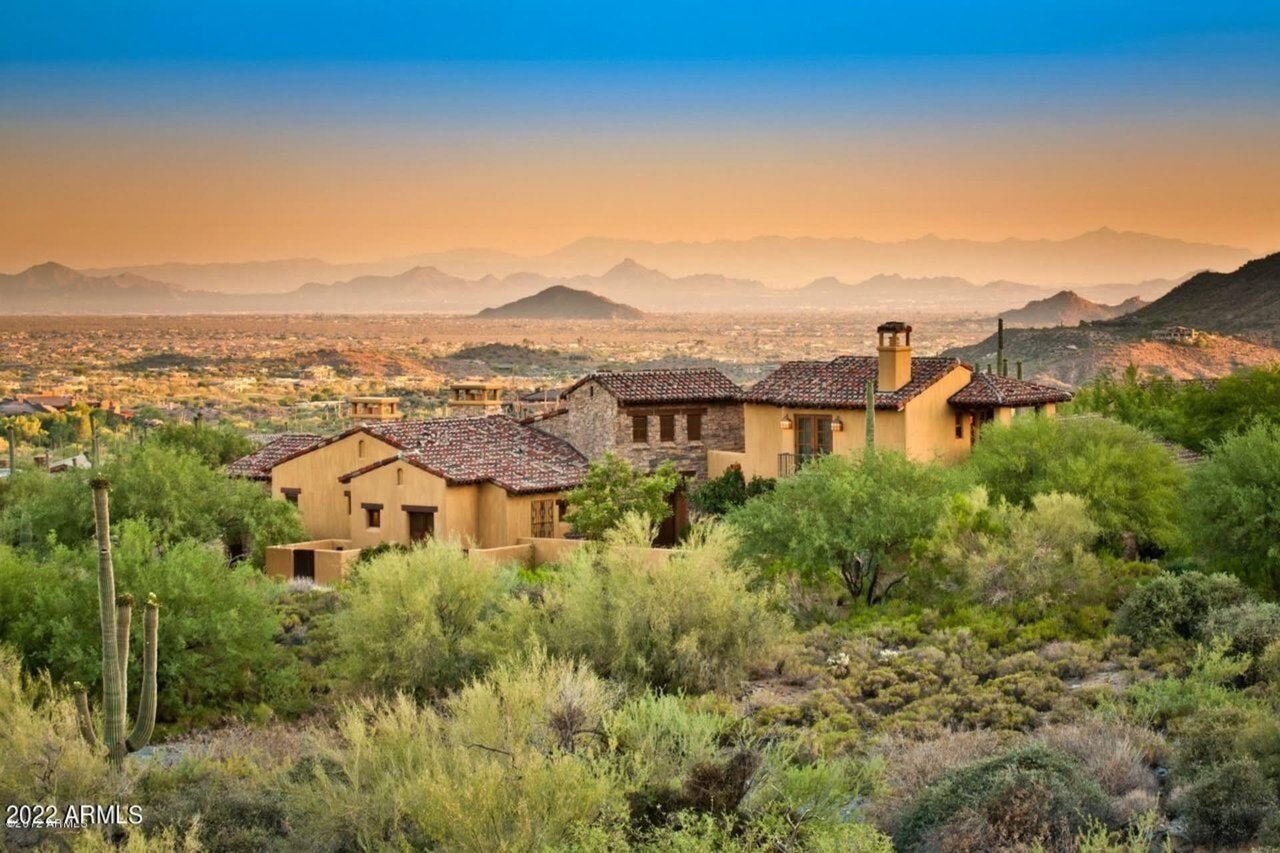
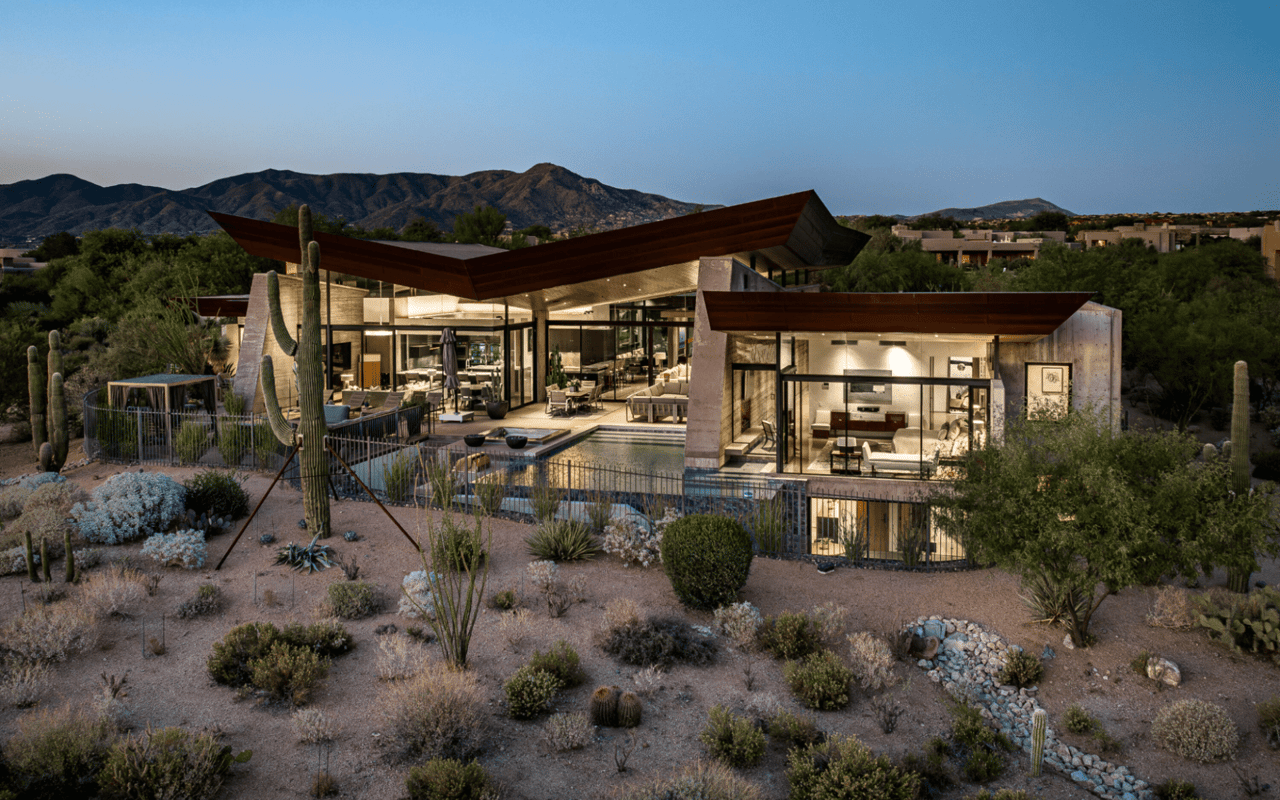
Desert Mountain also offers variety, but the mix skews differently. Official village materials highlight custom homes, villas, cottages, patio homes, future estates, and lock-and-leave residences at Seven Desert Mountain, along with estate lots ranging from about 0.75 acres to more than five acres. That generally points toward more seclusion, more custom-build flexibility, and a stronger estate-oriented character.
Which Community Fits Your Relocation Goals?
If you are moving from a larger metro or coastal market, the right choice often depends on how you define convenience. For some buyers, convenience means quick access to Loop 101, business appointments, shopping, and airports. For others, convenience means having golf, dining, wellness, and social life in one private setting.
DC Ranch may be the better fit if you want:
- A neighborhood-based environment
- Easier access to off-site errands and dining
- Strong freeway connectivity
- A wide mix of home types
- Club access that complements, rather than defines, daily life
Desert Mountain may be the better fit if you want:
- A private, gated desert setting
- A more immersive club-centered lifestyle
- Broader on-property recreation and social options
- Lock-and-leave choices alongside custom estates
- More seclusion or larger homesites
Why Local Guidance Matters
On paper, both communities can look like premium North Scottsdale options with golf, views, and luxury homes. In person, the feel is very different. The distance to services, the cadence of the gates, the village layout, the housing mix, and the role of club membership all influence whether a community truly fits the life you want to build.
That is why relocation decisions at this level benefit from specific, community-based guidance. If Desert Mountain is part of your shortlist, lived local knowledge can help you compare villages, understand home type tradeoffs, and navigate membership considerations with much more clarity.
If you are weighing DC Ranch against Desert Mountain and want a grounded, private conversation about what fits your goals, Power+ can help you evaluate the options with the perspective that only on-property Desert Mountain experts can offer.
FAQs
What is the main difference between DC Ranch and Desert Mountain in North Scottsdale?
- DC Ranch generally offers a more neighborhood-oriented setting with convenient access to shopping, dining, and major roads, while Desert Mountain offers a more private, gated, club-centered environment.
Is DC Ranch or Desert Mountain better for daily errands in Scottsdale?
- DC Ranch is generally the more convenience-oriented choice for recurring errands because it has nearby service areas like Market Street, DC Ranch Crossing, and Canyon Village, along with easier regional roadway access.
Does Desert Mountain feel more self-contained than DC Ranch?
- Yes. Desert Mountain’s official lifestyle materials emphasize that members can spend a full day within the community using clubhouses, dining, spa and fitness facilities, and private trails.
What kinds of homes are available in DC Ranch compared with Desert Mountain?
- DC Ranch offers a broad mix that includes custom estates, single-family homes, townhomes, patio homes, and apartments, while Desert Mountain emphasizes custom homes, villas, cottages, patio homes, lock-and-leave residences, and larger estate lots.
Do you have to own a home to join the Country Club at DC Ranch?
- No. The Country Club at DC Ranch states that membership is not tied to real estate ownership and that it is accepting Golf Equity Memberships and Clubhouse Memberships.
Does buying in Desert Mountain automatically include club membership?
- No. Desert Mountain states that home ownership provides the opportunity to apply for membership, with access varying by membership category.