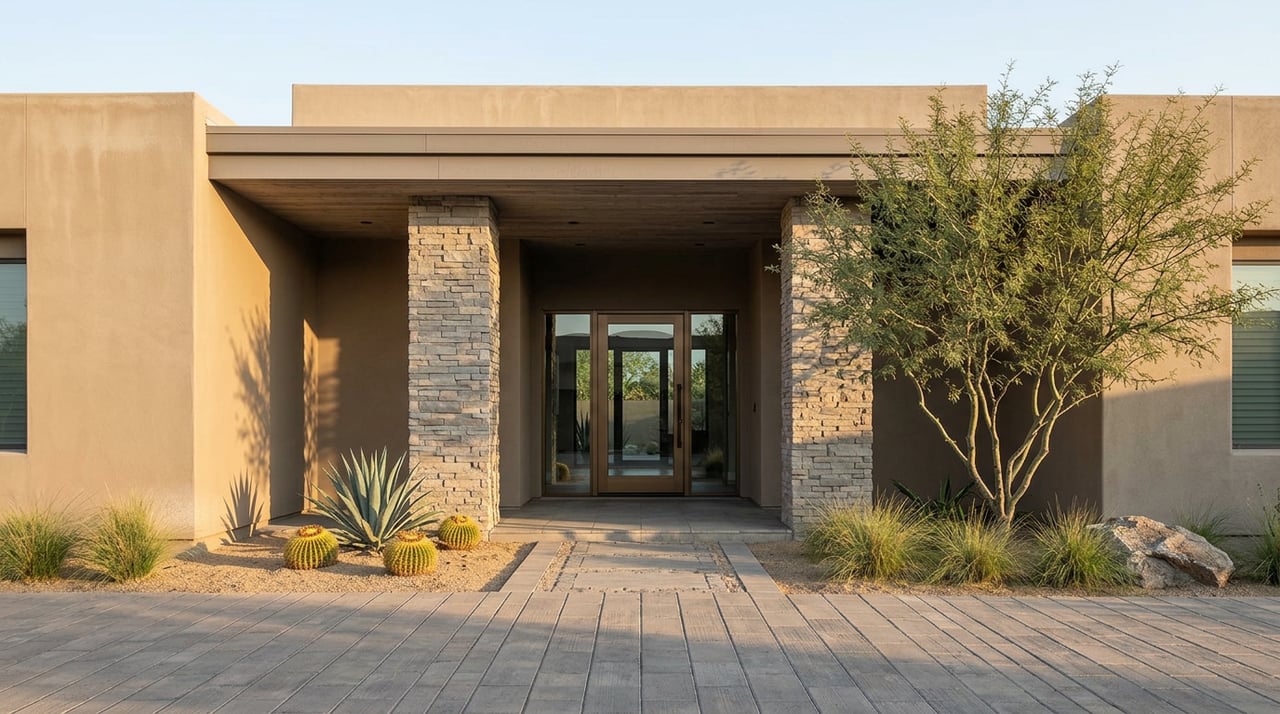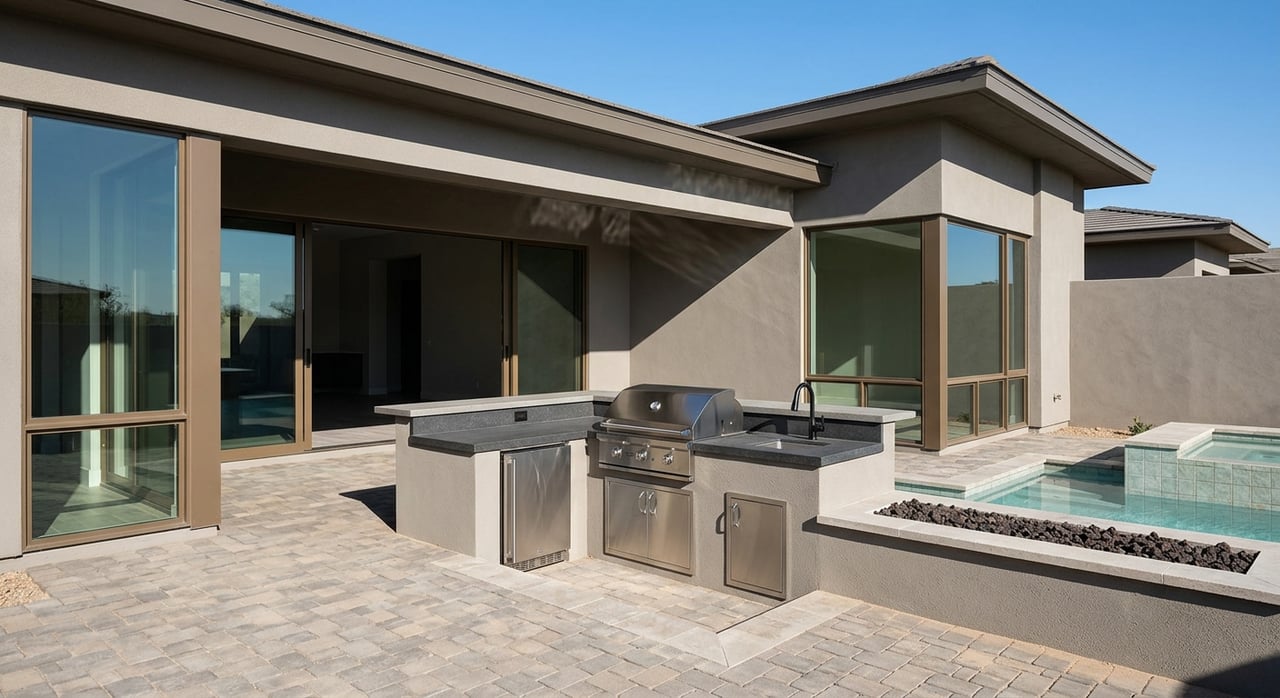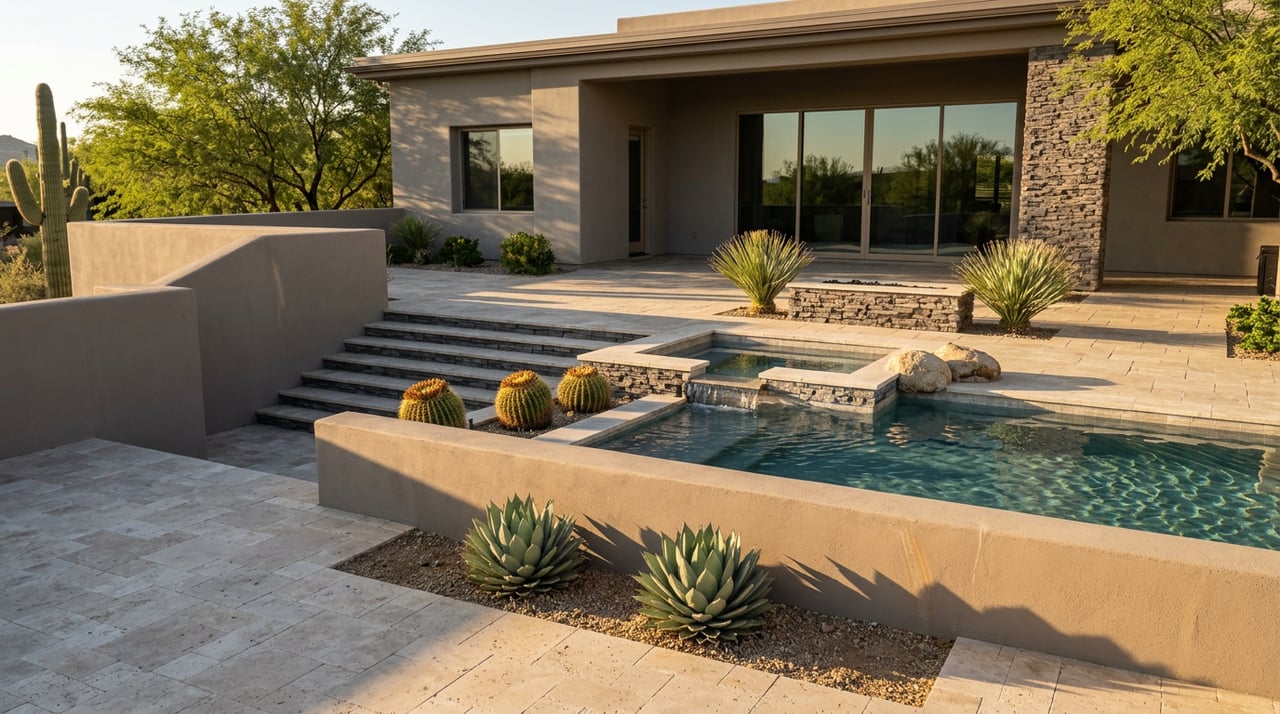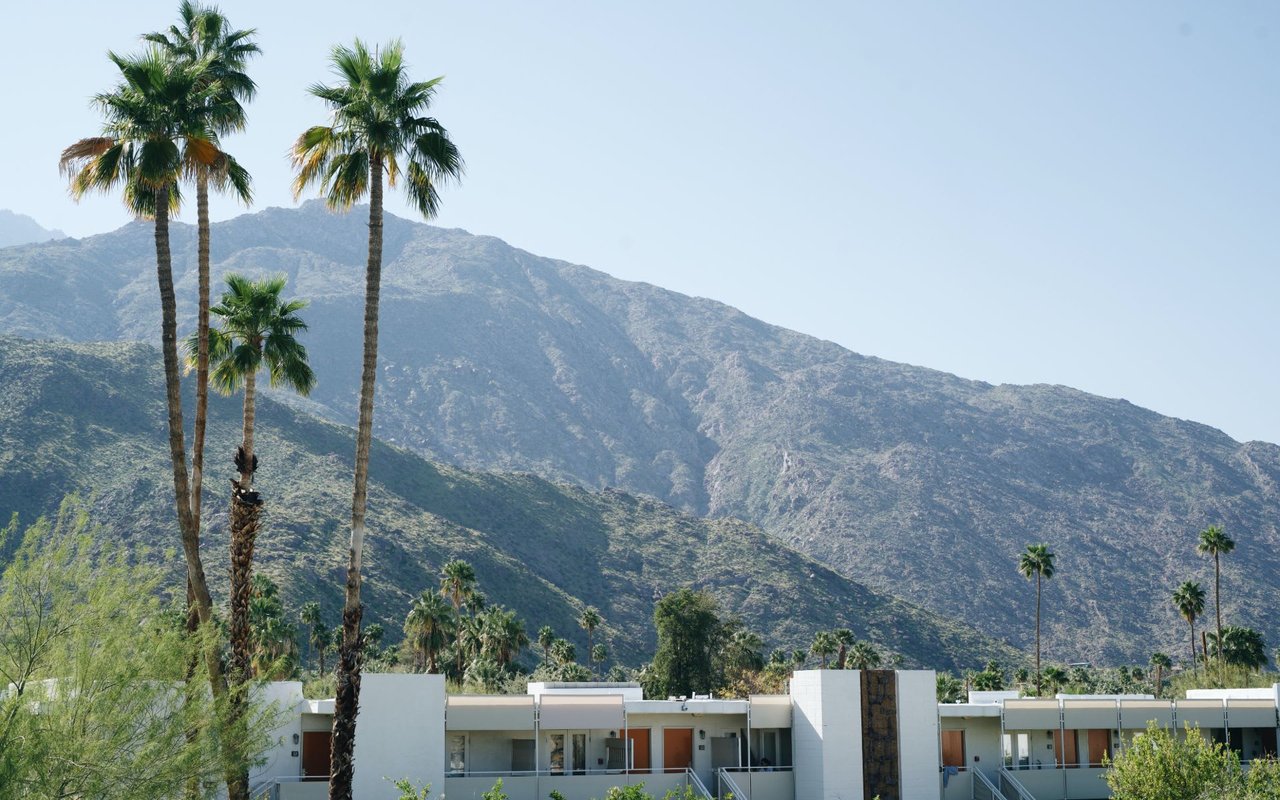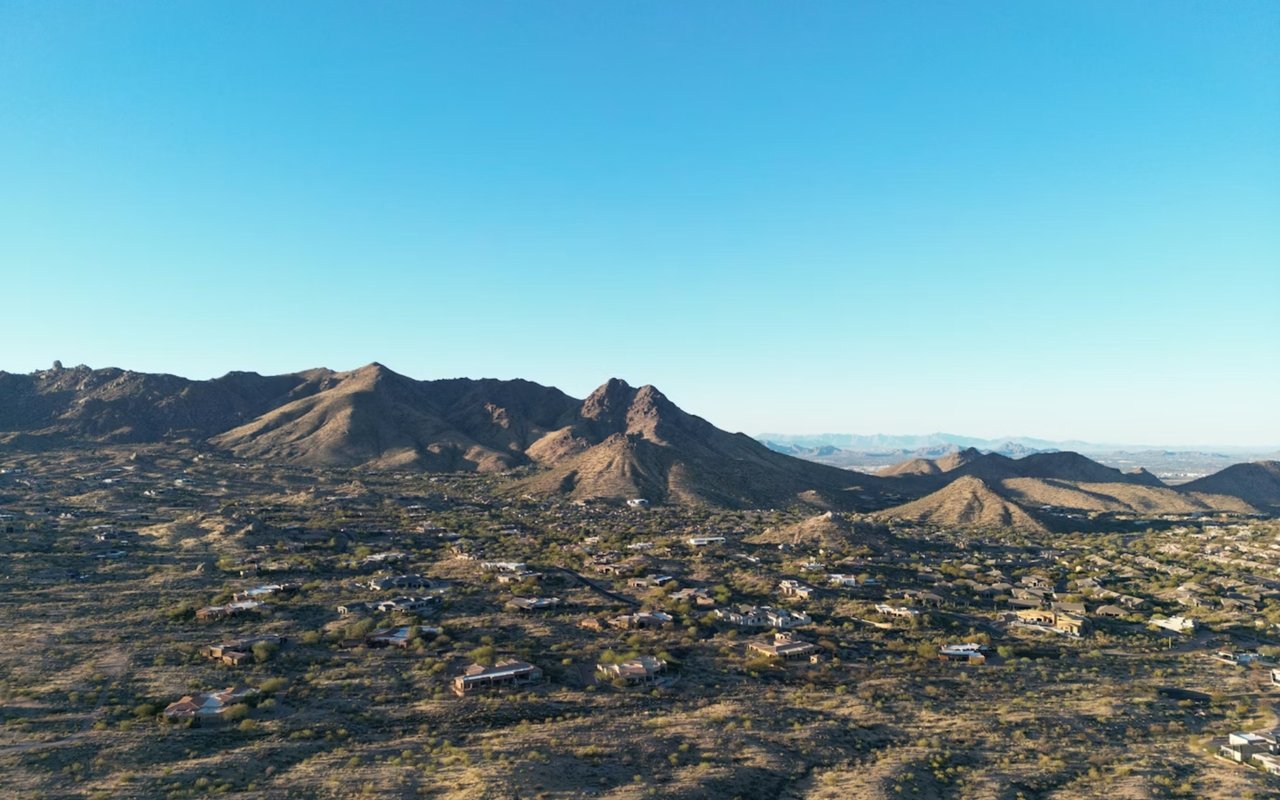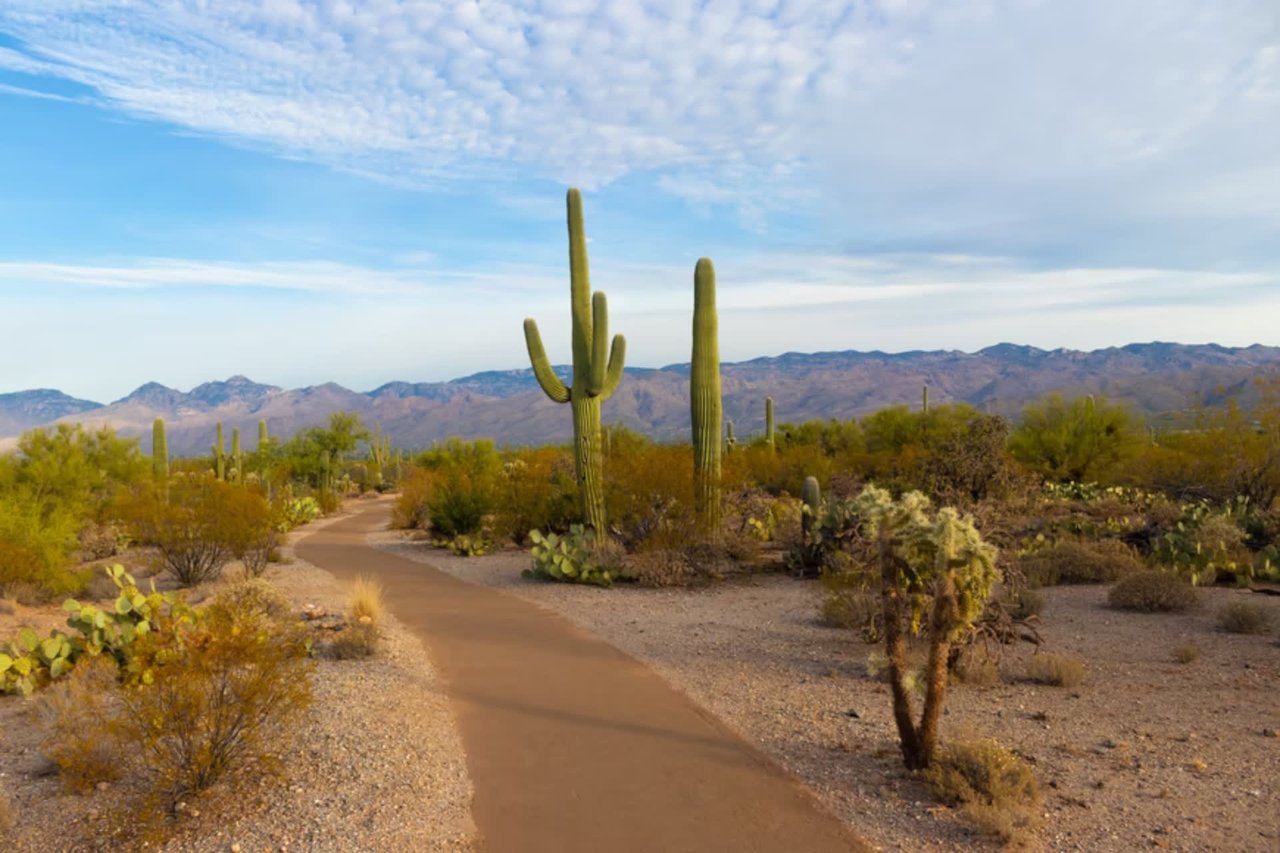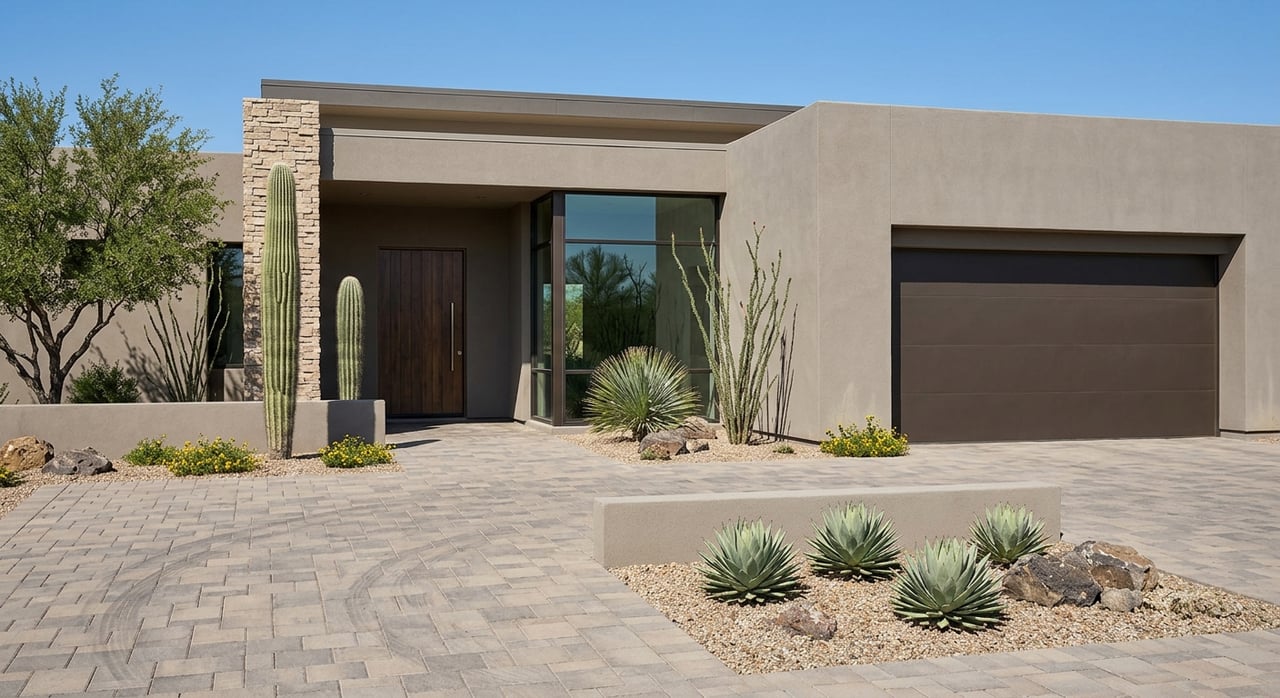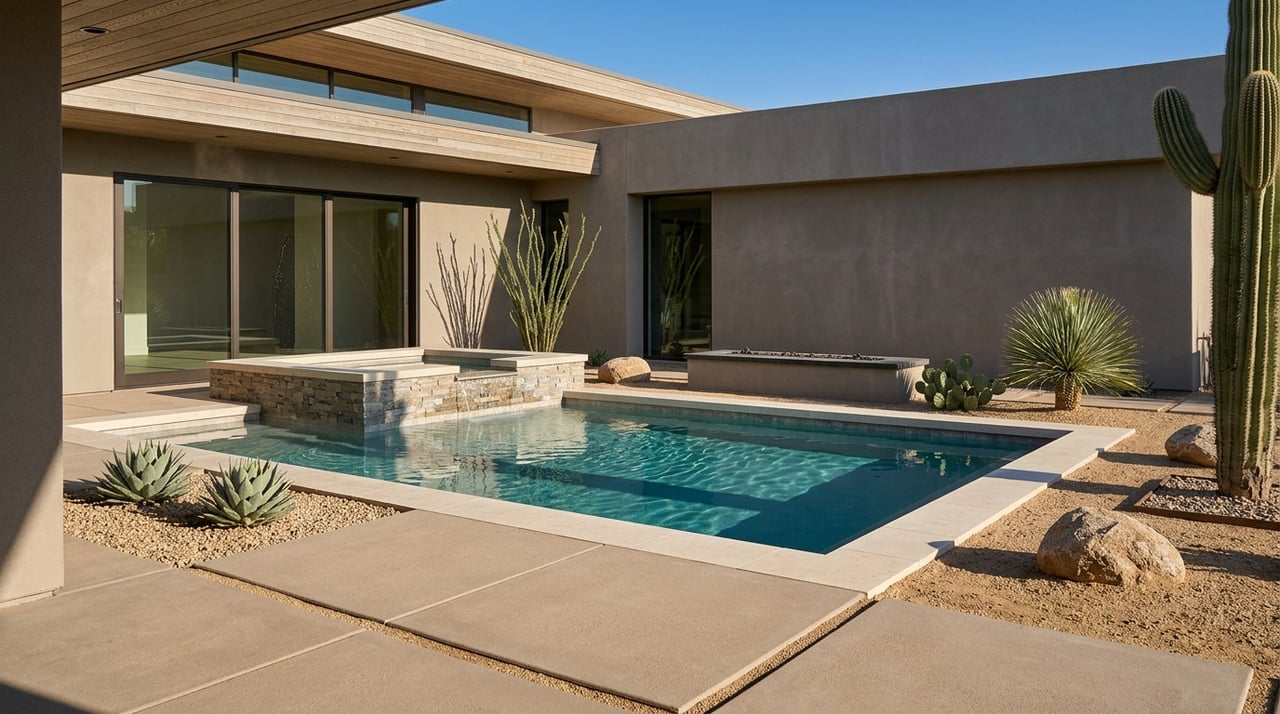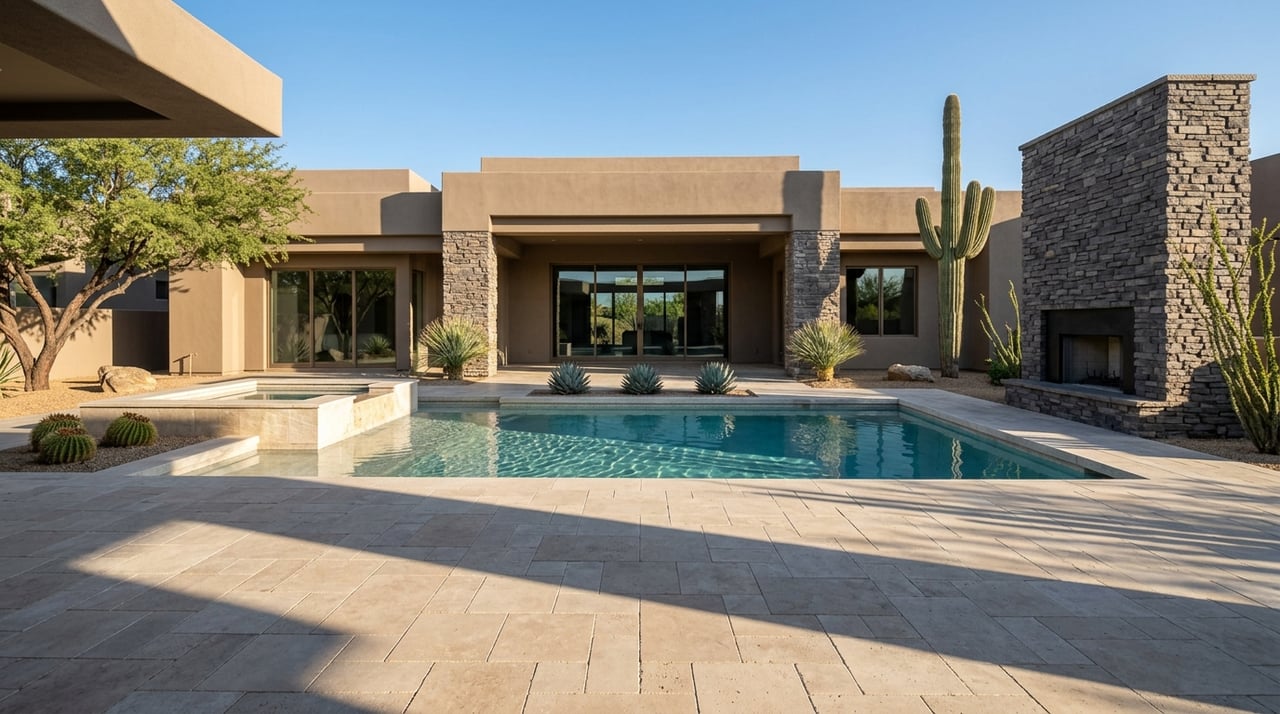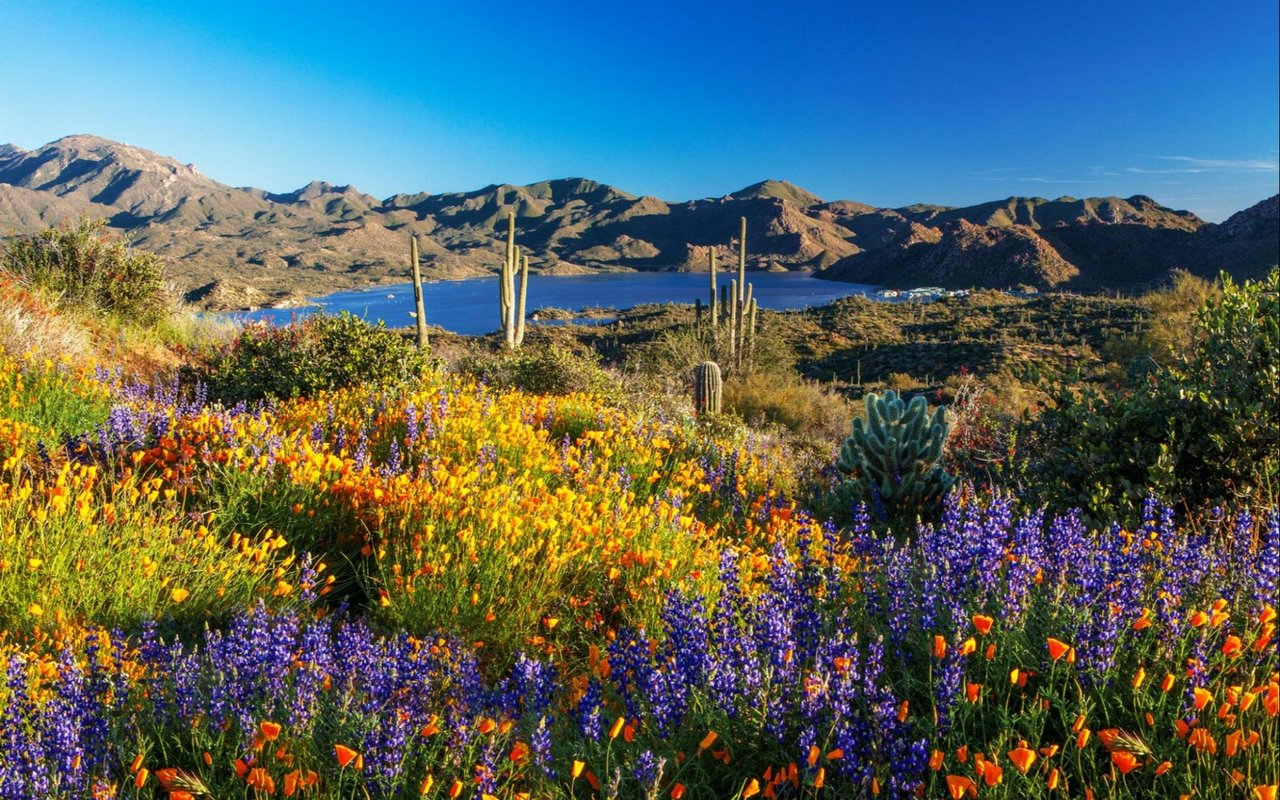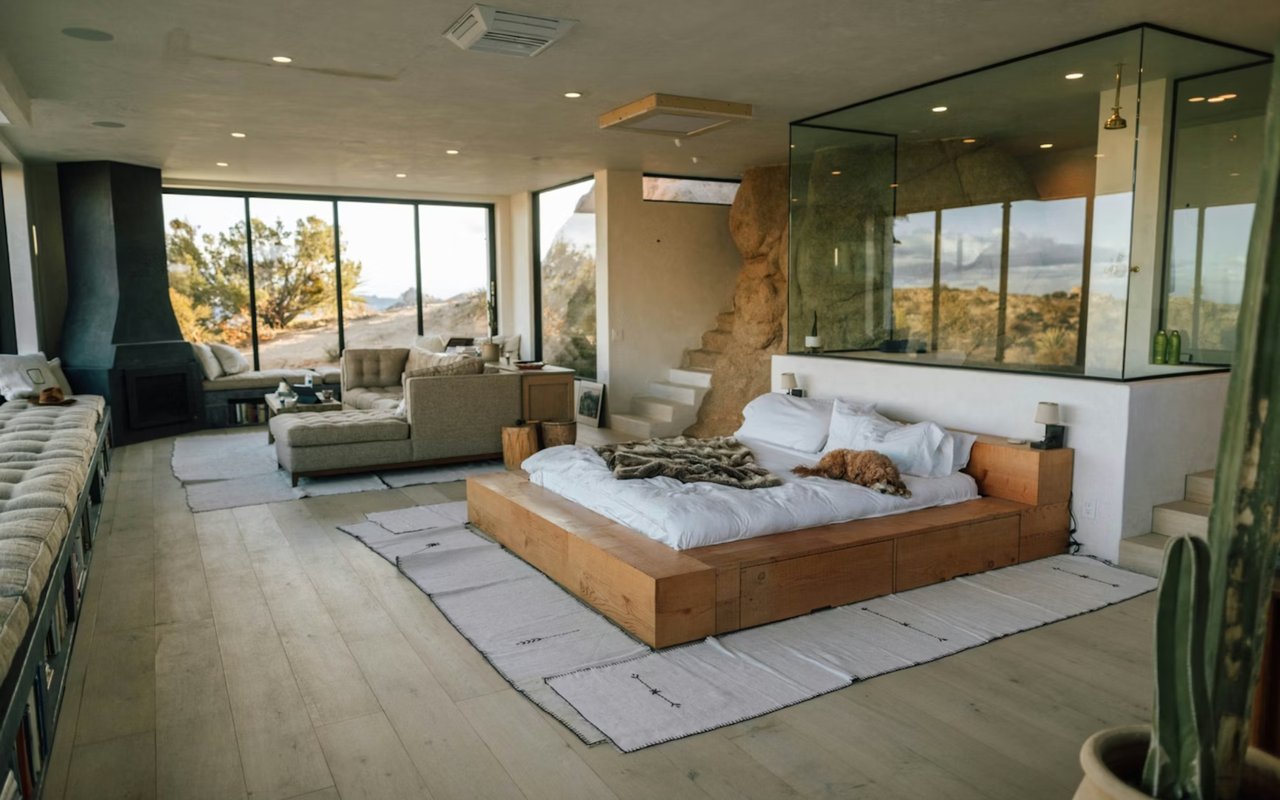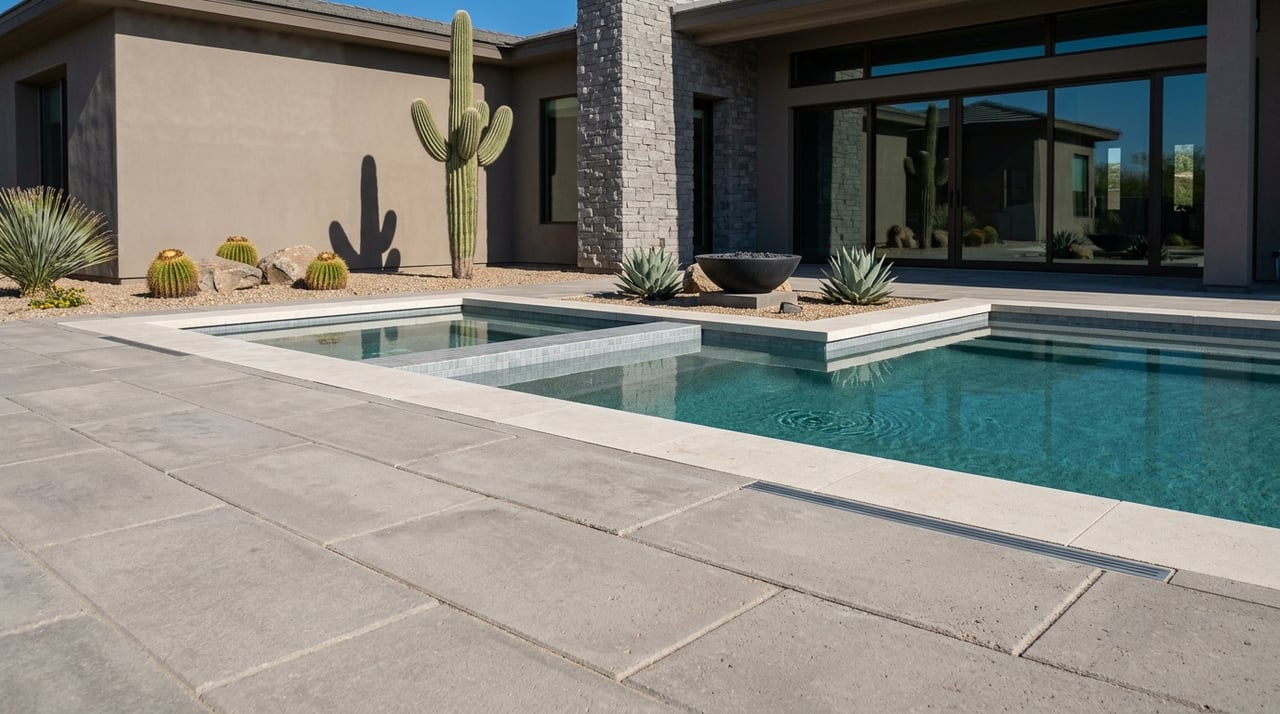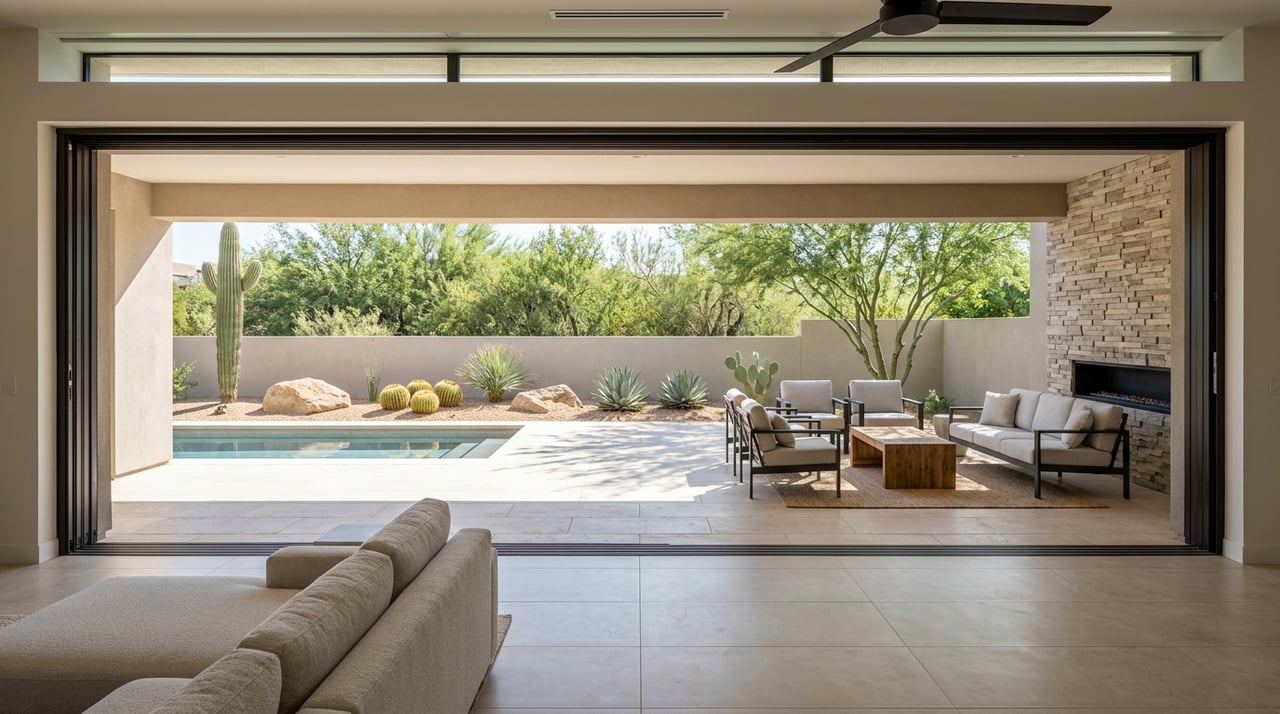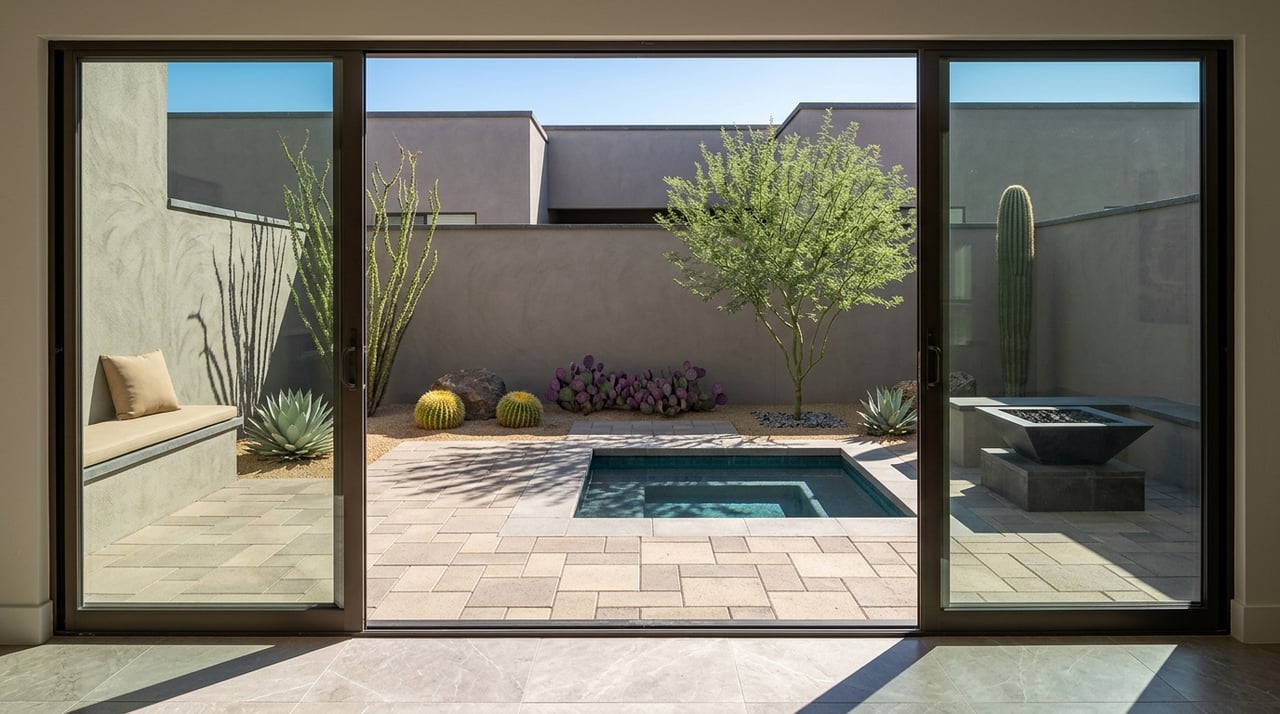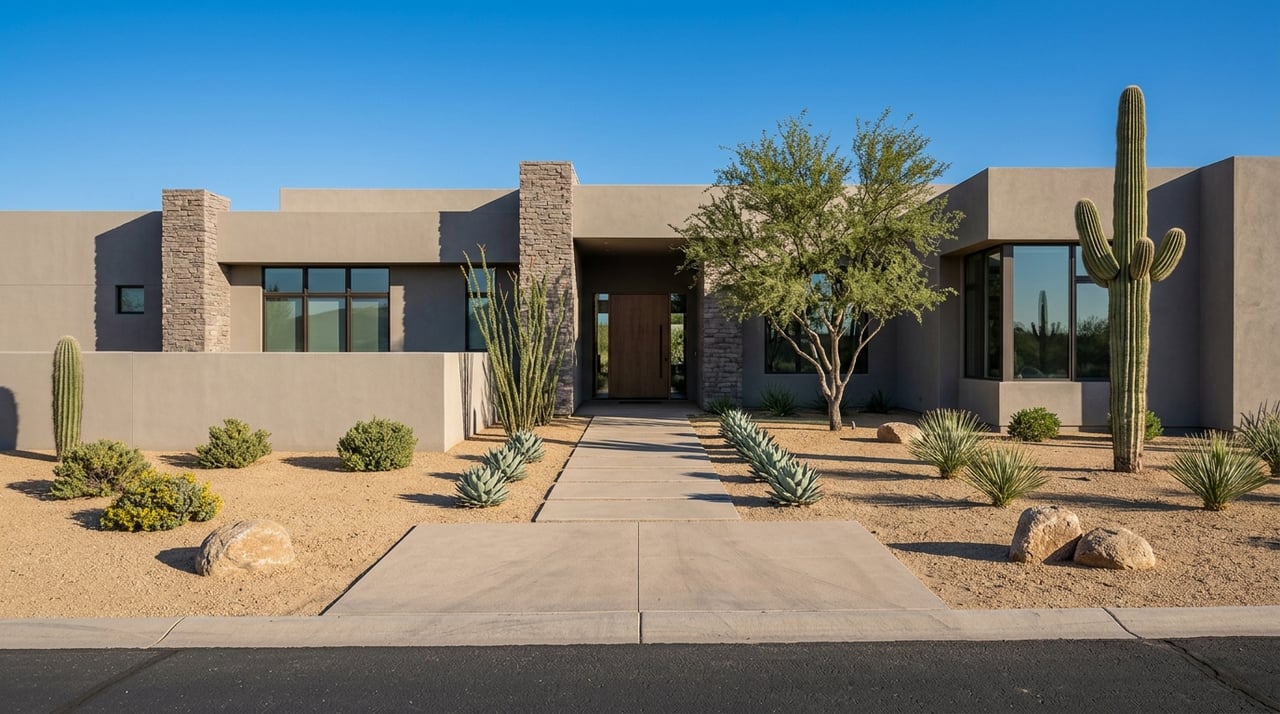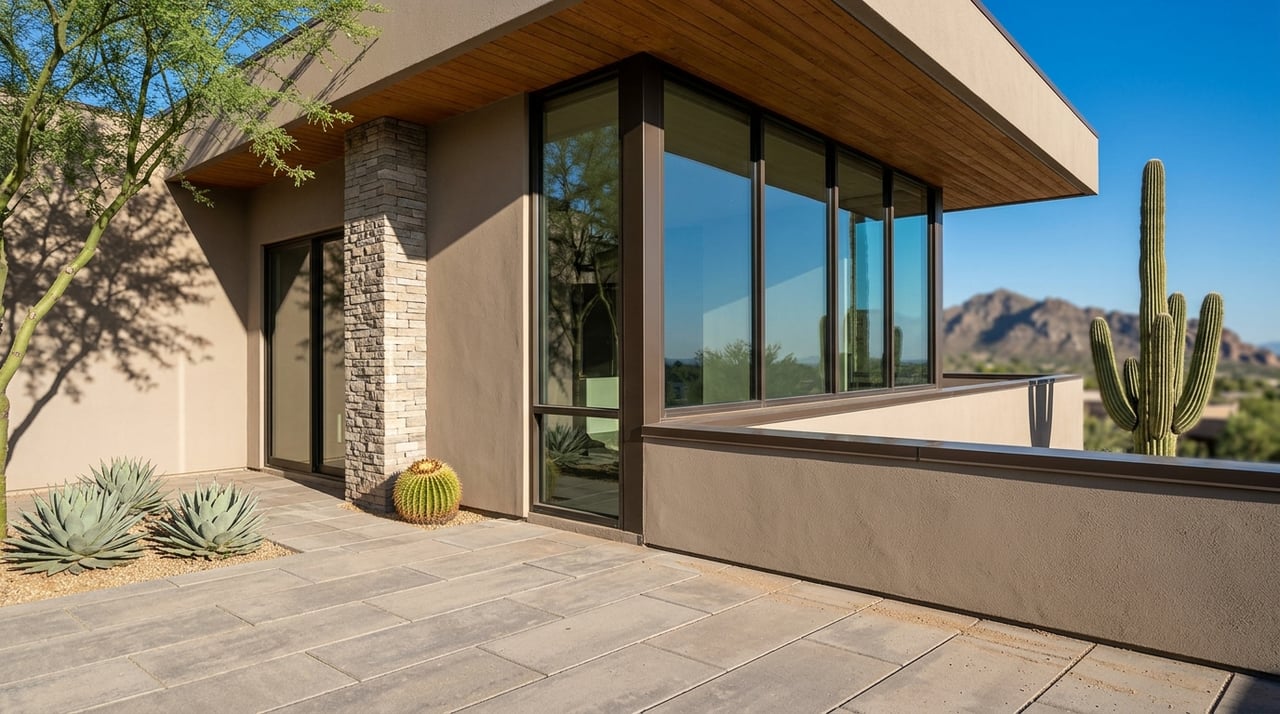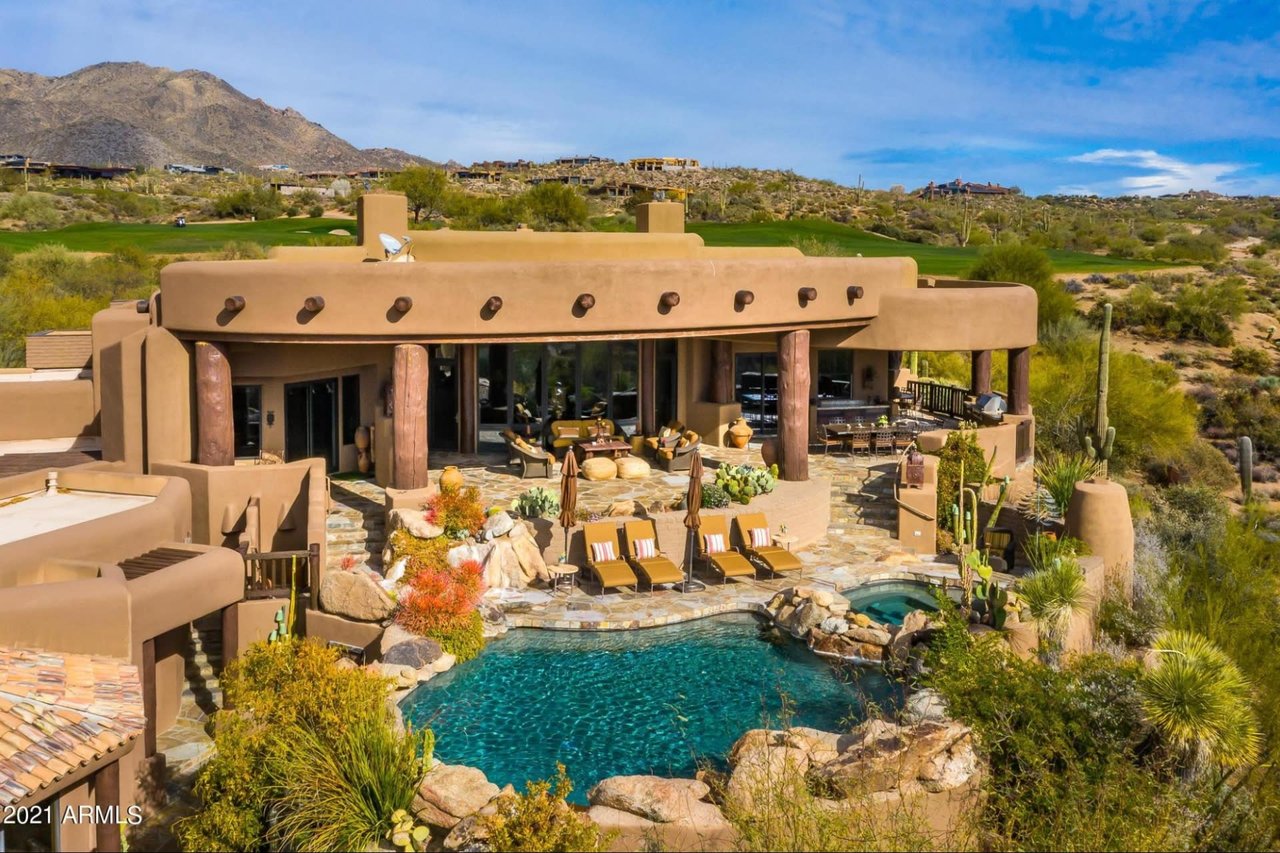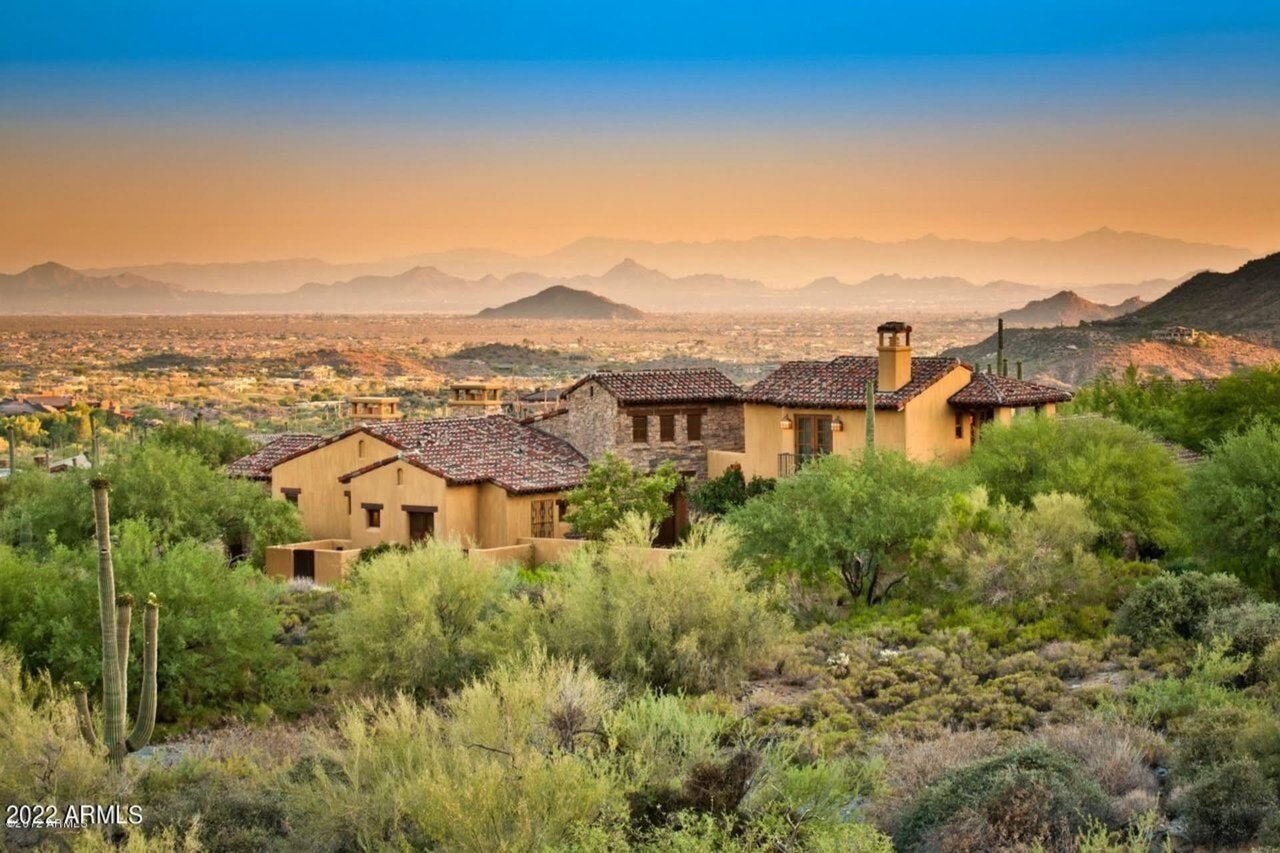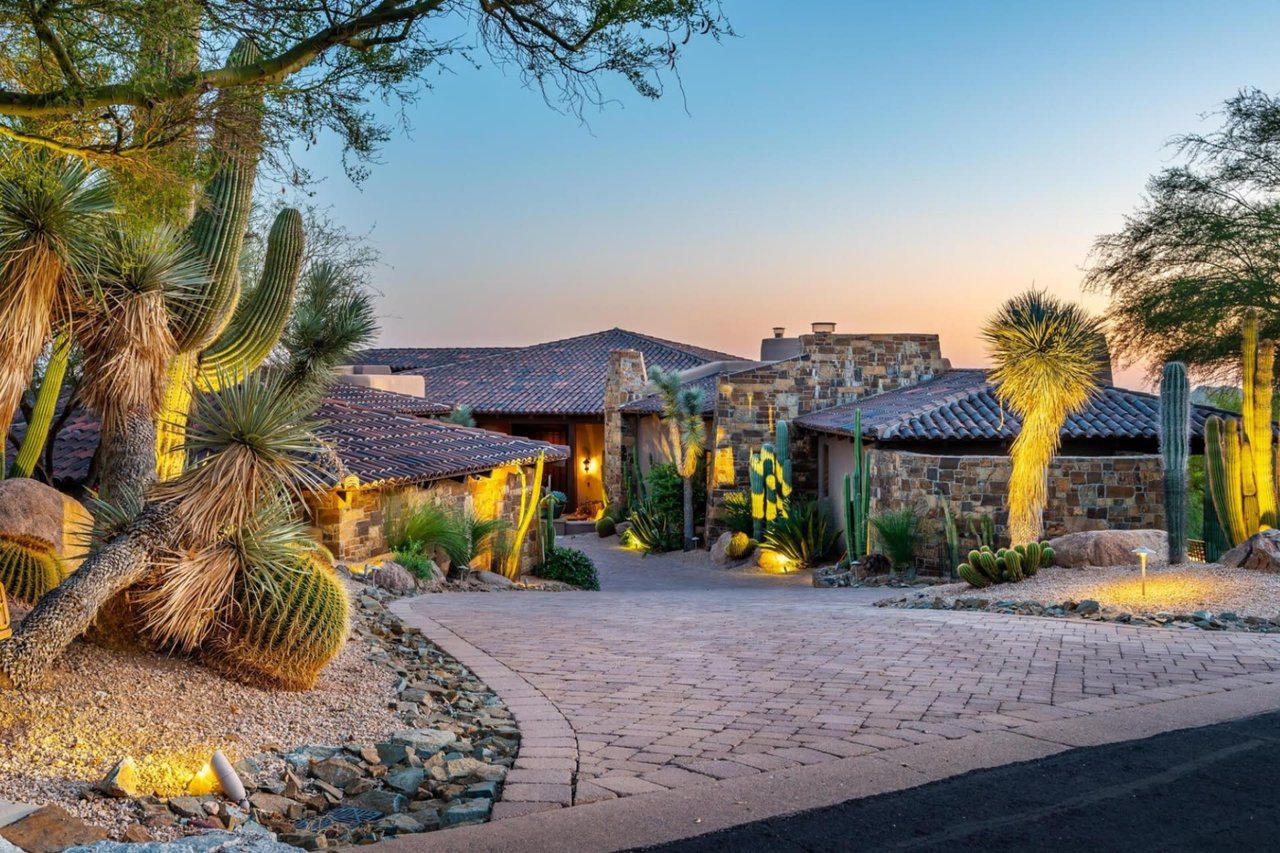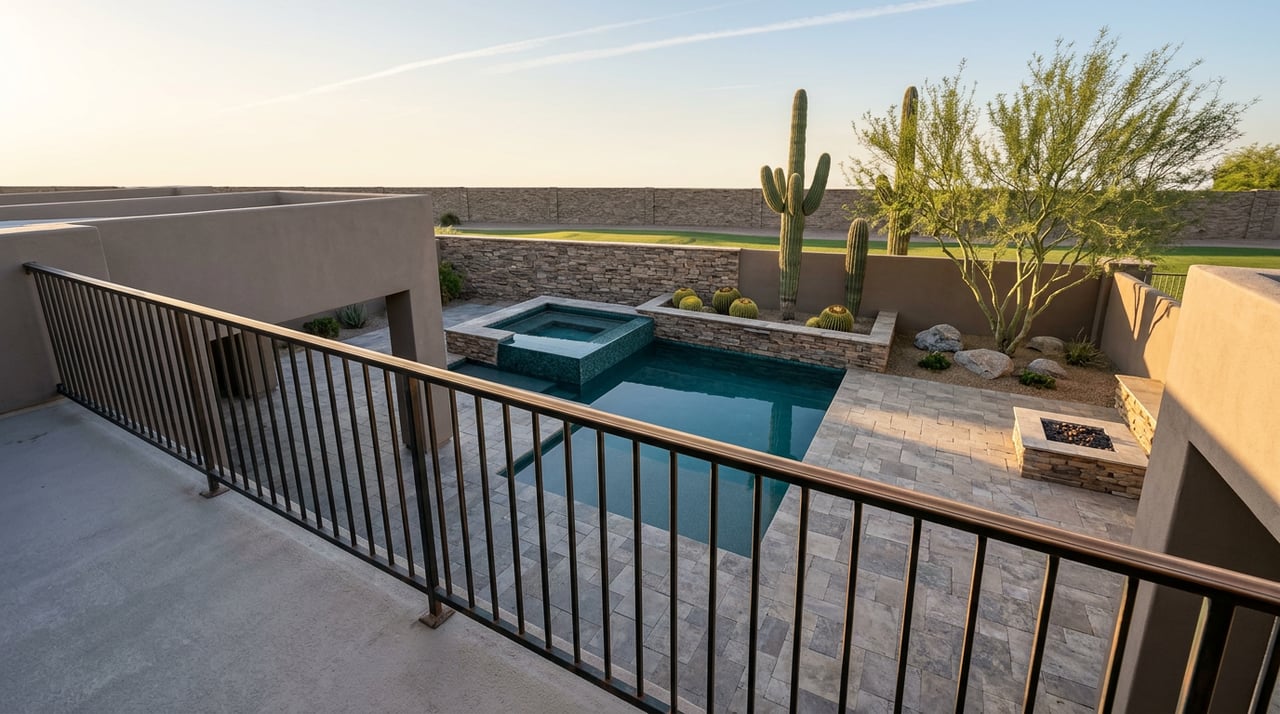
Why does the view from a Desert Horizon patio look worse in September than it did in June?
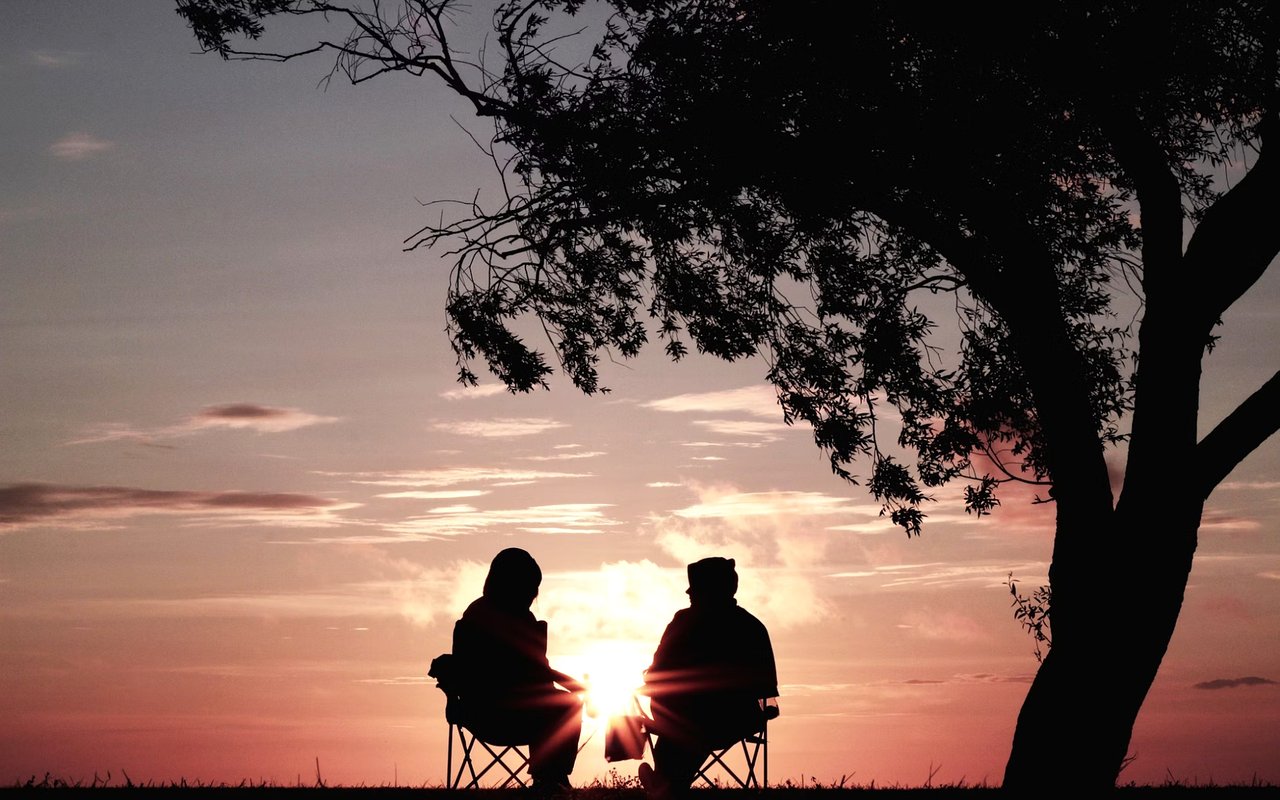
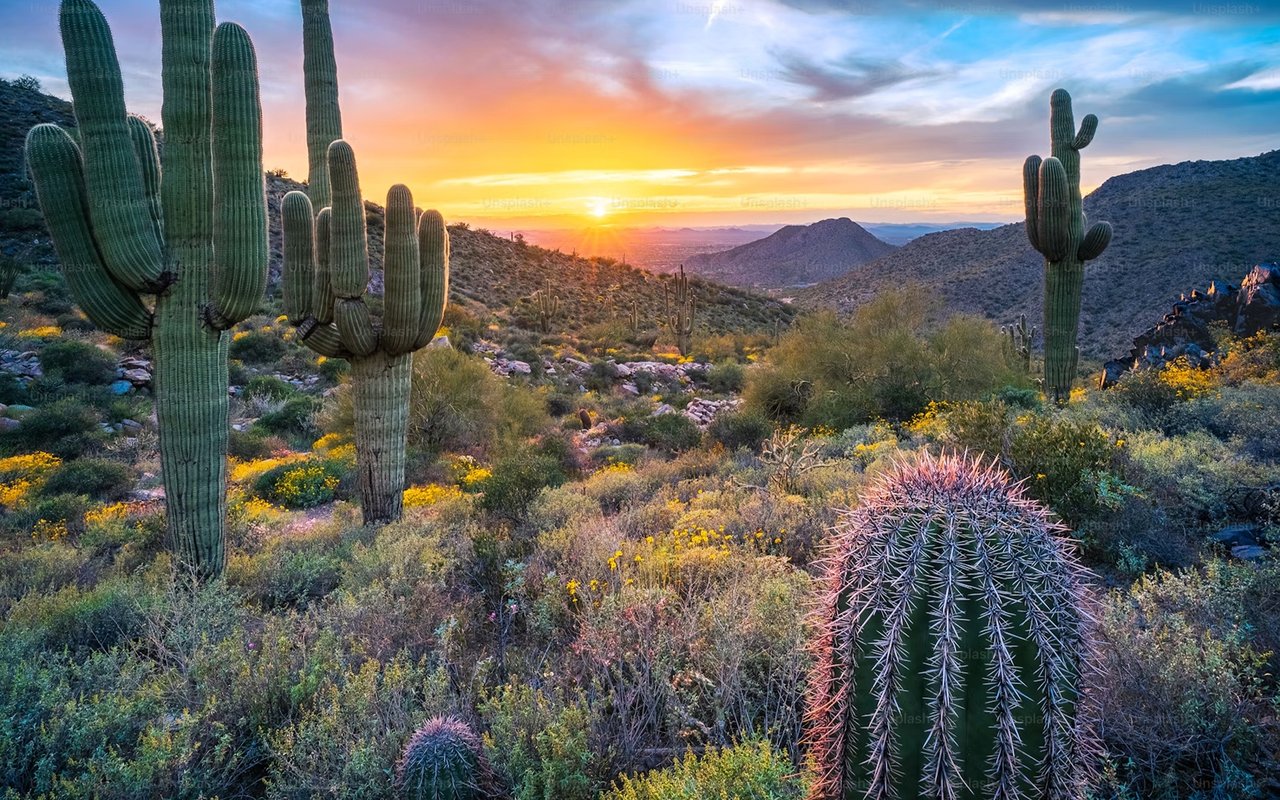
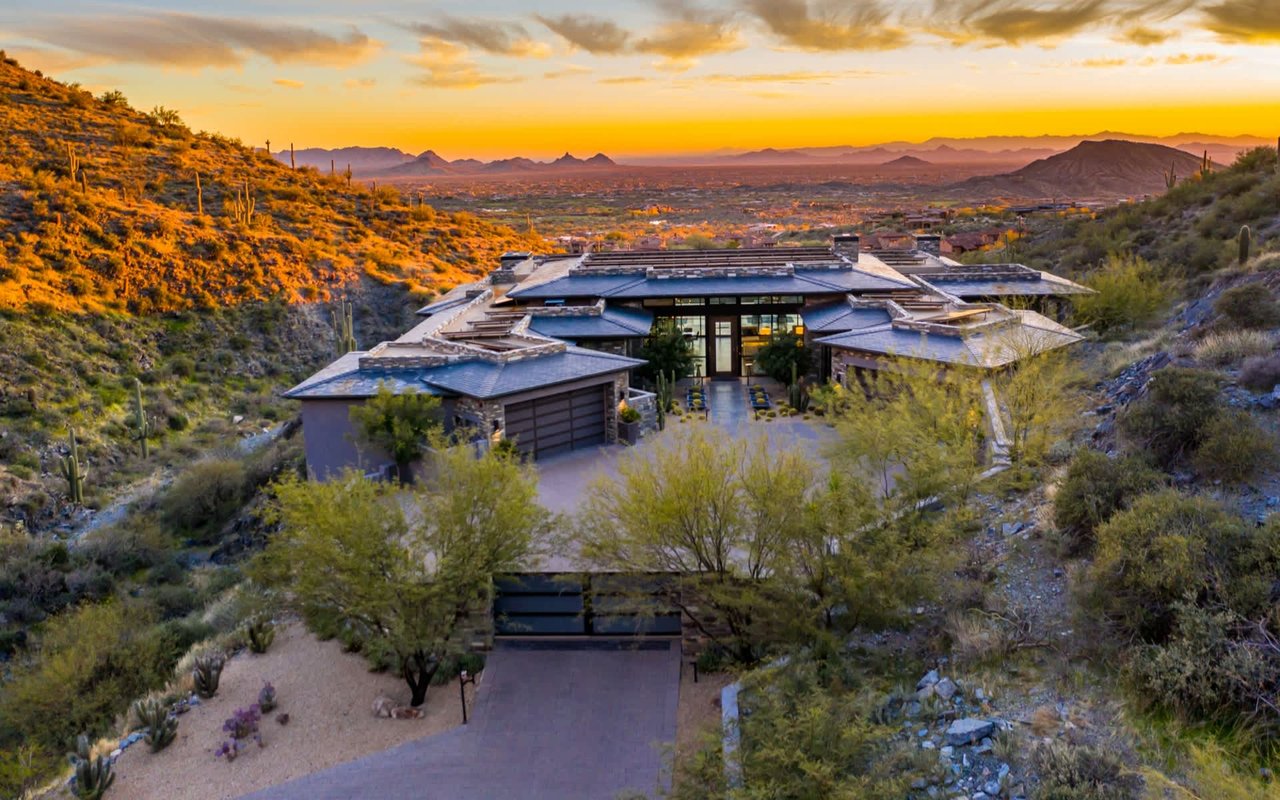
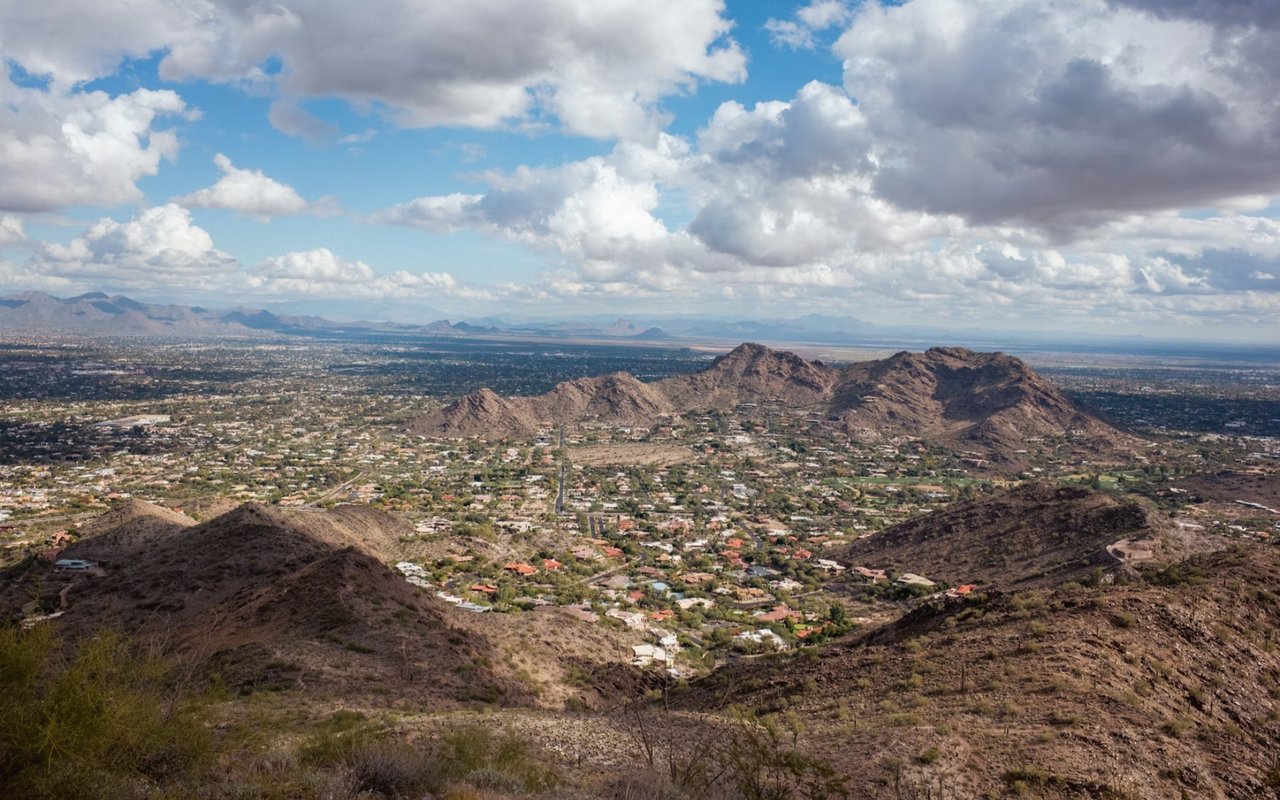
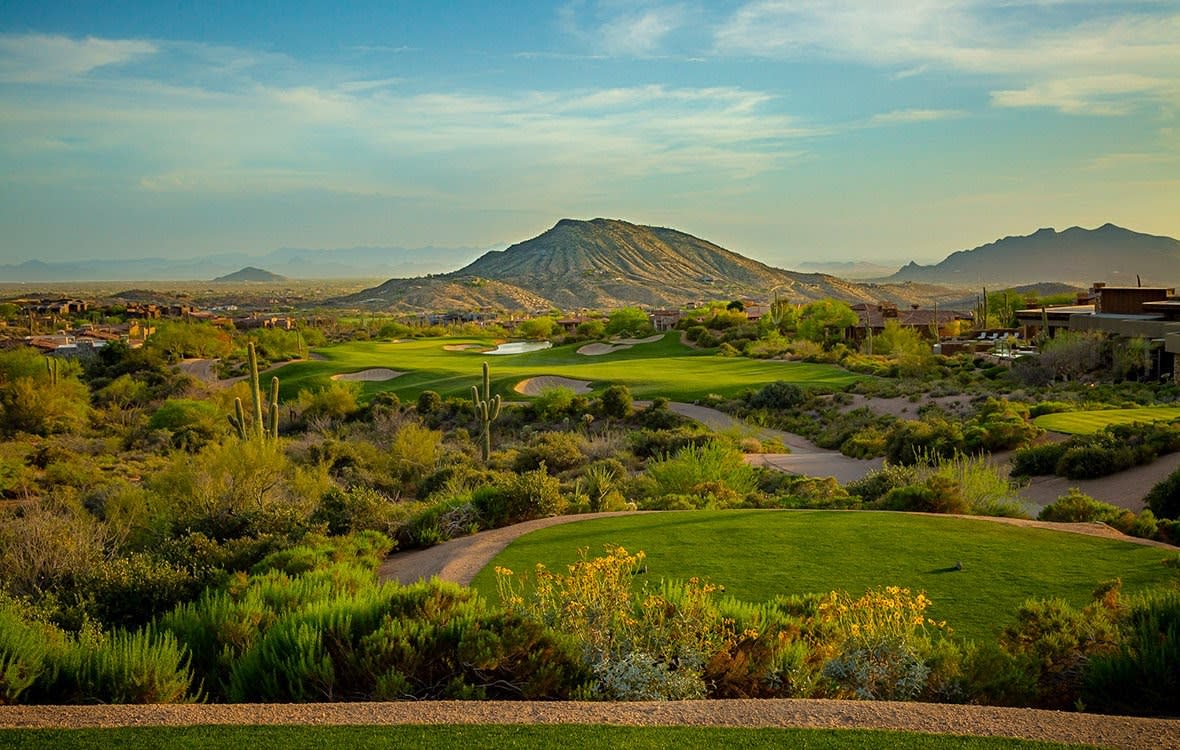
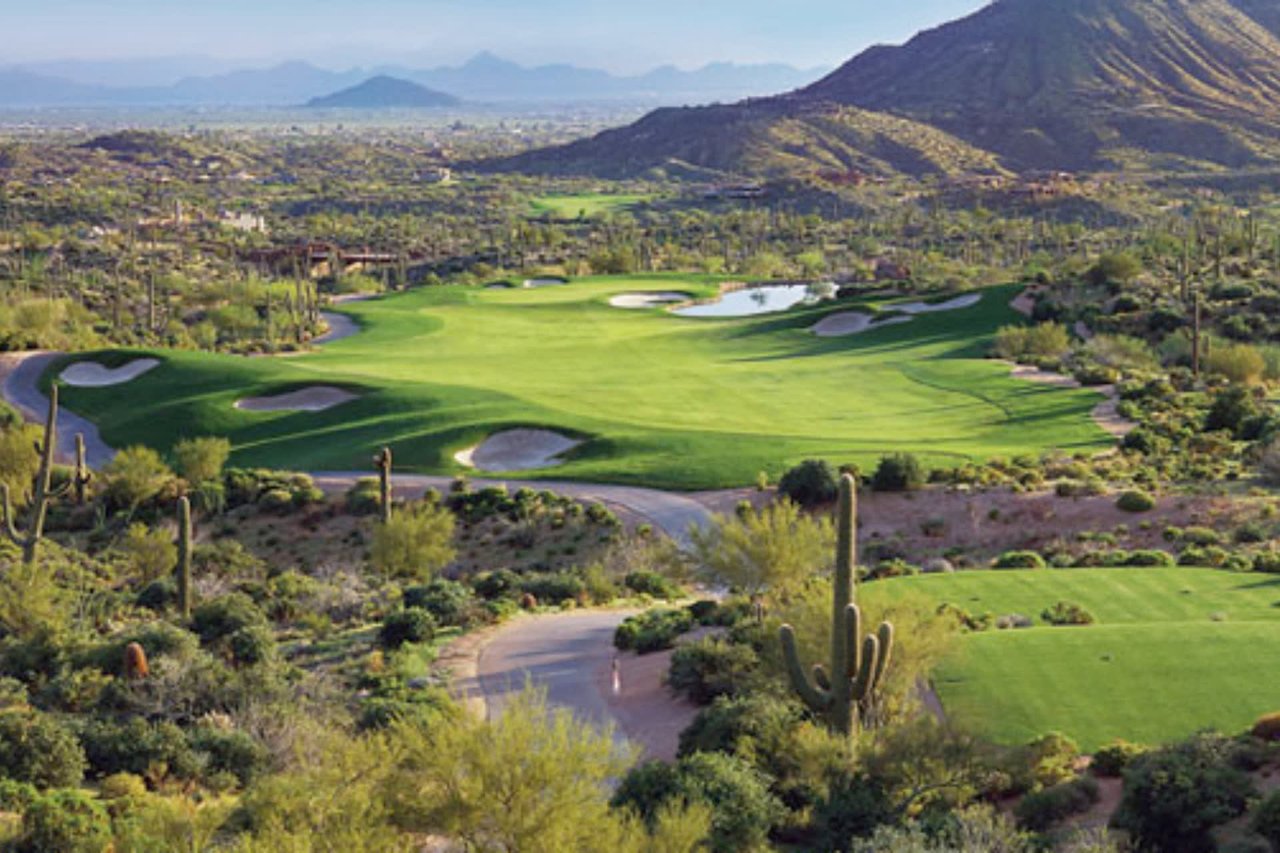
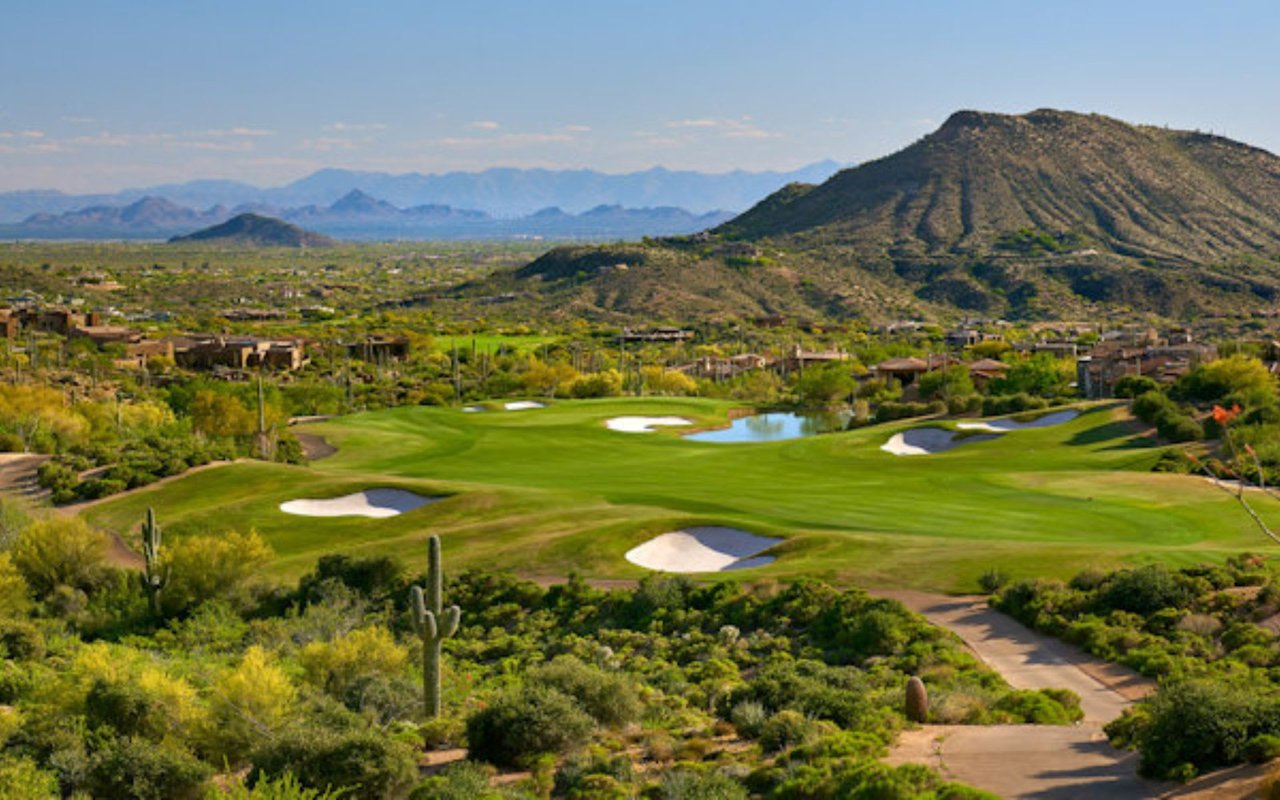
If you own along the front nine of Apache Golf Course this month, you already know the answer without knowing the reason. The fairway that framed your dinners all summer has gone the color of the desert around it. Carts are gone. A few crews move slowly across the turf with equipment that looks more like farm work than golf maintenance. For a village whose whole identity rests on elevated views of the course, city lights, and a sunset that plays across the fairway most evenings, this stretch feels like a glitch in the brand.
It isn't. It's the same maintenance calendar every Sonoran Desert golf course runs, and Desert Mountain has built an entire operating philosophy around making sure it never actually interrupts anything you'd notice from the clubhouse.
A View That Changes On a Schedule, Not By Accident
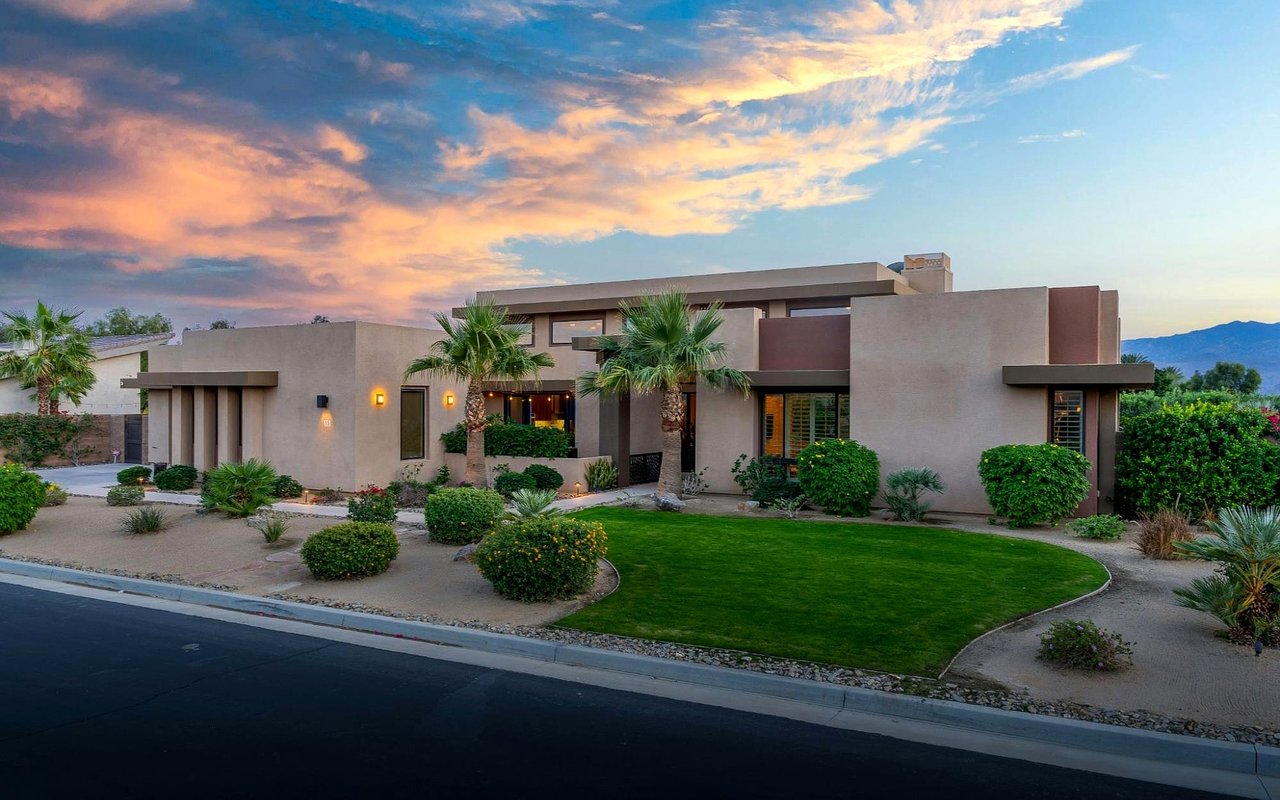
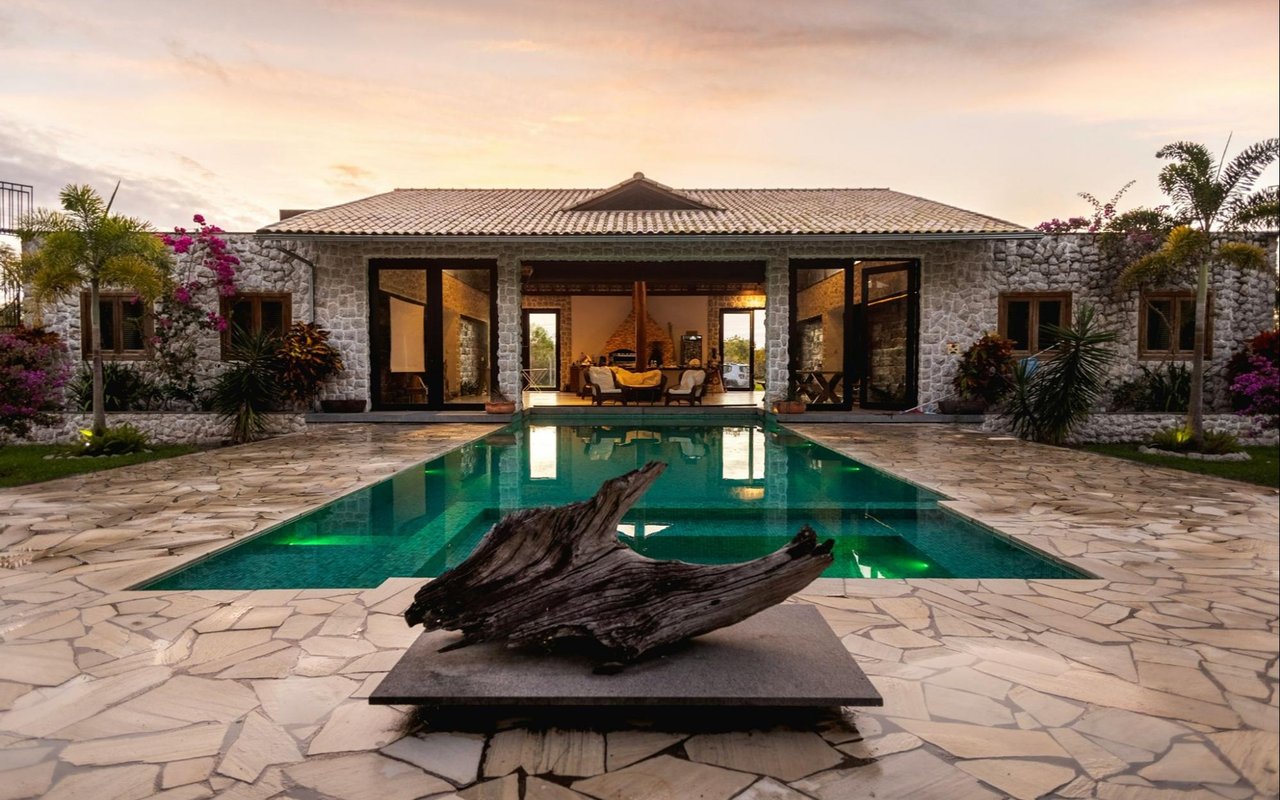
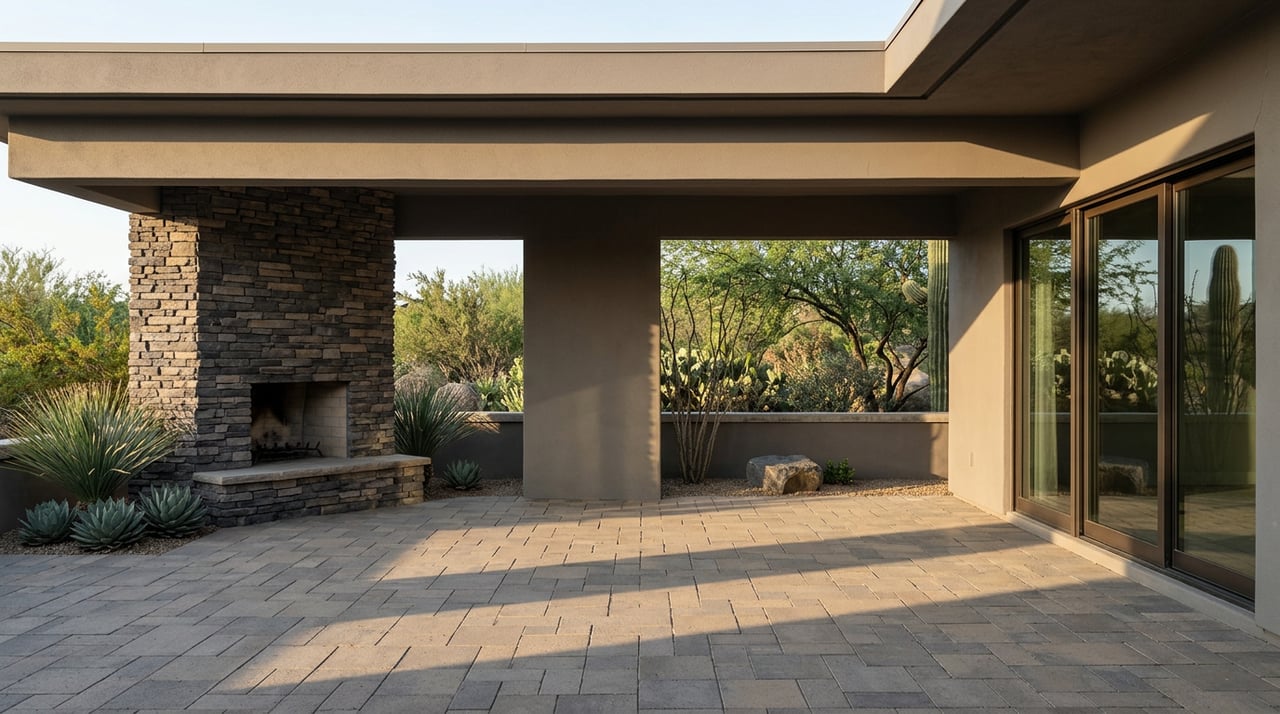
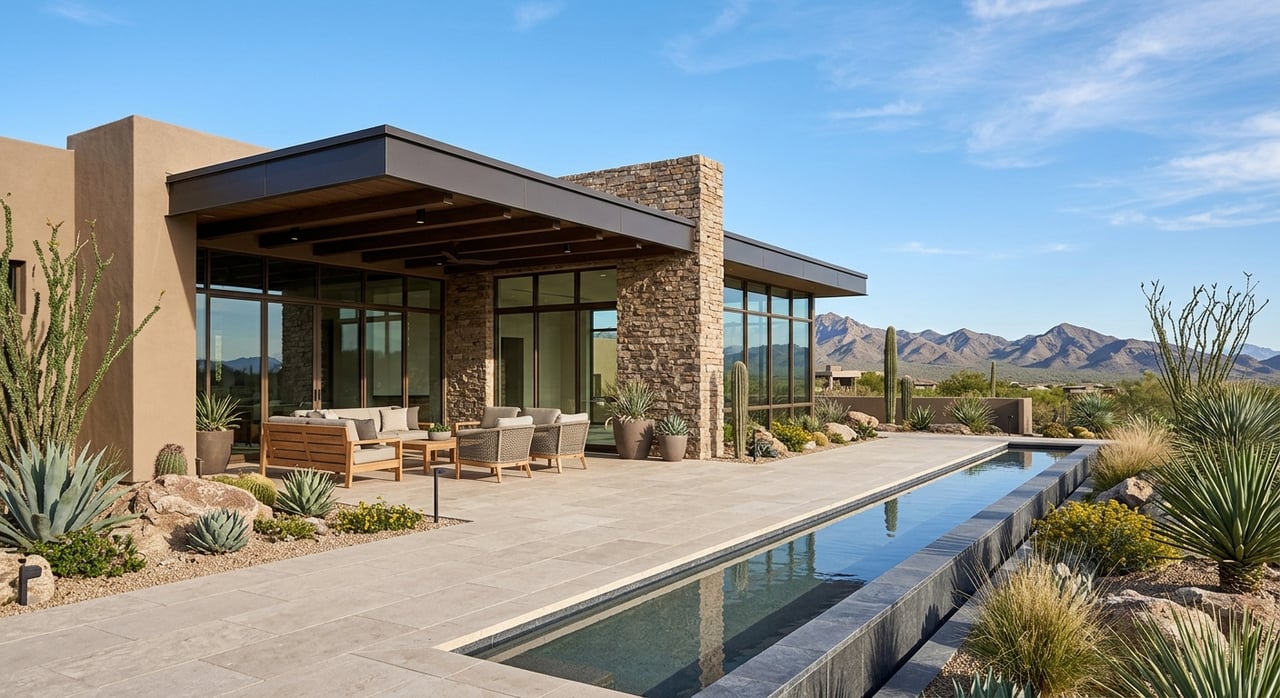
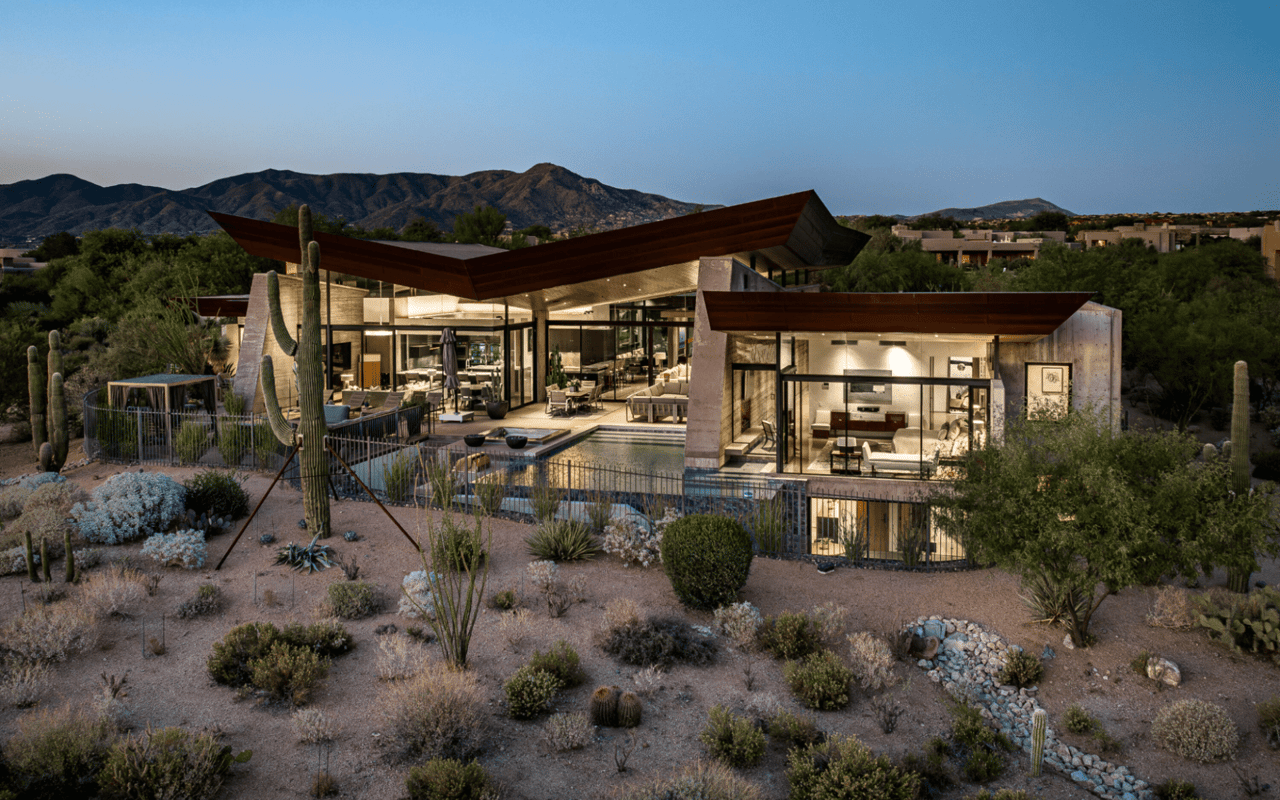
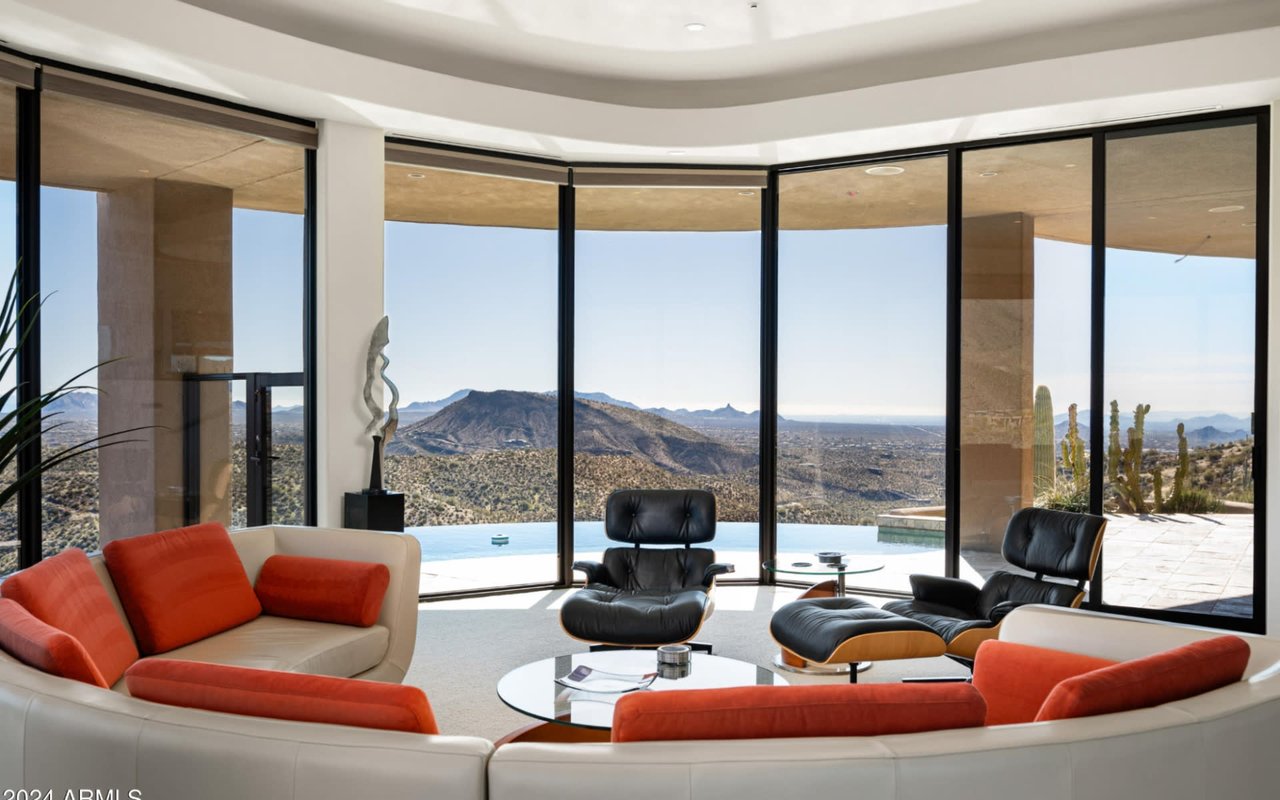
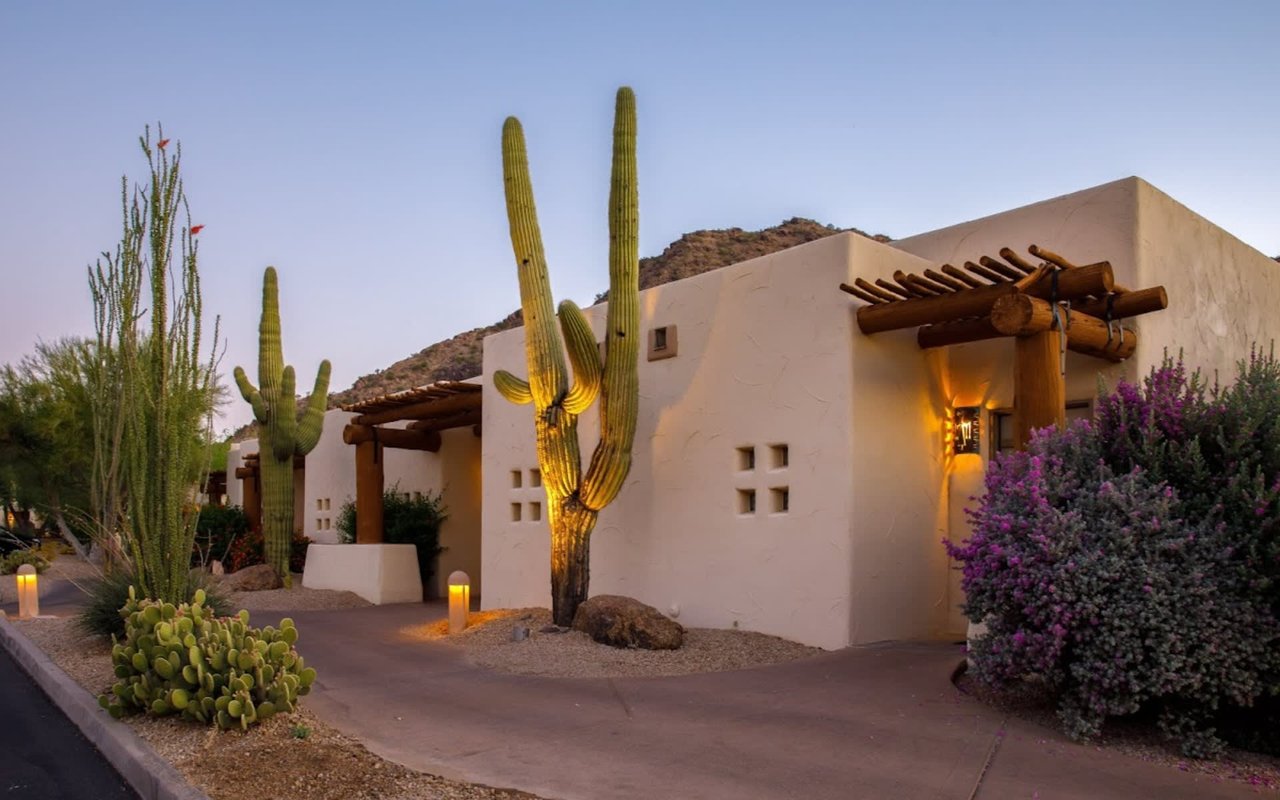
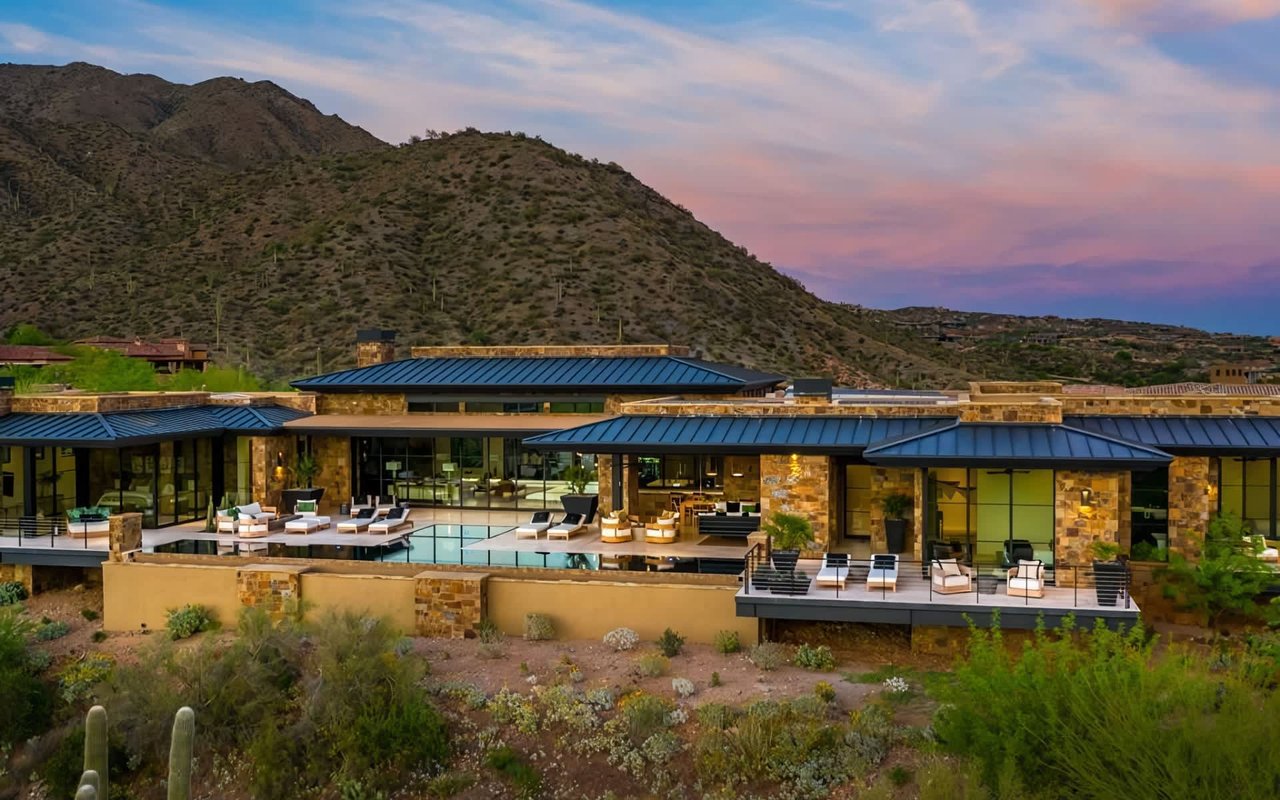
Desert Horizon sits directly alongside the front nine of Apache, close enough to the Sonoran Clubhouse to walk it, which is part of why the village markets itself on elevated golf and sunset views in the first place. That proximity means residents here get a closer look at the agronomy calendar than almost anyone else in the community.
Every fall, Arizona's warm-season Bermuda turf gets converted to winter ryegrass so courses stay green and playable through the cooler months instead of going dormant and brown the way Bermuda does on its own in cold weather. In 2024, Apache's own overseed window ran from July 31 to October 7, a stretch of roughly ten weeks that covered the shutdown, the reseeding, and the slow cart-path-only stretch before the course returned to full color and full play. Specific dates shift a little year to year depending on heat and rainfall, but that fall window is the reliable shape of the thing, and it's happening again right now.
Six to ten weeks. That's the price of the green fairway Desert Horizon looks out on from November through June.
The Staggering Is the Actual Story
Here's the part that generic golf-course explainers skip. Desert Mountain doesn't take its whole property down at once. The club has structured its overseed calendar across seven courses on a staggered basis specifically so a selection of golf is always available to members and guests, even during the heaviest weeks of fall turf work. That's also the reason the club can advertise something unusual for the Valley: every course green and playable between November and June, with no property-wide blackout the way many single-course clubs experience.
For a resident whose daily walk or evening drink has always centered on Apache, that staggering matters more than it sounds. During the closure window, members can still walk the course, and the most commonly walked layouts during overseed season are Outlaw, Apache, Cochise, Renegade, and No. 7. Walking carts are available to rent at Outlaw, Apache, and Renegade for anyone who wants the exercise without carrying a bag.
- Apache's fairways stay walkable even during much of the transition, just without cart traffic
- Outlaw and Renegade pick up extra rounds while Apache regrasses
- No. 7, the shorter par-54 course, becomes the default for a quick round that doesn't depend on any one course being in peak shape
The Clubhouse Doesn't Close With the Grass
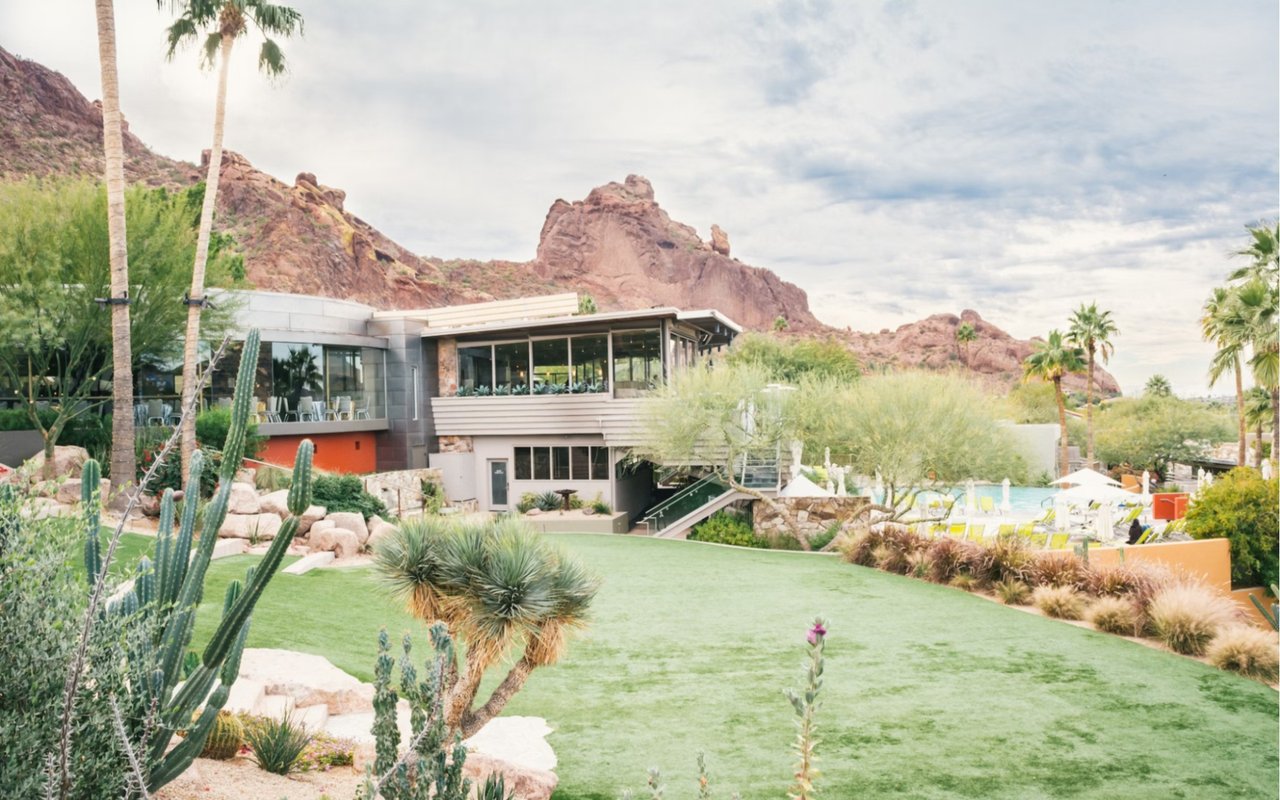
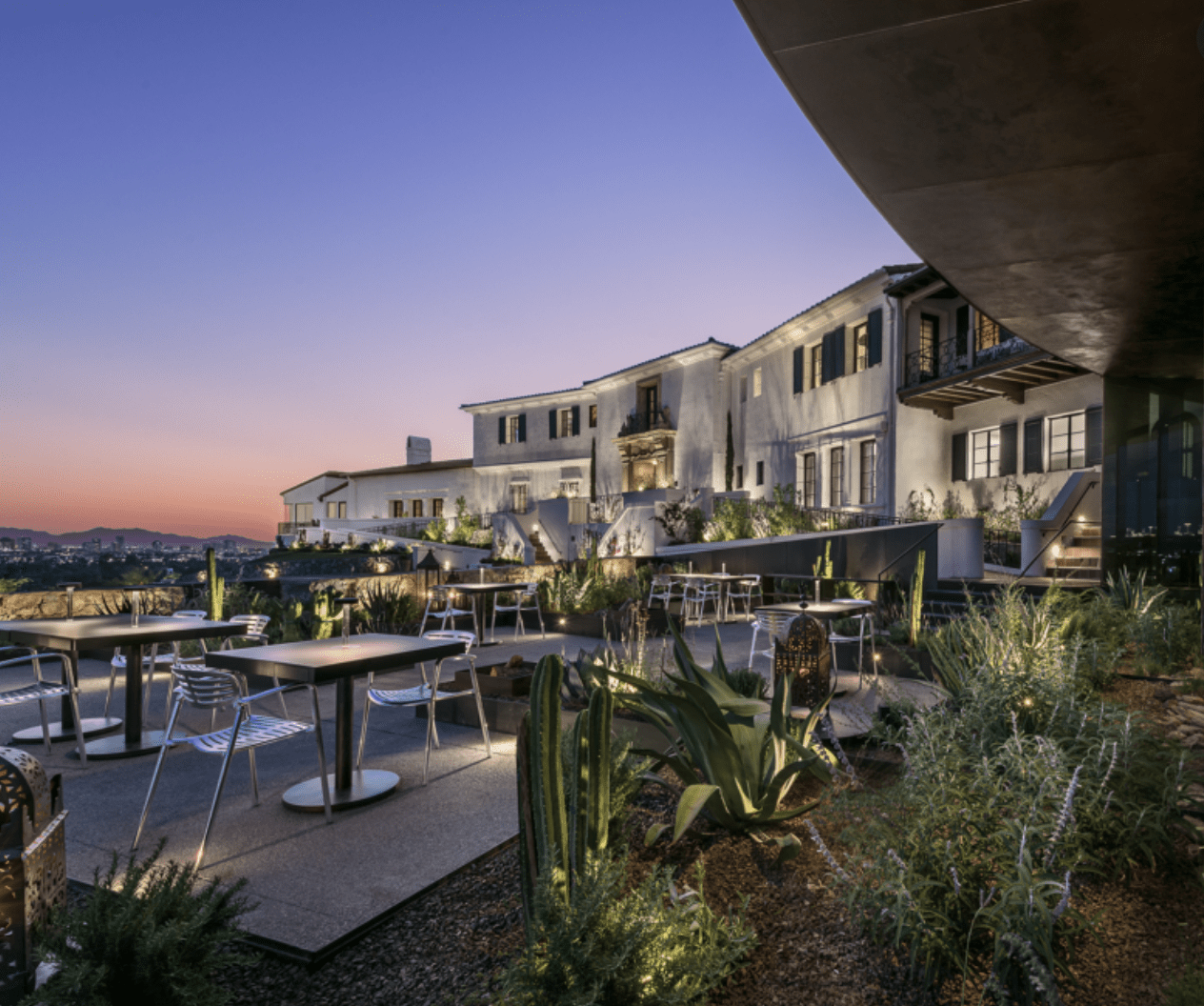
The most useful thing to know if you live along Apache is that the closure is a turf event, not a clubhouse event. The Apache Clubhouse, a low, adobe-fort-and-lodge structure that also functions as a gallery for the club's Native American art collection, keeps its restaurant and bar running on the normal schedule regardless of what the fairway outside looks like. The Apache restaurant specializes in steak and seafood, and the adjoining piano bar and lounge offers live entertainment every night of the week, overseed or not.
That's worth knowing because the instinct when a view goes rough is to assume the whole amenity has gone quiet. It hasn't. Dinner and a drink at Apache continue exactly as they did in July. What changes is what you're looking at through the window while you eat it.
Where the Regulars Go Walking Instead
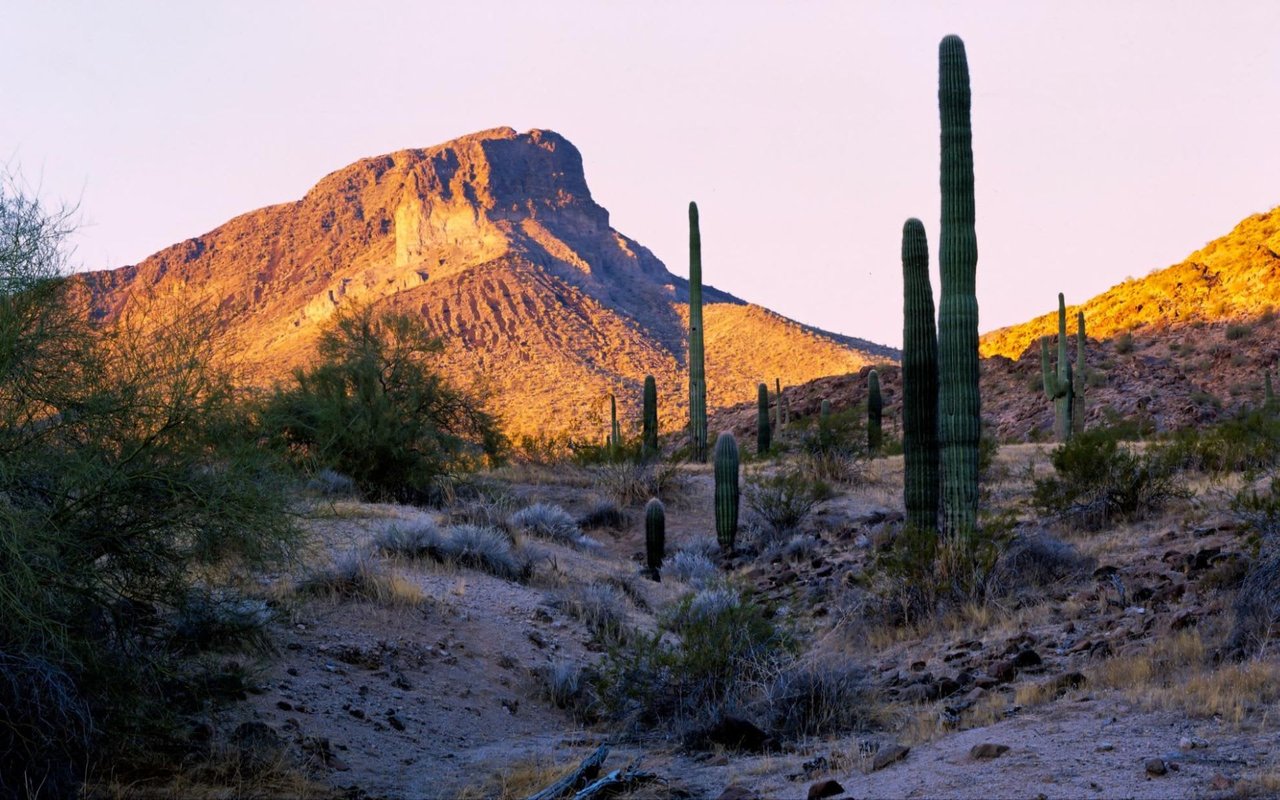
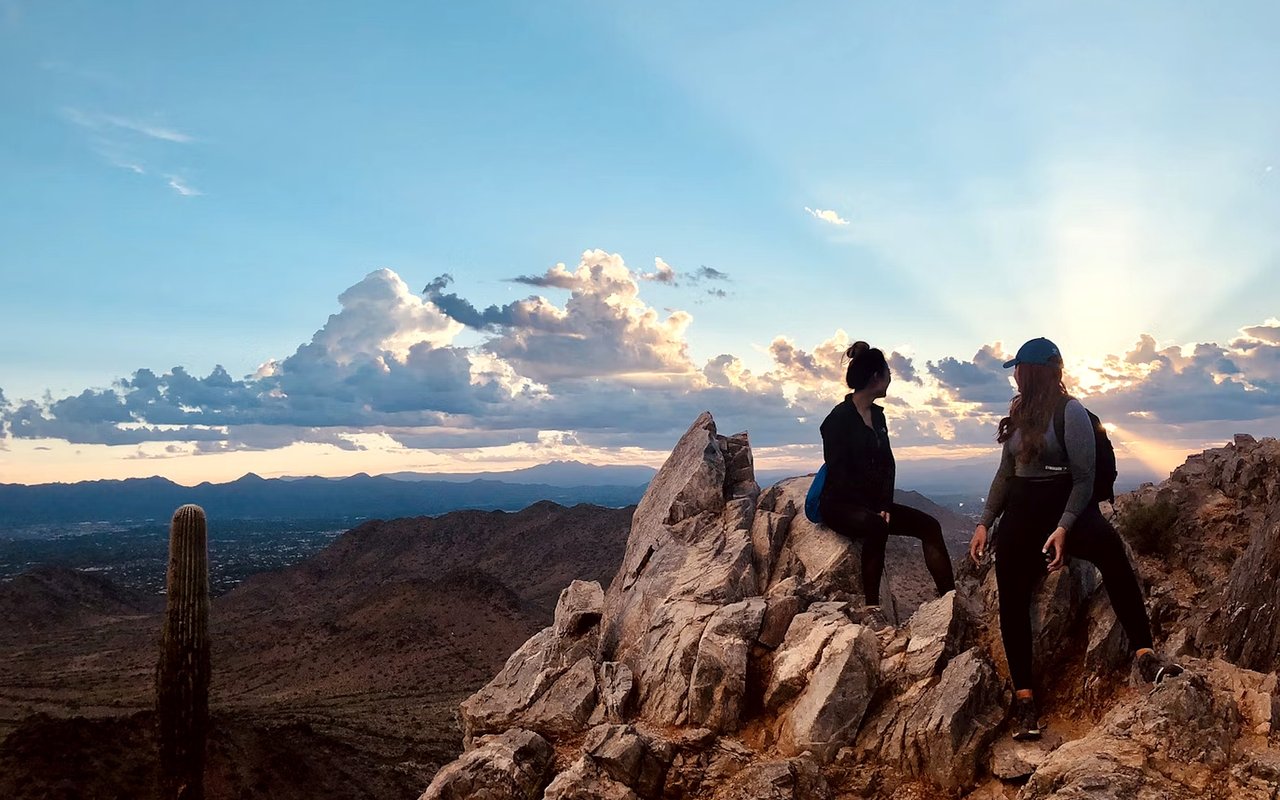
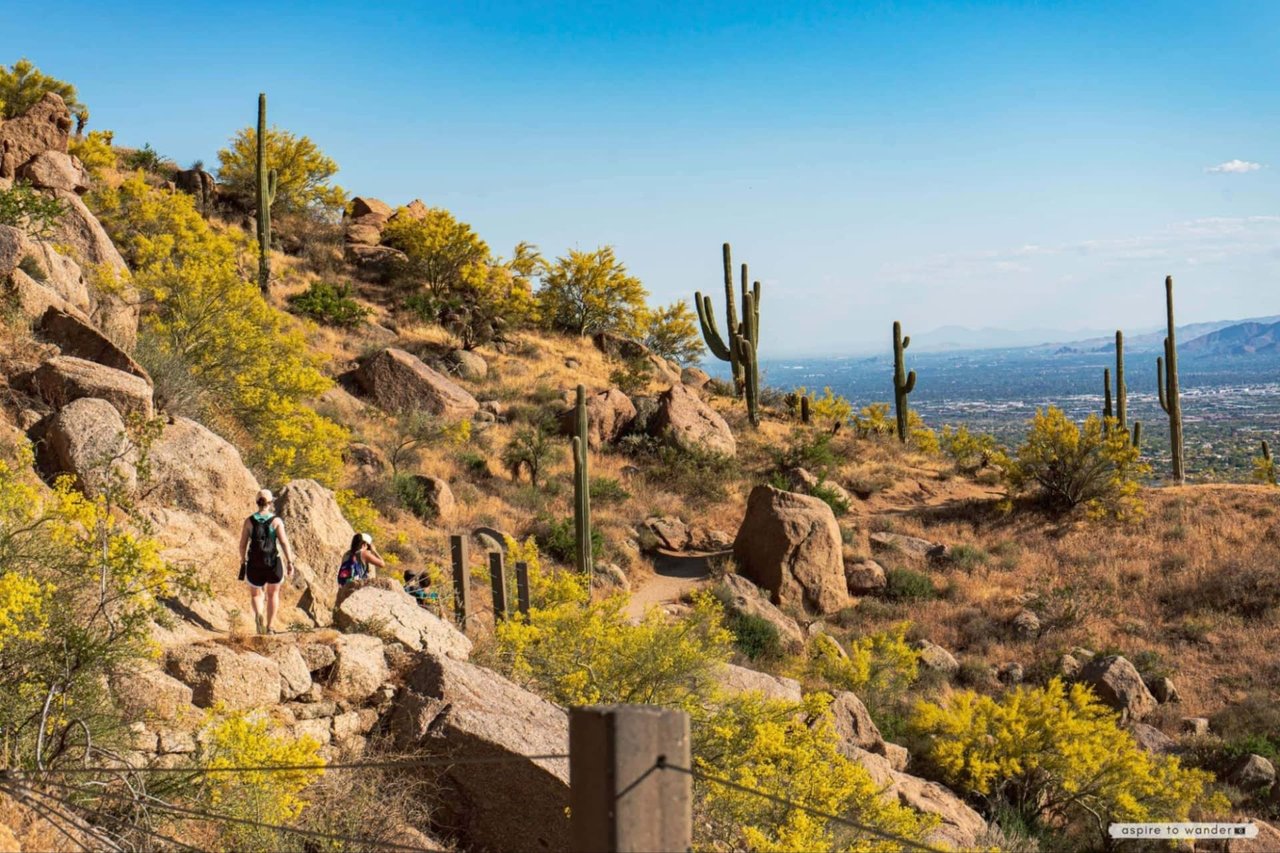
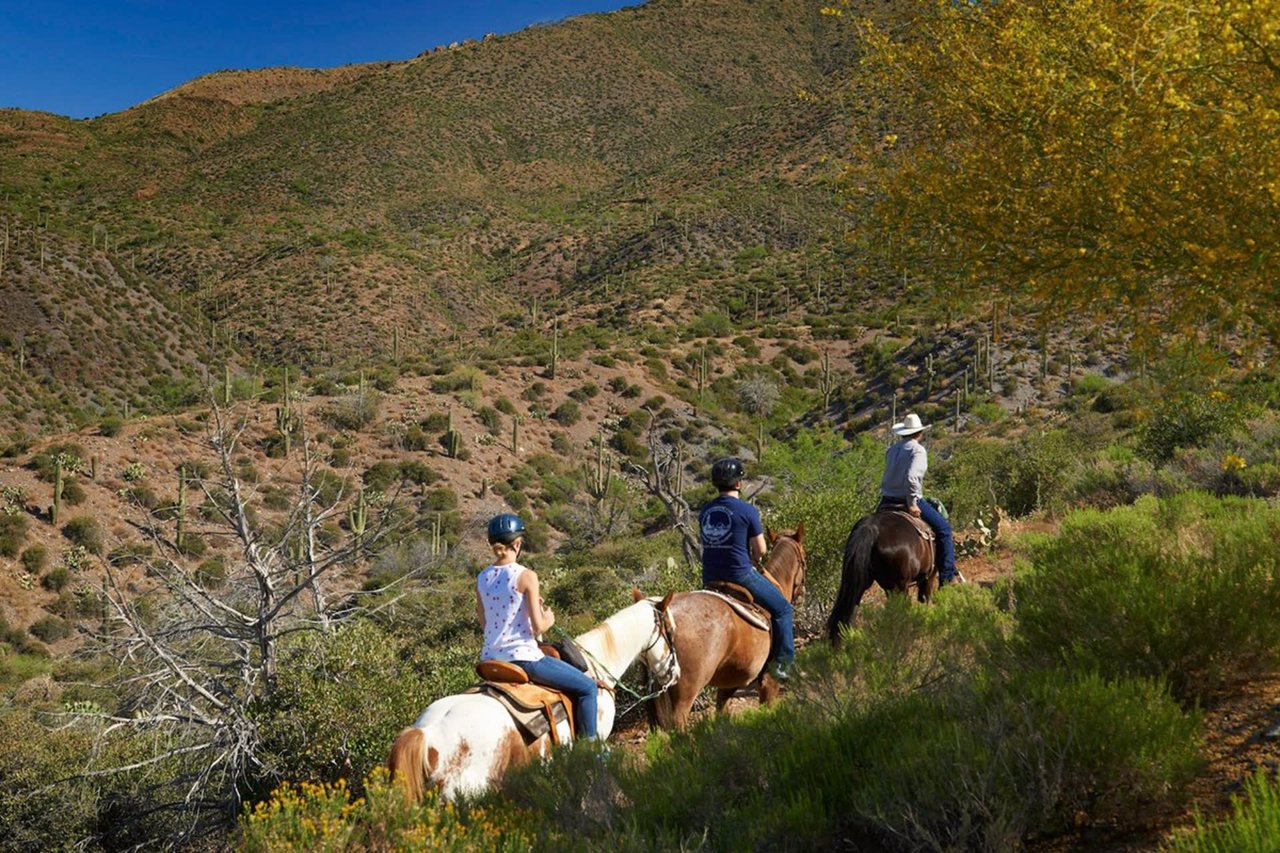
For residents who use Apache's paths the way other people use a neighborhood sidewalk, morning or evening laps included, the club's private trail system gives an obvious substitute during the weeks the course itself is unsettled. The Apache Skyline Trail is a roughly five-mile loop rated for advanced hikers, tracing the northern edge of the Desert Mountain property at the community's highest elevation. It isn't a replacement for a round of golf, but it is the closest thing to the same daily habit, same mountain, same air, just routed above the fairway instead of across it.
What the Brown Grass Is Actually Telling You
The instinct to read a brown fairway as decline is the natural one. Nobody's front-yard view is supposed to look worse in September than it did in June, and a neighborhood built on views feels that contrast more than most. But the actual story running underneath Desert Horizon's view right now isn't decline. It's a system that trades six to ten weeks of rough turf for roughly eleven months of green, playable golf across seven courses, a clubhouse that never dims its lights for the transition, and a staggered calendar engineered so there is always somewhere else on property to walk, eat, or watch a sunset while one course rests.
Living on Apache's front nine means watching that trade happen in your own backyard every fall. It's not a flaw in the view. It's the maintenance the view depends on.
If you're weighing a move within Desert Mountain, curious what a front-row seat to Apache is actually worth this time of year, or just want a neighbor's read on how a specific village behaves through the seasons, Bee & Kathleen Power+ live this calendar too, on property, and are glad to talk through what it means for a specific address.