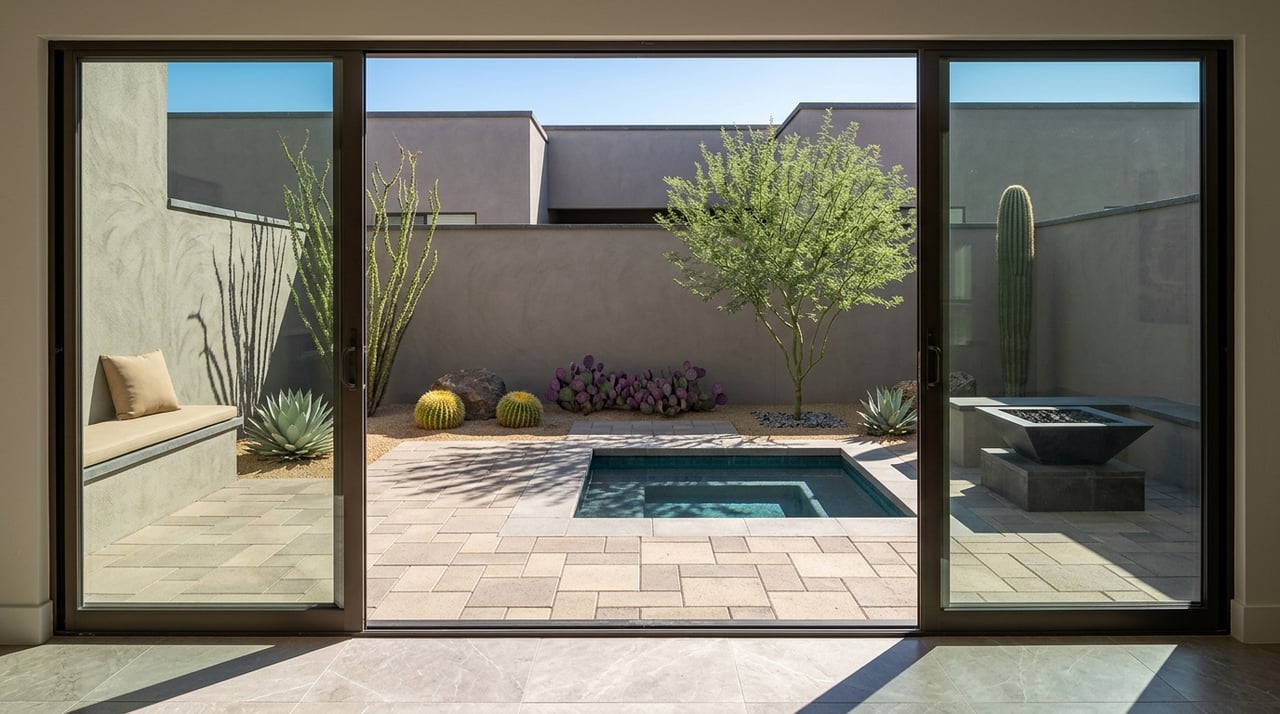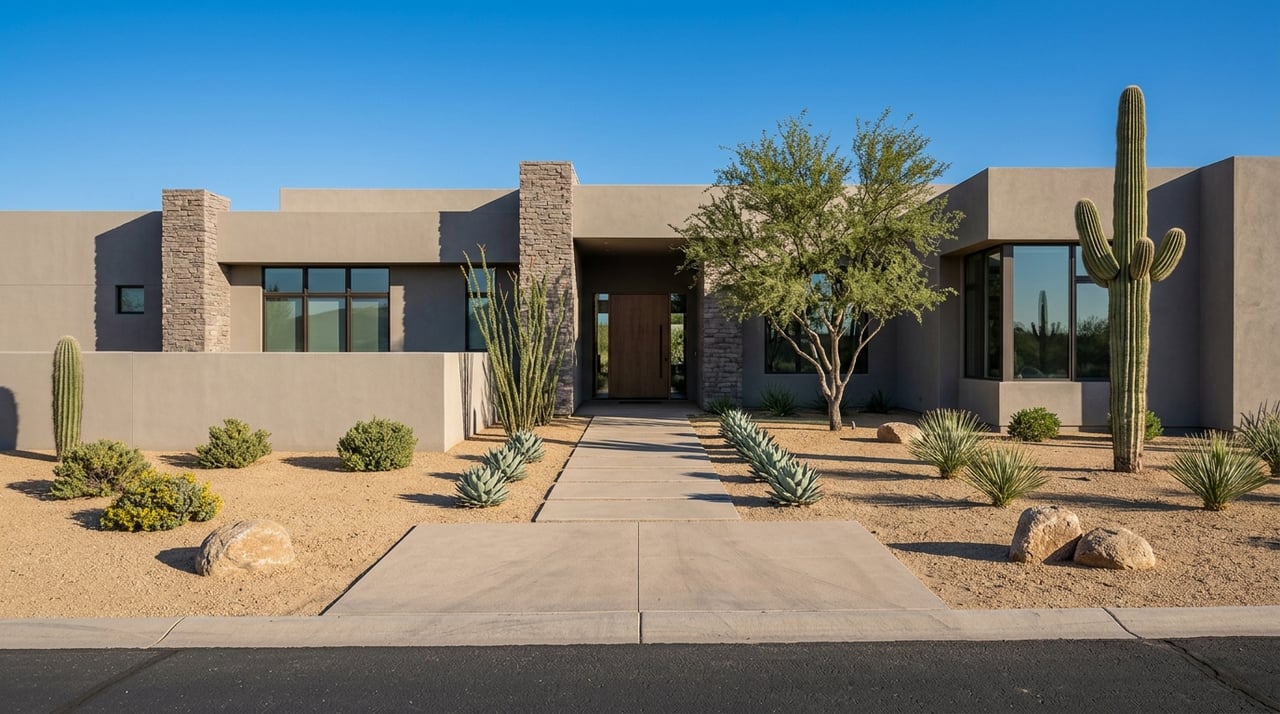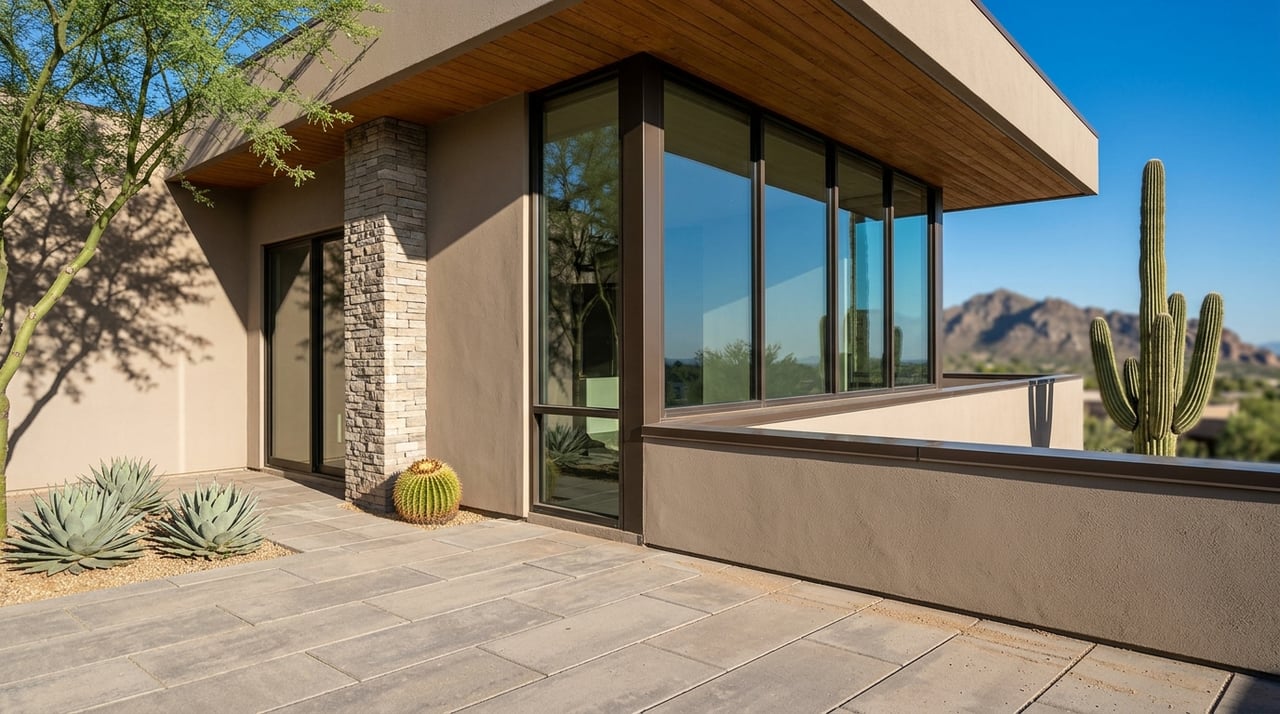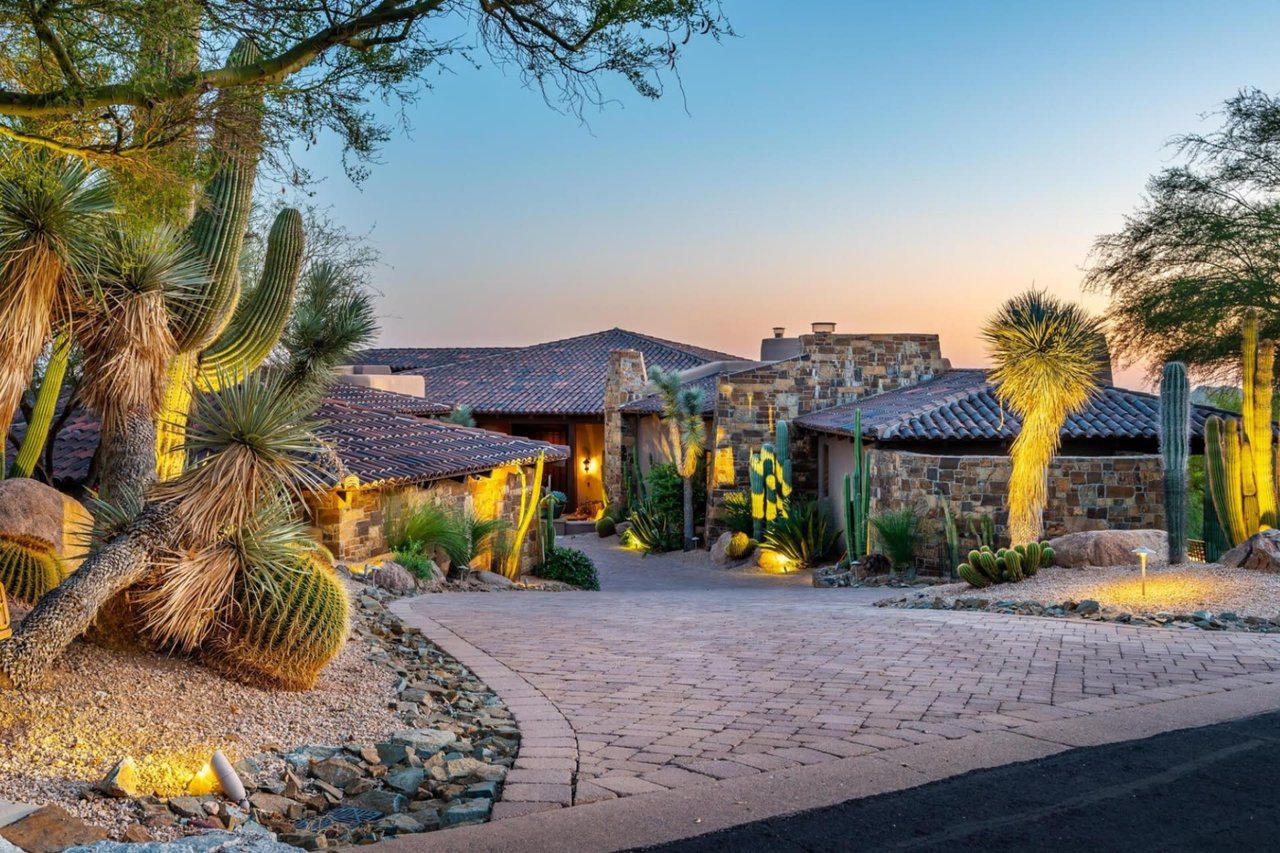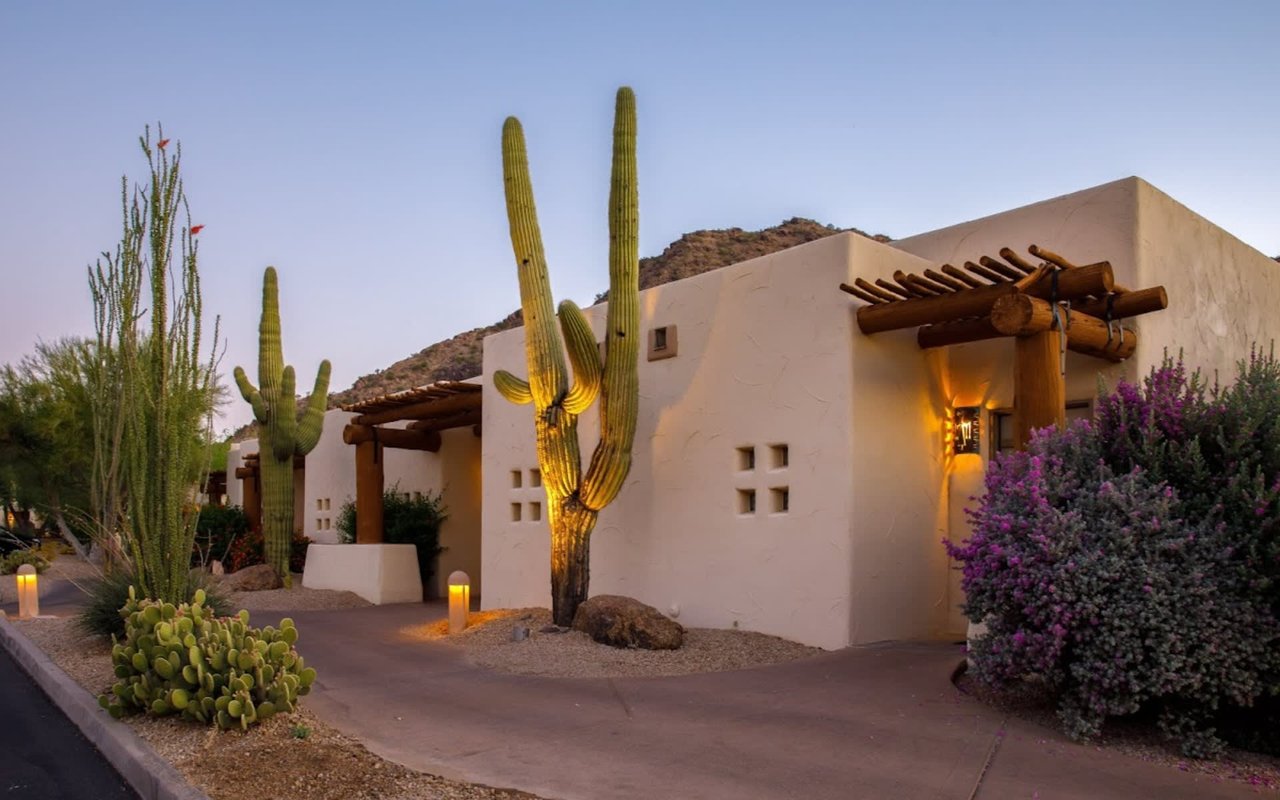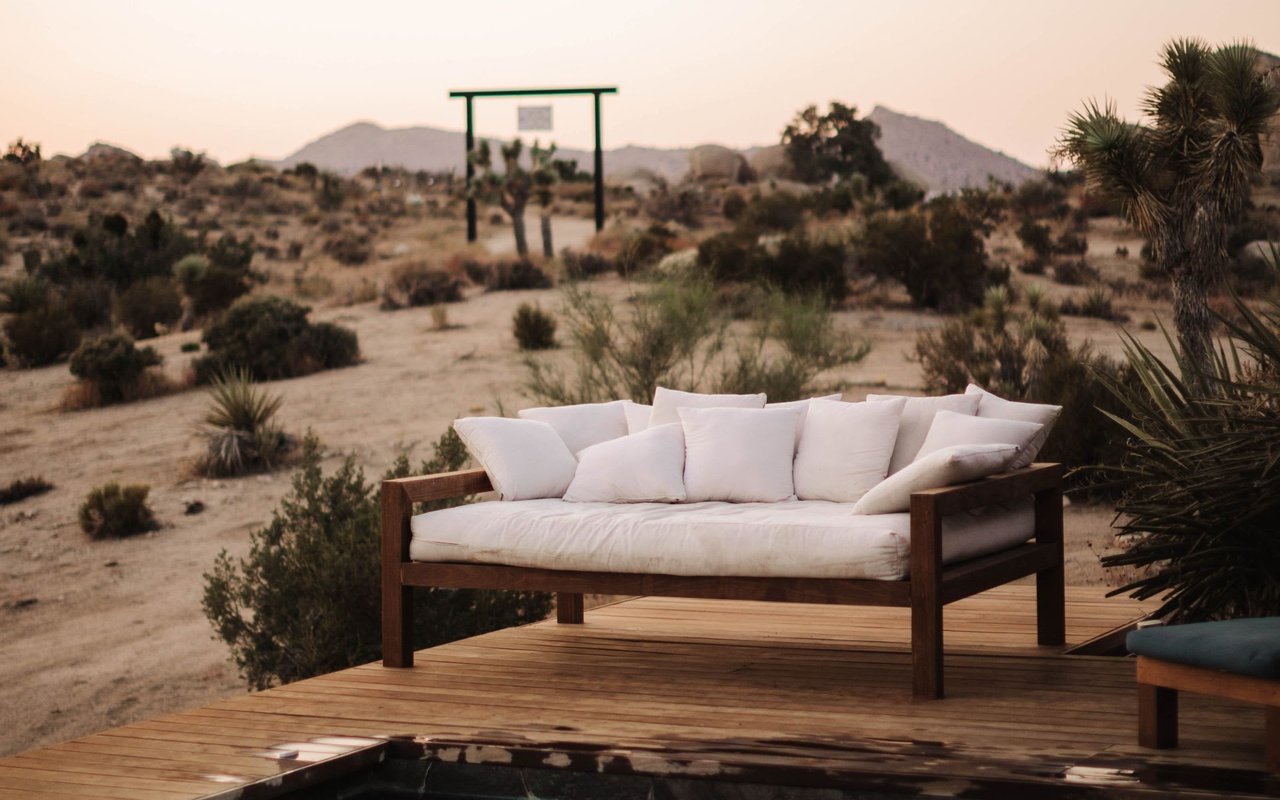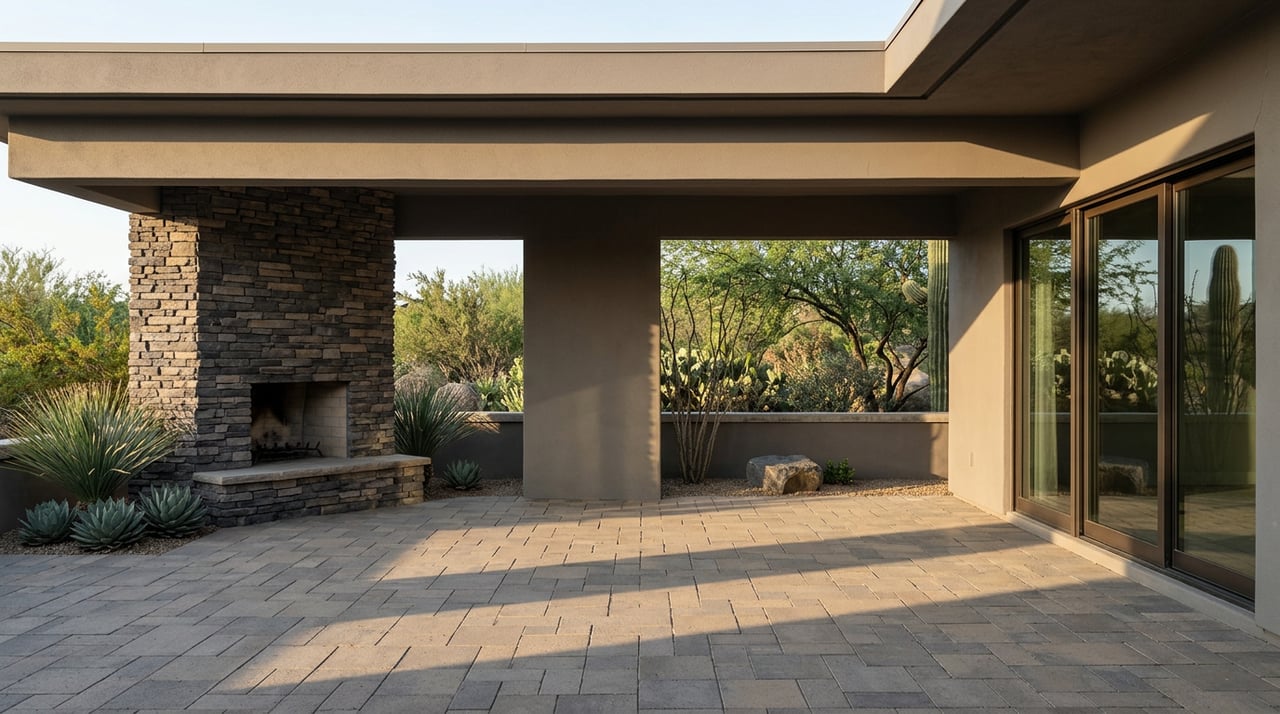
By 6:15 on a mid-August morning, the golf cart traffic on Renegade Trail is already moving. Not much, just enough: a couple heading down toward the Renegade Hideout before the sun clears the ridge, someone else angling toward the Performance Center bays for a 6:30 lesson booked specifically because it beats the heat by three hours. Nobody is waiting for October. They've built a routine around August instead of around avoiding it.
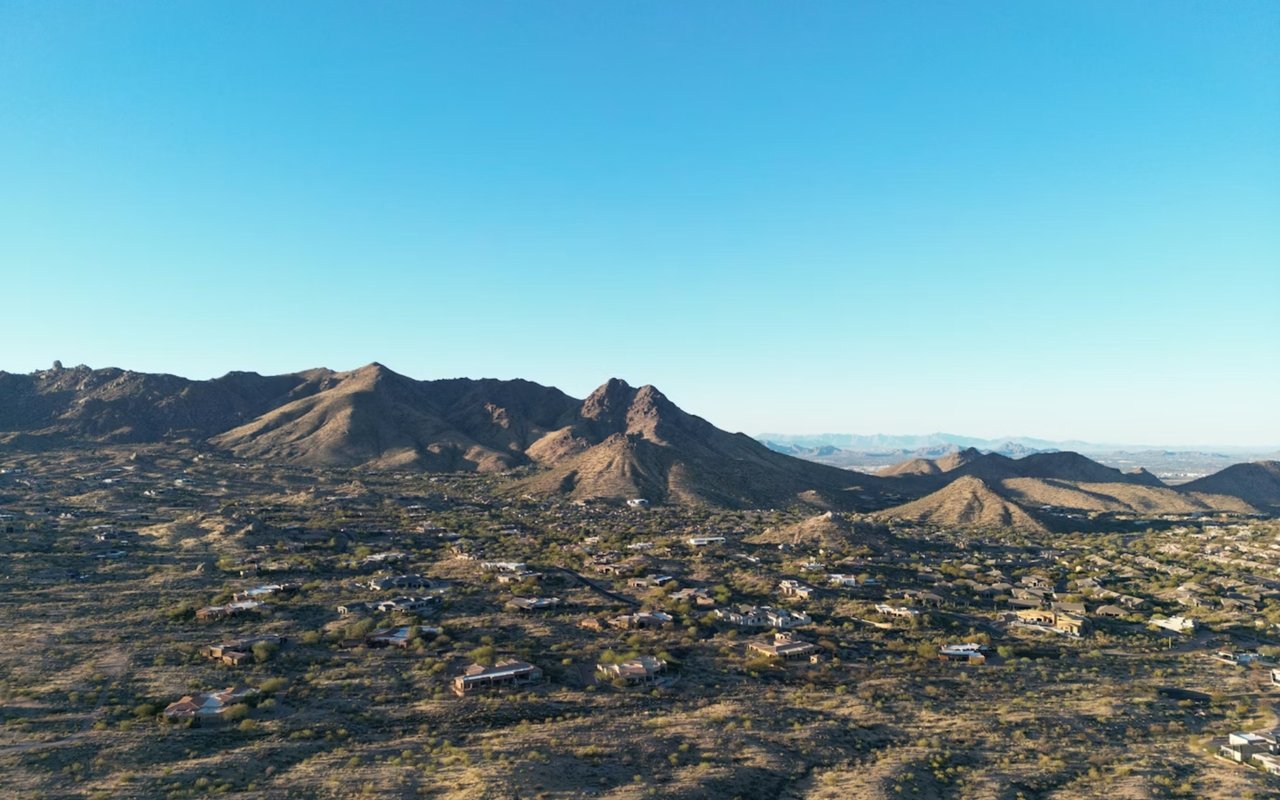
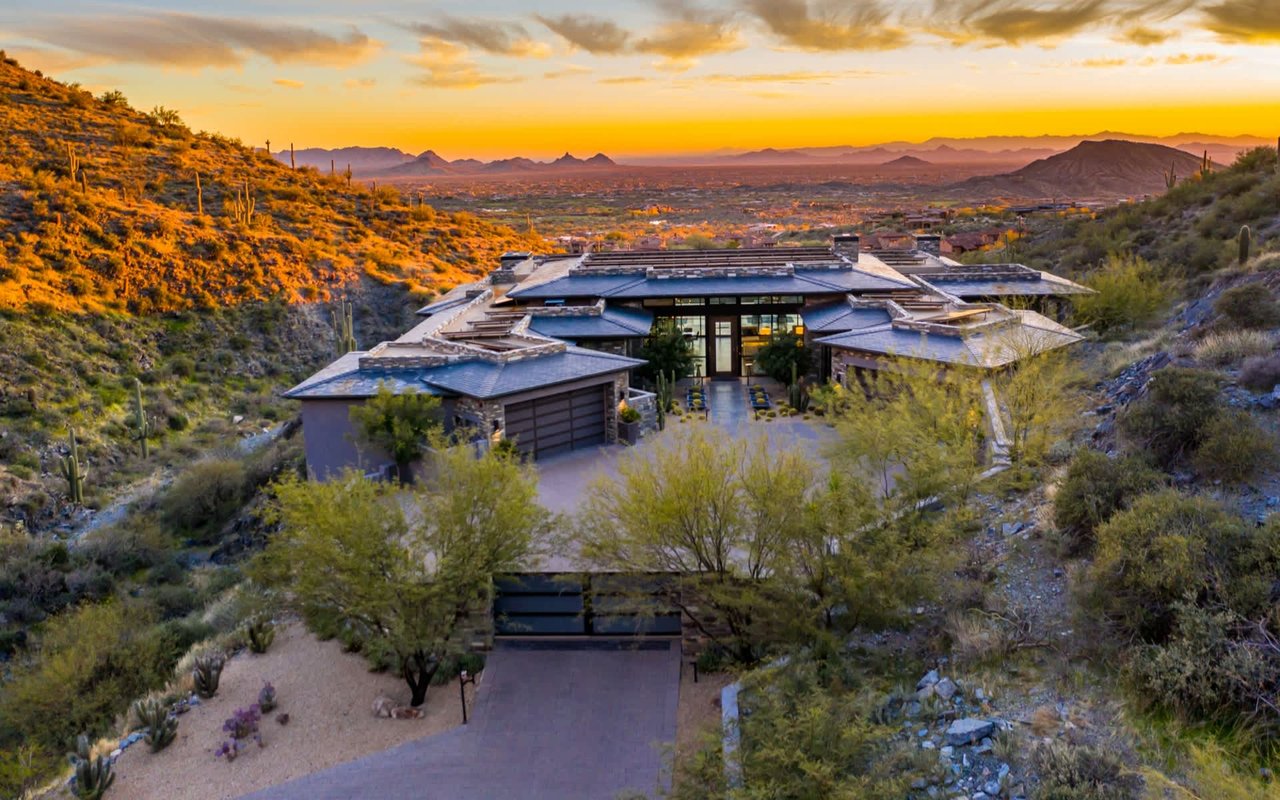
That's the part of Renegade Trail that doesn't show up in a drive-by description. Every village at Desert Mountain claims proximity to something. Renegade Trail's proximity happens to be to the club's founding course, its original clubhouse, and the technical heart of its golf instruction program, all inside a golf cart's reach. That combination changes what a resident can actually do here in the hottest stretch of the year, and it's worth understanding why.
Sitting Next to the First Course, Not a Satellite of It
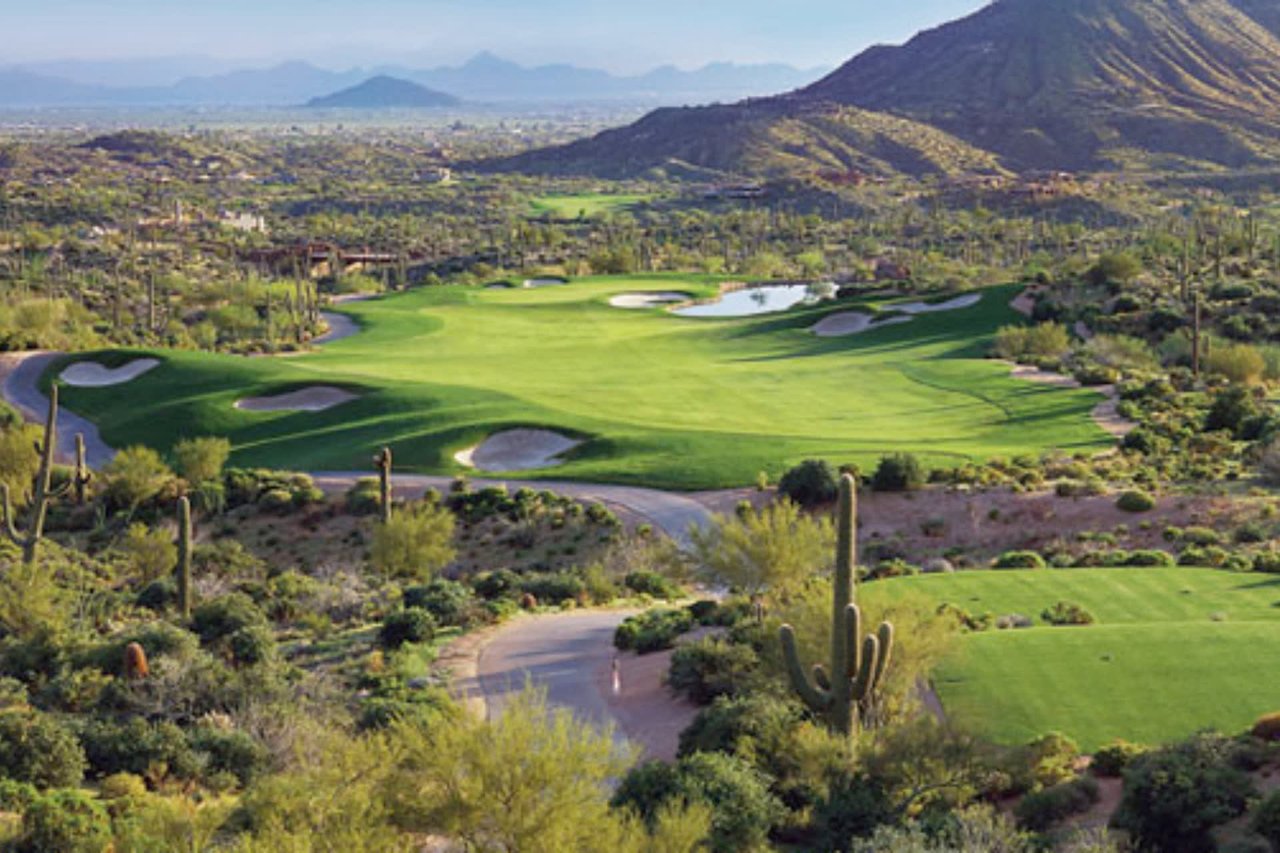
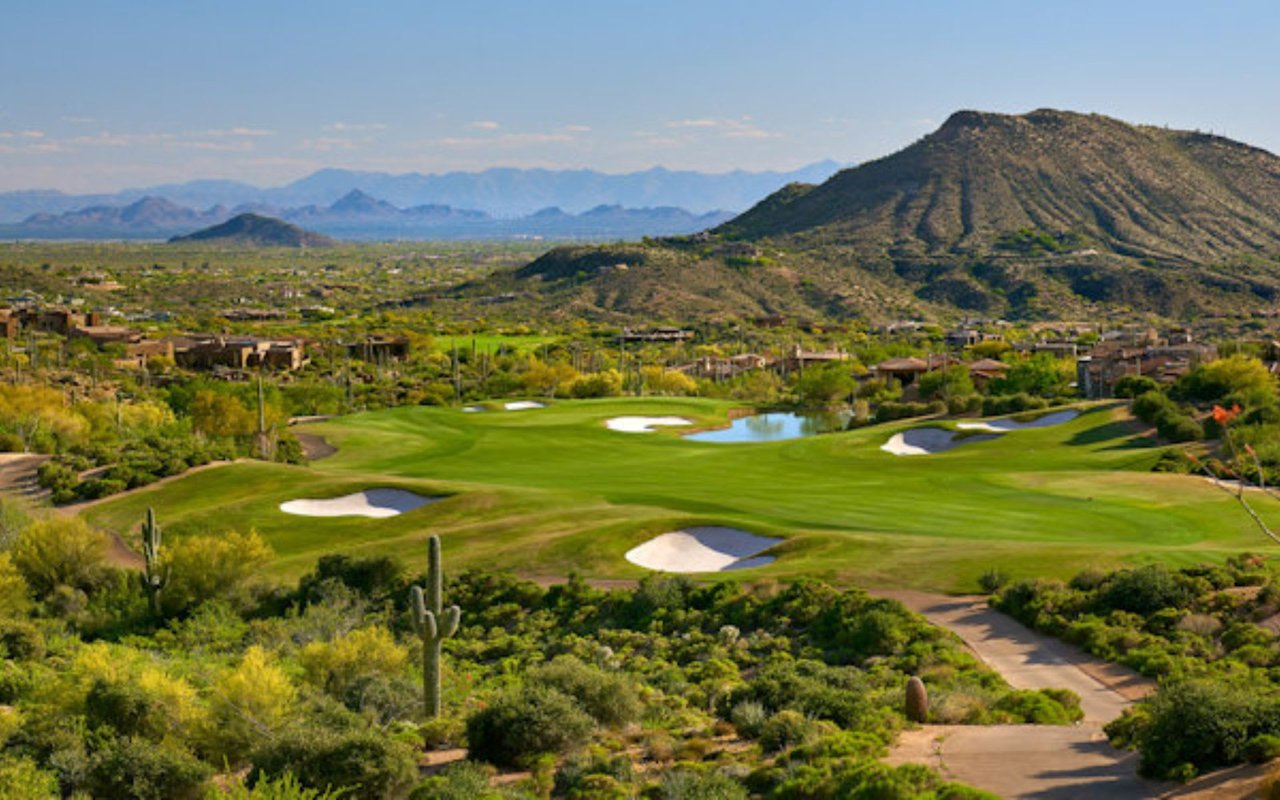
When Lyle Anderson and Jack Nicklaus first laid out Desert Mountain in the 1980s, Renegade was the course they built. It was the inaugural design, the one that established the two-pin concept the club still uses, where holes rotate between pin placements to keep the course fresh for members who play it constantly. Renegade Trail sits just above that course and above the Jim Flick Golf Performance Center, which the club built directly beside it.
That center isn't a driving range with a roof. It's a 6,500-square-foot indoor-outdoor facility that opened in March 2012 and was dedicated the following year to Jim Flick, the instructor who ran Desert Mountain's teaching program from 1986 to 2005 and later worked with Jack Nicklaus and 1996 British Open champion Tom Lehman. Today PGA Professional Paxton O'Connor directs the program and oversees a staff of ten coaches, while Master Clubfitter Chris Heasley runs a fitting operation that handled nearly 600 club fittings last year using more than 1,400 head and shaft combinations. The center's own description lays out four instructional bays, a dedicated fitting bay, and an indoor putting studio, all connected to the outdoor range so members can move between technology and turf without missing a swing.
That indoor-outdoor design matters more in August than in January. A 7 a.m. lesson can happen on the range while it's still cool, then shift inside once the sun gets serious, without anyone driving off property. The club also runs Operation 36, a weekly group program with more than 40 participants working through shortened holes to build fundamentals, scheduled early enough in the day to avoid the worst of the heat. None of this requires leaving the neighborhood. It's built into what's already at the bottom of the hill.
The Original Clubhouse, With Its Interiors Refreshed
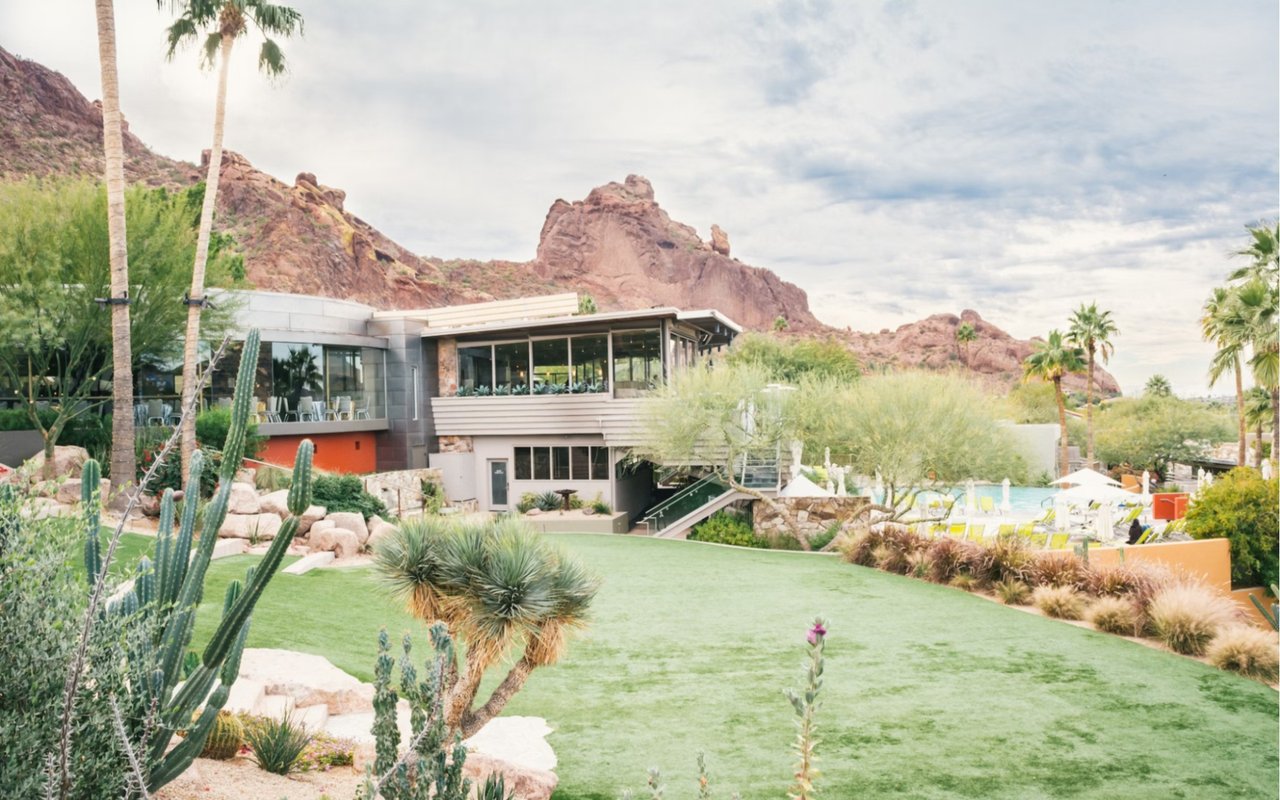
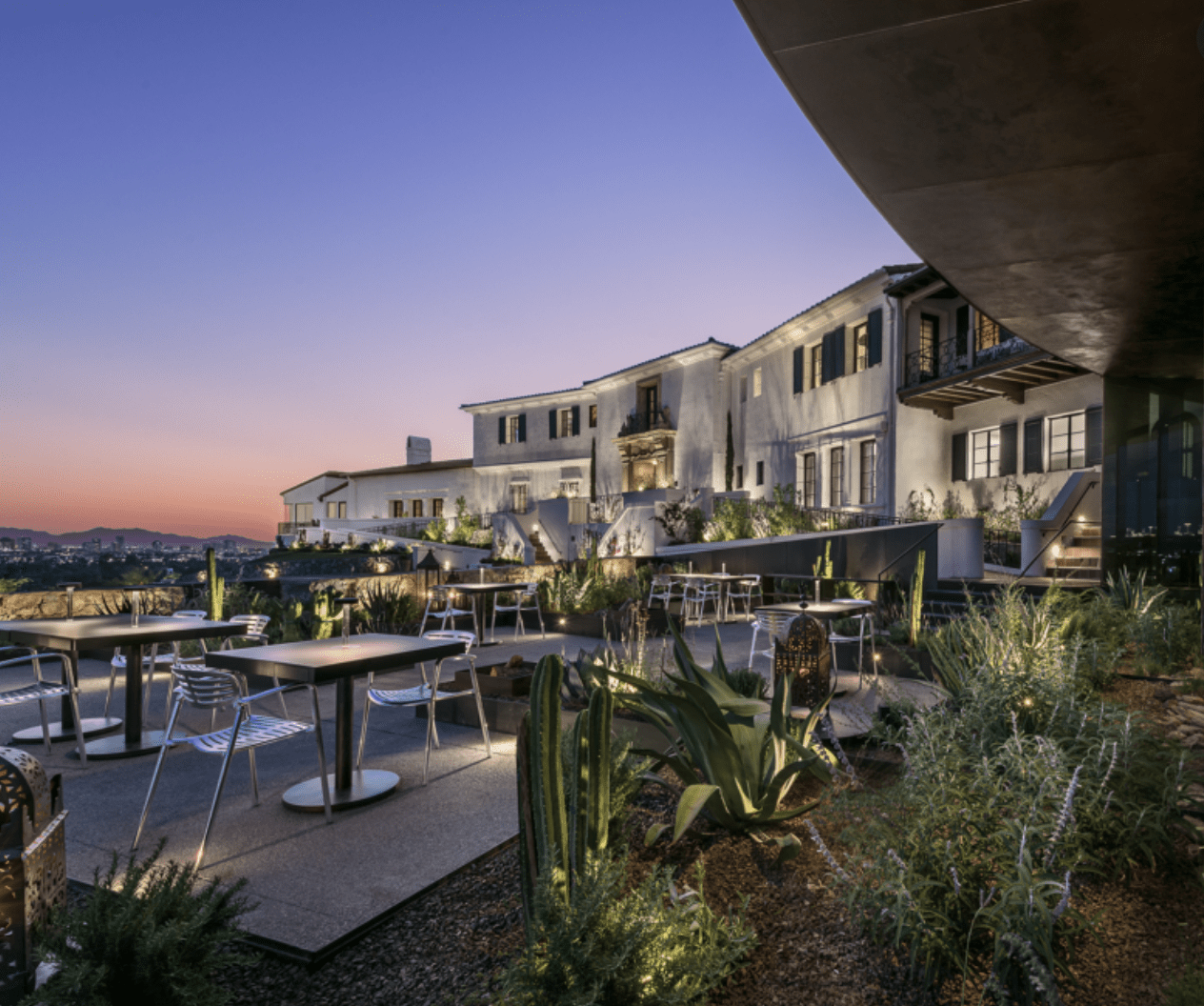
The Renegade Clubhouse carries its own weight of history. It was the original clubhouse at Desert Mountain, the first one built, and it has been through significant renovation since. The most recent version reopened with updated interiors that blend contemporary style with Renegade's original design, alongside changing areas, a pro shop, and casual dining. It's not trying to out-formal Constantino's down at Chiricahua. It's doing what it's always done, just with a cleaner finish.
Next door sits the Renegade Hideout, a casual breakfast-and-lunch spot positioned right against the golf course and practice facilities. The culture here has always leaned toward the cart: members ride down from the parking area rather than walk, and the tables by the window face the range, so lunch doubles as a chance to watch whoever's working on their swing that afternoon. It's one of ten restaurants and grills spread across Desert Mountain's seven clubhouses, and it's the one Renegade Trail residents can reach without touching a paved road that isn't a cart path.
A few specifics that define the loop:
- Jim Flick Performance Center – four instructional bays, one fitting bay, an indoor putting studio, connected directly to the Renegade range
- Renegade Hideout – casual breakfast and lunch, cart access from the practice facilities, tables overlooking the range
- Renegade Clubhouse – the club's original clubhouse building, recently renovated with contemporary interiors layered over its original design
- Sonoran Clubhouse – tennis, pickleball, fitness, and pools, described in the village's own materials as steps away for Renegade Trail residents
Why the Fairway Outside Doesn't Turn Brown
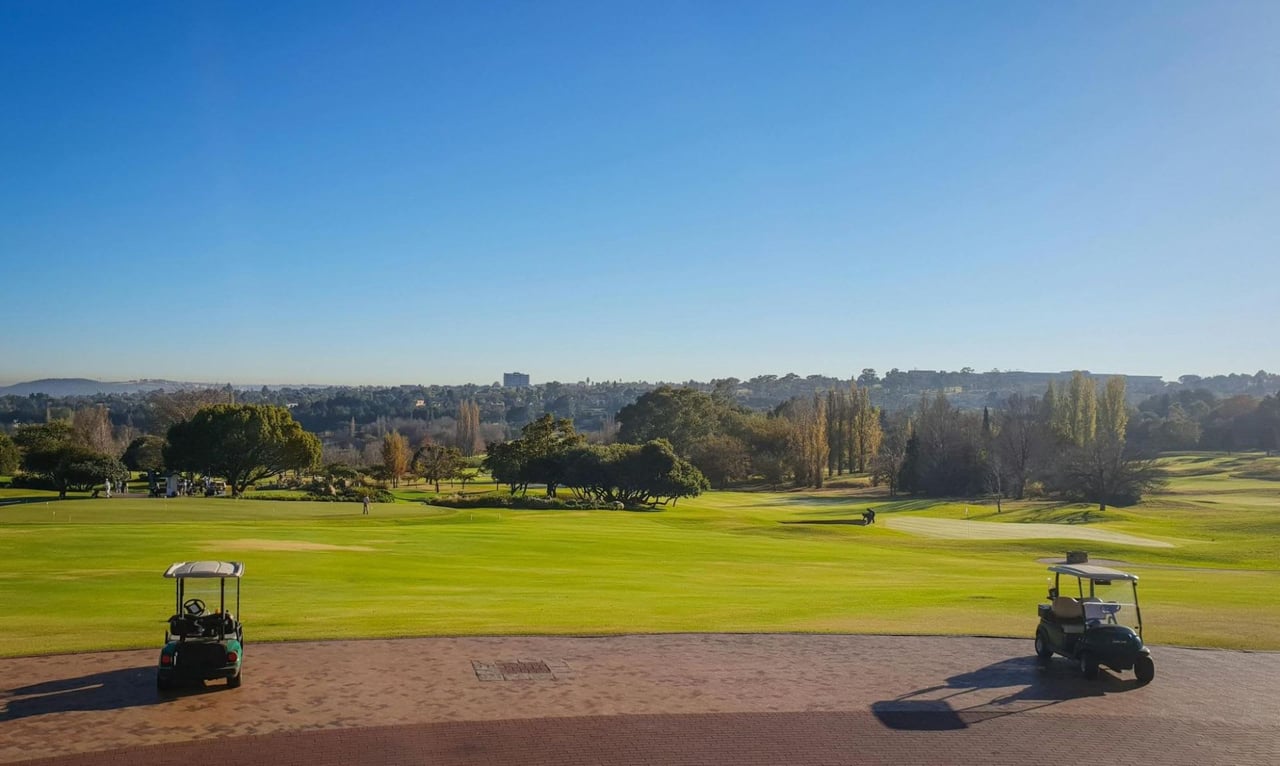
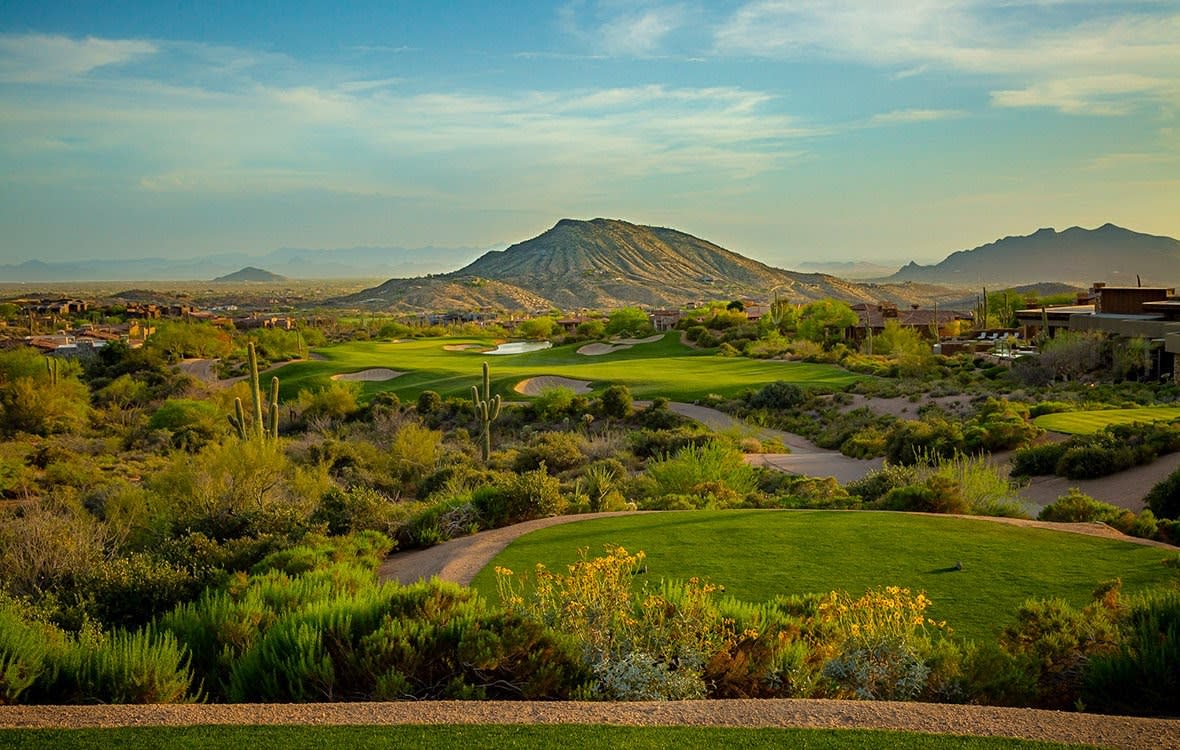
Here's the part that actually explains why golf continues through August instead of shutting down for it. Most warm-weather golf courses in Arizona overseed each fall, going through several weeks of scalped, cart-path-only conditions while ryegrass takes root over dormant Bermuda. Desert Mountain runs a different system. A mix of cool-season and Bermuda turf spread across its seven courses keeps every course green and playable from November through June, avoiding the single-course shutdowns that are common elsewhere in the Valley, according to a recent overview of the club.
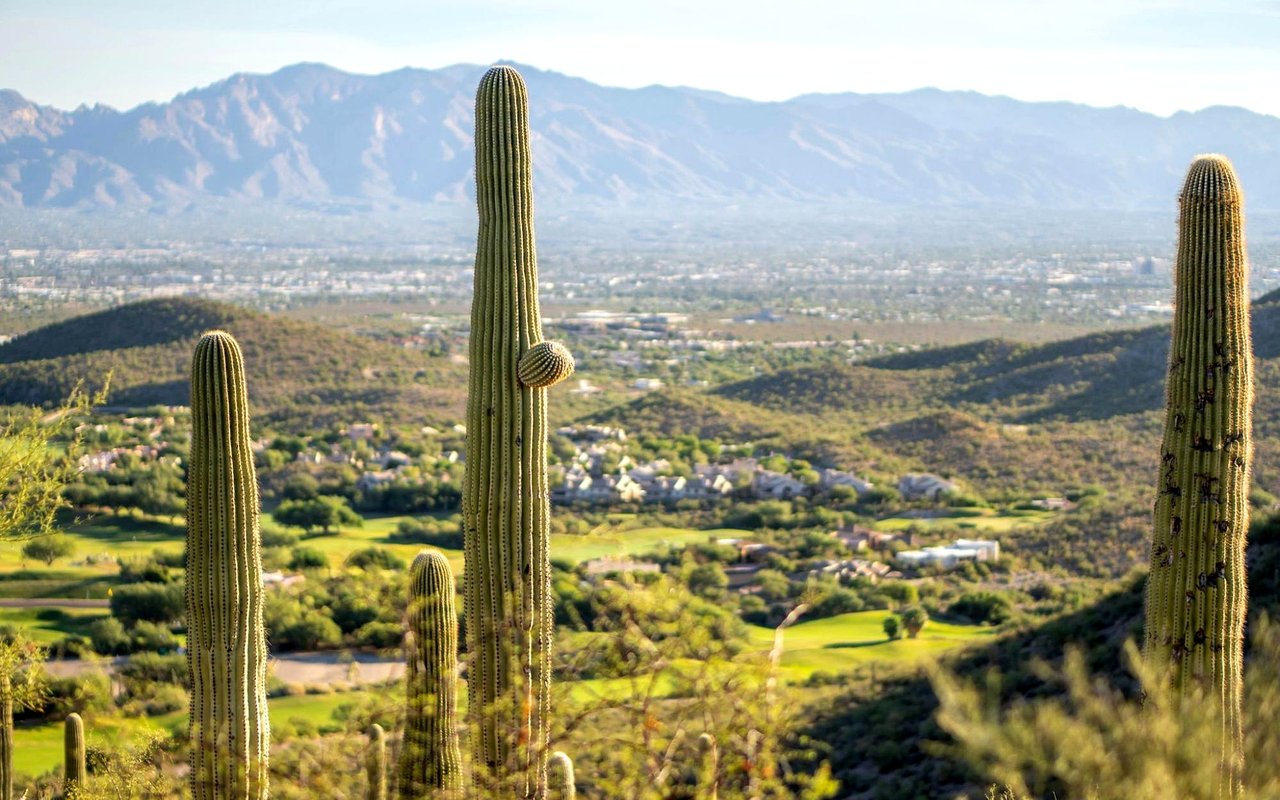
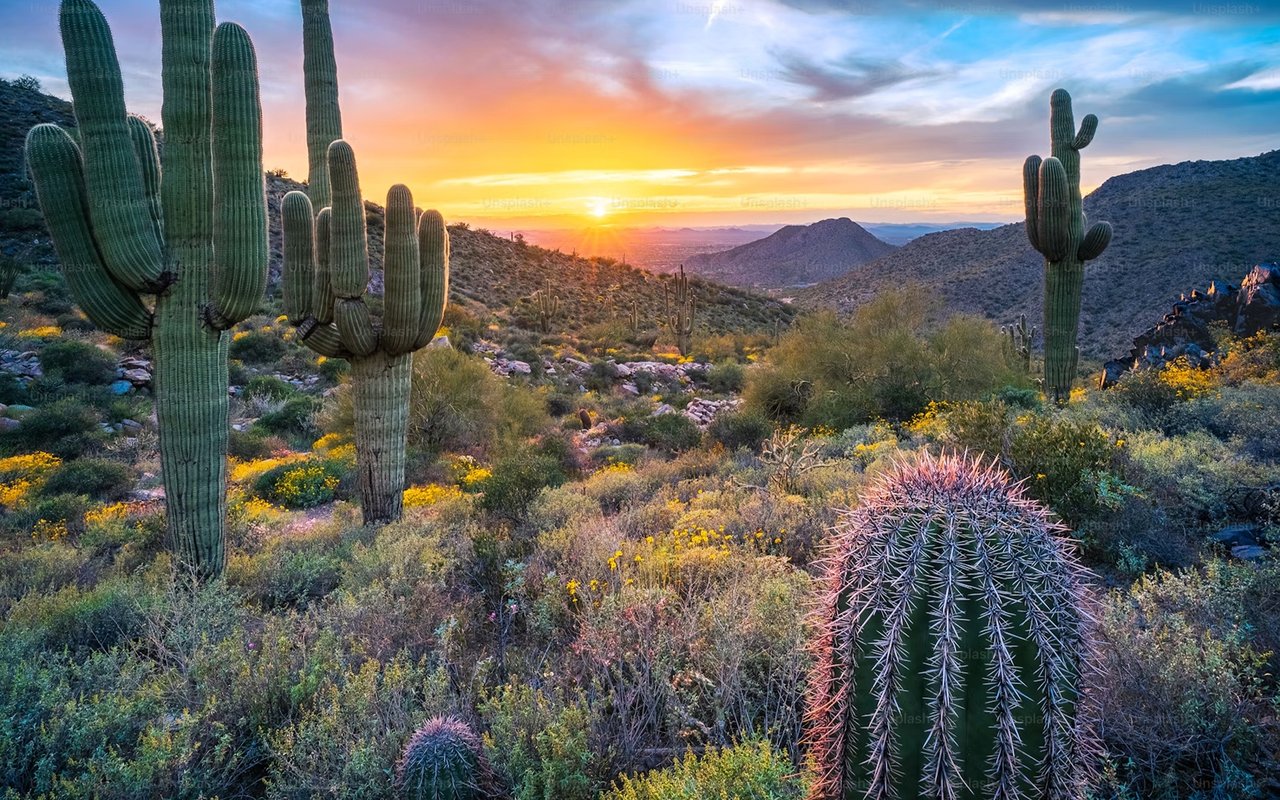
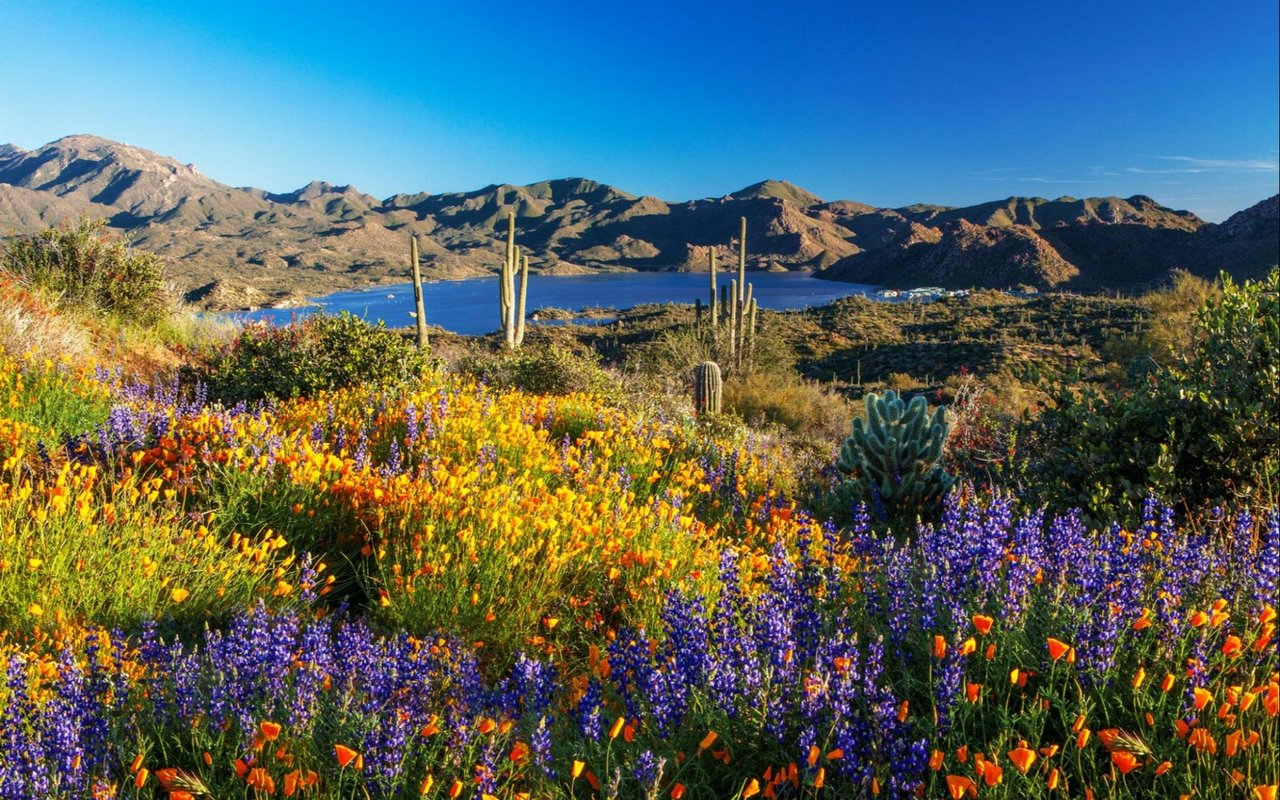
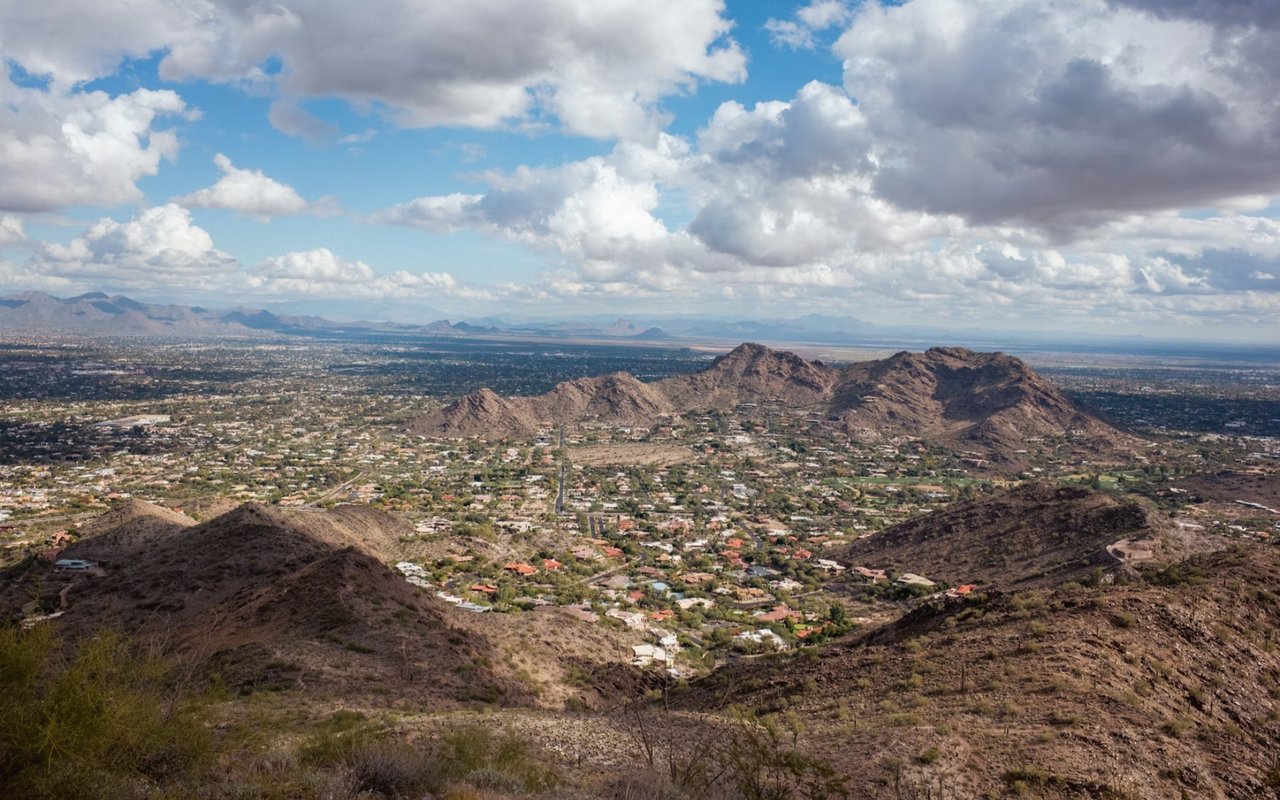
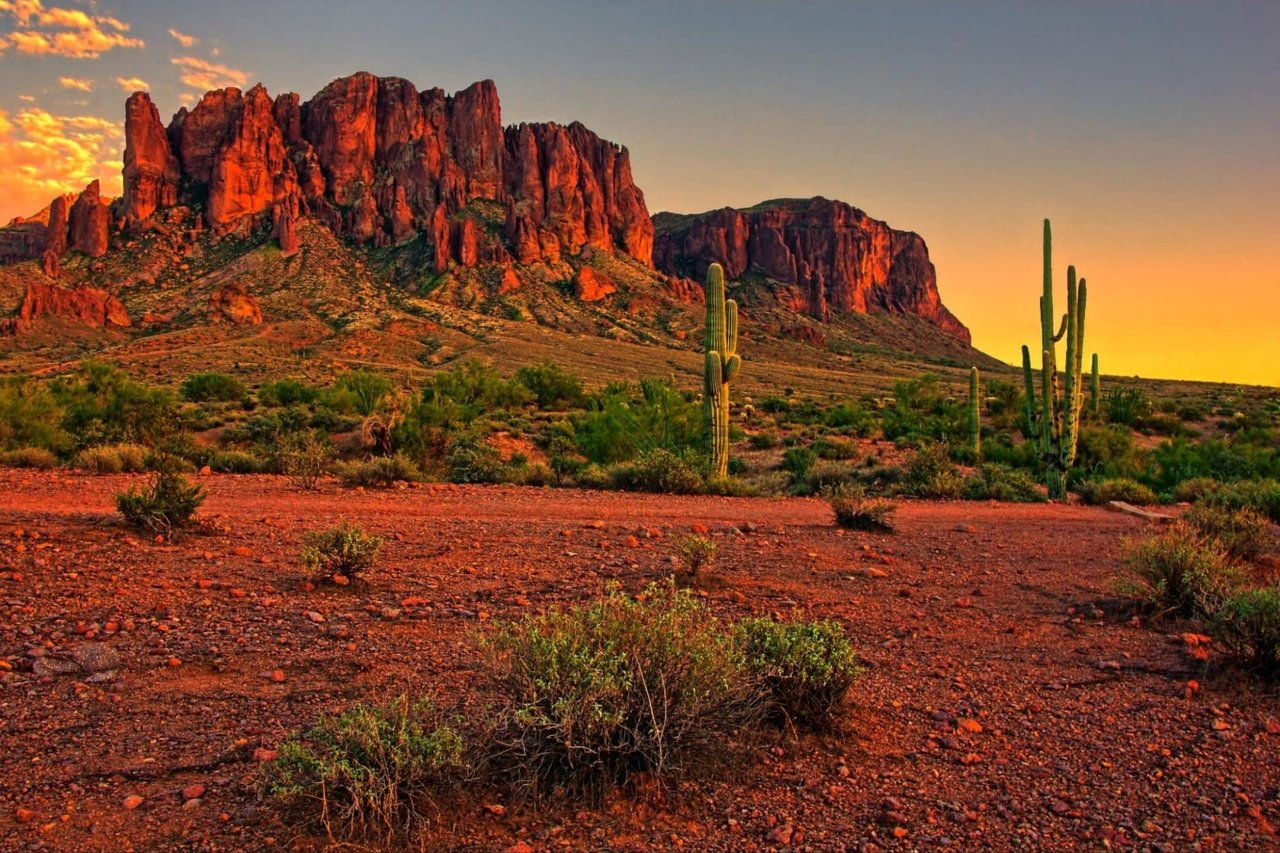
Elevation does its own work here too. Desert Mountain sits high enough that it runs several degrees cooler than downtown Scottsdale or Phoenix on any given day, which matters more once June arrives than most people expect. Summer temperatures in the Valley regularly push past 105 degrees, and while Desert Mountain's elevation only takes the edge off rather than eliminating the heat, that difference is enough to keep a smaller, dedicated group of members and residents golfing straight through, particularly in the early morning and evening hours when the heat breaks. Renegade Trail residents aren't fighting the calendar. They're using the hours the elevation gives them.
The Trail System Runs on the Same Clock
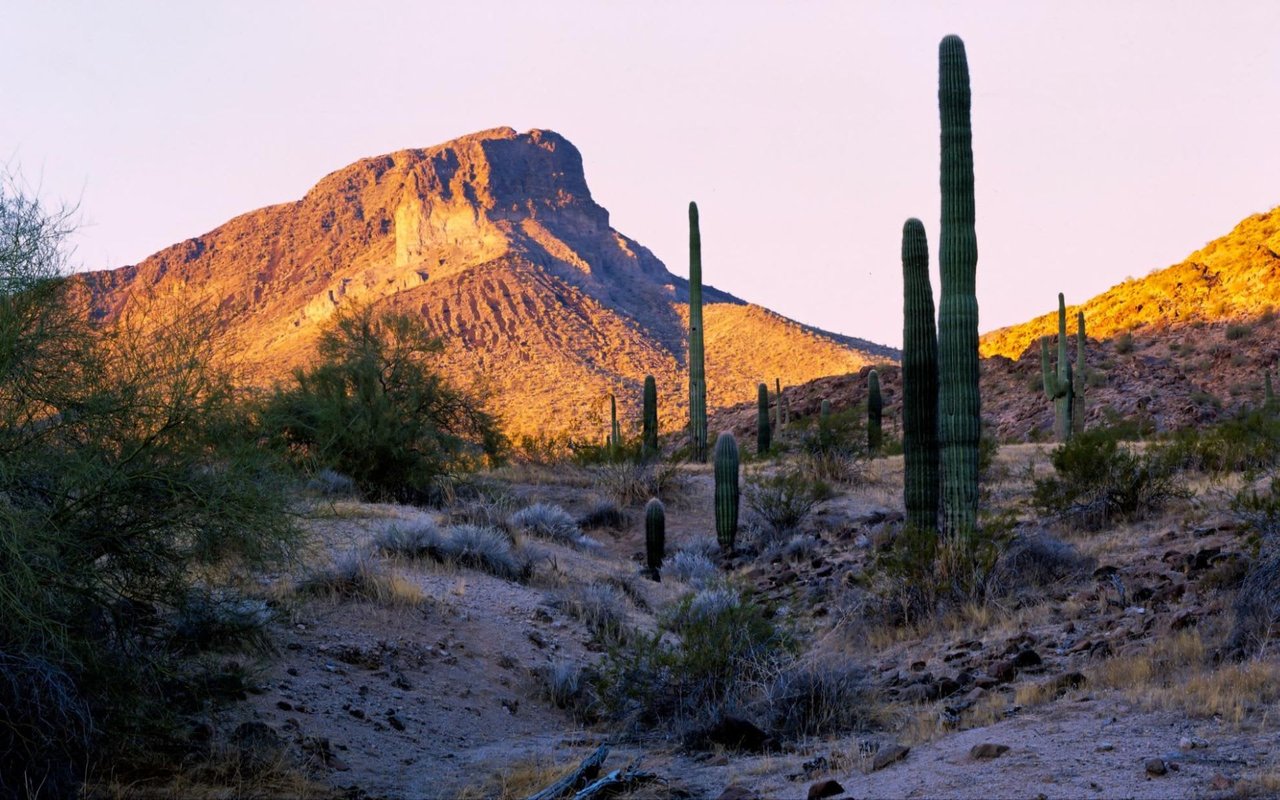
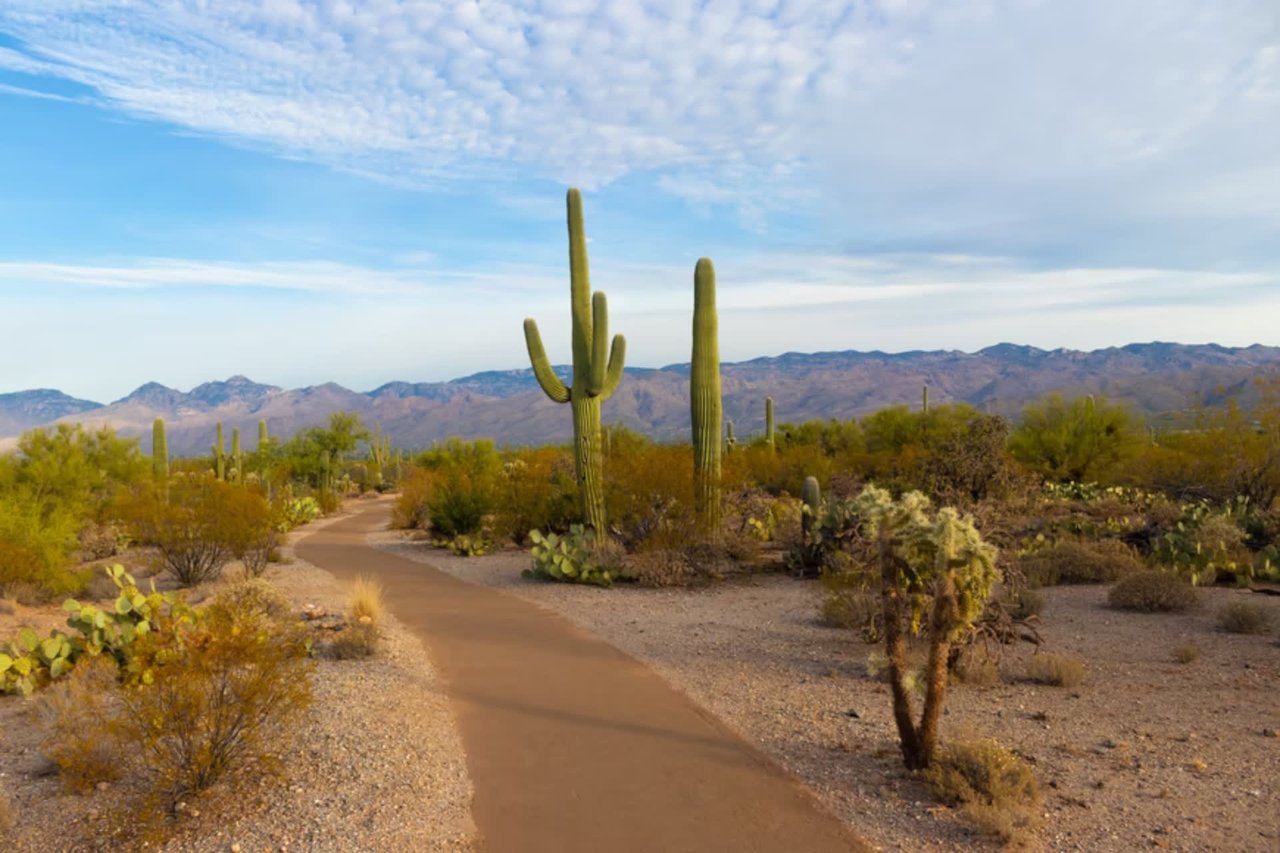
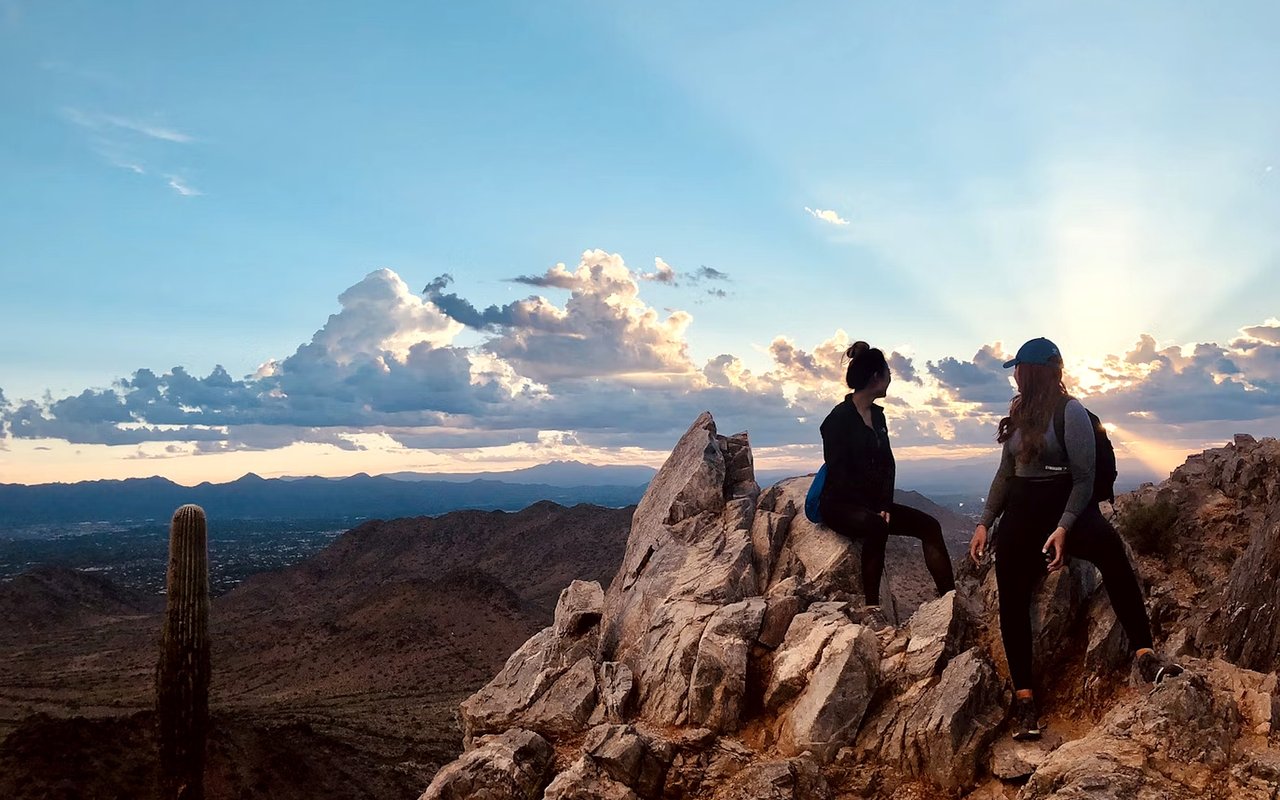
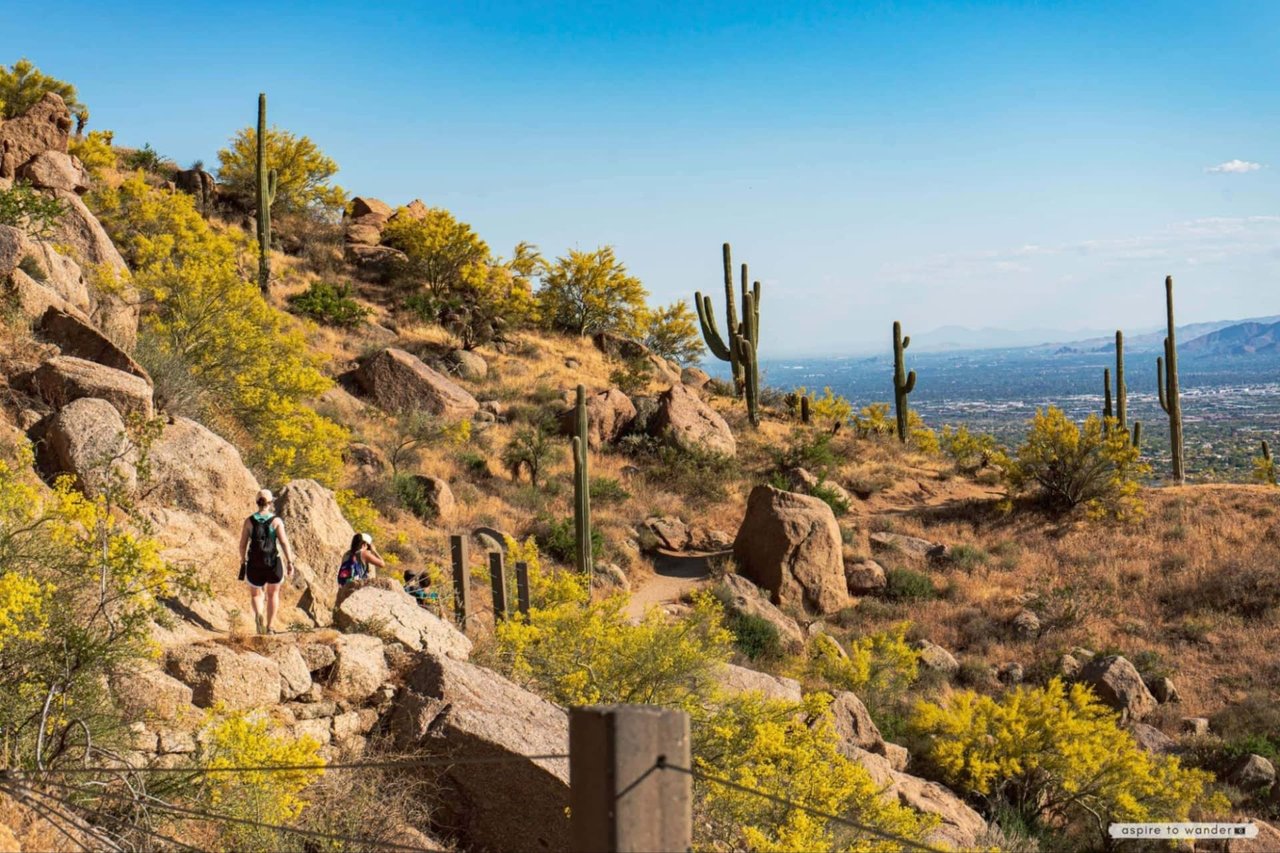
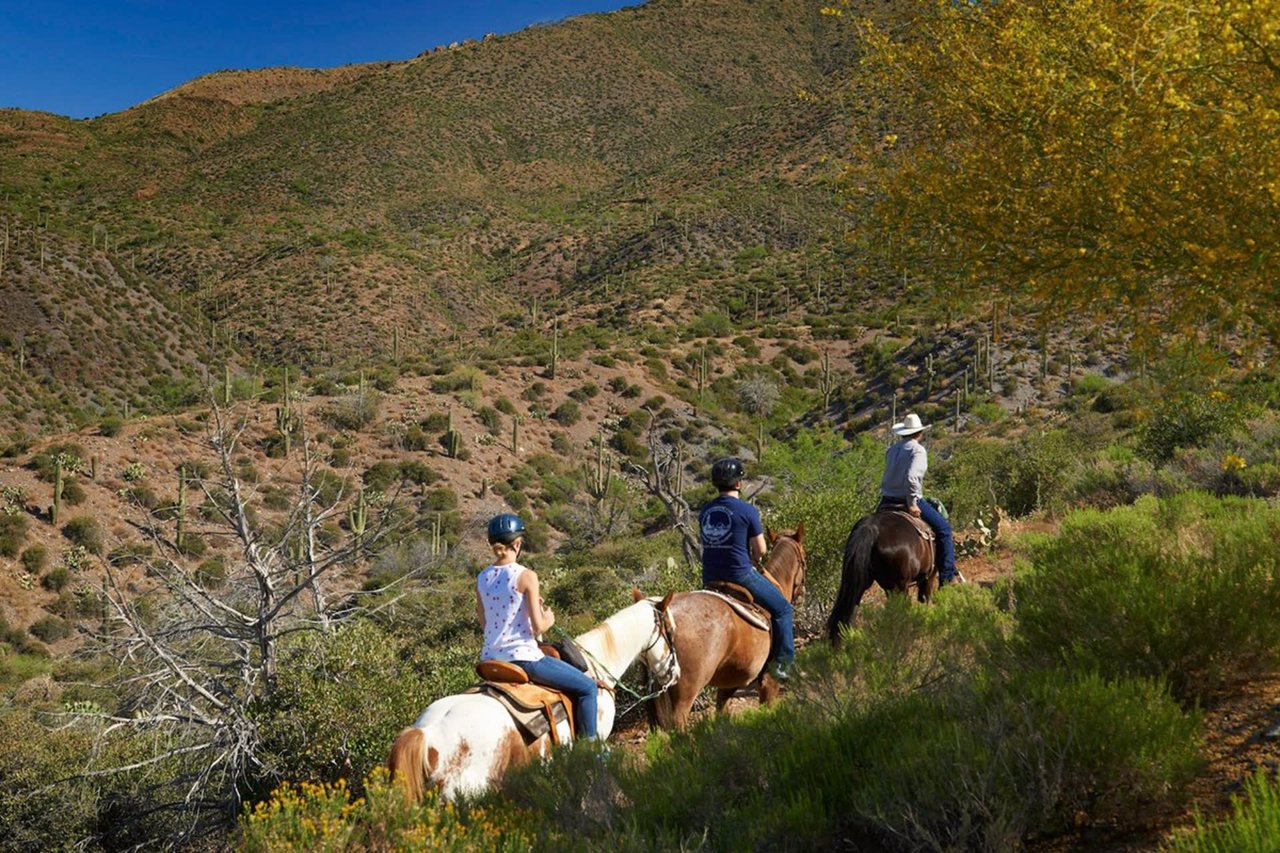
The hiking side of Desert Mountain operates on an identical logic. The club maintains roughly 25 miles of private trail winding into the Continental Mountains against the edge of Tonto National Forest, and the culture around those trails has always been built for heat management rather than around ignoring it: dawn starts, guided moonlight hikes, and weekend mornings that begin with coffee at the trailhead before the sun gets high.
The routes closest to Renegade Trail's side of the property include some of the system's most demanding options. The Apache Skyline Trail is a five-mile loop rated for advanced hikers, circling the northern edge of the property at its highest elevation. China Wall climbs through 17 switchbacks and 800 vertical feet, connecting into the Sunset Summit Trail, a shorter 2.8-mile intermediate loop, with views on clear days stretching to the Santa Catalina Mountains near Tucson. The Tonto Ridge Overlook Trail covers 2.2 miles at high elevation with views into Tonto National Forest, and the combined Apache Skyline to Tonto Ridge route runs closer to 6.6 miles with over 1,700 feet of elevation gain, a stat confirmed on AllTrails' listing for the route. For an easier morning, the Hohokam Camp Trail offers a 2.5-mile loop with its own view of the Catalinas, at a fraction of the effort.
The club's hiking group, the DM Desperados, has built out a digital trail guide at the trailhead, a touch-screen kiosk where hikers can check conditions, download a route, and read interpretive signage developed with the Cave Creek Museum on the region's geology and history. The plaza at the Ranch Trailhead carries its own name, Suzan's Place, dedicated in memory of Suzan Harrington. None of it changes because the calendar says August. It just means starting earlier.
The Neighborhood That Runs Through Summer Instead of Around It
Put it together and Renegade Trail's actual advantage in August isn't a single amenity. It's that every piece of the daily routine, the lesson, the lunch, the round, the hike, sits close enough to be done before nine in the morning without anyone getting in a car. Other villages at Desert Mountain have their own strengths. This one happens to sit next to the course the whole club was built around, the clubhouse that started it all, and the training facility that keeps members improving no matter the month.
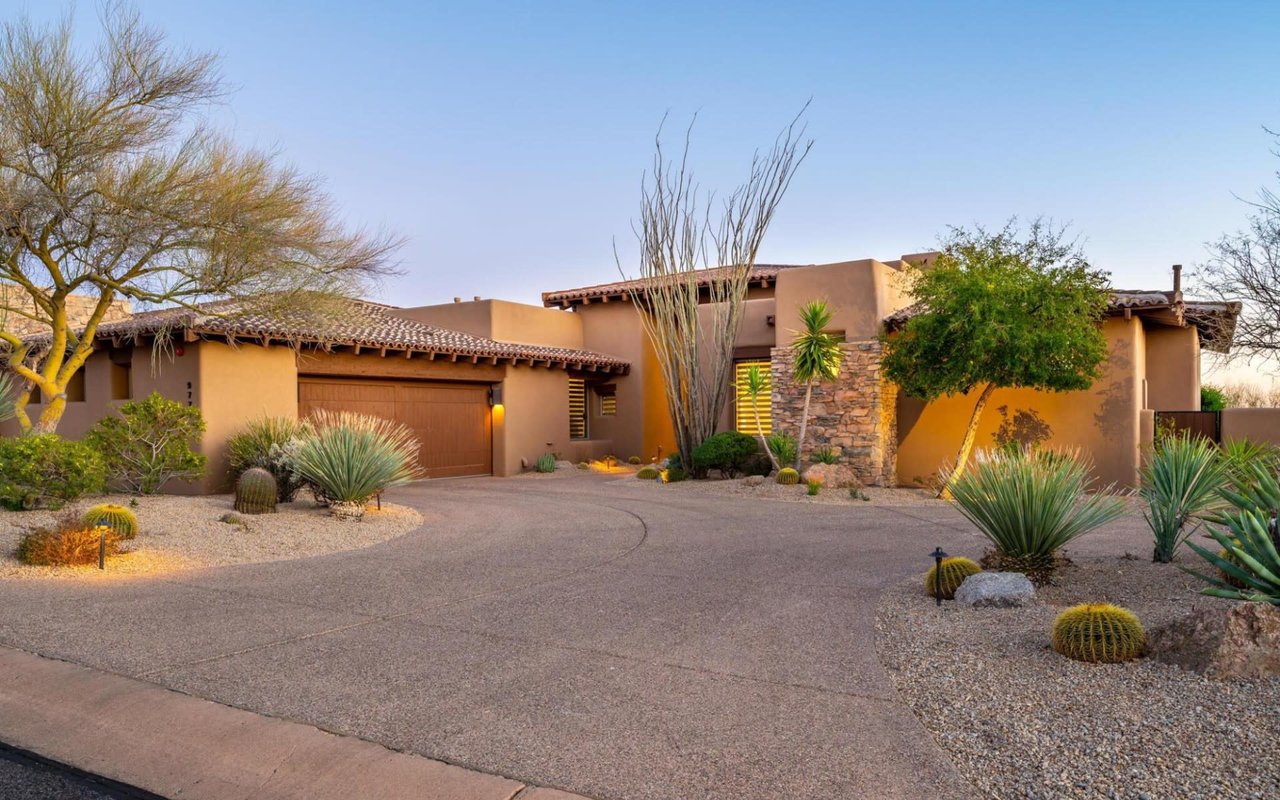
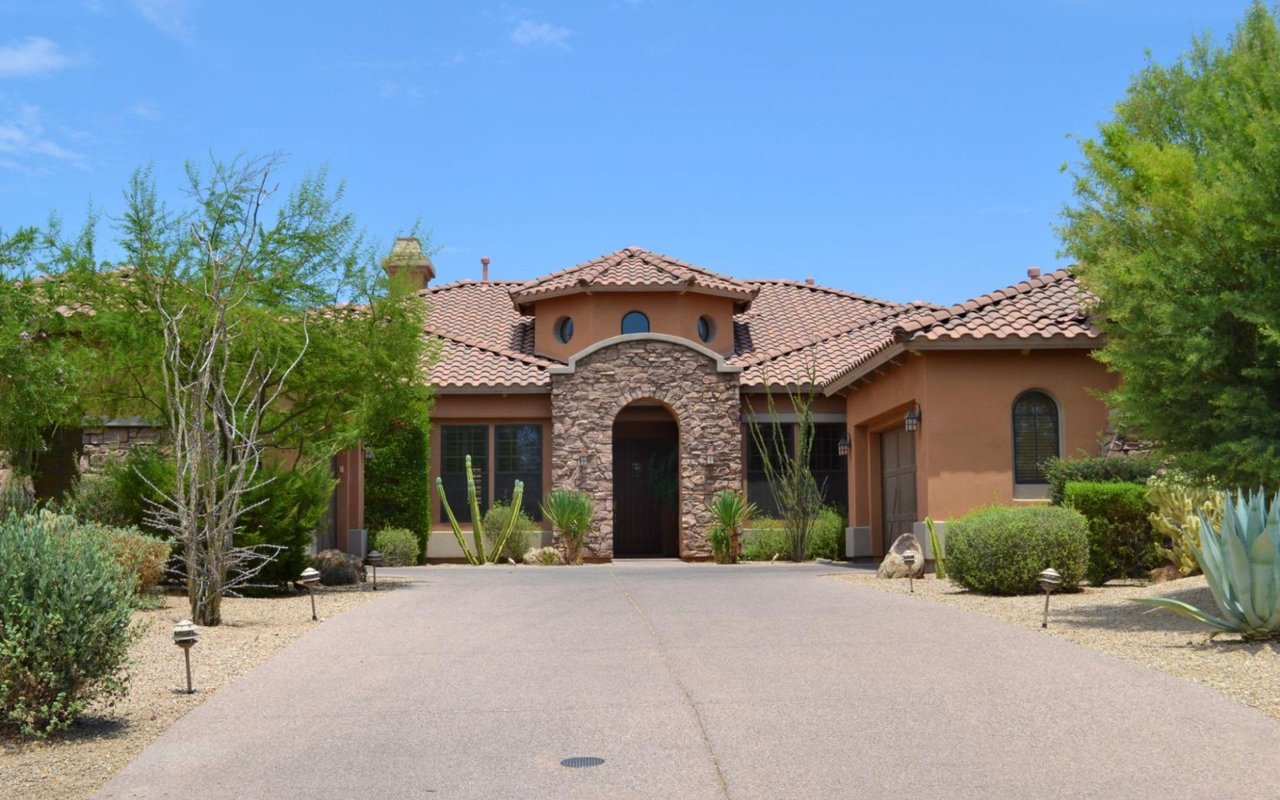
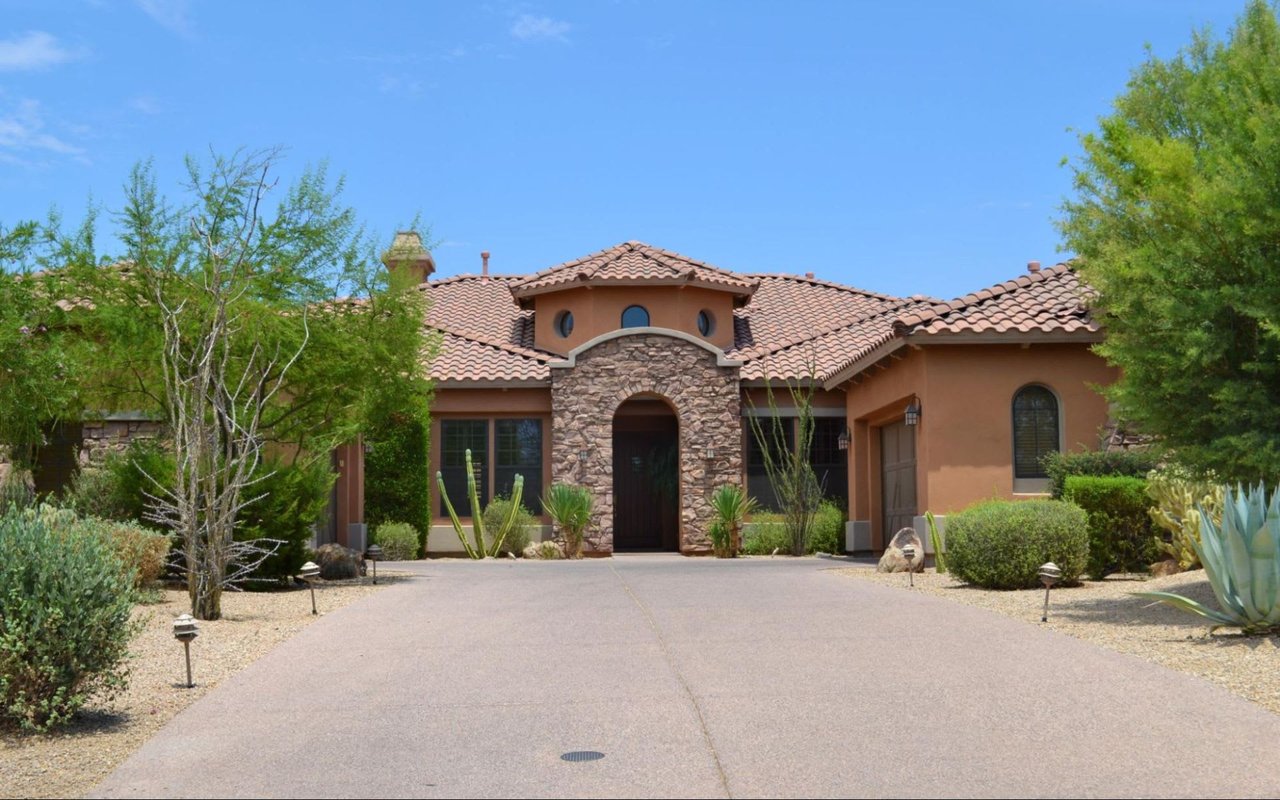
If you're curious what a village like this looks like on the ground, or want a closer look at what's currently available inside Renegade Trail, the team at Power+ lives on property and knows this corner of Desert Mountain from daily experience, not a listing sheet. Schedule a private consultation with Desert Mountain experts whenever you're ready to see it firsthand.