By Bee & Kathleen Power+
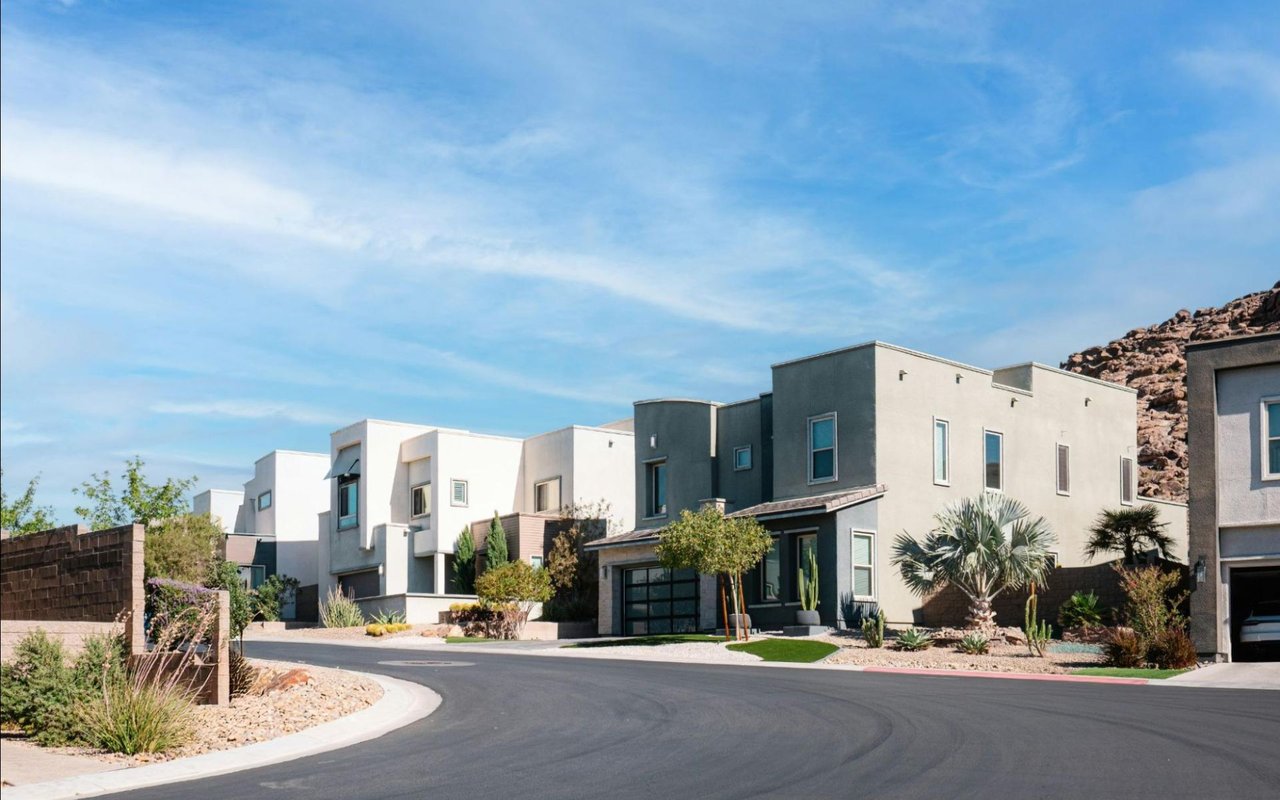
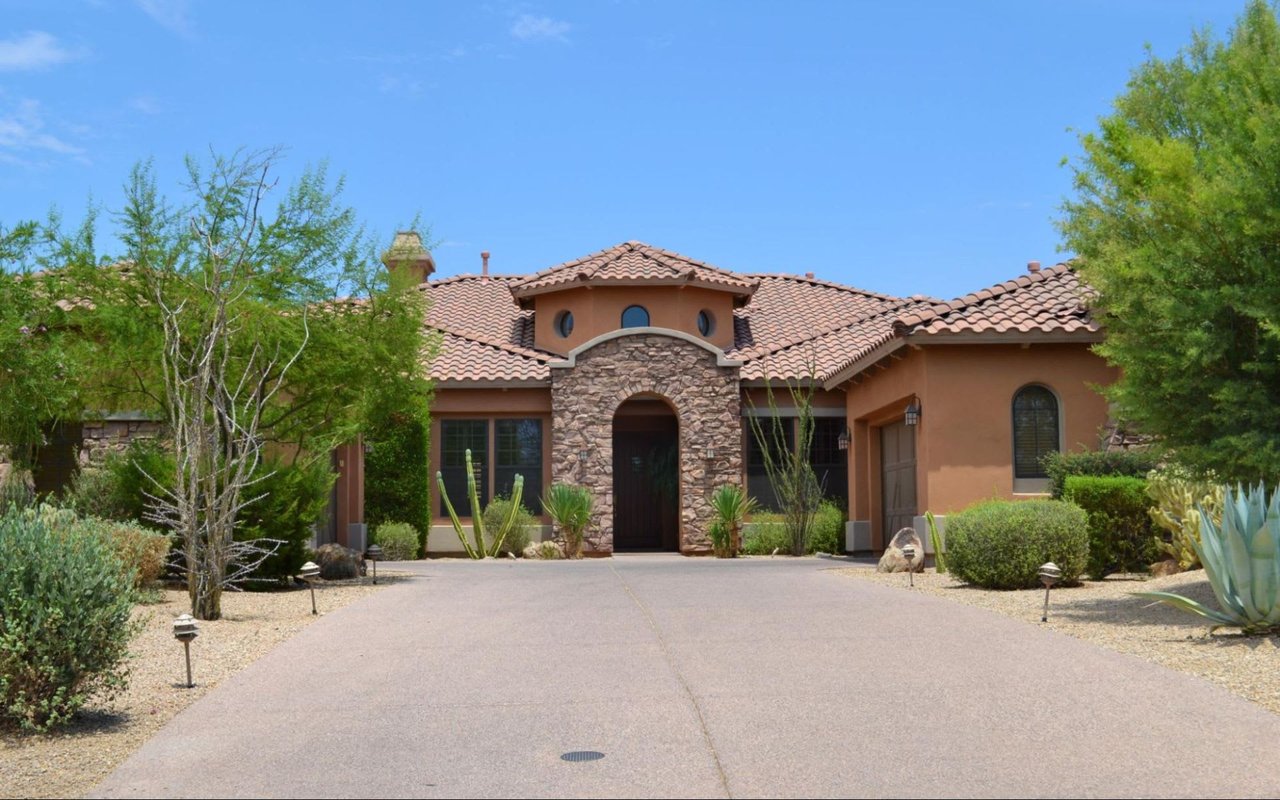
Desert Mountain's curb appeal is real and financially significant — but it is also regulated. The community's HOA maintains specific guidelines governing exterior paint colors, approved plantings, and landscaping standards, and enforces them at the time of sale. For sellers, understanding these guidelines before listing is as important as any staging decision. For buyers, knowing they exist helps explain why the community looks the way it does and what obligations come with ownership.
This blog covers both dimensions: what makes Desert Mountain properties present so compellingly, and what sellers and buyers need to know about the standards that protect it.
Key Takeaways
- Desert Mountain's HOA maintains specific guidelines for paint colors, approved plantings, and landscaping standards — and enforces them at the time of sale.
- Desert Mountain's curb appeal operates on multiple psychological levels simultaneously — sensory, social, and spatial — which is why the impression it creates is so durable.
- The community's elevation, natural palette, and architectural standards create a baseline of visual coherence that individual homes build on rather than compete with.
- Buyers respond to cues of privacy, permanence, and intentionality — all of which Desert Mountain delivers consistently across its 30-plus villages.
- Curb appeal at this level directly affects buyer emotion and sale price, making it one of the most financially significant dimensions of a luxury listing.
Elevation and Setting Do the First Work
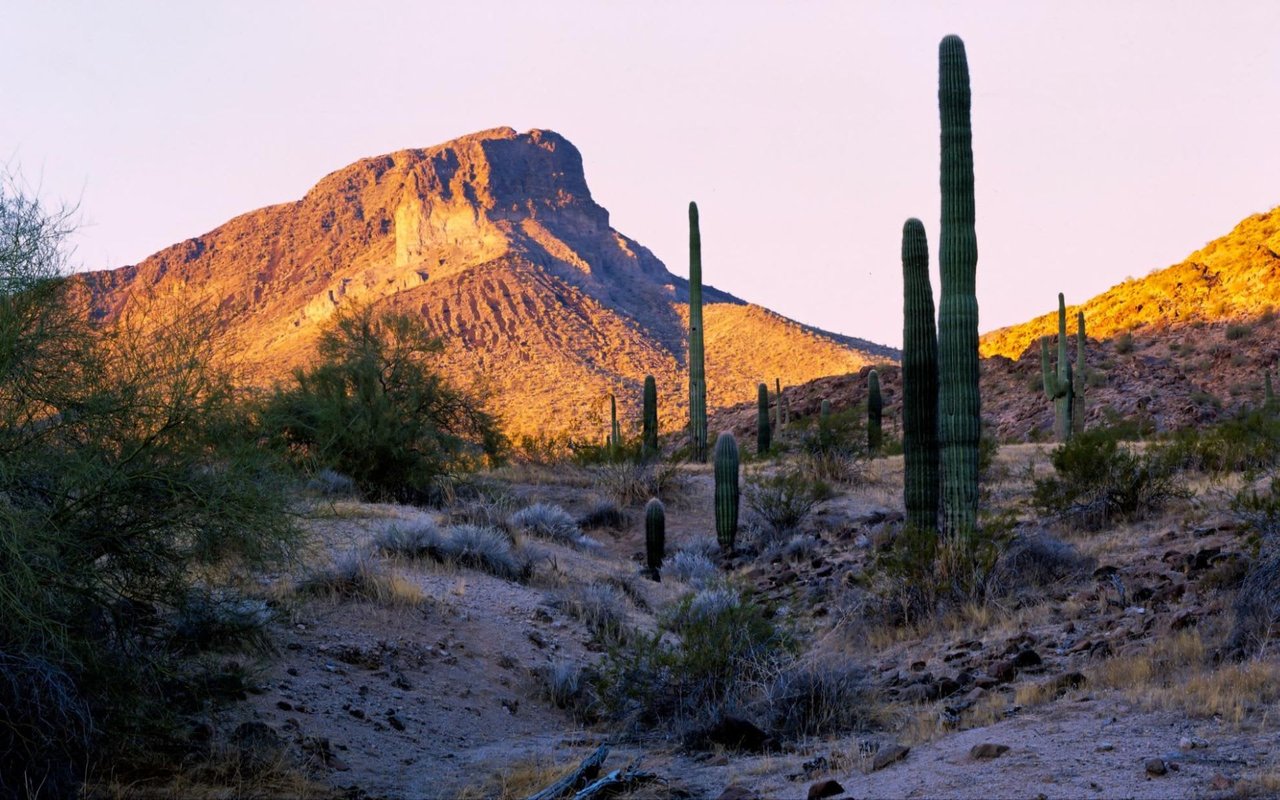
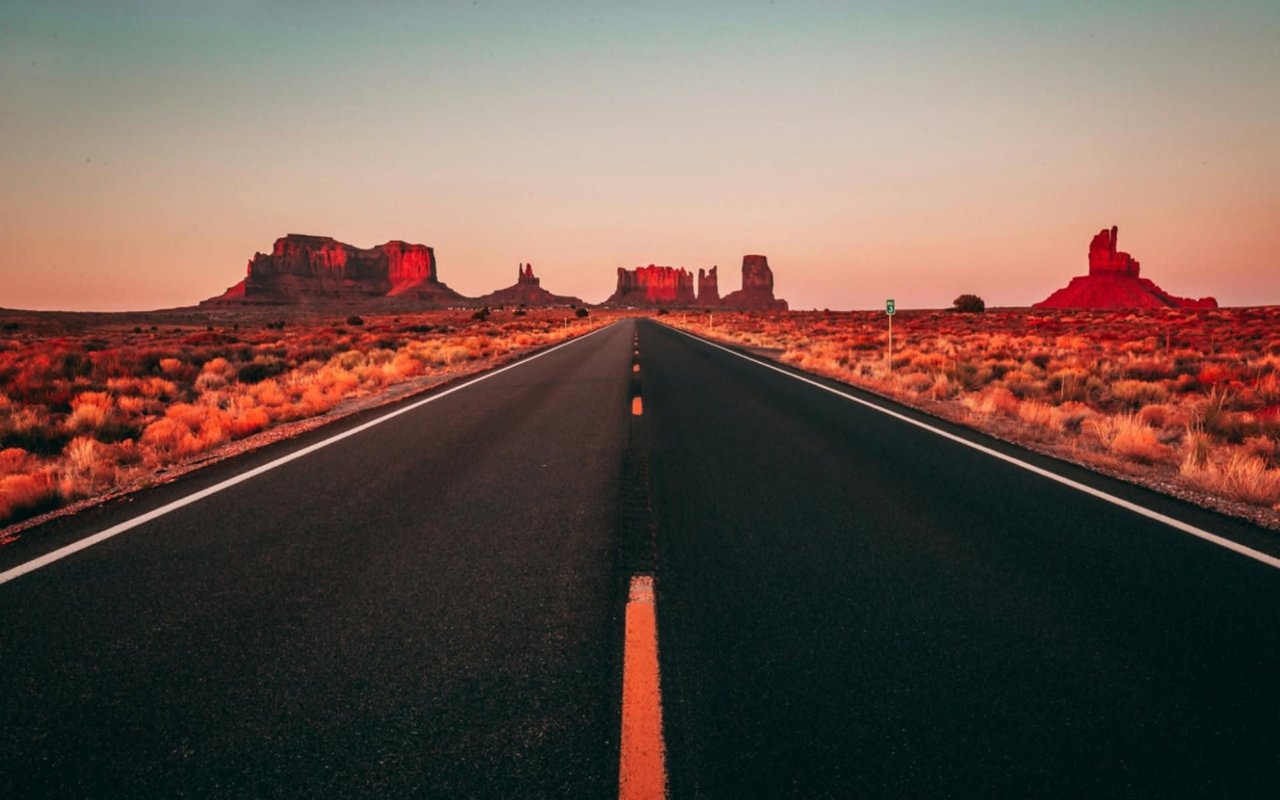
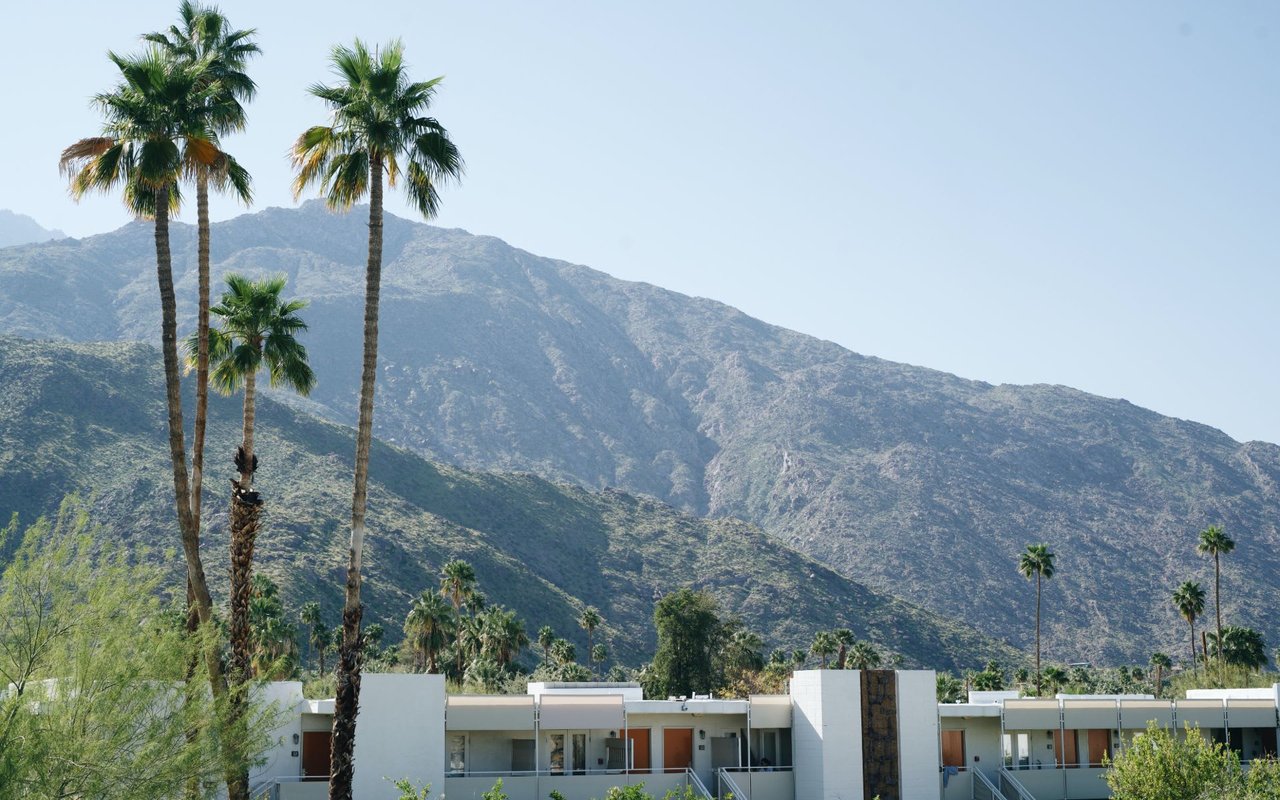
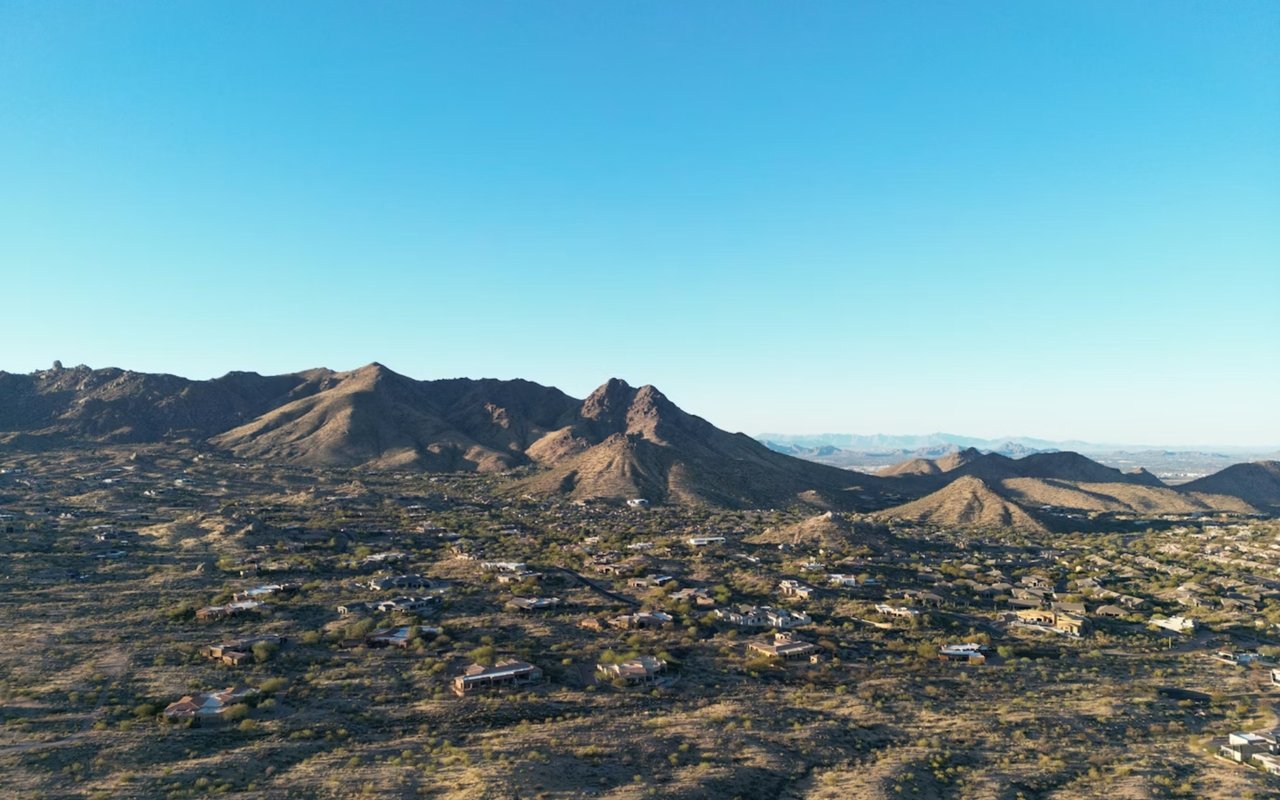
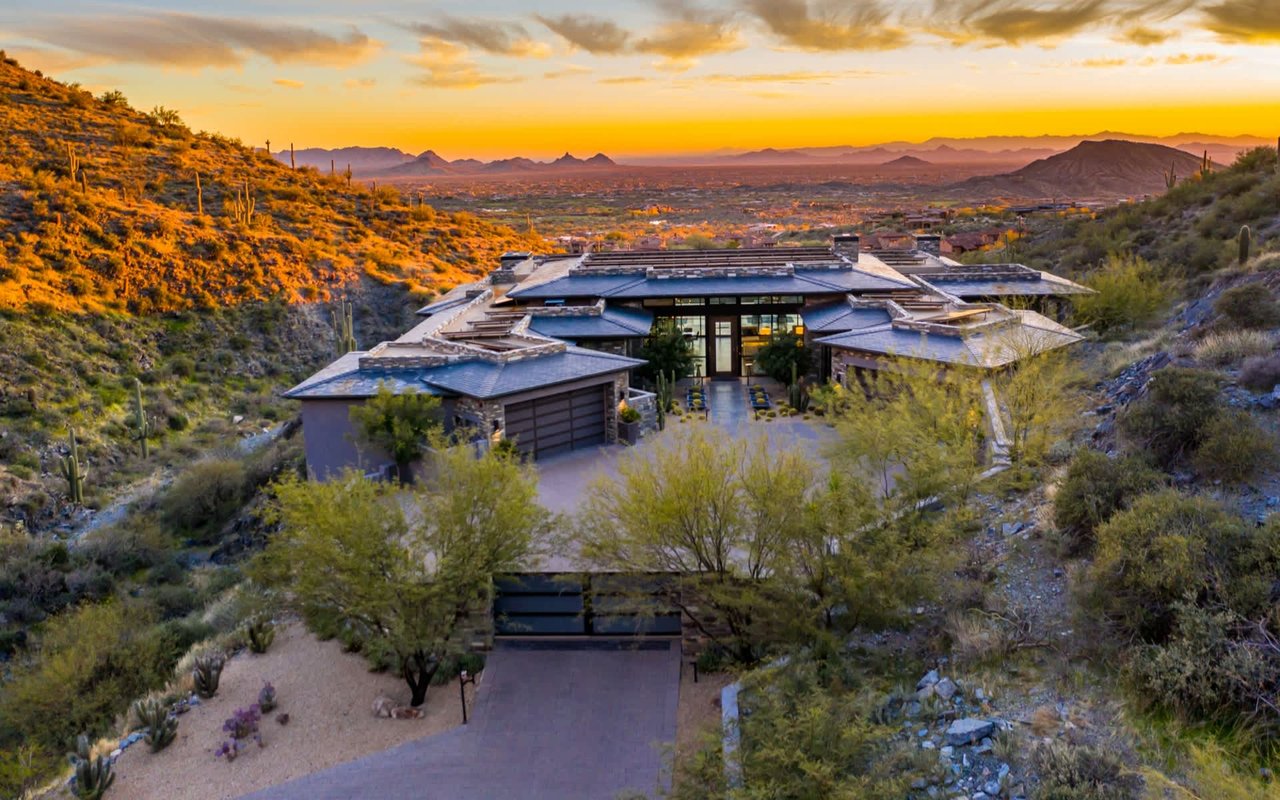
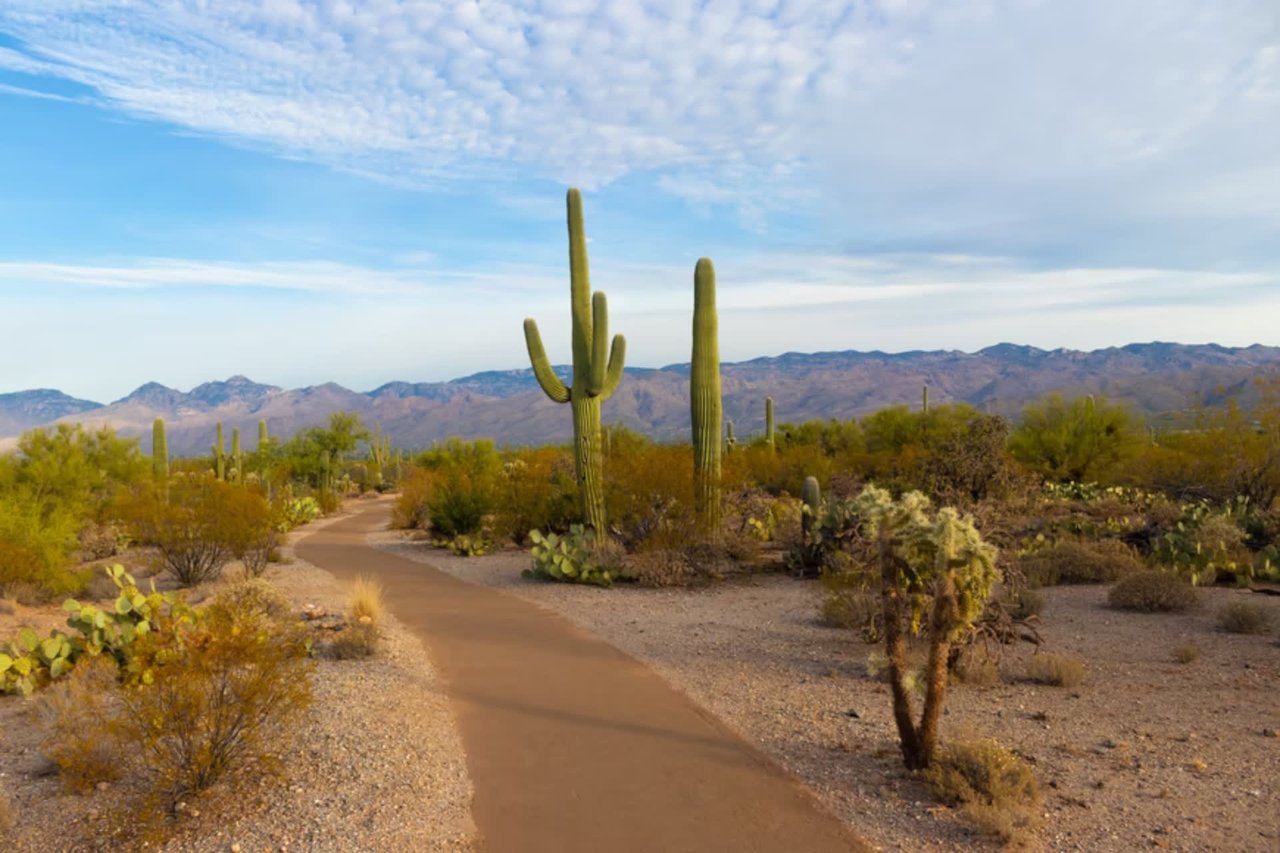
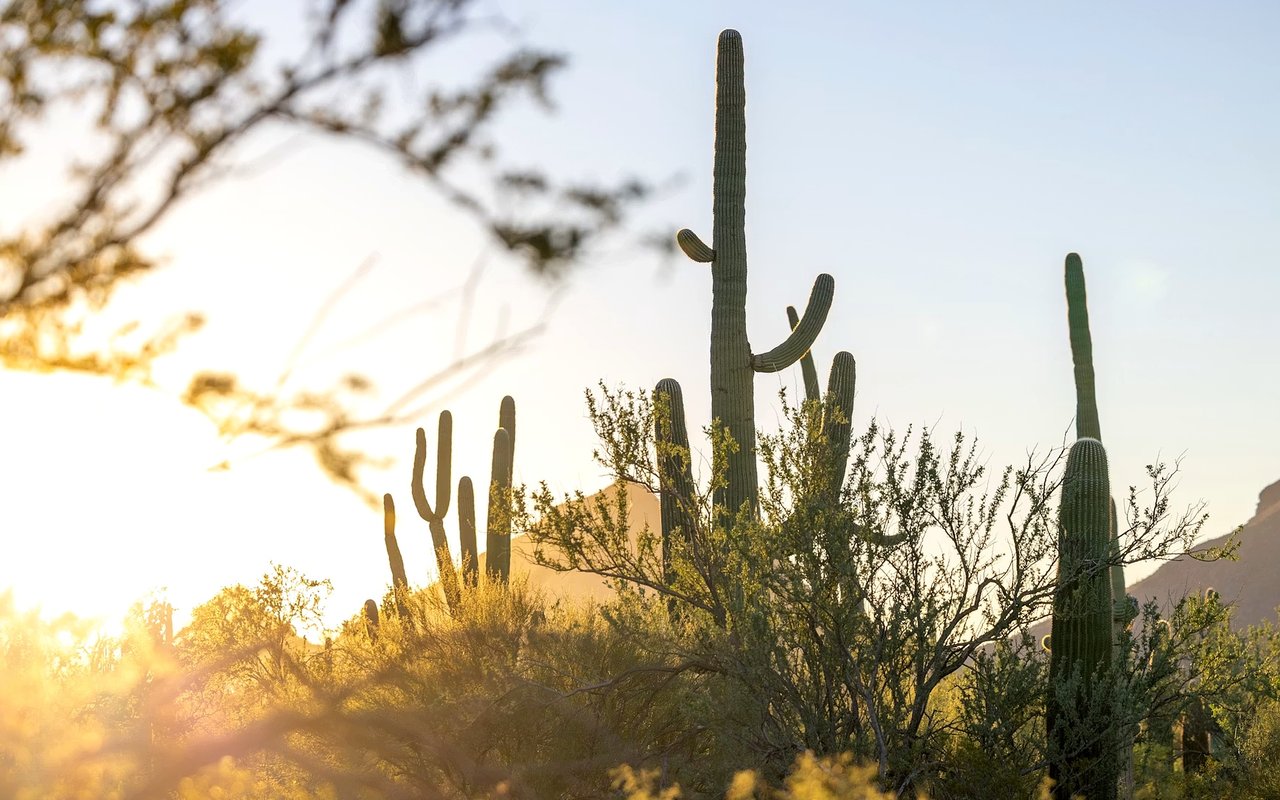
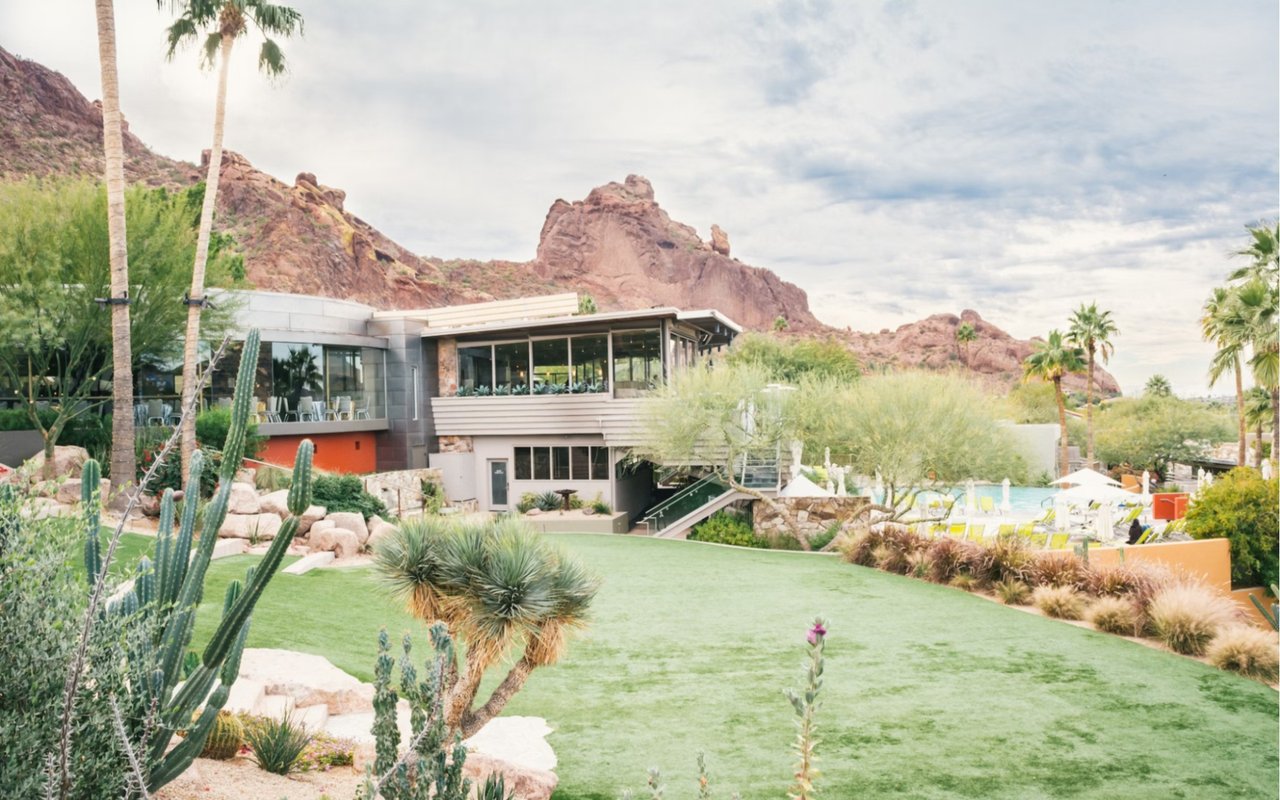
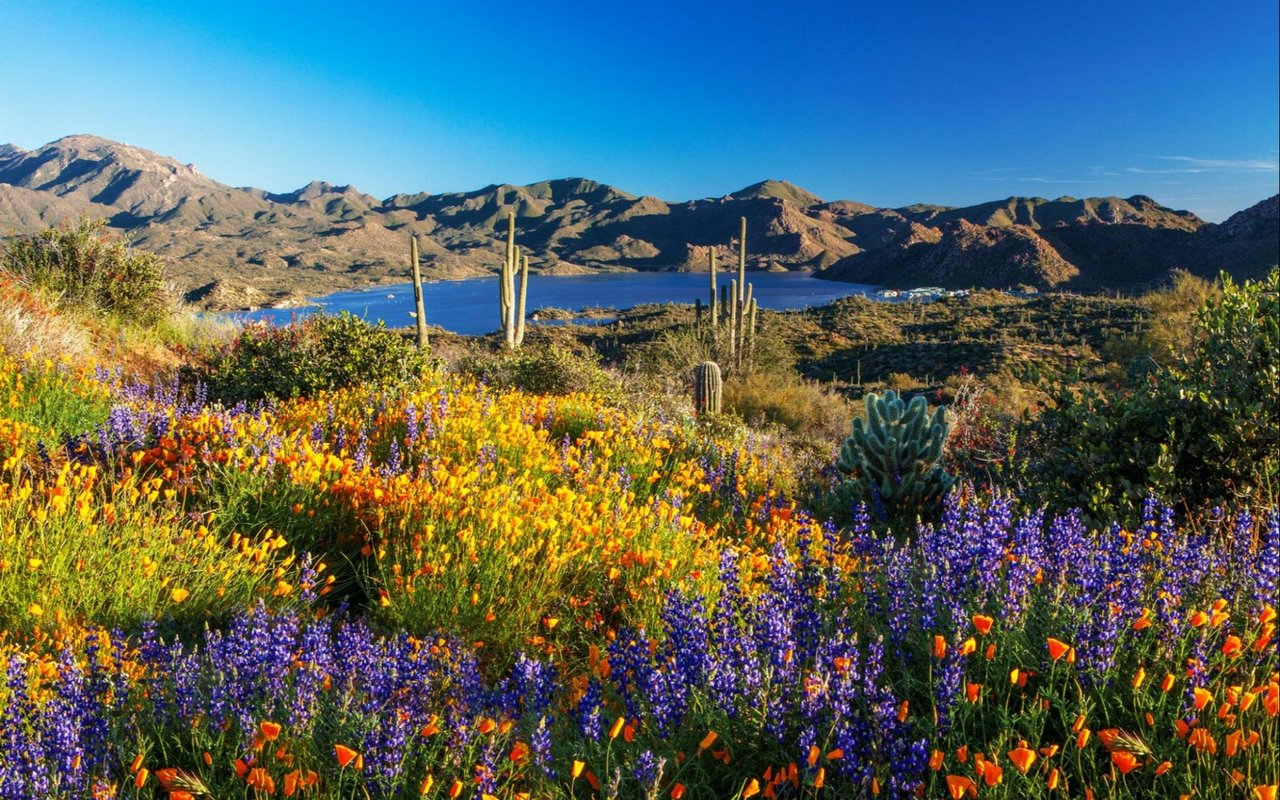
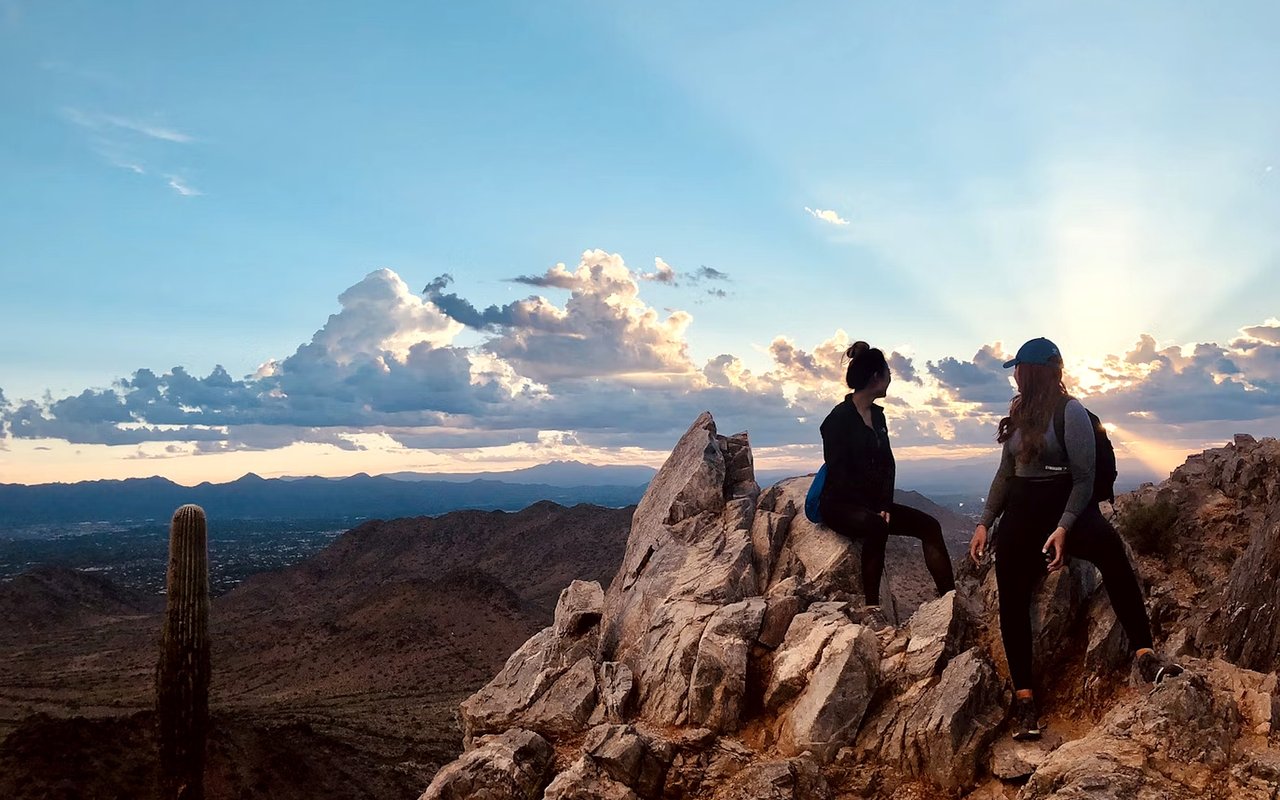
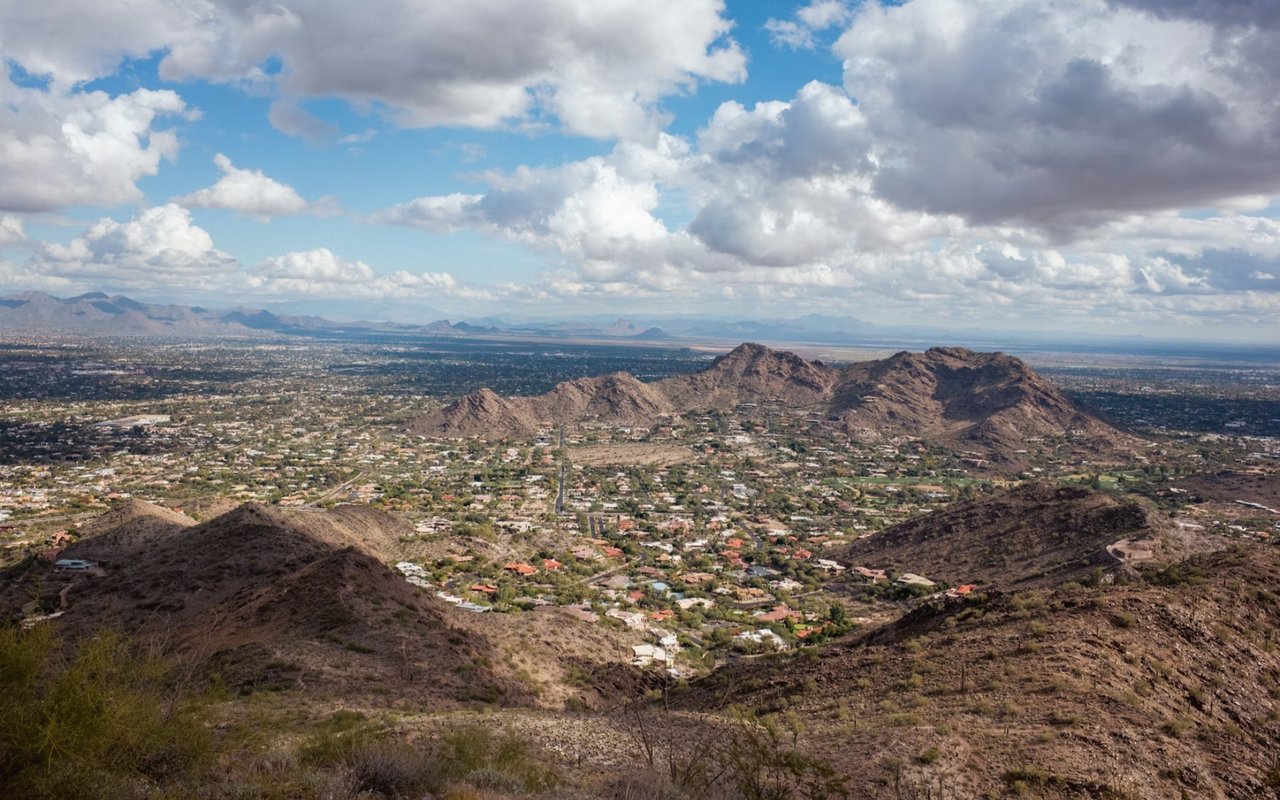
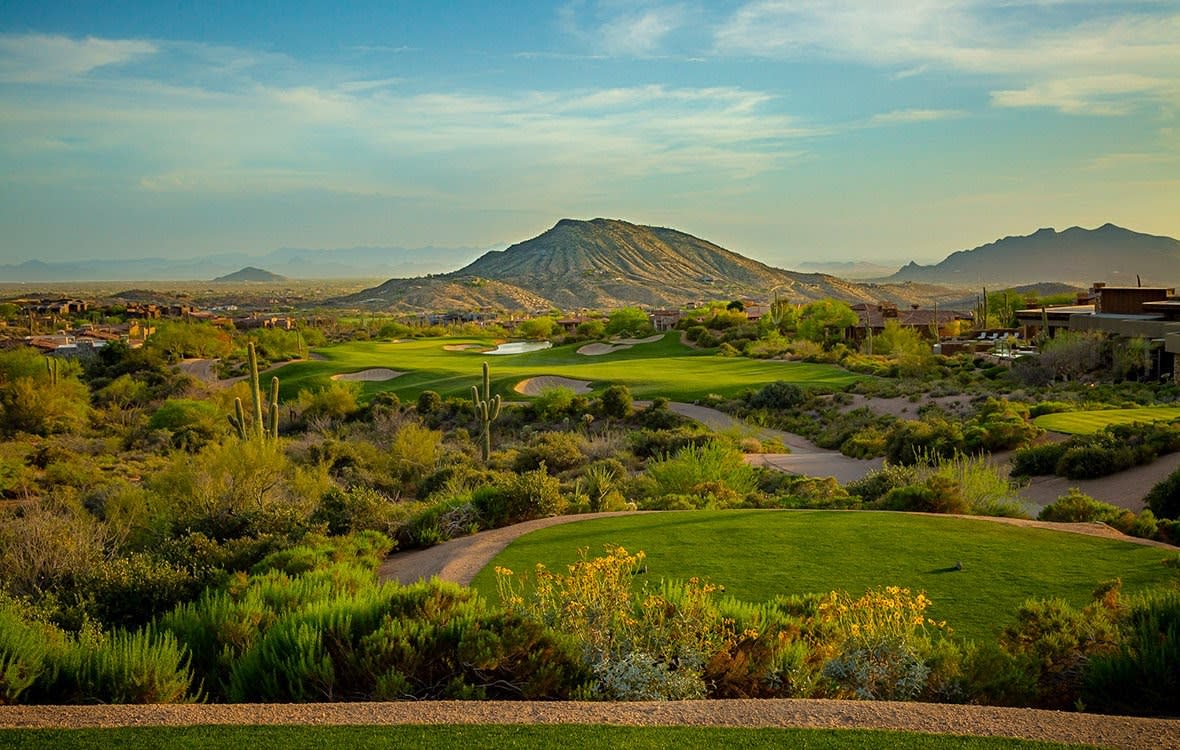
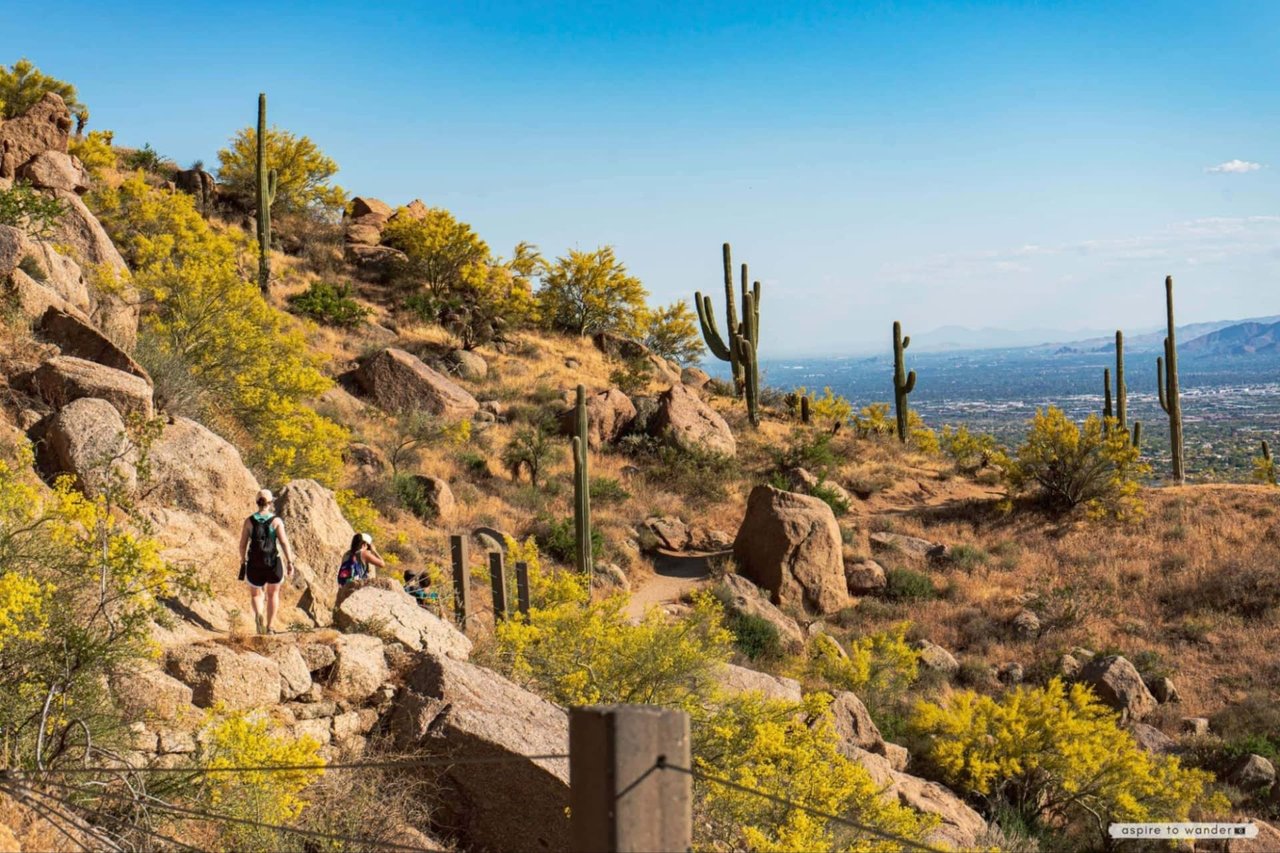
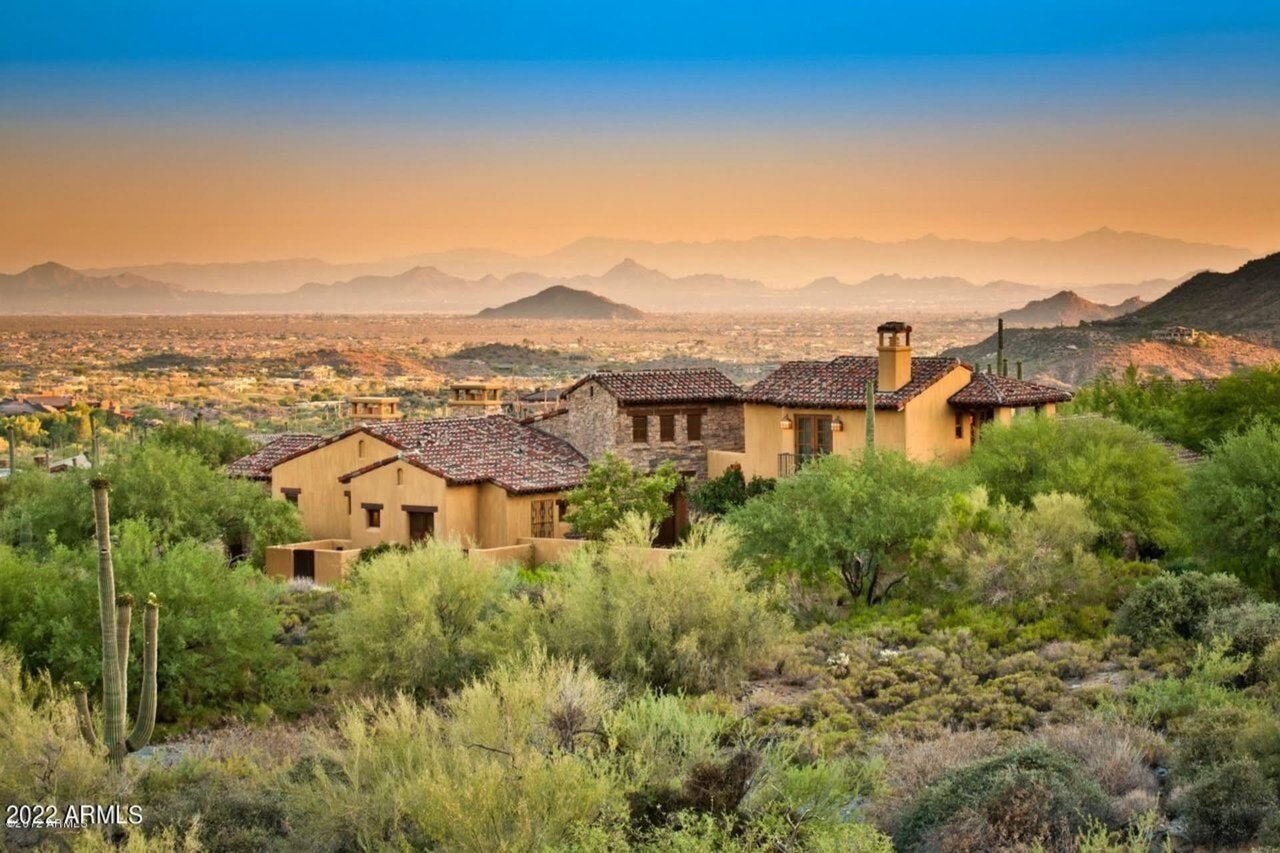
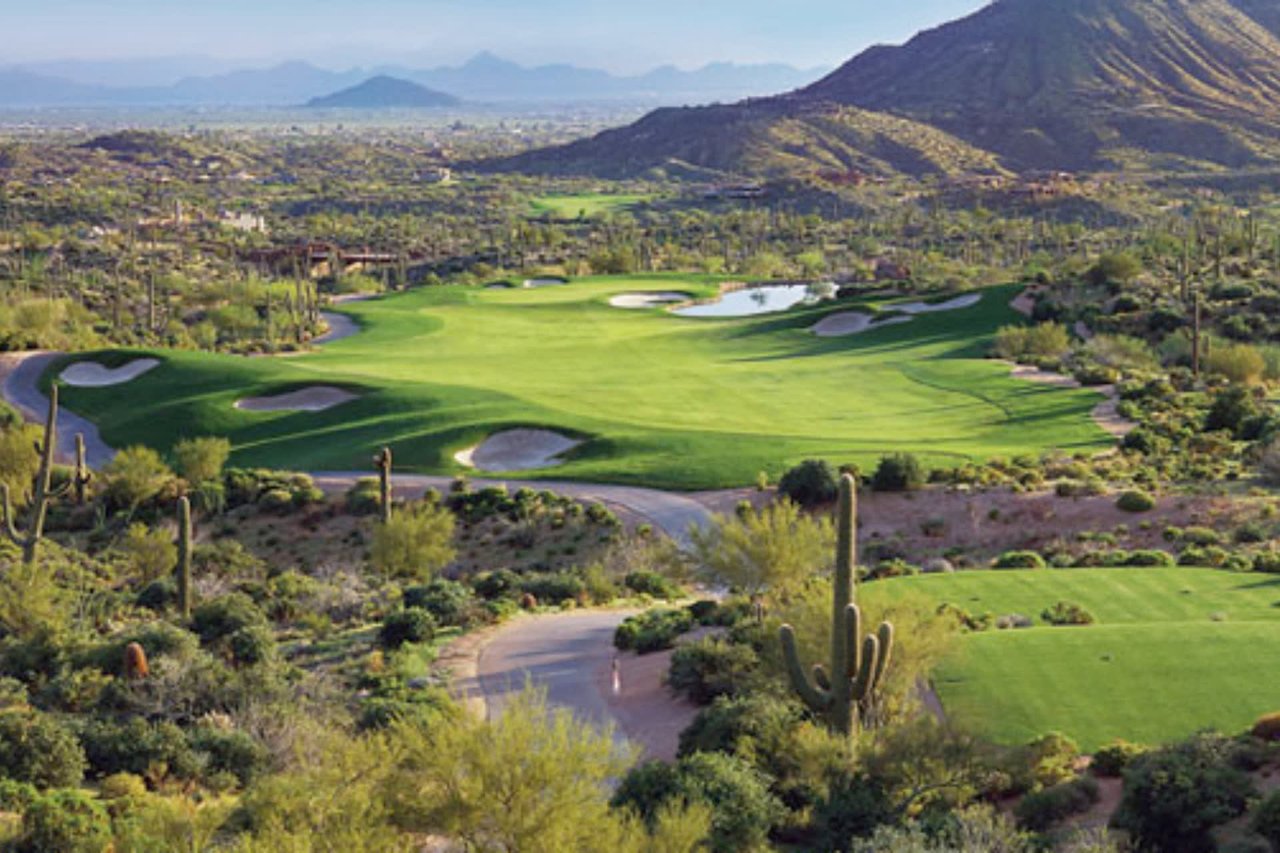
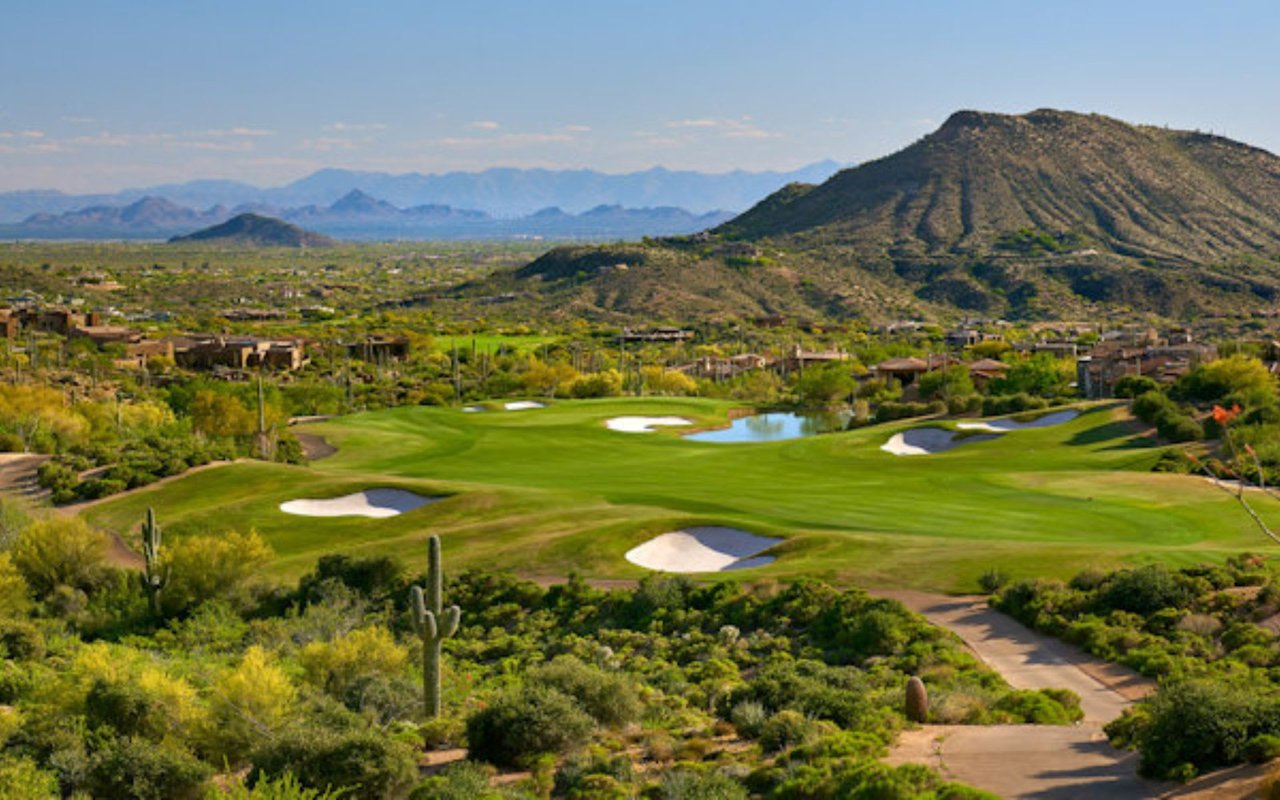
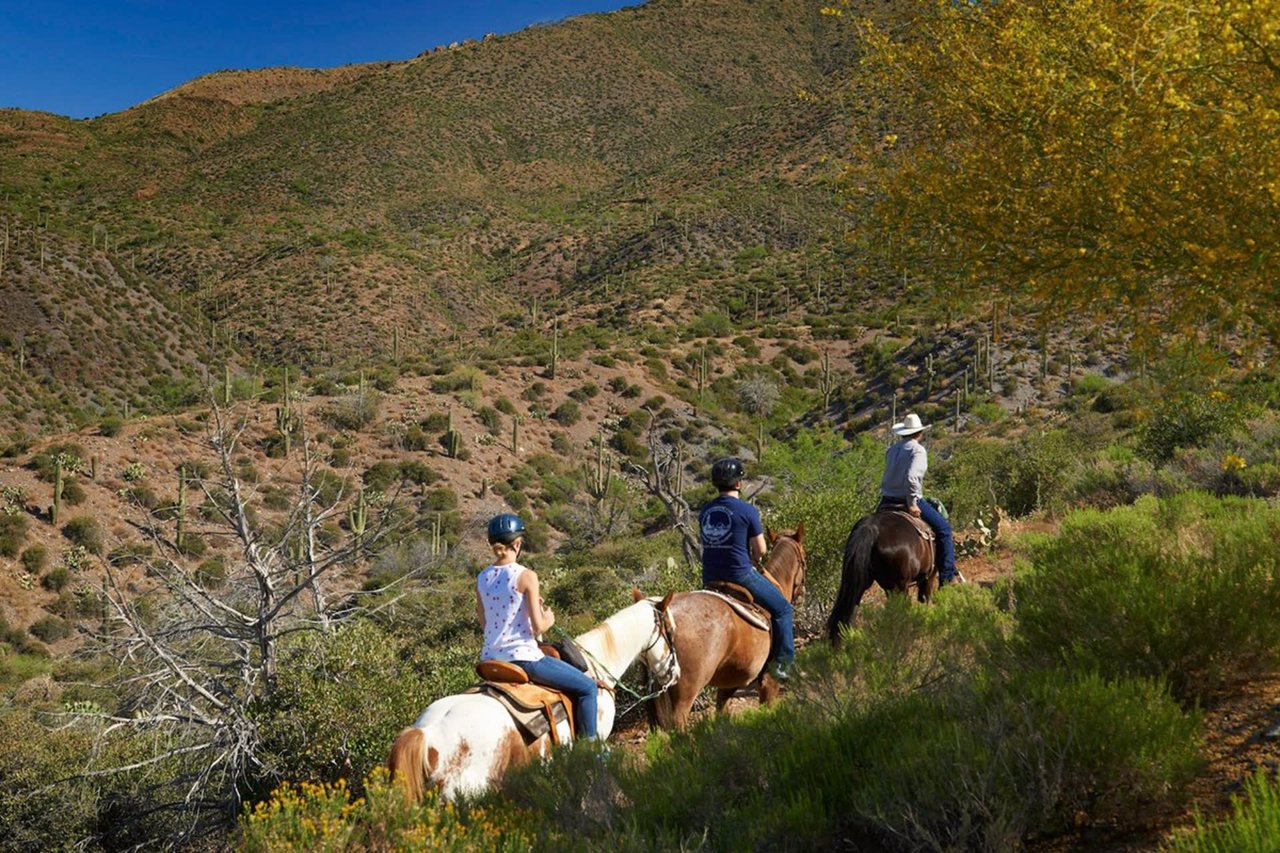
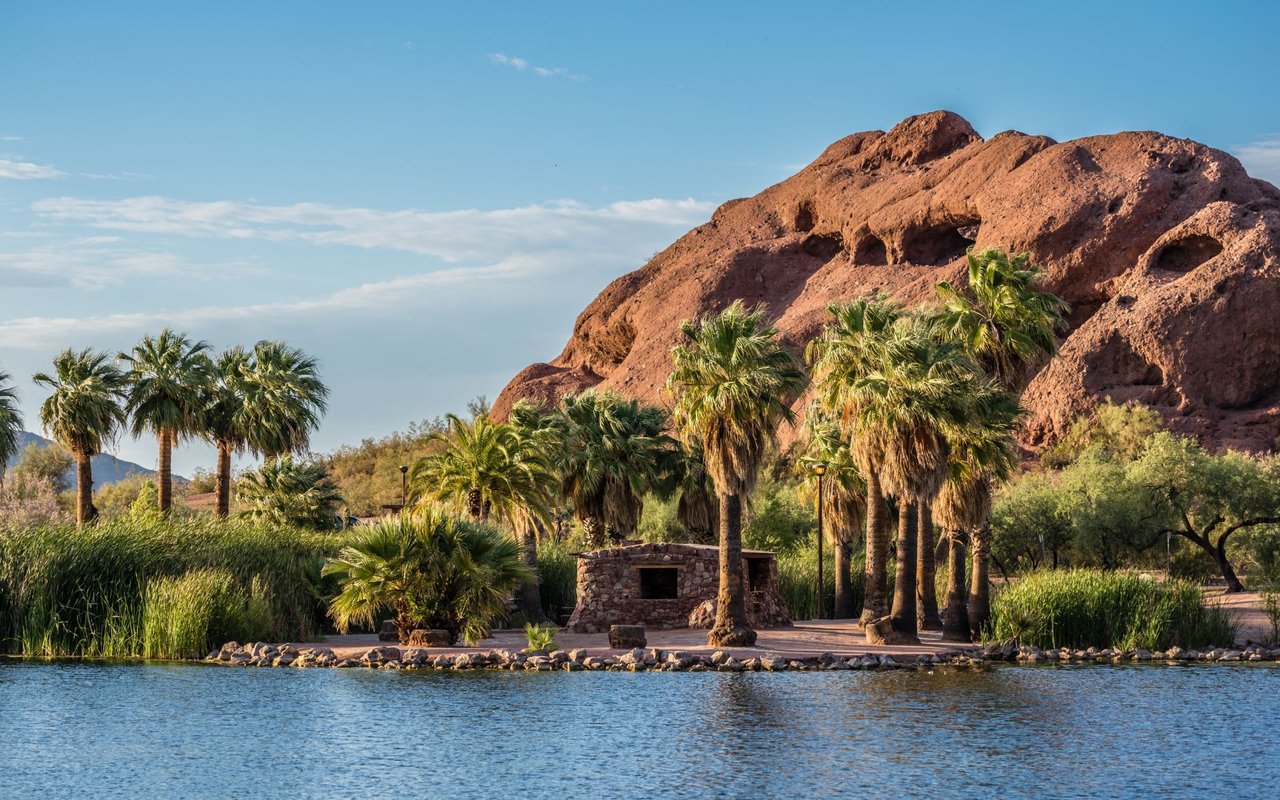
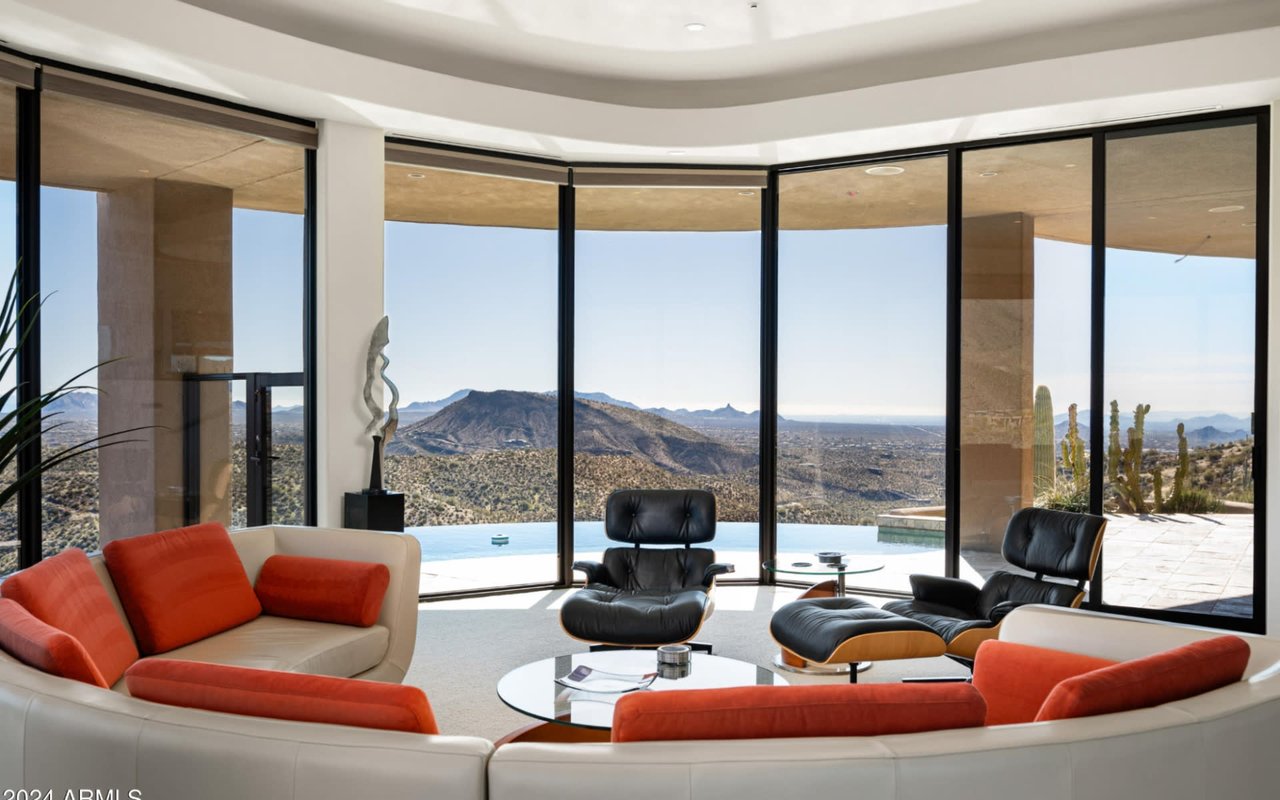
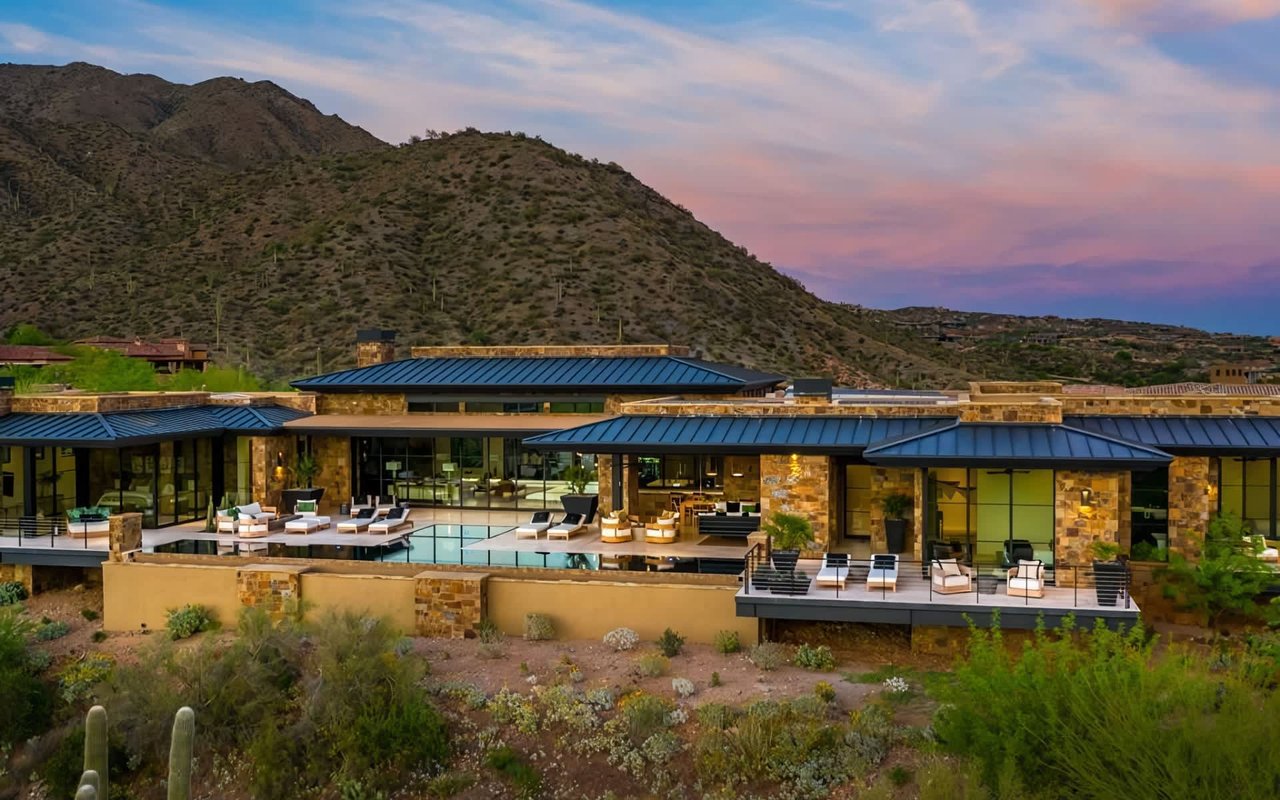
Most of what buyers feel in those first moments at Desert Mountain is produced before they see a single home. The community sits at 2,400 to 4,500 feet of elevation, which creates a physical experience — cooler air, wider sky, panoramic sightlines across the Valley and the Continental Mountains — that immediately signals this is not standard Scottsdale. That differentiation is psychologically significant before a buyer consciously registers it.
How Desert Mountain's setting shapes buyer perception:
- Elevation signals exclusivity: Higher ground has carried status associations across cultures for centuries. The physical elevation here activates that response automatically.
- Panoramic views produce measurable wellbeing responses: Expansive natural views reduce stress and elevate mood in ways that buyers describe without being able to explain. Desert Mountain's vistas deliver this reliably.
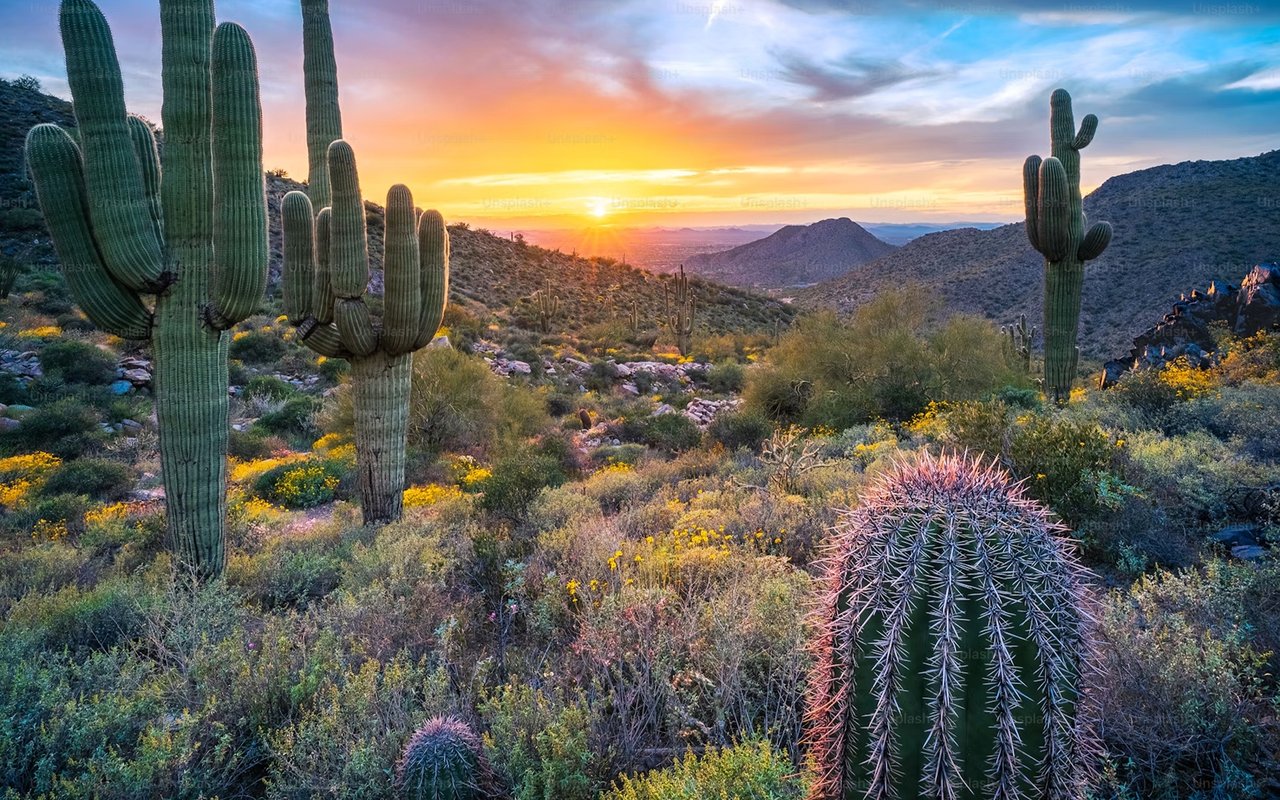
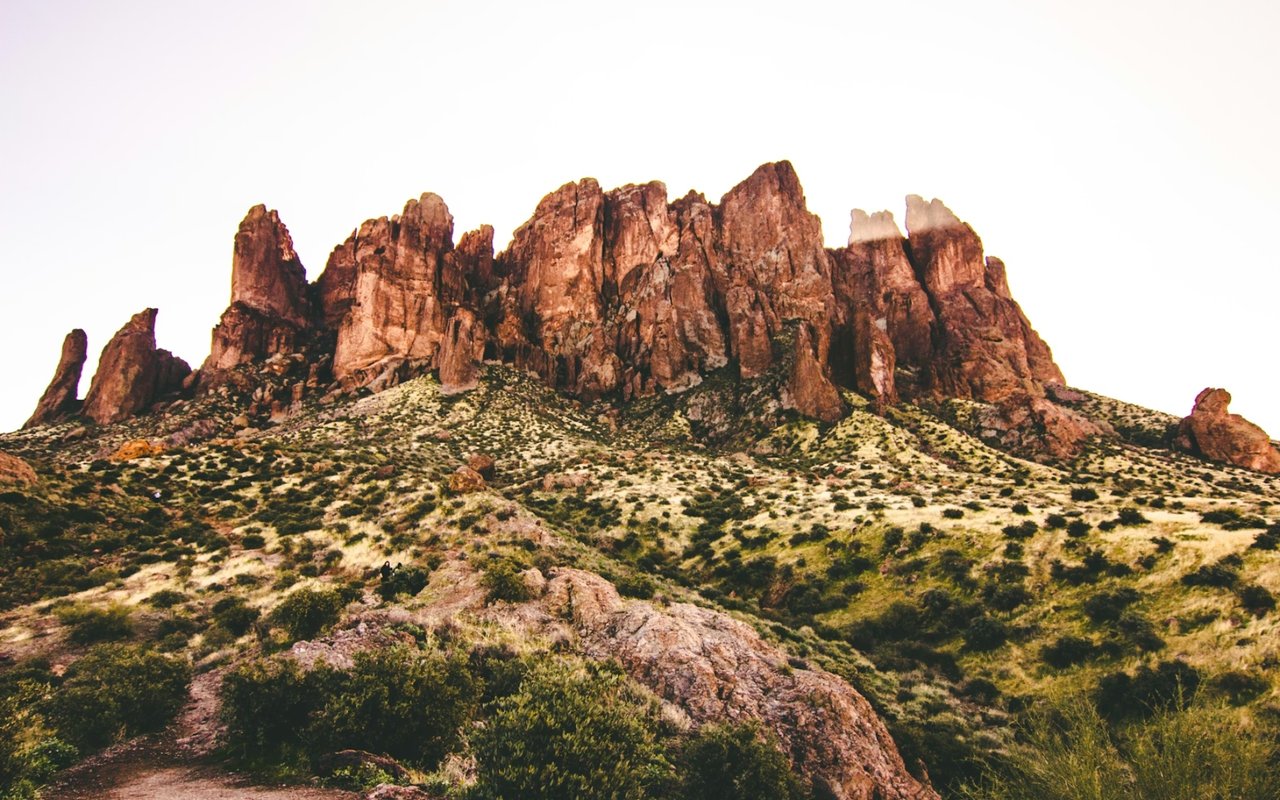
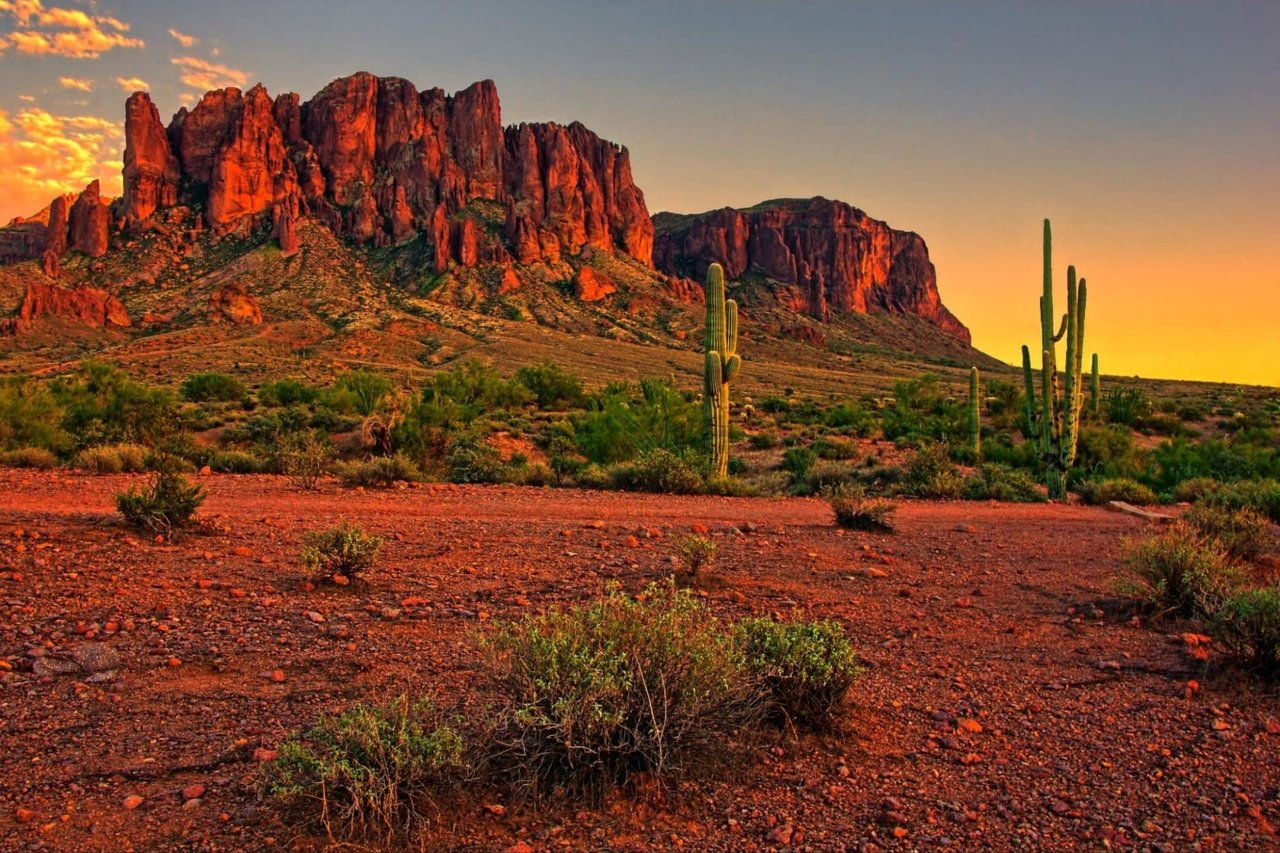
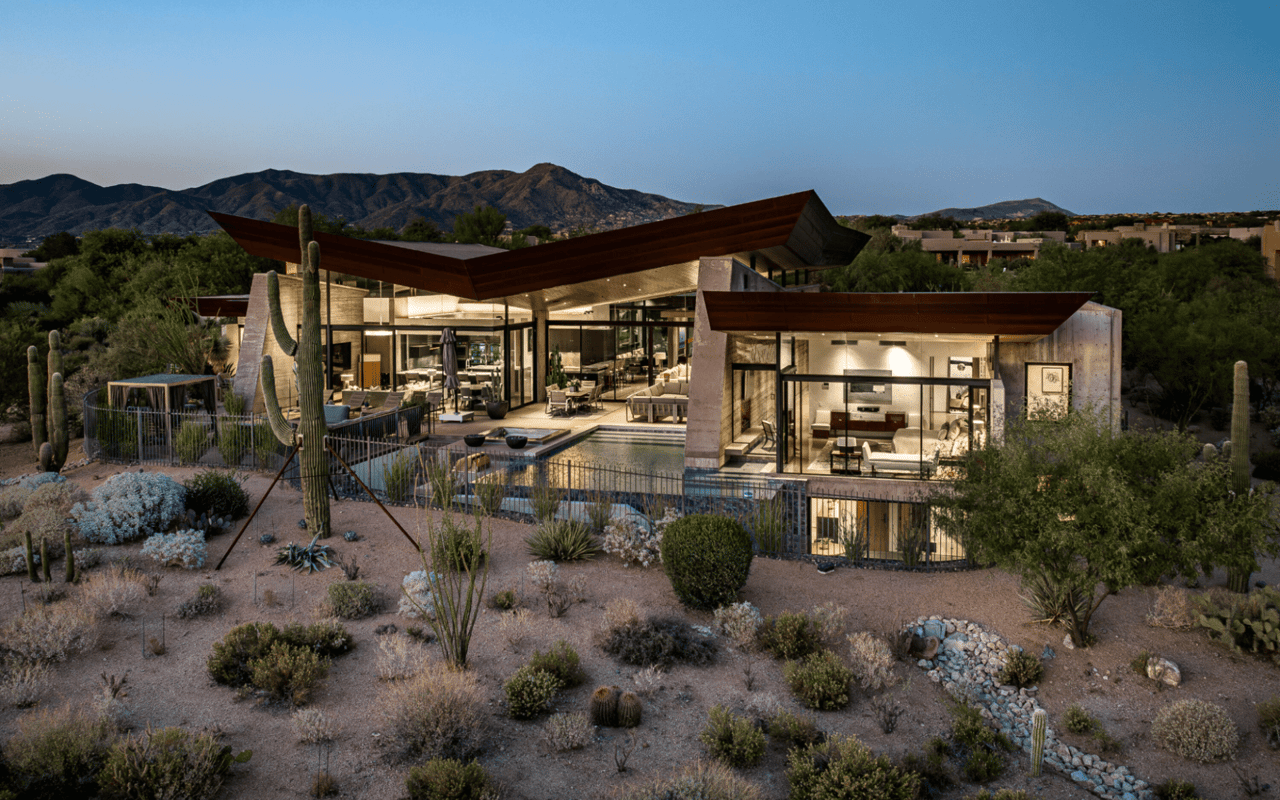
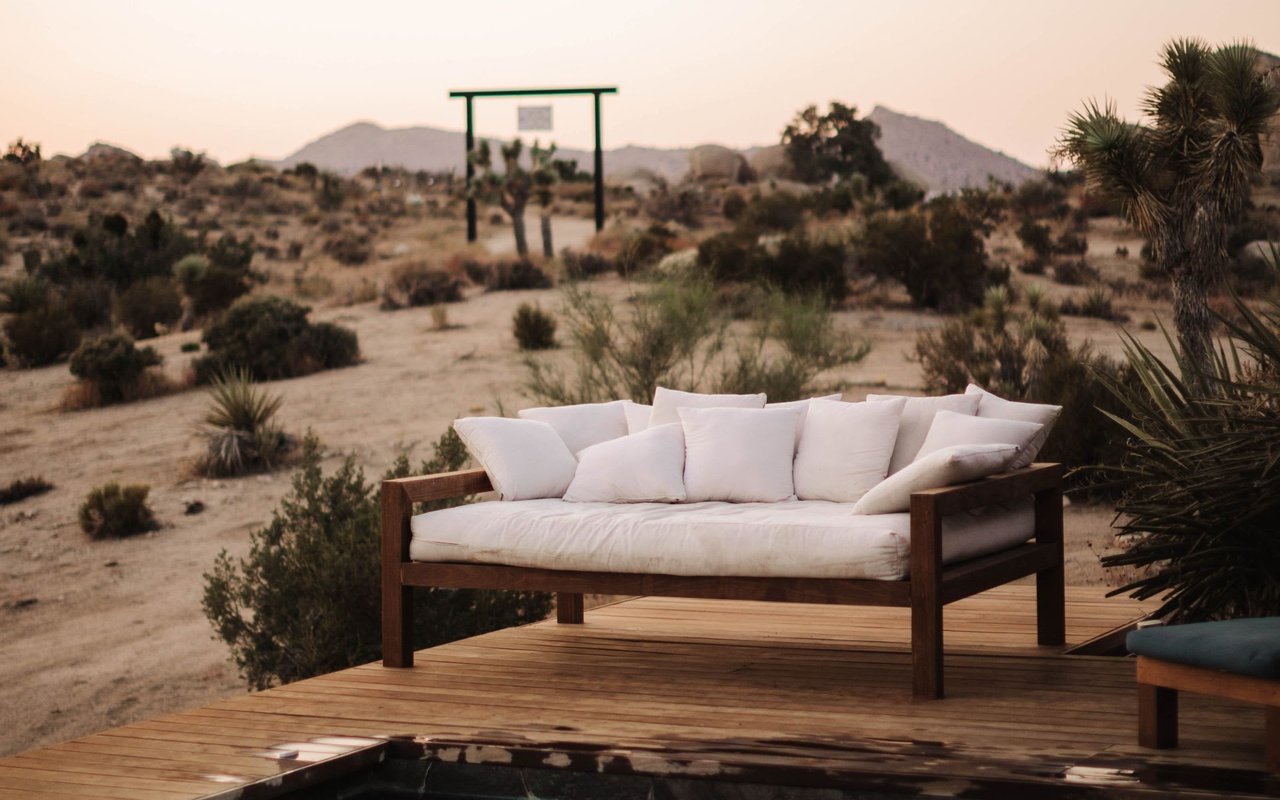
- The Sonoran Desert palette creates visual coherence: The warm tones of the desert — tan, rust, sage, charcoal — are restful in a way high-contrast environments are not. Homes that reference this palette feel like they belong, which produces a sense of rightness that shapes how buyers receive everything that follows.
- Silence registers as safety: The relative quiet of Desert Mountain's high desert setting activates the sense of refuge that people have always associated with protected, elevated terrain.
Architectural Language and Visual Consistency
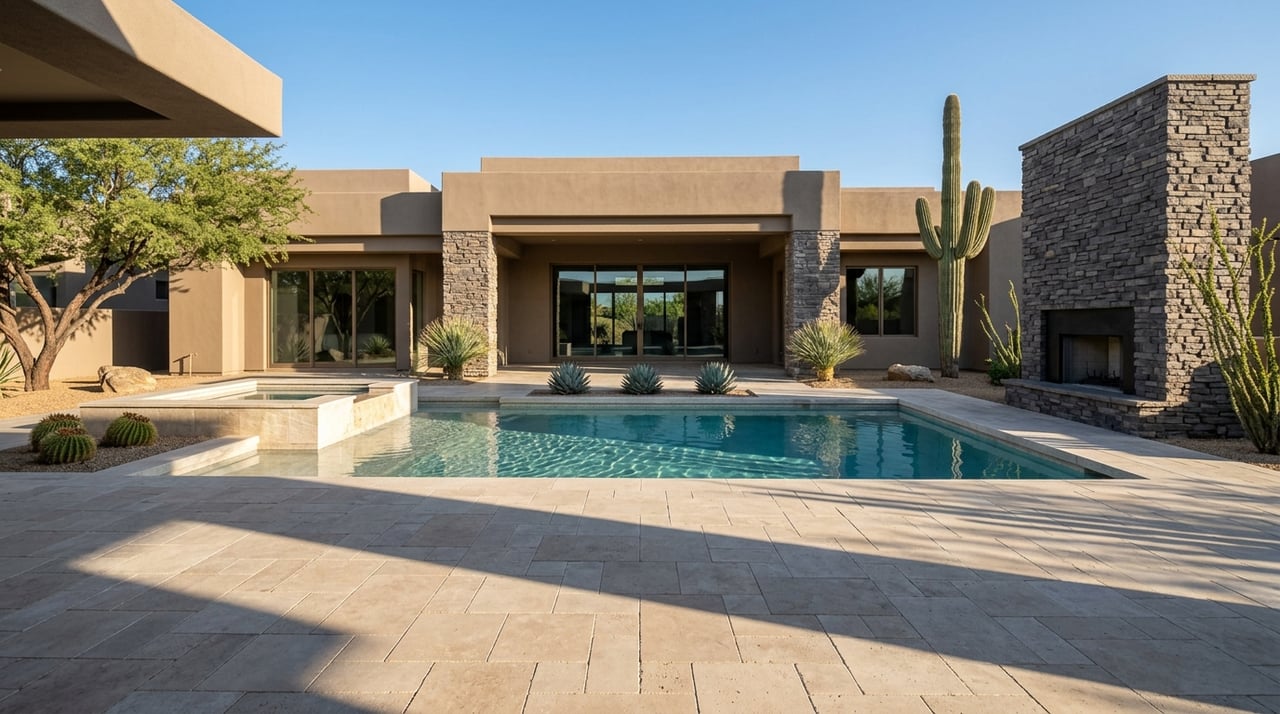
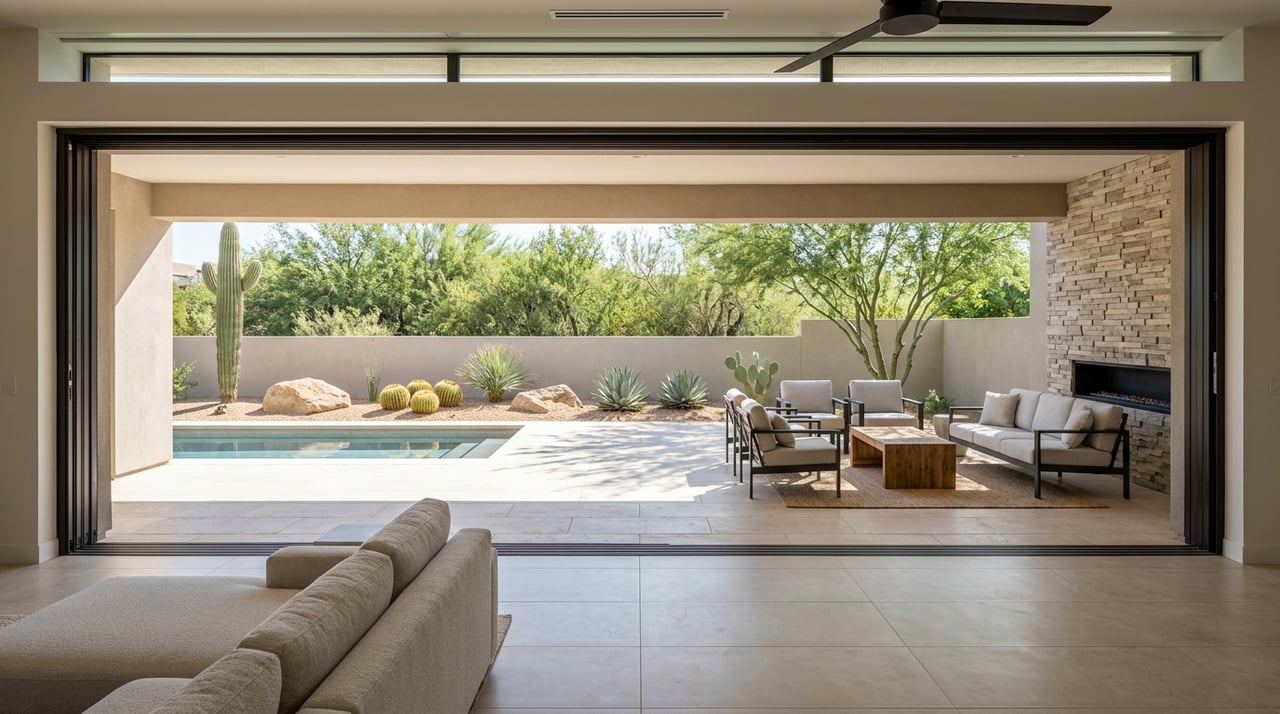
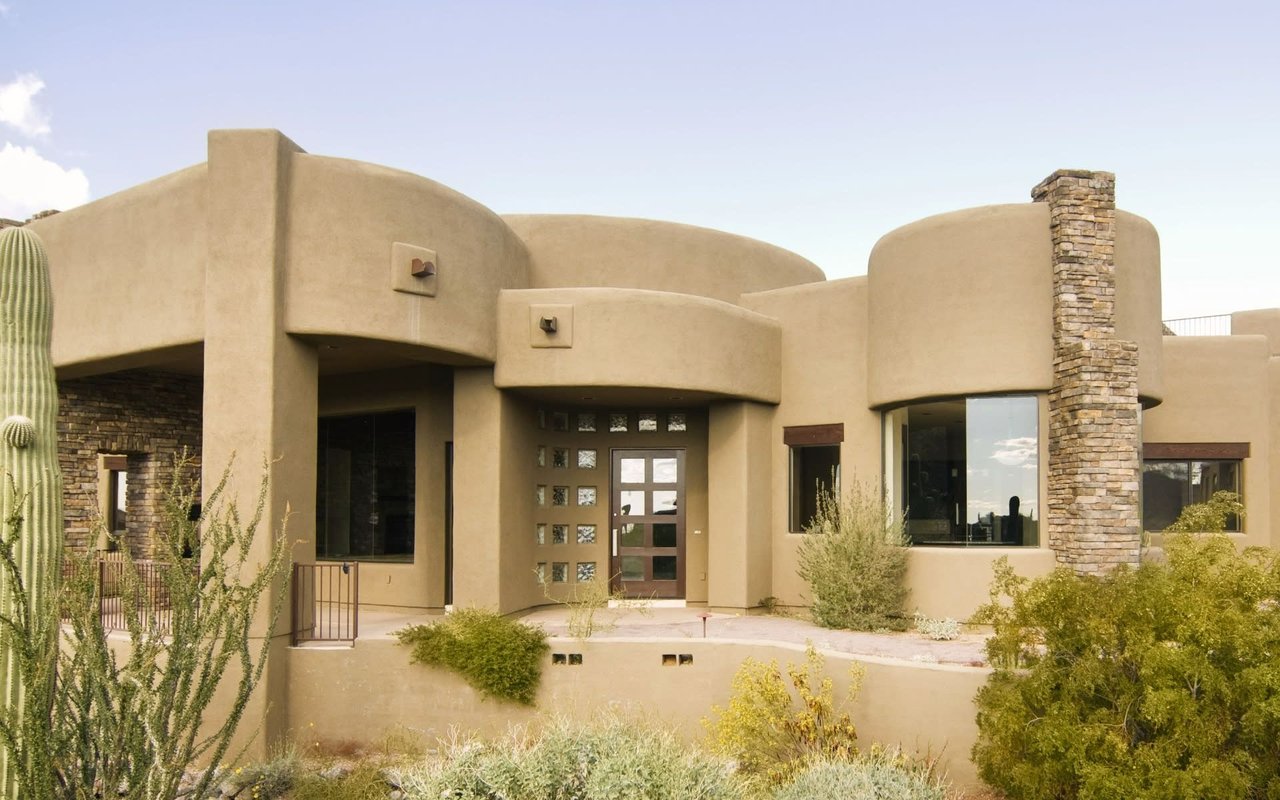
Desert Mountain maintains design standards that ensure homes across its villages hold a coherent relationship with the landscape — different in style and scale, but consistent in their use of natural materials and site-responsive design. That consistency is itself a curb appeal driver, because it means no single property has to carry the visual argument alone.
The architectural elements that drive curb appeal here:
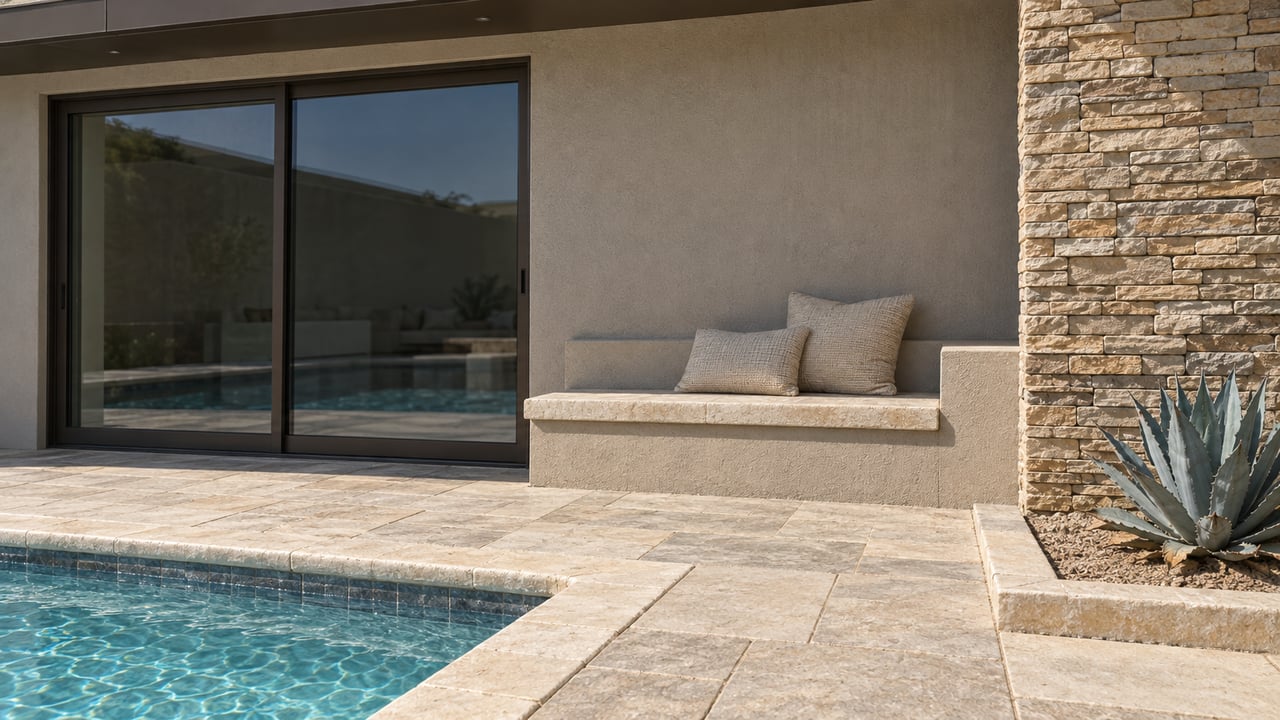
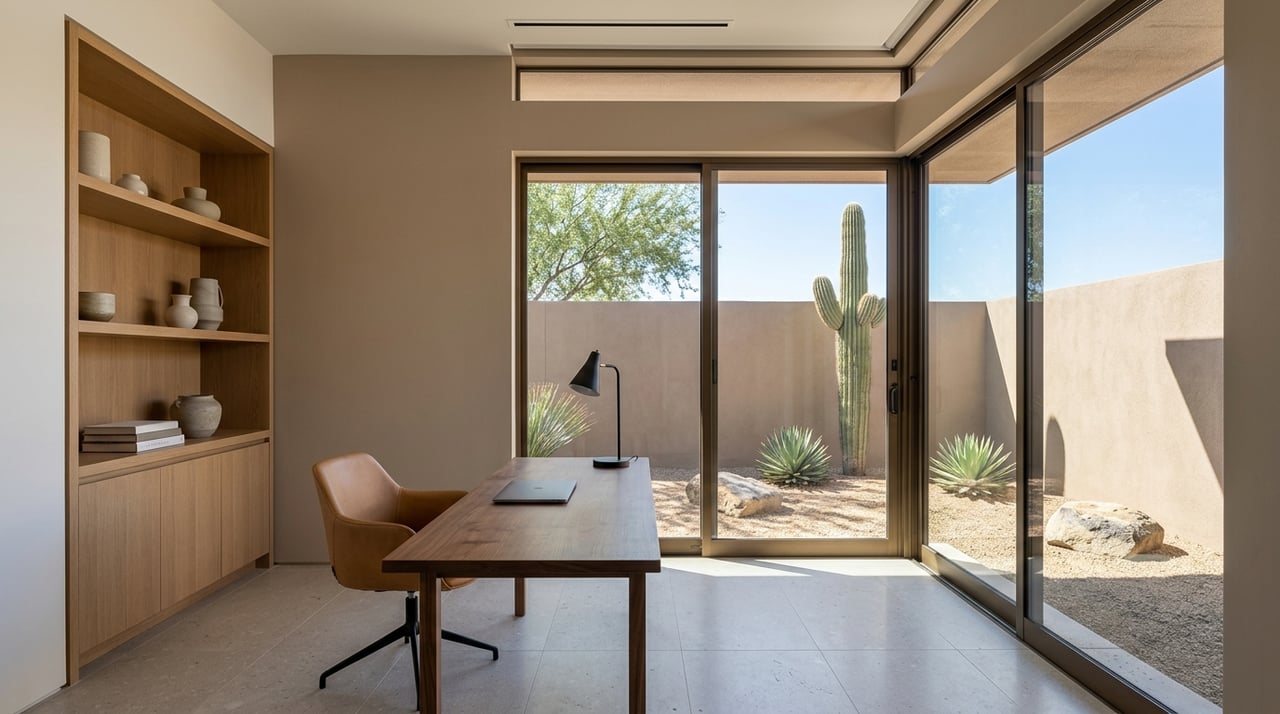
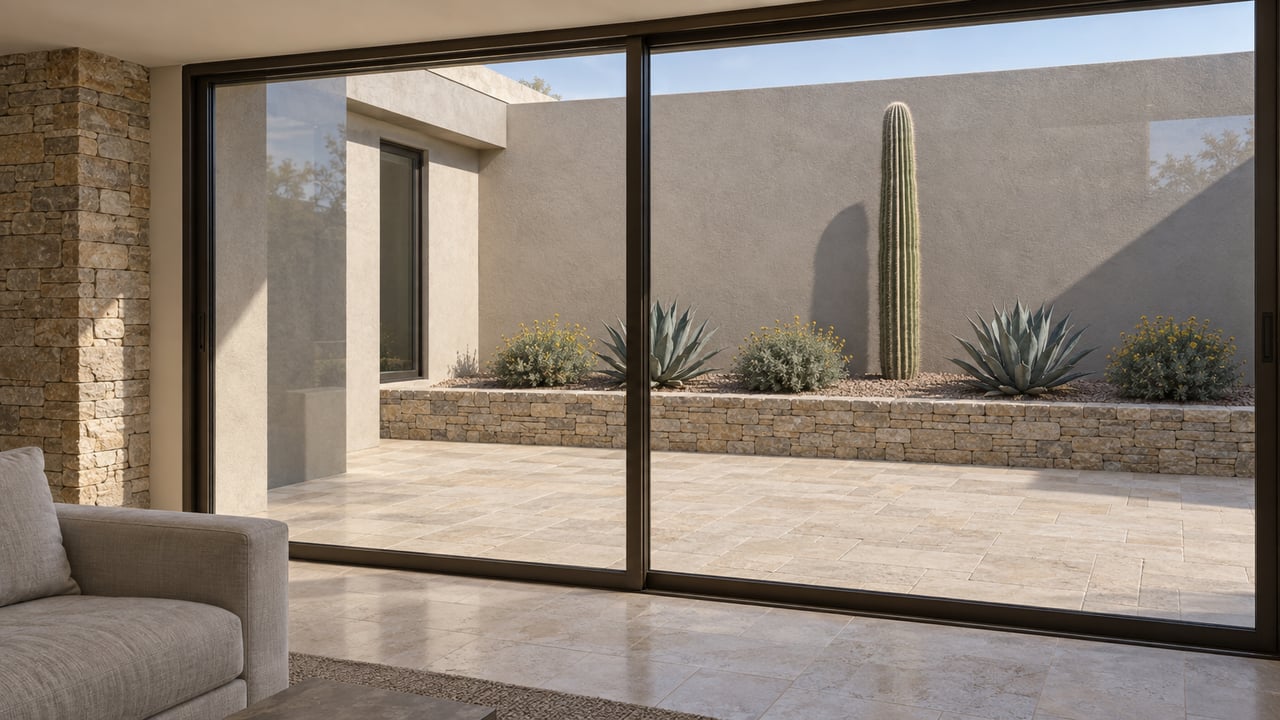
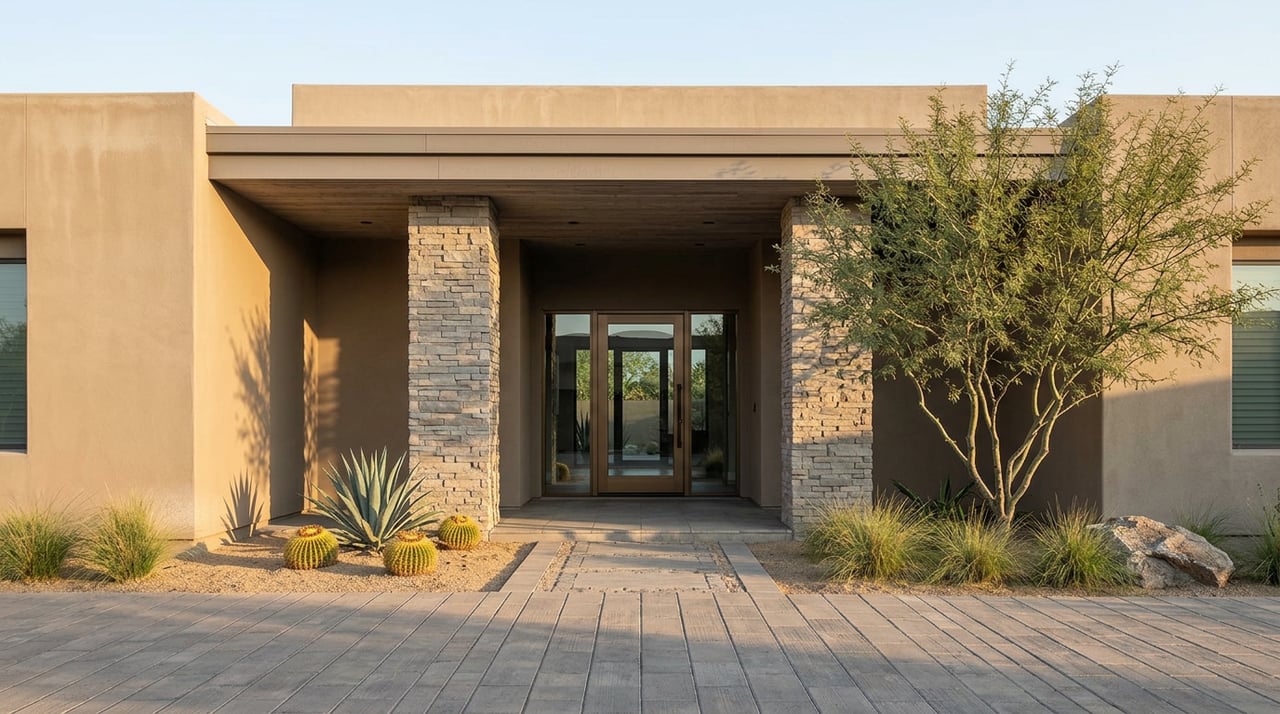
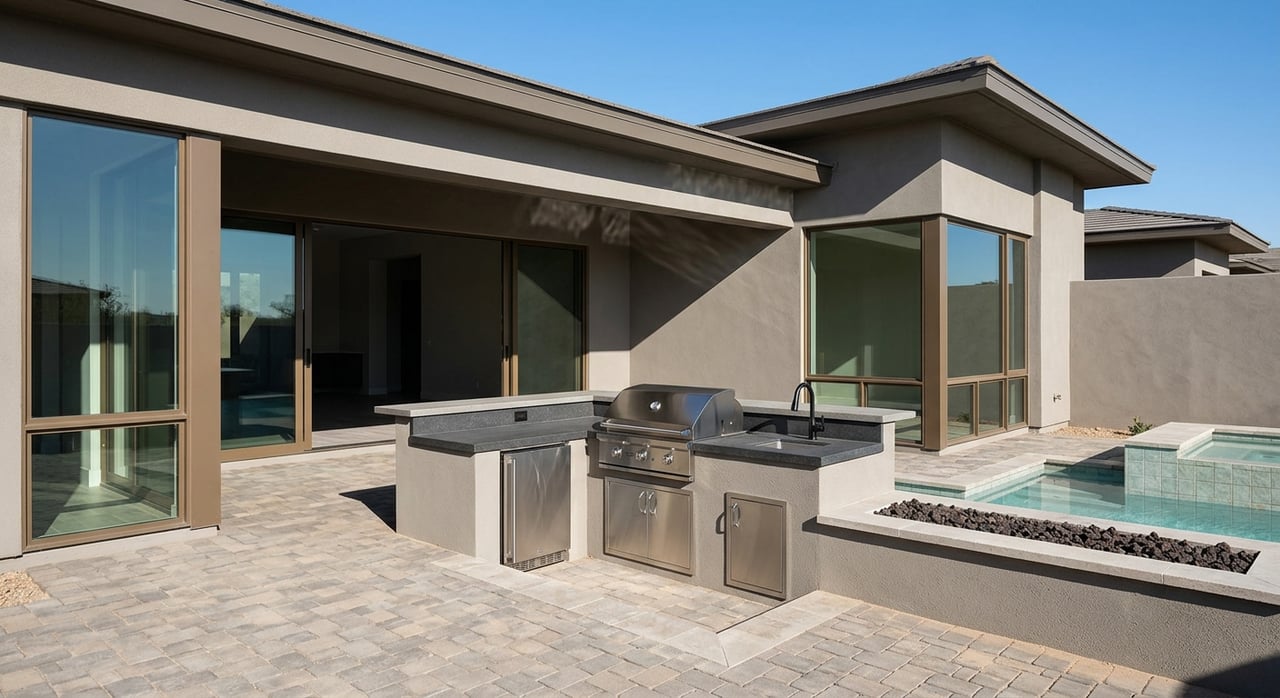
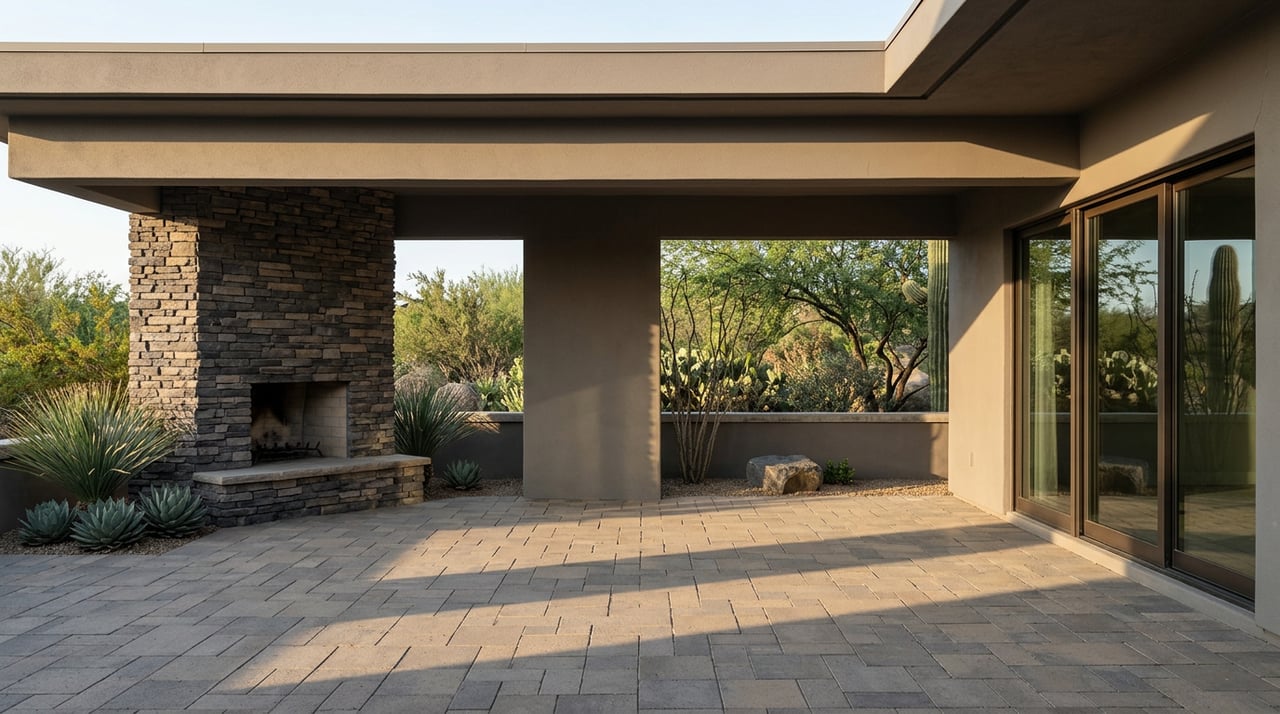
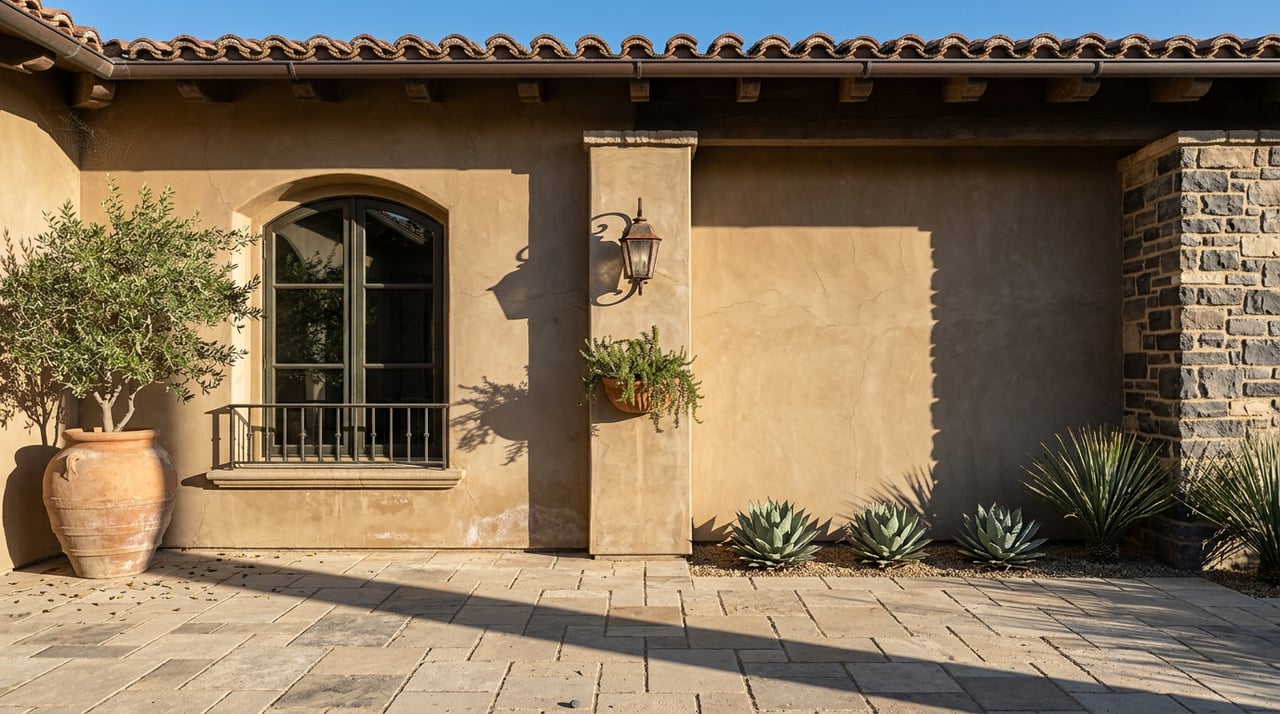
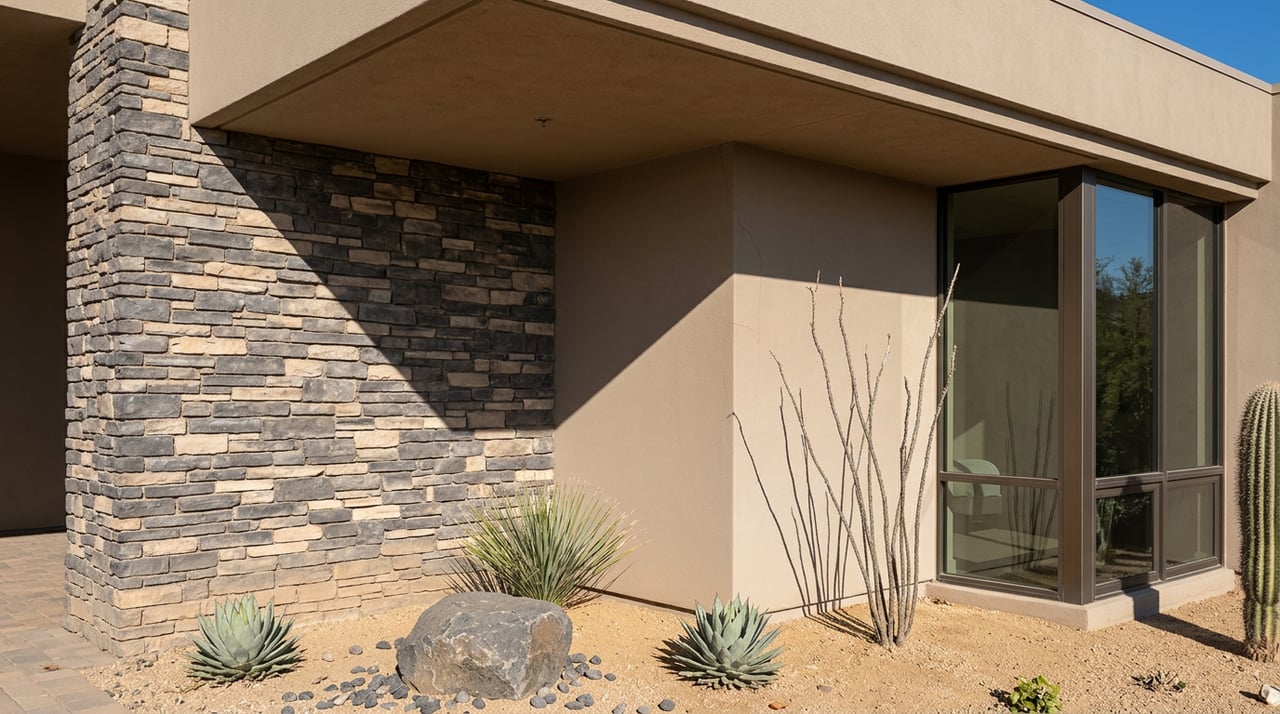
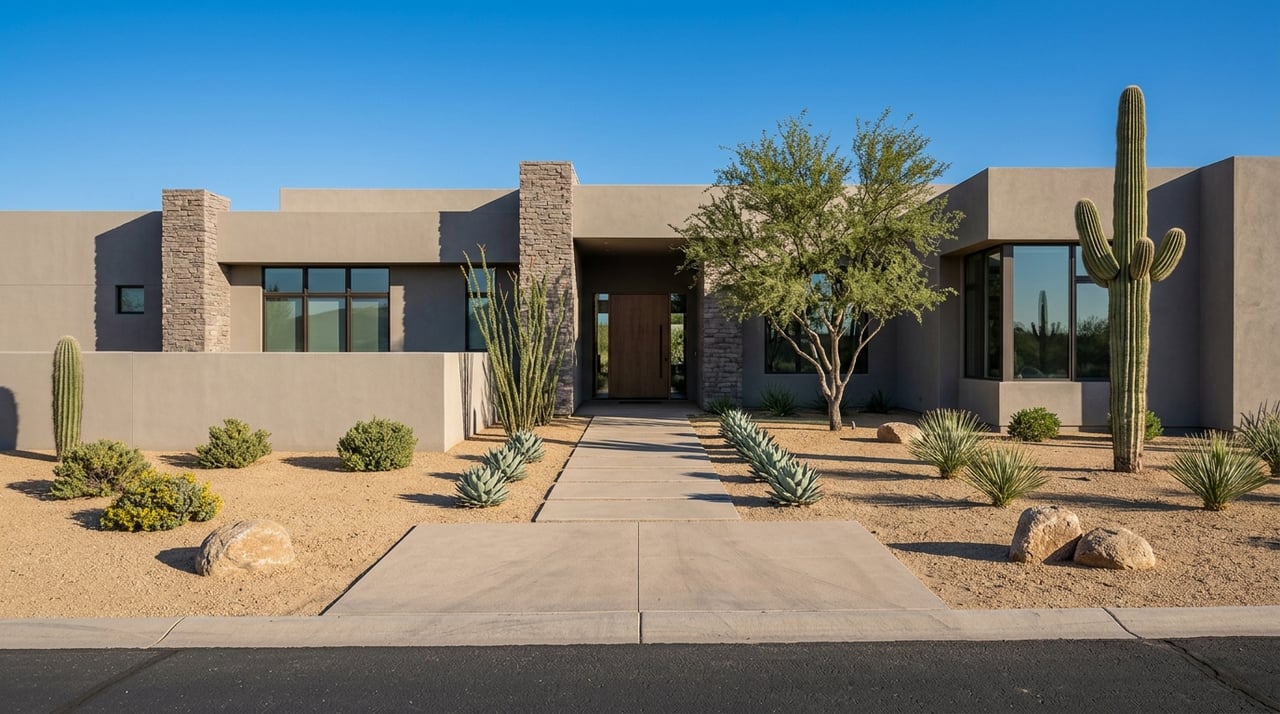
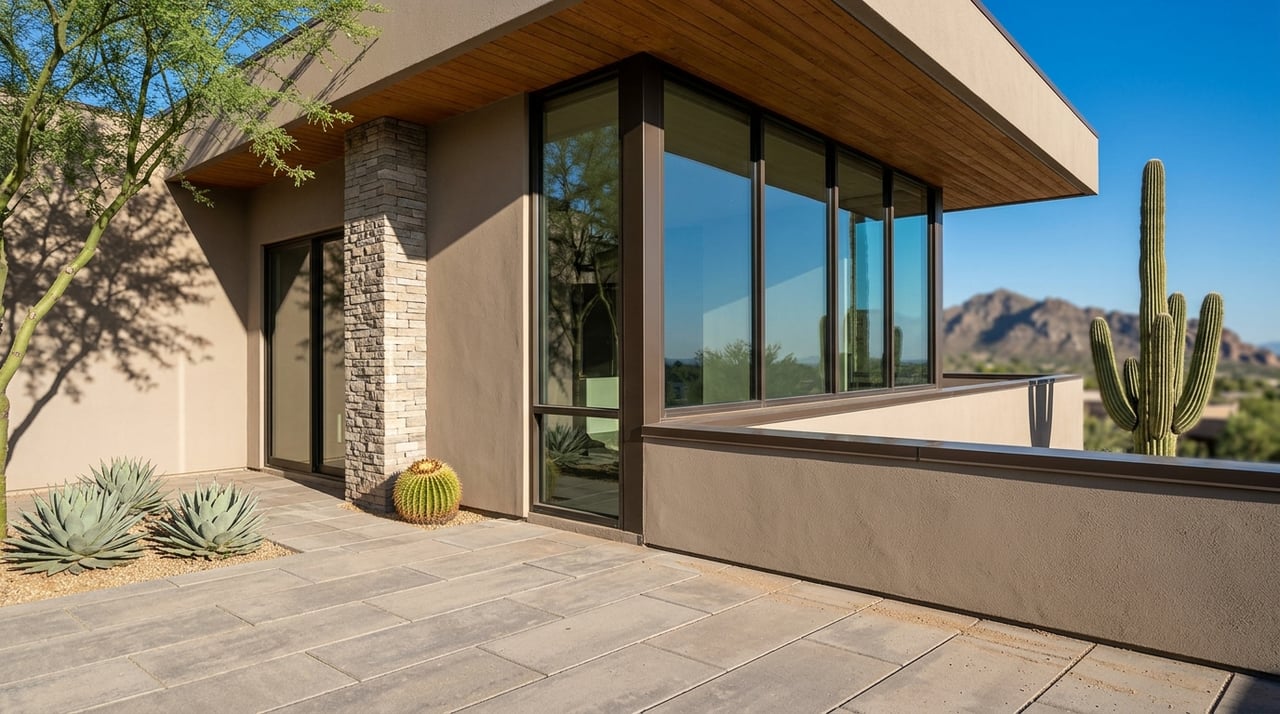
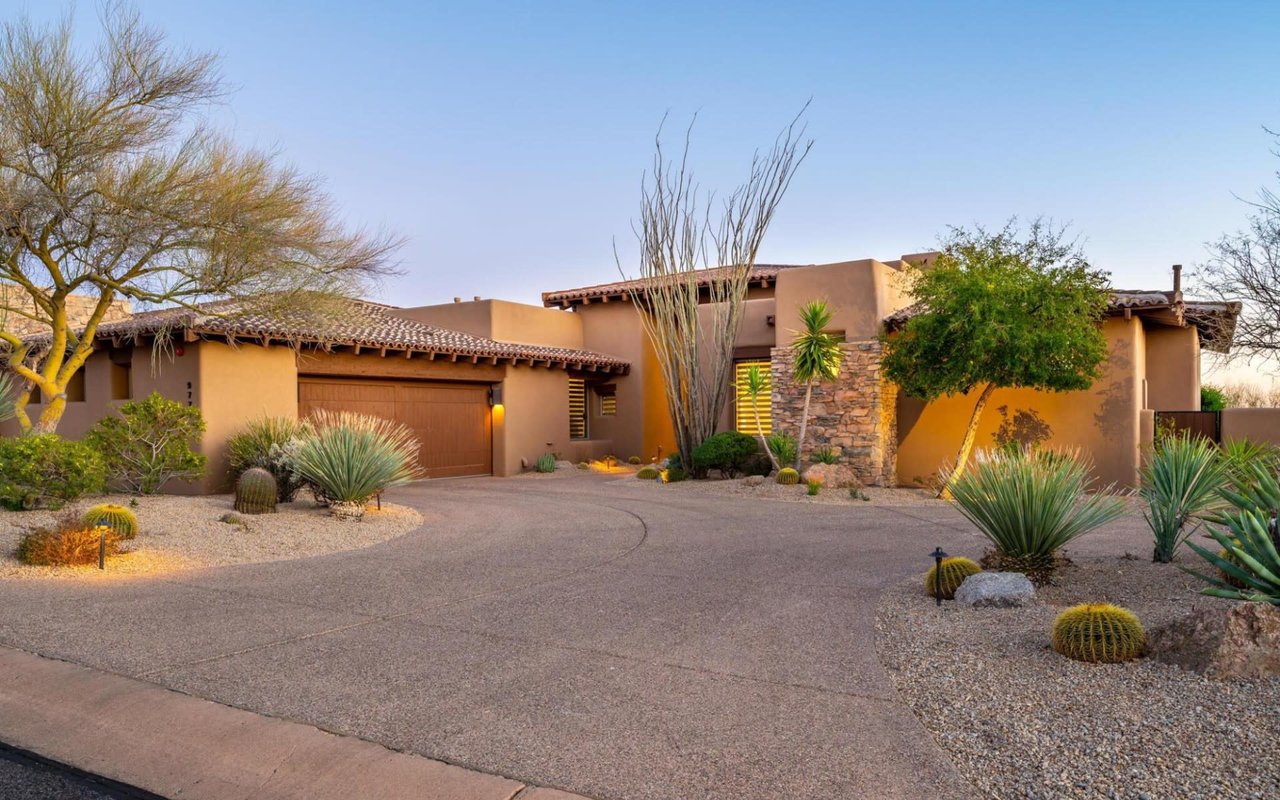
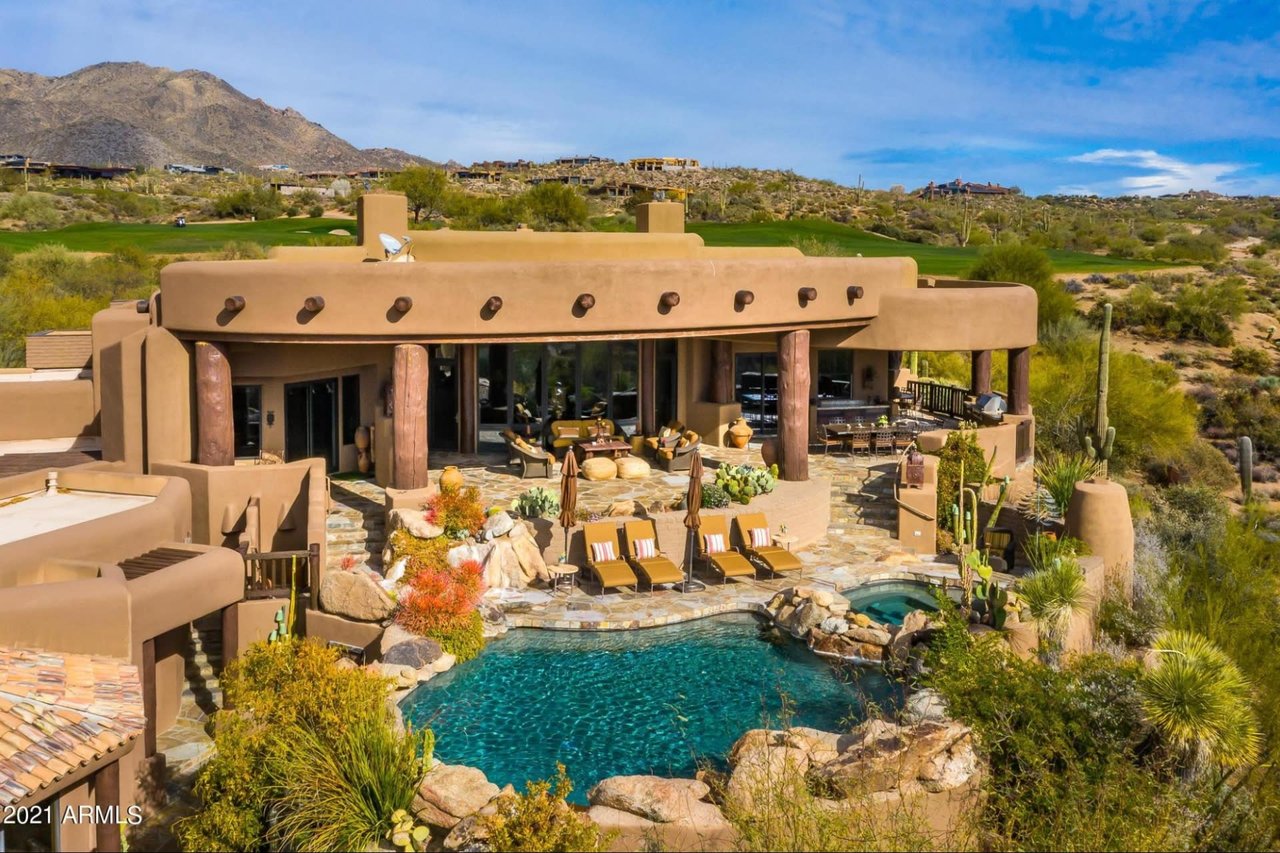
- Material authenticity: Stone, stucco, wood, and metal that reference the desert rather than contrast with it create a visual continuity between home and landscape. Buyers read this as quality and permanence.
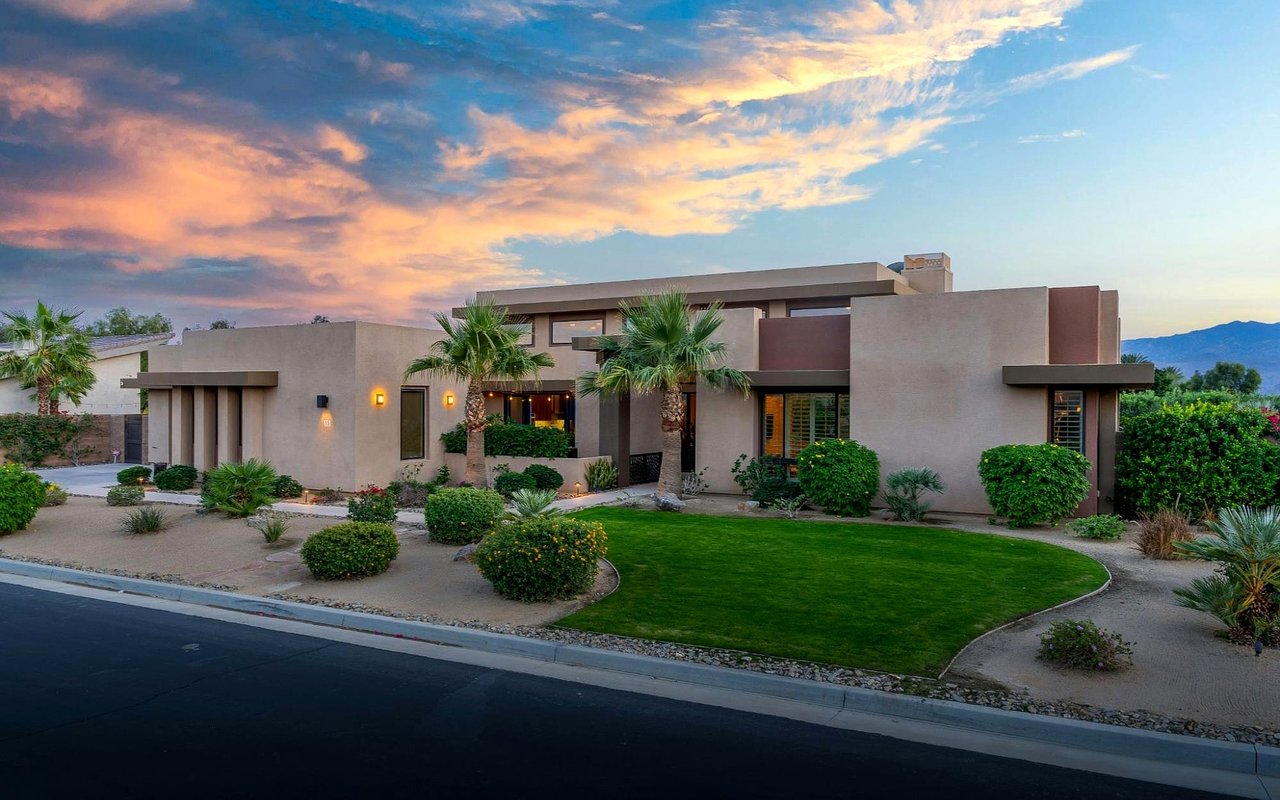
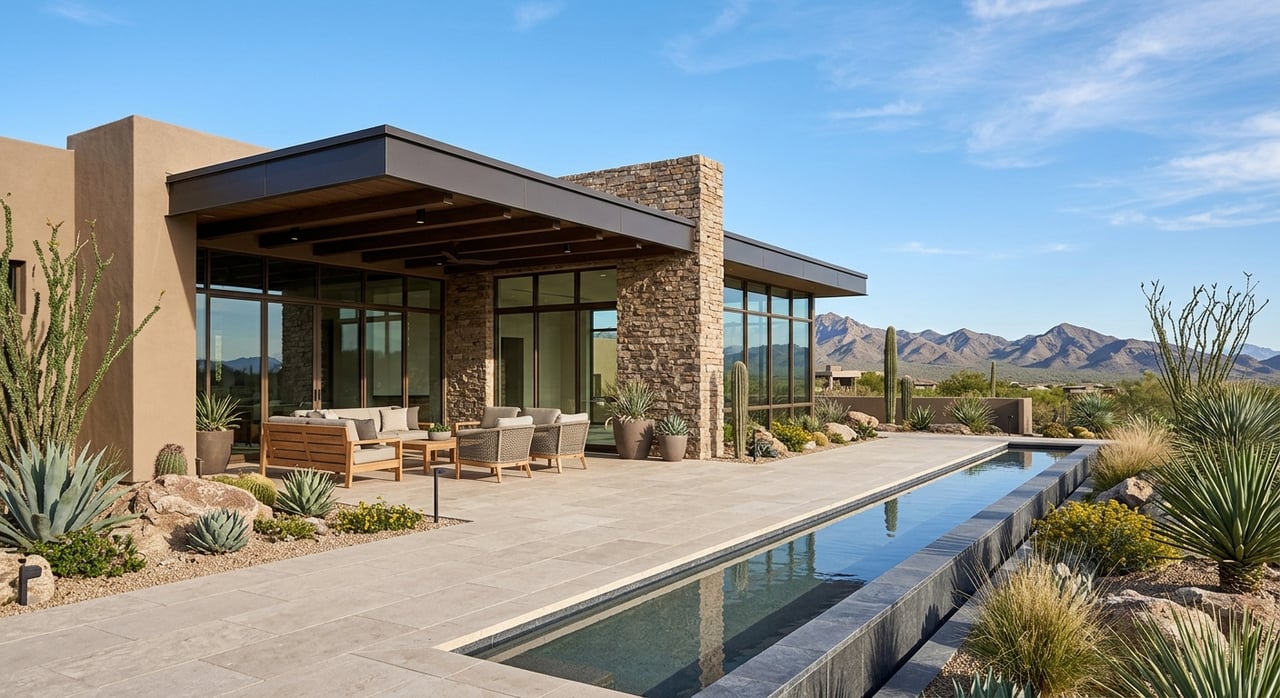
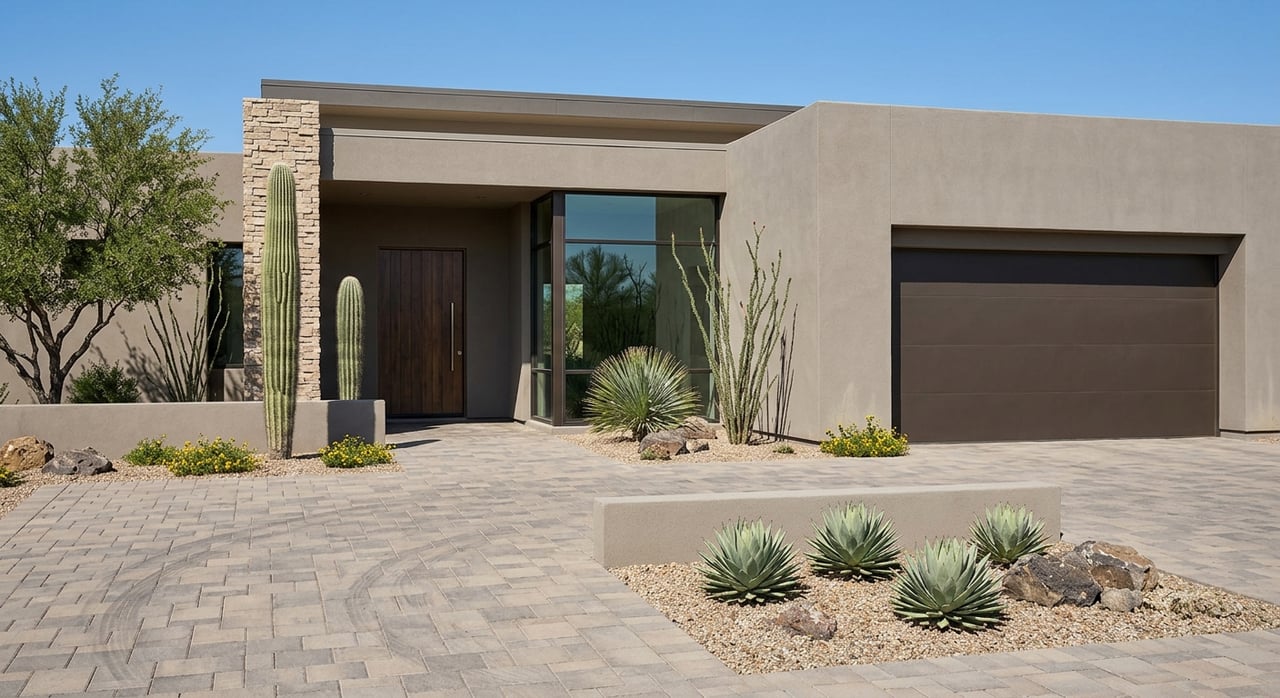
- Horizontal massing: Desert Mountain homes tend toward horizontal lines that echo the layered geology of the Sonoran terrain. This silhouette reads as grounded and confident.
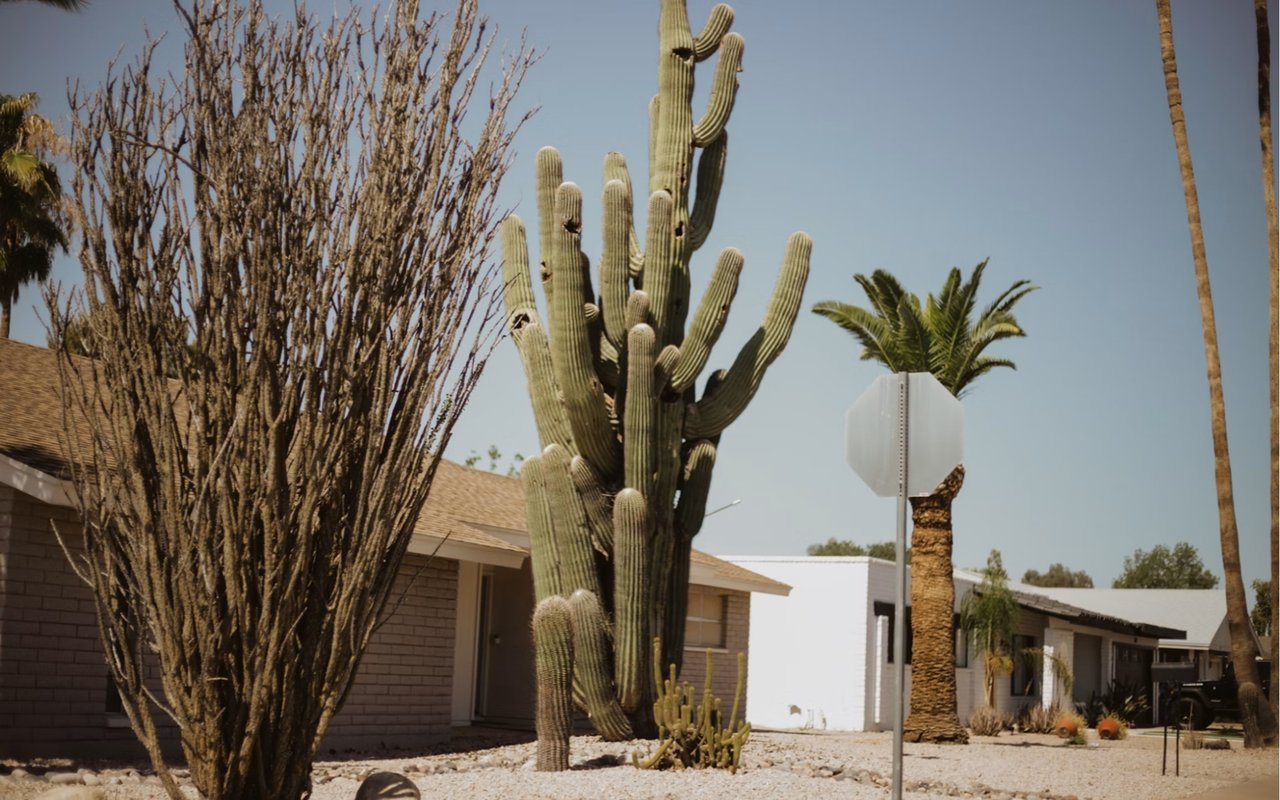
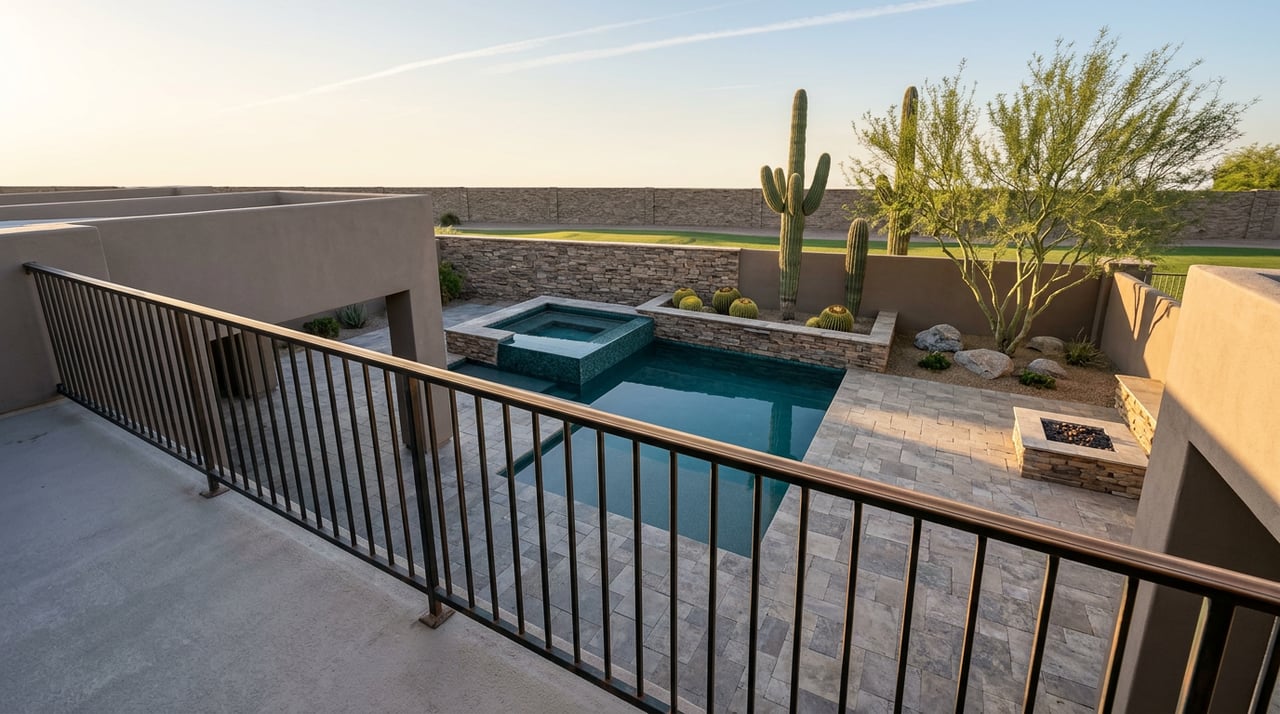
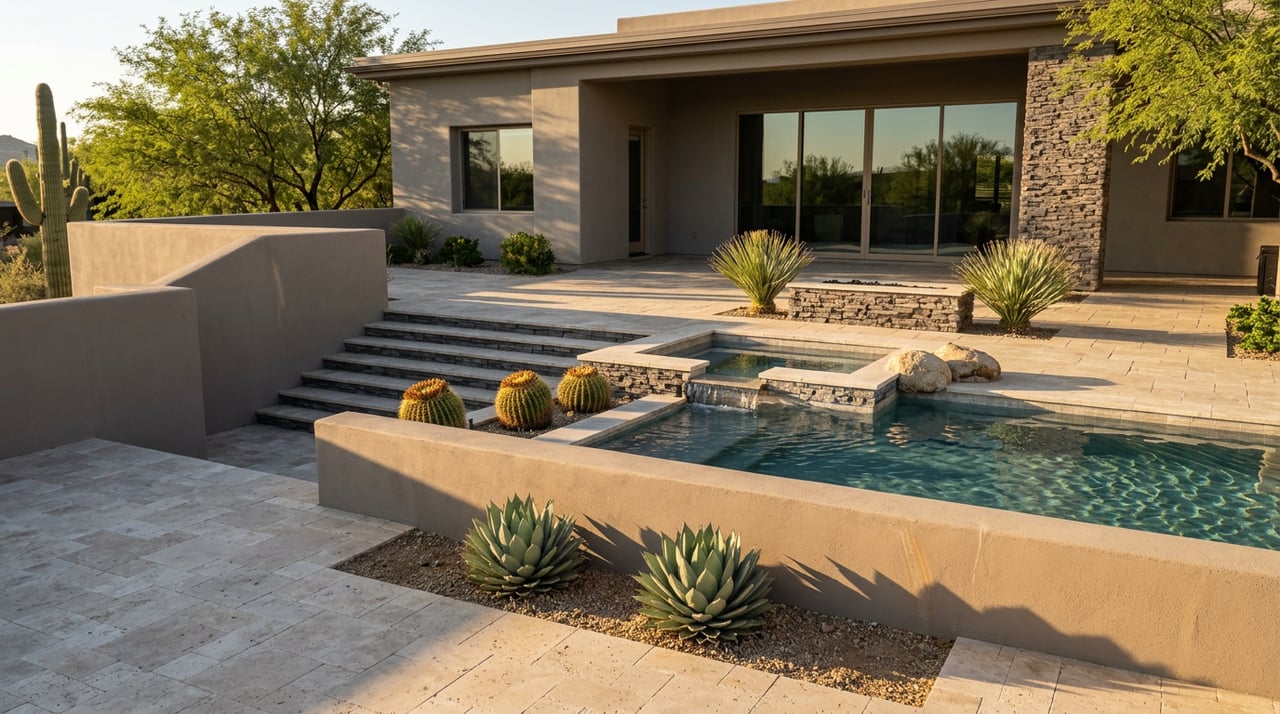
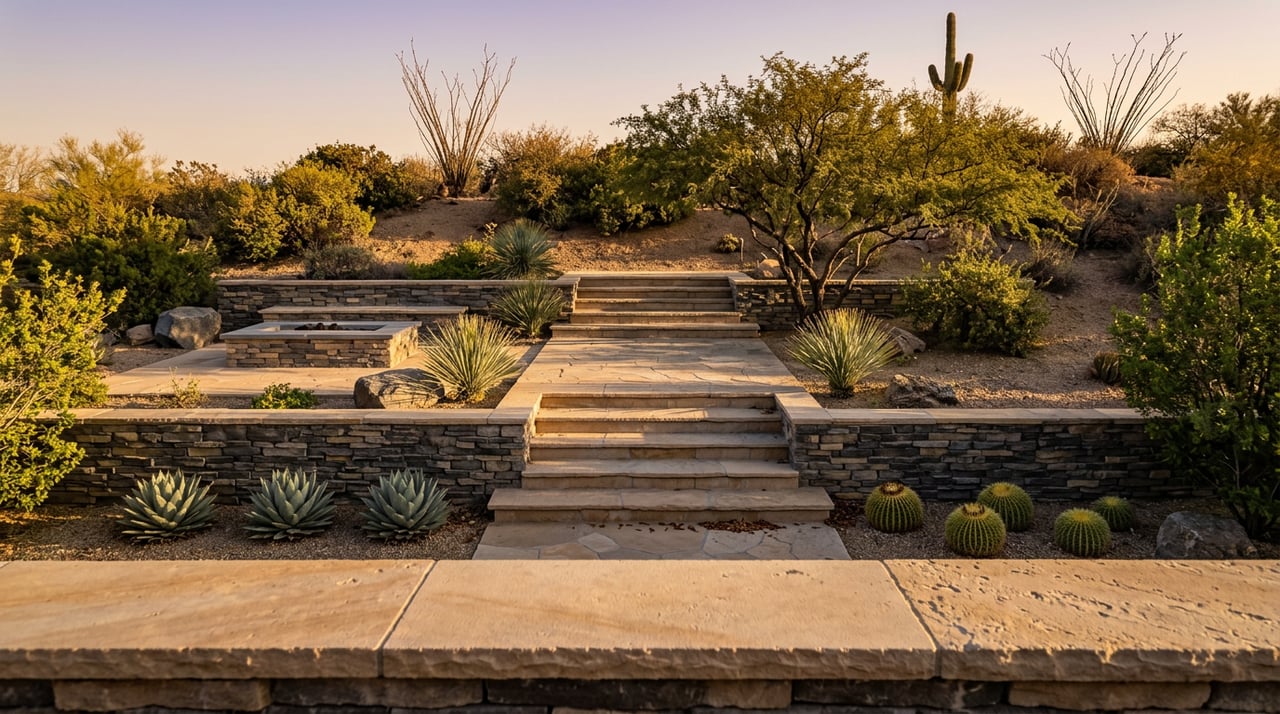
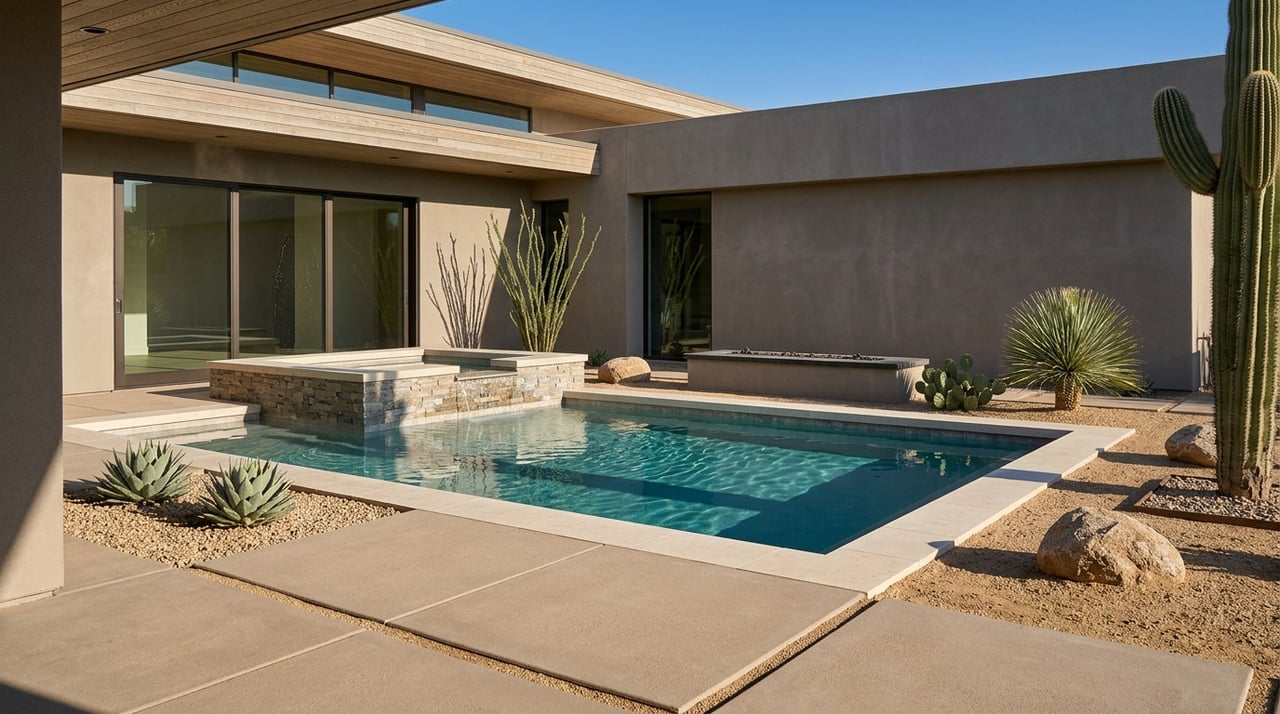
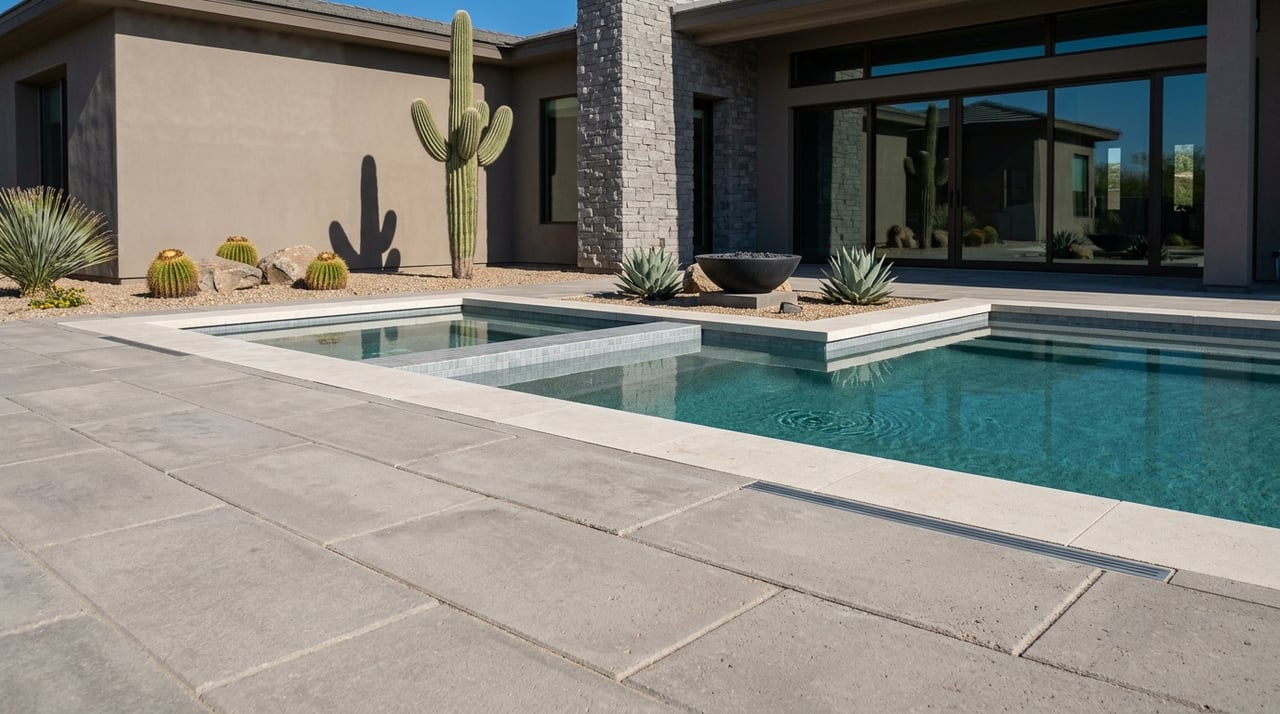
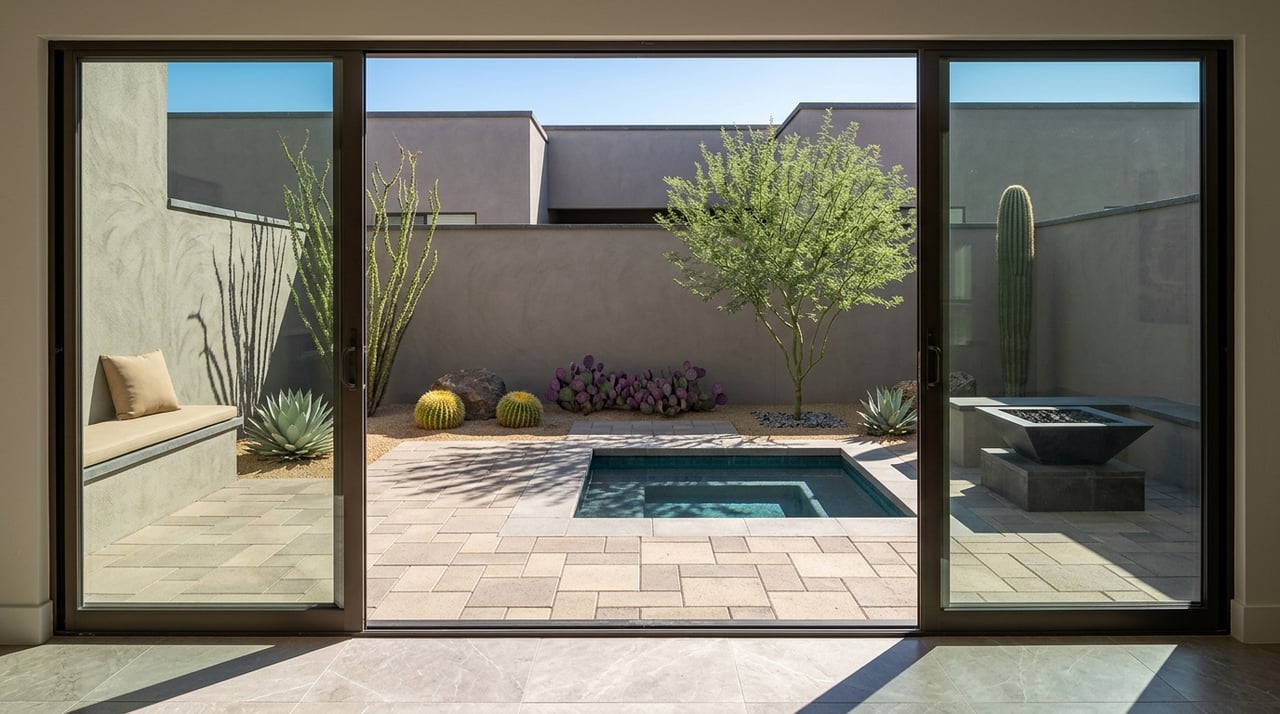
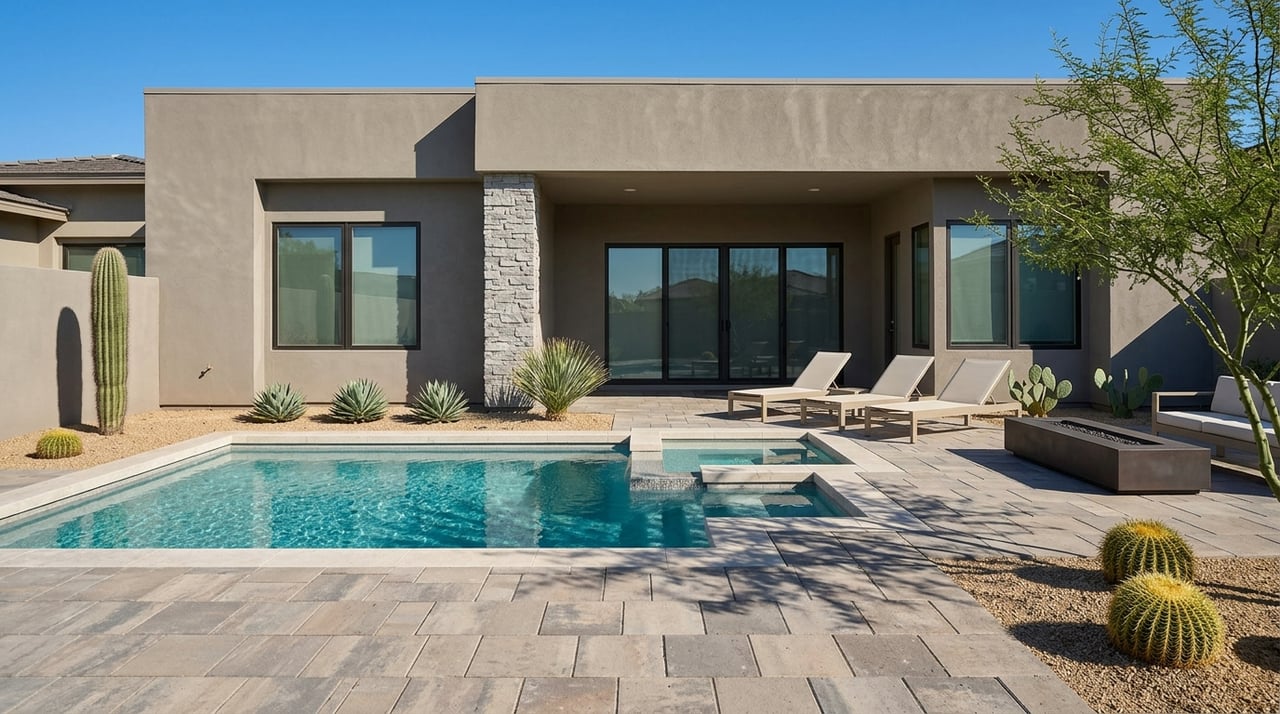
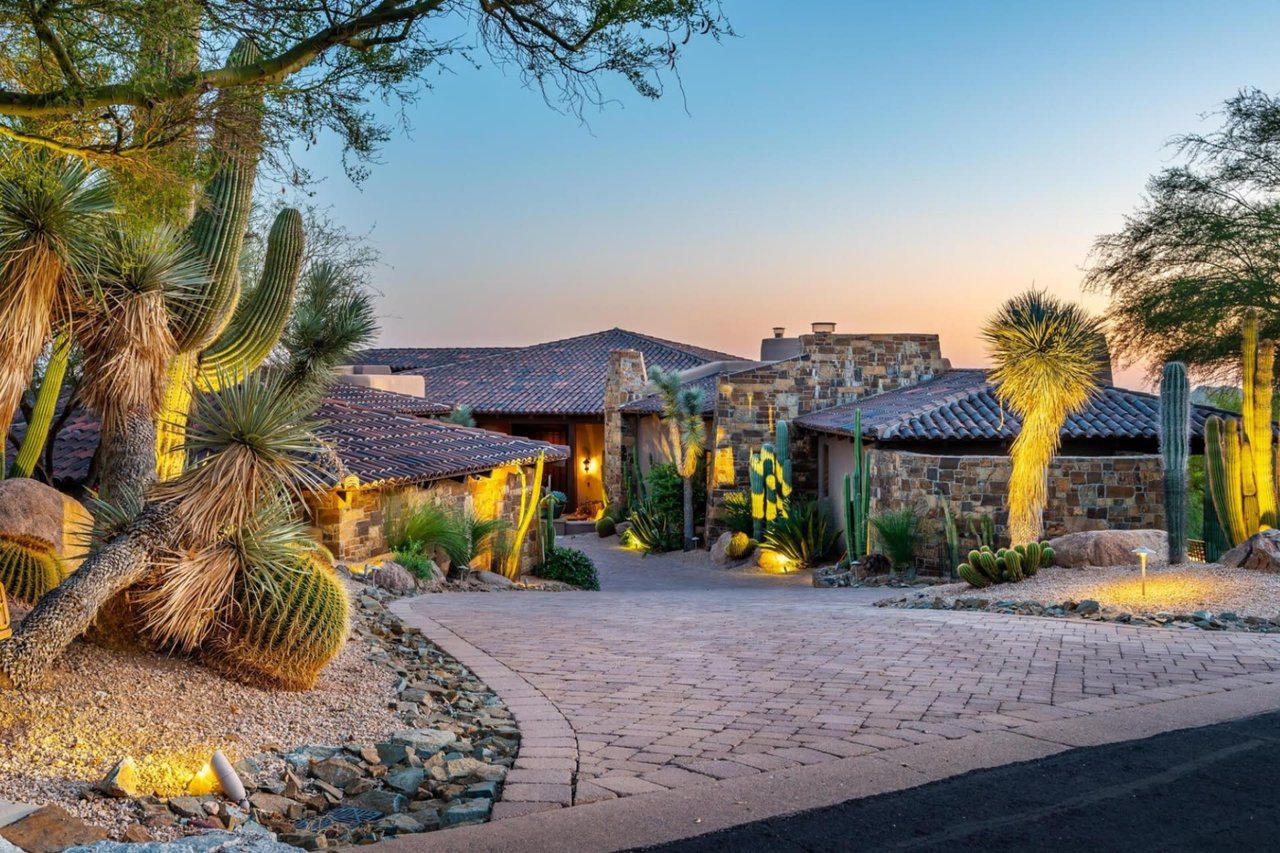
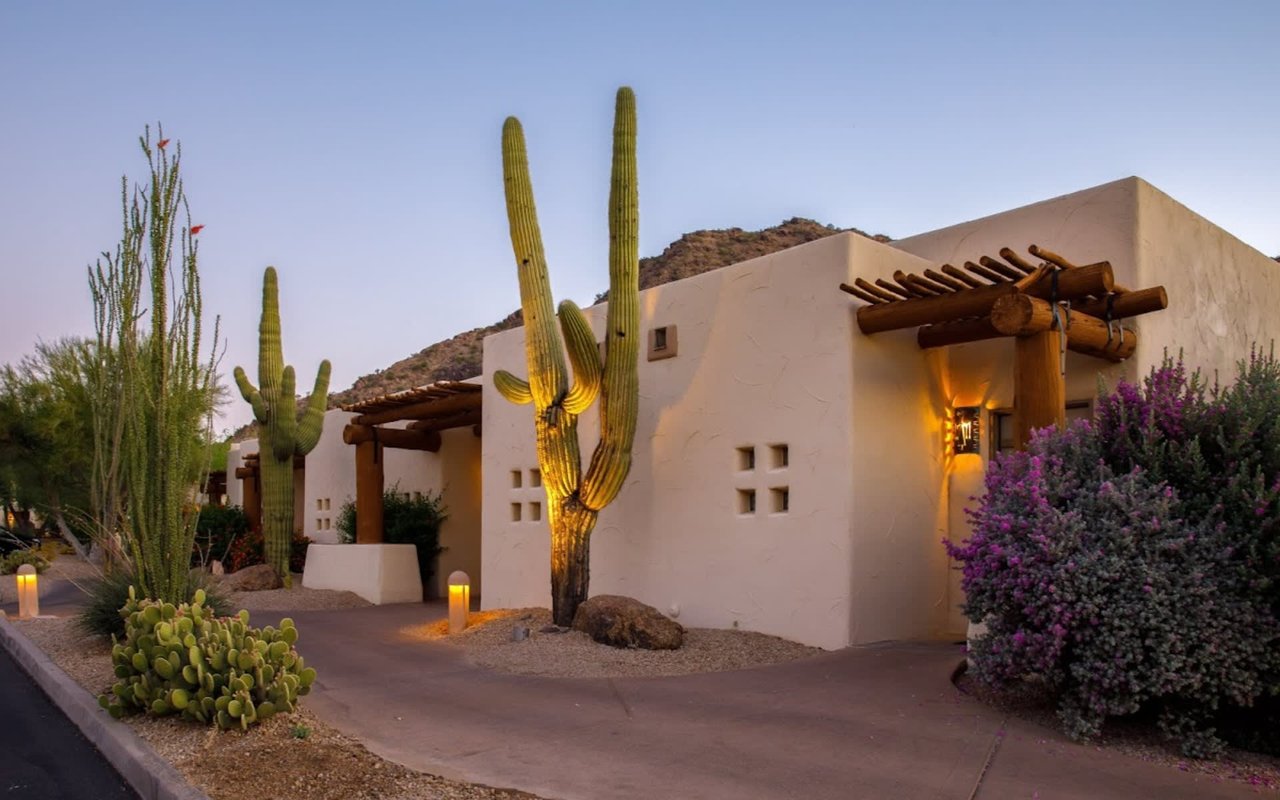
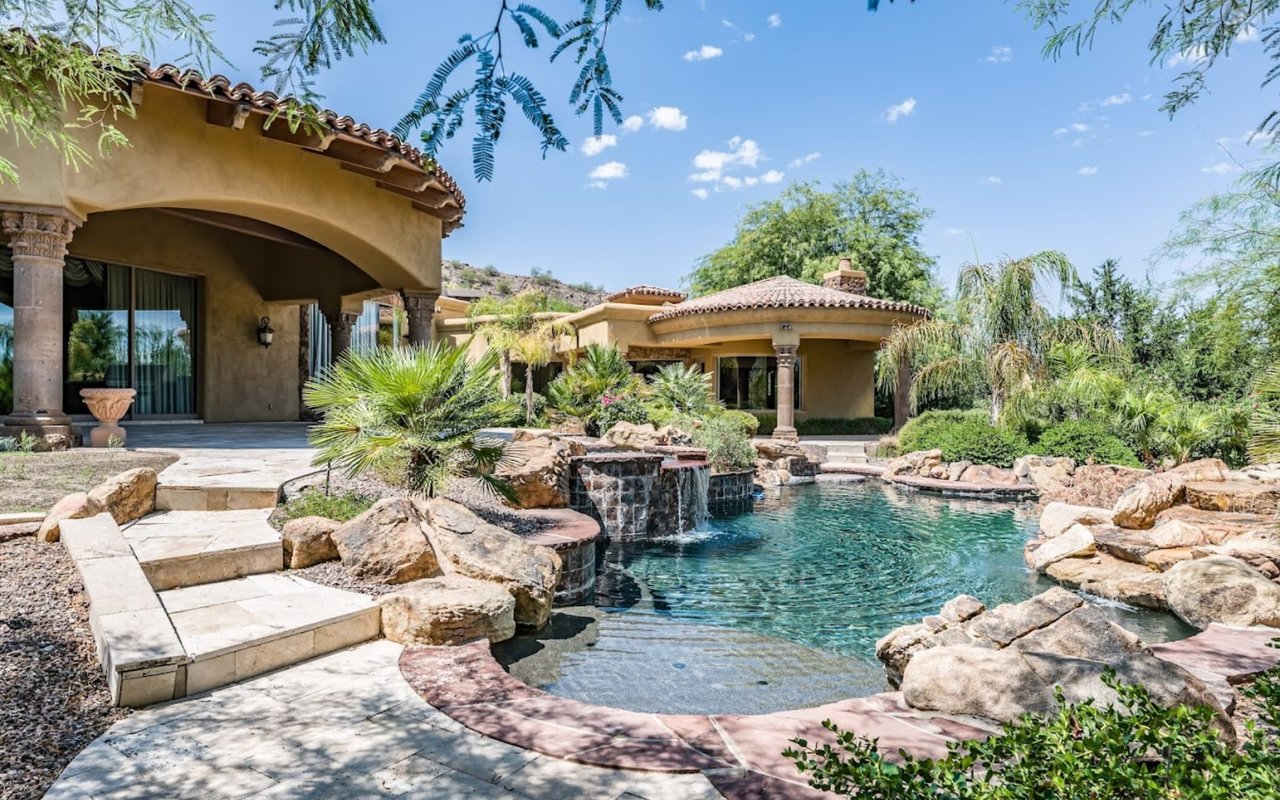
- Landscape integration: The strongest curb appeal in Desert Mountain comes from homes where the built environment and the natural desert are not in competition. The HOA requires native and approved desert plantings (decomposed granite, natural grade changes, and HOA-approved trees) and prohibits landscaping that falls outside these standards. Homes that honor this framework consistently outperform those that don't in buyer response, and for good reason: the desert setting is the asset.
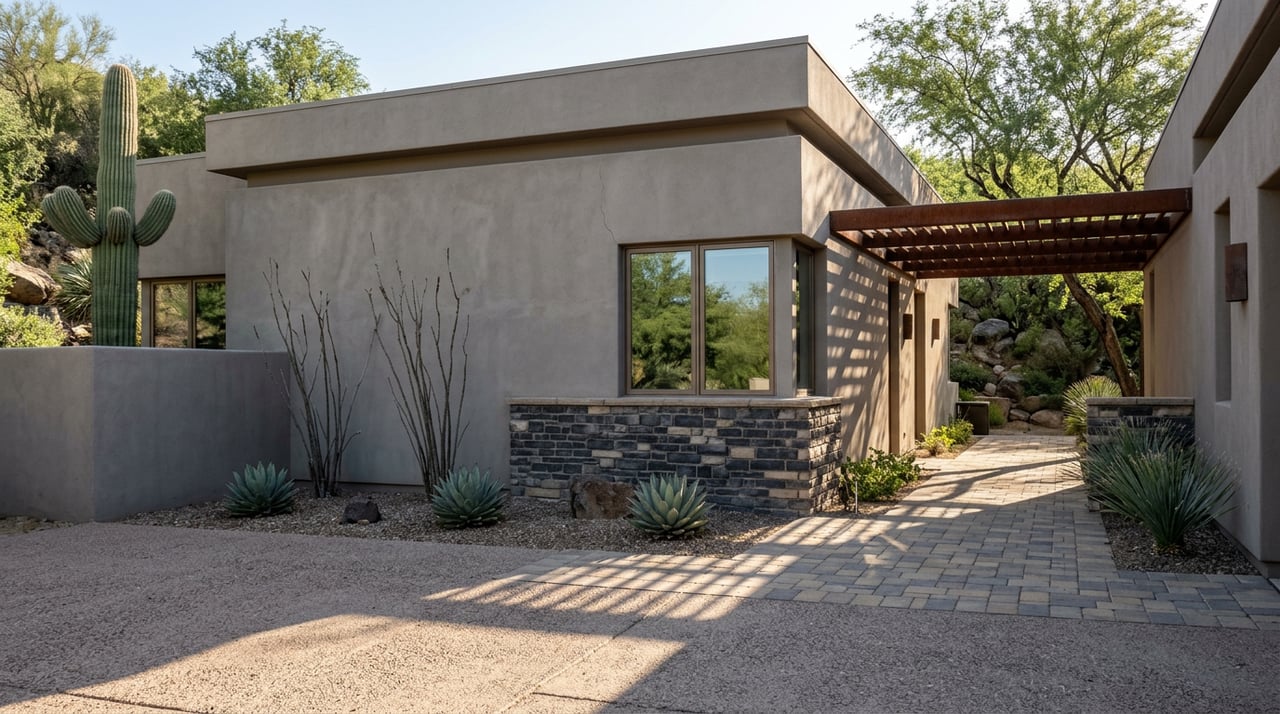
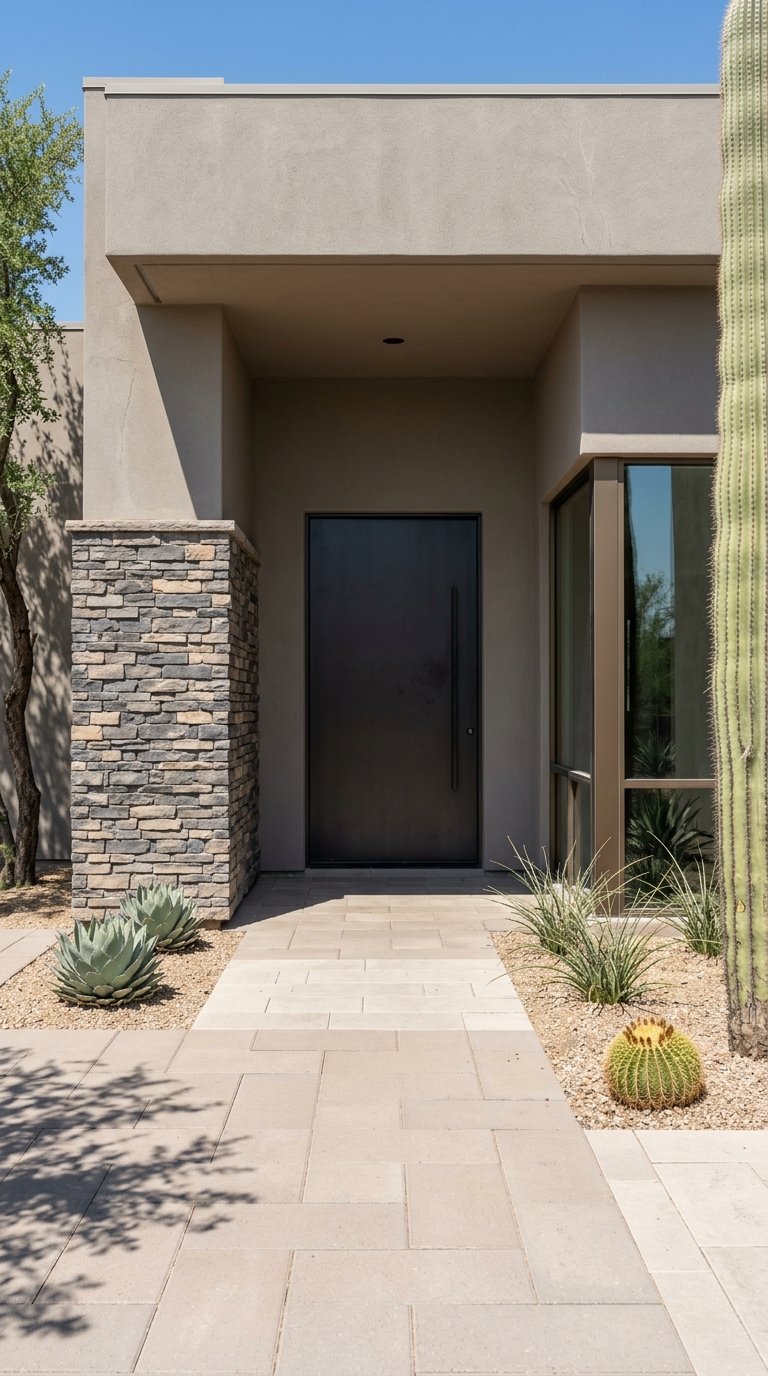
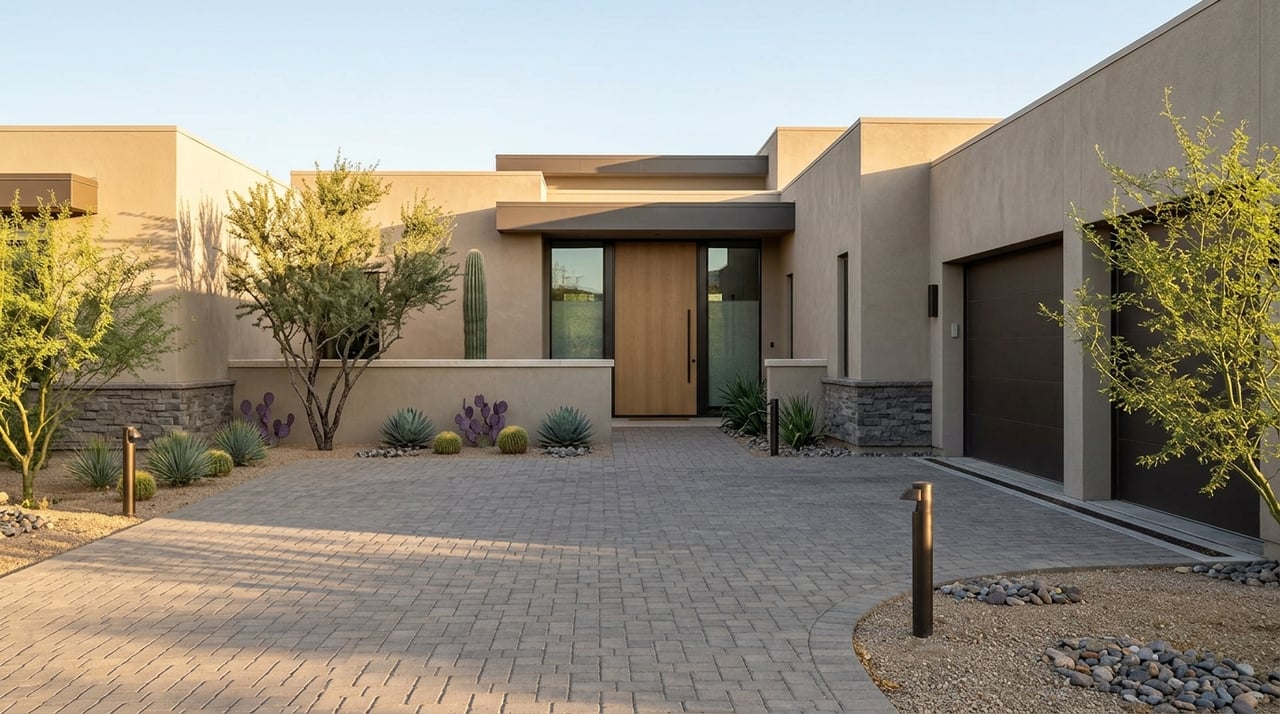
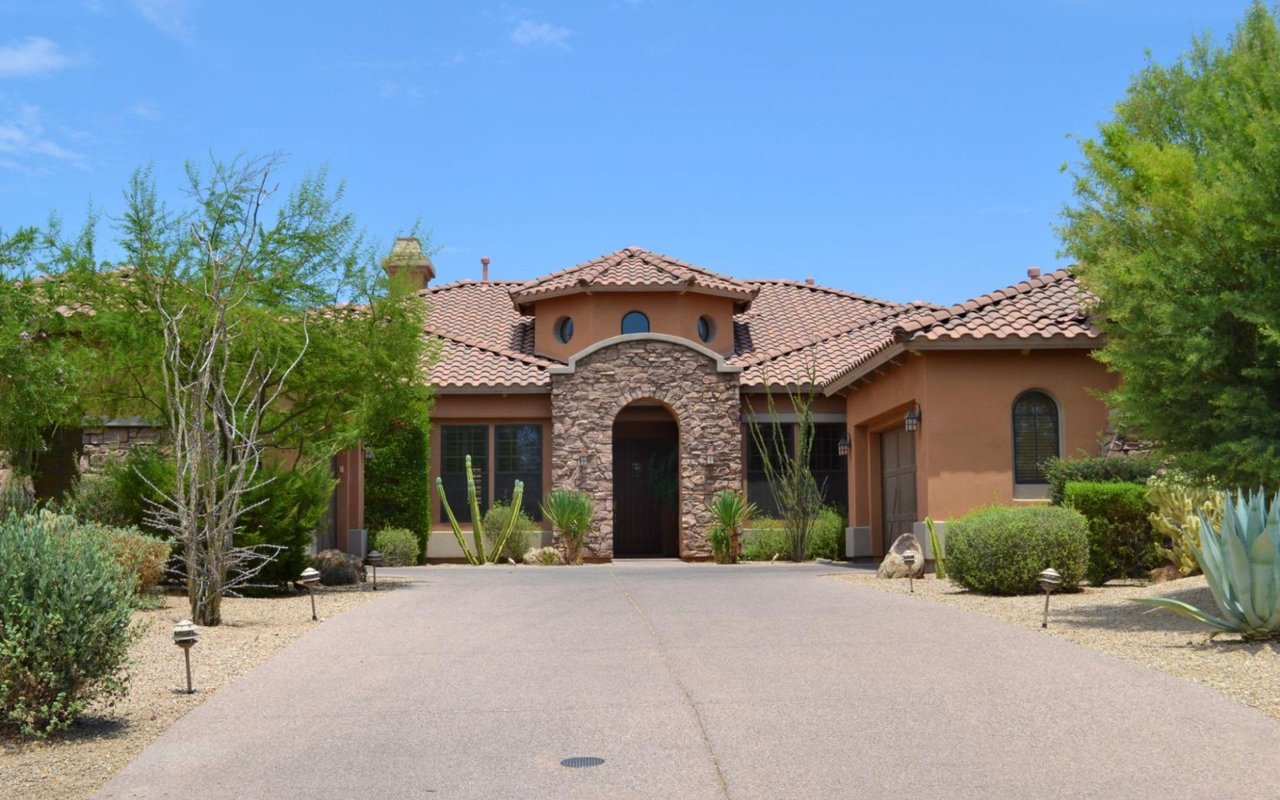
- Entry sequence: The approach to a home (the driveway grade, the motor court, the front door relationship to the surrounding desert) creates a narrative before the buyer steps inside. A considered entry sequence generates stronger emotional engagement from the moment of arrival.
What Sellers Should Prioritize Before Listing
In the Desert Mountain market, where homes regularly transact between $1.5M and $20M-plus, curb appeal is a financial concern, not a cosmetic one. Buyers at this price point make significant emotional decisions in the first 90 seconds of approaching a property, and those decisions shape how they receive the interior, the amenities, and the asking price.
One dimension sellers sometimes overlook is HOA compliance. Desert Mountain's HOA conducts an inspection at the time of sale and will cite any violations that must be corrected before closing. This includes landscaping that does not conform to community standards — citrus trees, for example, are not permitted, as they are not considered desert landscape. If a non-compliant planting exists on the property, the seller or buyer will be required to remove it and restore approved desert landscaping before or at closing. Sellers who address these issues proactively avoid delays and negotiating leverage that buyers can use when violations are discovered mid-transaction.
Pre-listing curb appeal priorities that move the needle:
- Exterior condition: Paint, stone, and stucco that are clean and intact read as well-maintained. Any visible deterioration activates buyer doubt about the home's overall condition before they walk through the door.
- Landscape health and compliance: Desert Mountain's HOA requires approved native and desert-adapted plantings, and non-compliant landscaping — including citrus trees and other non-desert species — will be flagged at the time of sale inspection. Sellers should audit their landscaping against HOA guidelines before listing and address any violations in advance. Well-maintained, approved plantings that are appropriately sized communicate care and present cleanly to buyers.
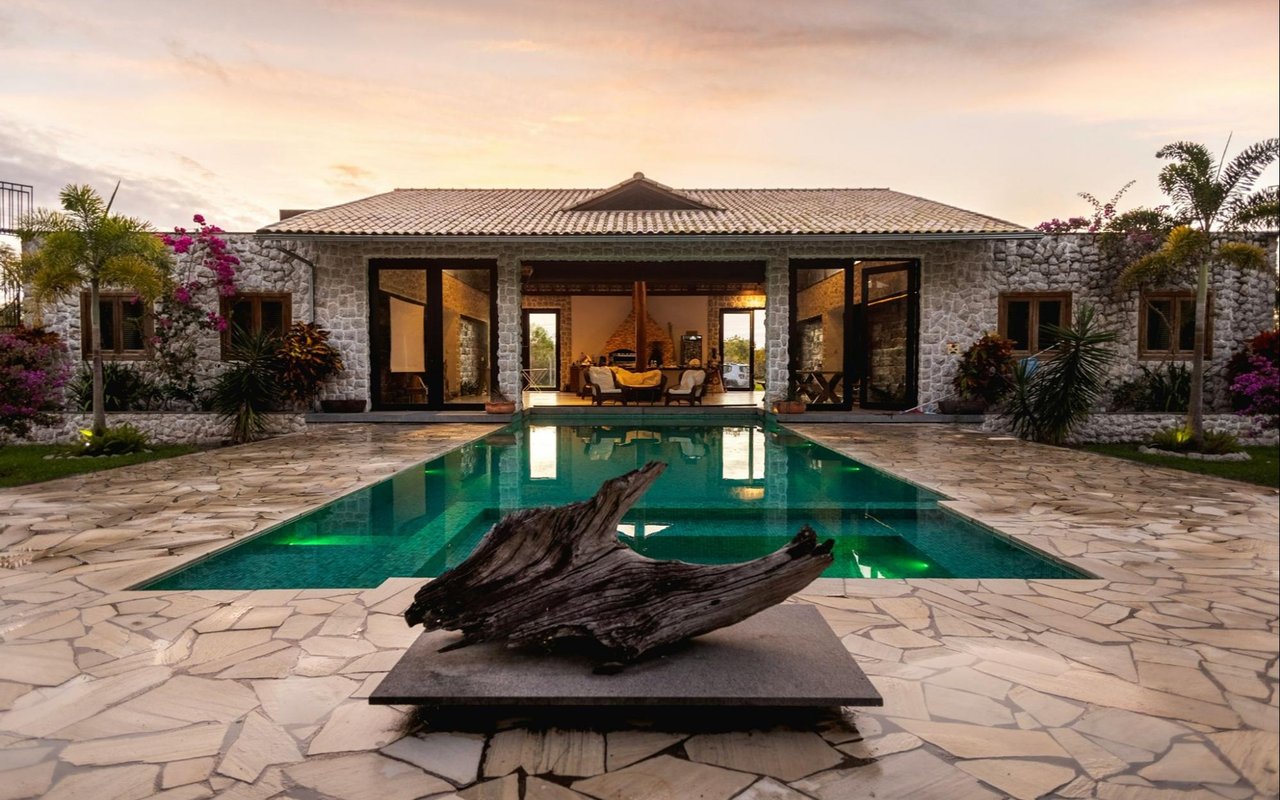
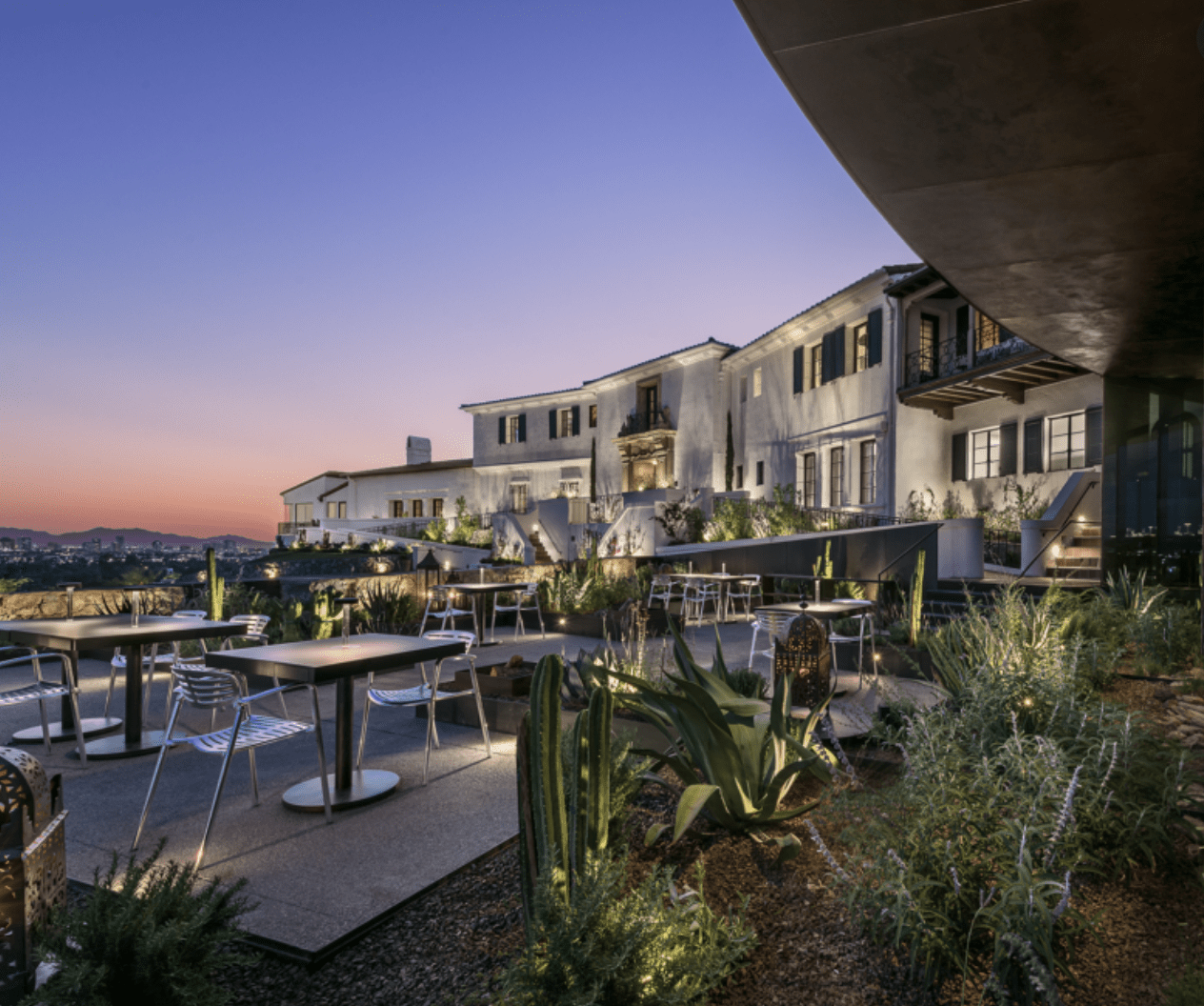
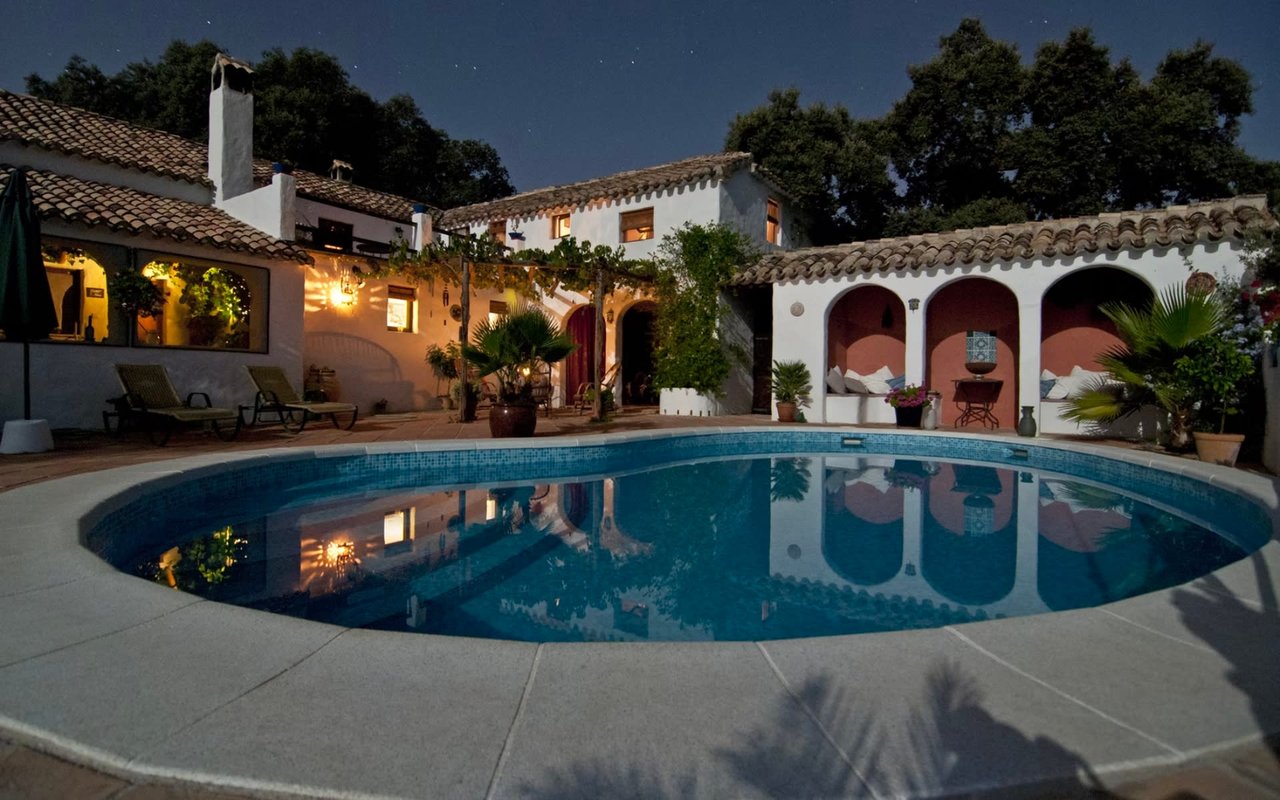
- Lighting: Evening showings in Desert Mountain are often more powerful than daytime ones. Exterior lighting that highlights architectural features without over-illuminating the property creates a setting buyers find genuinely compelling.
- Driveway and hardscape: The approach surfaces should be clean, well-defined, and free of cracking. These details register before buyers consciously notice them, and they set the tone for everything that follows.
Frequently Asked Questions
What happens if my landscaping is not HOA-compliant when I list?
The HOA inspects properties at the time of sale and will issue citations for any violations. These must be resolved before the transaction can close — meaning non-compliant plantings, including citrus trees or other non-desert species, will need to be removed and replaced with approved landscaping. Sellers who discover violations mid-transaction may face delays, added costs, or buyer renegotiation. We strongly recommend a compliance review before listing.
Does curb appeal actually affect sale price in Desert Mountain?
Consistently, yes. In the luxury segment, buyers are purchasing an aspiration as much as a structure, and curb appeal is the first signal that the aspiration will be delivered. Homes that present exceptionally well from the street generate stronger initial interest and more competitive offer dynamics than comparable homes with weaker exterior presentation.
How much should I invest in curb appeal before listing?
In most cases, targeted investments — landscape refresh, exterior cleaning, lighting updates, and minor hardscape repairs — deliver strong returns relative to their cost. Full landscape redesigns or major exterior renovations rarely recover their full cost at resale and are usually unnecessary if the home has been well-maintained. Any landscape investment should be made using HOA-approved plantings and materials — improvements made with non-compliant species will need to be removed regardless of cost. Our team evaluates this property by property.
What design mistakes hurt curb appeal in Desert Mountain specifically?
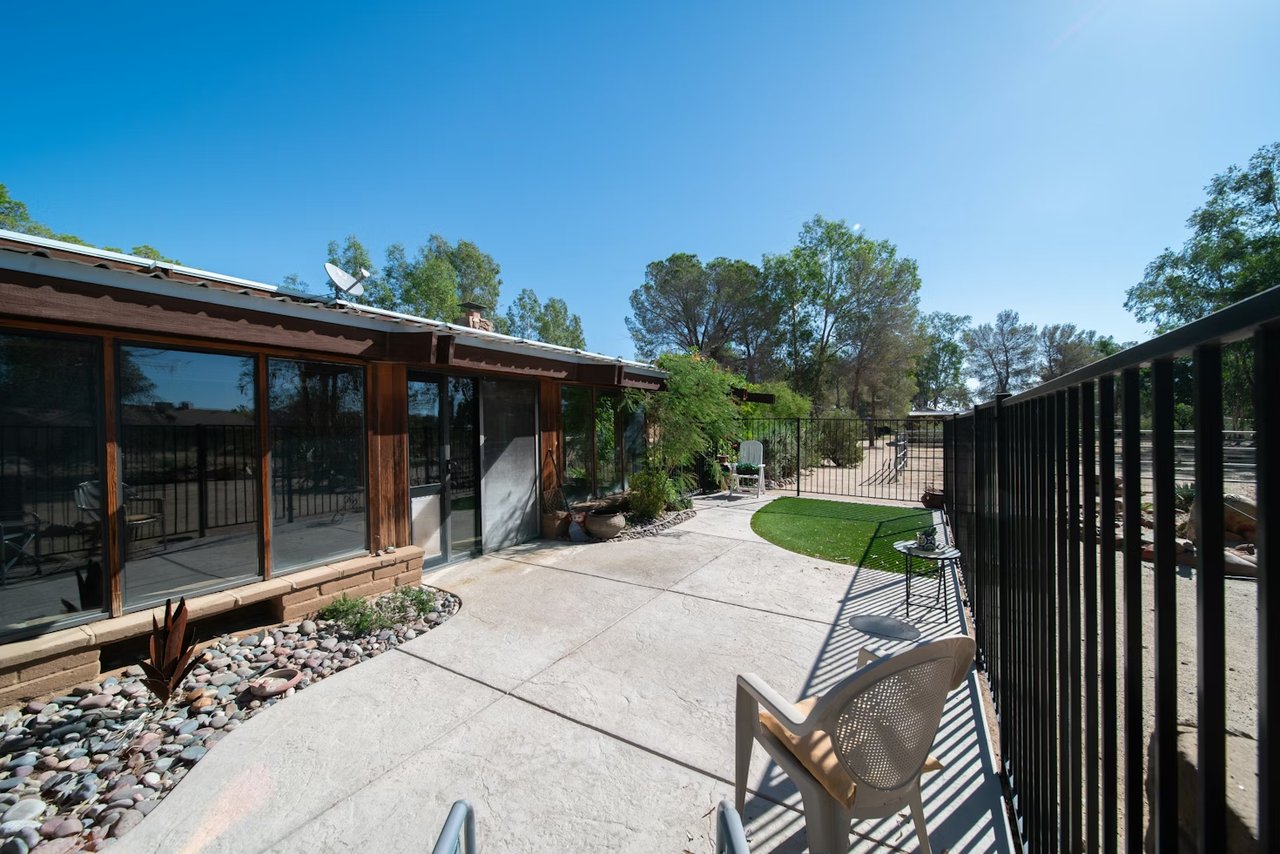
The most common errors are landscaping that fights the desert rather than referencing it — non-approved plantings, citrus trees, artificial turf, or overly formal garden designs that fall outside HOA guidelines — and exterior color choices that contrast sharply with the natural palette or have not been approved by the HOA. The goal is always for the home to feel like it belongs to the land it sits on, and Desert Mountain's design standards exist precisely to protect that standard across the entire community.
Sell Your Desert Mountain Home With Power+
Curb appeal at this level requires a team that understands both the psychology of luxury buyers and the specific design language of Desert Mountain. We have listed and sold more homes in this community than any other team, and we know what makes a Desert Mountain property photograph well, show powerfully, and close at the number it deserves.