The Evolution of Desert Mountain: Then and Now
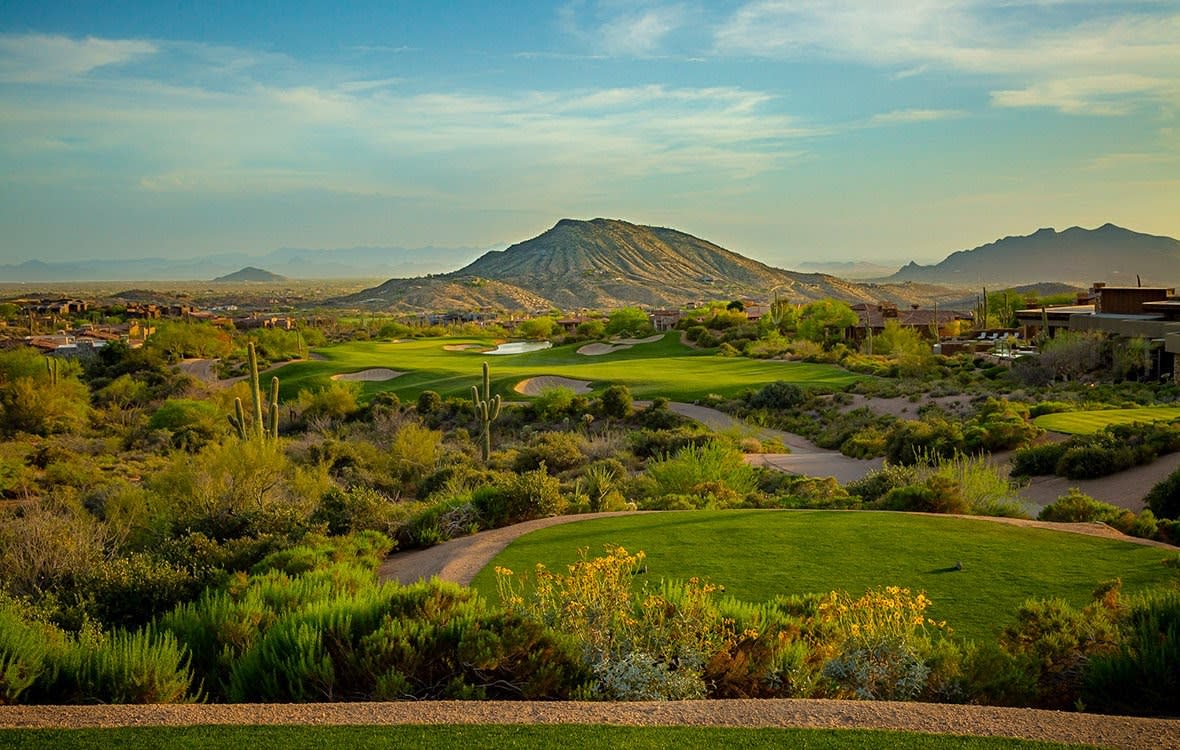
The evolution of Desert Mountain in North Scottsdale, AZ 85262 spans over four decades of development, growing from its 1980s founding with the Renegade Golf Course into an 8,300-acre master-planned enclave. Today, the community features seven championship golf courses, seven private clubhouses, 35 residential villages, and over 20 miles of private Sonoran Desert hiking trails.
Historical Metric / Aspect | Desert Mountain Development Benchmark |
|---|---|
Location & Elevation Range | North Scottsdale, AZ 85262 | 2,500 to 4,500 Feet Elevation |
Initial Founding Era | Early 1980s (Renegade Course Debut) |
Golf Development Progression | 7 Courses: Renegade, Cochise, Geronimo, Apache, Chiricahua, Outlaw, No. 7 |
Architectural Progression | Southwestern / Territorial -> Soft Contemporary & Organic Modern |
Total Acreage & Enclaves | 8,300 Acres | 35 Distinct Residential Villages |
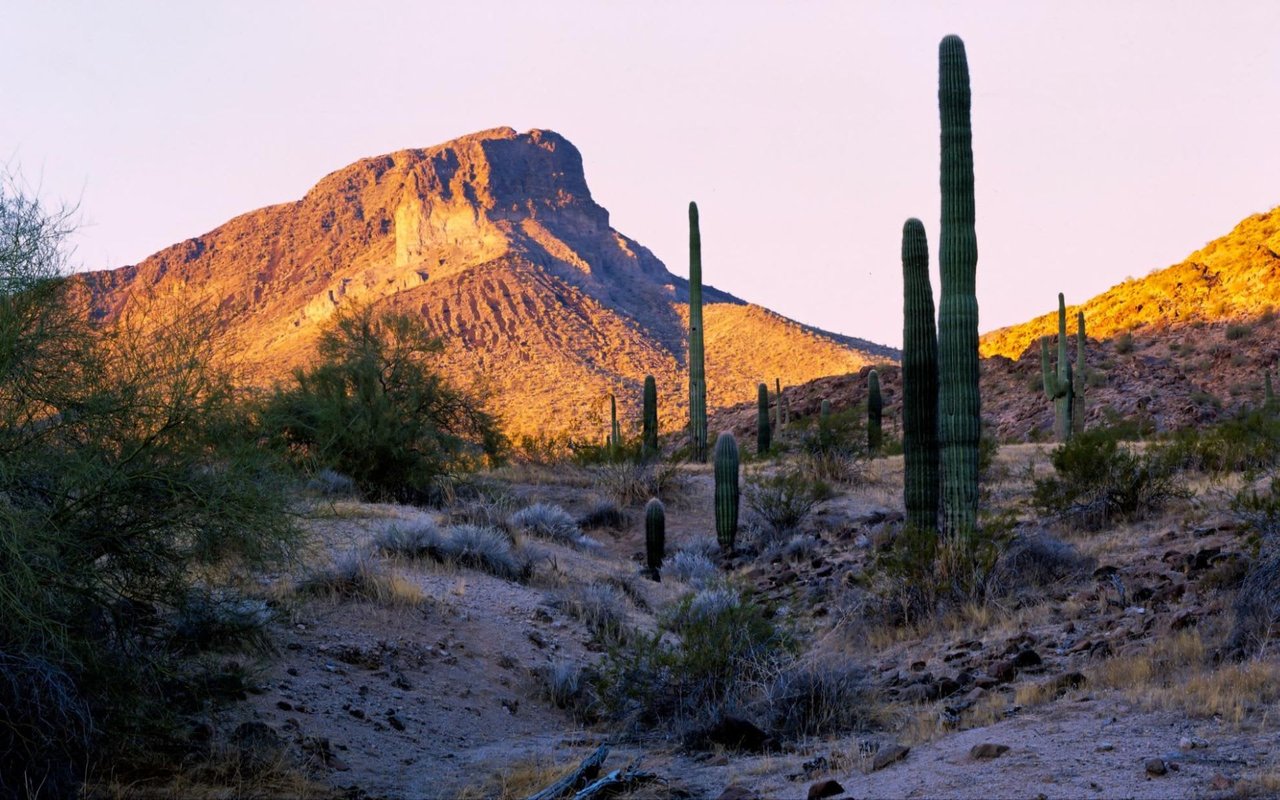
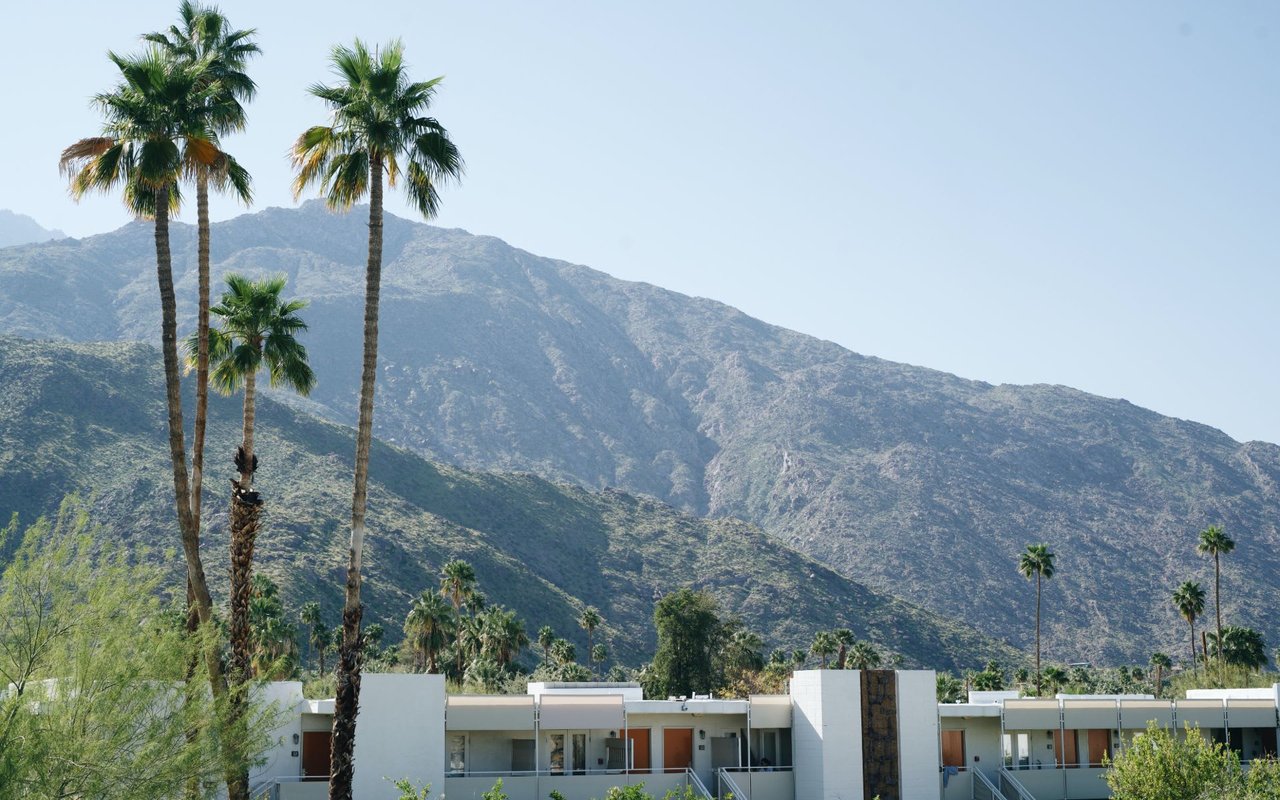
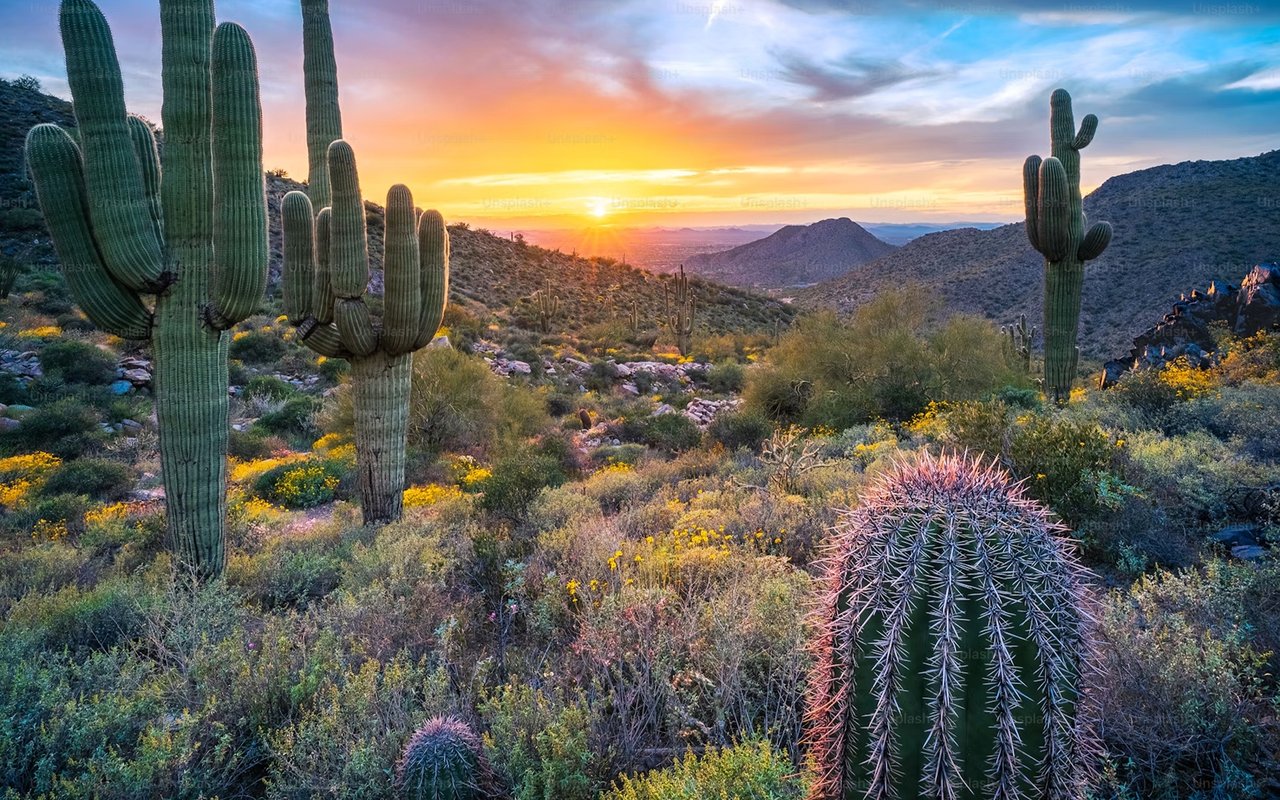
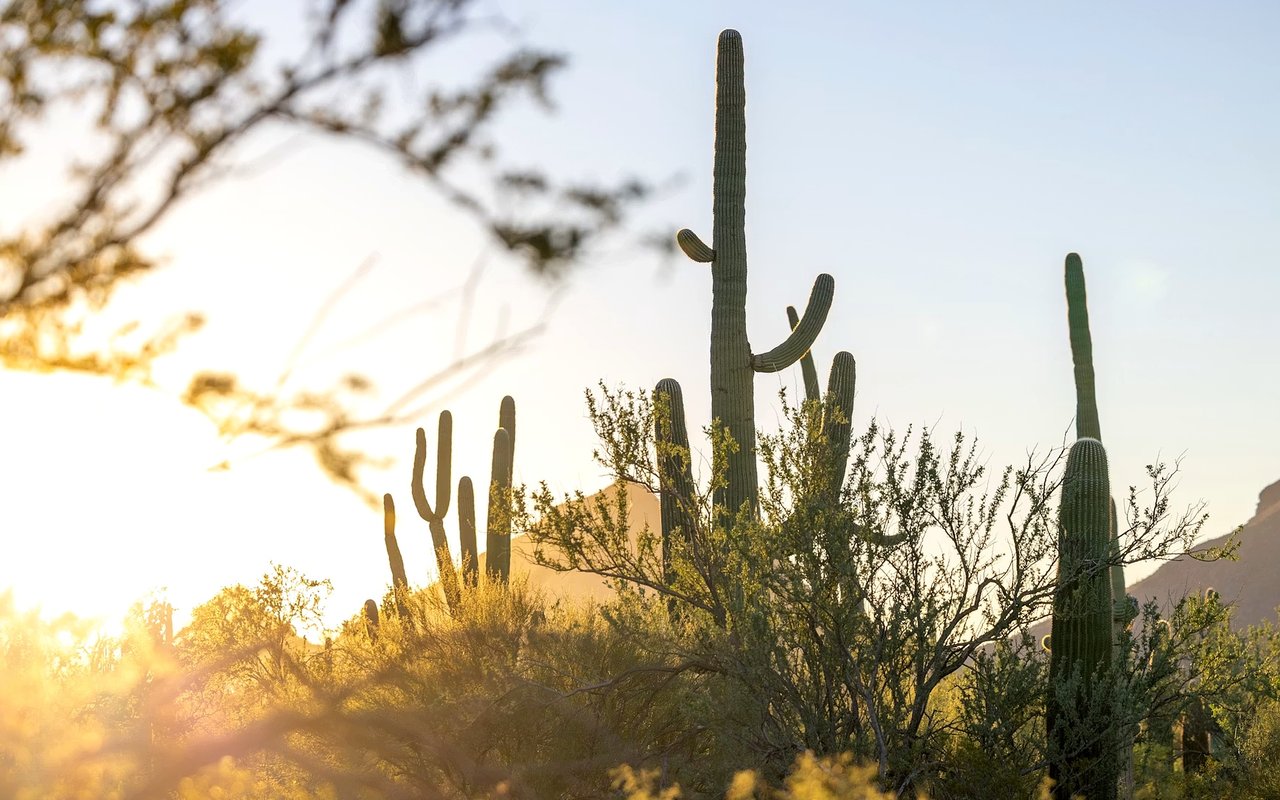
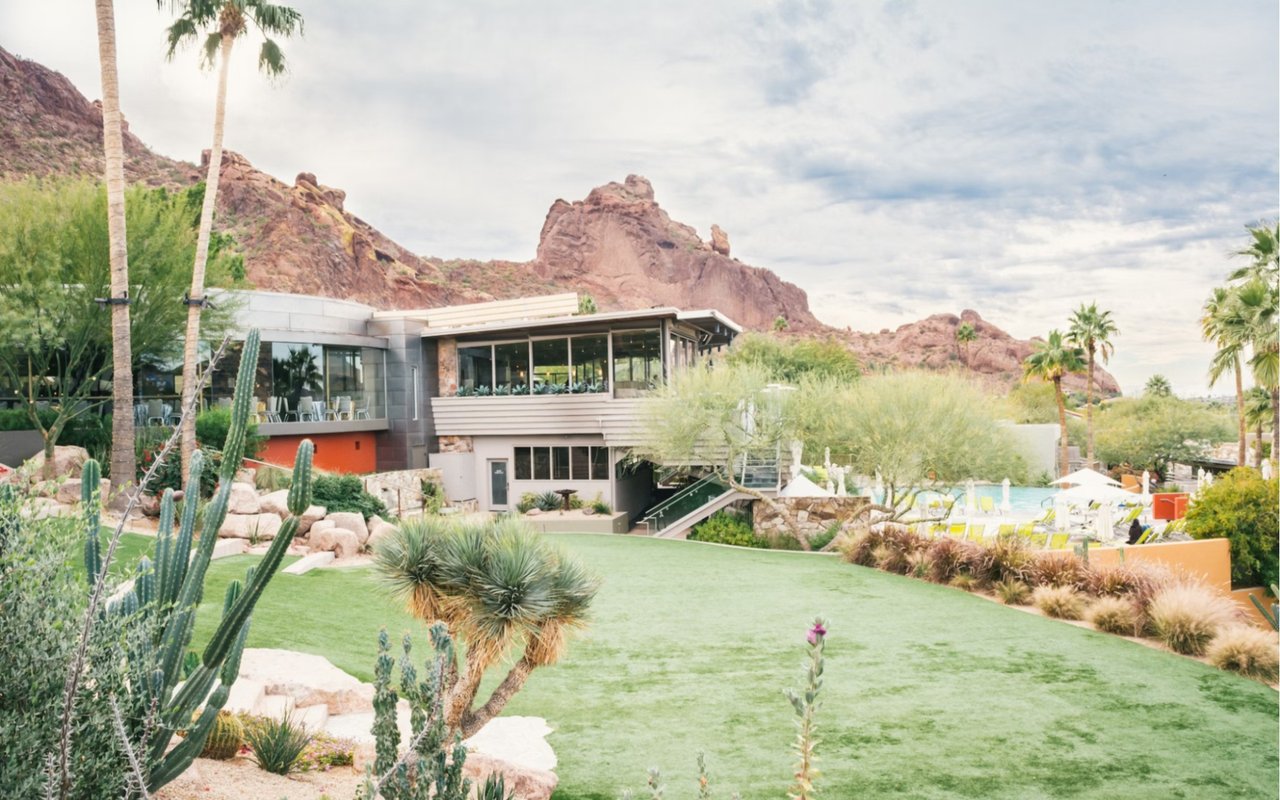
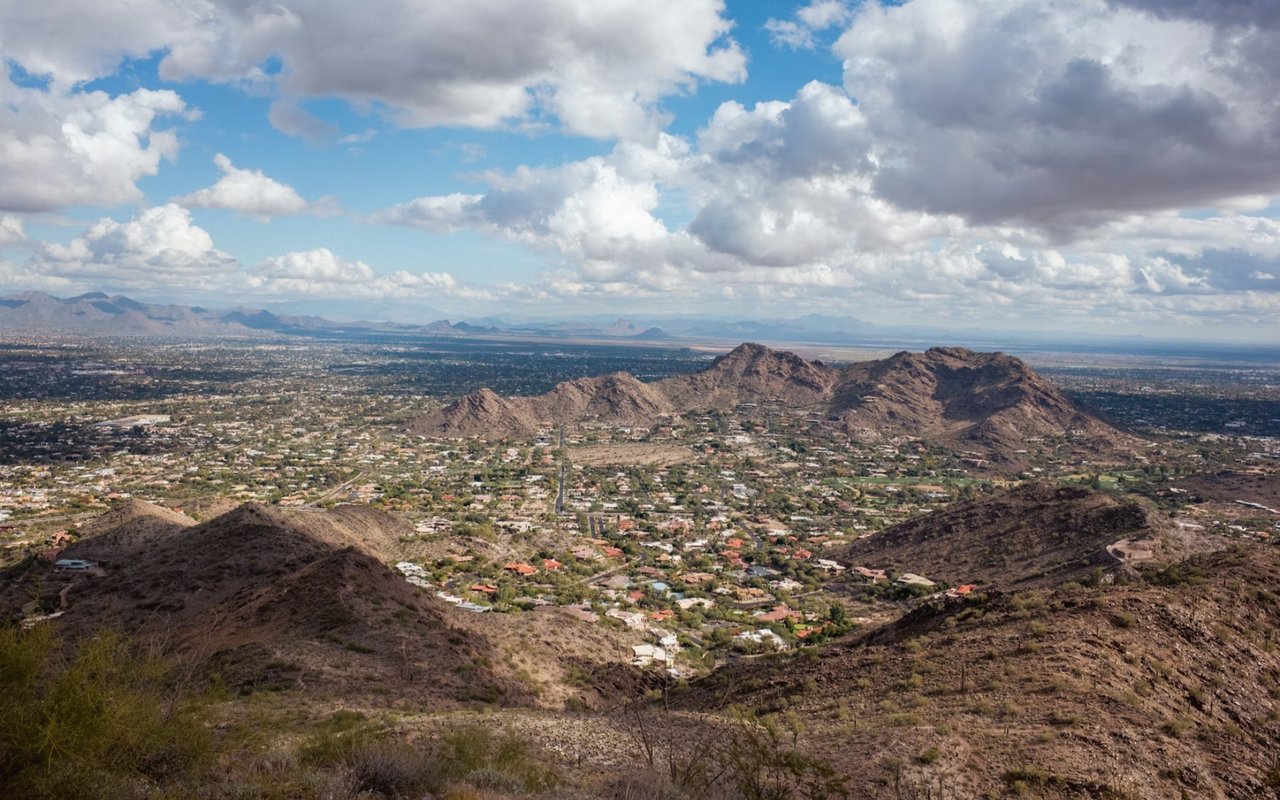
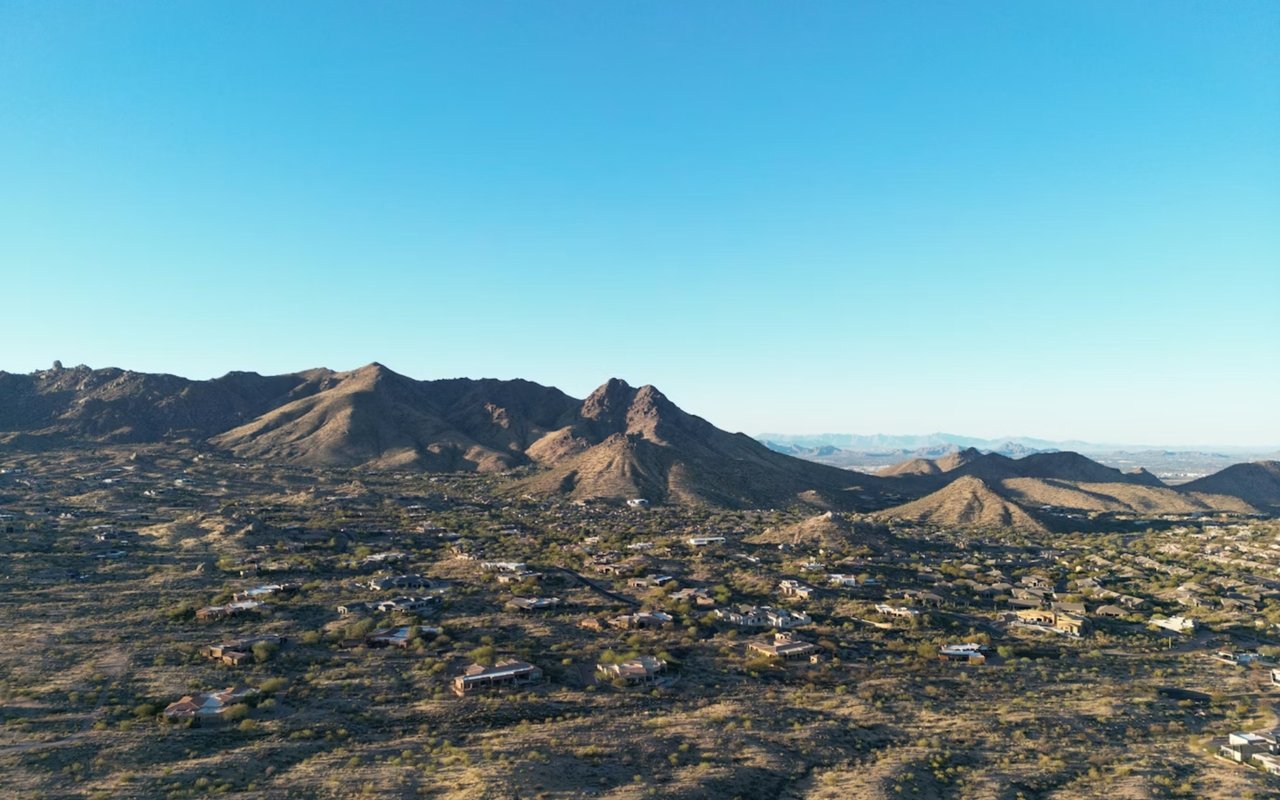
Desert Mountain spans a large expanse of the elevated Sonoran Desert in far Northern Scottsdale. Its development spans decades of careful planning, architectural experimentation, and recreational expansion. The area’s elevation, terrain, and acreage influenced each phase of growth, resulting in a distinct residential environment unmatched in the region. Desert Mountain’s current form reflects a long timeline of strategic decisions that guided the interaction of homes, amenities, and open space.
Early Vision and Founding Years
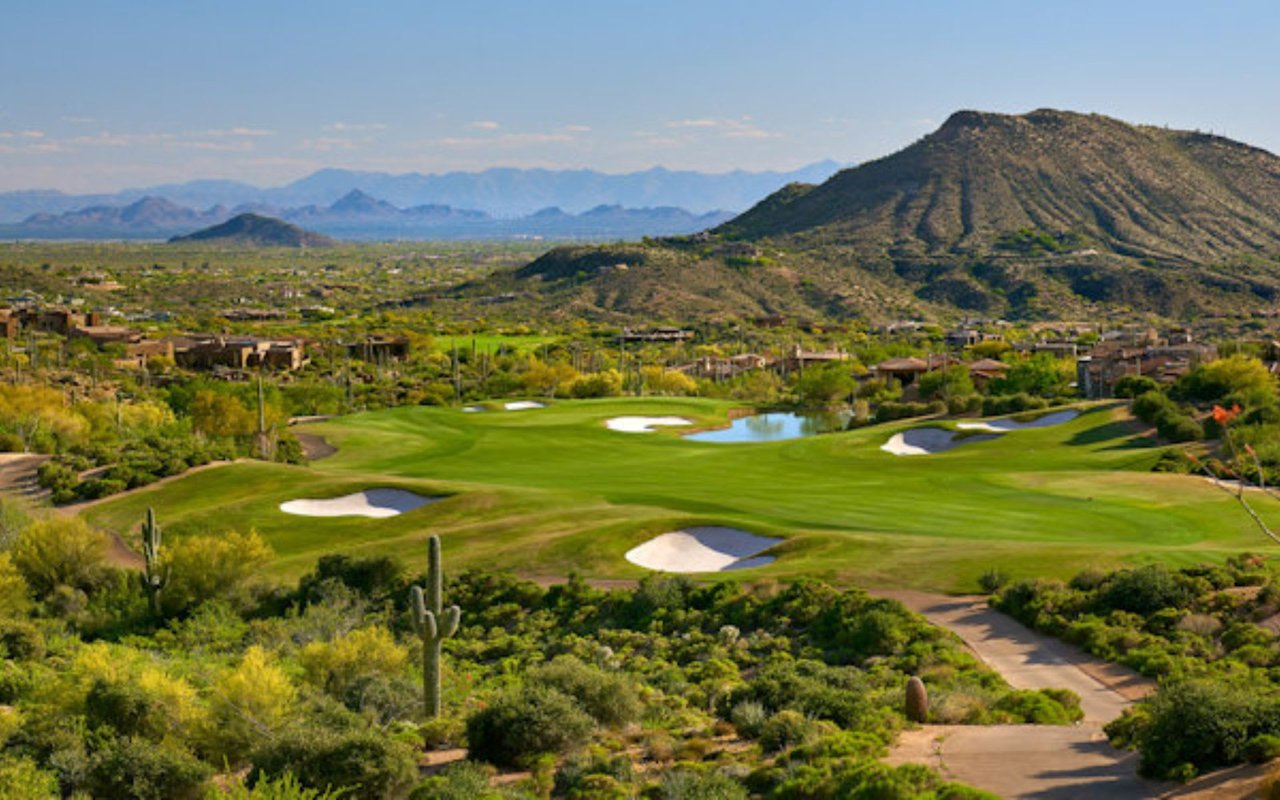
The land that would become Desert Mountain drew interest in the early 1980s due to its elevation range and position near the Continental Mountains. Developers recognized that the terrain allowed for cooler temperatures and wide views across Scottsdale and the McDowell Mountains. The initial plan centered on creating a private golf community that incorporated the natural desert landscape without overwhelming it.
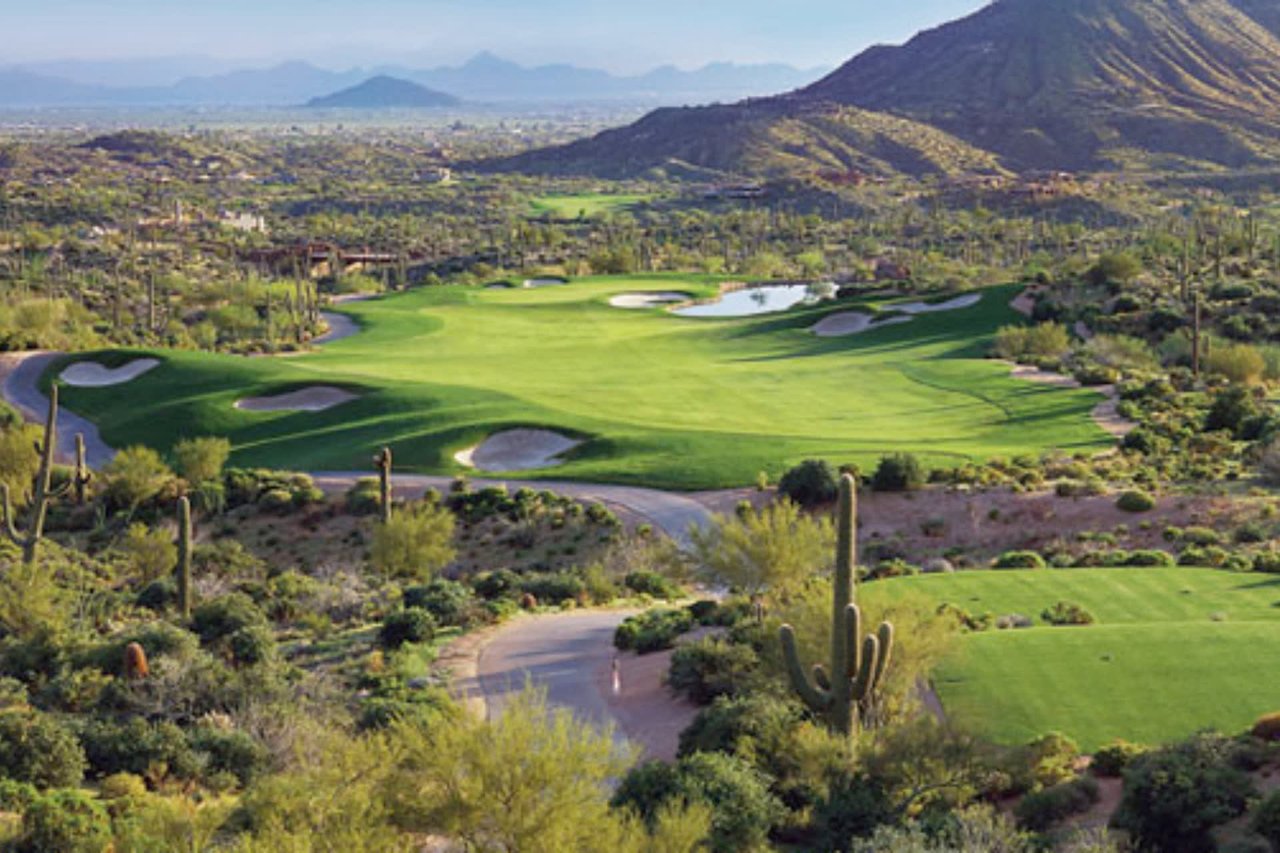
Jack Nicklaus played a significant role in shaping the early concept. His design for the first course, Renegade, set the tone for what would become a multi-course structure. The early vision emphasized open land, custom homesites, and a balance between recreational infrastructure and the preservation of the desert.
Expansion Through the Nicklaus Courses
The addition of new golf courses in subsequent years marked the next major stage of growth. Each Nicklaus Signature layout introduced new enclaves, revised circulation routes, and distinct locations for future residences. Courses such as Cochise, Geronimo, Apache, and Chiricahua helped define separate districts within the community, each with its own character and elevation.
The constant introduction of new courses reflected not only the community’s recreational ambitions but also the real estate growth Desert Mountain experienced during the late 1980s and 1990s. Homes followed the terrain around each golf course corridor, resulting in a varied mix of elevations and orientations. The sequential development allowed the master plan to adjust to buyer demand and changing architectural priorities.
Architectural Evolution and Design Shifts
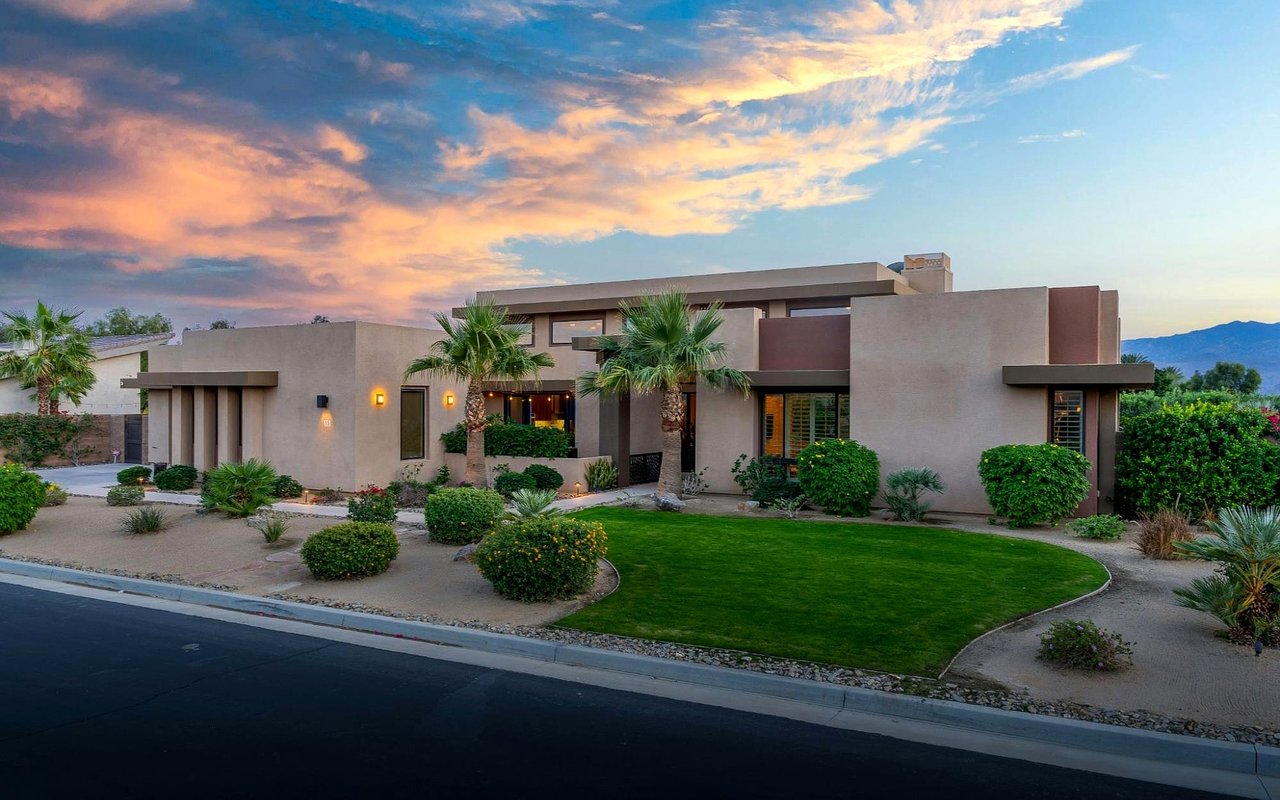
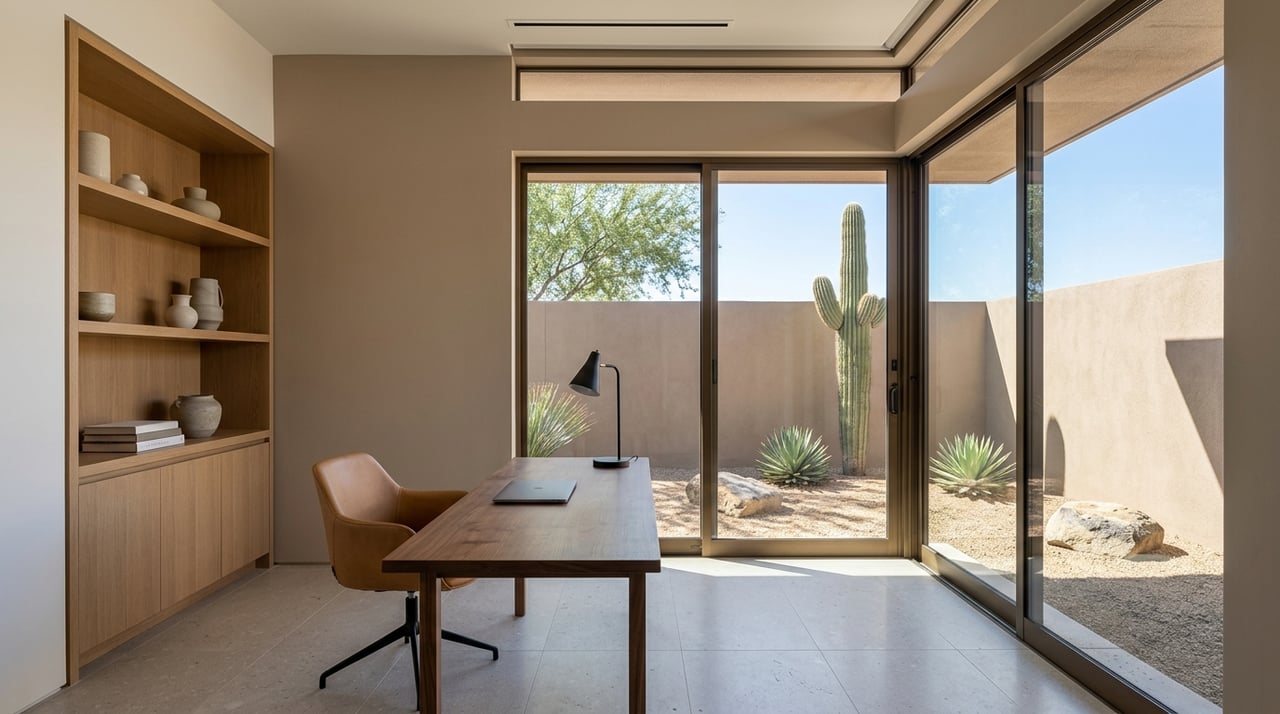
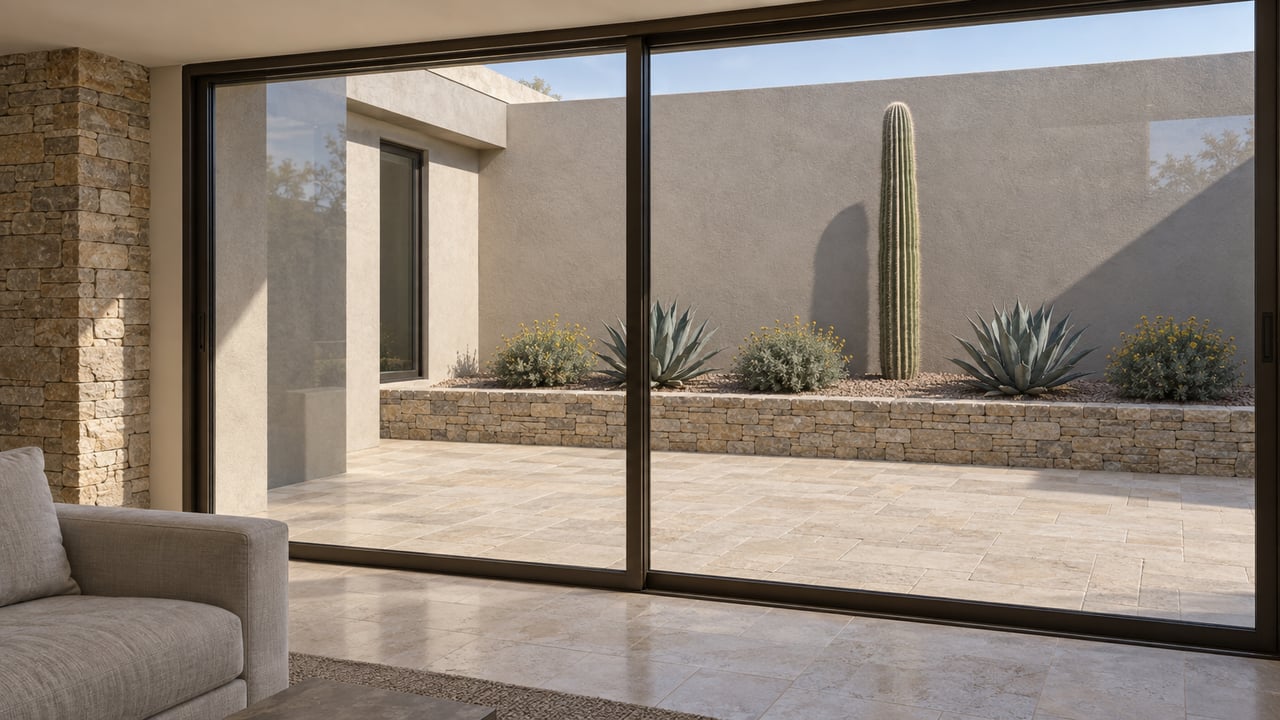
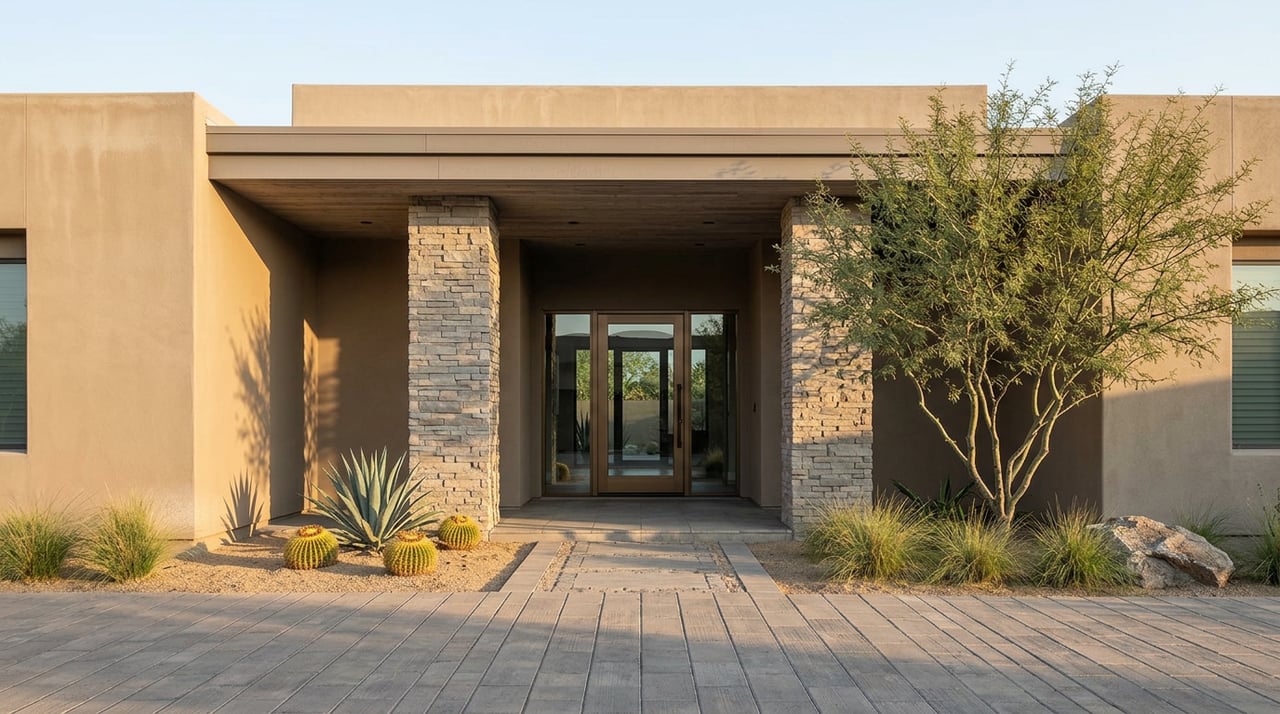
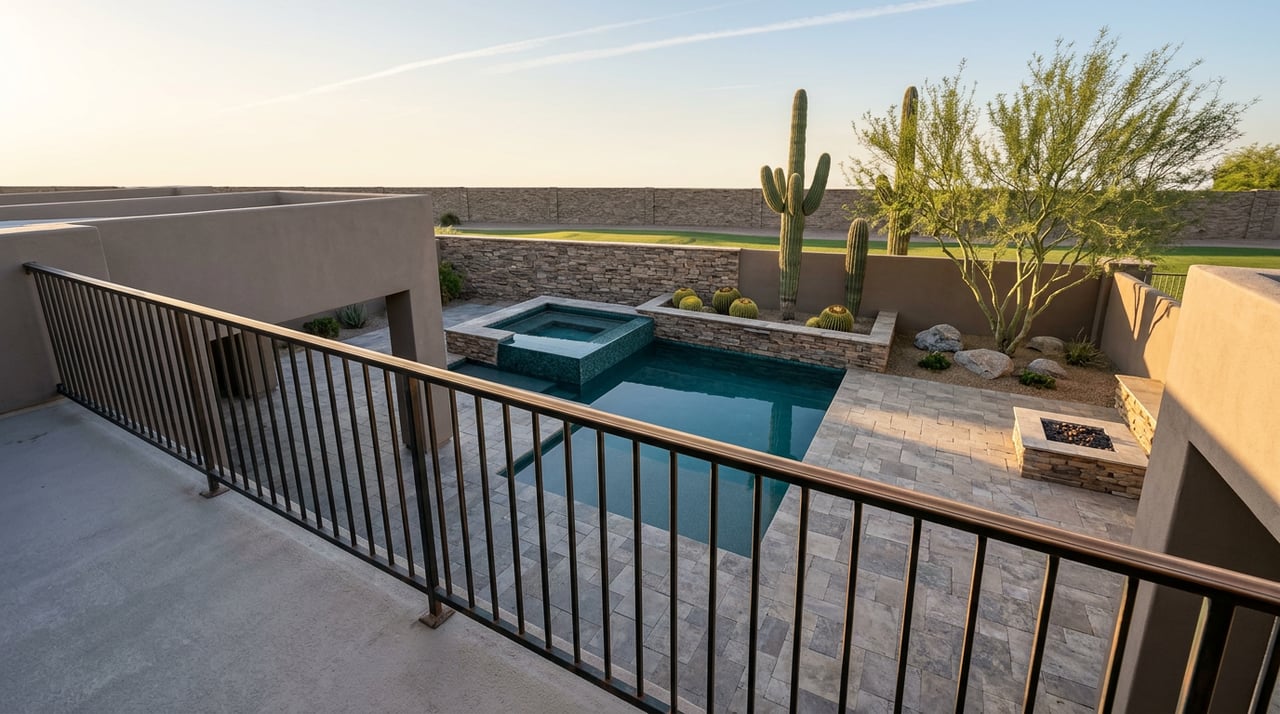
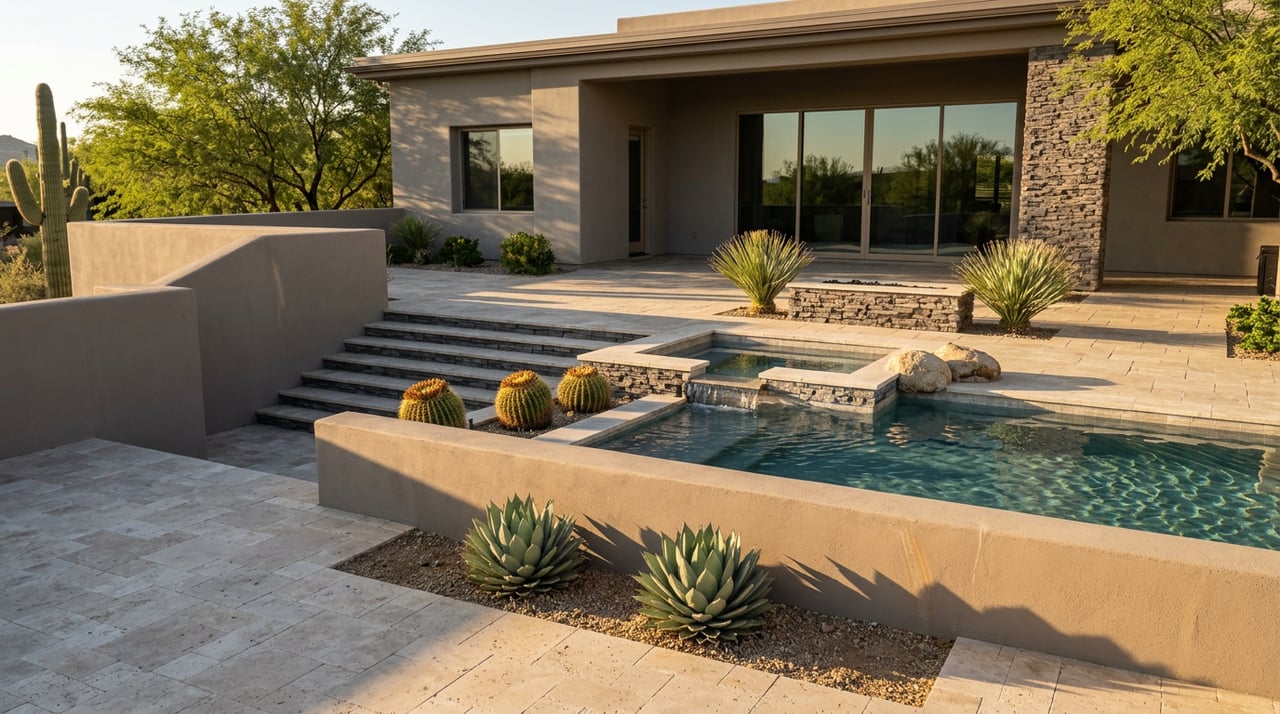
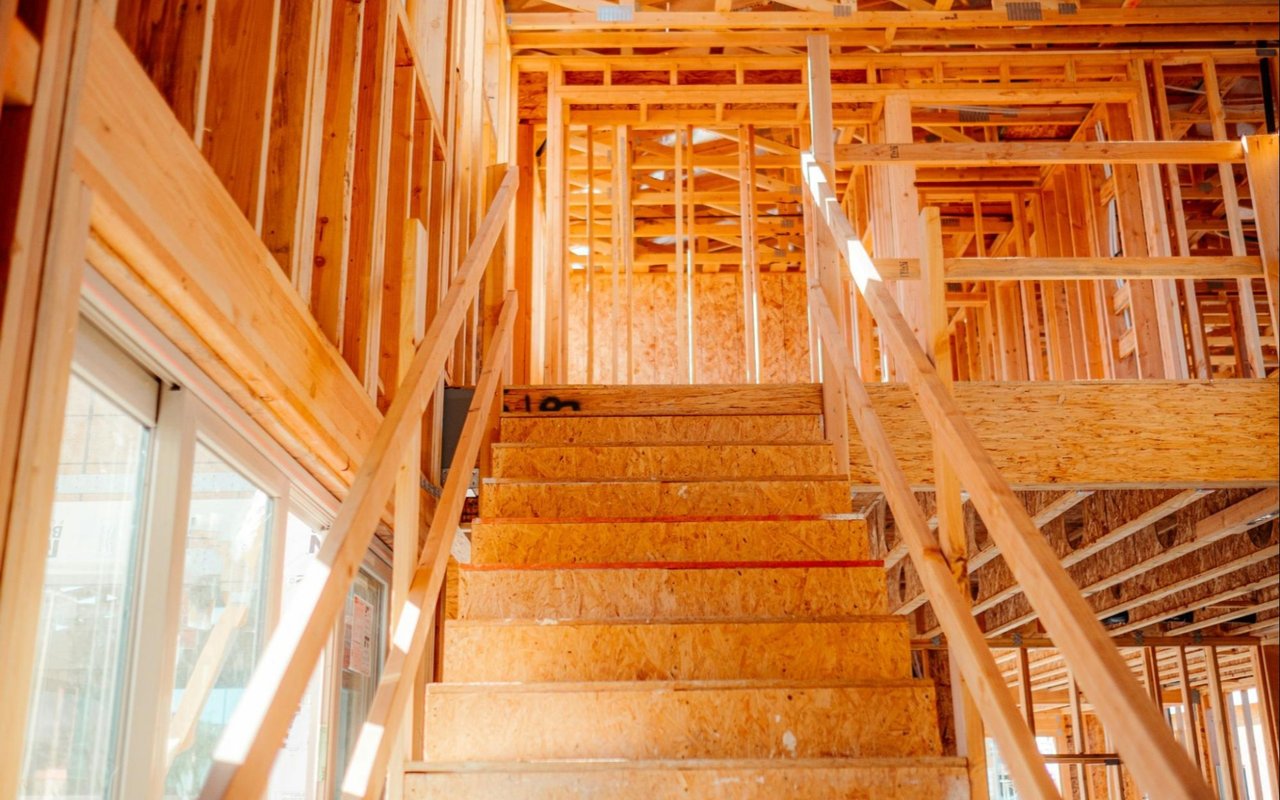
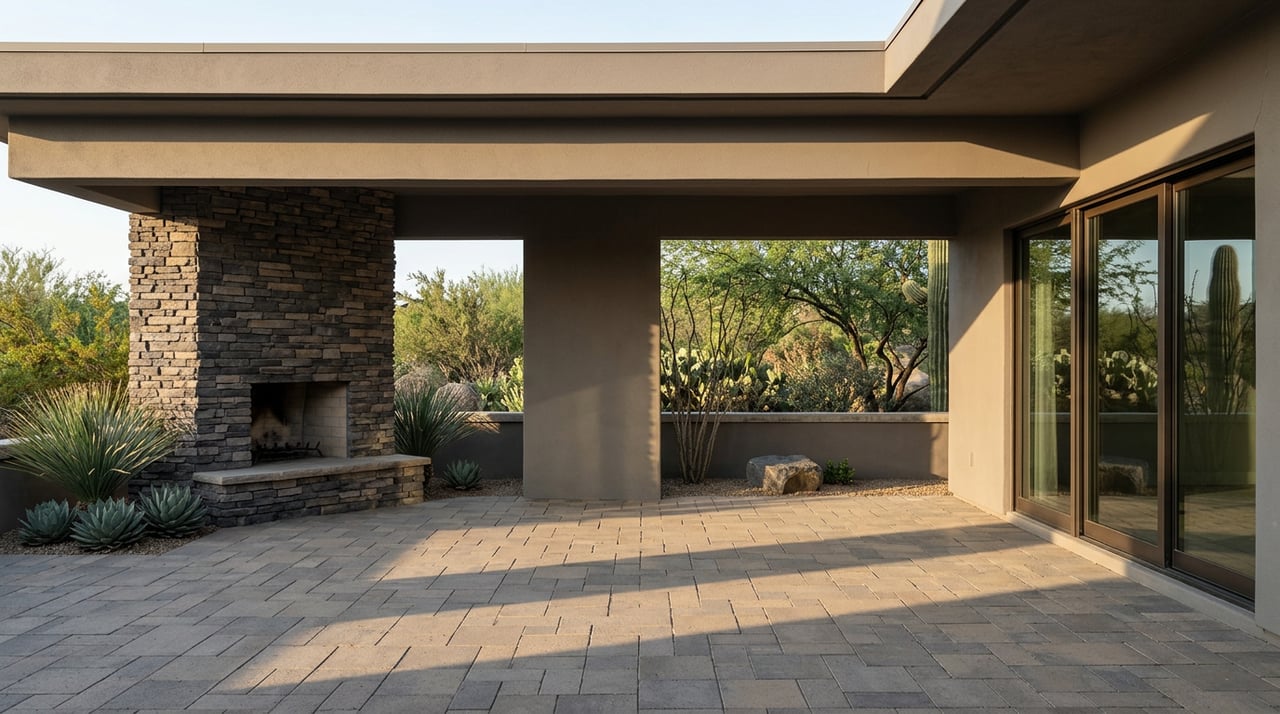
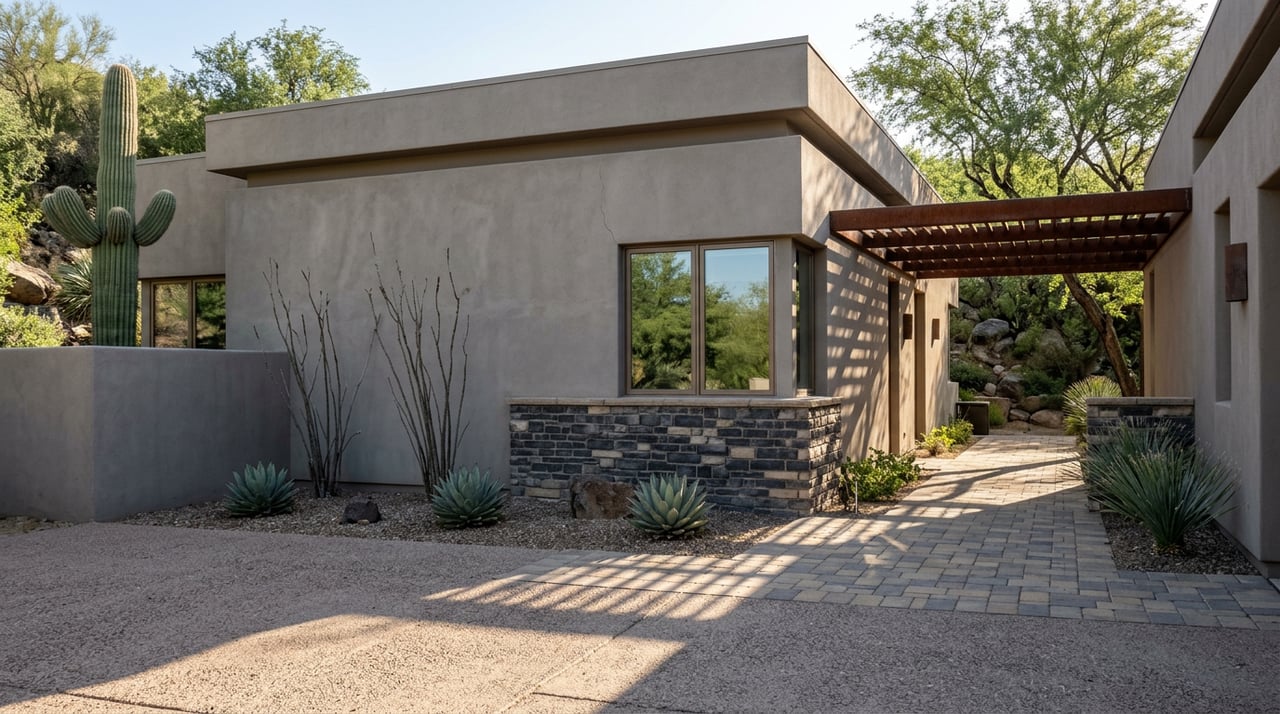
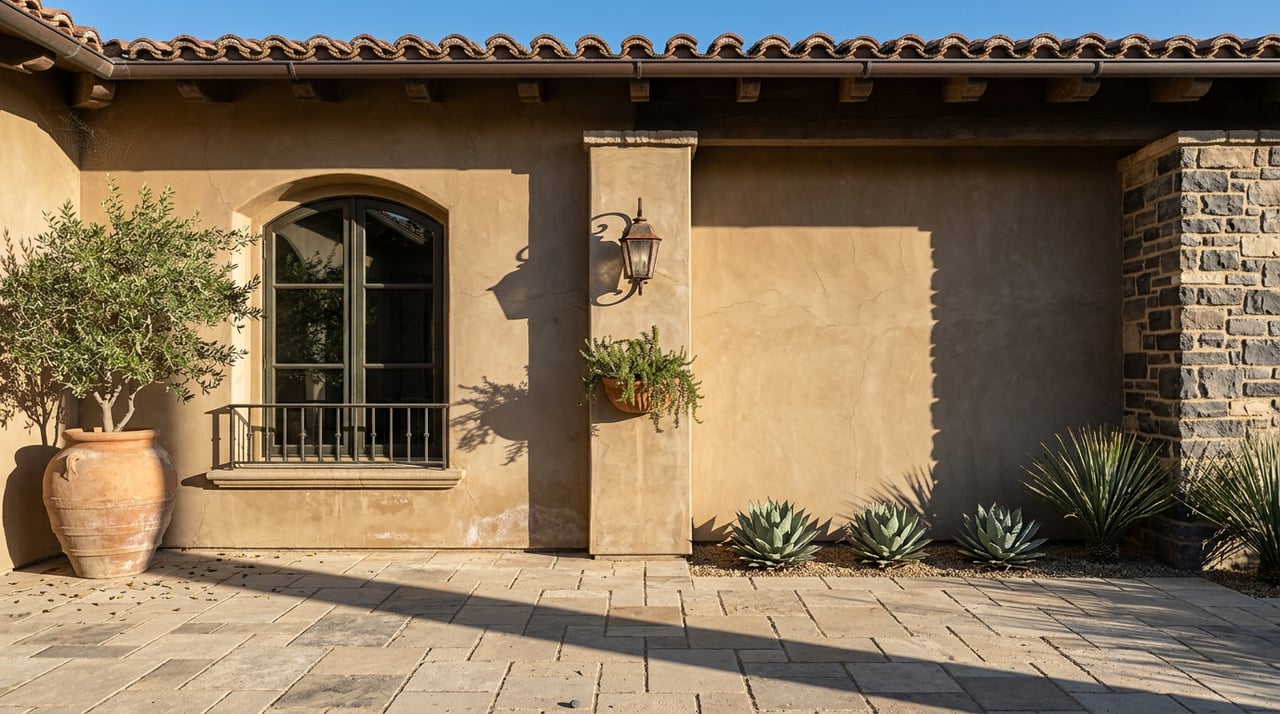
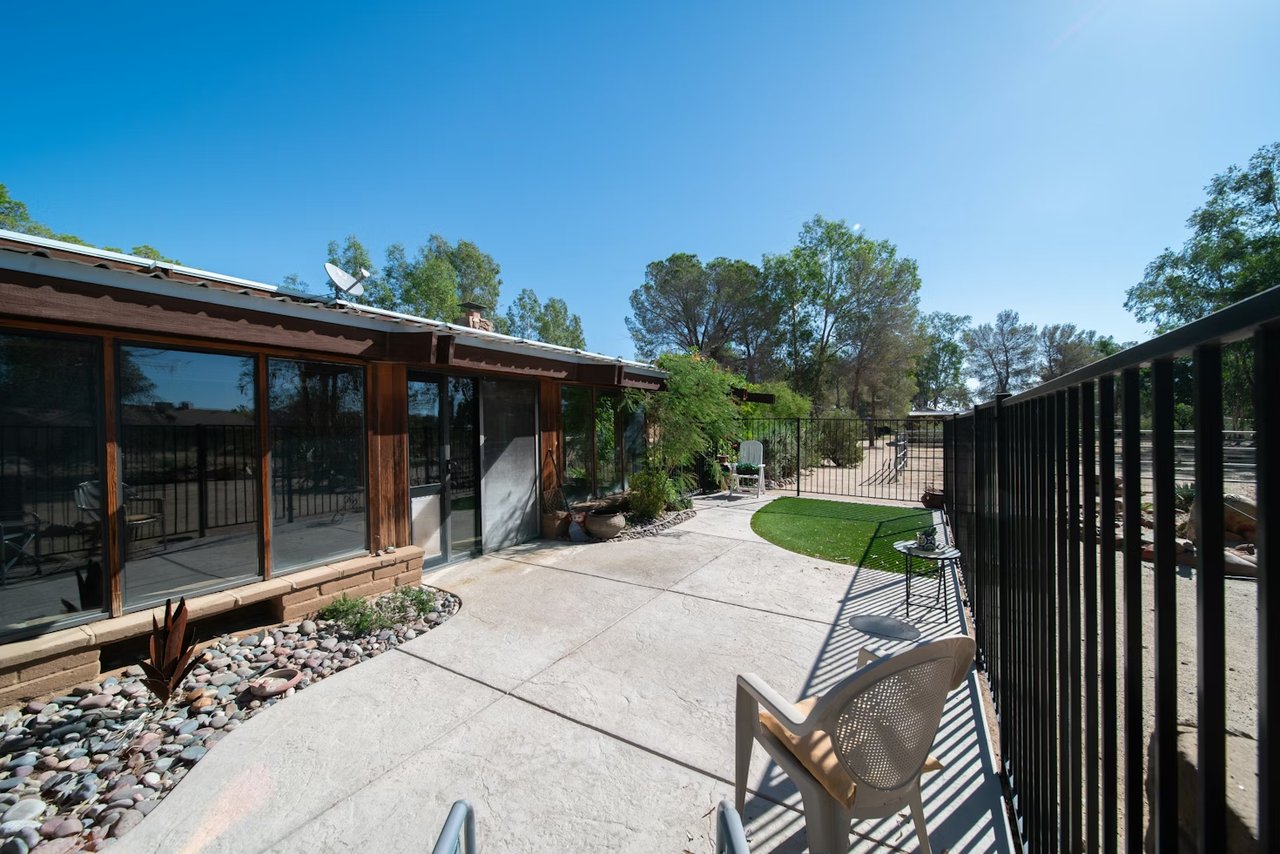
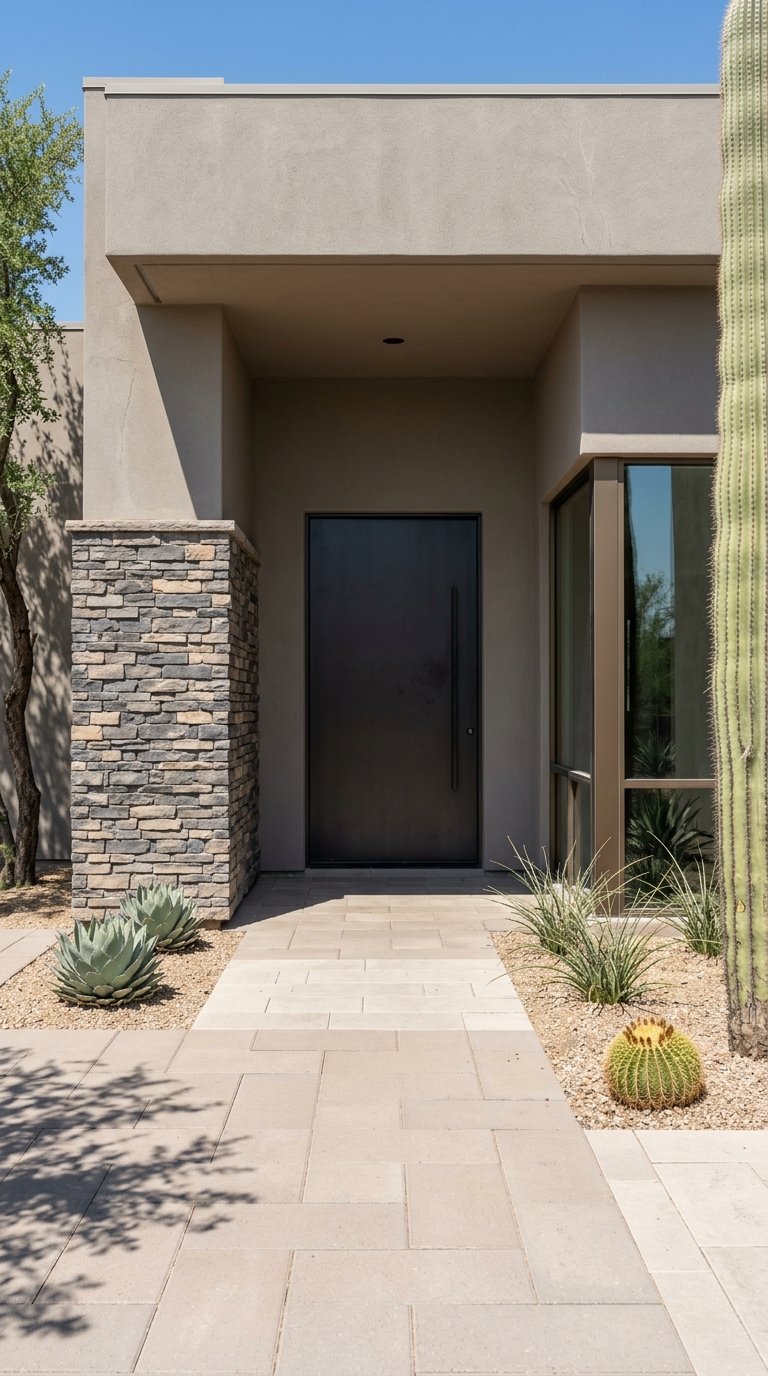
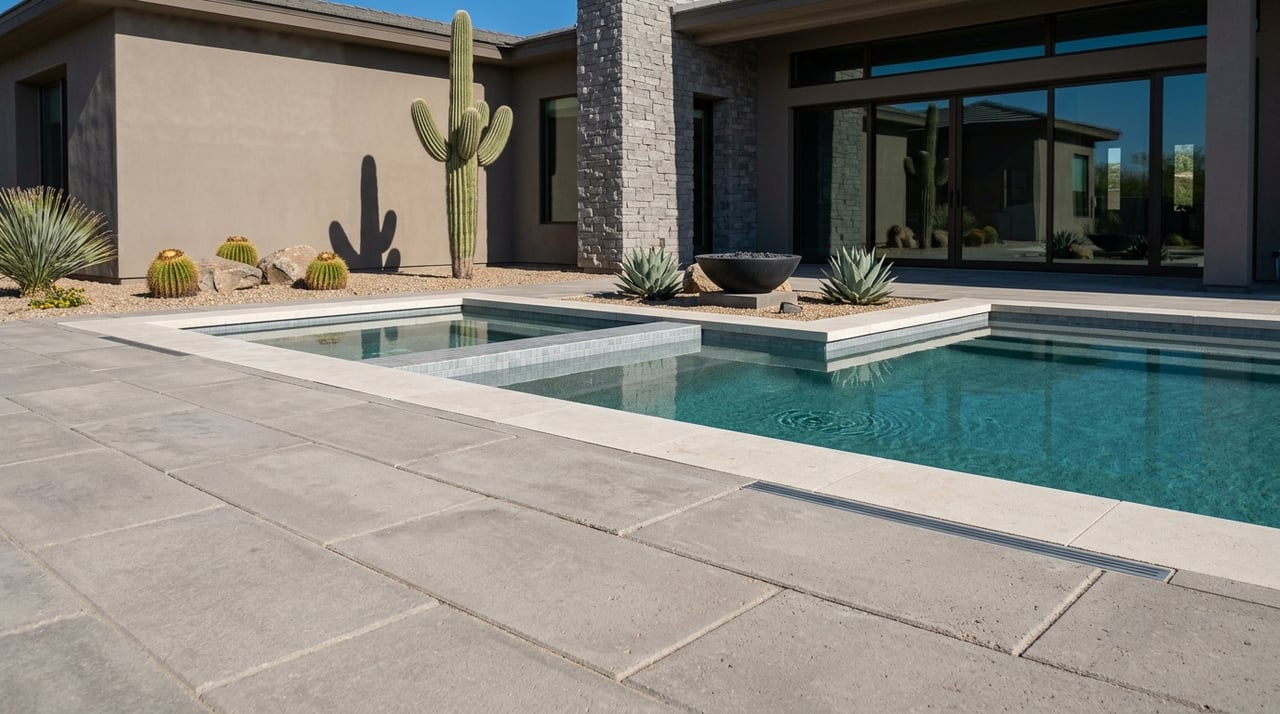
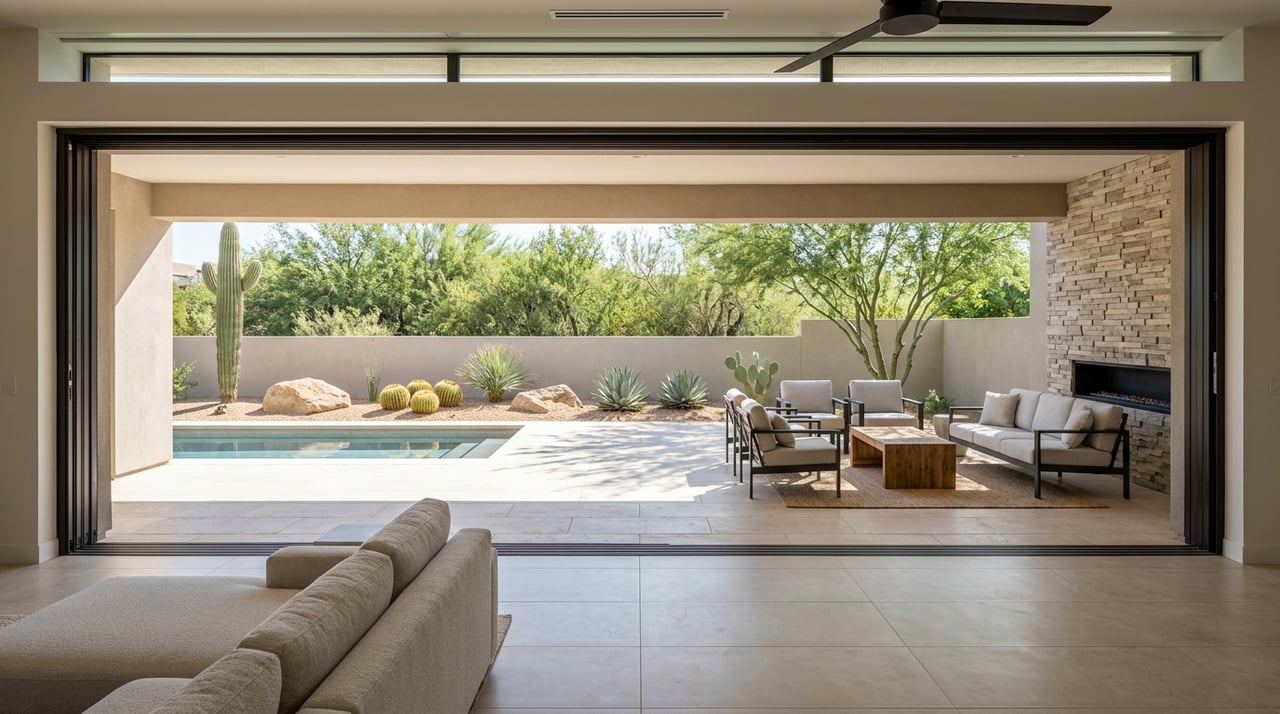
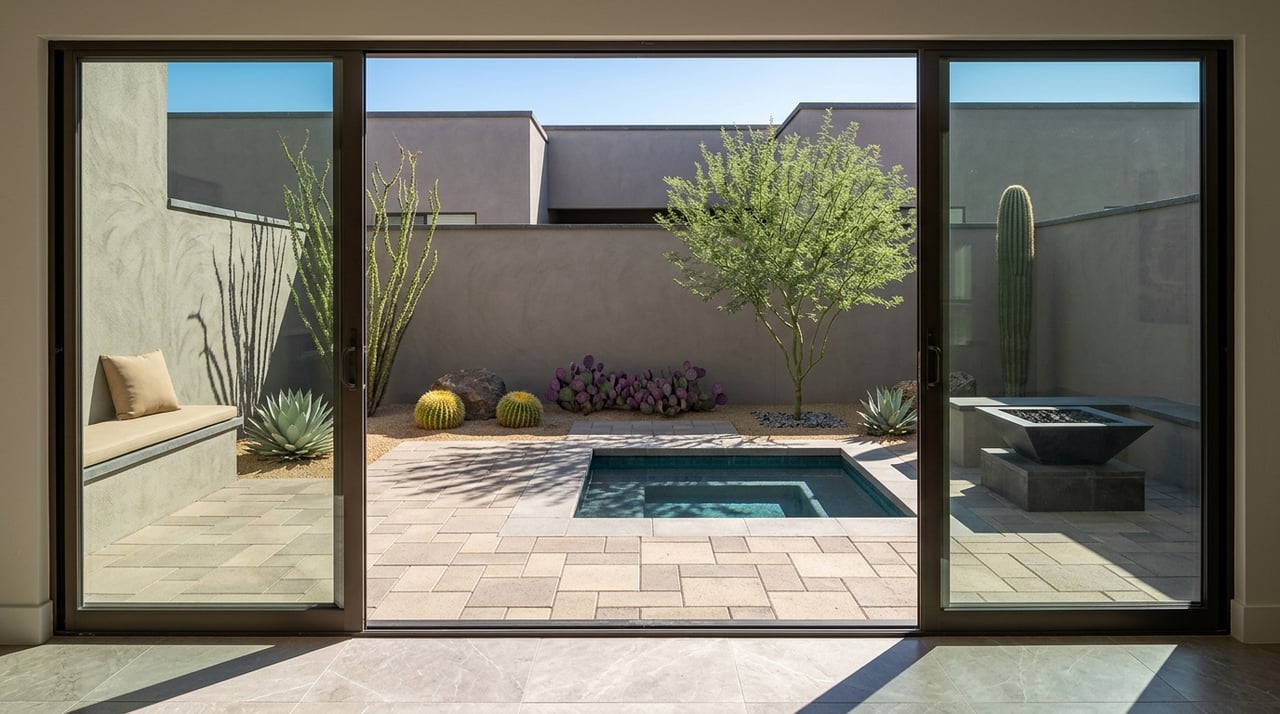
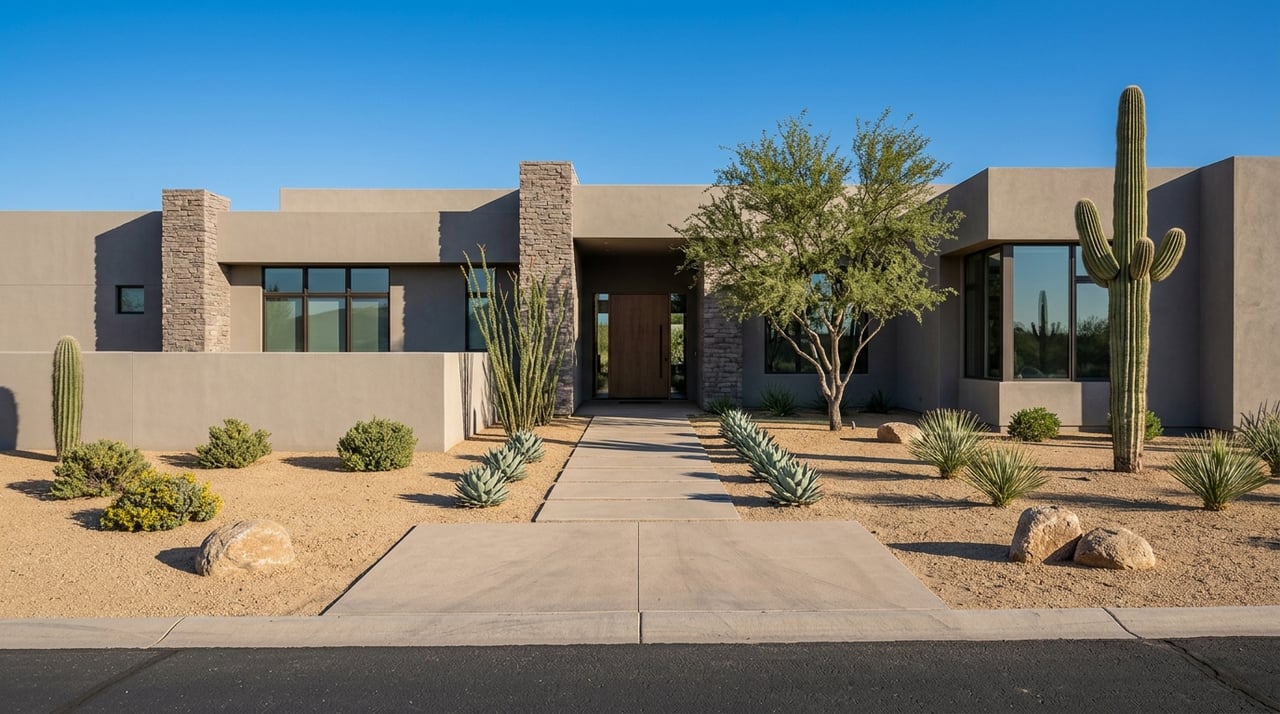
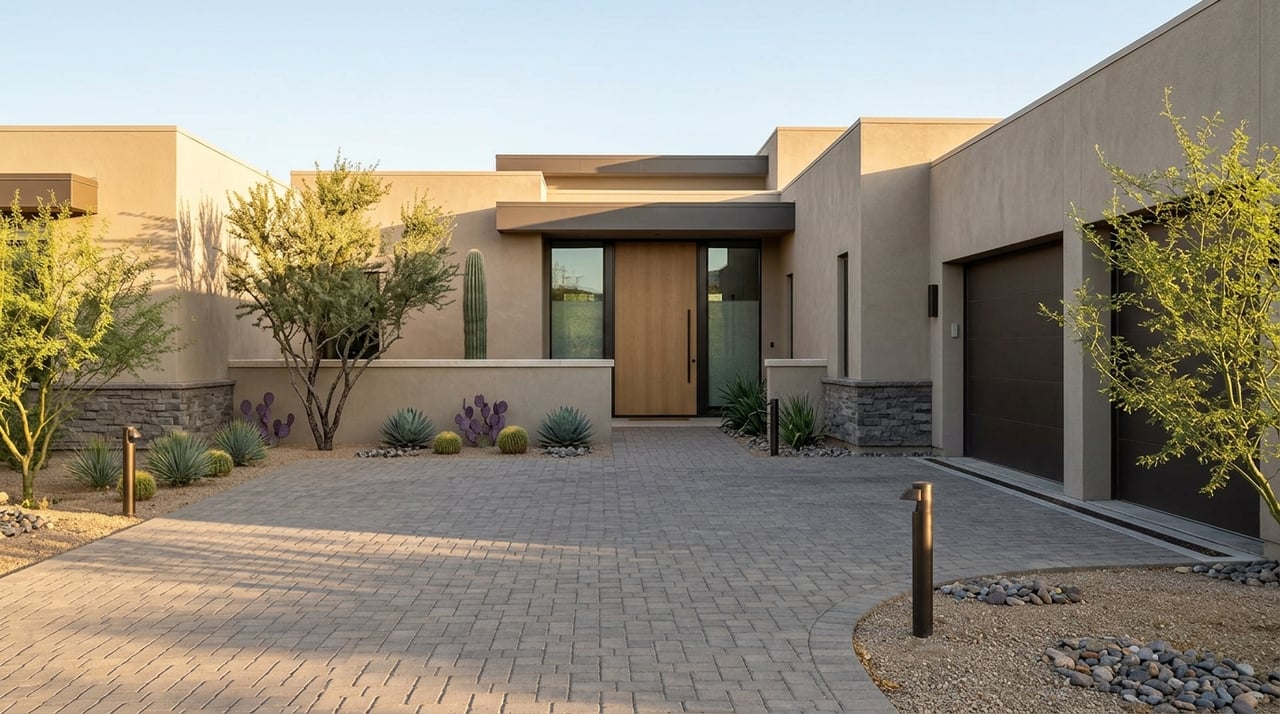
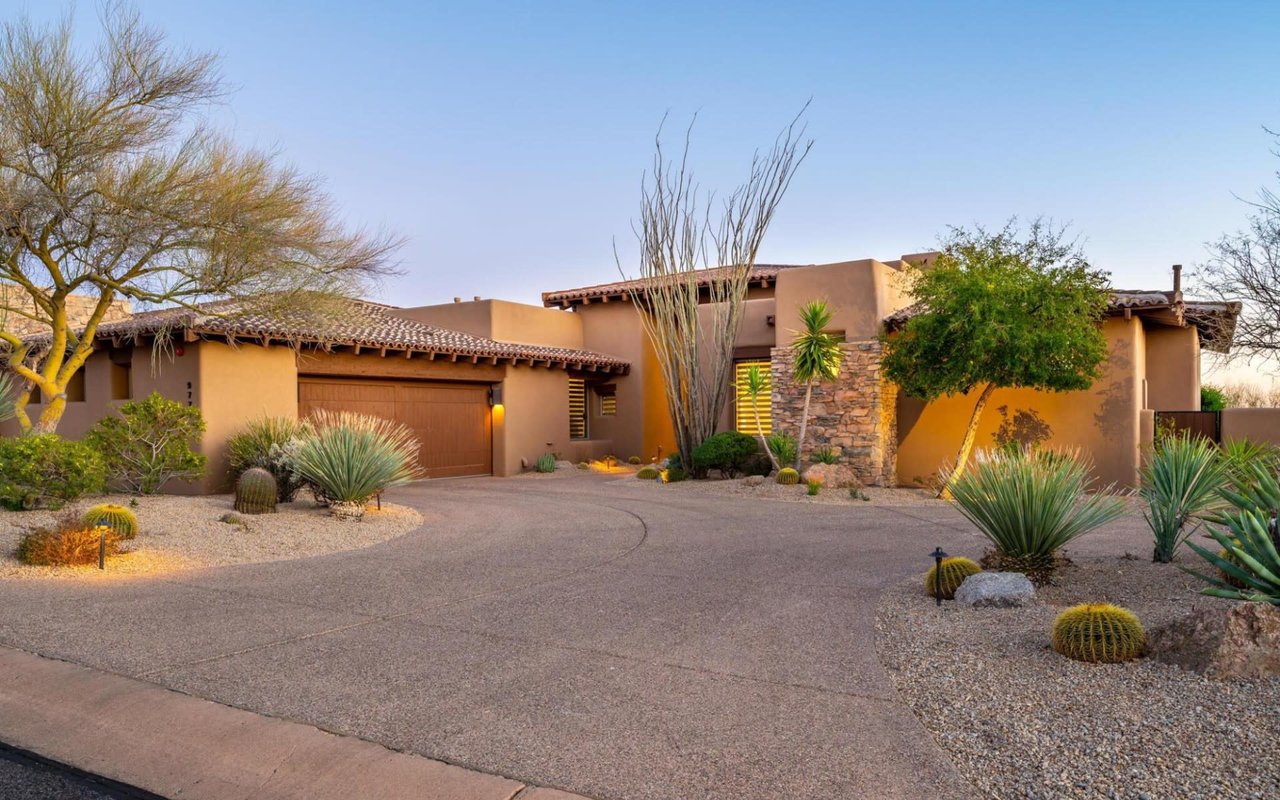
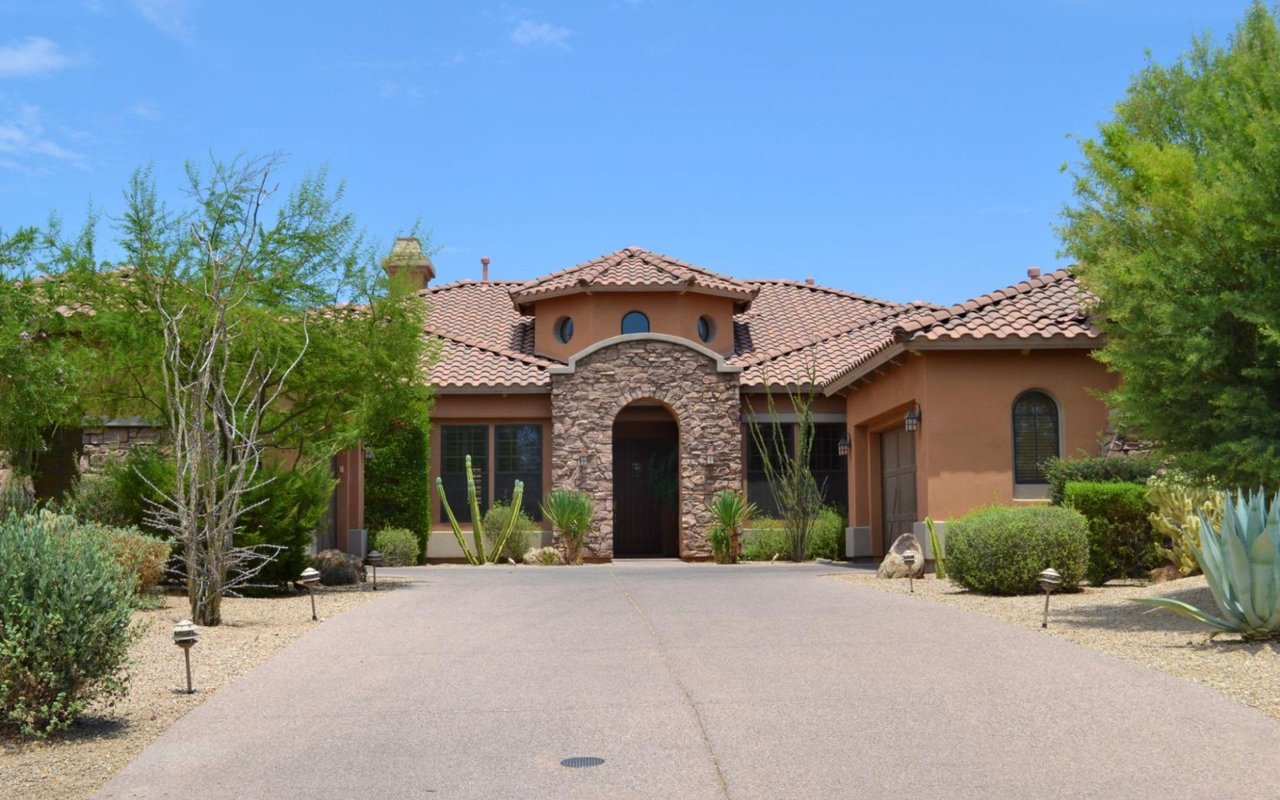
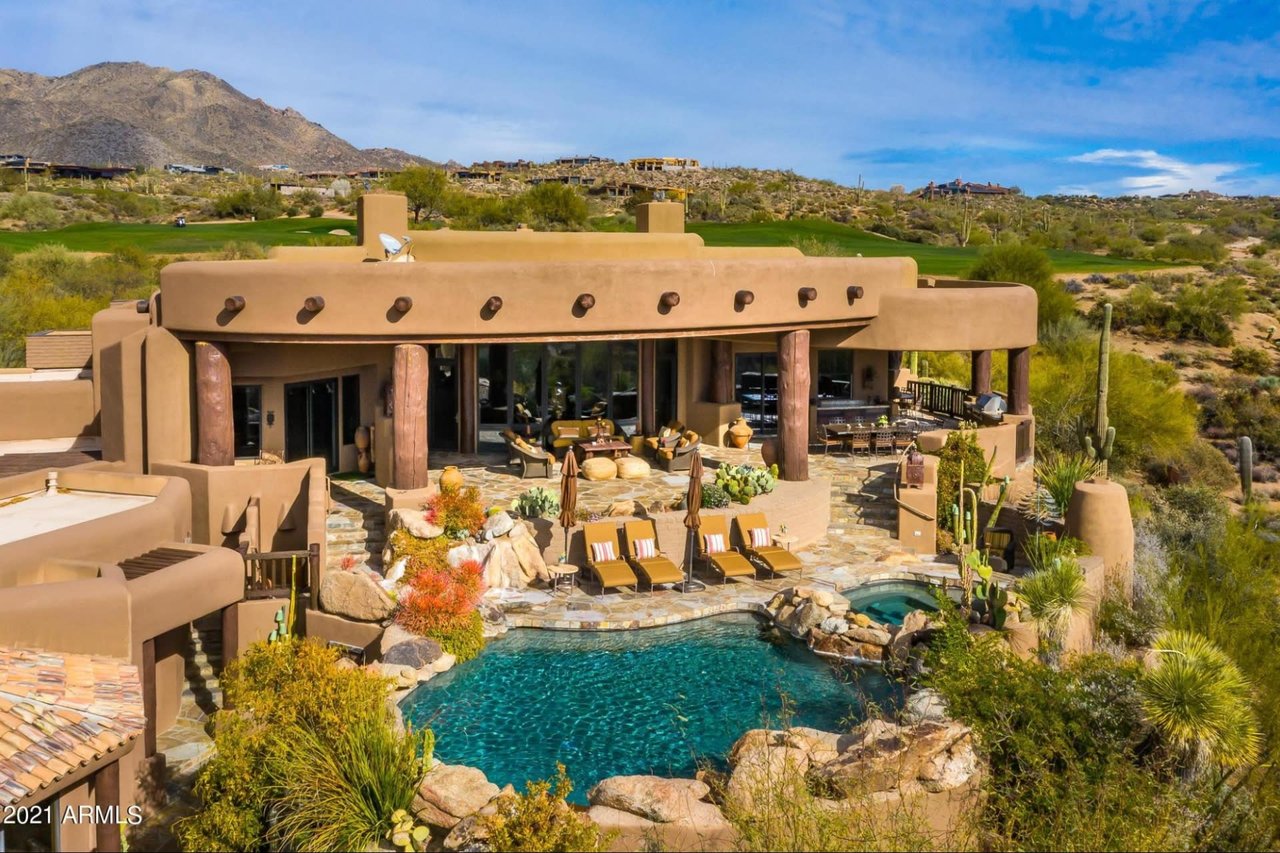
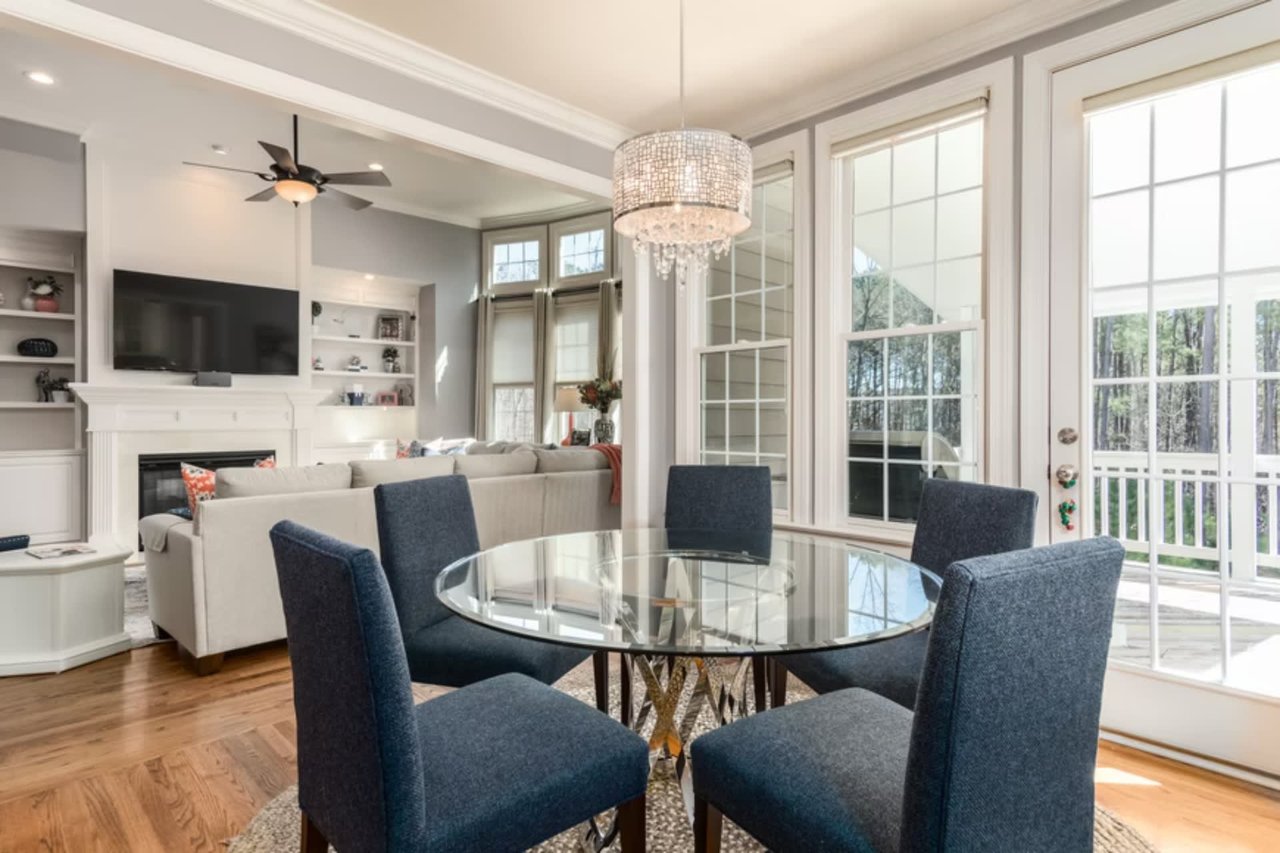
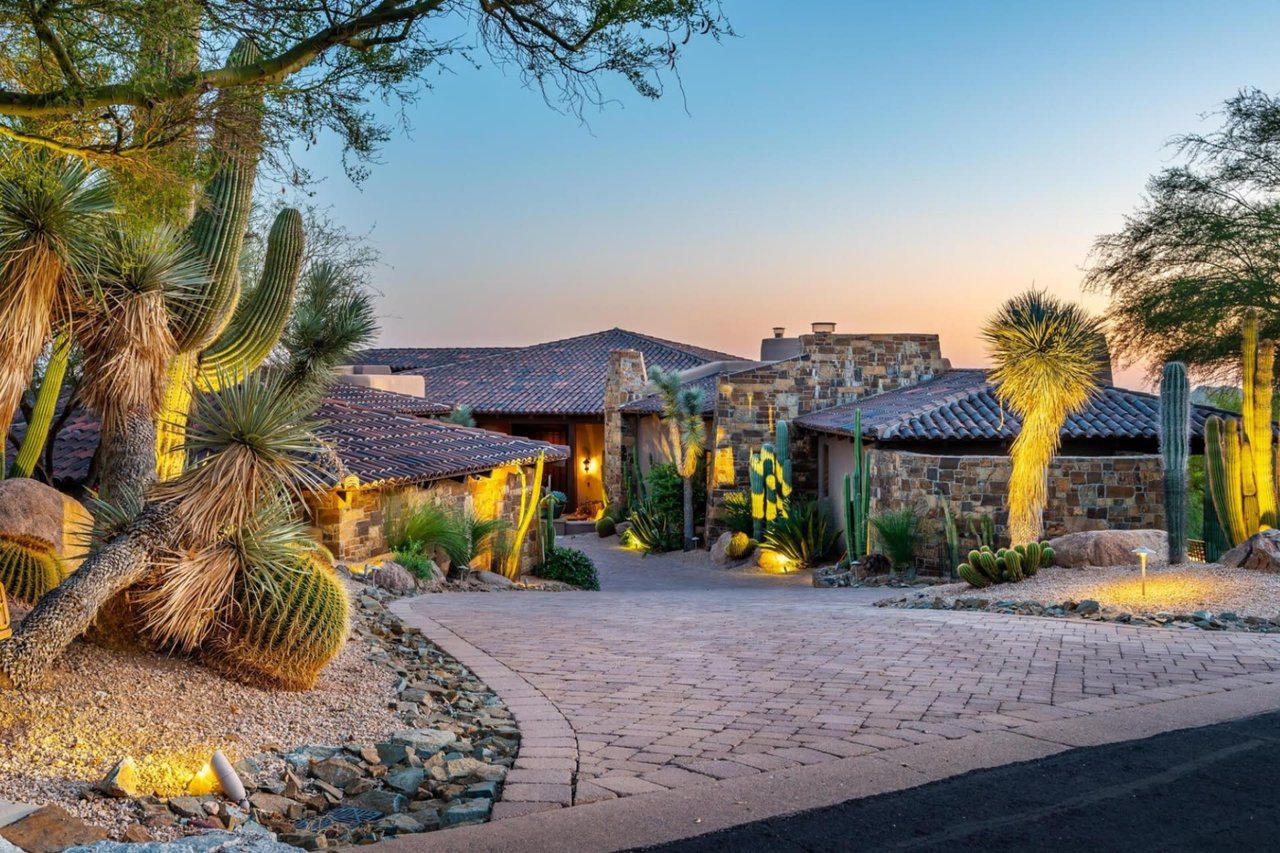
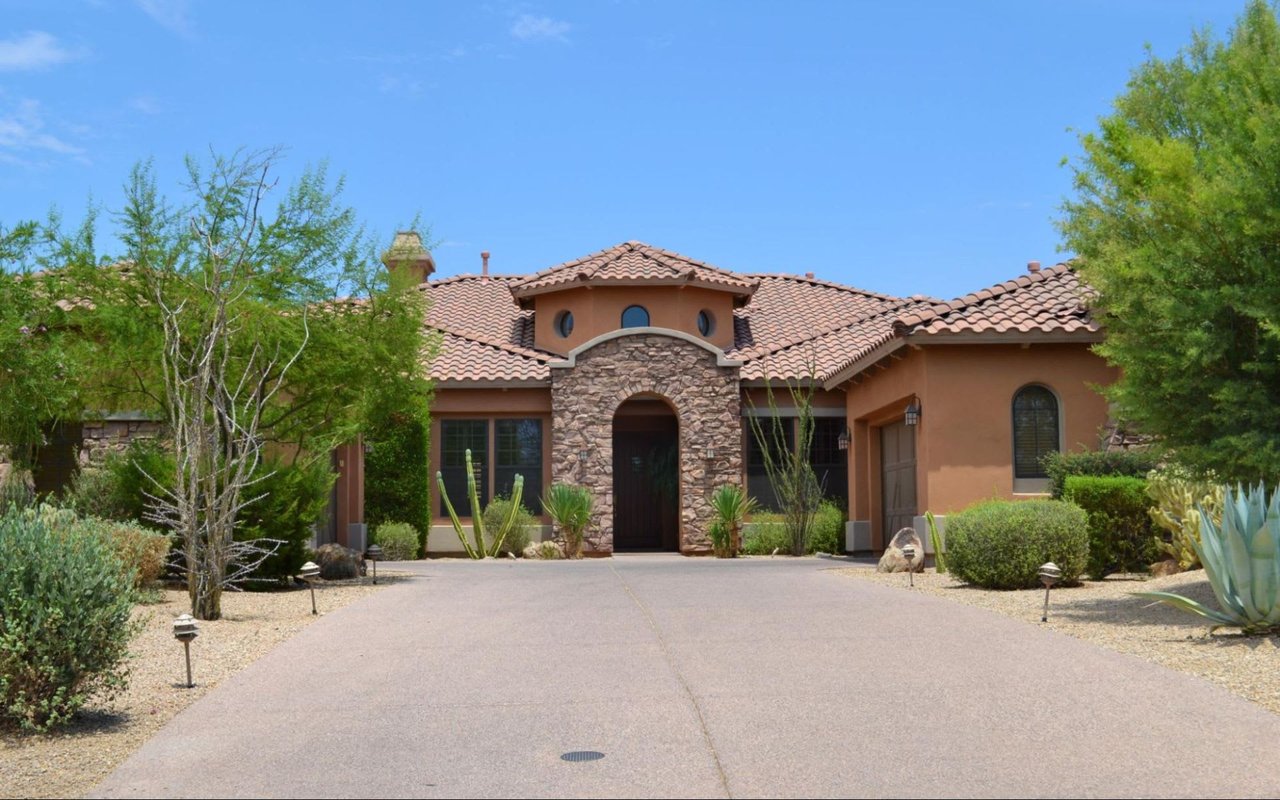
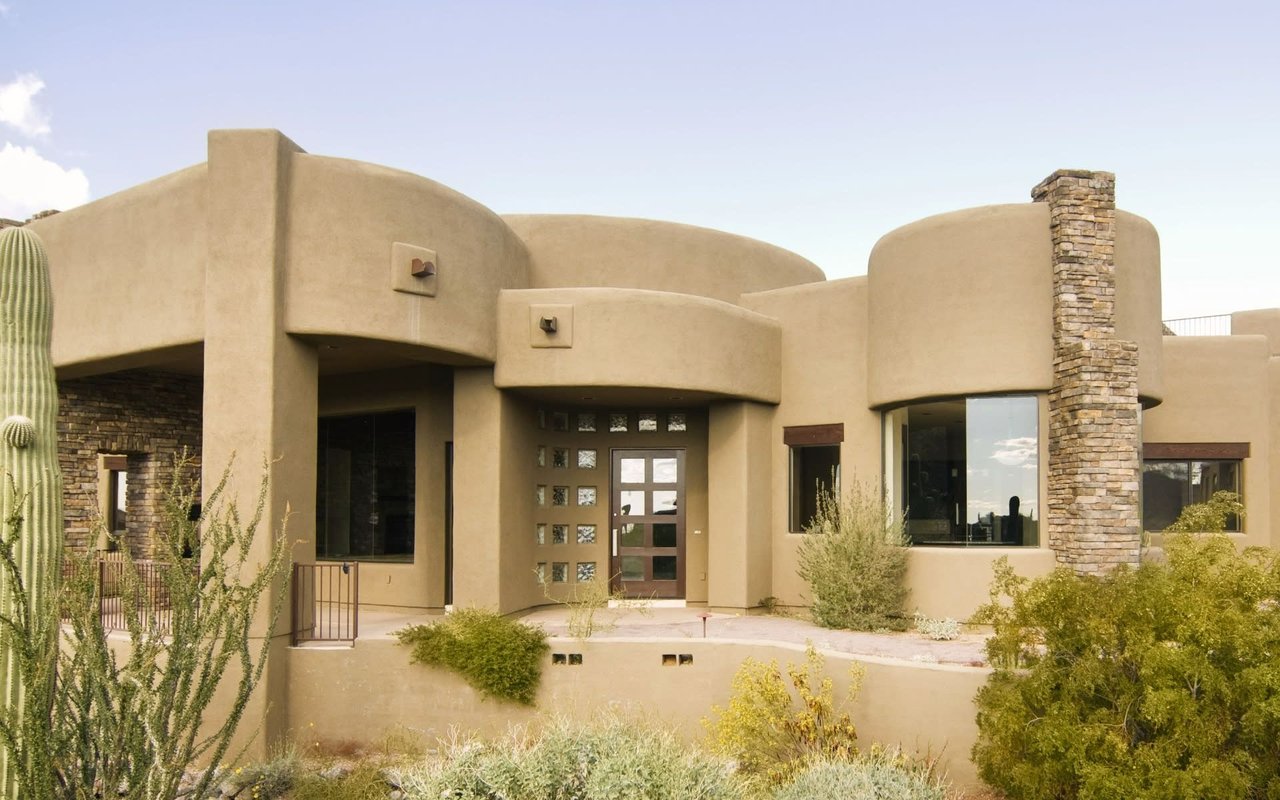
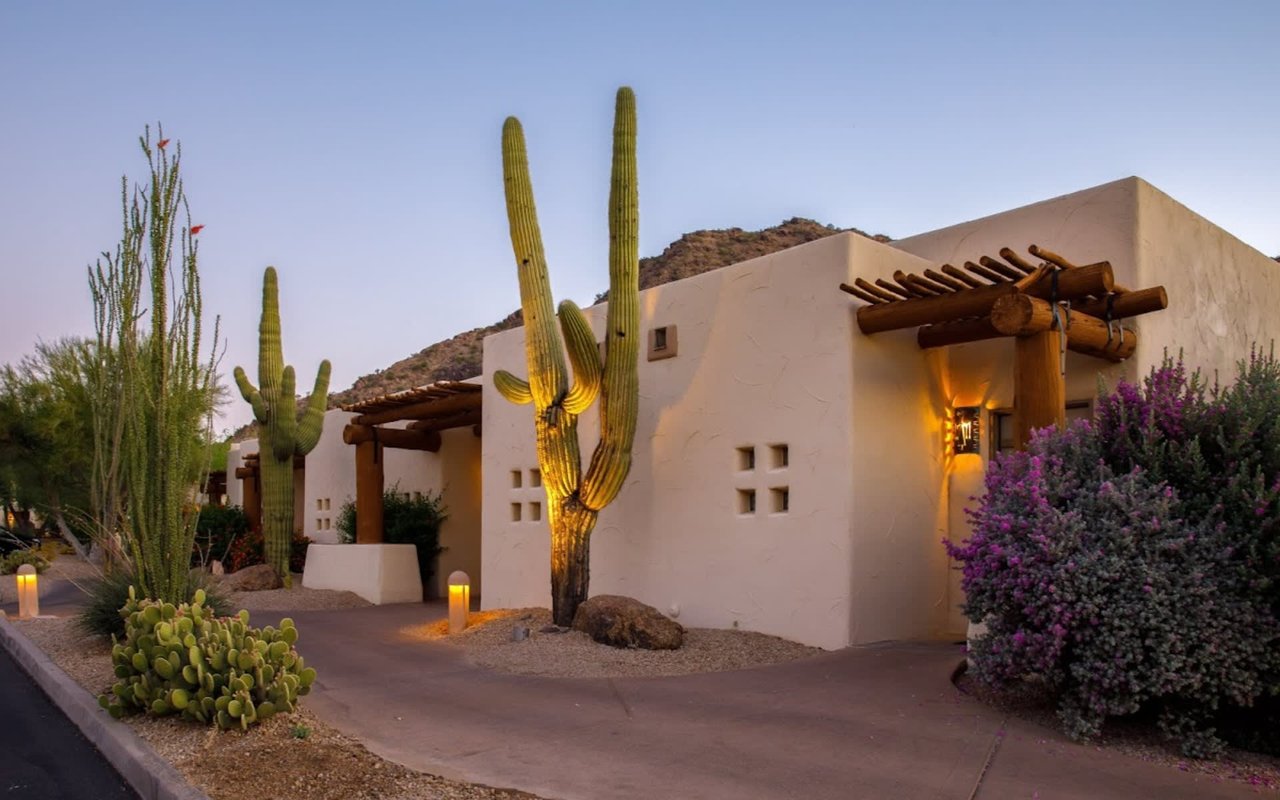
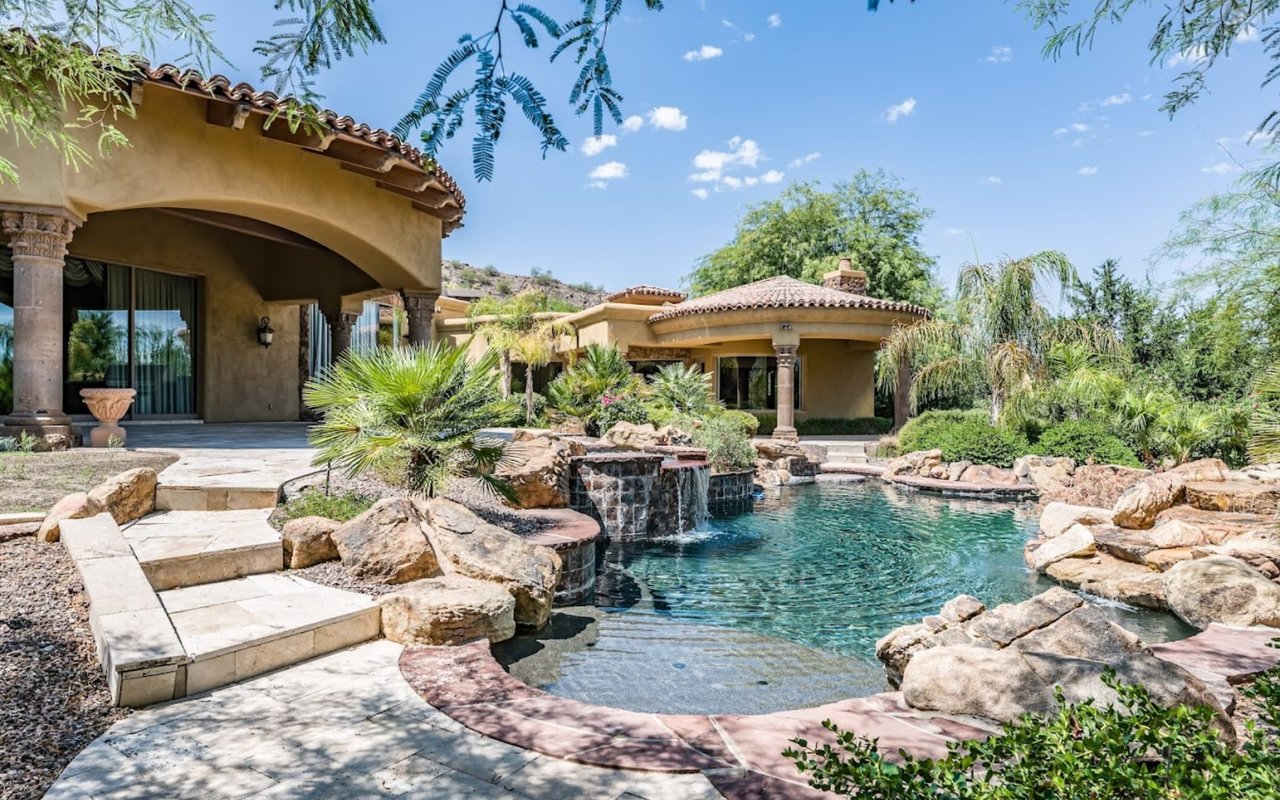
The early homes in Desert Mountain leaned toward traditional Southwestern and territorial styles, with adobe-like textures, natural stone, covered porches, and small window openings. As Scottsdale design trends shifted, the community began to see more open floor plans, larger glass expanses, and contemporary profiles.
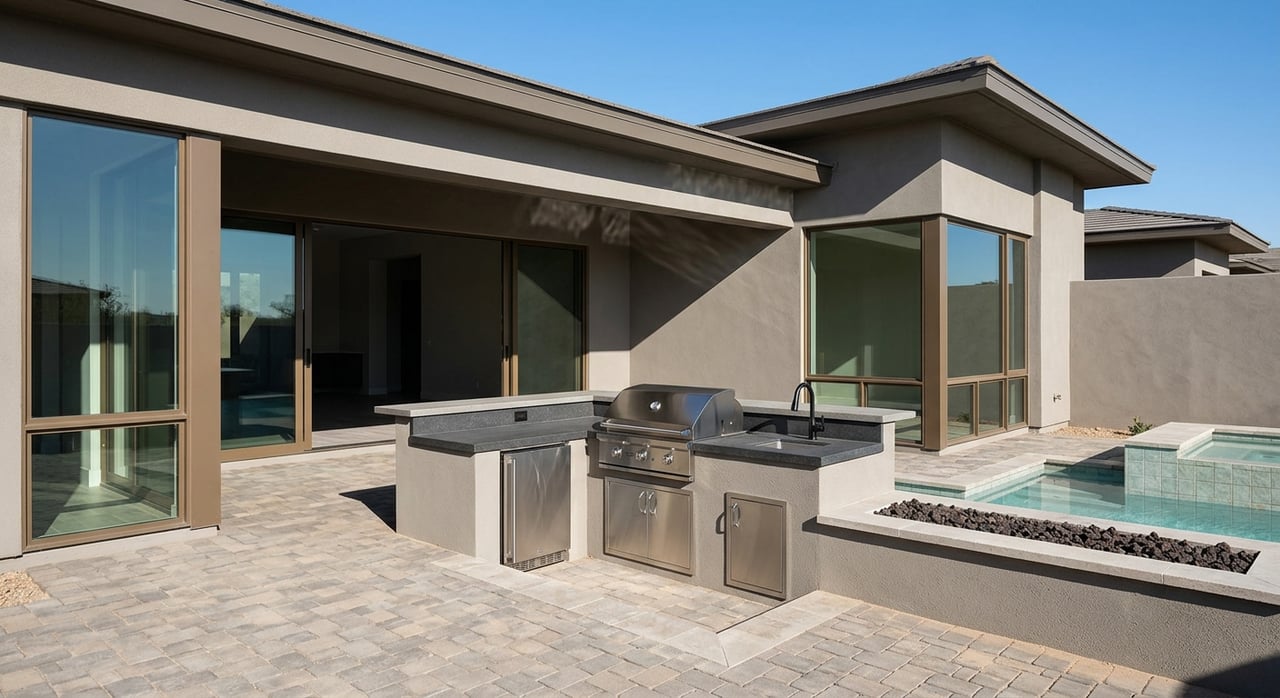
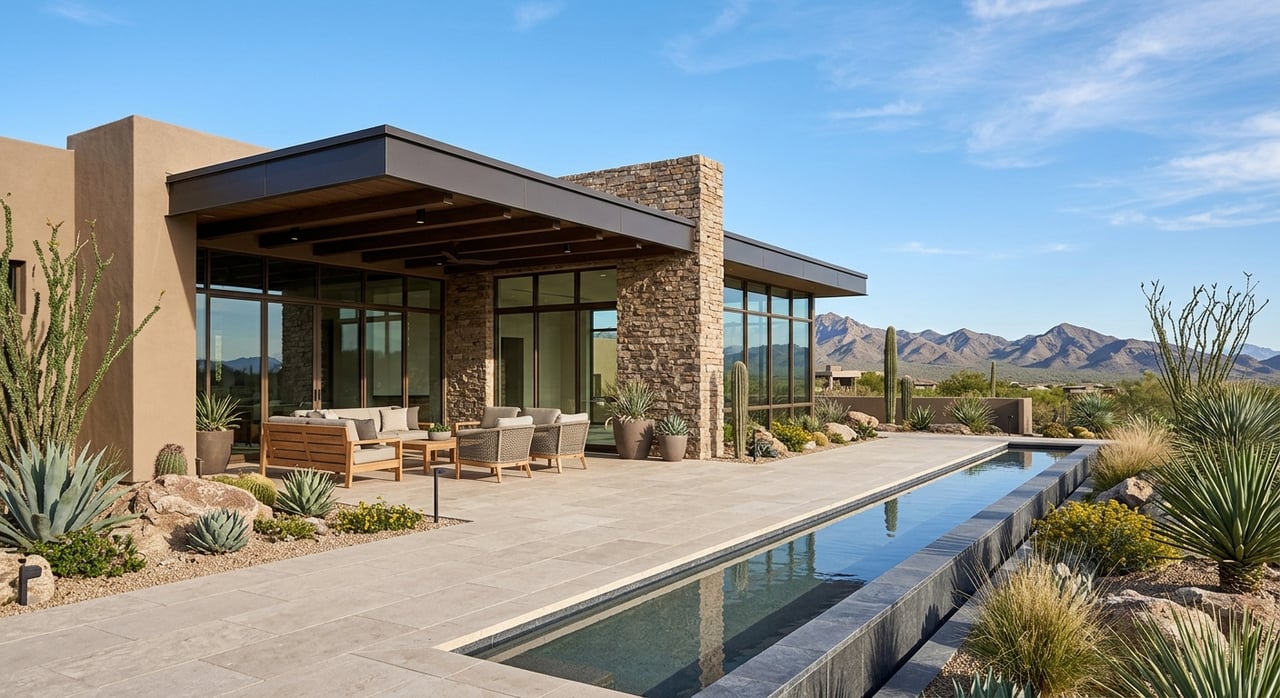
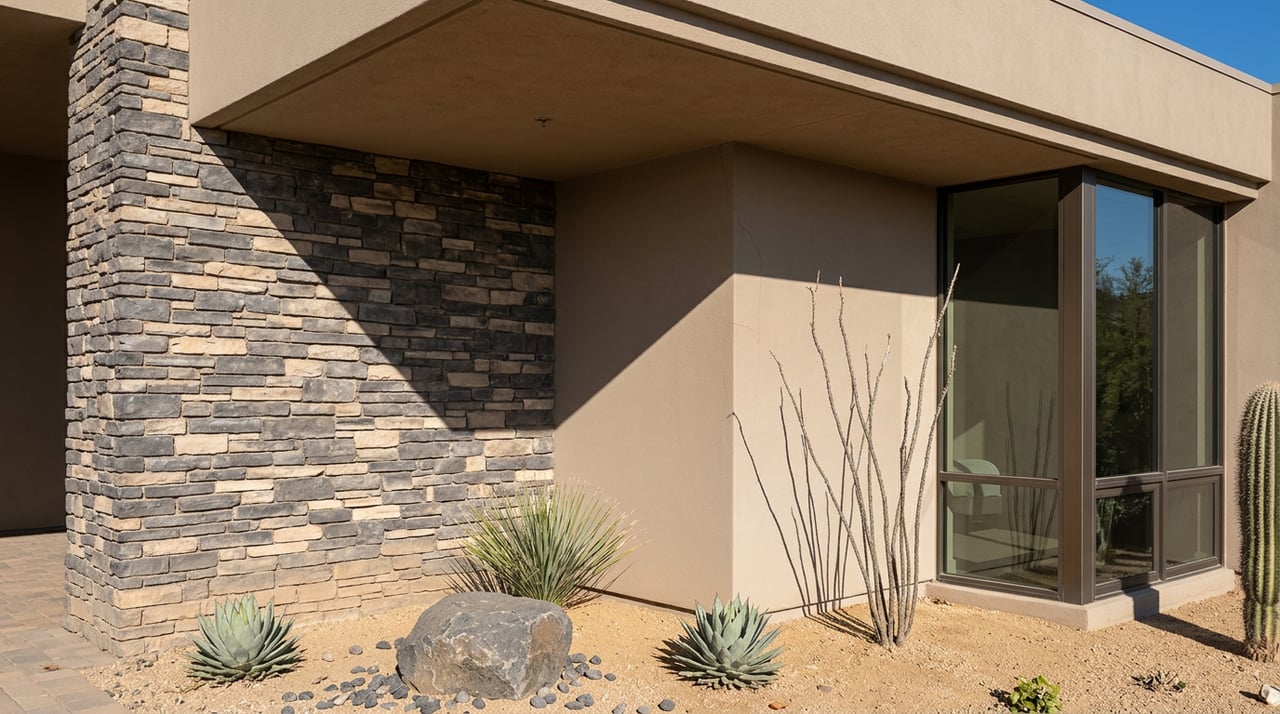
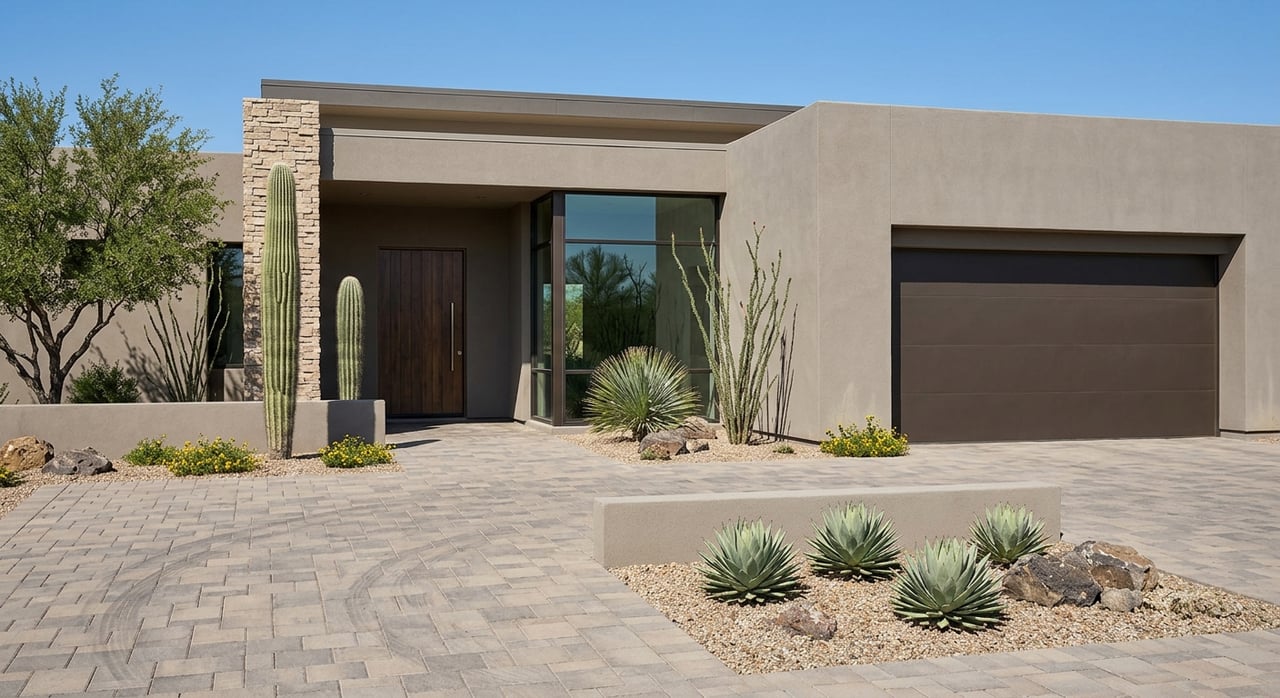
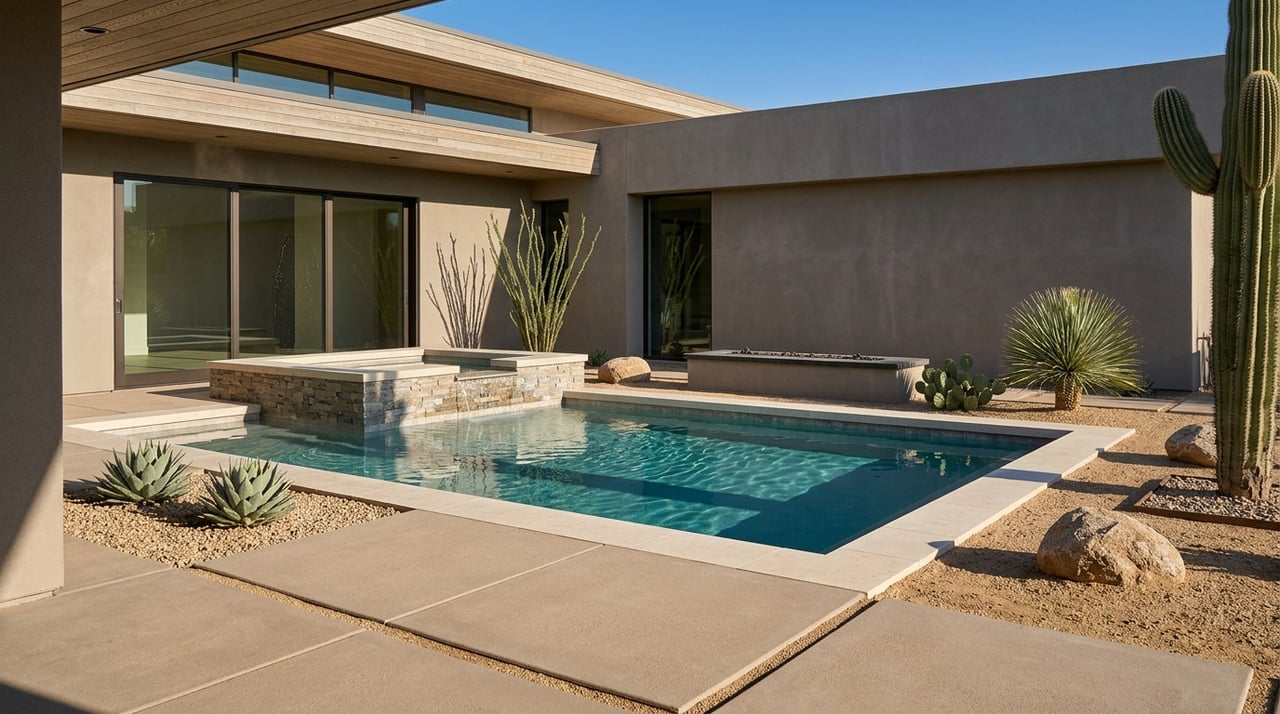
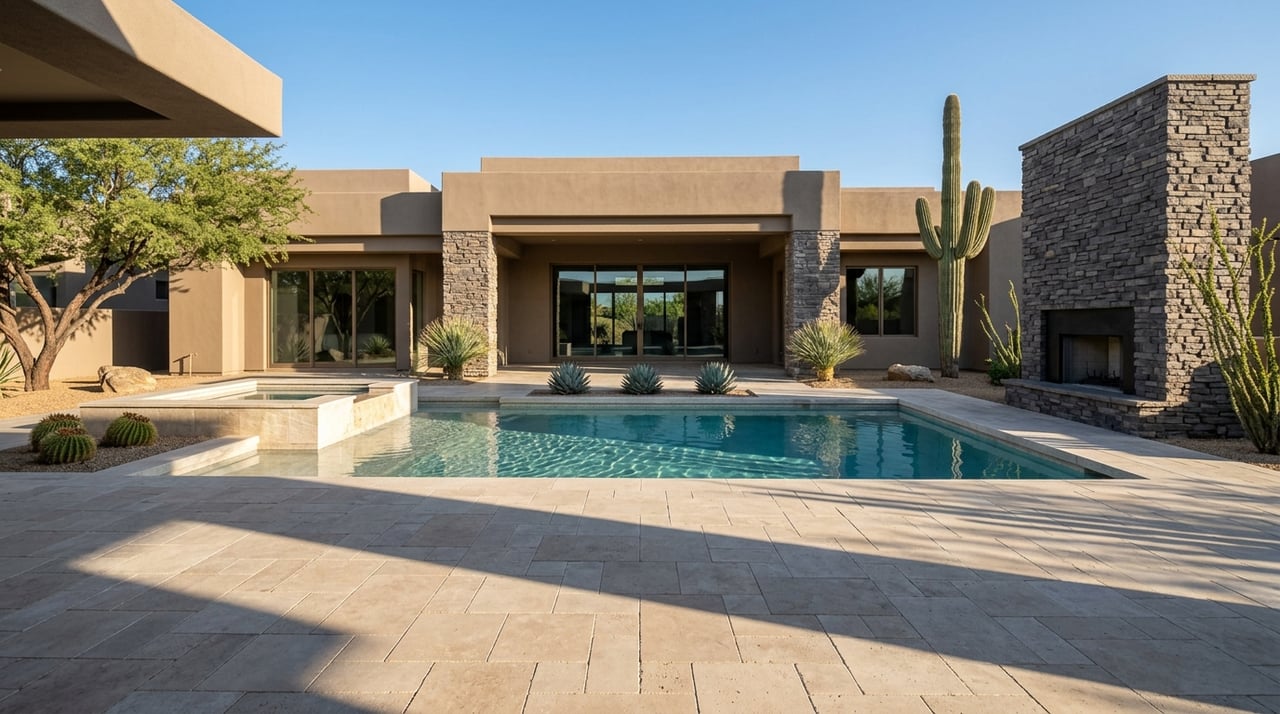
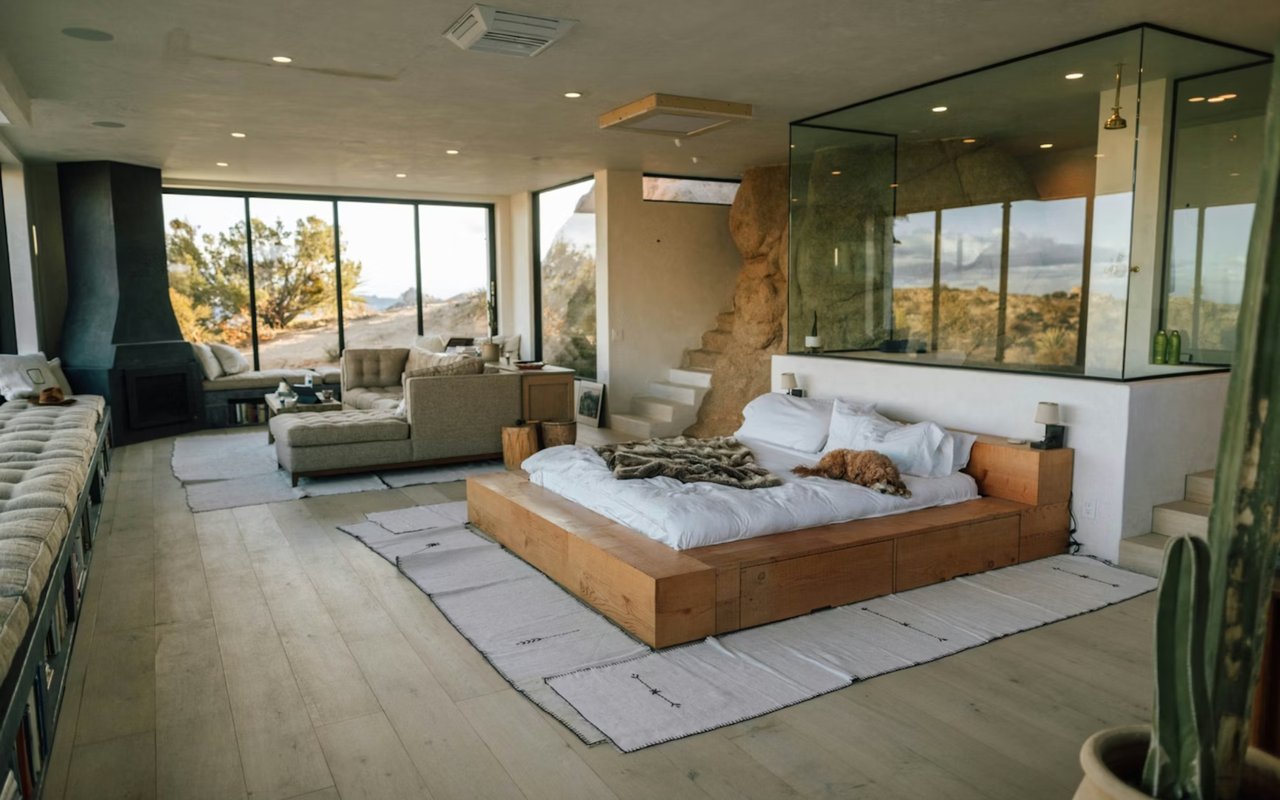
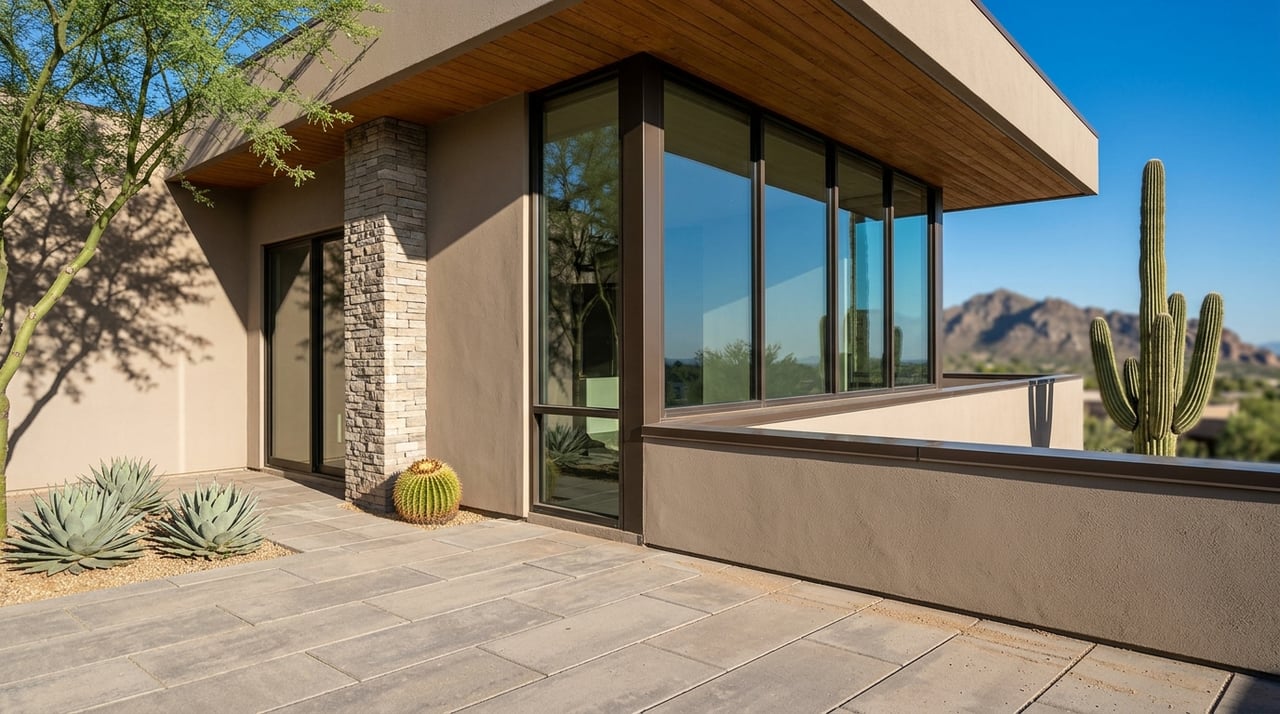
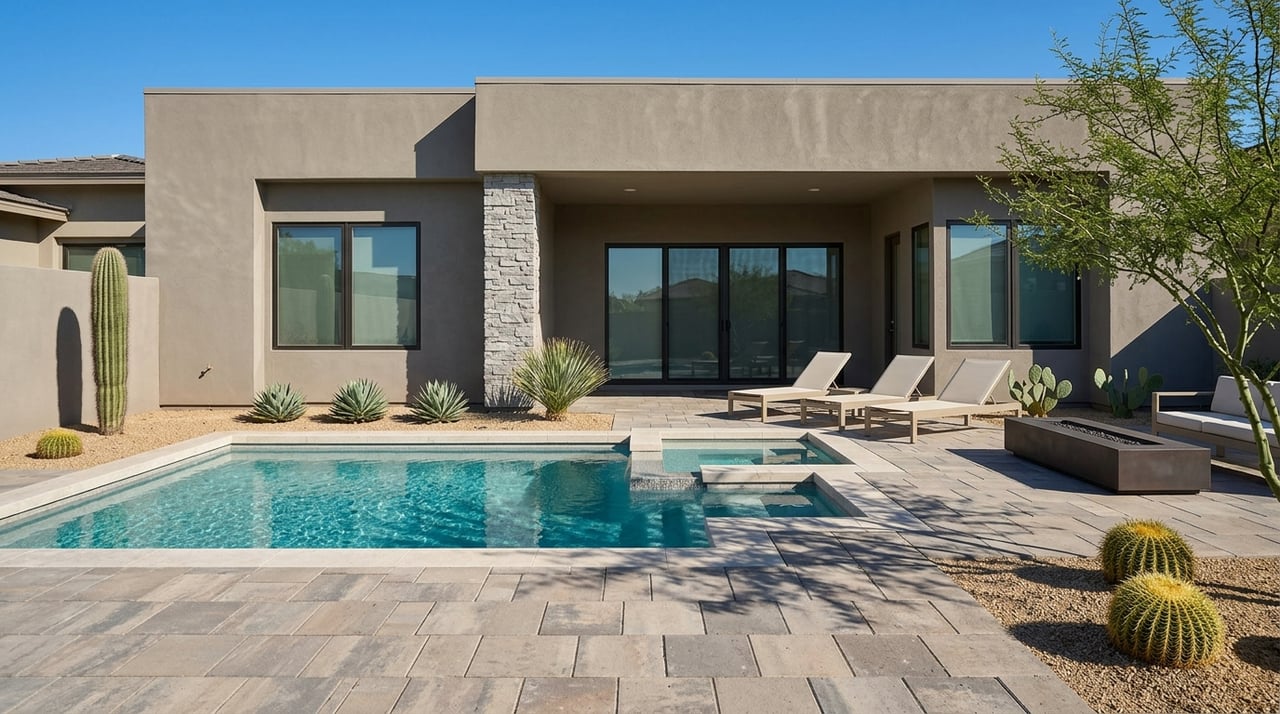
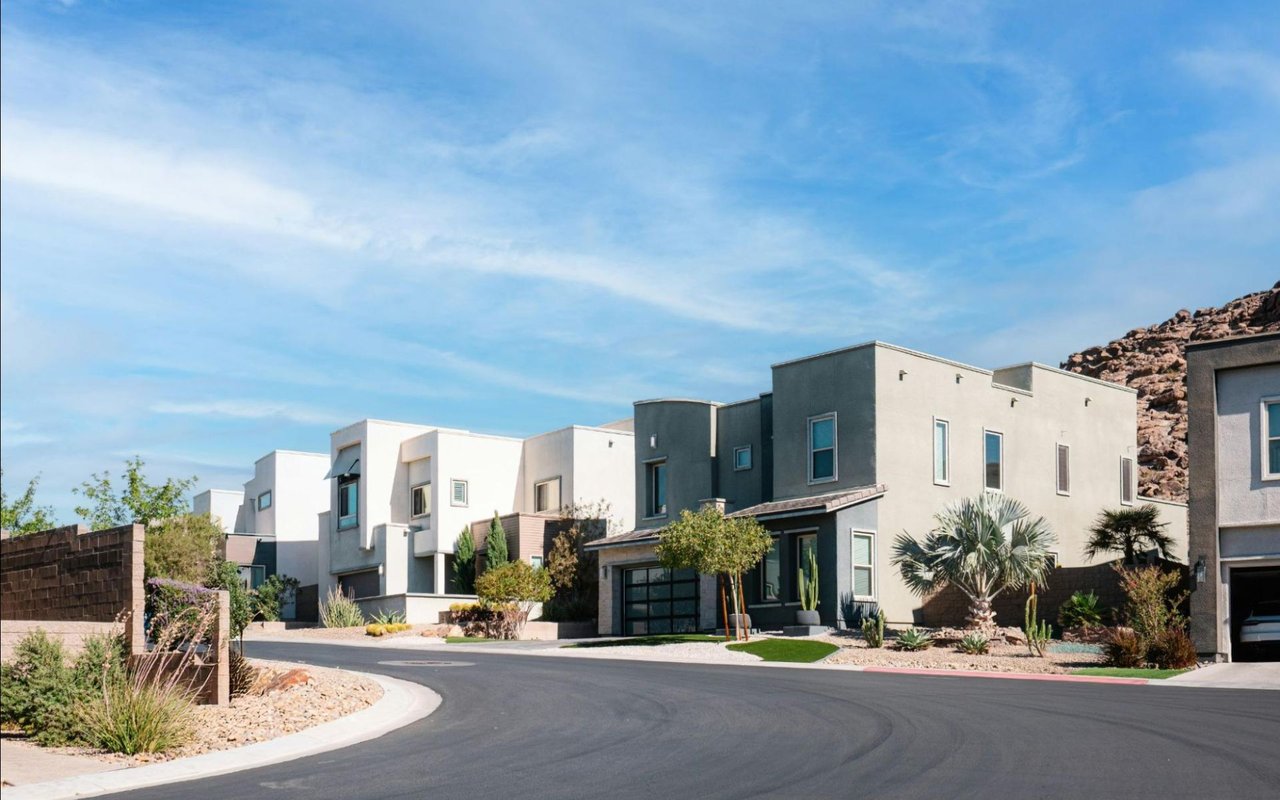
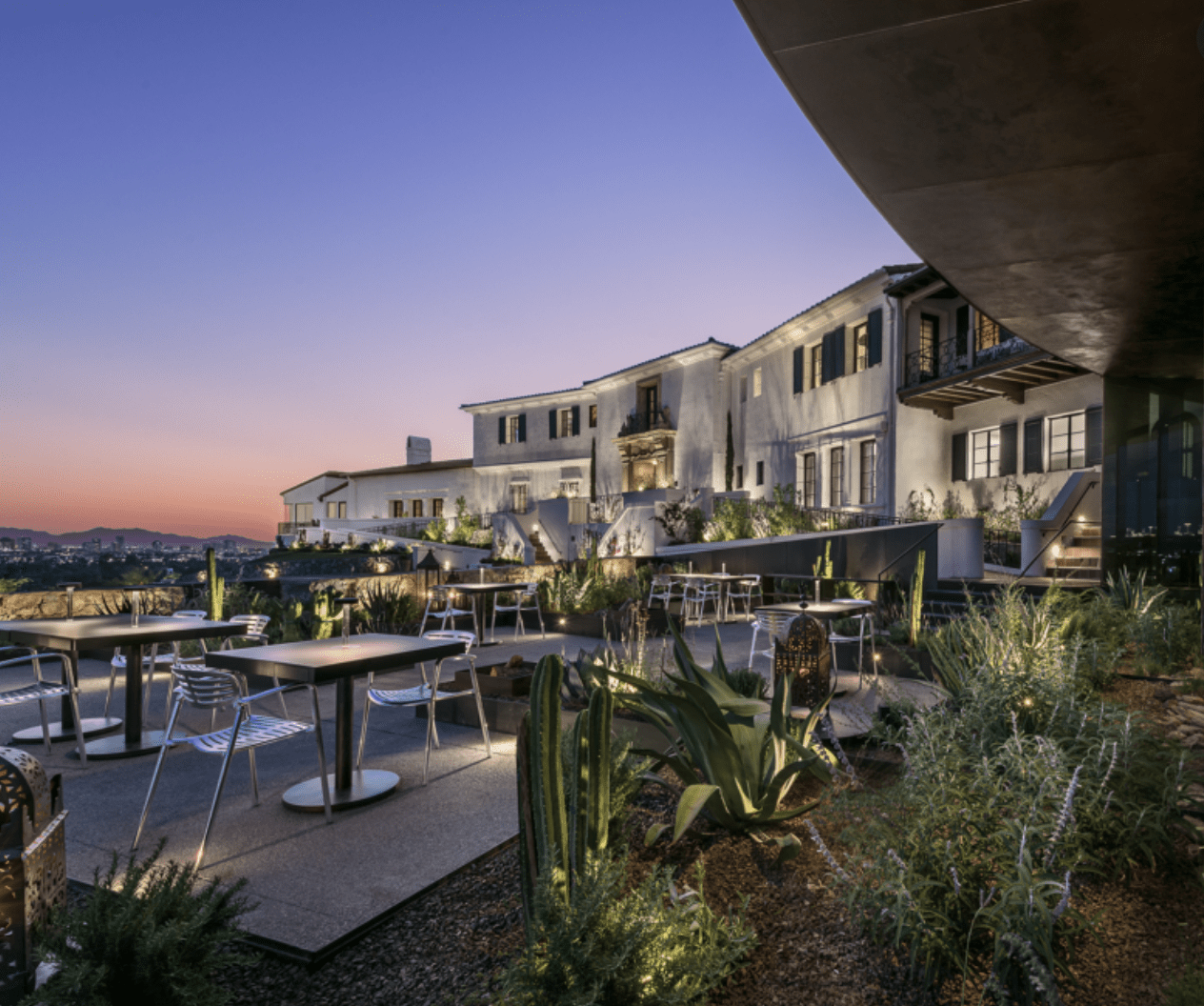
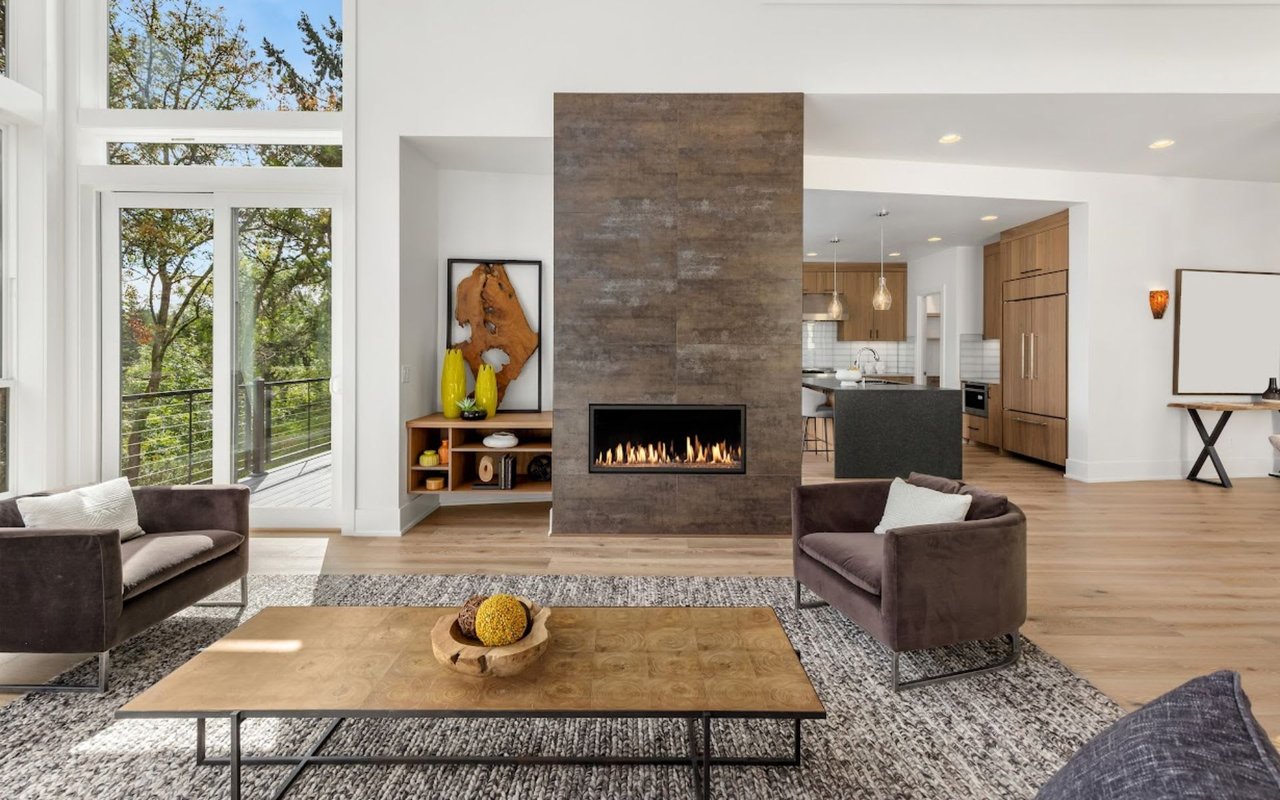
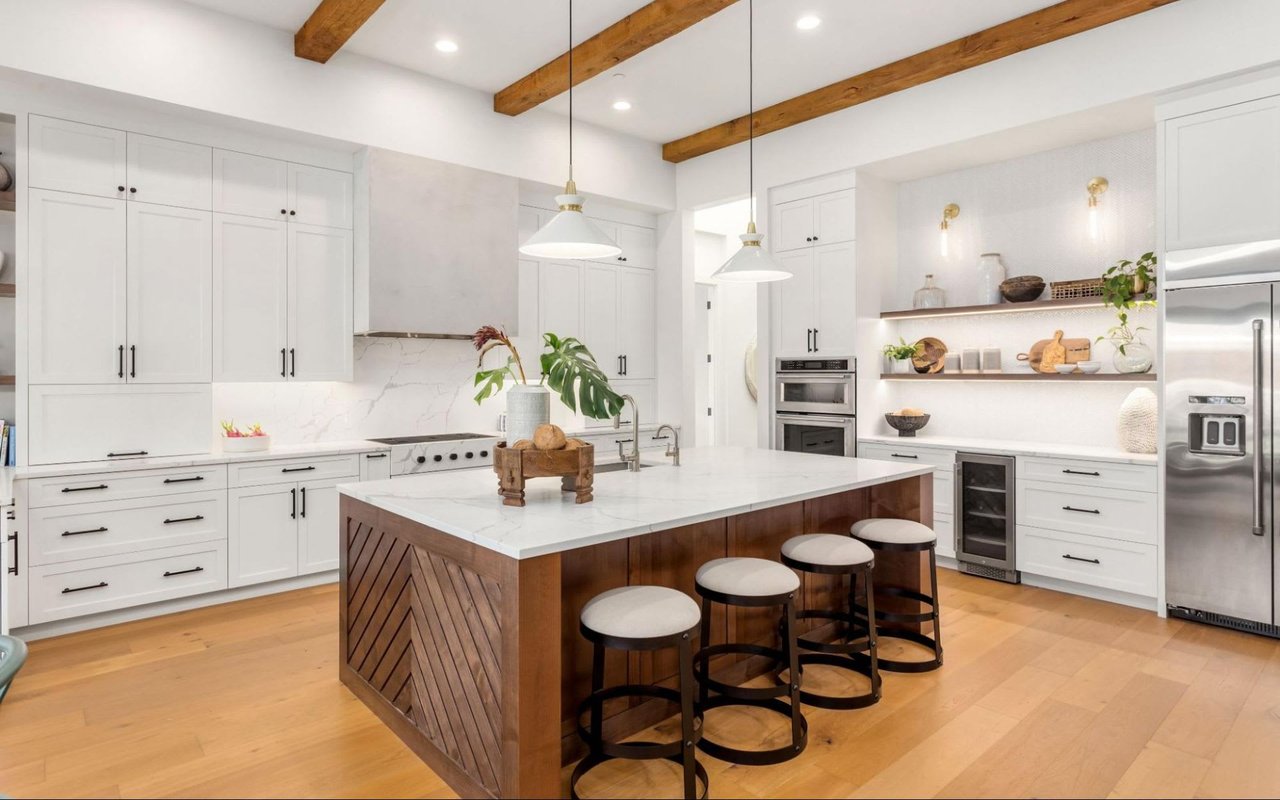
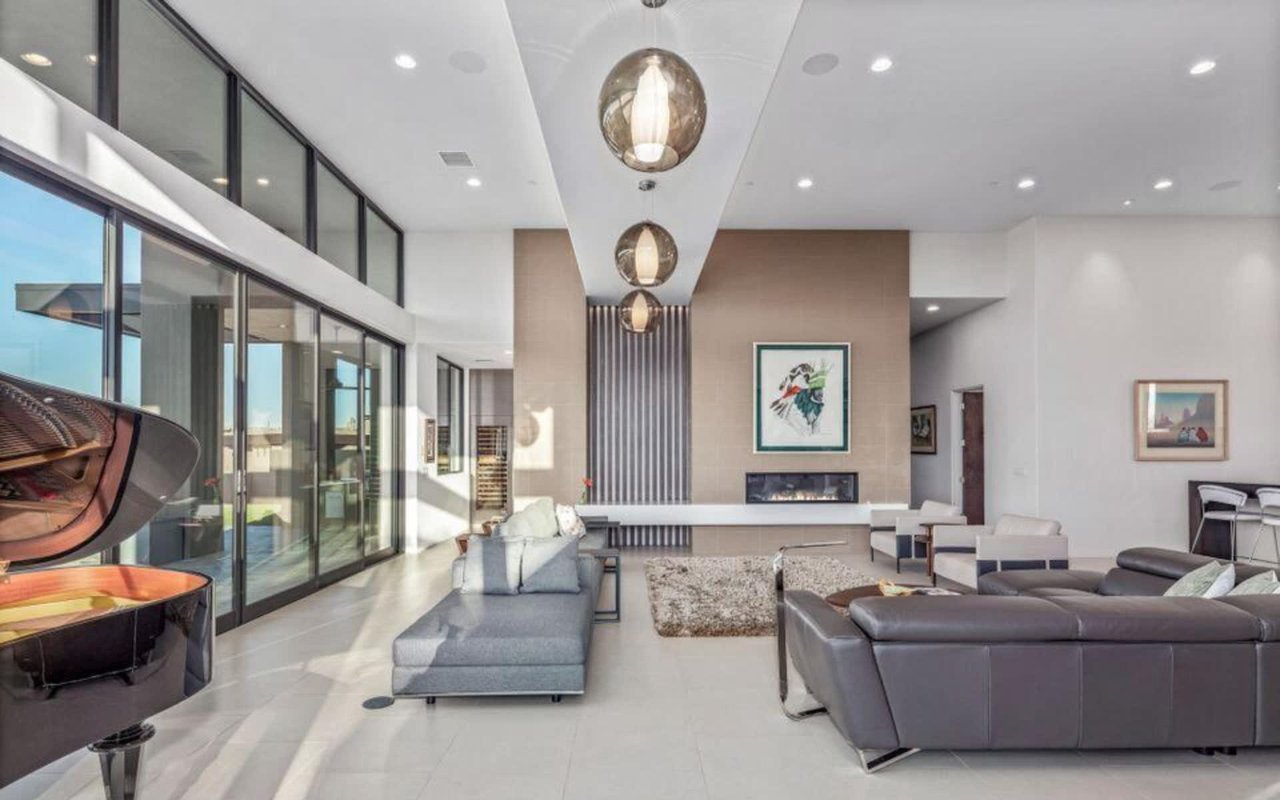
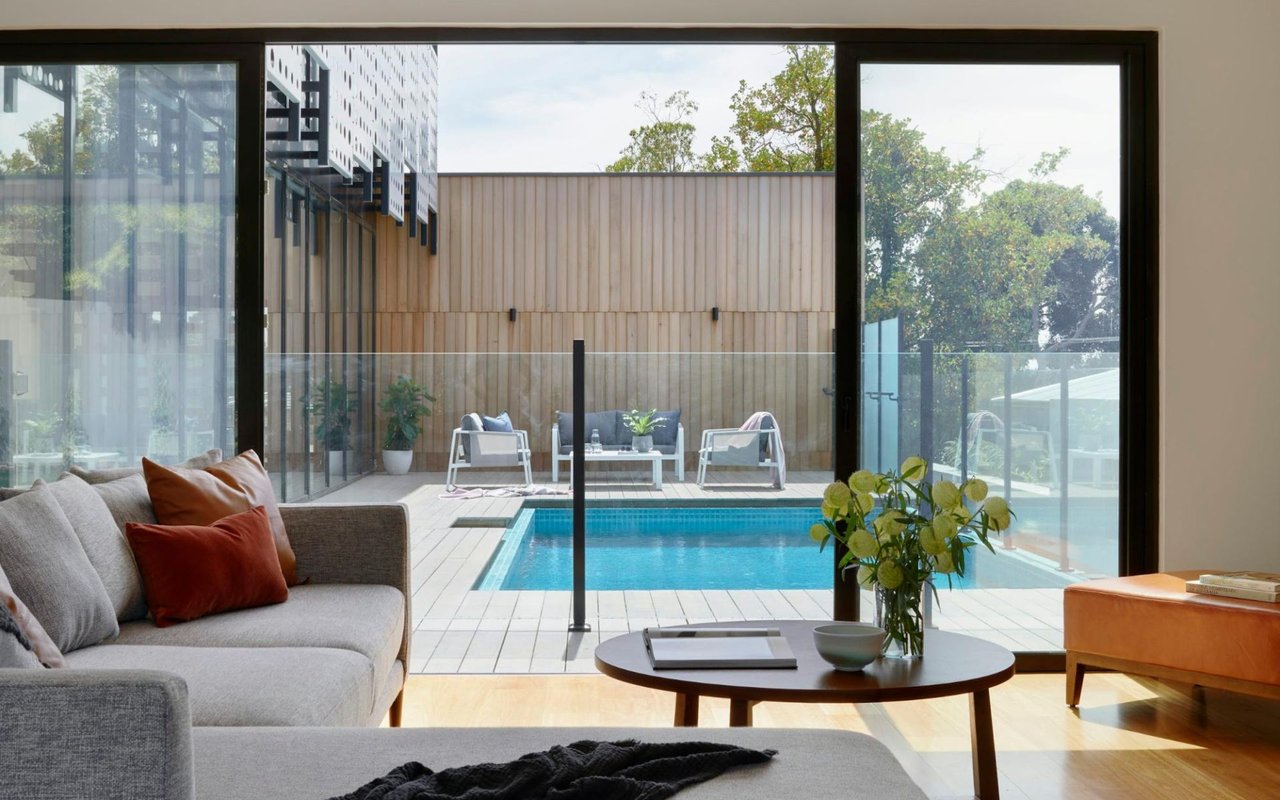
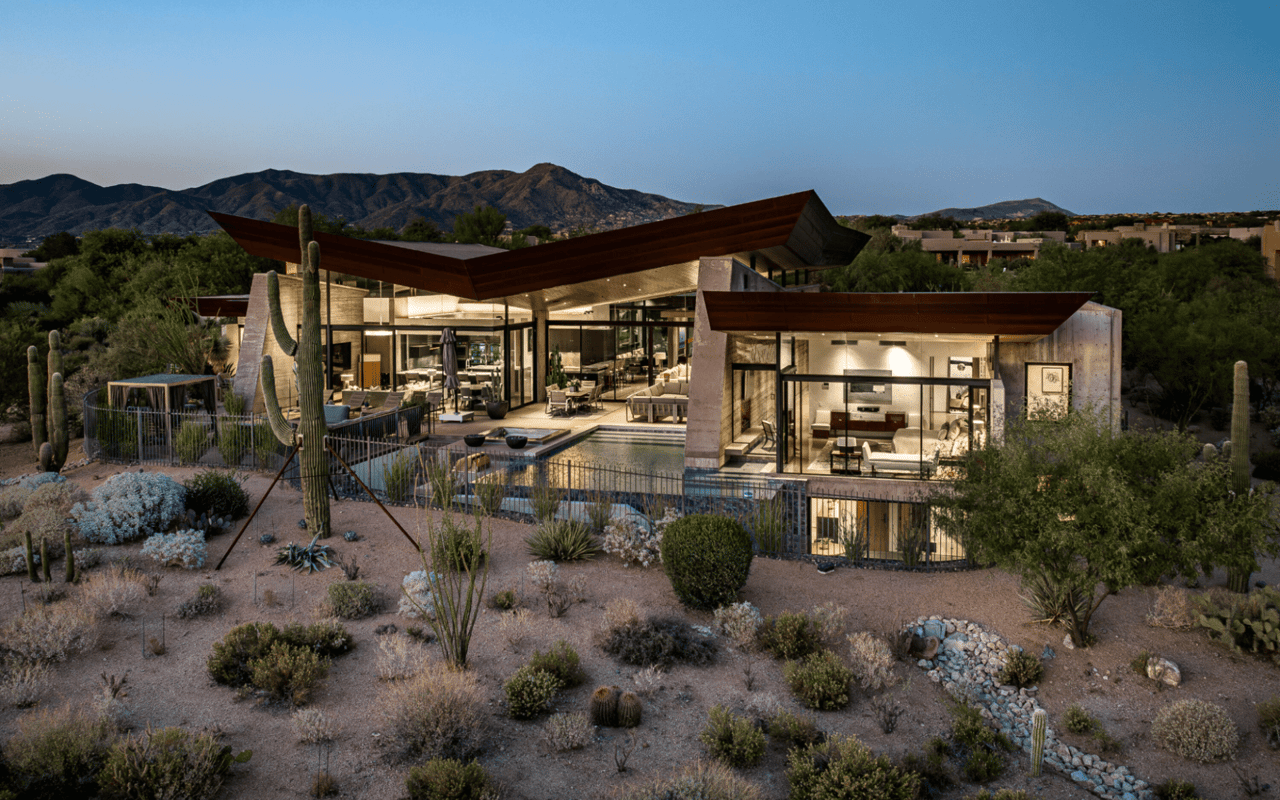
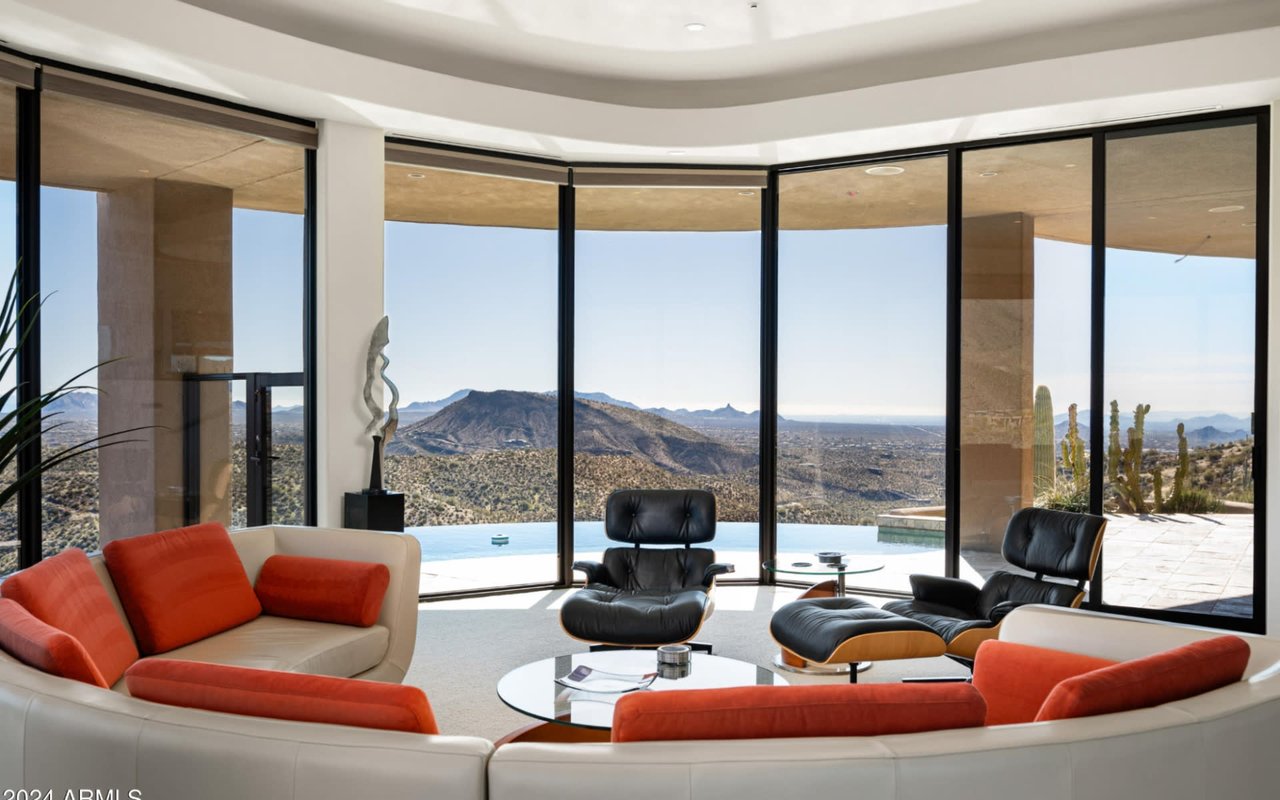
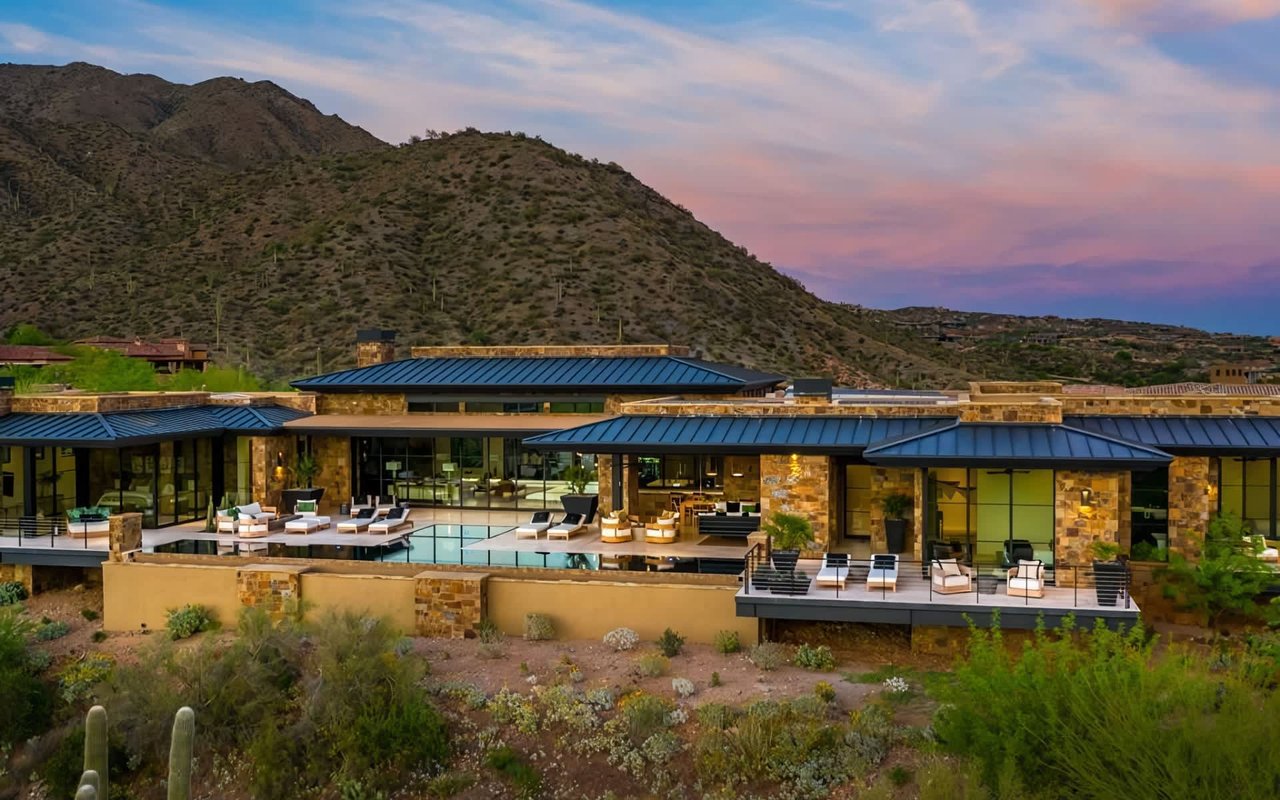
By the 2000s, soft, contemporary, and modern desert designs had become more prominent. Builders incorporated steel, expanded patio structures, clerestory windows, and transitional interiors. These updates aligned with a broader movement toward light-filled spaces and indoor-outdoor transitions. Newer custom homes and recent remodels often adopt these more streamlined aesthetics, reflecting ongoing changes in design preferences across the region.
Integration of Open Space and Trails
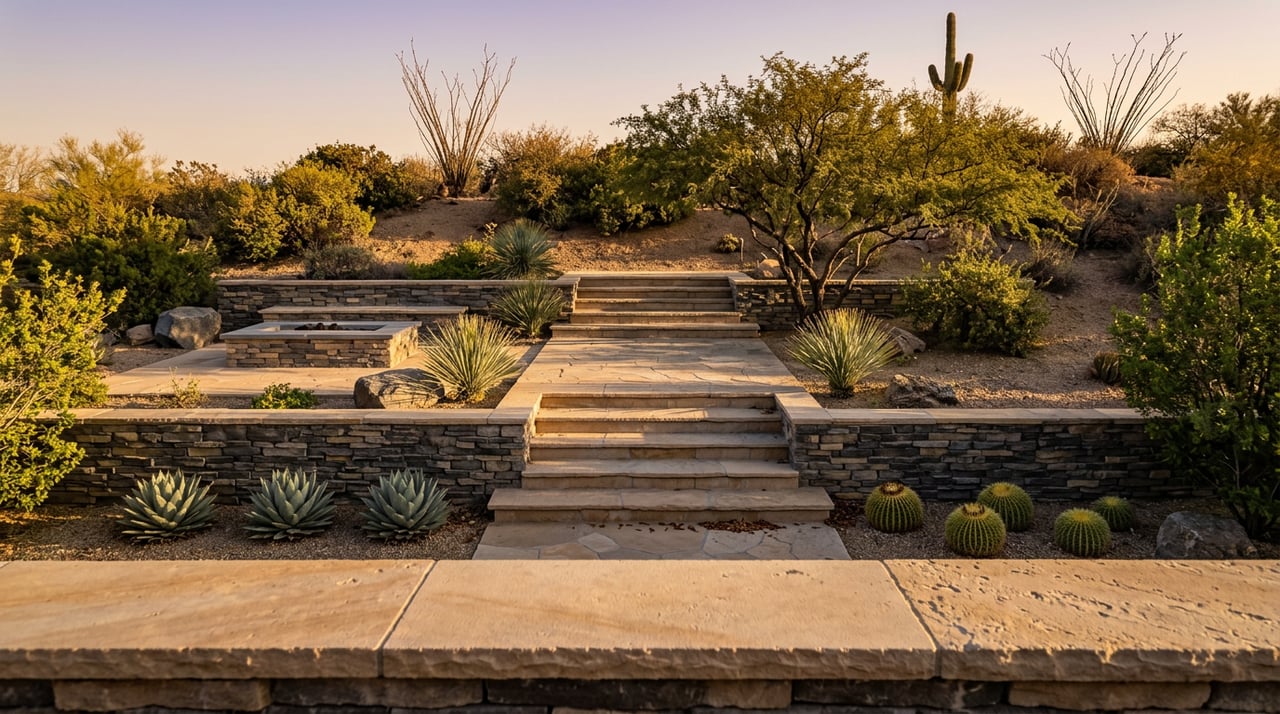
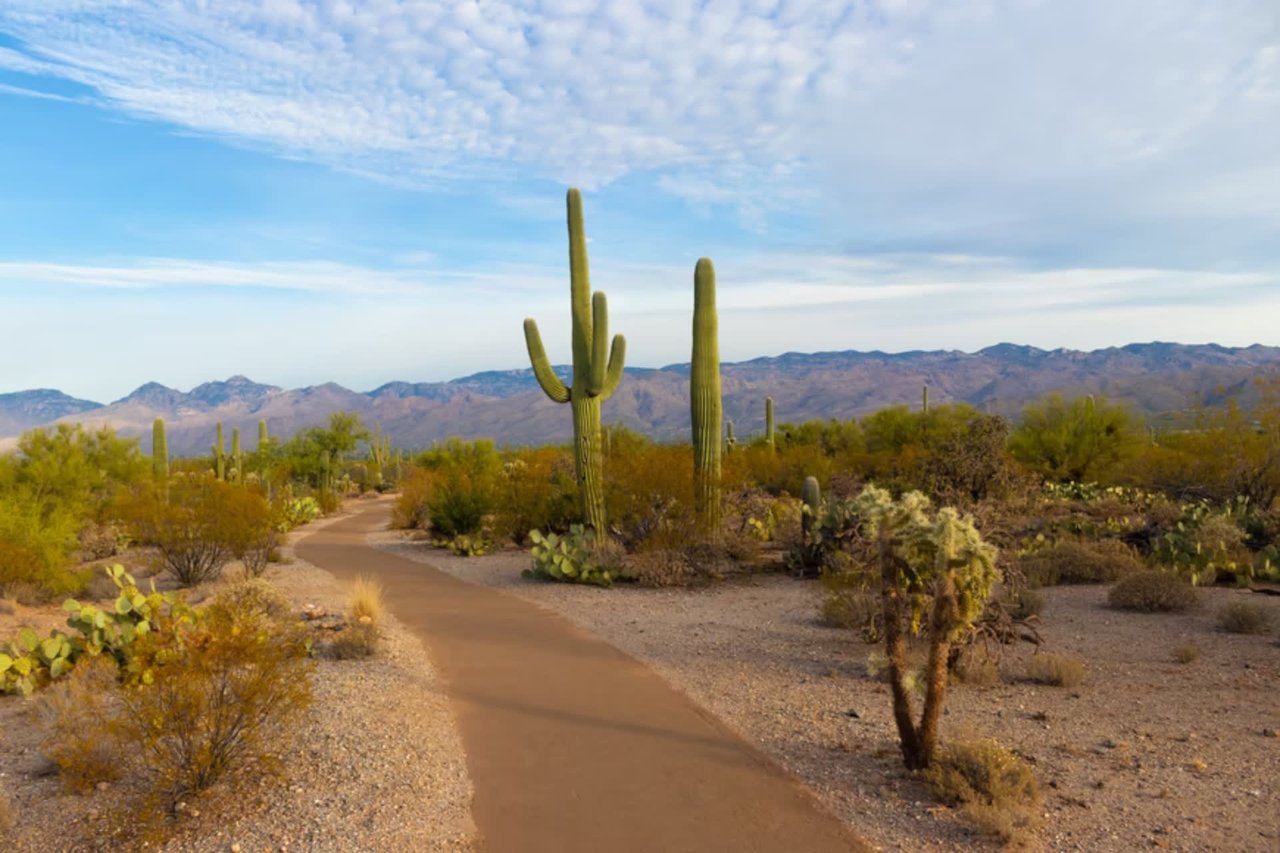
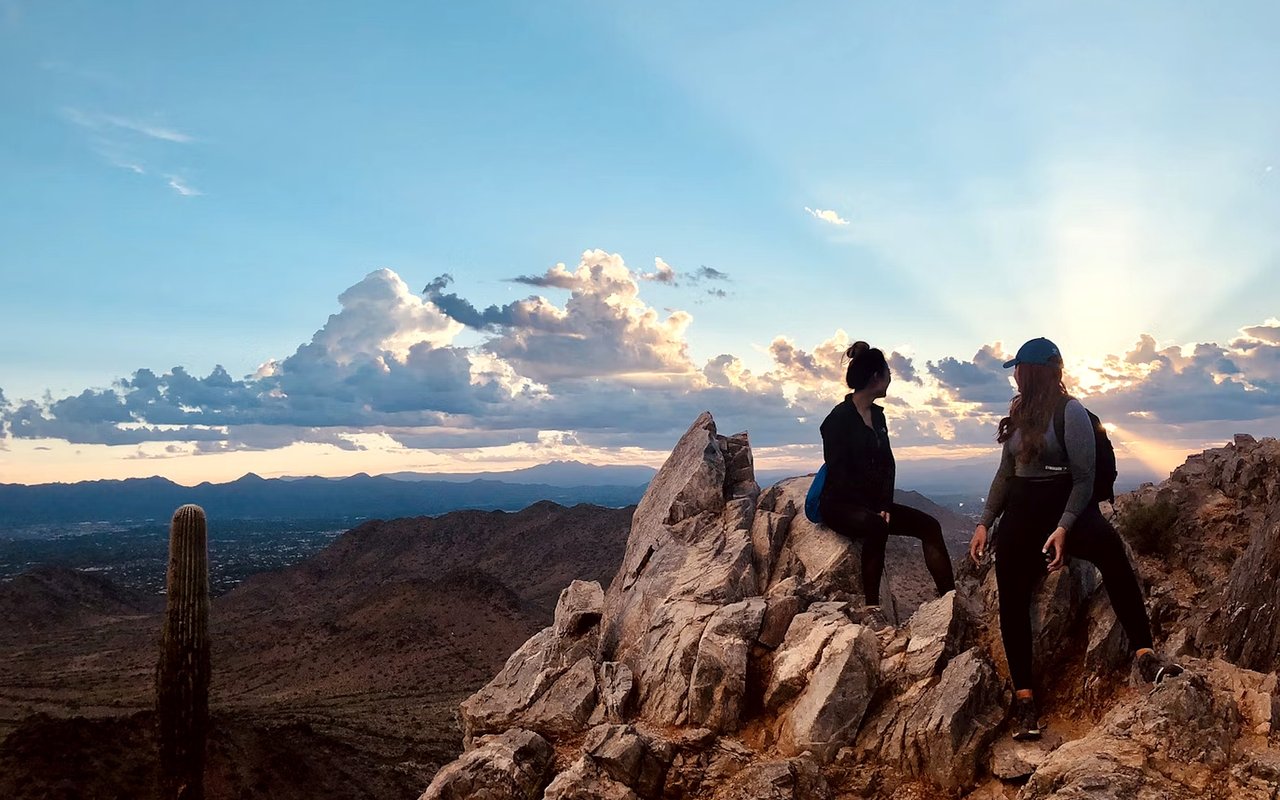
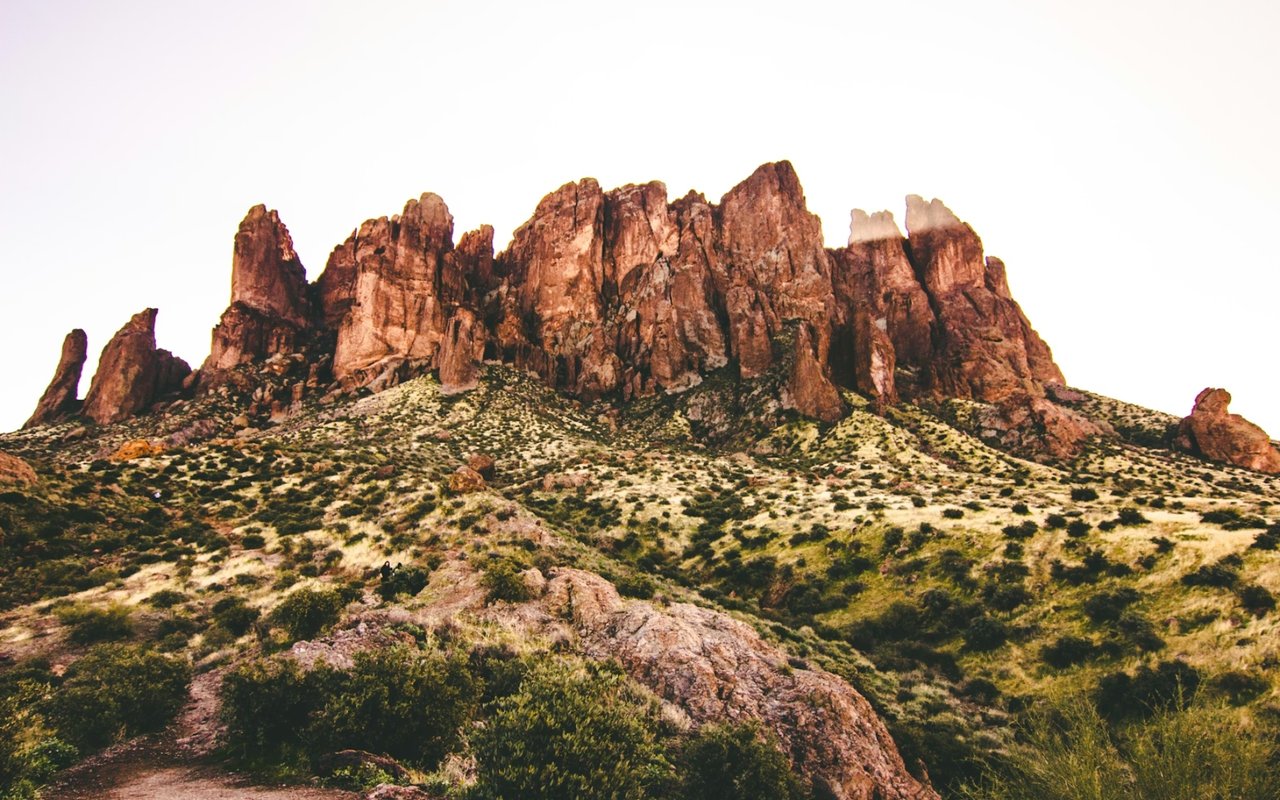
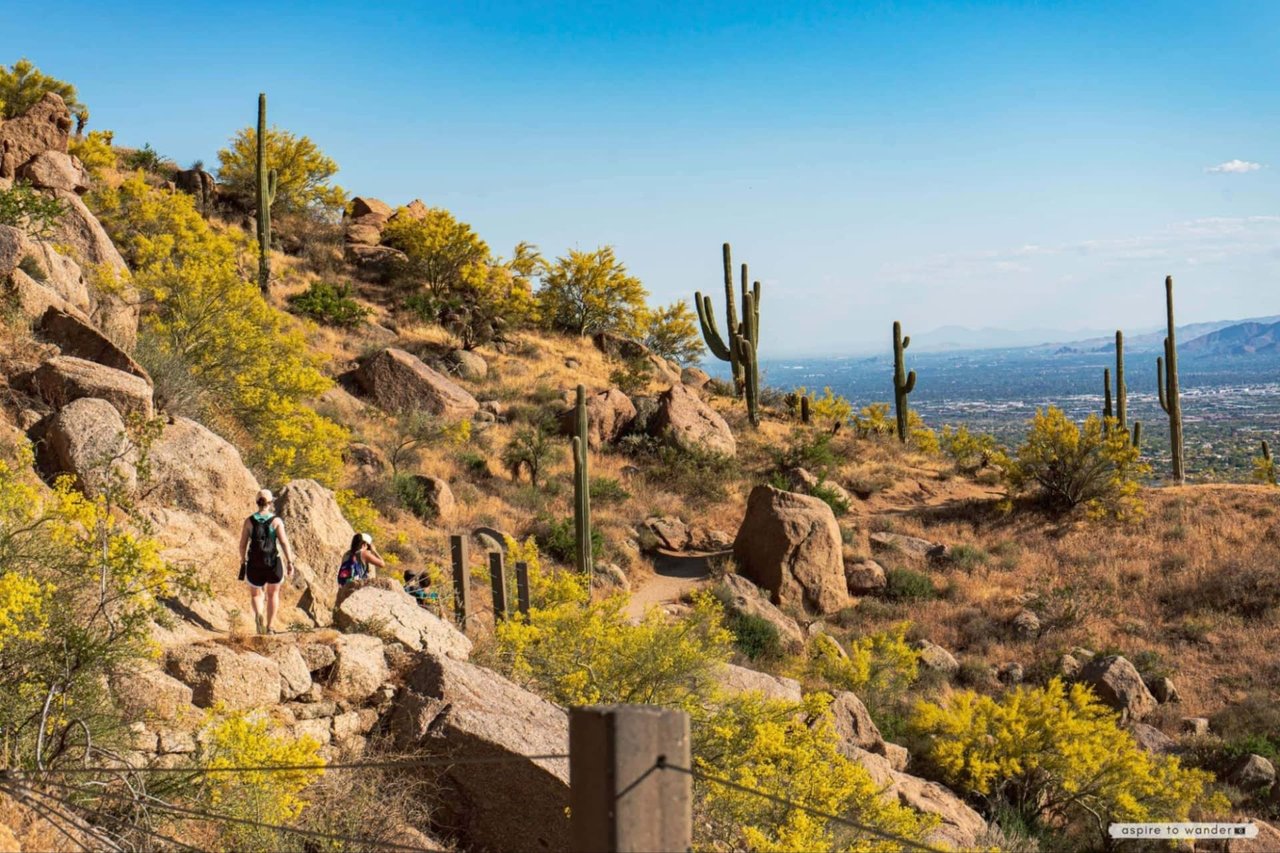
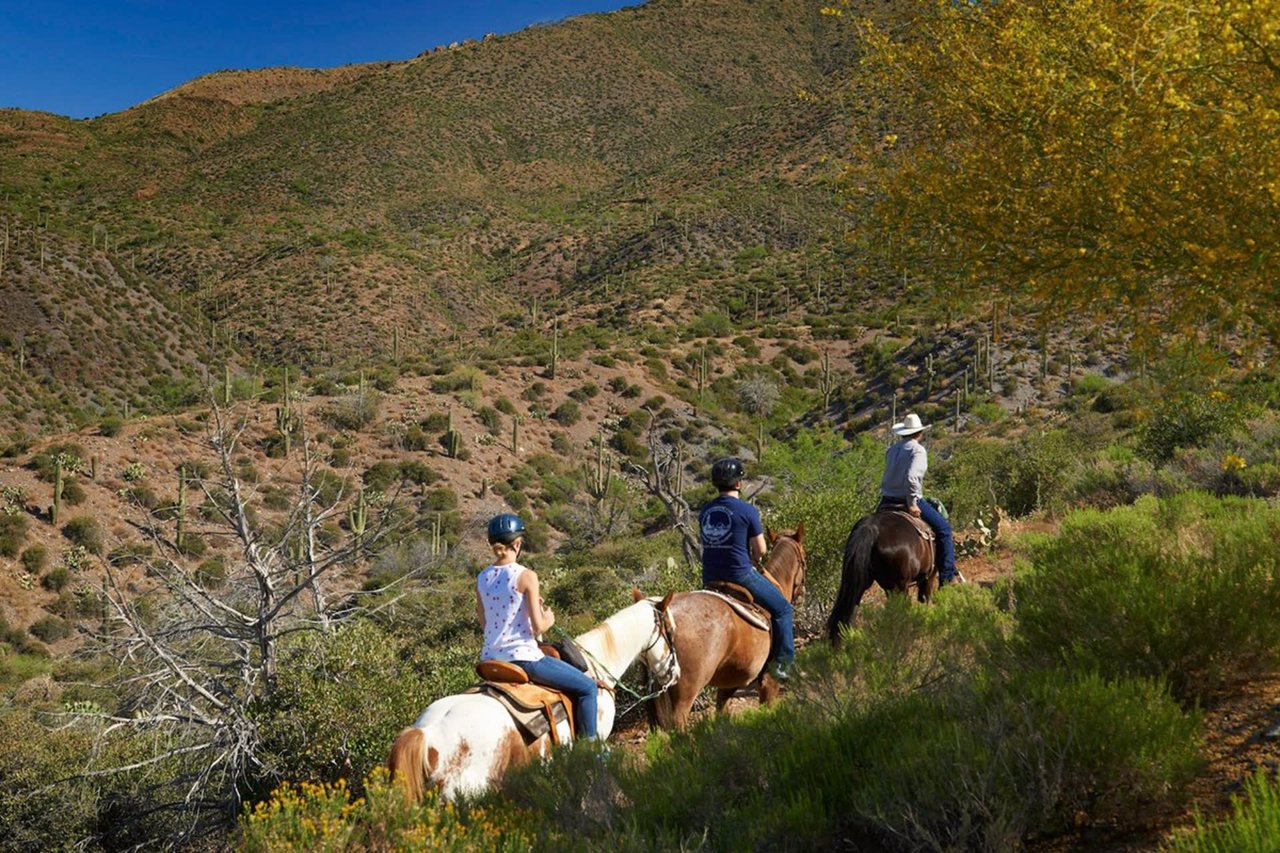
The high desert terrain influenced far more than home placement. Open space has remained a consistent feature of Desert Mountain's history, intentionally preserved to maintain the integrity of the surrounding landscape. The community includes expansive natural areas and a private outdoor recreation center known as The Ranch. This facility supports horseback riding, guided hikes, and access to a dedicated trail system that extends toward the Continental Mountains.
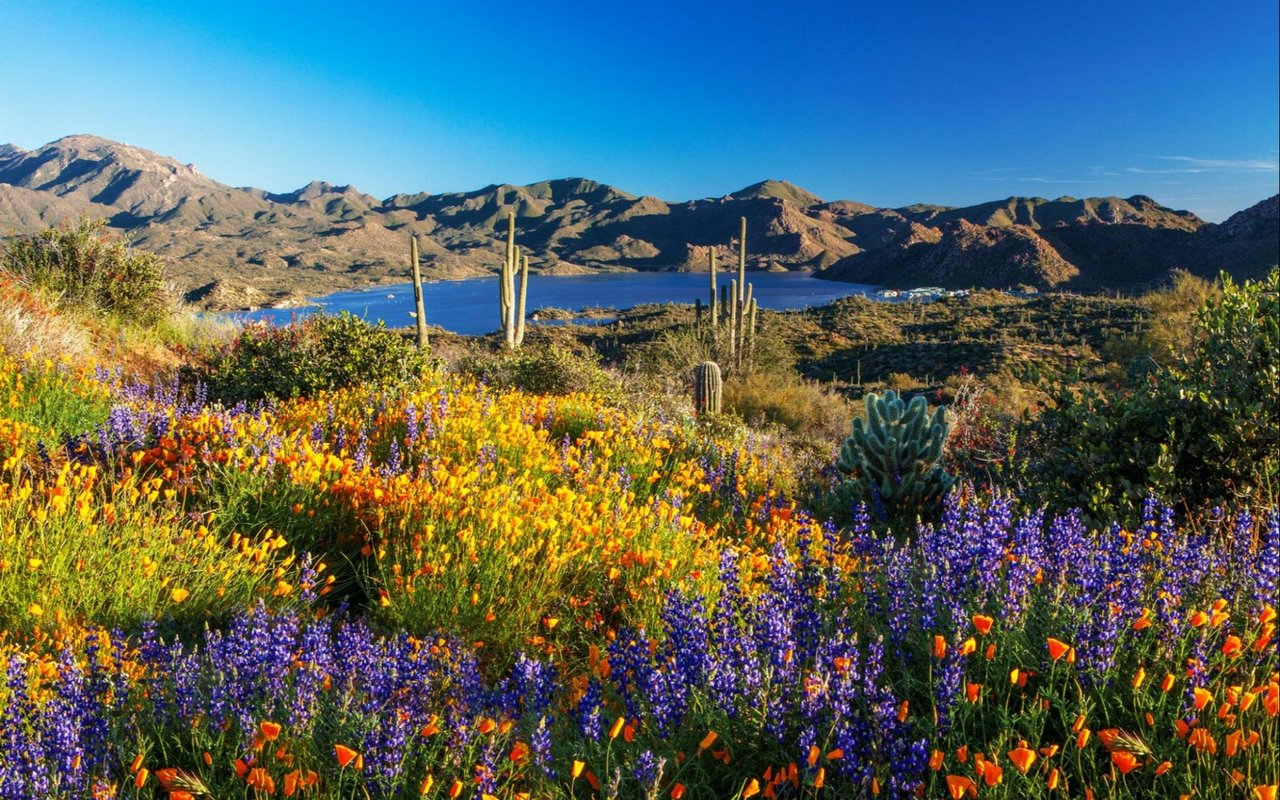
This emphasis on open desert land distinguishes Desert Mountain from lower-elevation Scottsdale communities, where land constraints result in tighter layouts. The presence of preserved space supports views, wildlife corridors, and a less-dense overall feel. Over time, the trail system became a defining amenity, reinforcing the community’s connection to the surrounding environment.
New Villages and Continued Real Estate Growth
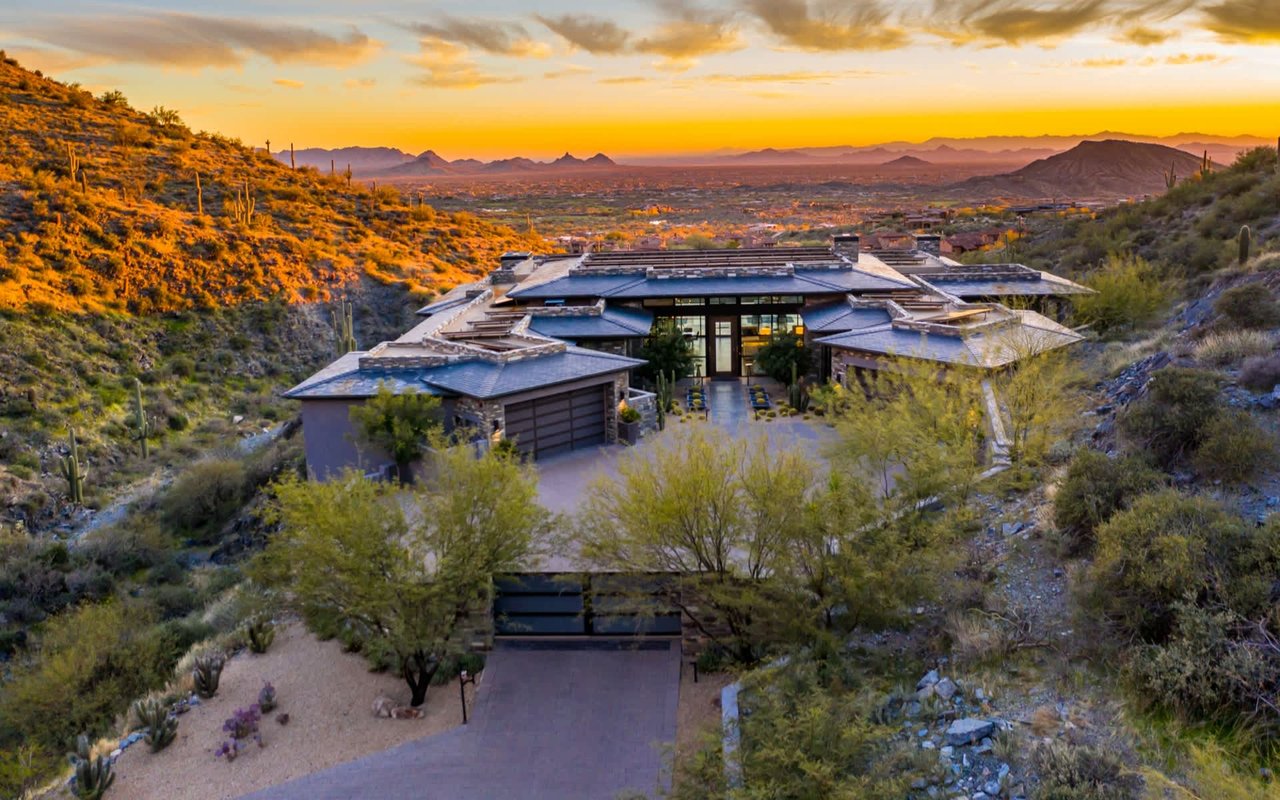
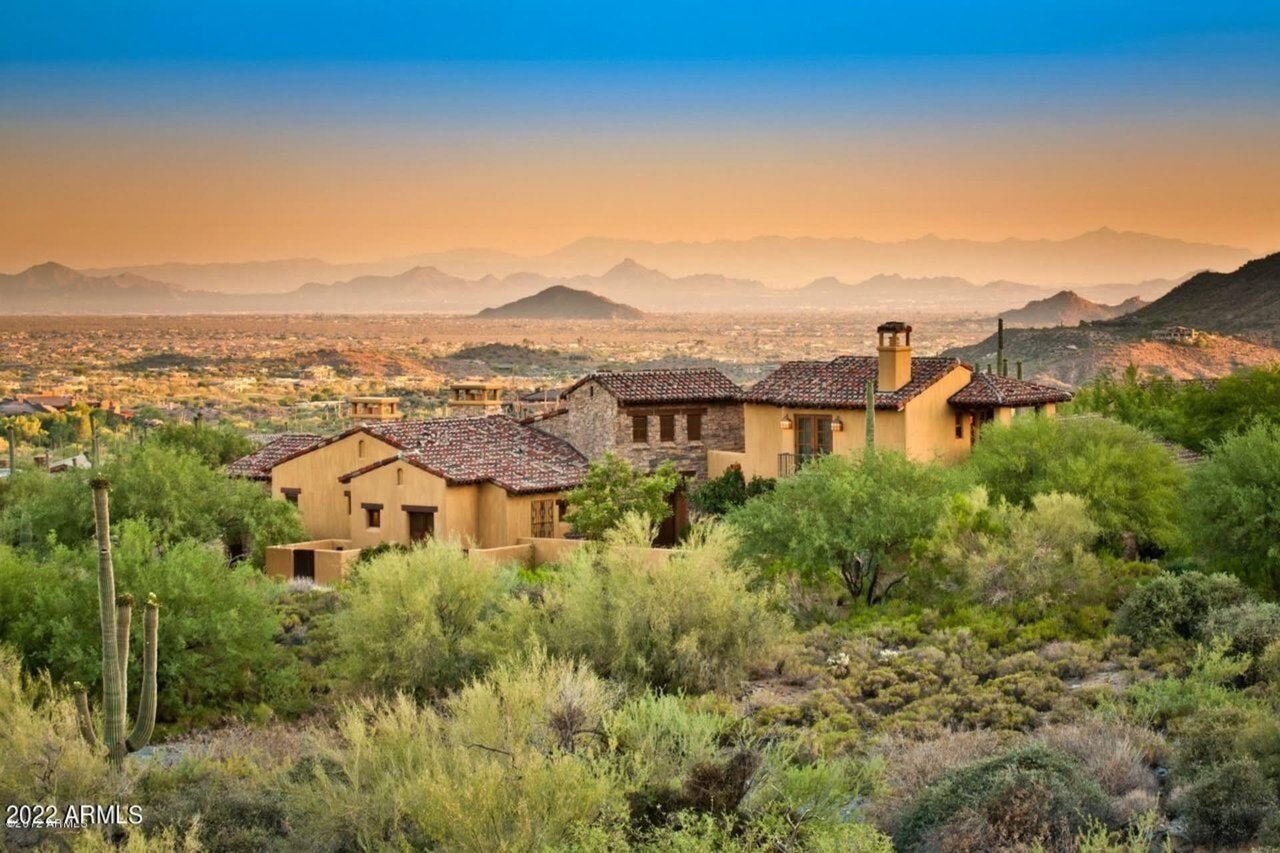
As demand increased, Desert Mountain introduced new villages positioned at higher elevations and more remote edges of the property. These enclaves offered larger sites, more pronounced views, and the ability to build expansive custom homes that reflect contemporary preferences. The constant addition of new neighborhoods illustrates the sustained real estate growth Desert Mountain has experienced for more than three decades.
Recent development includes custom lots released near the highest points of the property, where homeowners gain views across both the Valley and untouched desert to the north. Remodel activity also accelerated, reflecting the desire to modernize older properties and align them with current standards for luxury desert architecture.
Technological Advancements and Modern Infrastructure
Advancements in home technology have impacted how Desert Mountain residences function today compared to early builds. Newer homes often feature advanced climate-control systems, whole-house lighting control programs, integrated audio systems, and enhanced energy efficiency. The architecture supports larger window walls due to changes in building materials and engineering methods.
Infrastructure improvements also played a significant role in the community’s evolution, including upgraded road systems, enhanced water management, and strategic placement of utilities in areas with steep grades or complex terrain. These updates reflect long-term planning aimed at supporting luxury homesites far above the city center.
The Present-Day Identity of Desert Mountain
Desert Mountain today reflects decades of cumulative development, strategic land use, and strong recreational programming. The community includes seven golf courses, multiple clubhouses, a comprehensive fitness and spa network, private trails, equestrian amenities, and several distinct residential enclaves. It maintains a reputation as one of the most recognized private golf communities in the Southwest, thanks to its exceptional location, elevation, and expansive land footprint.
Continued investment in amenities, infrastructure, and community programming ensures that the area remains competitive within Scottsdale’s luxury market. The integration of new design trends with an established desert environment gives homeowners access to both updated architecture and long-standing natural beauty.
Frequently Asked Questions
When was Desert Mountain first established in Scottsdale, AZ?
Desert Mountain was founded in the early 1980s with the opening of its first Jack Nicklaus Signature golf course, Renegade. The master plan expanded over four decades into an 8,300-acre private community.
How many villages and golf courses are currently in Desert Mountain?
Desert Mountain features 35 distinct residential villages, seven championship golf courses (including six Jack Nicklaus Signature layouts plus No. 7 at Desert Mountain), and seven private clubhouses.
How has home architecture changed in Desert Mountain over time?
Early homes in Desert Mountain primarily featured Southwestern, Territorial, and Pueblo styles with heavy stone and earth tones. Modern builds and remodels favor organic modern, soft contemporary, and glass-heavy transitional designs.
What open space amenities are available to Desert Mountain residents?
Desert Mountain incorporates thousands of acres of preserved Sonoran Desert open space, including The Ranch equestrian center and over 20 miles of private, guard-gated hiking and biking trails extending toward the Continental Mountains.
About the Power+ Real Estate Team
Bee Francis & Kathleen Benoit | Power+ Real Estate Team
Bee Francis and Kathleen Benoit have been guiding buyers and sellers through Desert Mountain’s evolving real estate market since 1995. With over 45 years of combined experience, the Power+ team has successfully represented clients in over 500 home and lot sales within Desert Mountain since 2011. Every member of Power+ resides inside Desert Mountain, offering unrivaled insight into village history, golf memberships, and architectural trends.
Verified Track Record: Over 500 Desert Mountain sales completed since 2011.
Source Notes: Community history, course opening timelines, and trail data sourced from Desert Mountain Master Association historical records. Transaction metrics provided by Power+ Real Estate Team sales history.