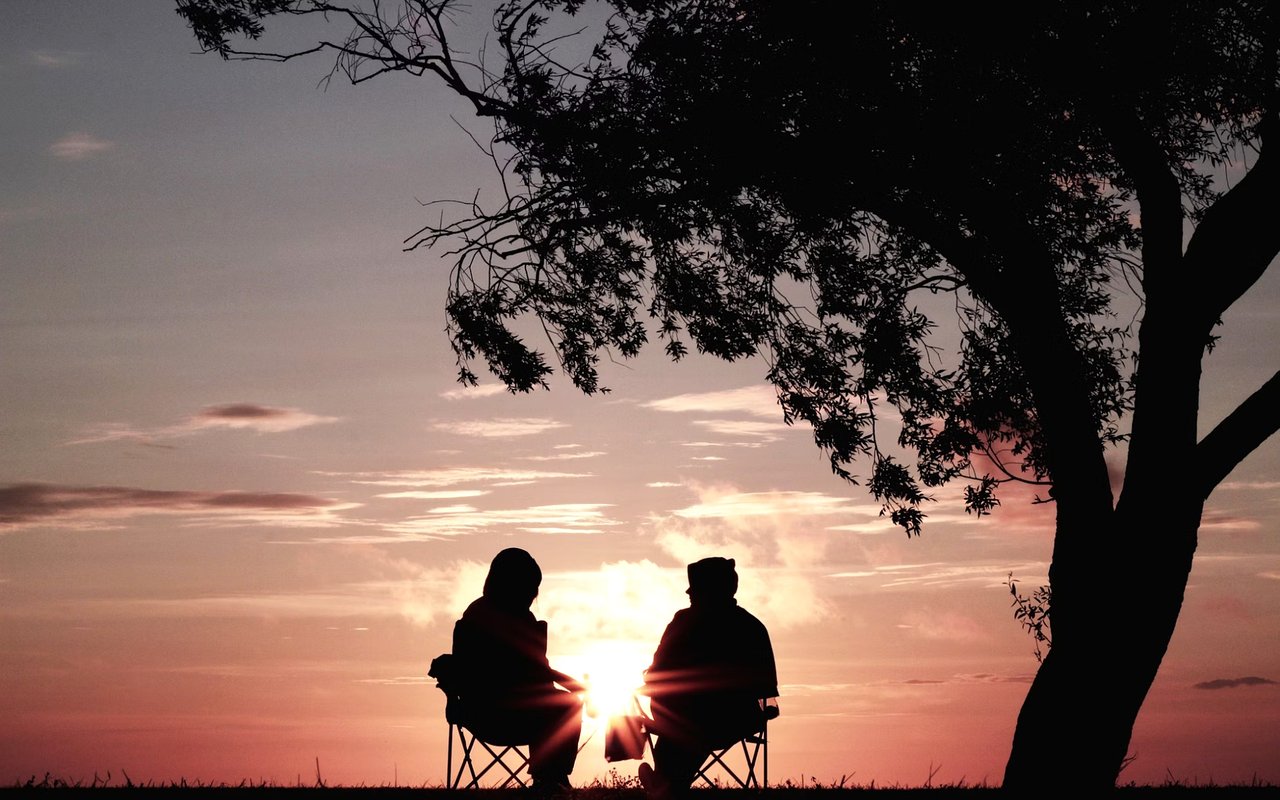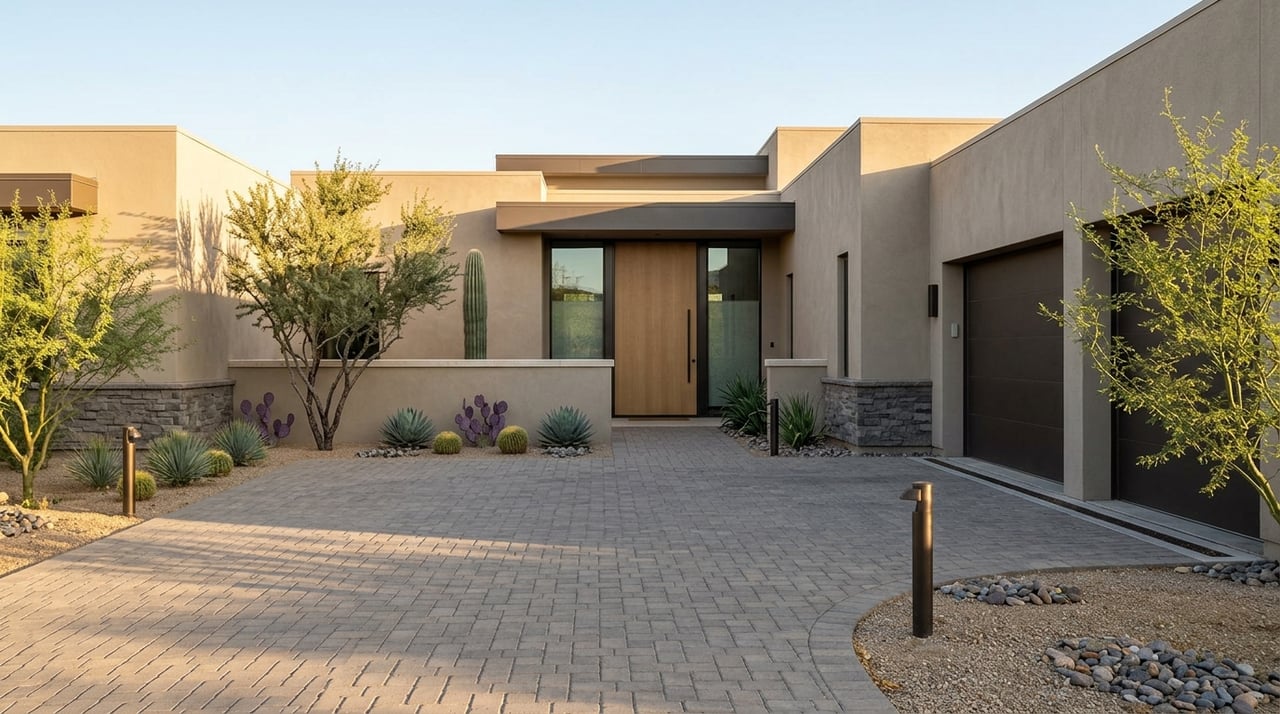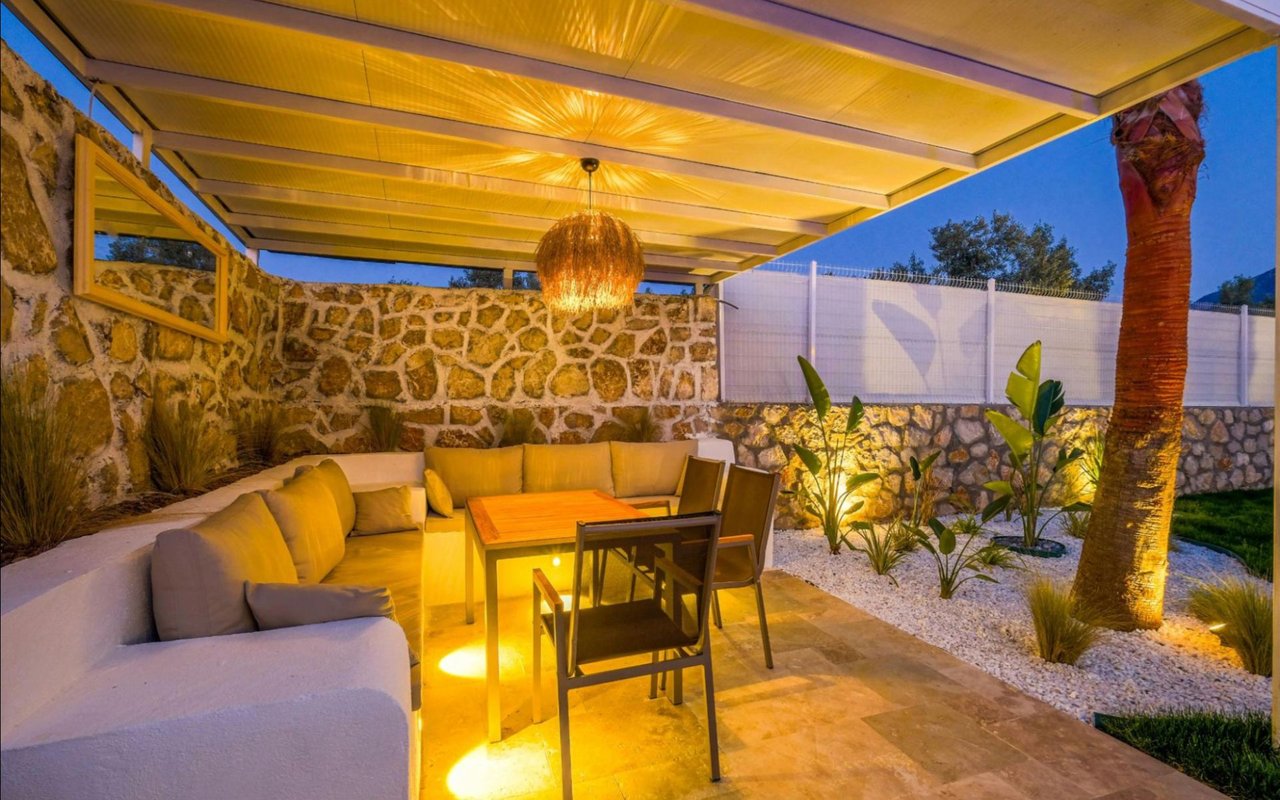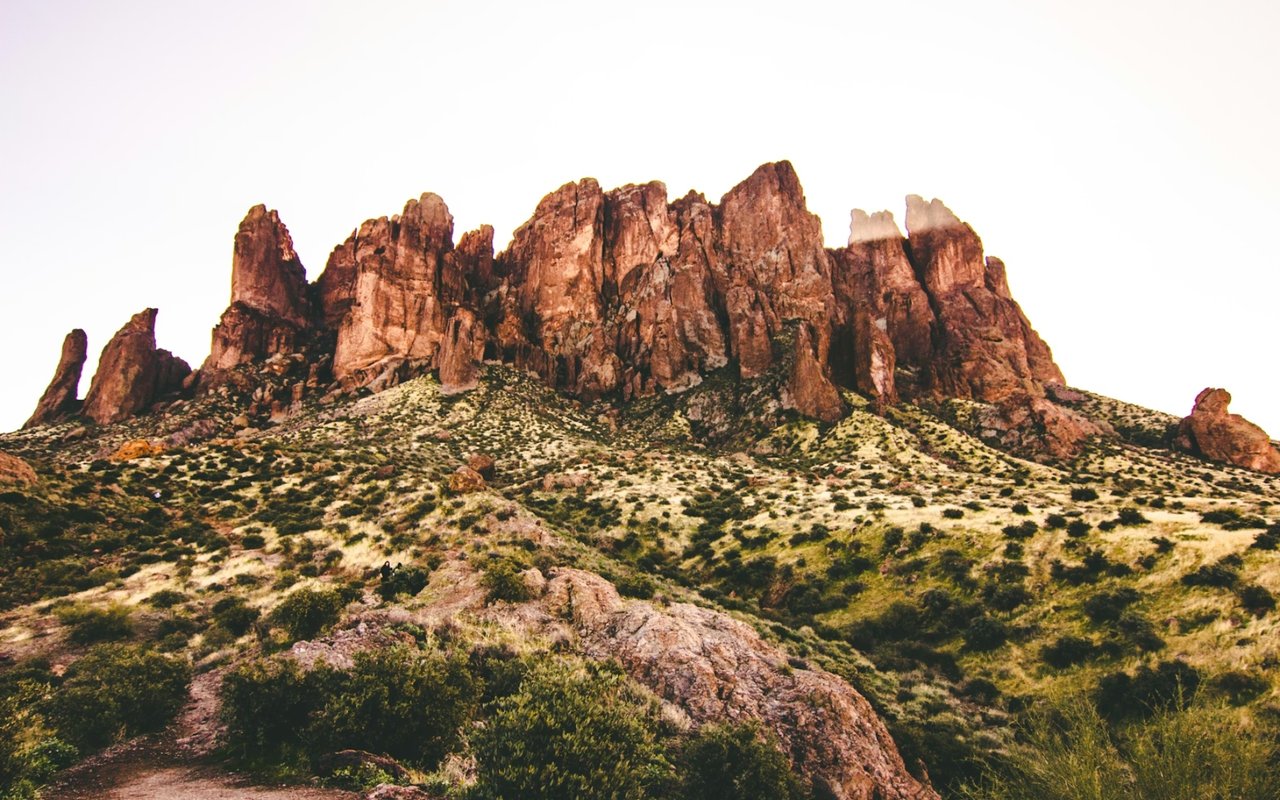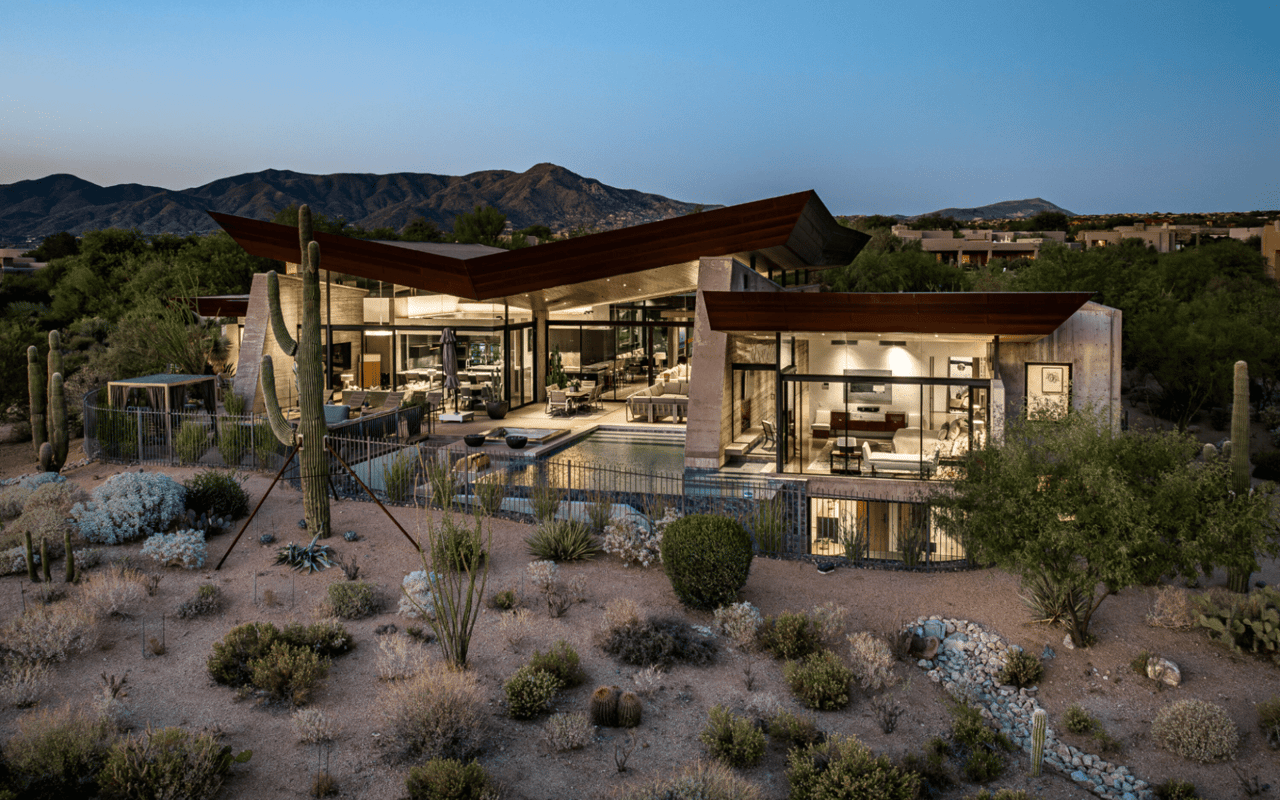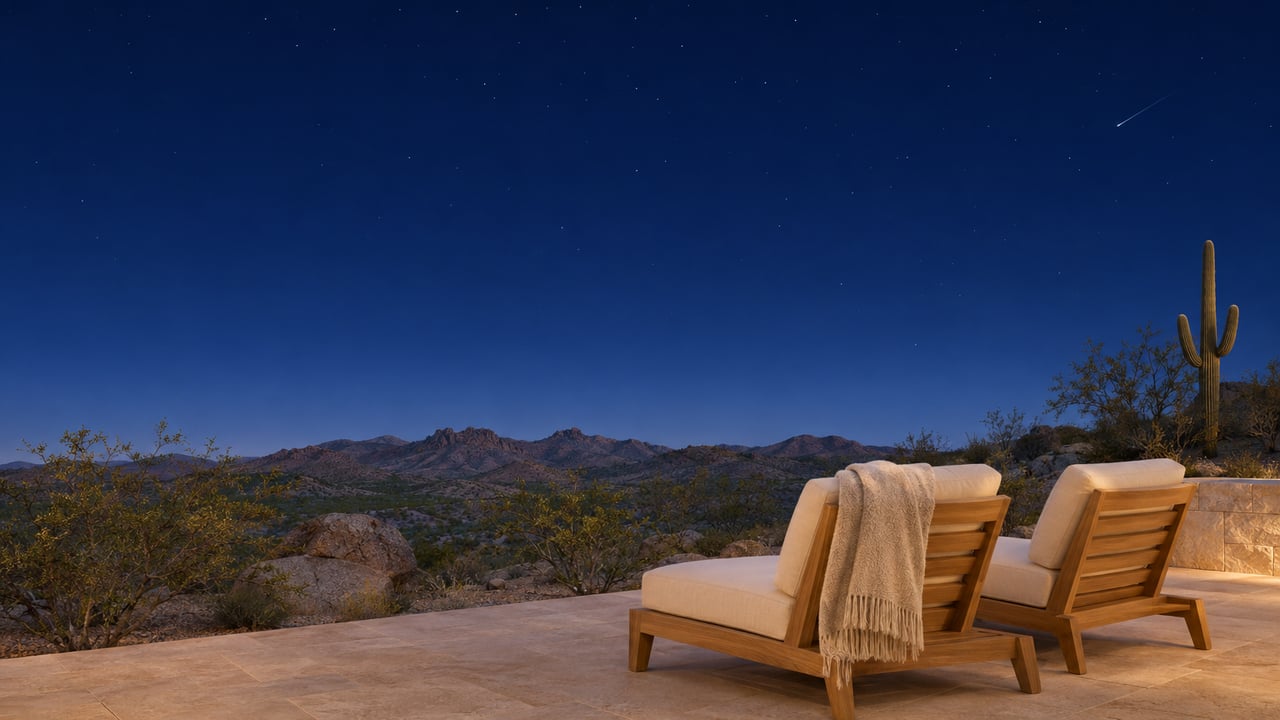
The best night of 2026 to watch the sky from a Lone Mountain I patio is Sunday, December 13, and the chairs should face east. That's when the Geminids, the strongest meteor shower of the year, rise over the Four Peaks and Apache Peak side of the view.
The timing matters this year because nearly everything else in the winter sky calendar happens in the cold hours before sunrise. The Geminids are the exception. They fit an ordinary evening, they come up over the darker eastern horizon, and the Moon stays mostly out of the way.
The Hours Line Up With Dinner
The American Meteor Society describes the Geminids as "the one major shower that provides good activity before midnight," because the constellation Gemini is well placed from 10 p.m. onward. For 2026, the AMS lists peak night as December 13–14, with the Moon a 17 percent waxing crescent and "generally favorable lunar conditions, with limited moonlight interference."
EarthSky puts the predicted peak at 5:44 UTC on December 14. Arizona stays on Mountain Standard Time all year, seven hours behind UTC, so that moment falls at 10:44 p.m. on Sunday, December 13 in Scottsdale. The predicted peak lands within an hour of when the AMS says Gemini is well placed. That rarely happens with a major shower.
Here is how the night of December 13 into December 14 runs in Phoenix:
| Time, night of December 13–14, 2026 | What the sky is doing |
|---|---|
| 5:21 p.m. | Sunset |
| 6:50 p.m. | Astronomical twilight ends and the sky is fully dark |
| Mid-evening | The radiant near Castor rises in the east |
| 10 p.m. onward | Gemini well placed for viewing, per the AMS |
| 10:44 p.m. | Predicted peak, converted from EarthSky's 5:44 UTC |
| Around 2 a.m., December 14 | Radiant at its highest point |
The sky is fully dark nearly four hours before the predicted peak. Dinner at a clubhouse, the drive home, and a blanket on the terrace all fit before 10:44 p.m.
Why the Chairs Should Face East
EarthSky places the Geminid radiant near the bright star Castor and says it rises in the east in mid-evening. Its guidance for watching is a dark, open sky and an hour or more of patience. Meteors can show up anywhere overhead, even with your back to Gemini. The ideal rate it cites is about 120 meteors per hour, under truly dark skies. Every bit of horizon glow cuts into that number.
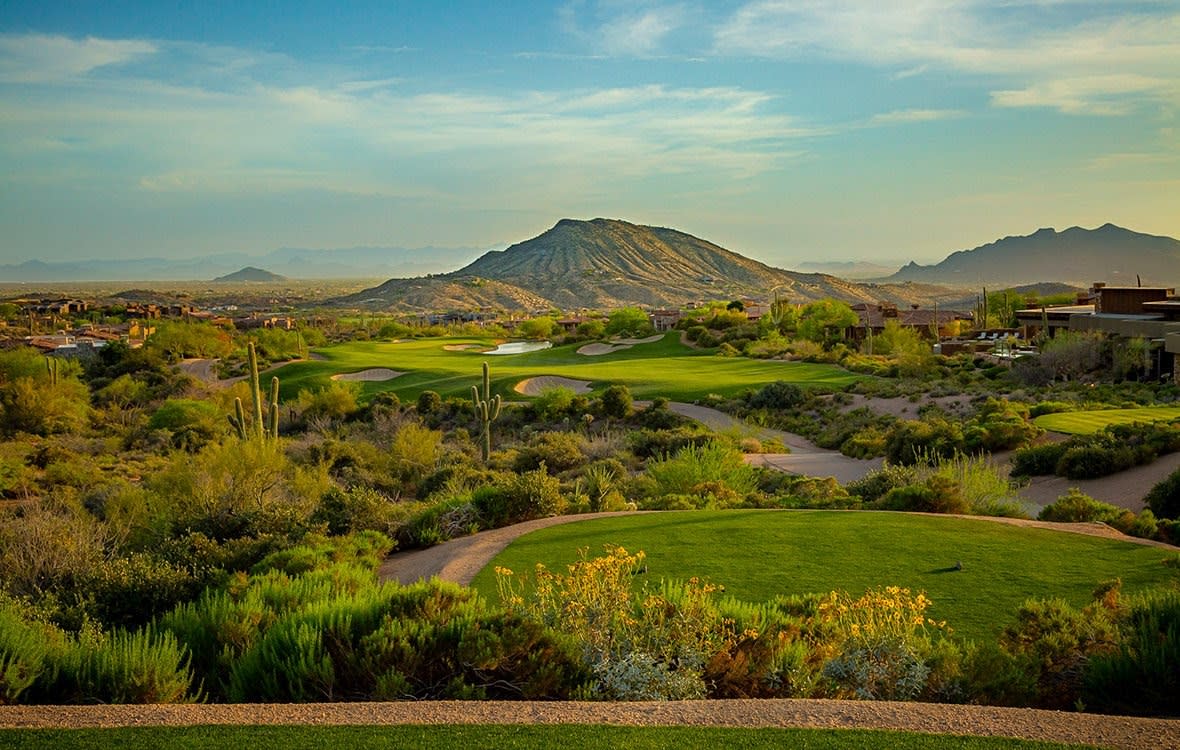
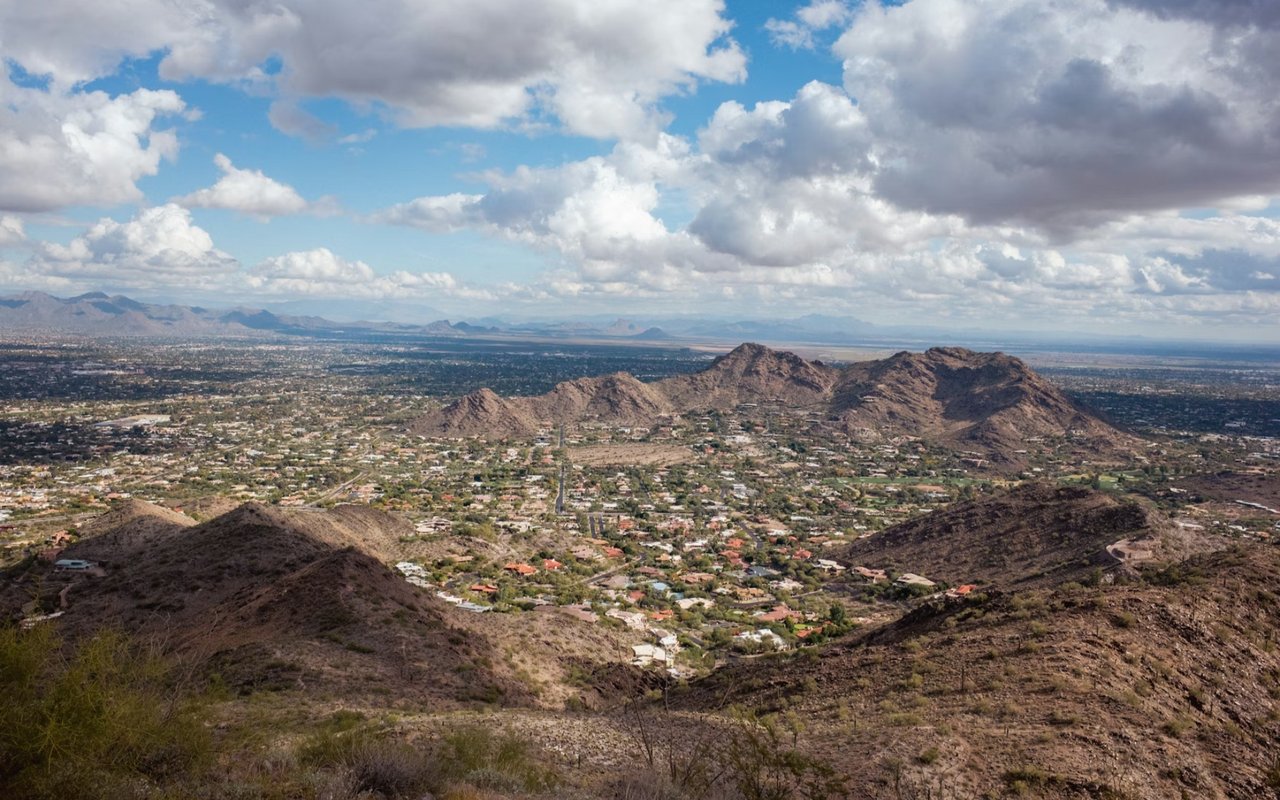
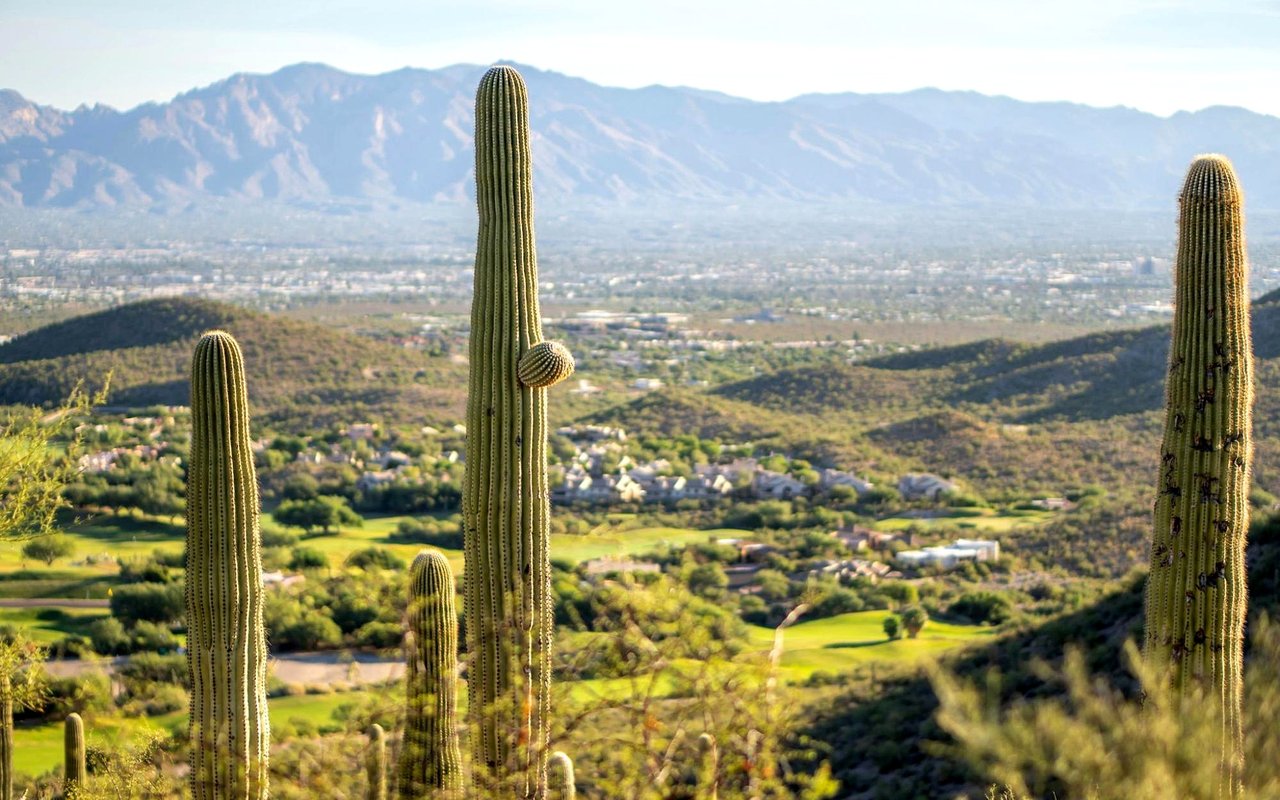
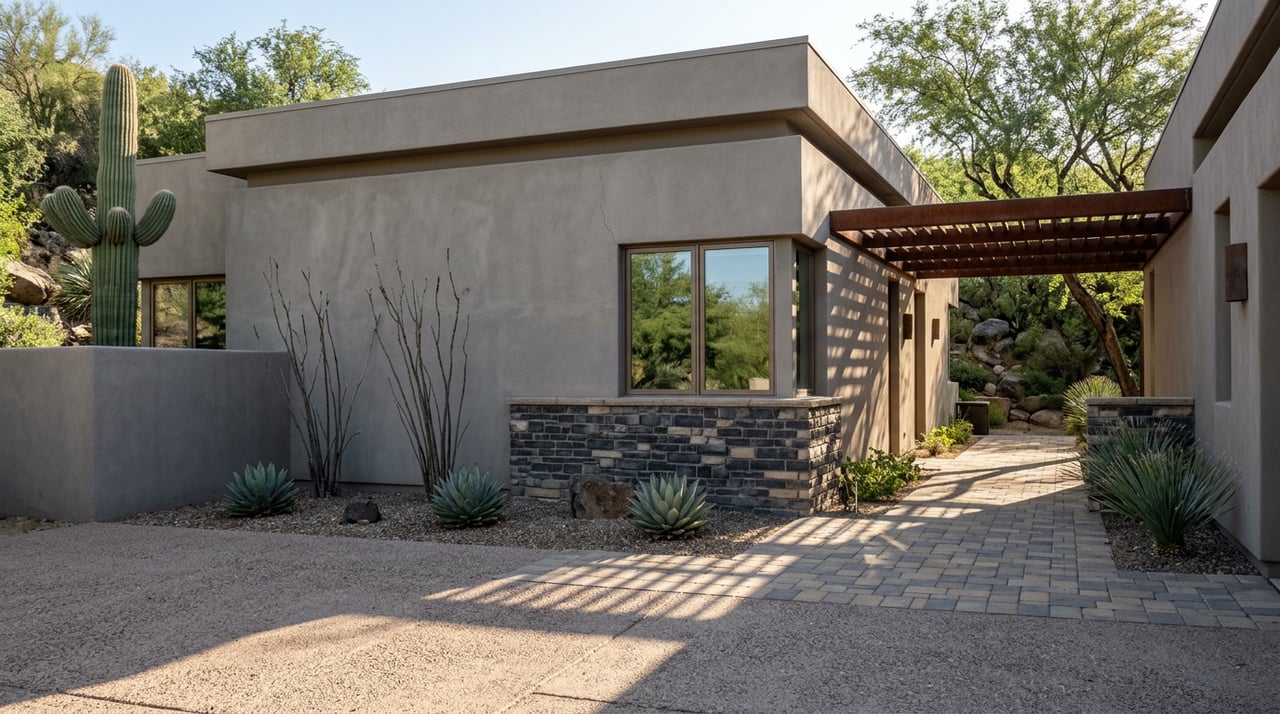
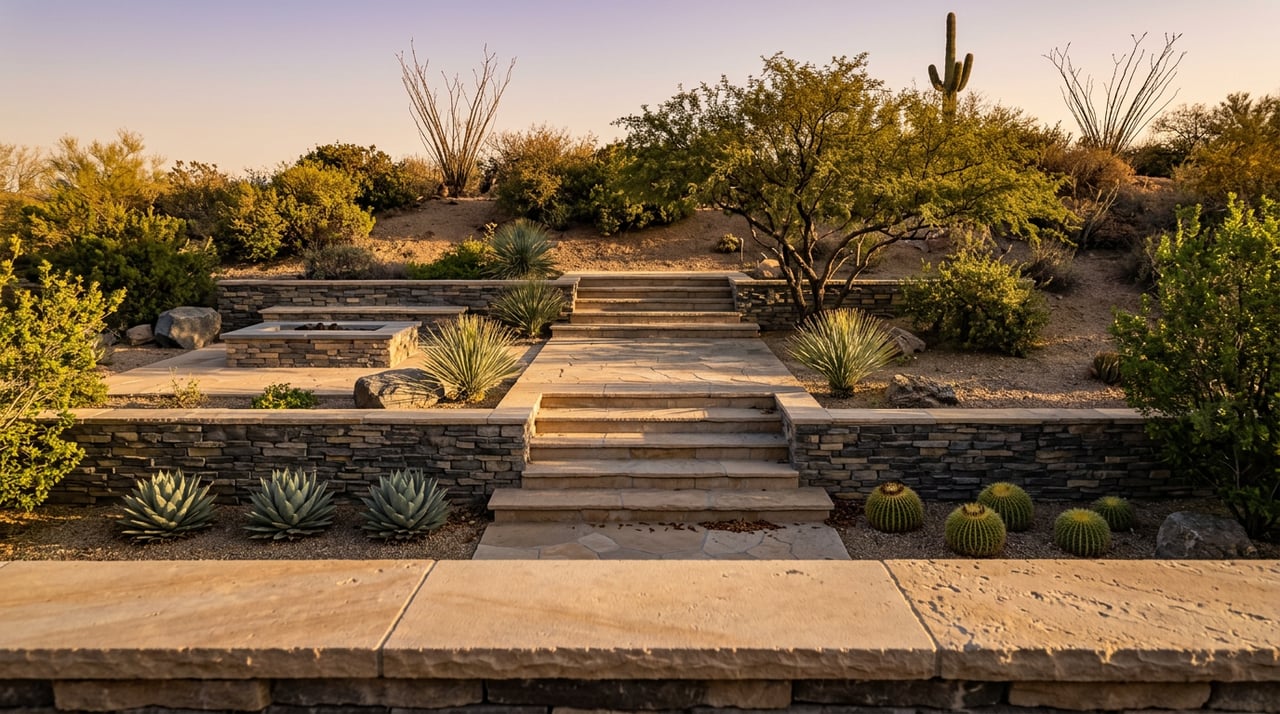
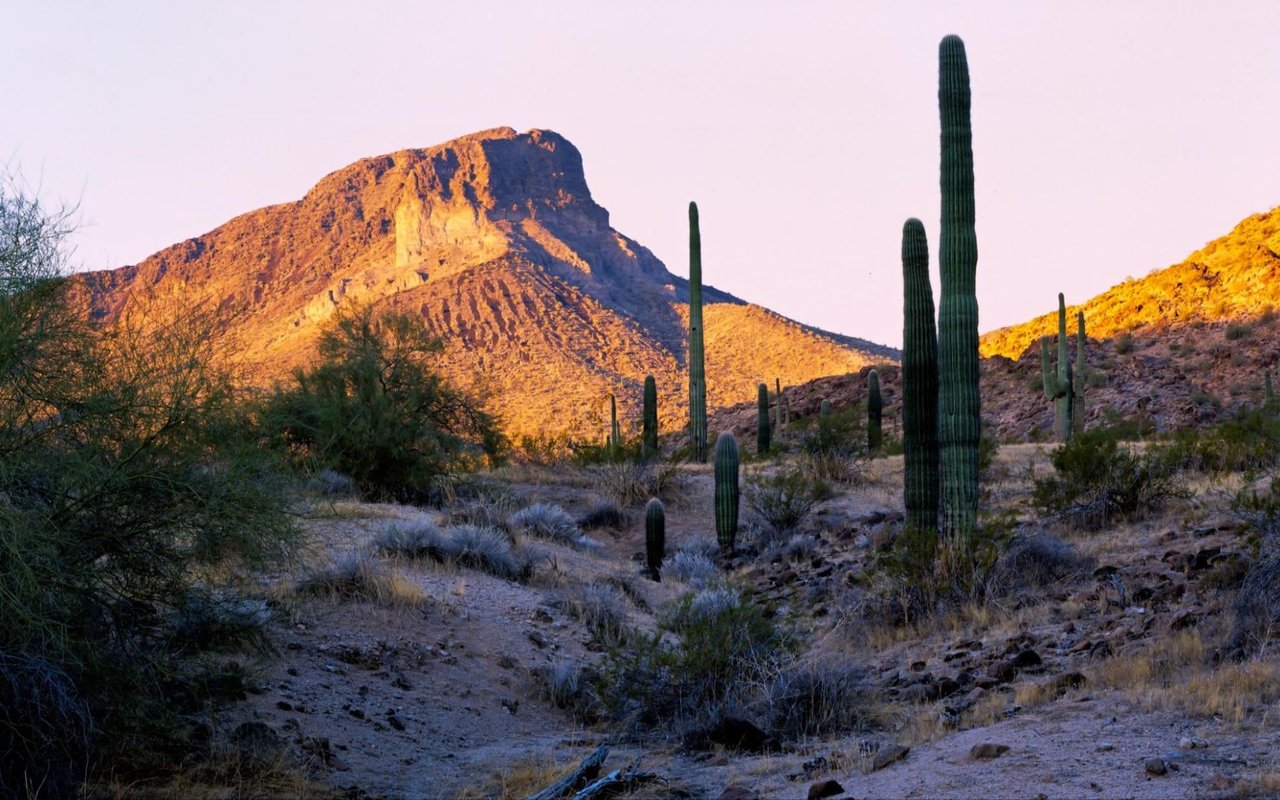
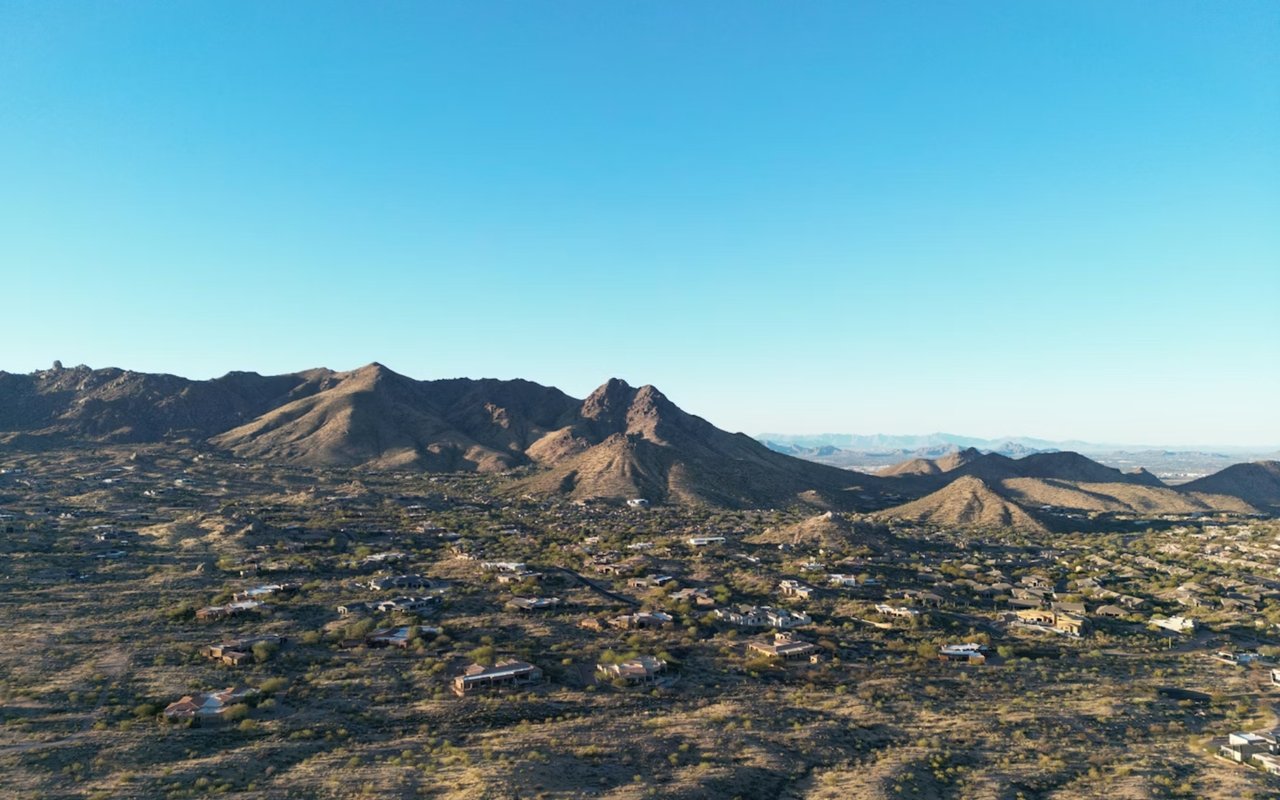
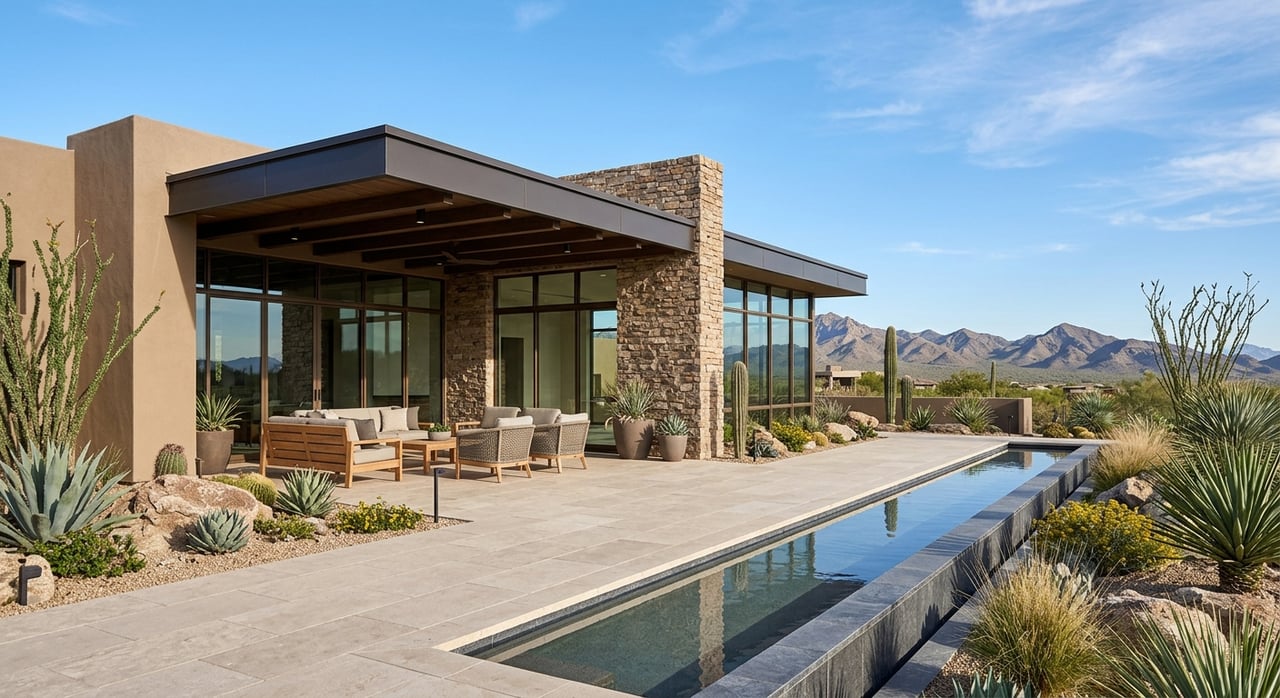
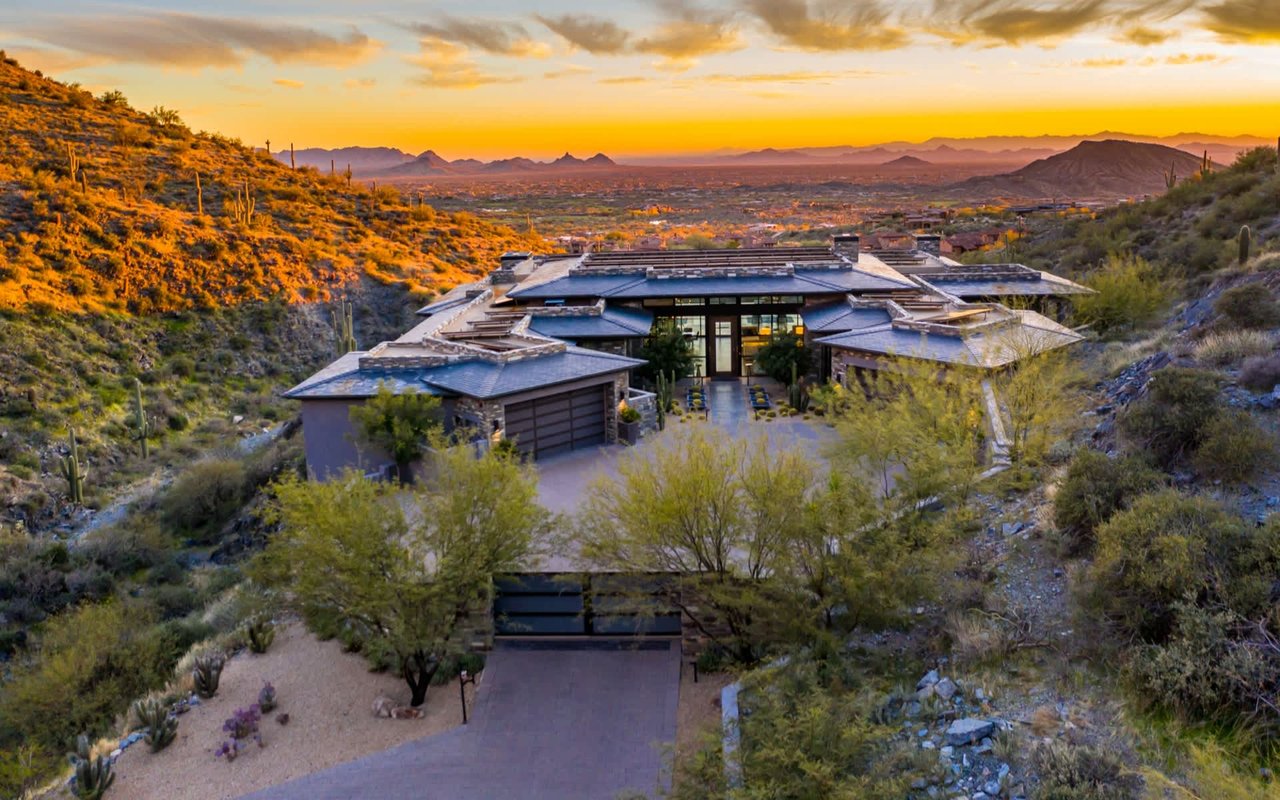
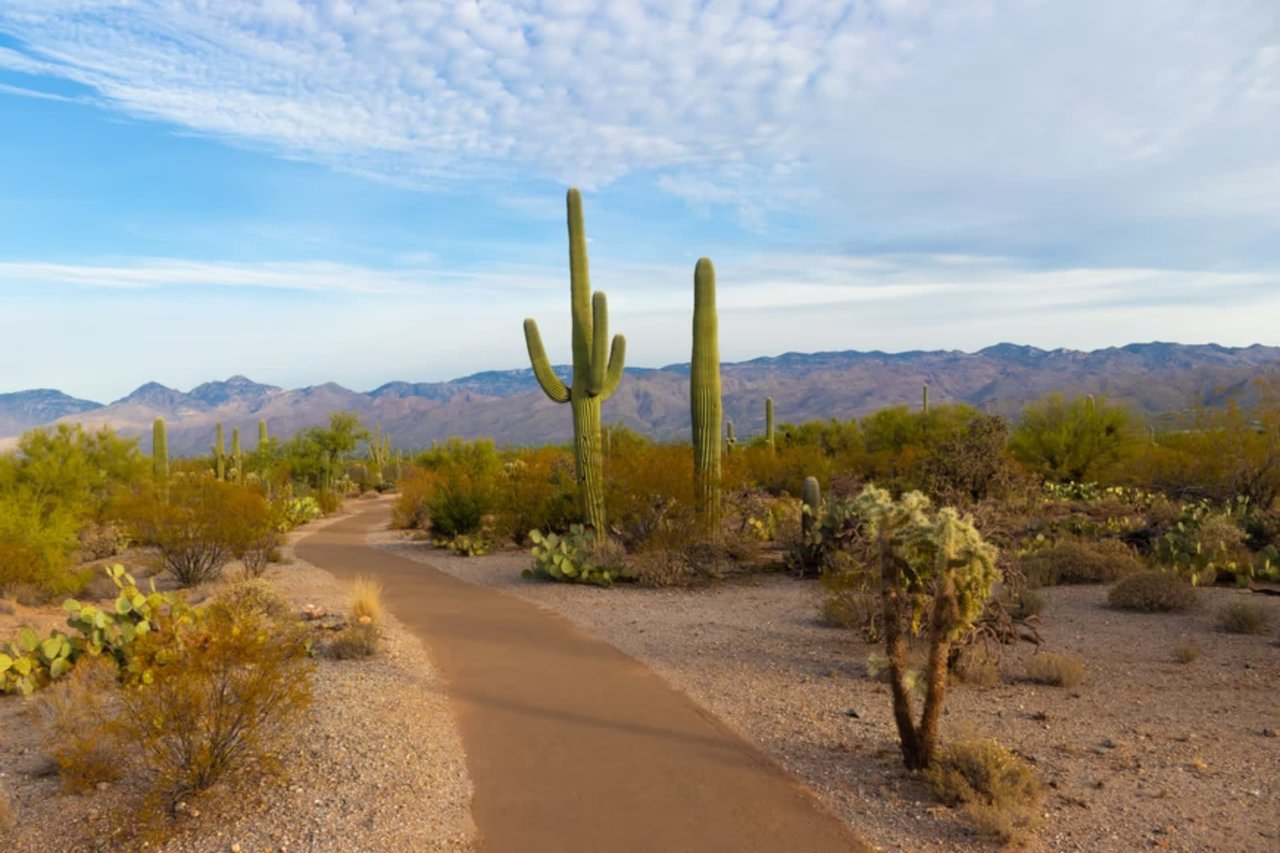
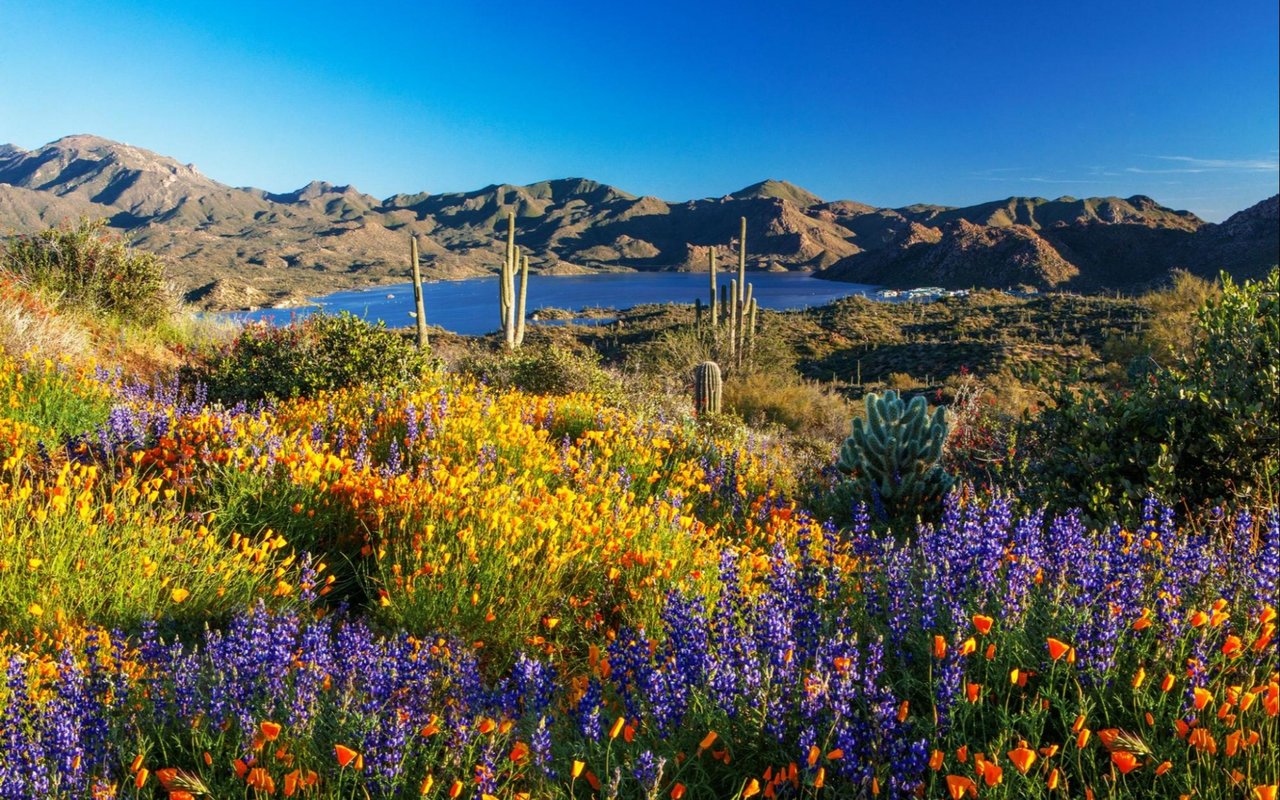
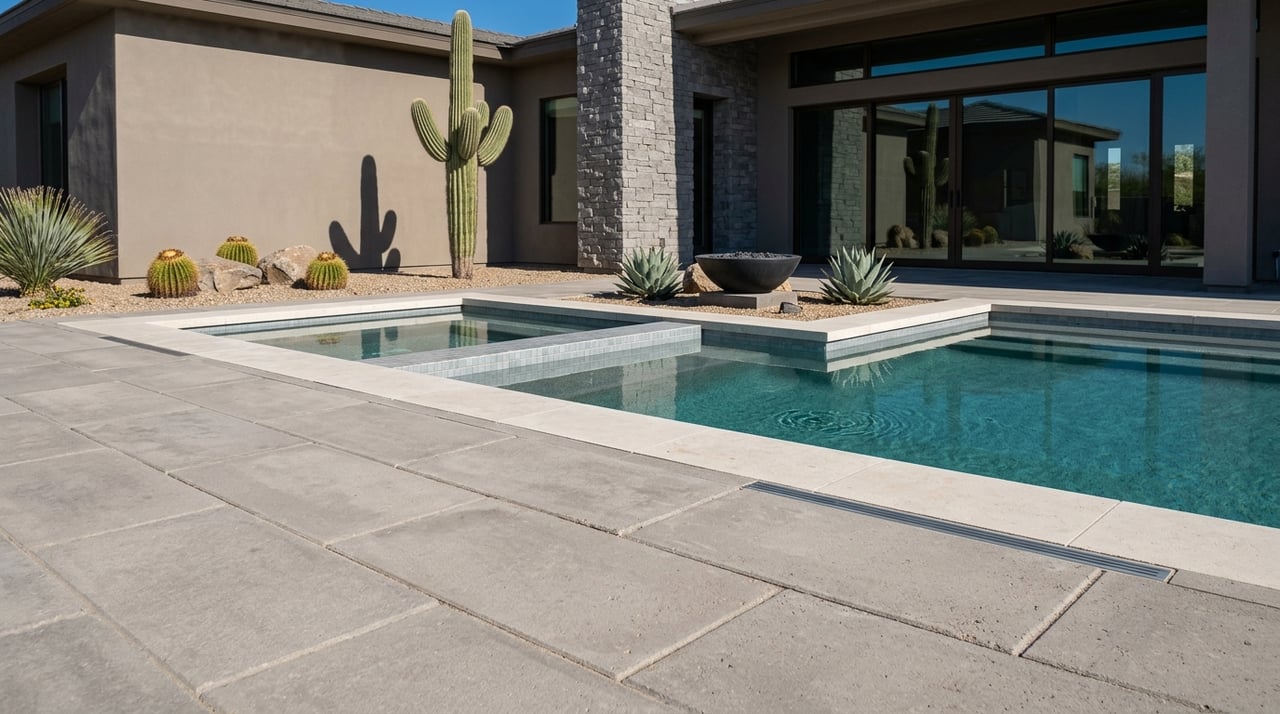
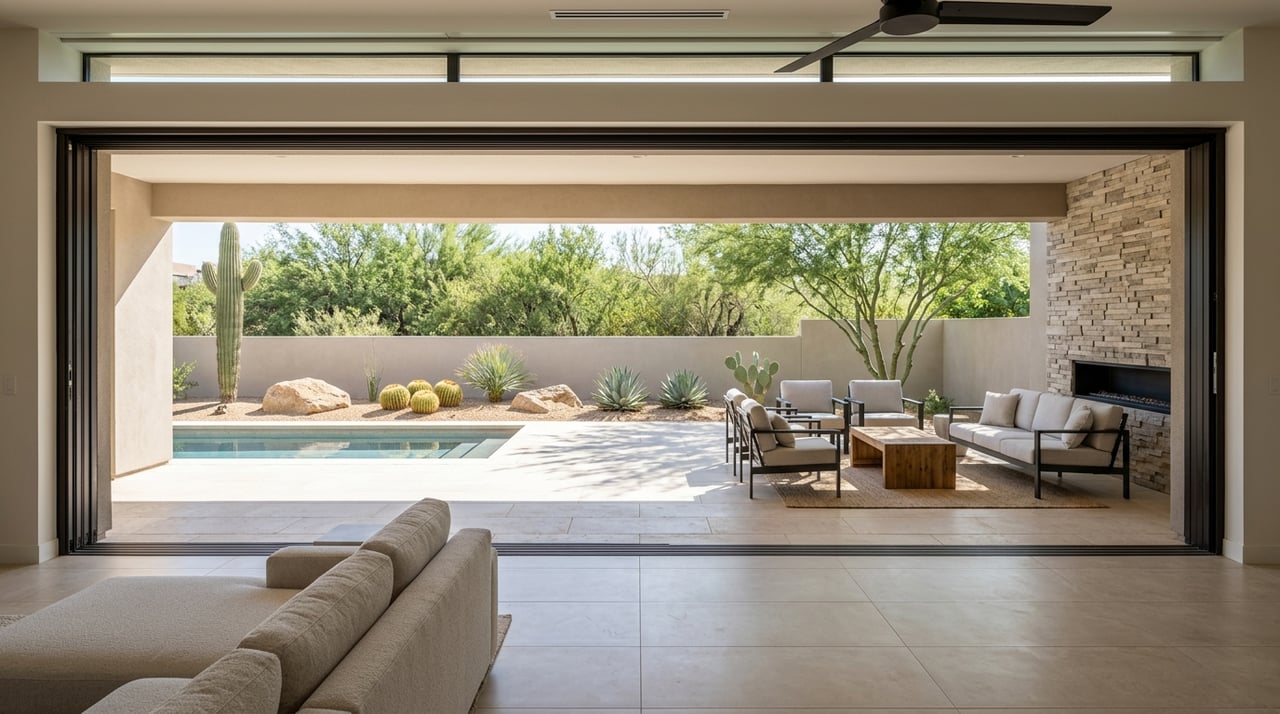
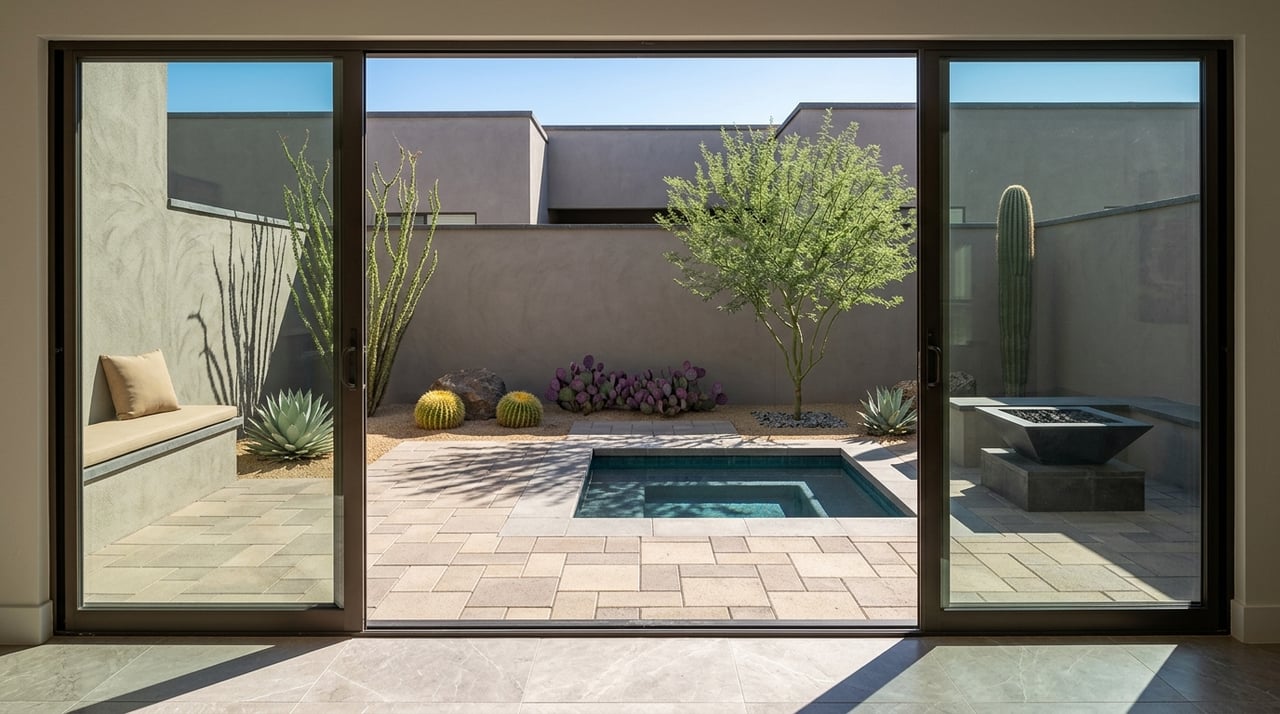
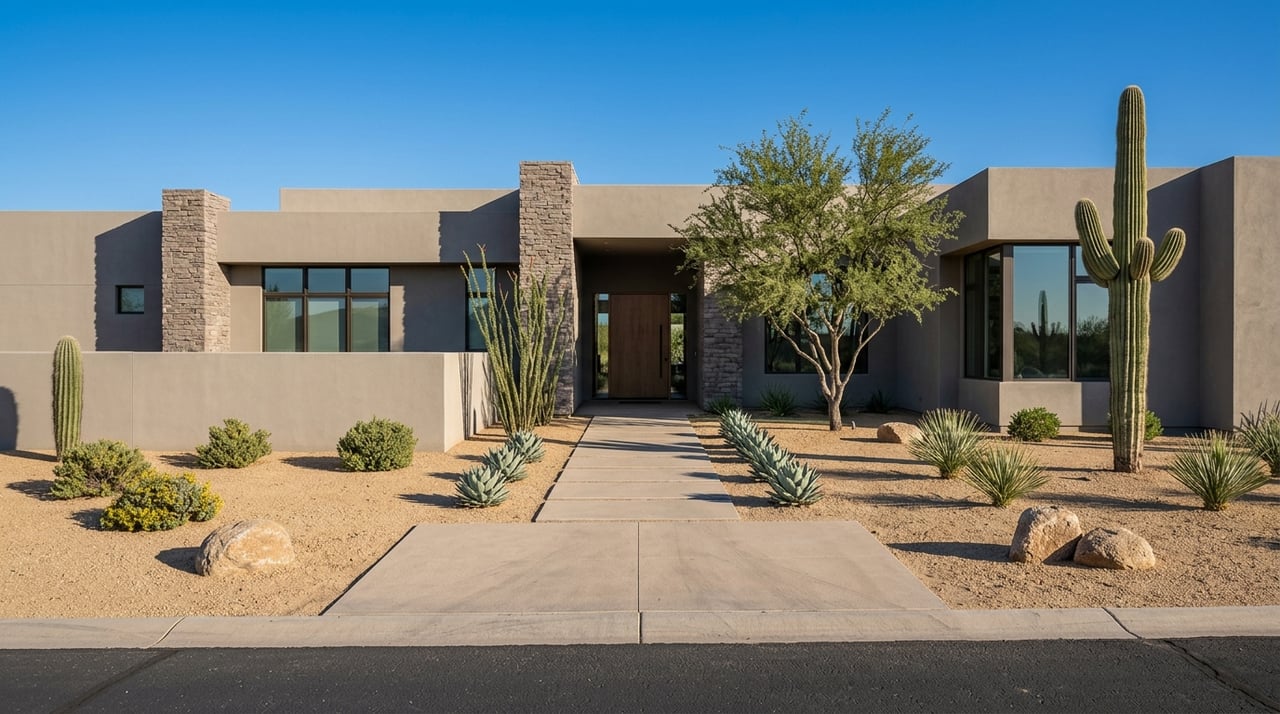
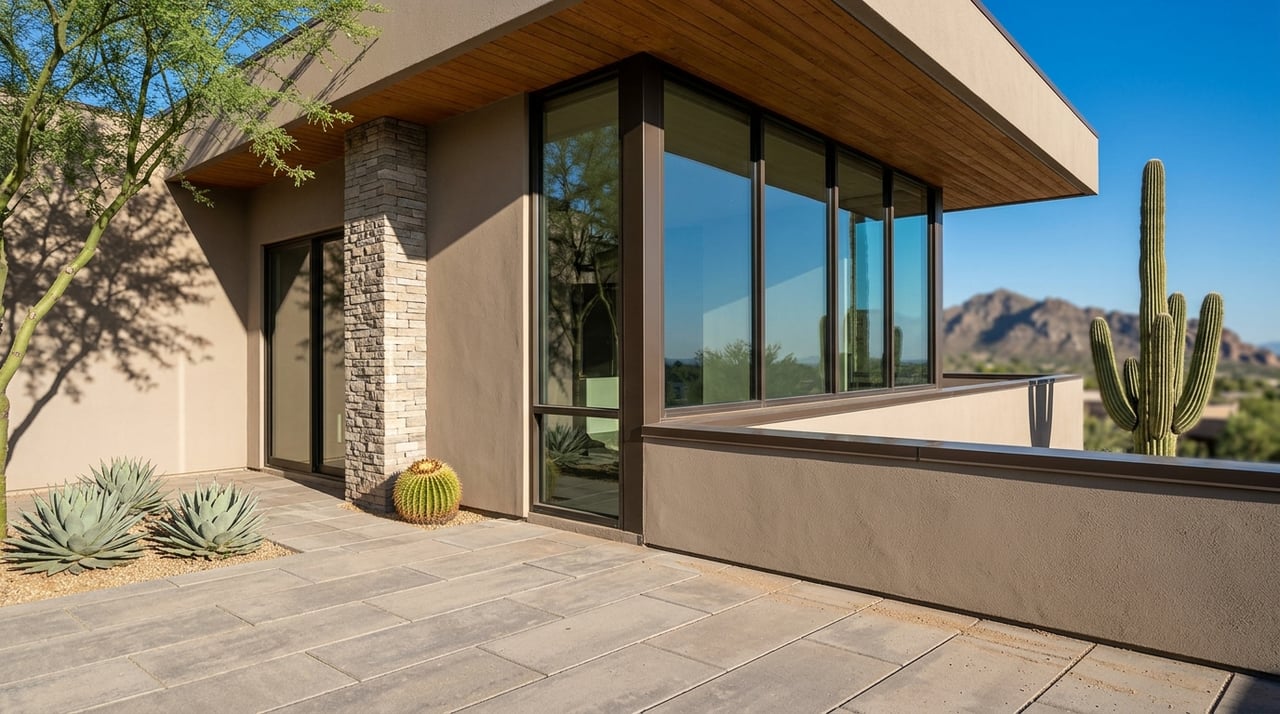
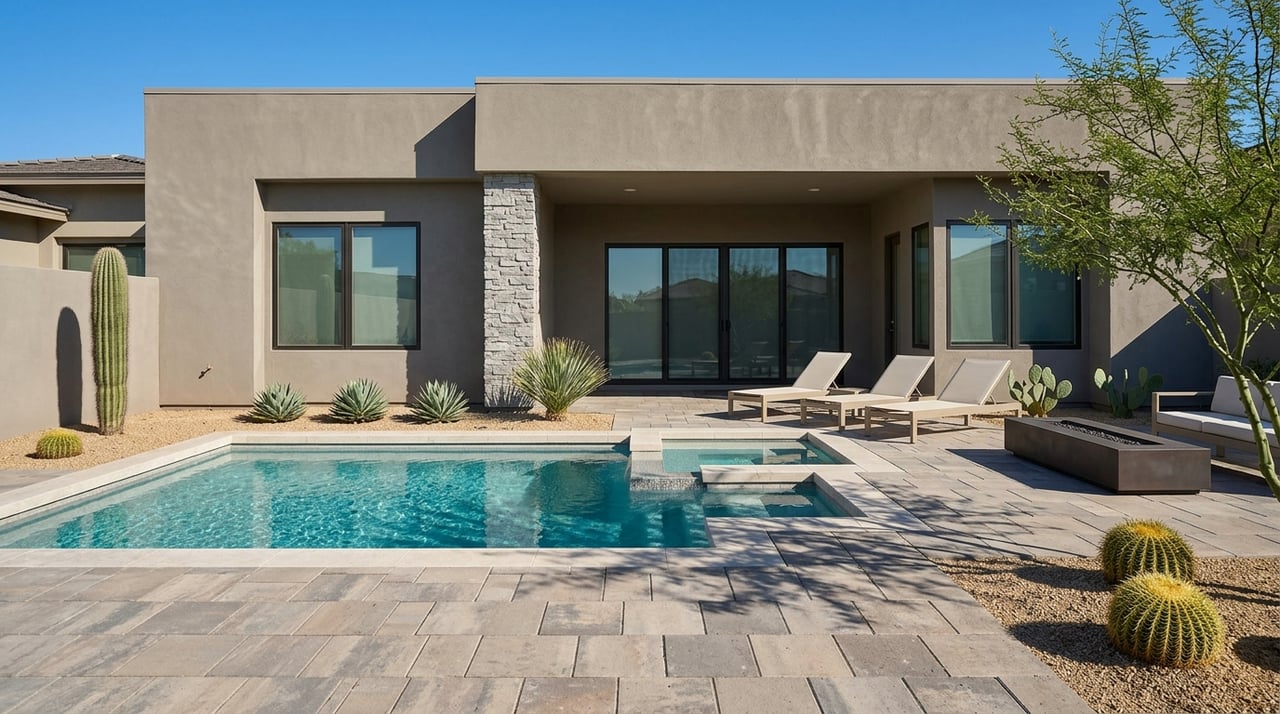
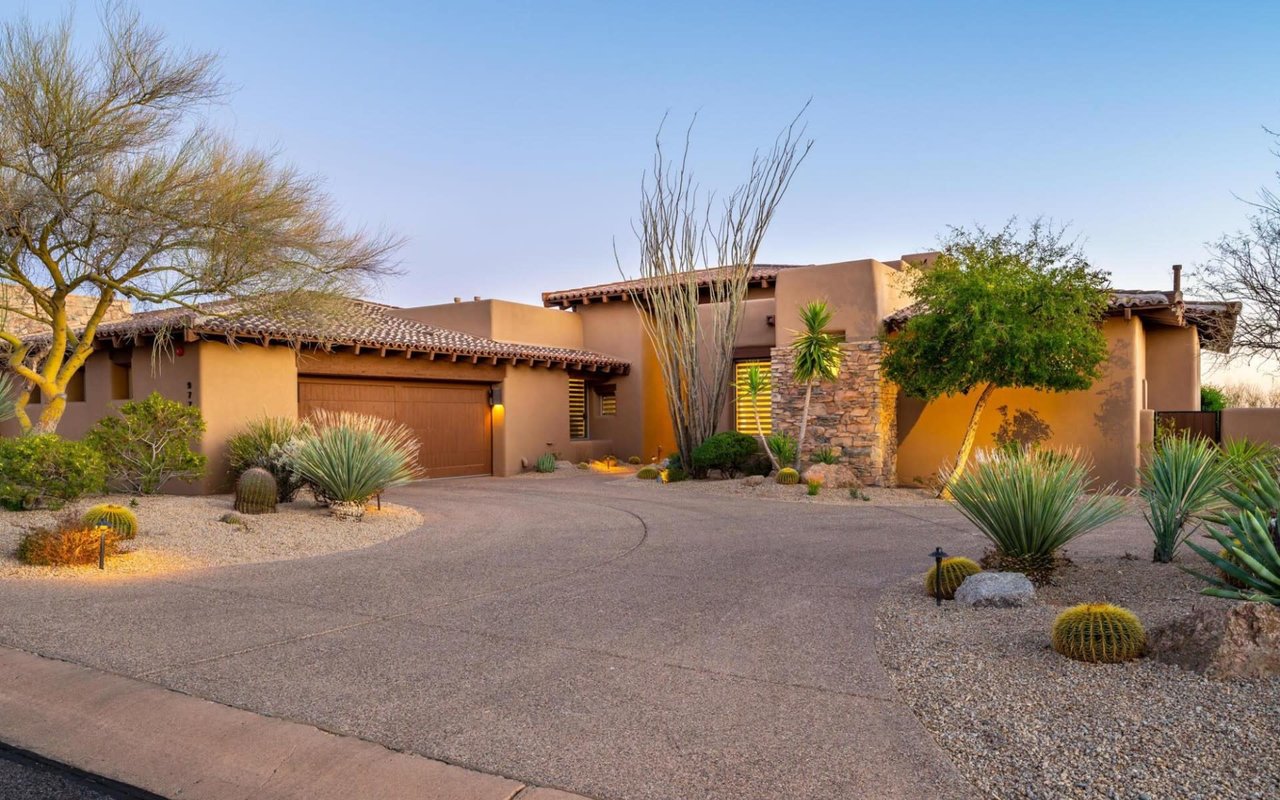
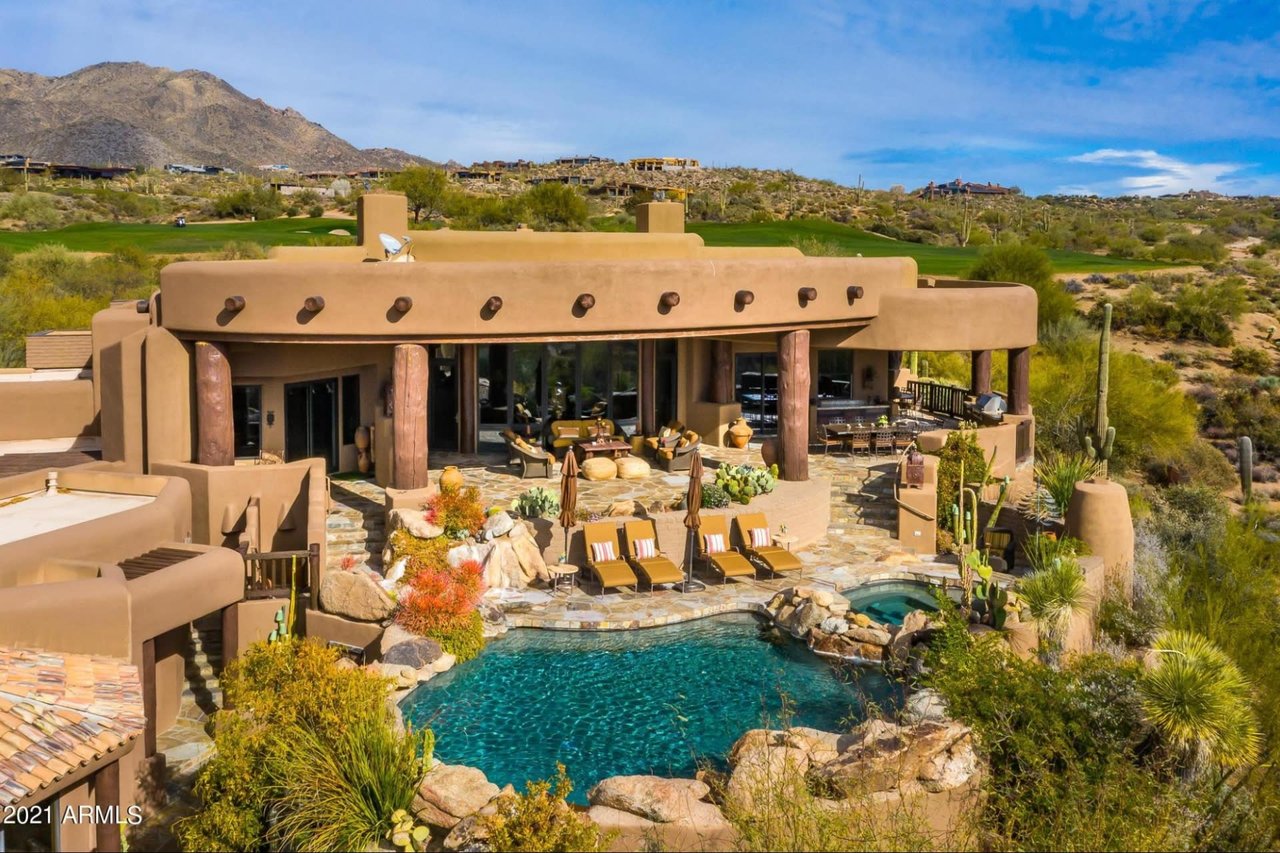
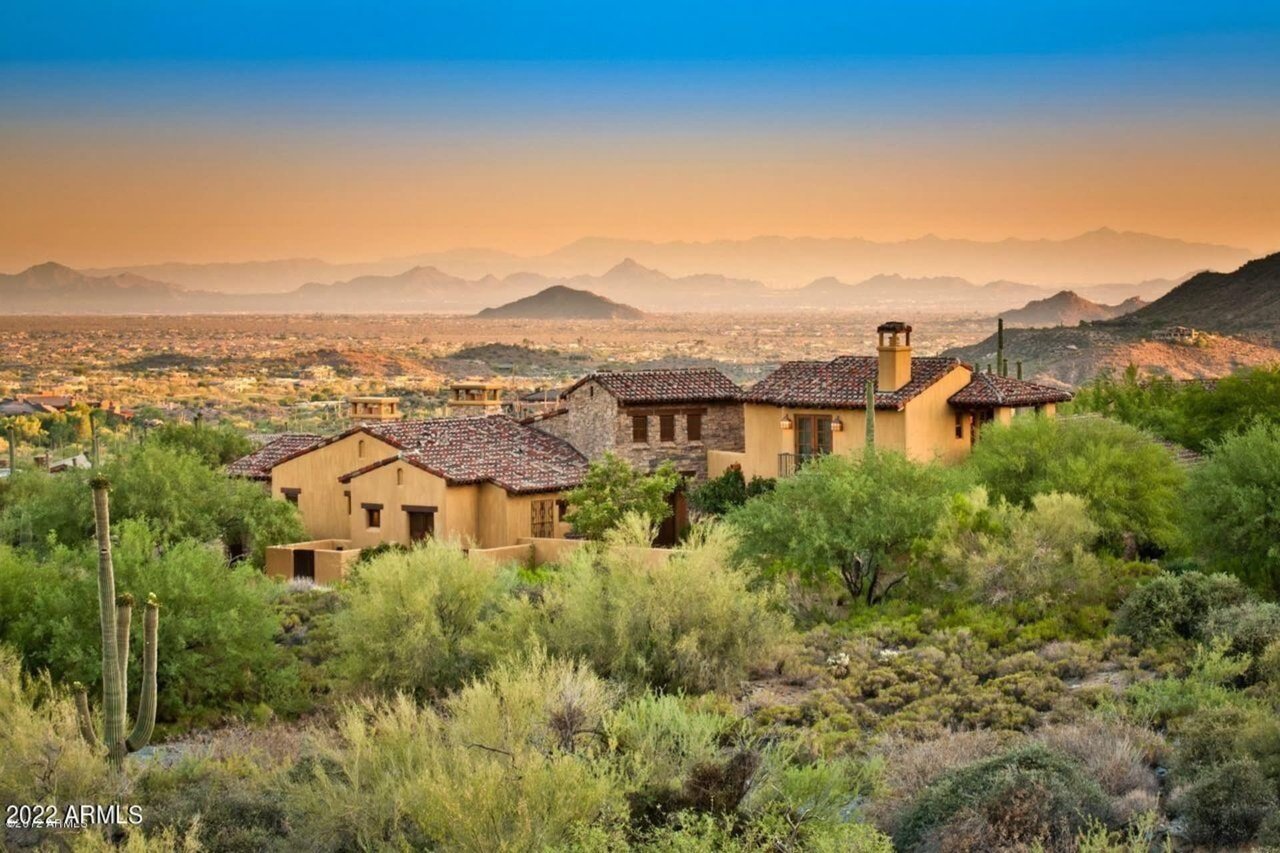
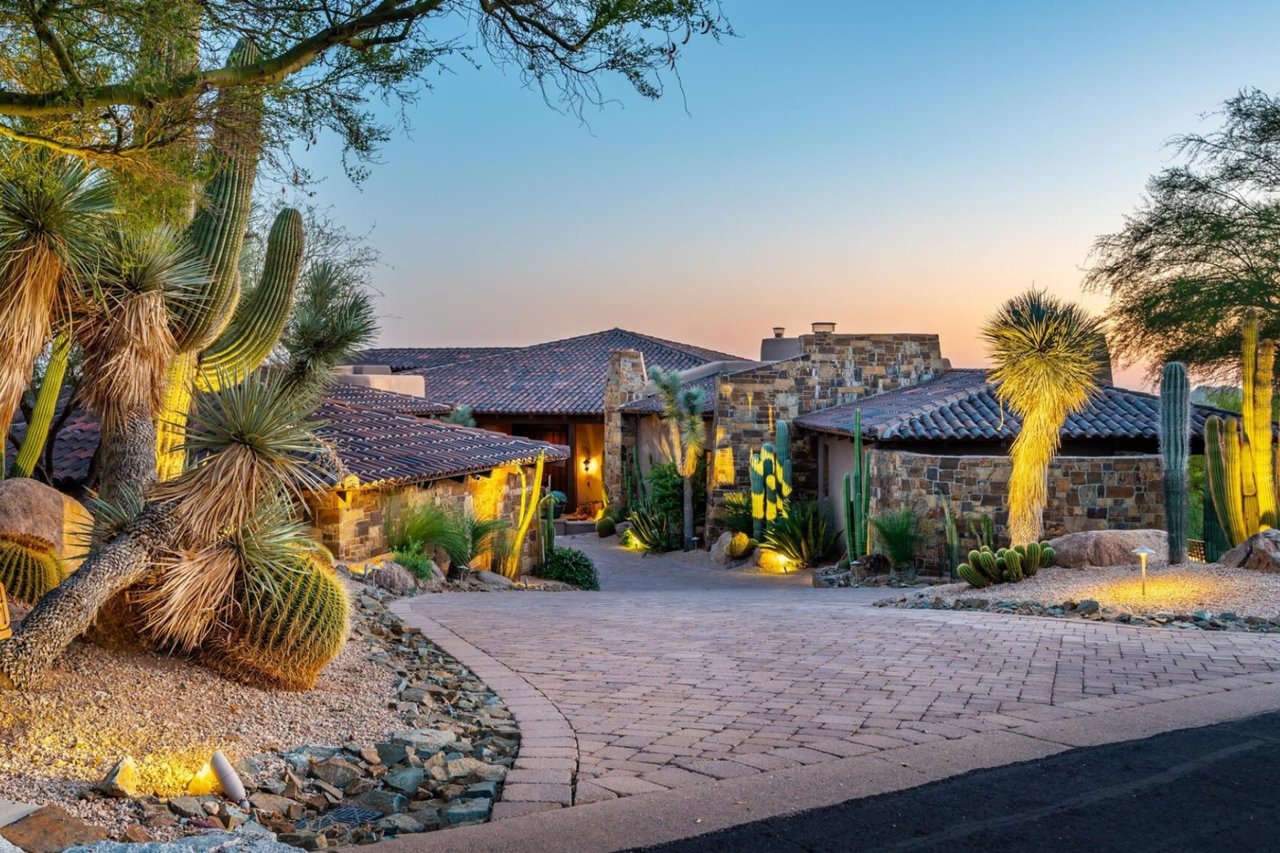
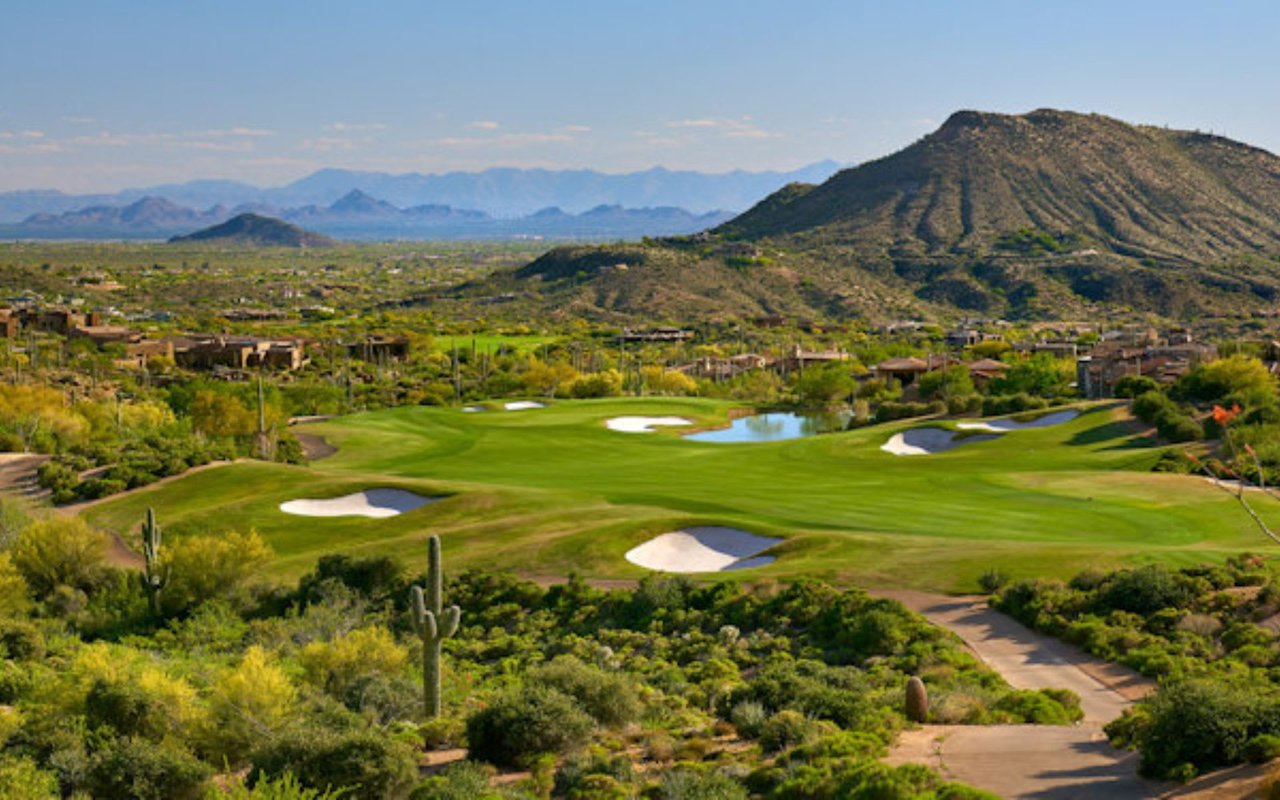
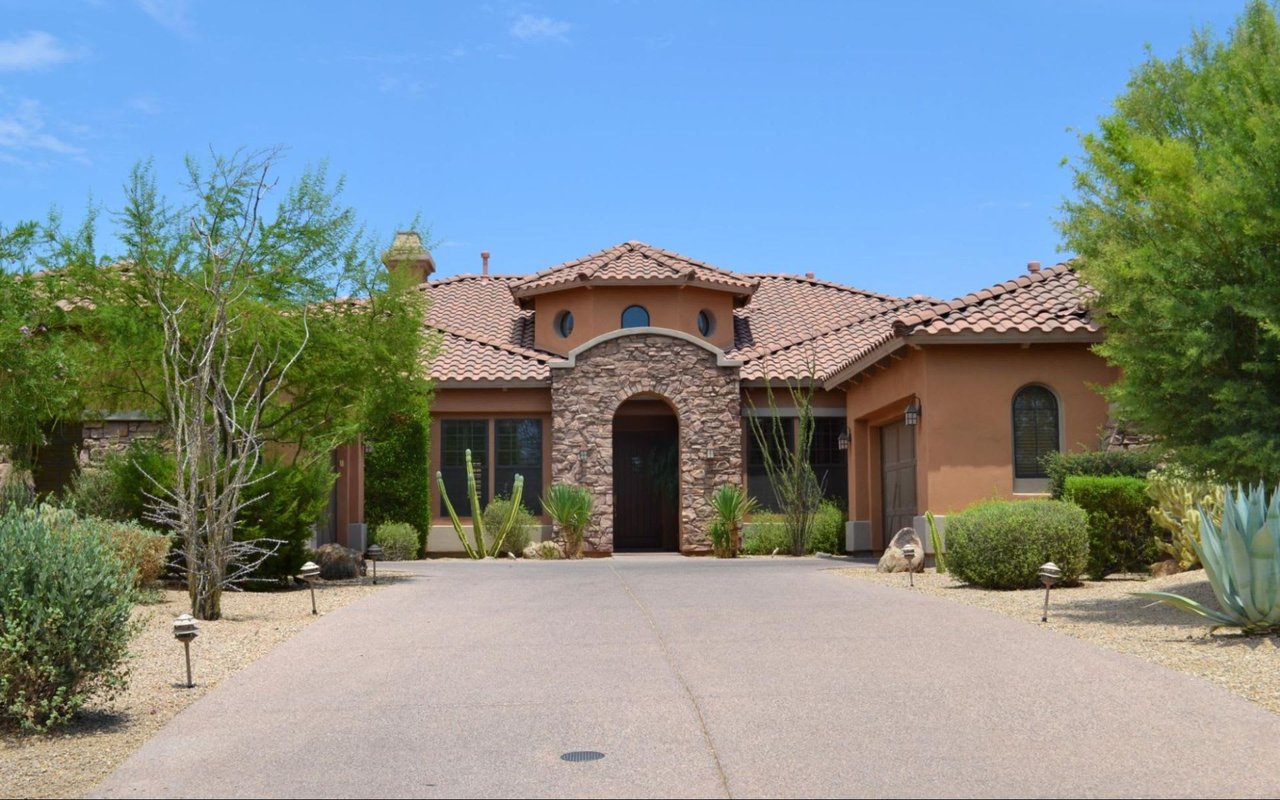
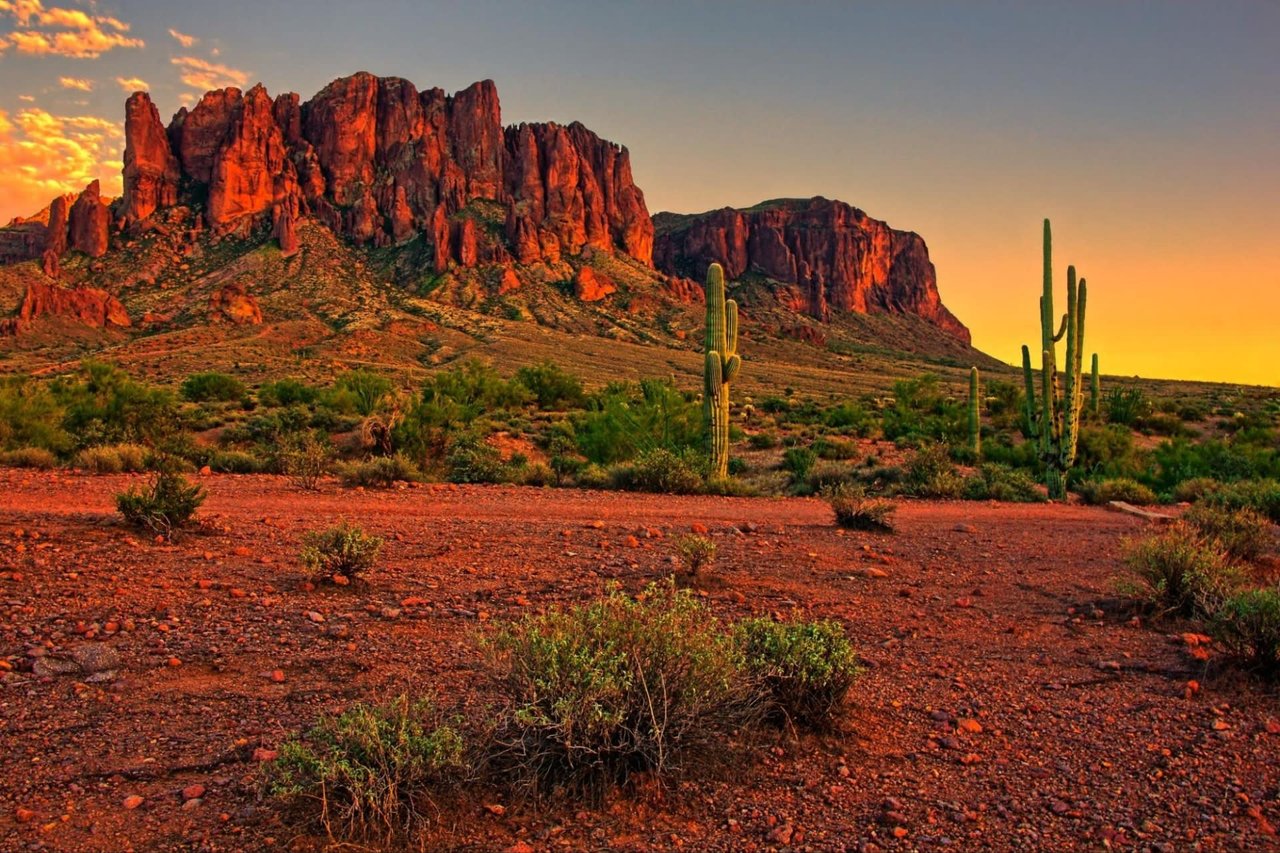
This is where Lone Mountain I's layout helps. The village sits on the side of Lone Mountain, on hillside lots with a five-acre minimum. One Lone Mountain homesite on AW Tillinghast Road is described as having eastward views of Four Peaks and Apache Peak sunrises, with sunsets behind Continental Mountain to the west. Every homesite has its own outlook. Where a patio opens to that eastern horizon, the Geminid radiant climbs over mountains and national forest, the side of the view with no city below it.
The National Park Service explains that city skyglow forms a dome of light visible from many miles away. The city lights in a Lone Mountain I evening view come from that dome. For a meteor shower, the useful view points the other way.
There are a few practical points from Dave Rolf, Desert Mountain Club's Outdoor Adventures Manager, in the Club's stargazing feature. He says to give your eyes 15 to 20 minutes to adjust, to stay off your phone or "you'll start over," and to use a free app such as SkyView in red-screen mode to identify what's overhead. On a Geminid night, the phone is the darkest thing to protect. Turning the terrace lights off is the next.
The Rest of the Season Happens Before Sunrise
The Geminids stand out partly because the rest of the November-to-January calendar is a pre-dawn affair. Here is the season as of publication on November 12:
- November 13: Mercury and Venus appear close together before sunrise.
- November 16: Mars and Jupiter make a close approach in the morning sky.
- November 16–18: The Leonids peak. The AMS lists November 16–17 as peak night with the Moon 41 percent lit. Timeanddate recommends the hours before sunrise on November 18, after the Moon sets around midnight, and estimates up to 15 meteors per hour under ideal conditions. Mars and Jupiter sit near the Leonid radiant, so one early alarm covers both.
- Second half of November: Mars, Jupiter, Venus, and Mercury line up as a small morning planet parade.
- November 24: Full Moon.
- November 27: Venus at its brightest of 2026.
- December 8: New Moon.
- December 13–14: Geminids, the evening event.
- December 23: Full Moon.
- January 3–4, 2027: The Quadrantids peak, with a thin 16 percent waning crescent that the AMS says should not interfere much.
- January 7 and January 22, 2027: New Moon, then full Moon.
The Leonids yield a fraction of the Geminids' ideal rate, and the November planet lineup asks for a pre-dawn start. Neither competes with a December evening that is fully dark at 6:50 p.m. and peaks at 10:44 p.m.
On the Nights the Moon Wins
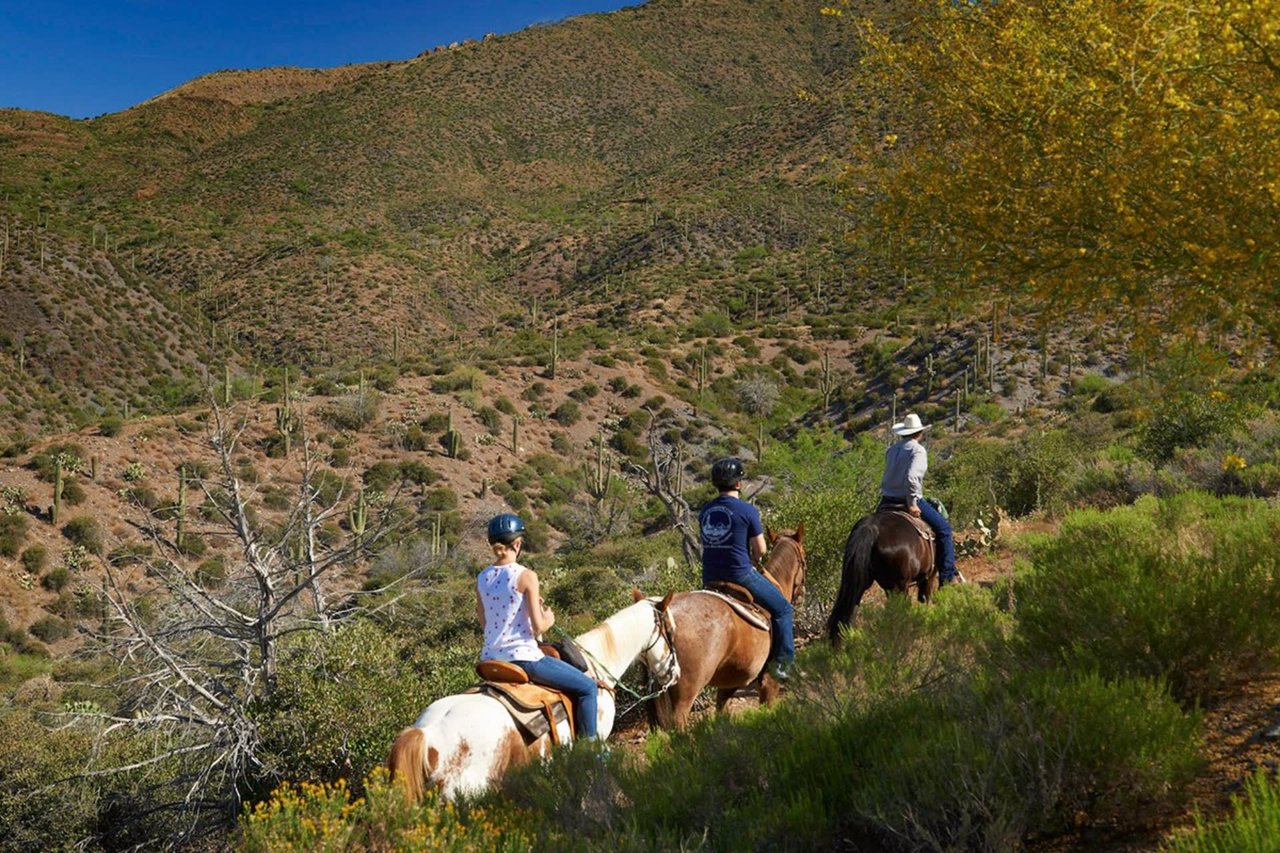
Rolf's advice is to skip the nights around a full Moon for stargazing. The Club plans around those nights. Desert Mountain hosts a Sunset to Full Moon Hike every month, timed so the rising Moon lights the trail. With full Moons on November 24, December 23, and January 22, those are the weeks when the moonlight is best spent on a trail.
For this winter, Rolf writes that the Club is also adding Sunset & S'mores hikes at The Ranch: "an easy evening walk that ends at the fire ring with cocoa, marshmallows, and a sky full of stars." Outdoor Adventures has the dates.
That sets up a simple rhythm for the season. Bright-Moon weeks go to the trail. Dark weeks, around December 8 and January 7, go to the patio. The Geminids fall five days after the December new Moon, which is why the crescent stays faint on peak night.
The Dark Next Door Is a Neighborhood Effort
Lone Mountain I's eastern horizon looks toward open desert, but the sky over Desert Mountain also depends on its neighbors. In the same feature, Rolf notes that Cave Creek has its own lighting standards, a local group pushing for Dark Sky certification, and star parties at Spur Cross. That group is Cave Creek Dark Sky, a 501(c)(3) educational nonprofit that says it is working toward DarkSky International community certification and hosts public events, including an annual star-gazing party.
Carefree is also working on lighting. The town's zoning update page says a comprehensive ordinance update is underway and lists exterior lighting among the topics for its third workshop, scheduled for Wednesday, November 18, from 5 to 7 p.m. The meeting runs during the Leonid week, less than four weeks before the Geminids.
The Geminids will rise over Four Peaks around mid-evening on December 13 regardless of what any town decides. How many of them you can see from a terrace on Lone Mountain depends on how dark that eastern horizon stays.
Bee and Kathleen live inside Desert Mountain and know which village outlooks open east toward Four Peaks and which face the evening city lights. If a home's view of the night sky is part of what you're looking for, Power+ can walk you through the homesites where that eastern horizon comes with the property. Schedule a private consultation with Desert Mountain experts.