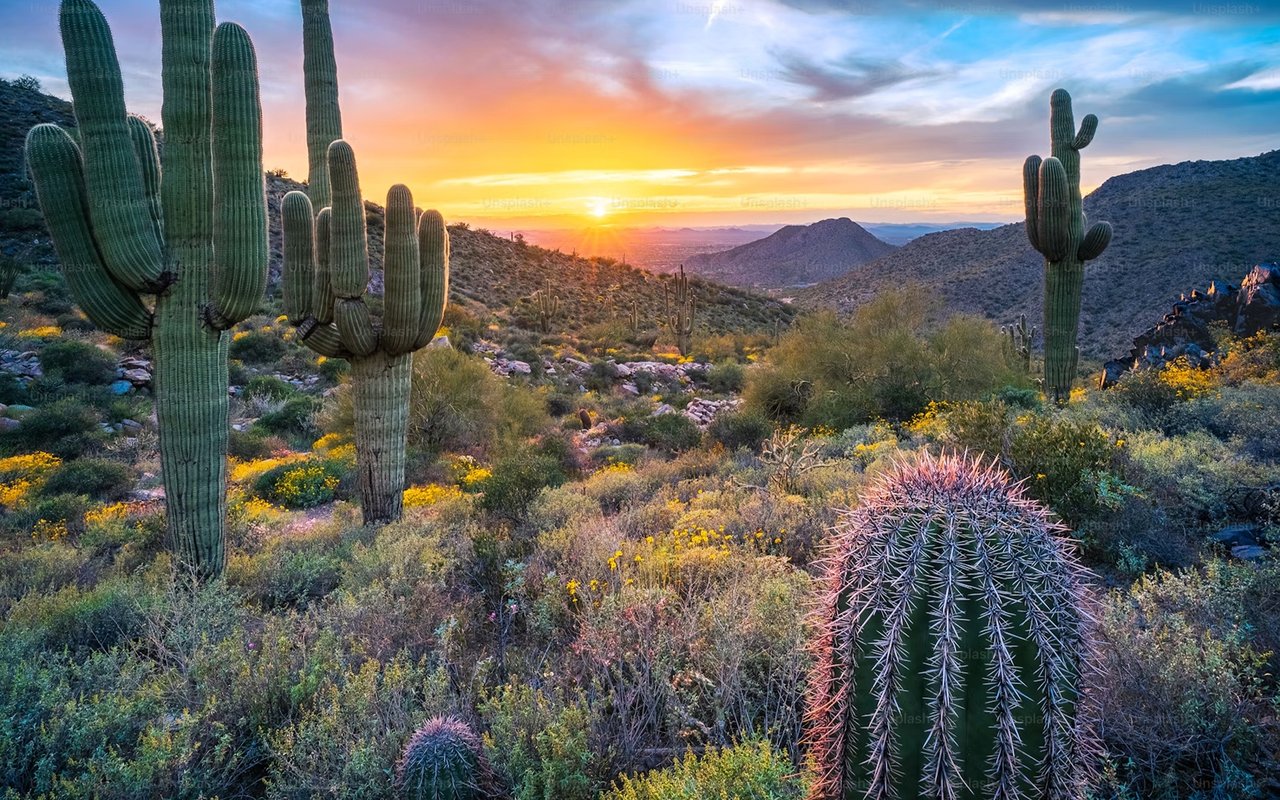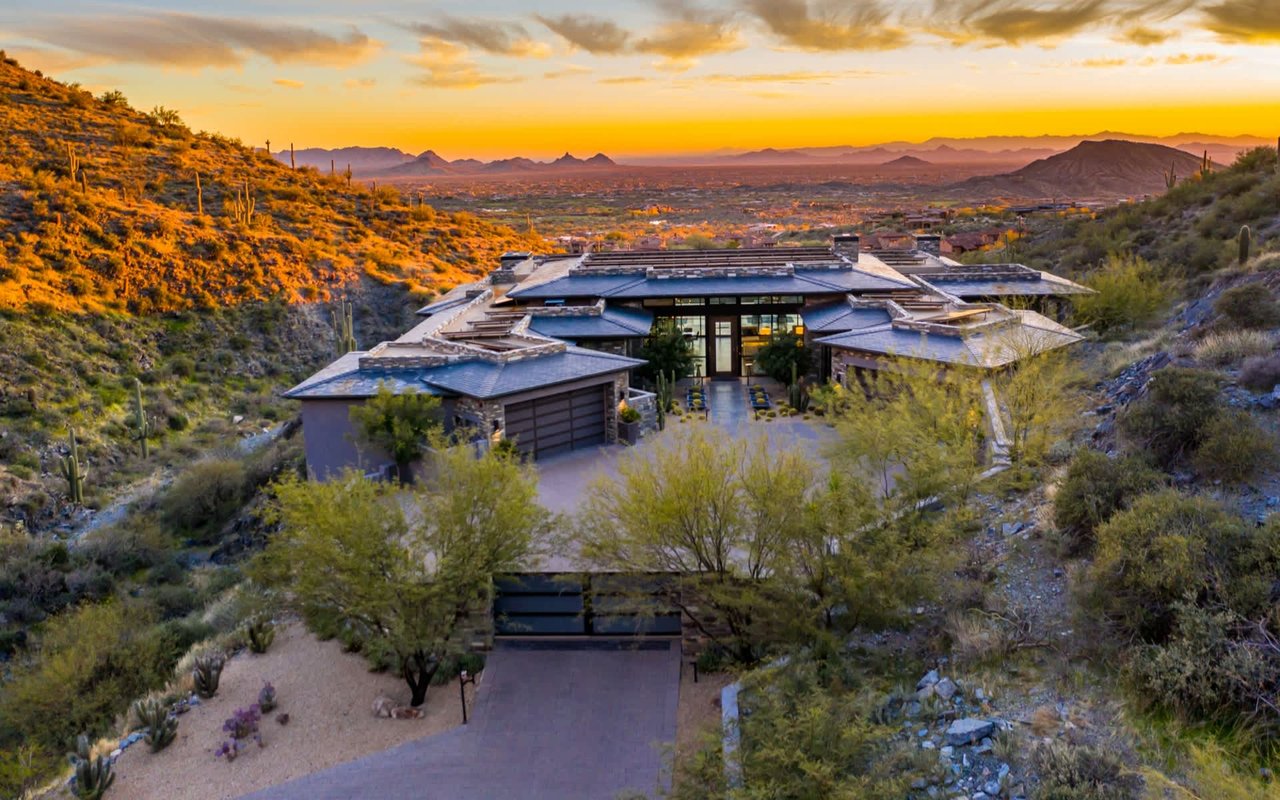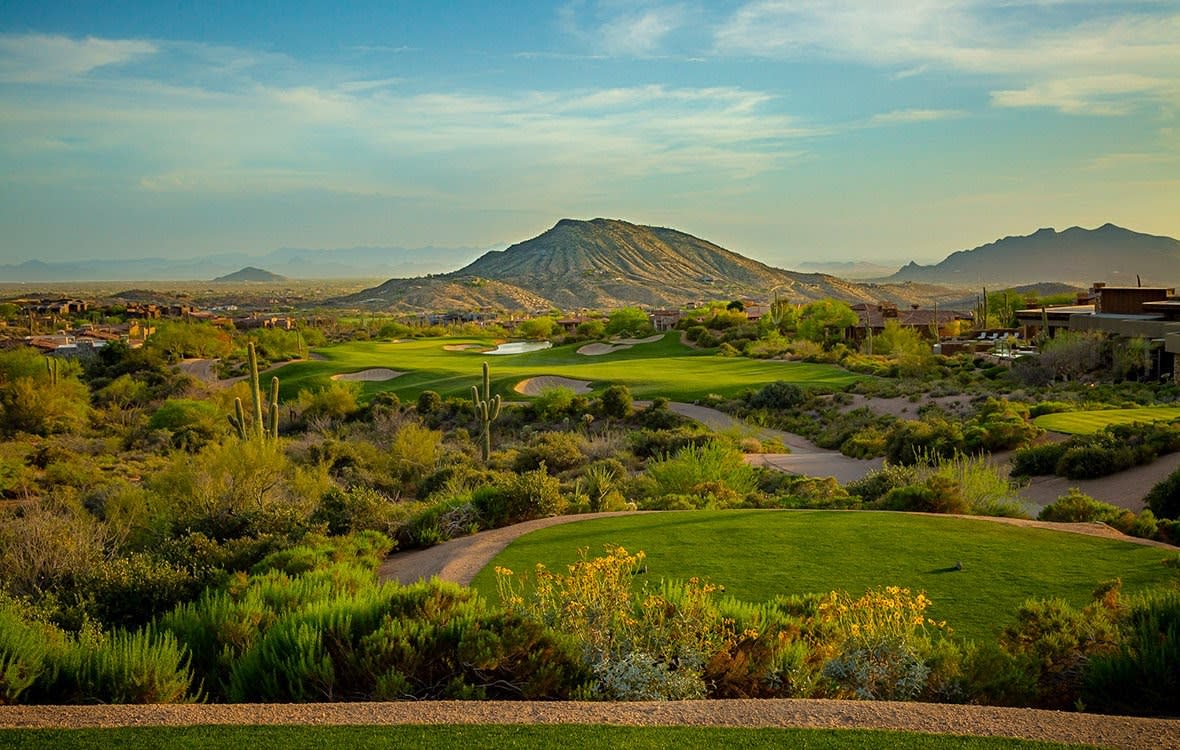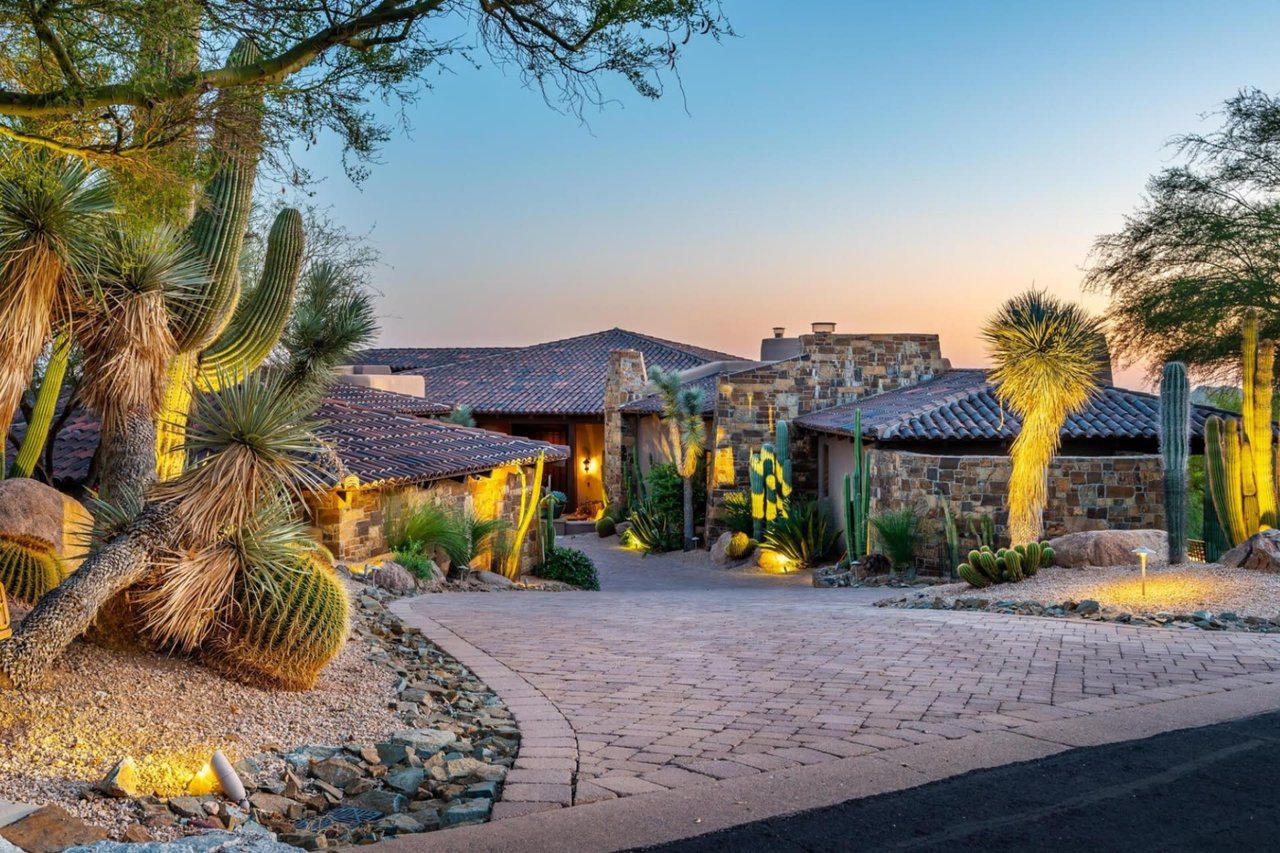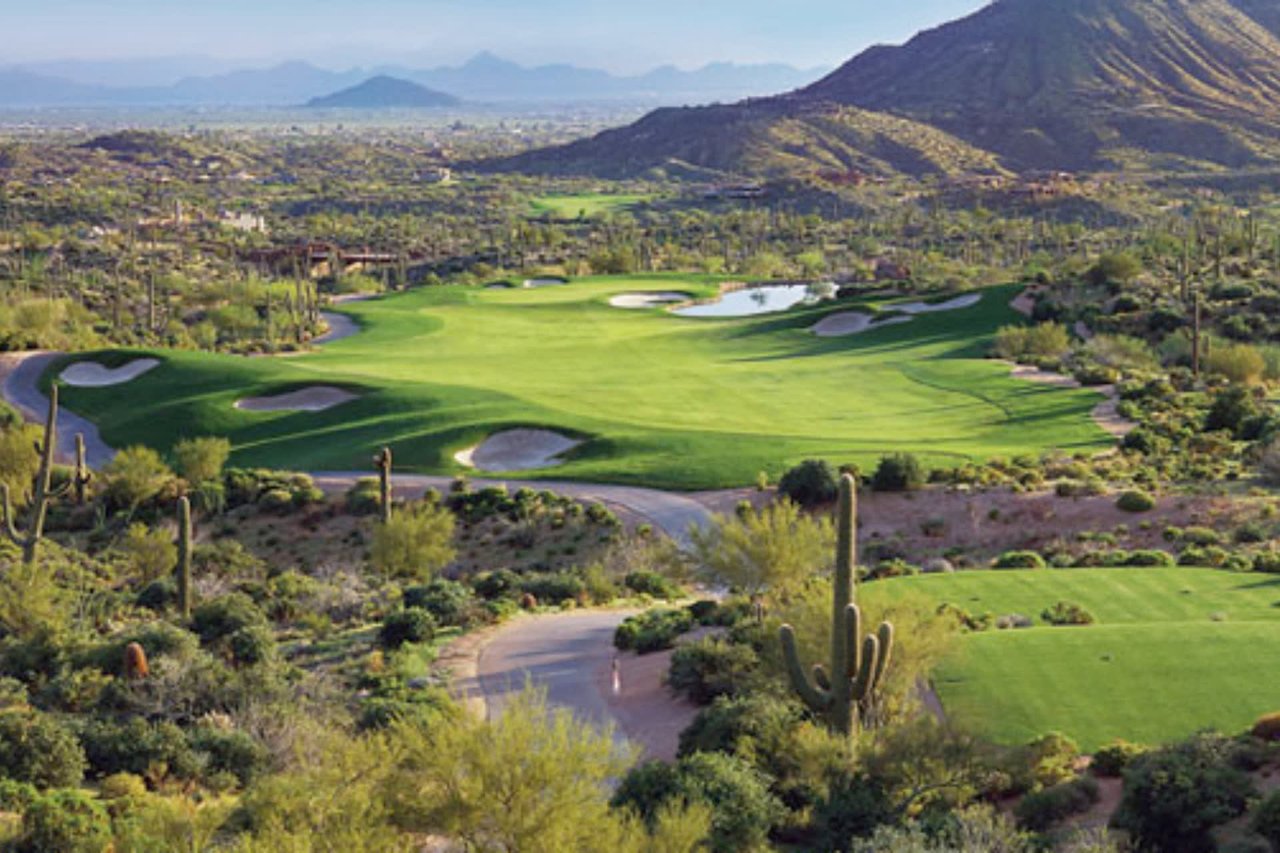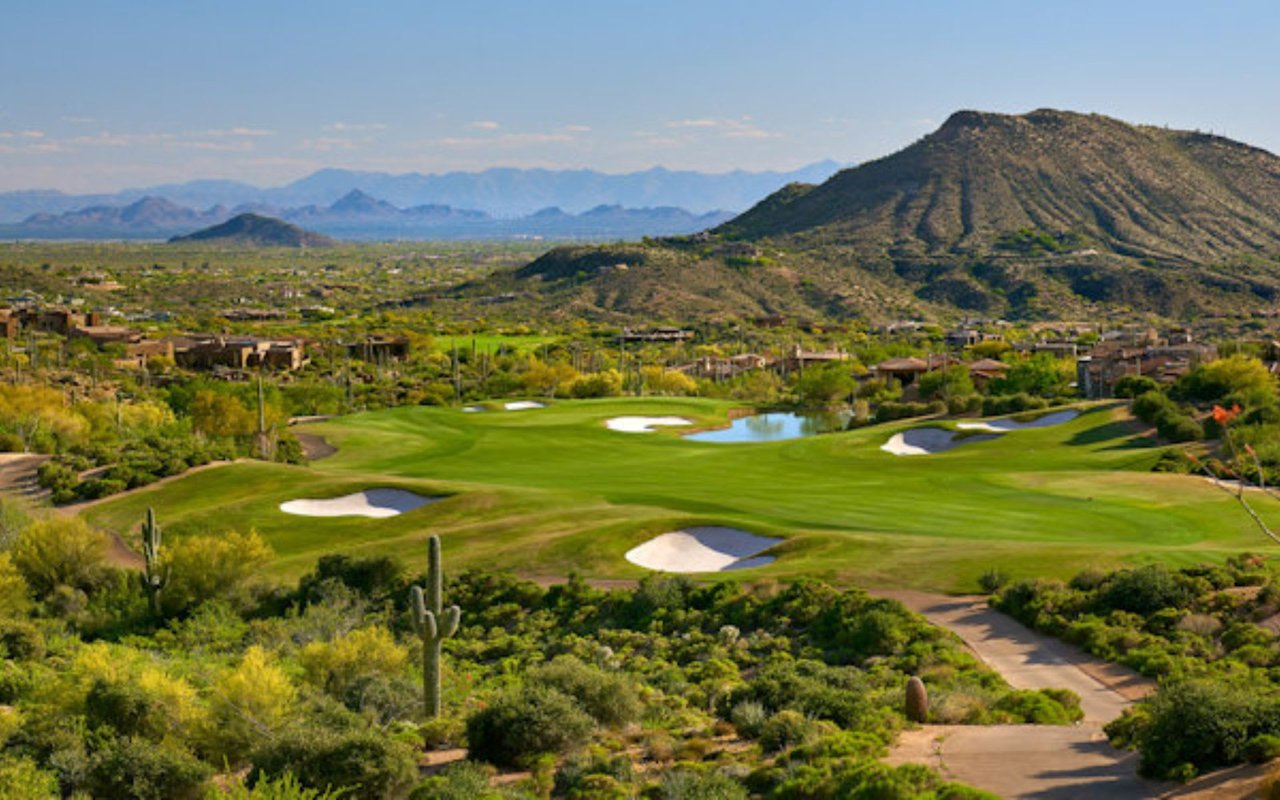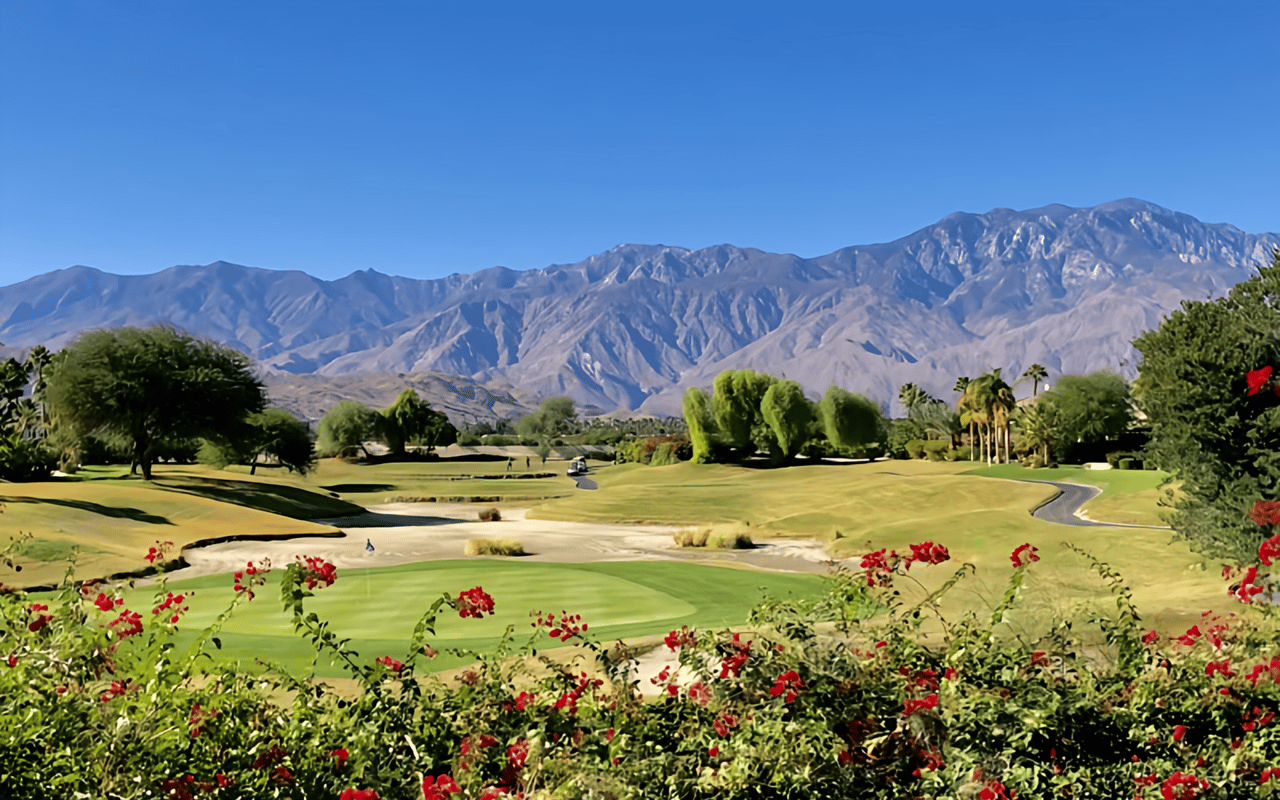
For twelve months, the sound coming off the Cochise Course wasn't golf. It was earthmovers, irrigation trenching, and the occasional generator running through a Scottsdale summer. Anyone in Cochise Ridge who plays the back nine or just watches the sunset over the 12th fairway knew the course was closed. When it reopened in September 2024, the strange part was that almost nothing looked different. Same fairway corridors. Same bunkers in roughly the same places. Same double island green sharing the par-3 seventh and par-5 fifteenth that Jack Nicklaus built in 1988.
That wasn't an accident, and it wasn't a lack of ambition. It was the whole plan. And this spring, that decision to leave Cochise looking like 1988 is exactly what let it host something Desert Mountain had never hosted before.
A Course Rebuilt to Not Look Rebuilt
By the time the restoration crew arrived, Cochise's irrigation system, pump station, and bunker drainage were failing after 35 years of desert use. Nicklaus Design architect Chad Goetz took the project on alongside Desert Mountain's Director of Agronomy, Todd Bohn, and PGA Director of Golf, John Lyberger. Every green on the course was laser-scanned so it could be rebuilt to within a tenth of an inch of its original size and contour. New Tahoma 31 bermudagrass went into the fairways, chosen for drought tolerance and for restoring the firmness and color the course had when it opened.
The bunkers tell you what kind of restoration this was. Members were asked what they wanted, and the answer was fewer changes, not more. A handful of bunkers were removed with Nicklaus's own sign-off. Others were reoriented. None were added. As Nicklaus Design put it afterward, no hole corridors, strategies, or major design elements were altered. The above-ground work that members would actually notice, the collection areas, the sightlines from the tees, the long-lost contours on the par-3 second green, all came from digging back into Nicklaus's original plans rather than improving on them. Sports Illustrated named it one of the best course restorations of 2024, and the praise was specifically for restraint, not reinvention.
Nicklaus has called Cochise one of the most picturesque golf courses in the world, and the restoration team treated that reputation as something to protect rather than update.
Thirty-Five Years of Pro Golf, Then a First
Cochise has hosted championship golf before. From 1989 to 2001, it was the venue for The Tradition, a major on what's now the PGA Tour Champions, and Nicklaus himself won it four times on his own course, in 1990, 1991, 1995, and 1996. Lee Trevino won there in 1992. The Charles Schwab Cup Championship followed from 2012 through 2016, with Tom Lehman winning in 2012 and Fred Couples in 2013.
What Cochise had never hosted, in nearly four decades of professional competition, was a USGA championship. That changed this spring. From May 16 through May 20, 2026, Desert Mountain hosted the U.S. Amateur Four-Ball Championship, its first USGA event ever, played across Cochise and Outlaw. The distinction matters more than it sounds. The Tradition and the Schwab Cup were Champions Tour stops built around famous names on the senior circuit. The Four-Ball is an amateur championship for two-player teams, better-ball format, where both golfers on a team need a USGA Handicap Index of 5.4 or lower just to enter. The event opened with 36 holes of stroke play, after which the top 32 teams moved into match play.
Cochise carried the heavier load: stroke play rounds plus the championship match play. Outlaw, Nicklaus's Scottish links-style course from 2003, hosted the early stroke play rounds only.
The Week Looked Different From What Cochise Ridge Remembers
If you remember The Tradition or the Schwab Cup from television, in either your living room or the club, expect a different picture. There was no broadcast truck parked at the practice range, no grandstands ringing the 18th green. The published schedule tells you what the week actually looked like on the ground:
- Practice rounds ran first tee only, with starters going off at 8:21, 10:09, and 11:57 a.m., in 12-minute intervals, across both Cochise and Outlaw.
- Stroke Play Round 1 followed the identical structure: first tee only, same three starter windows, same 12-minute spacing.
- Stroke Play Round 2 repeated the pattern again before the field narrowed to match play.
For a village with sightlines onto the 10th through 14th fairways, that meant a steady, quiet rhythm of twosomes walking the course rather than a single made-for-TV spectacle. The players weren't touring pros with endorsement deals. They were the best amateurs in the country, closer in swing speed and shot selection to the members who play Cochise every week than to the Champions Tour fields the course hosted a decade ago. That's a different kind of golf to watch from your own patio, and arguably a more interesting one if you actually play the game yourself.
Where Cochise Ridge Ate That Week
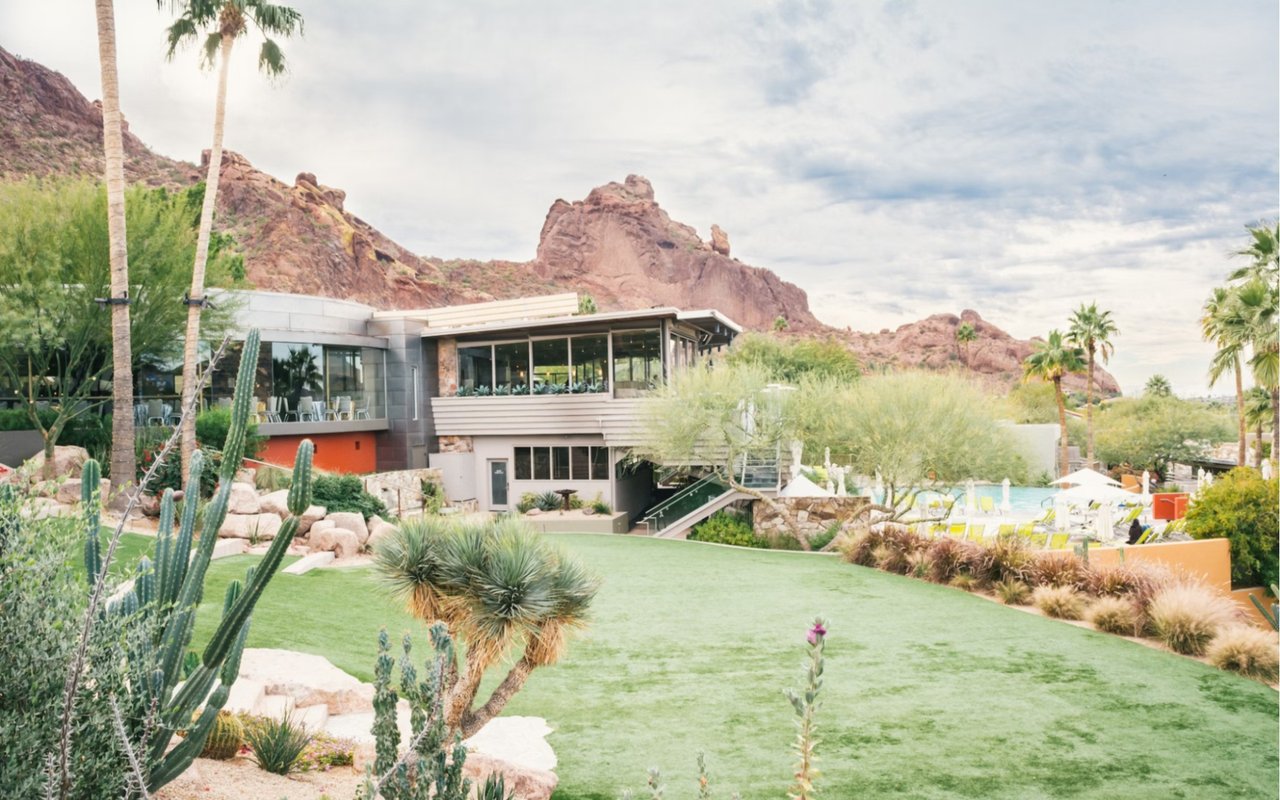
The Cochise/Geronimo Clubhouse sits a short walk from most homes in the village, a 52,000-square-foot building whose design draws on Frank Lloyd Wright by way of Native American and desert architectural traditions. It's the clubhouse Desert Mountain uses for its largest member gatherings, and during championship week it did double duty as both a golf headquarters and a dining destination.
There are two ways to eat there, and they serve different purposes. The main dining room is where the club runs its themed dinner events, the kind of evening you dress for. The Range House is the daytime counterpart: al fresco breakfasts and unhurried lunches, the sort of place you'd walk into off the course still wearing your golf shoes. Every dish at either venue, and across all ten of Desert Mountain's restaurants and grills, comes out of a kitchen run by Culinary Director Chef Bertrand Bouquin, a Maître Cuisinier de France, one of the small number of chefs to hold that distinction.
What This Adds to Cochise Ridge's Record
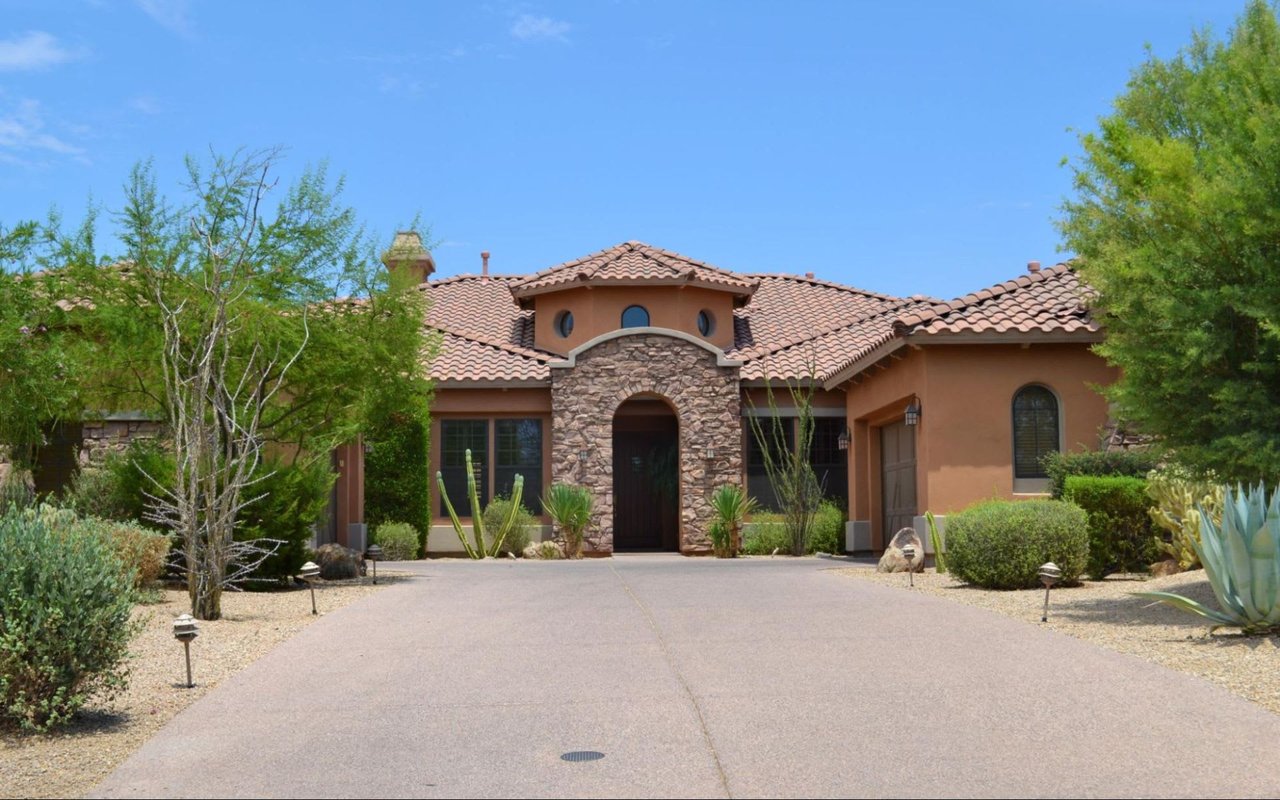
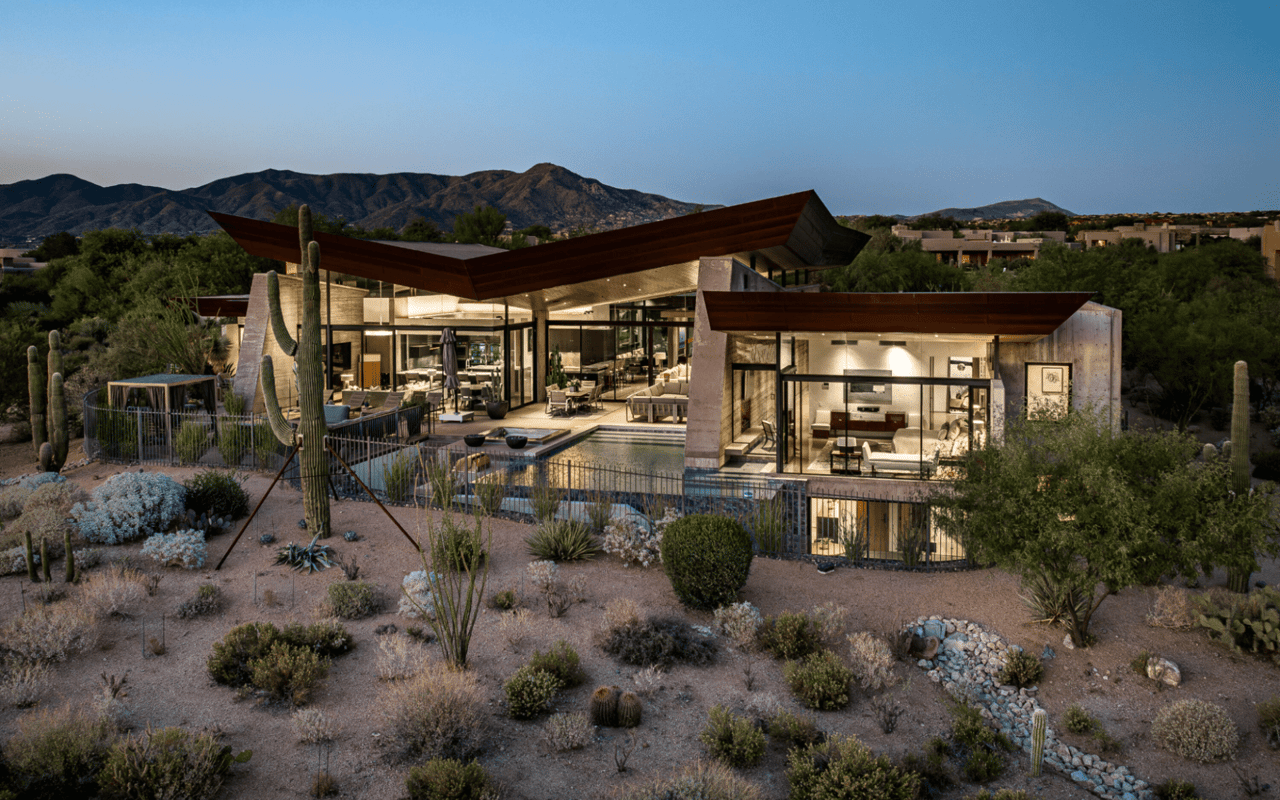
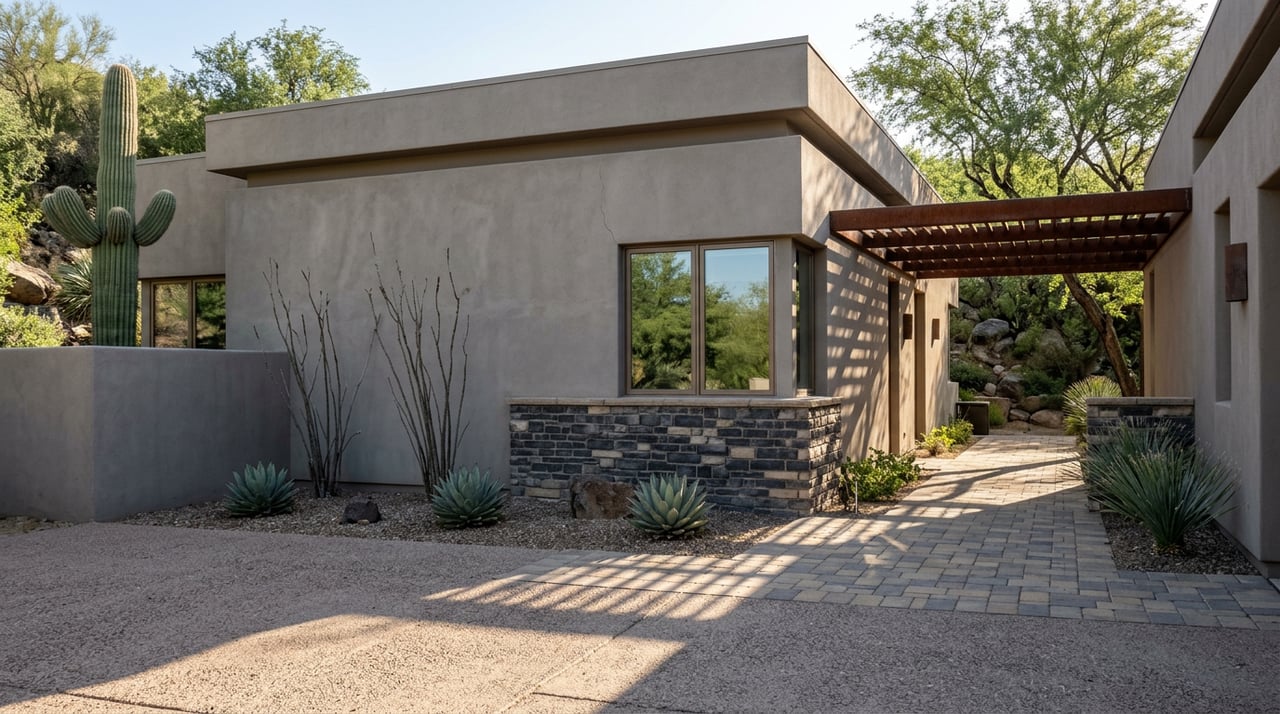
Cochise Ridge's 112 semi-custom homes went up between 1995 and 1996, which means the village is only a few years younger than the course it borders. For three decades, the fairway view from the southern homes has come with a golf history built entirely on professional tournaments: a Senior Tour major and a season-ending championship for the sport's veteran stars. This spring added something different to that record, a national amateur championship played by golfers who qualified on their own game rather than a card.
The course looks the way it did in 1988. What happens on it doesn't have to.
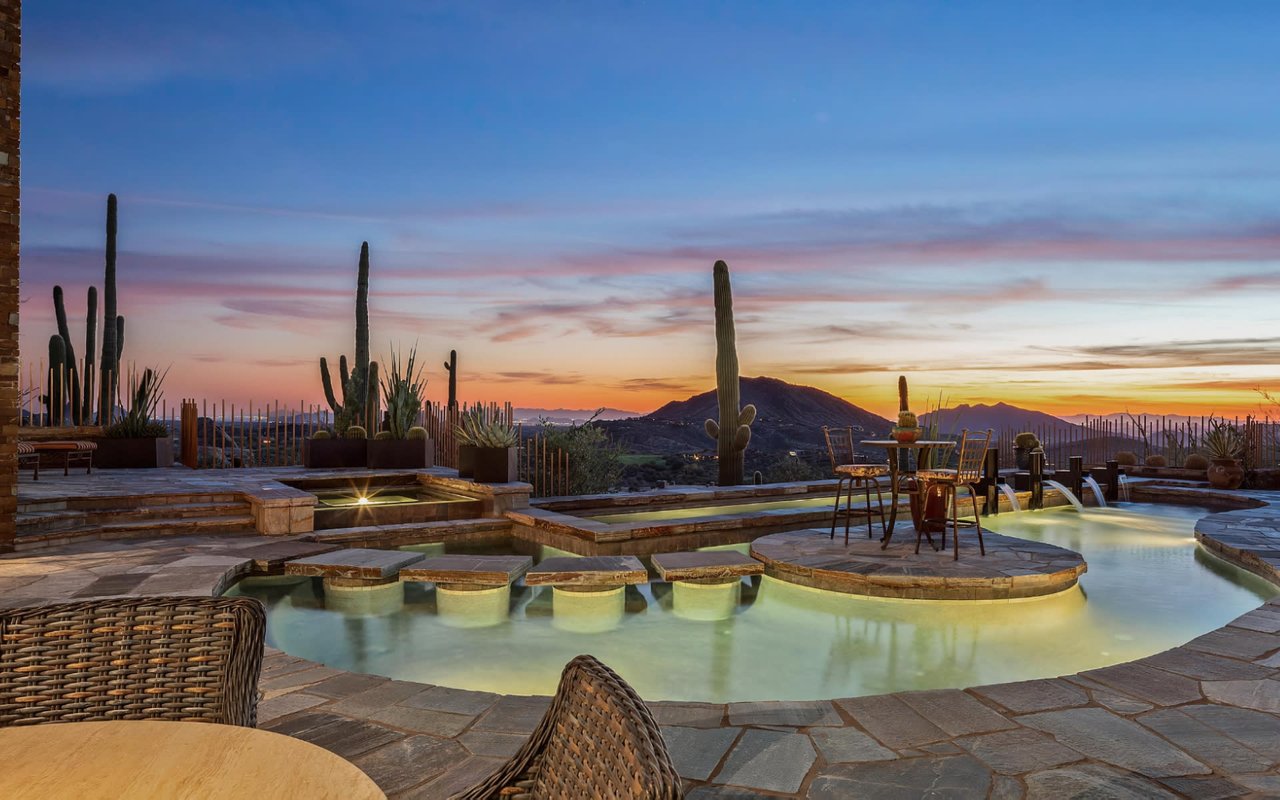
If you're weighing what a village like Cochise Ridge actually offers beyond the obvious amenities, that's the kind of texture worth understanding before you tour a home. Power+ lives and works inside Desert Mountain year-round, and can walk you through what a fairway view, a clubhouse membership, and a village's specific golf history actually mean day to day. Schedule a private consultation with our Desert Mountain experts to see it firsthand.