By Power+
Architecture is one of the most underrated factors in Desert Mountain's long-term value story. Most buyers arrive focused on golf course access, village location, and square footage — and those things matter. But the design character of a home, and the standards that govern how every property in the community is built, play a significant role in why Desert Mountain holds its value through market cycles that affect less intentional communities more severely. Here is how architecture shapes Desert Mountain's appeal, and what buyers should understand about design before choosing a property here.
Key Takeaways
- Desert Mountain's 33 individually gated villages each carry a distinct architectural identity, from Arizona Territorial and Santa Fe styles to sleek contemporary desert modernism.
- The community enforces environmental and sustainable design standards on all new construction, ensuring homes integrate with the Sonoran Desert landscape rather than disrupting it.
- Scottsdale has a deep architectural heritage rooted in Frank Lloyd Wright's Taliesin West, and that legacy of desert-responsive design runs through every decade of building at Desert Mountain.
- Architectural distinctiveness is one of the most consistent drivers of long-term value in luxury real estate — and at Desert Mountain, it operates at the community level, not just the individual property level.
- We bring over three decades of expertise in Desert Mountain real estate and can help you understand how architecture influences pricing and resale potential across the community's villages.
A Community Built Around the Land
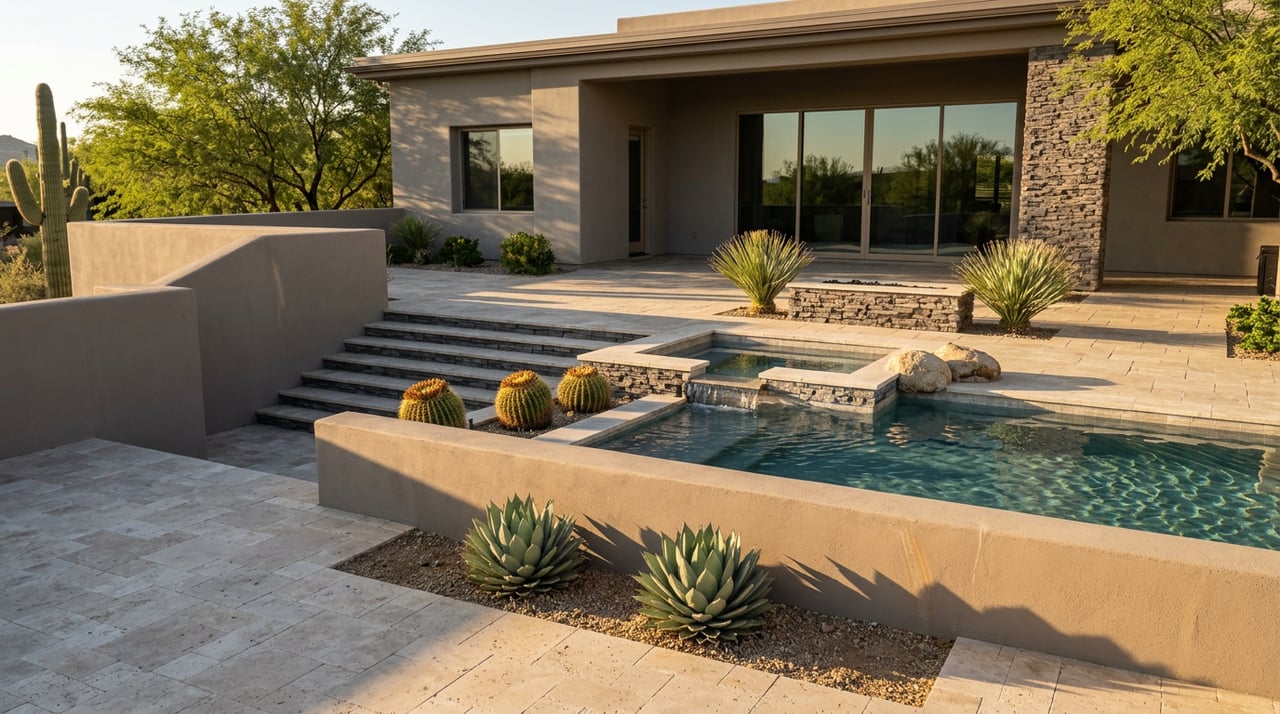
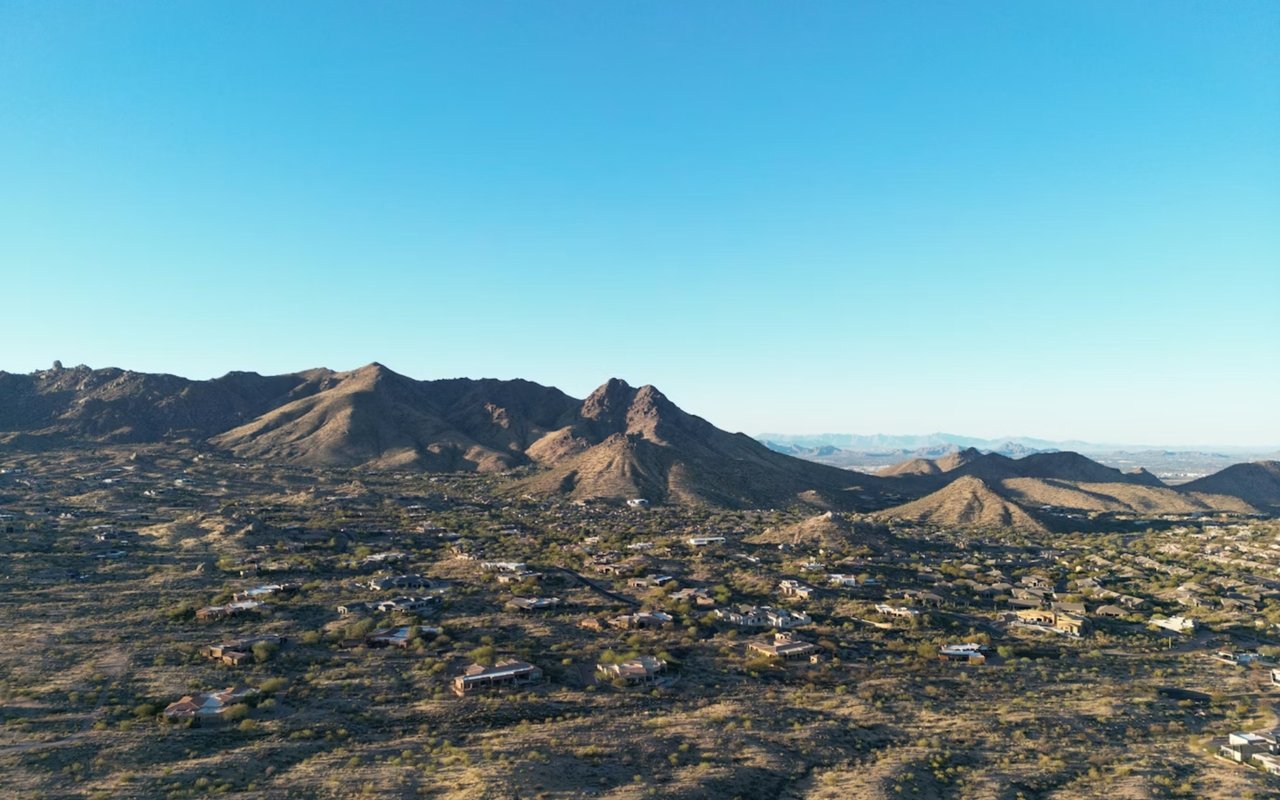
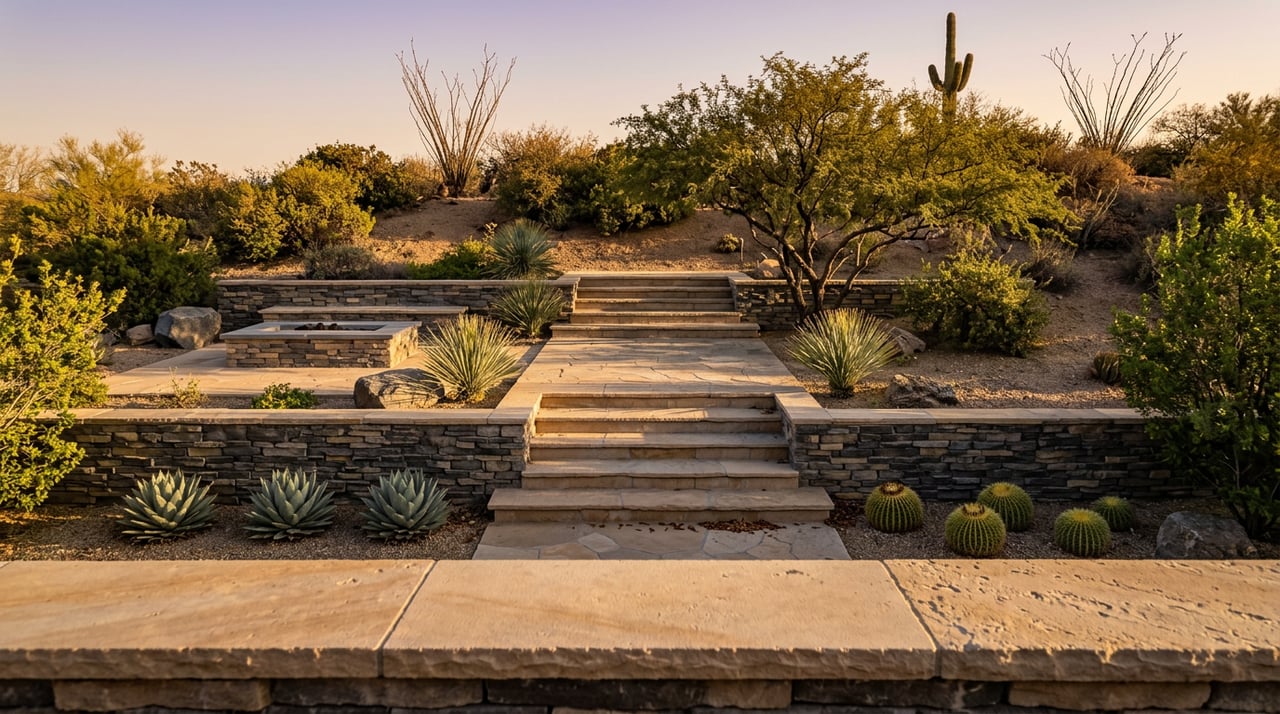
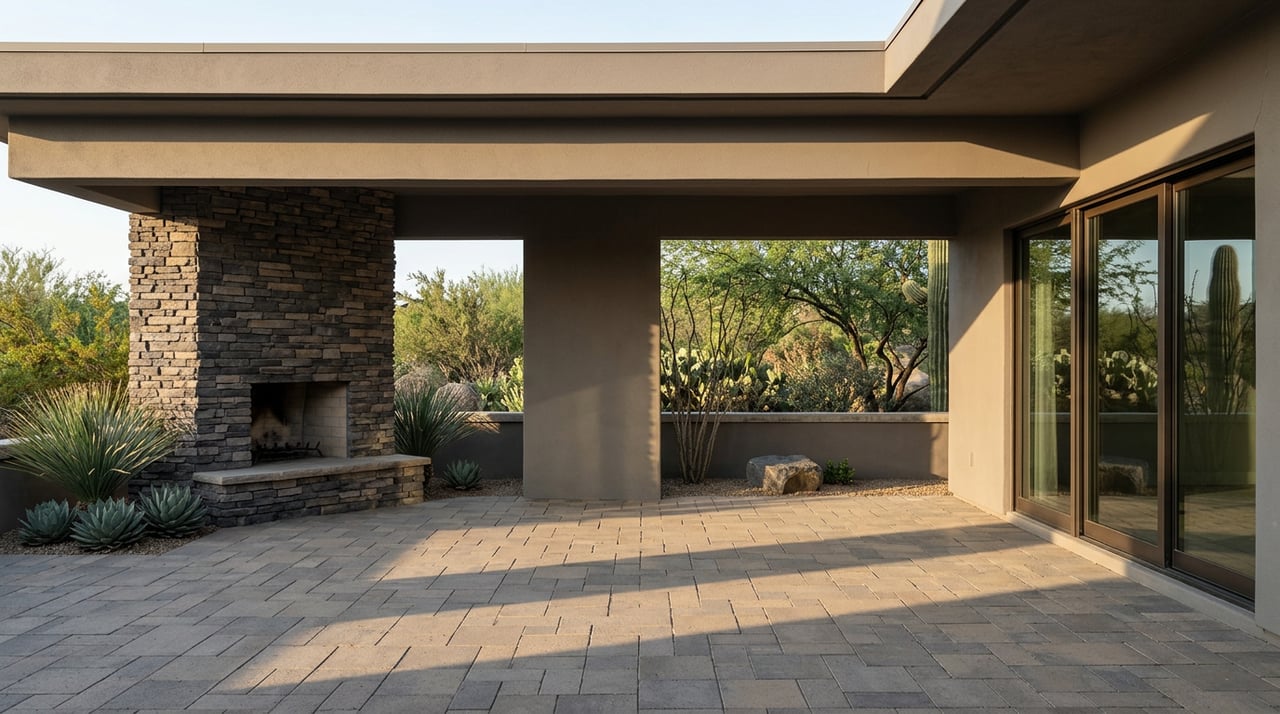
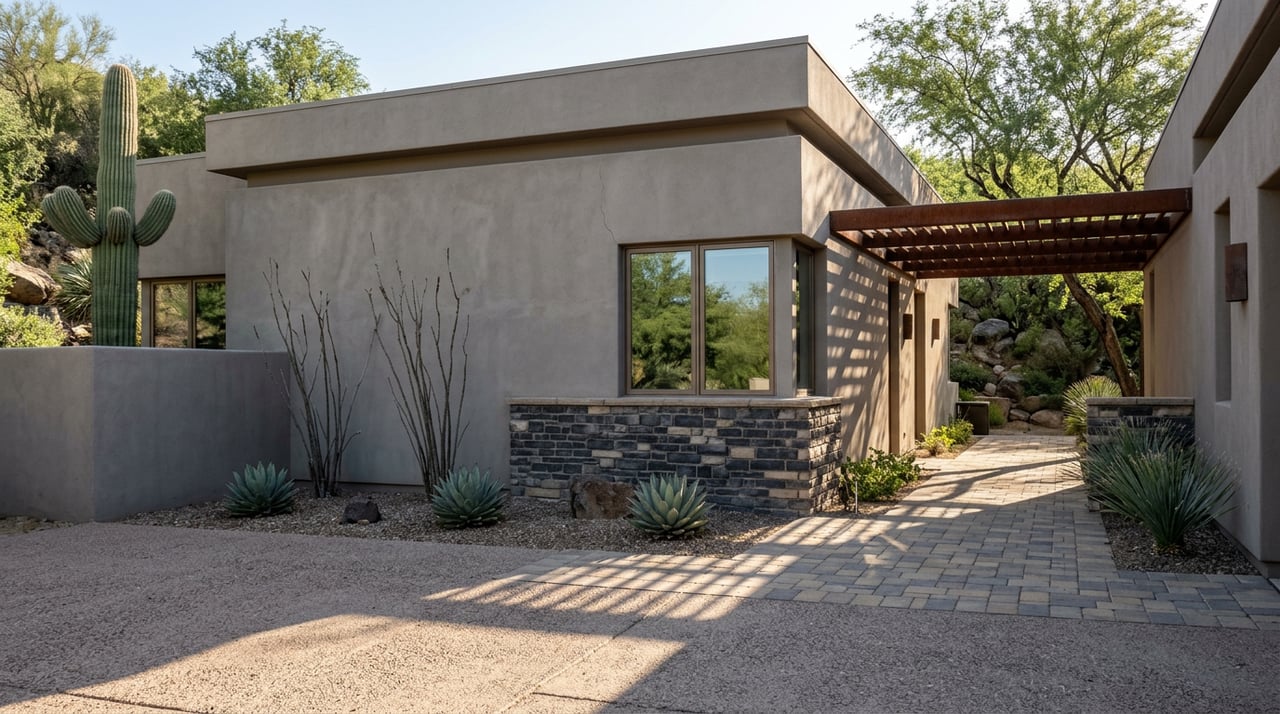
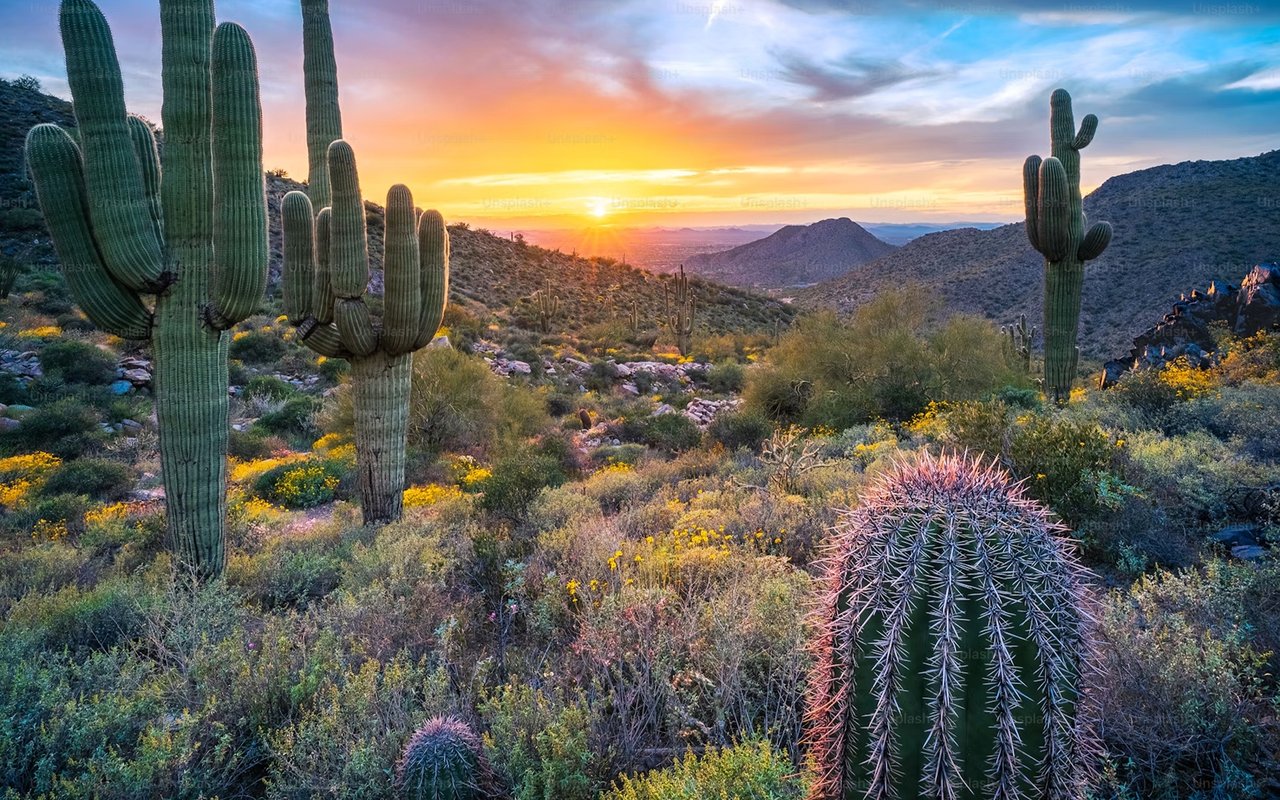
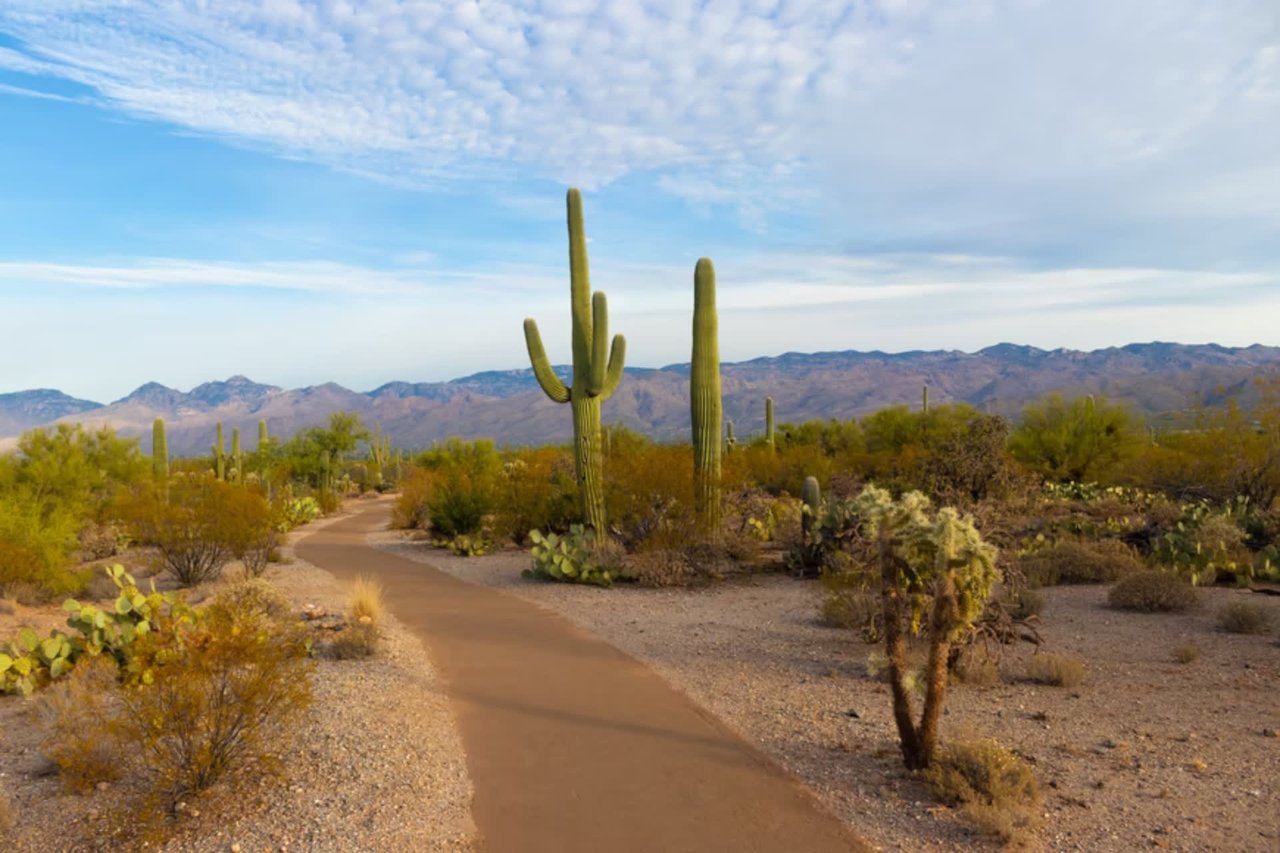
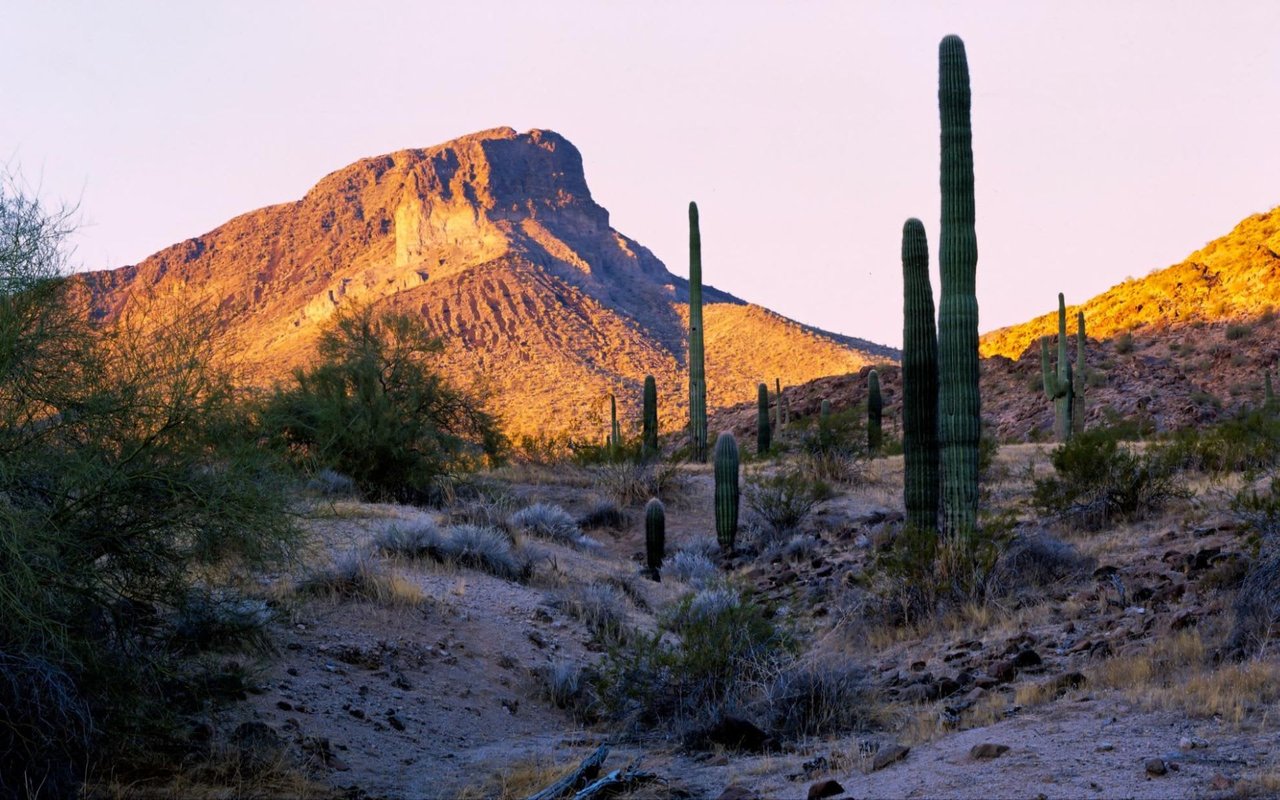
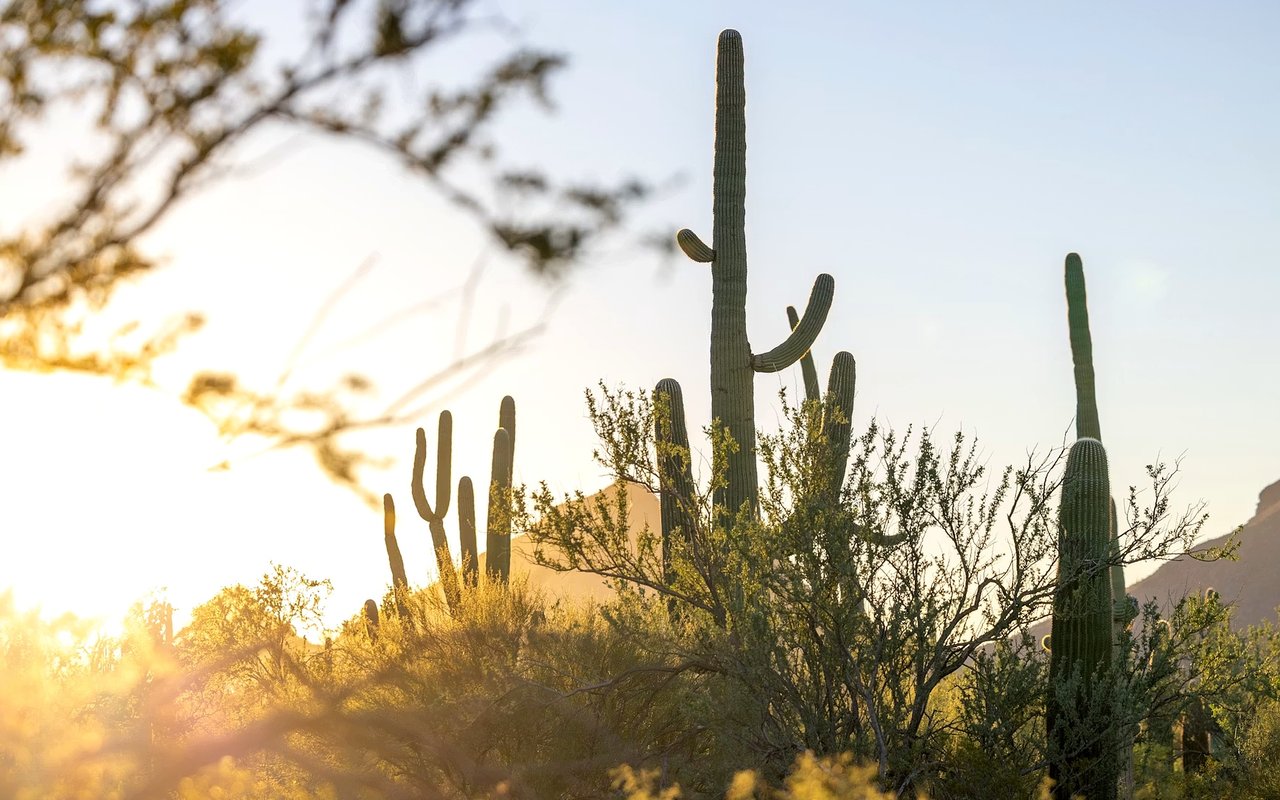
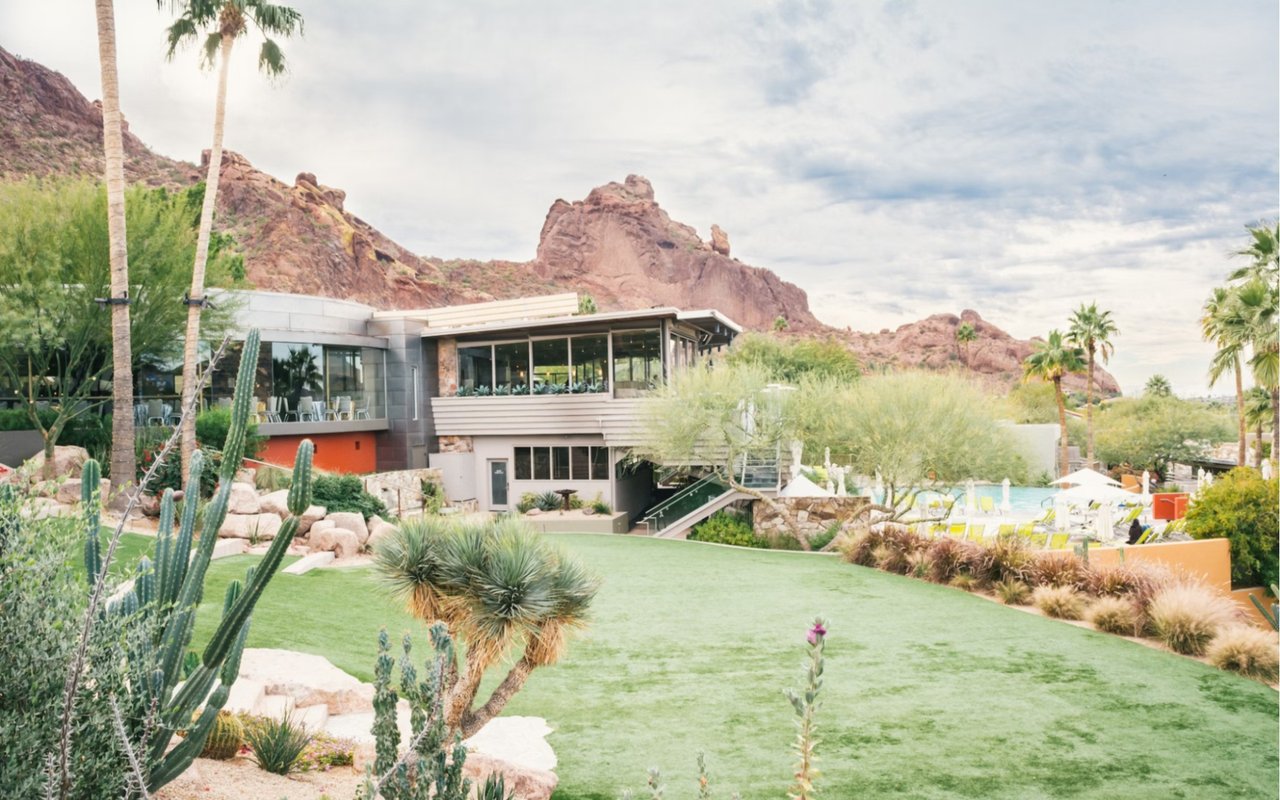
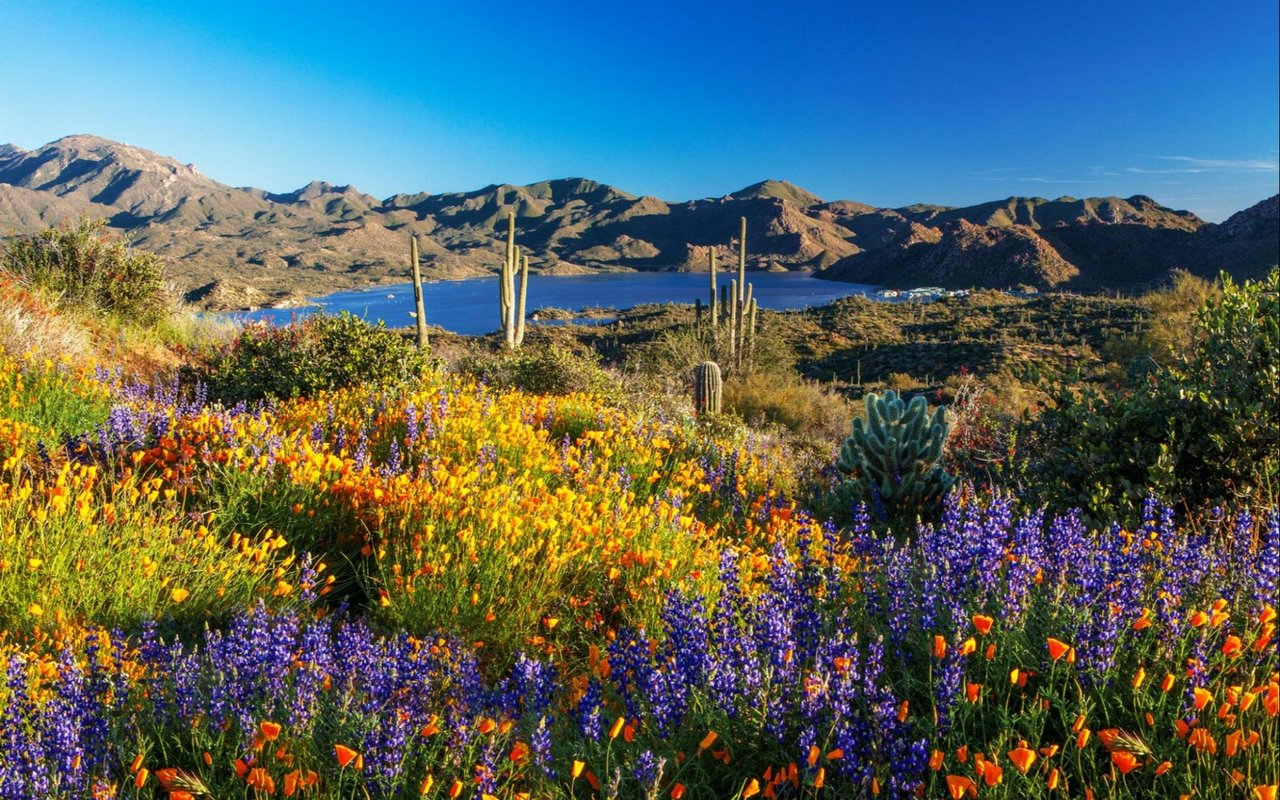
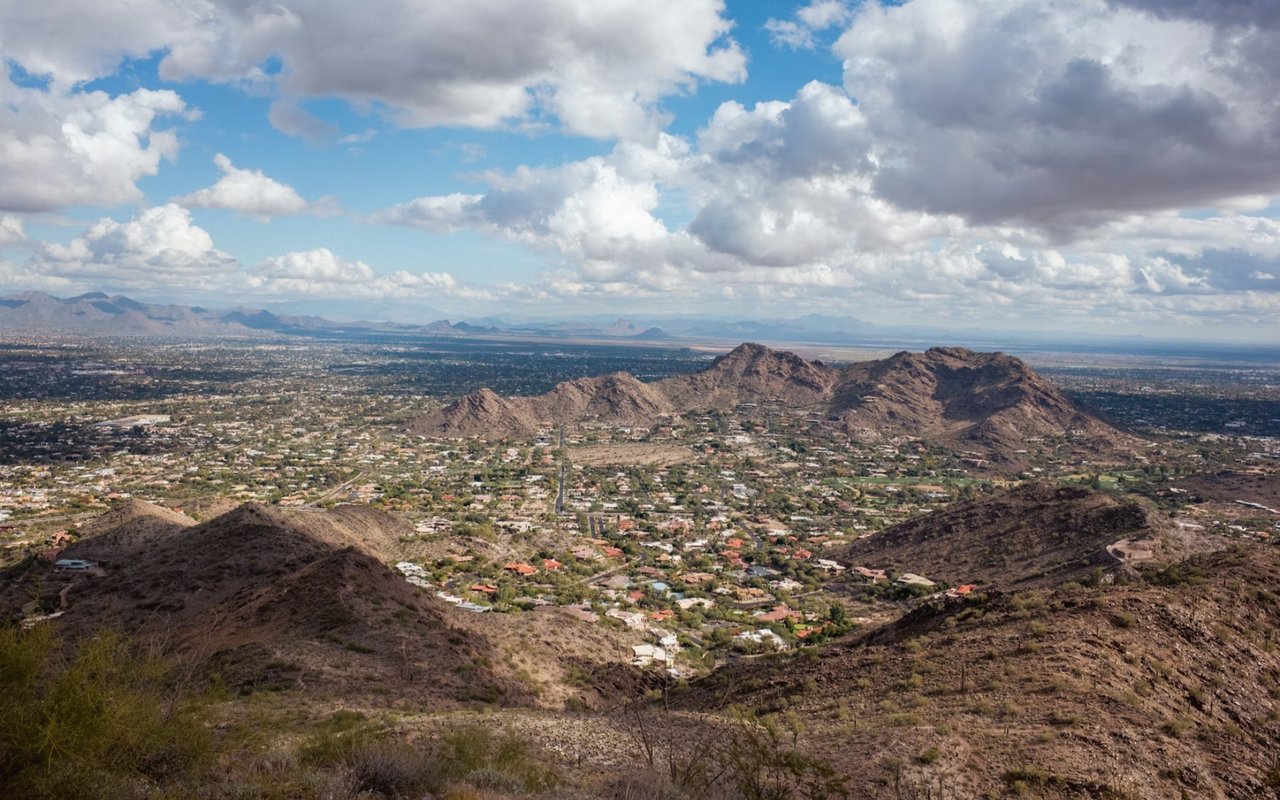
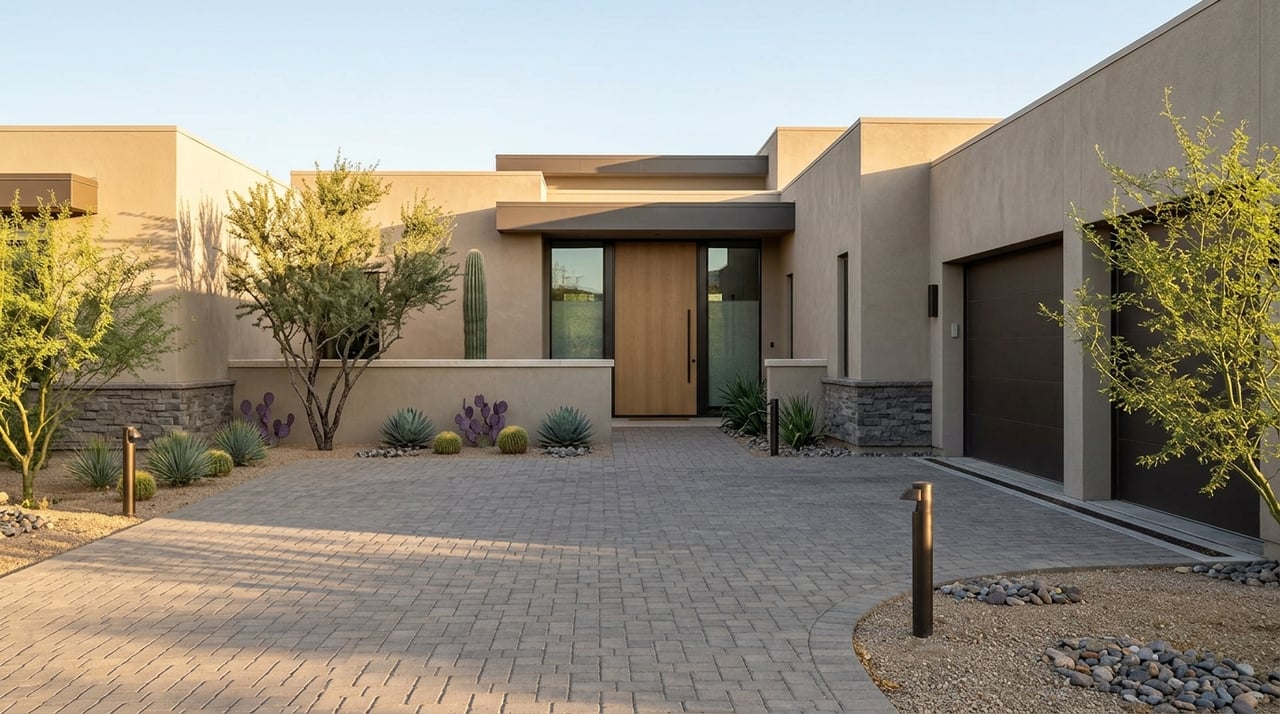
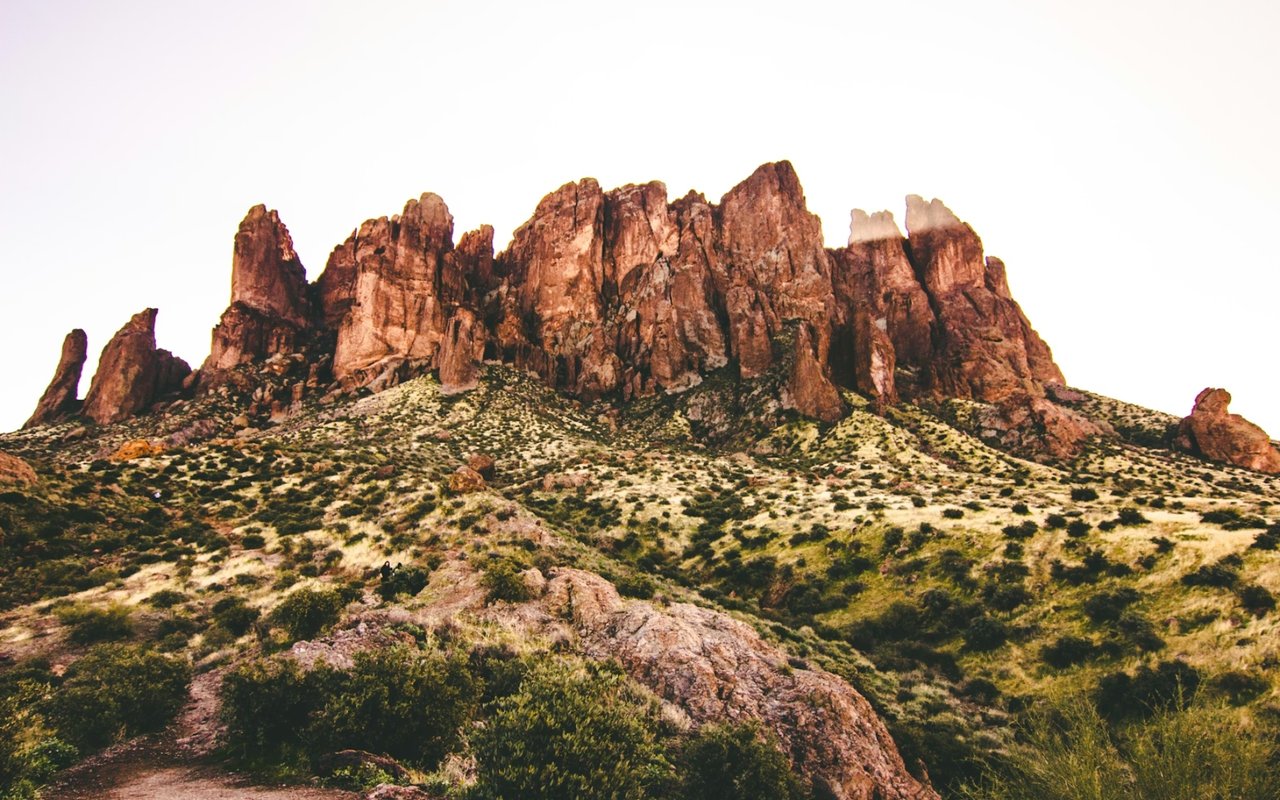
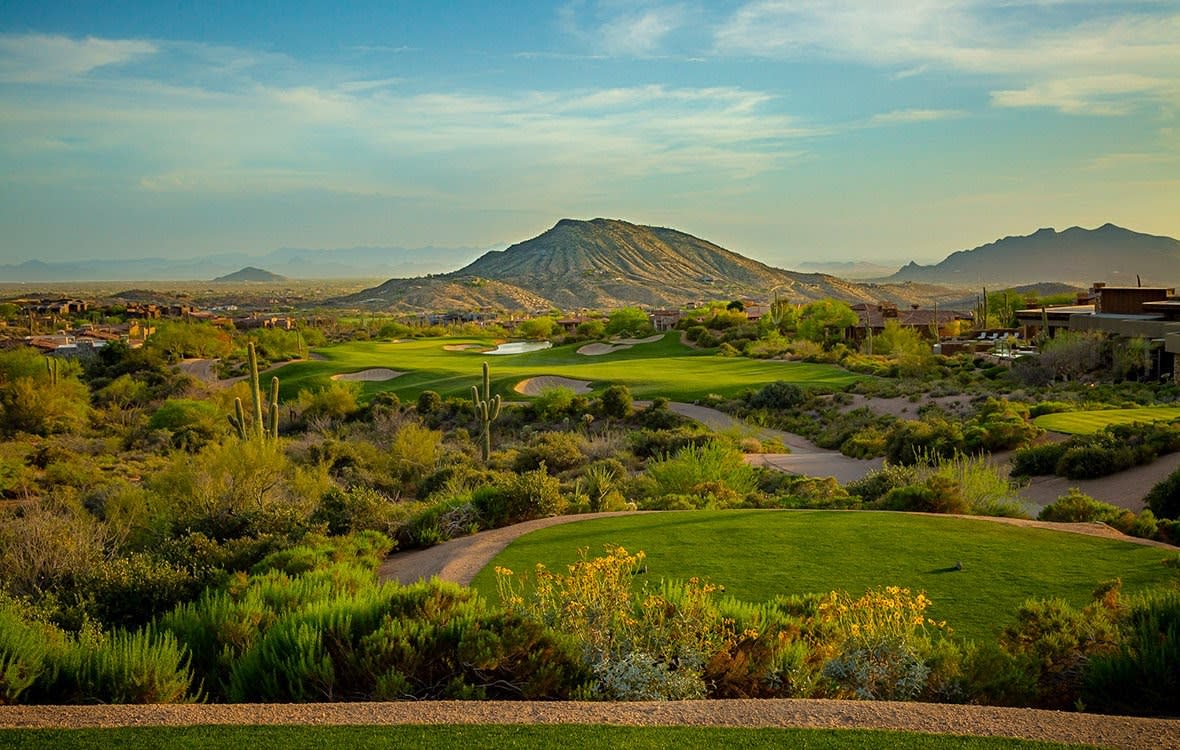
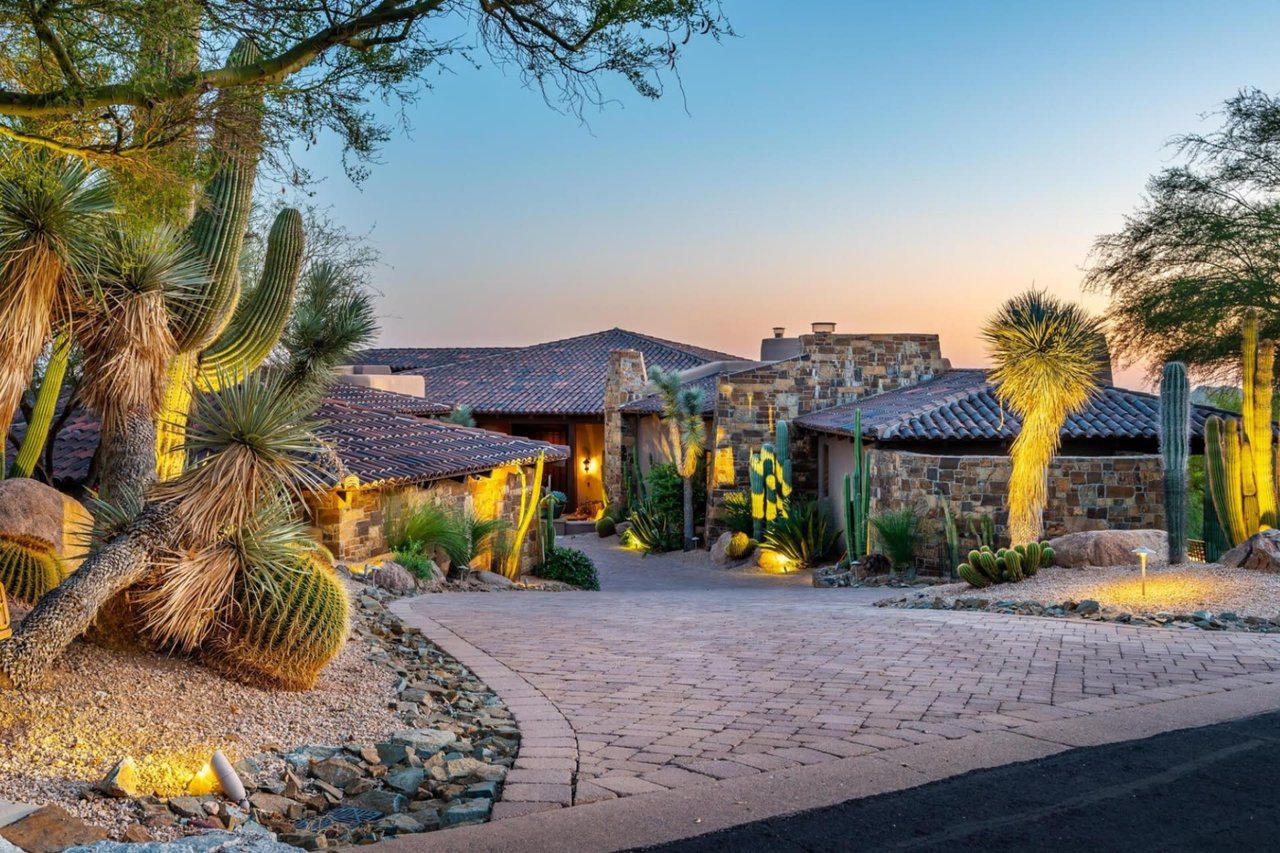
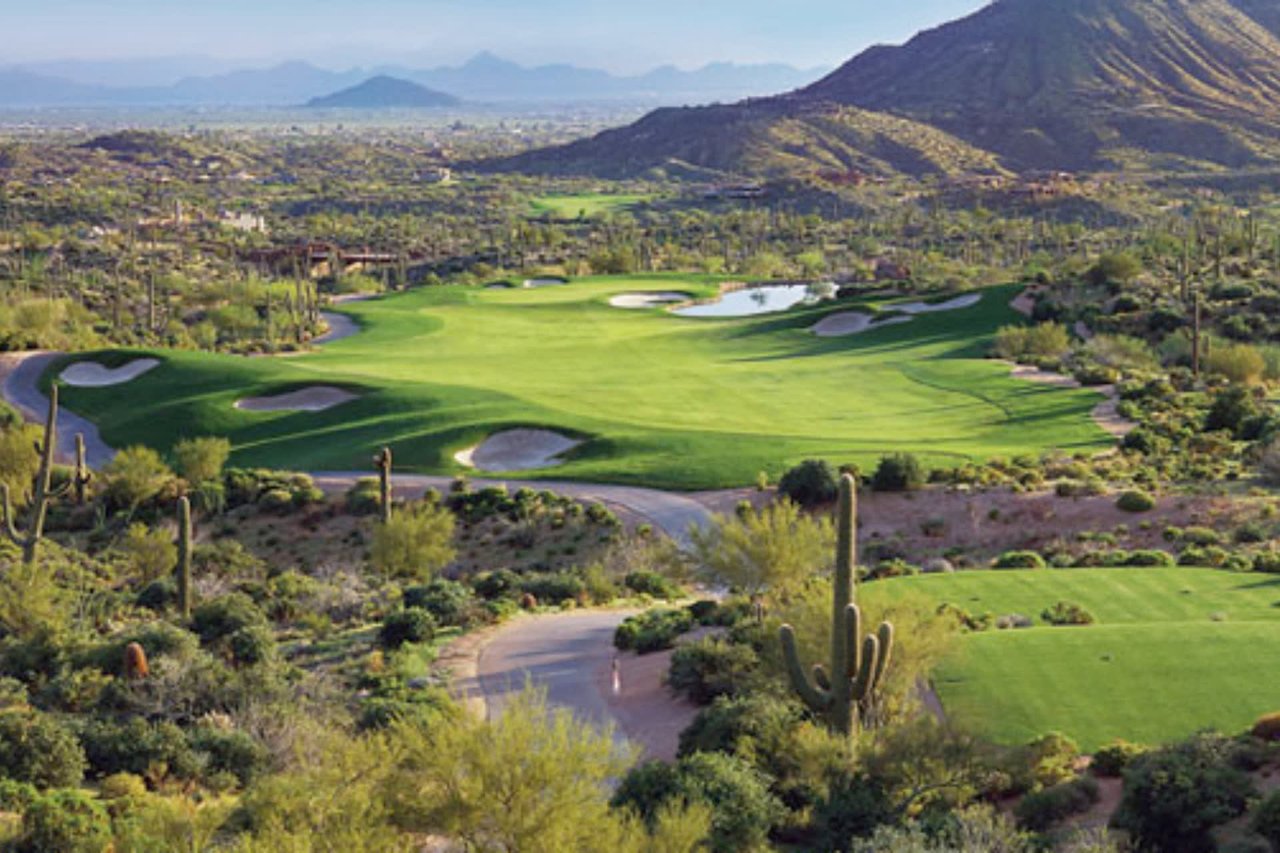
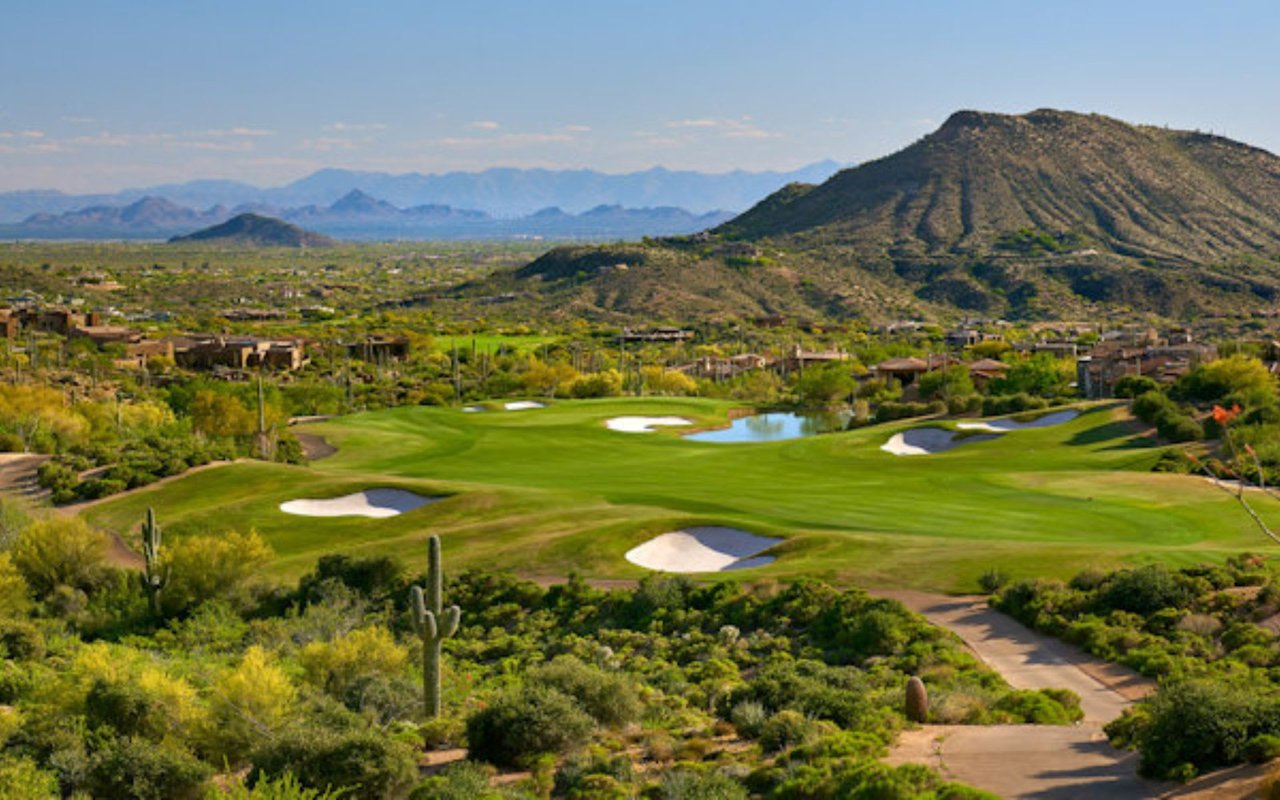
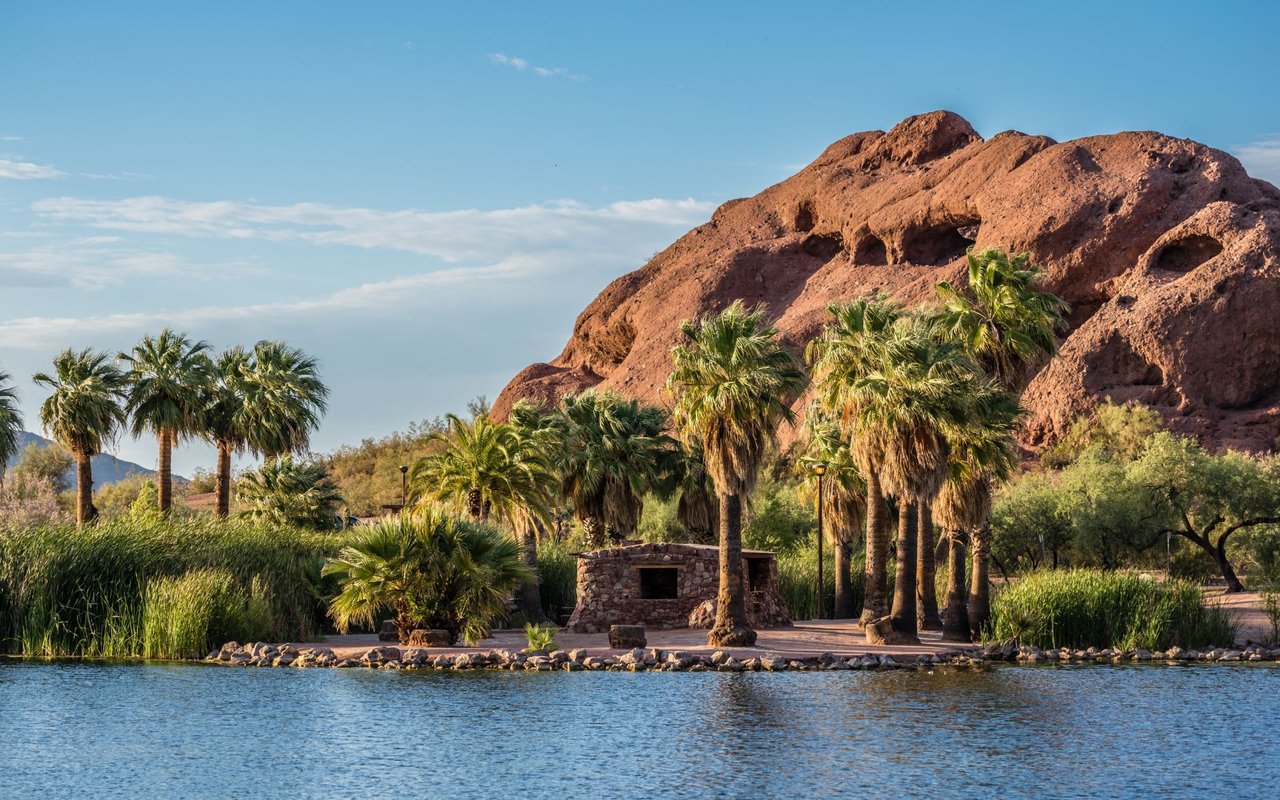
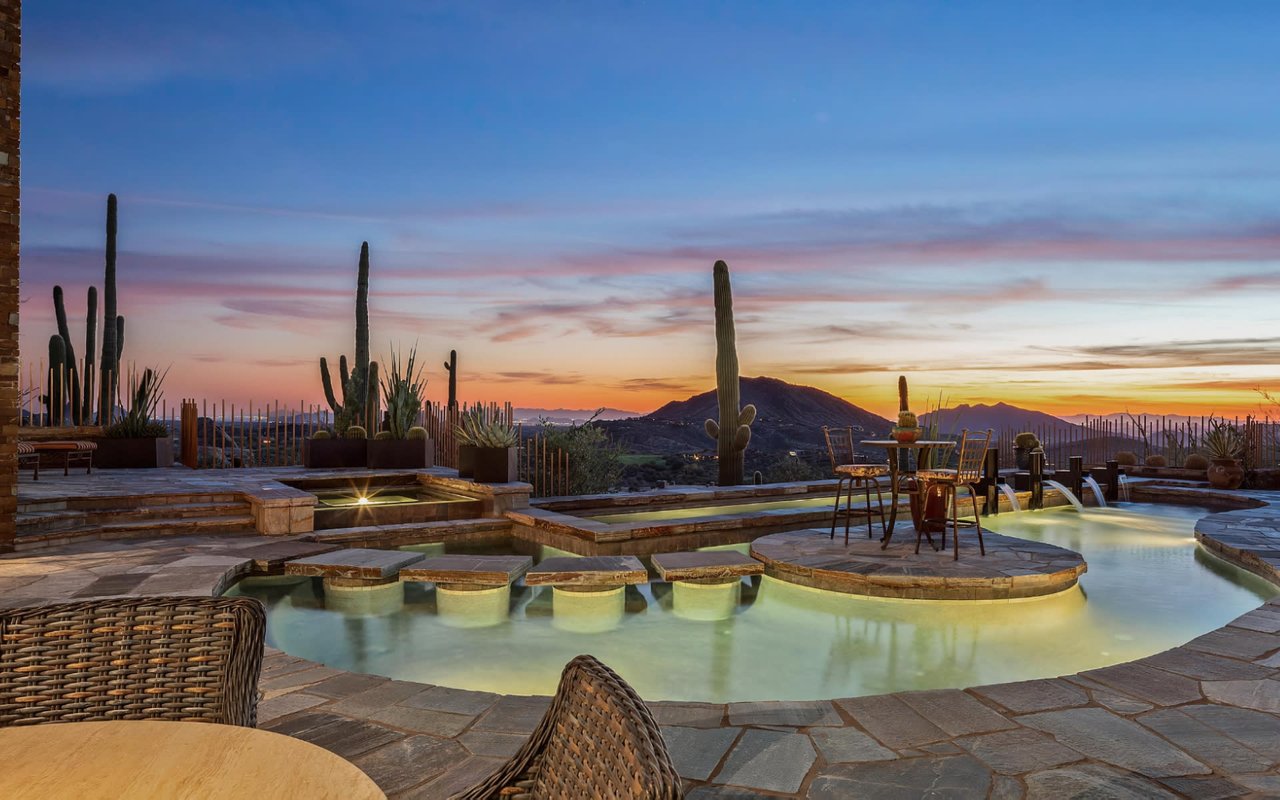
Most luxury communities treat architecture as a matter of aesthetics. Desert Mountain treats it as a condition of belonging. Every project built within the community is required to meet environmental and sustainable design standards established by the club and the City of Scottsdale. Homes are sited to protect natural washes, preserve existing saguaro and palo verde, and maintain the views that make each village what it is. The result is a community where the built environment and the high Sonoran Desert look like they arrived together — not like one was imposed on the other.
That approach reflects a design tradition that goes back decades in Scottsdale. Frank Lloyd Wright established Taliesin West in the city in 1937 and spent years developing a philosophy of desert architecture — low profiles, natural materials, structures that draw from their surroundings rather than fighting them. The apprentices and architects who followed Wright's school continued refining those principles, and today Scottsdale is internationally recognized as a place where serious architecture happens. That heritage shapes buyer expectations at Desert Mountain. Buyers who arrive from London, Toronto, or Mexico City and have done their research understand that Scottsdale's architectural culture is not incidental. It is one of the reasons this is a market worth owning in.
Thirty-Three Villages, Thirty-Three Personalities
Desert Mountain is divided into 33 individually gated villages, each with its own architectural character. That diversity is one of the community's most distinctive features — and one of the most important things to understand before buying here.
Arizona Territorial and Hacienda-Style Villages
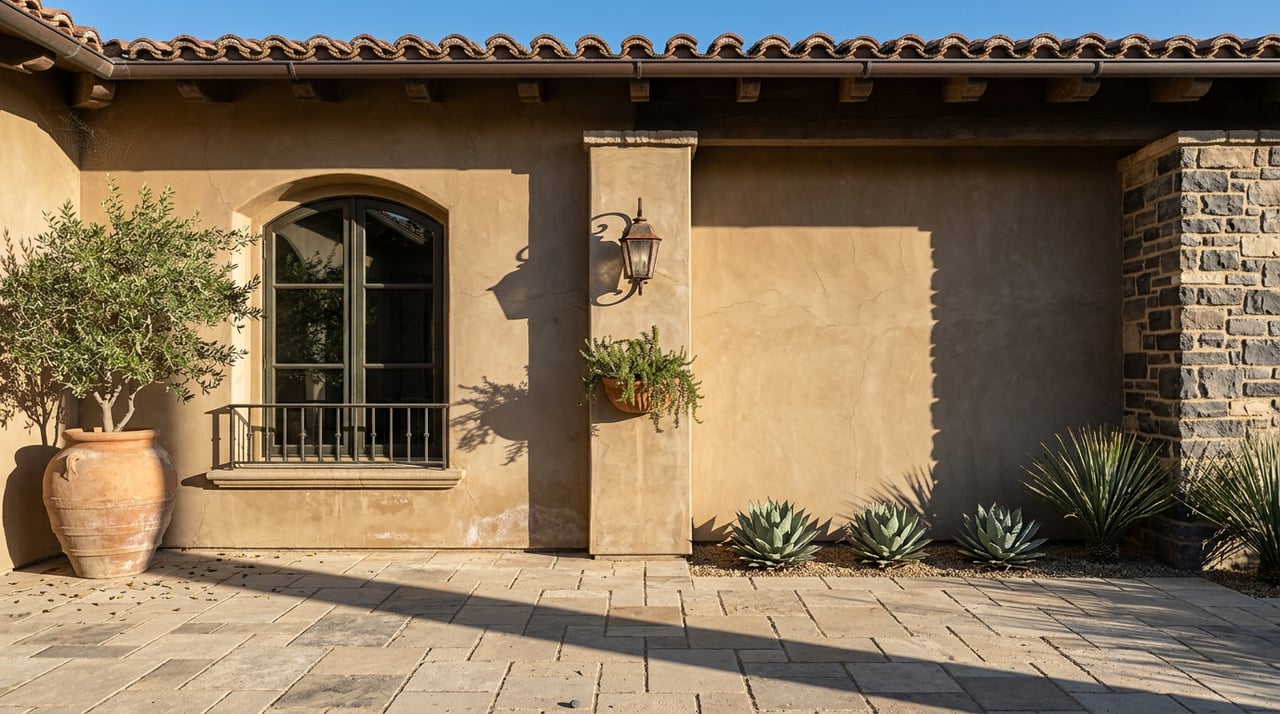
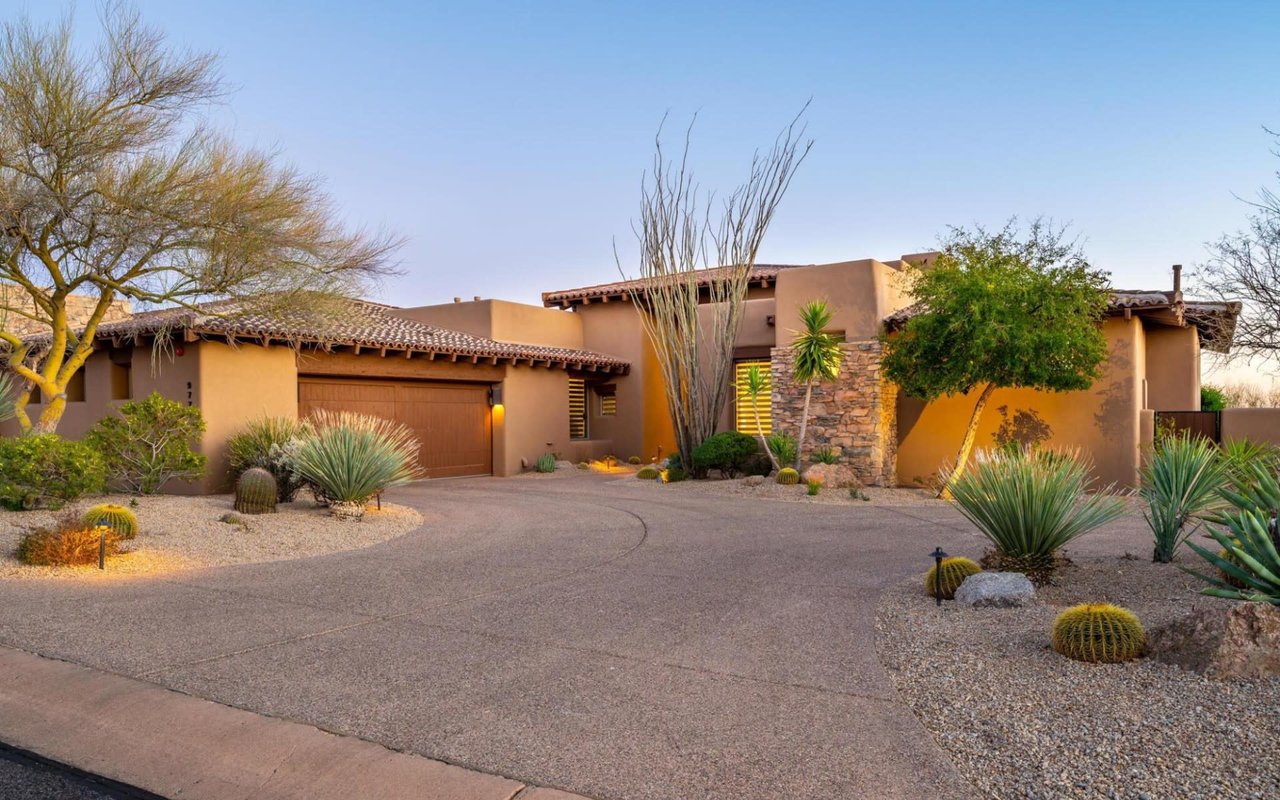
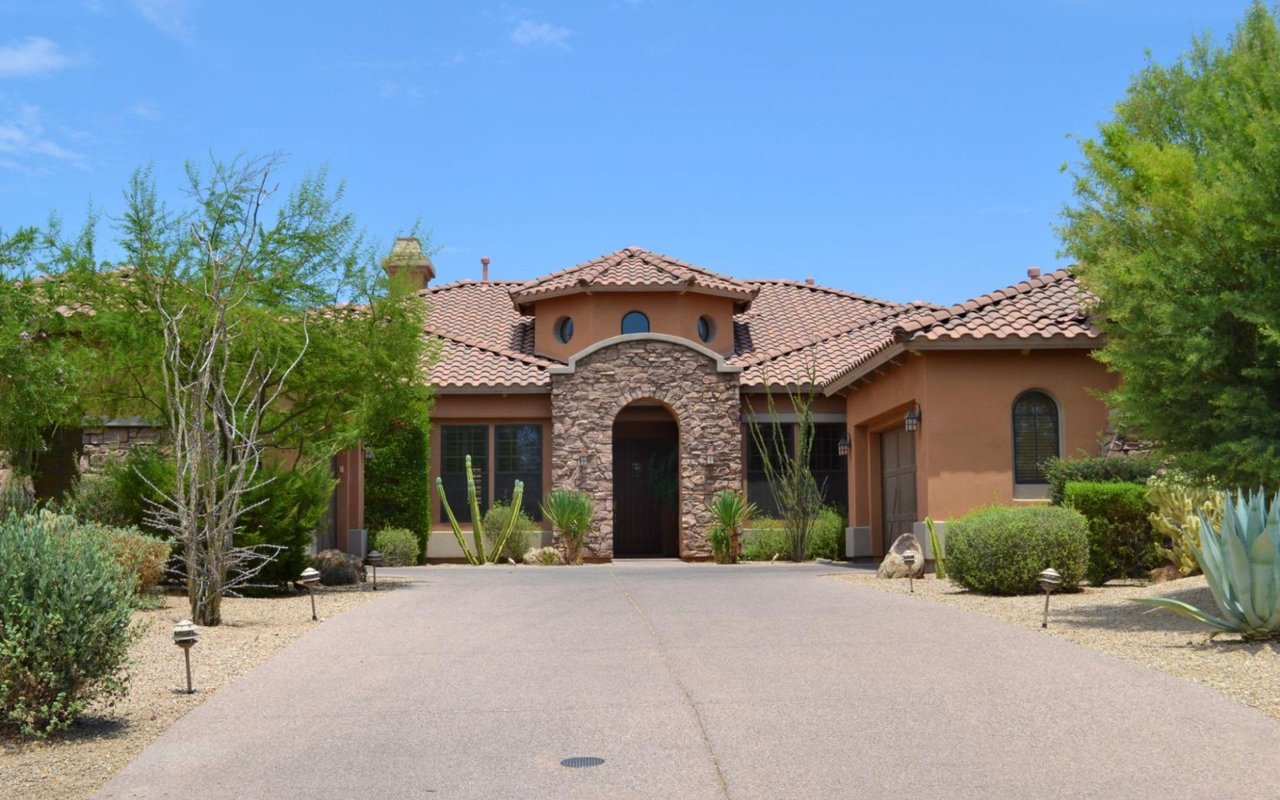
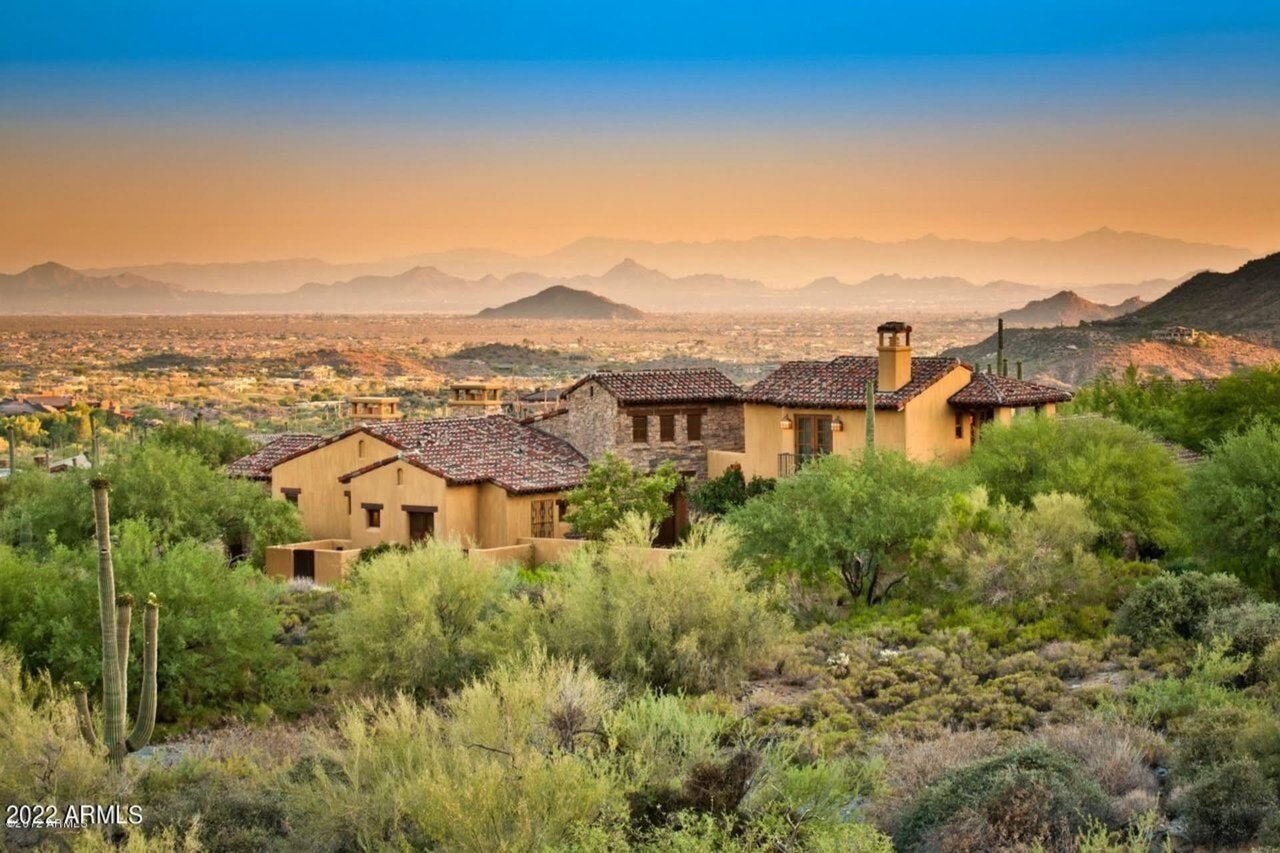
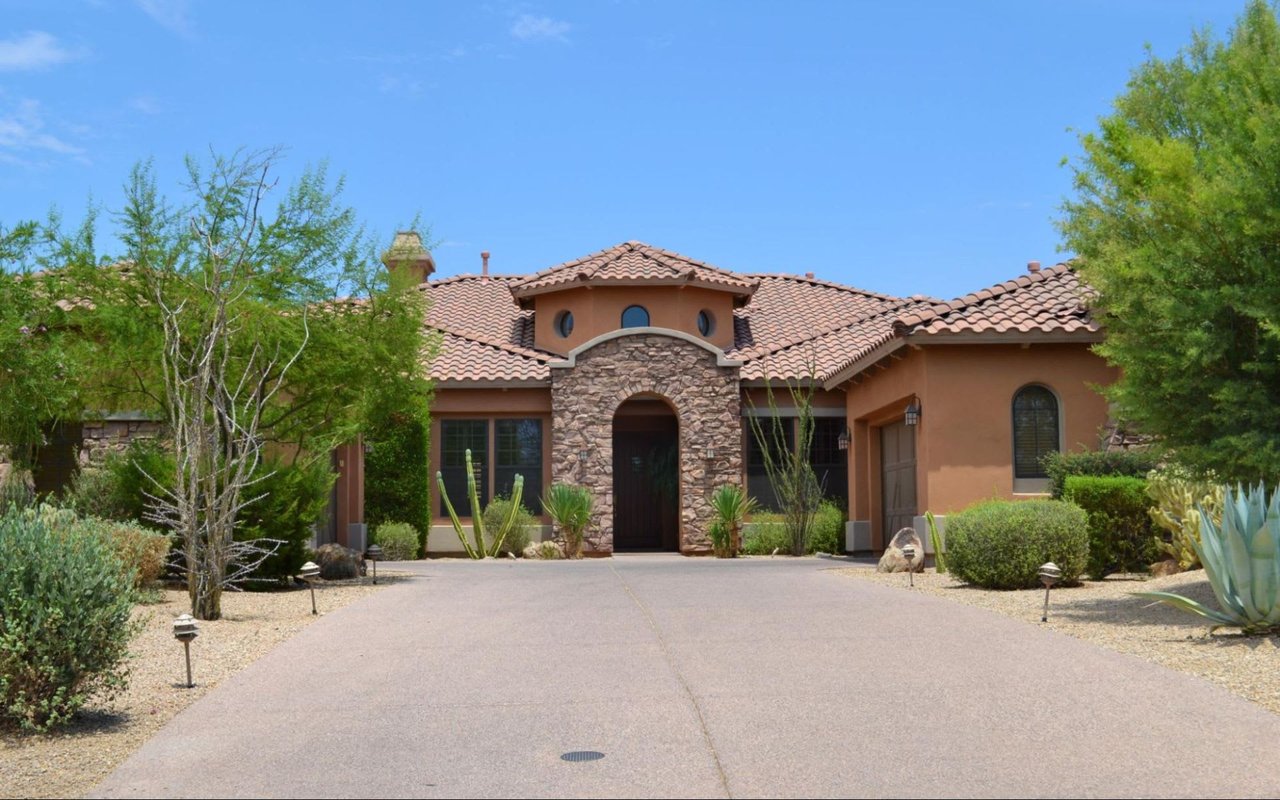
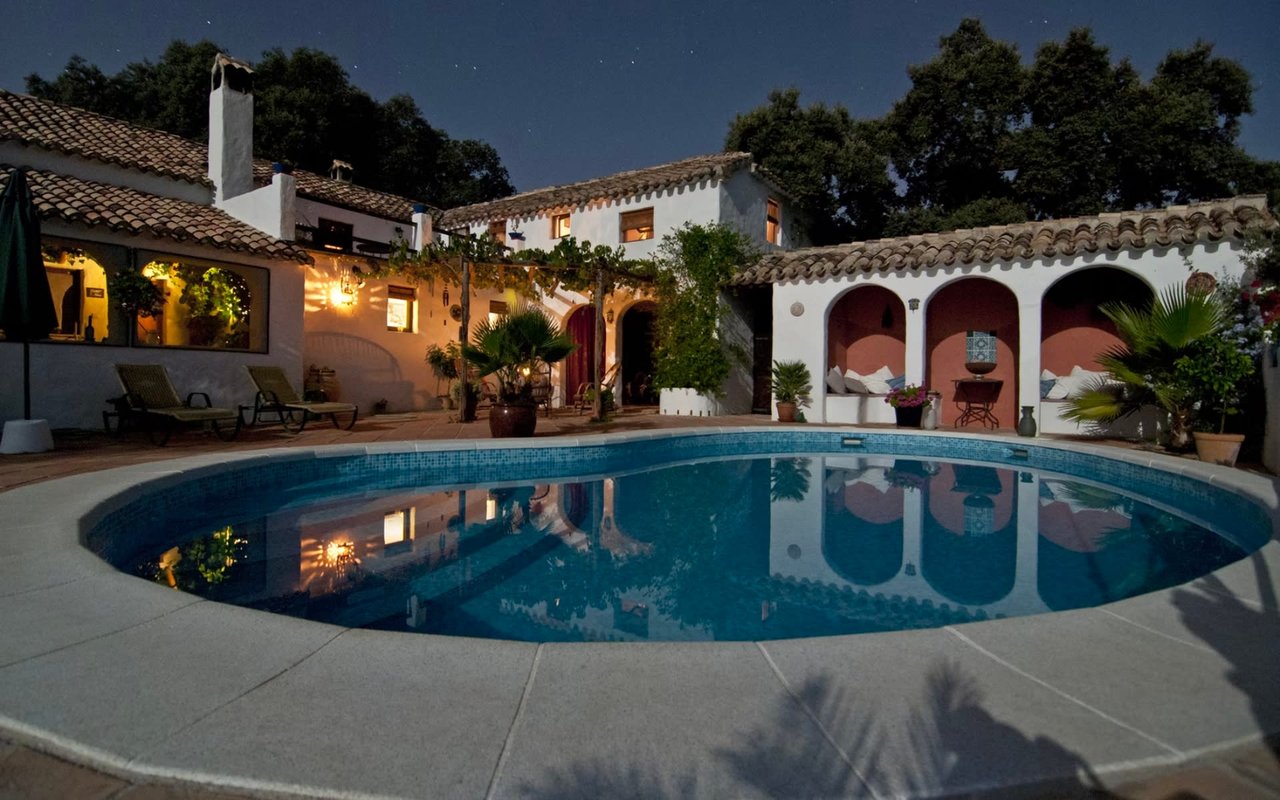
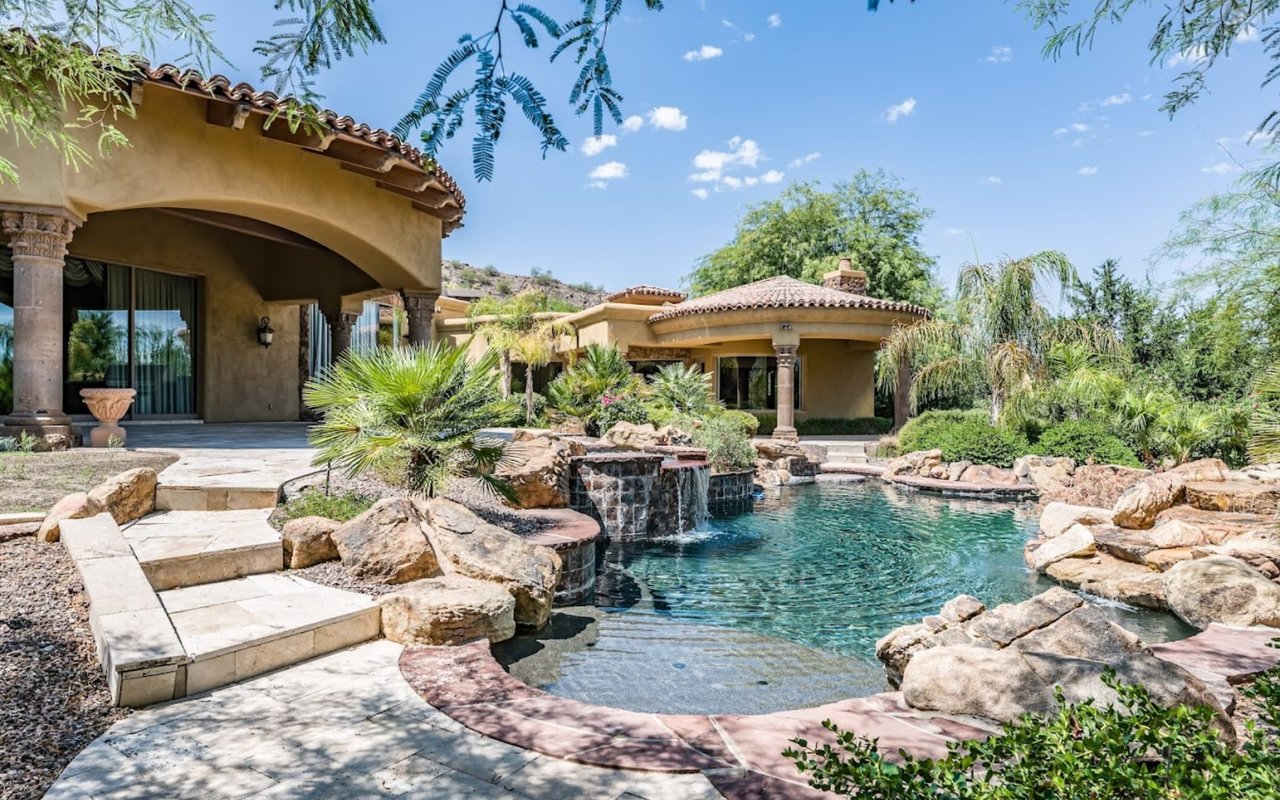
Several villages draw from the historic architecture of the American Southwest. The Haciendas, for example, was inspired by a remnant wall from the Carefree Ranch. Its homes pair authentic hacienda site plans with Arizona Territorial design elements: tile roofs, distressed wood details, rusted iron gates, and stone pavers that age well under the desert sun. The Saguaro Forest Greeter's Cottage — the gateway to one of the community's largest village footprints — uses the same vocabulary of materials to create a sense of arrival that feels earned rather than manufactured.
These villages appeal to buyers who want architecture that reads as rooted in place, where a home looks like it belongs specifically in the high Sonoran Desert and nowhere else. They tend to attract buyers who prioritize warmth, craft, and historical continuity in their design choices.
Contemporary Desert Modernism
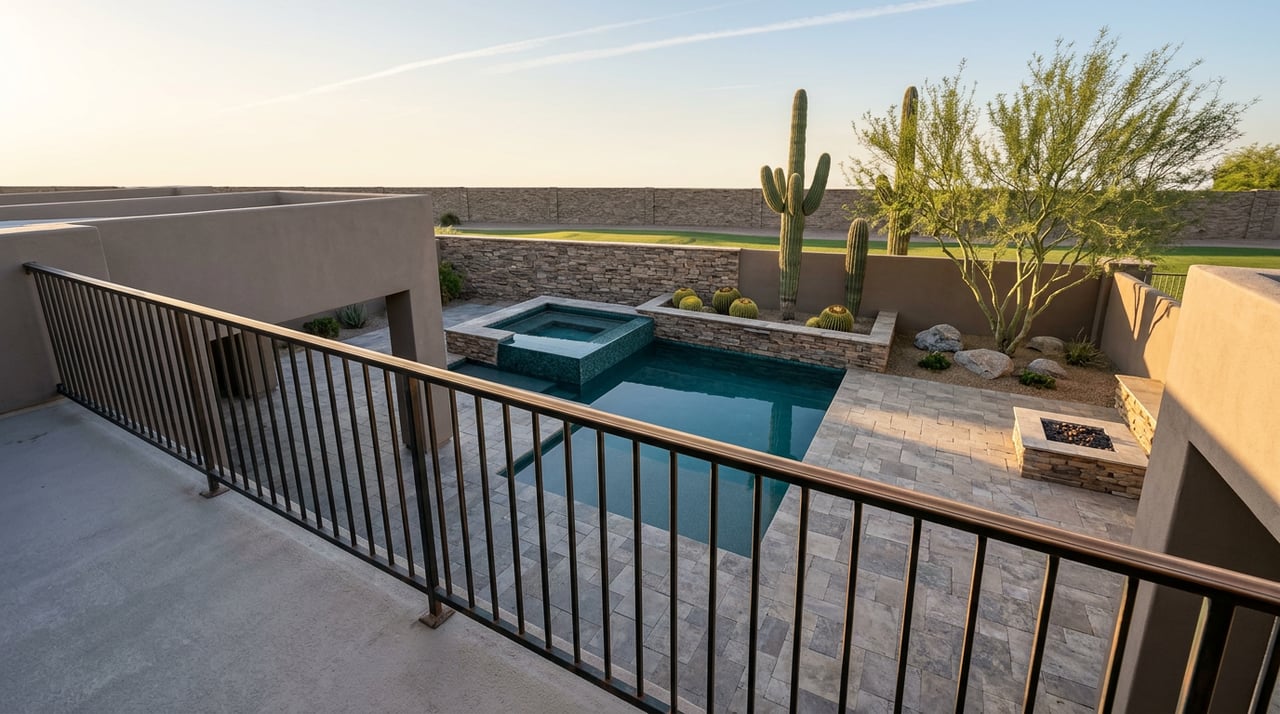
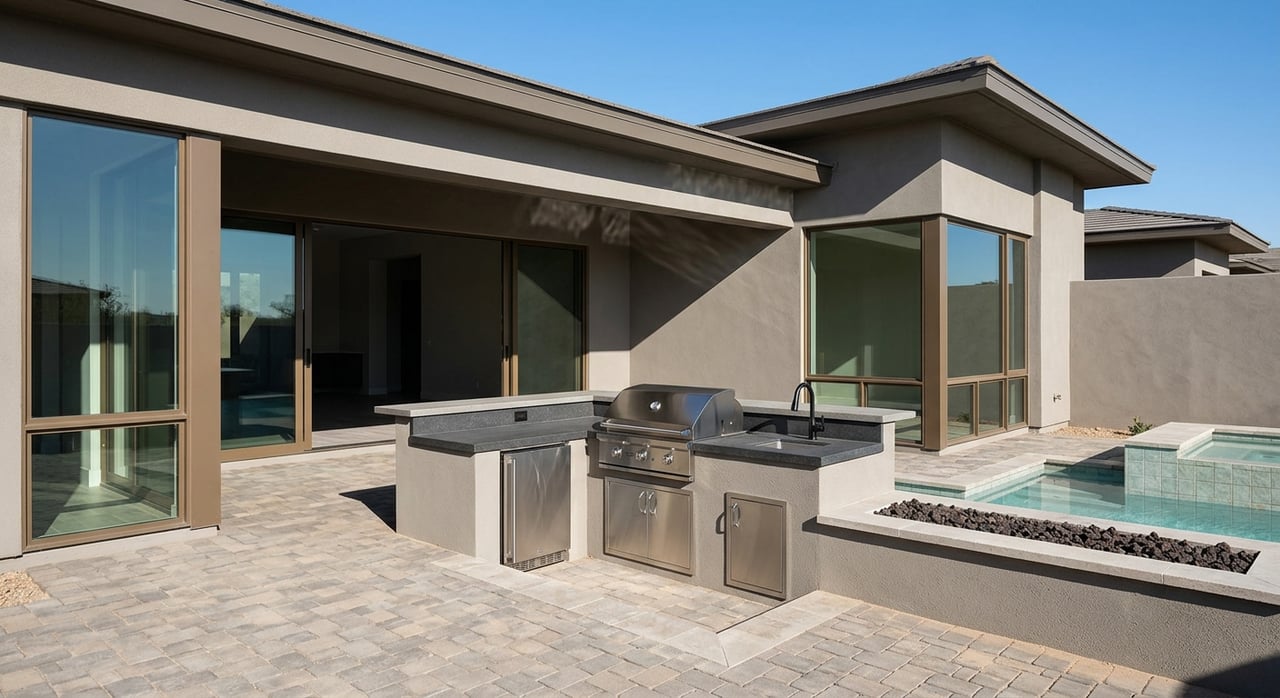
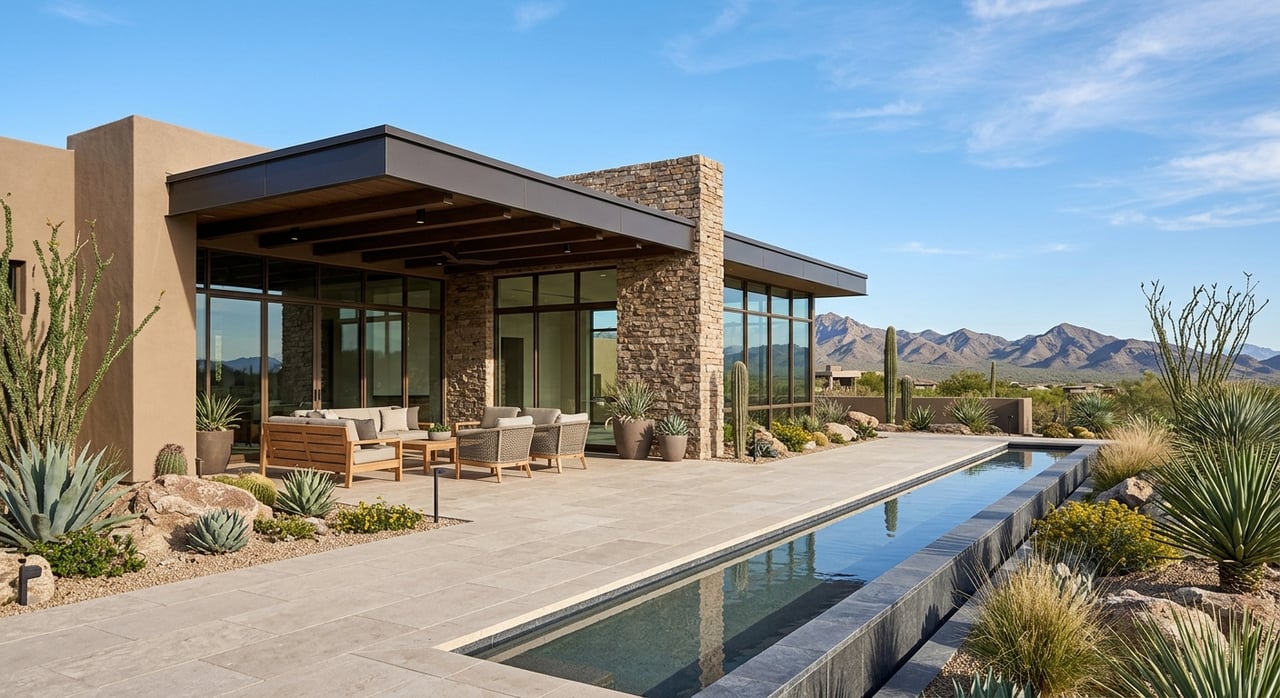
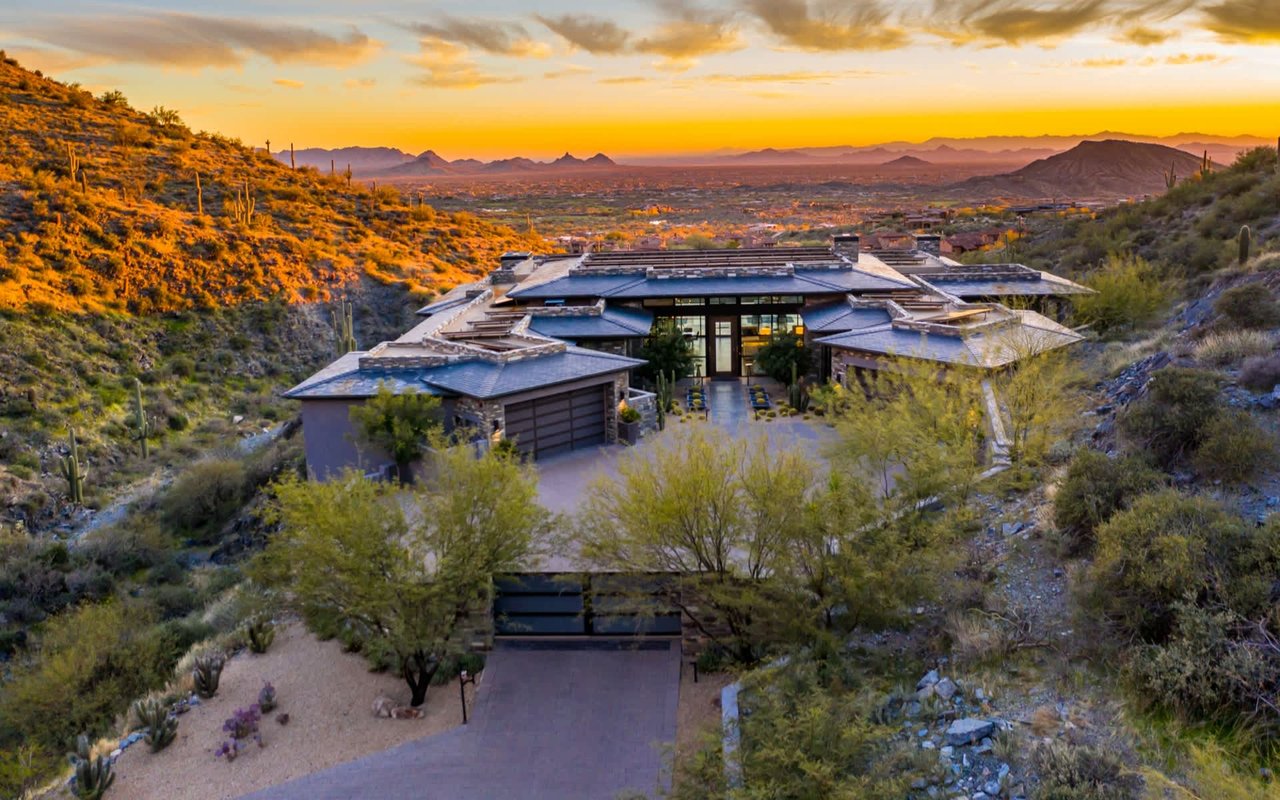
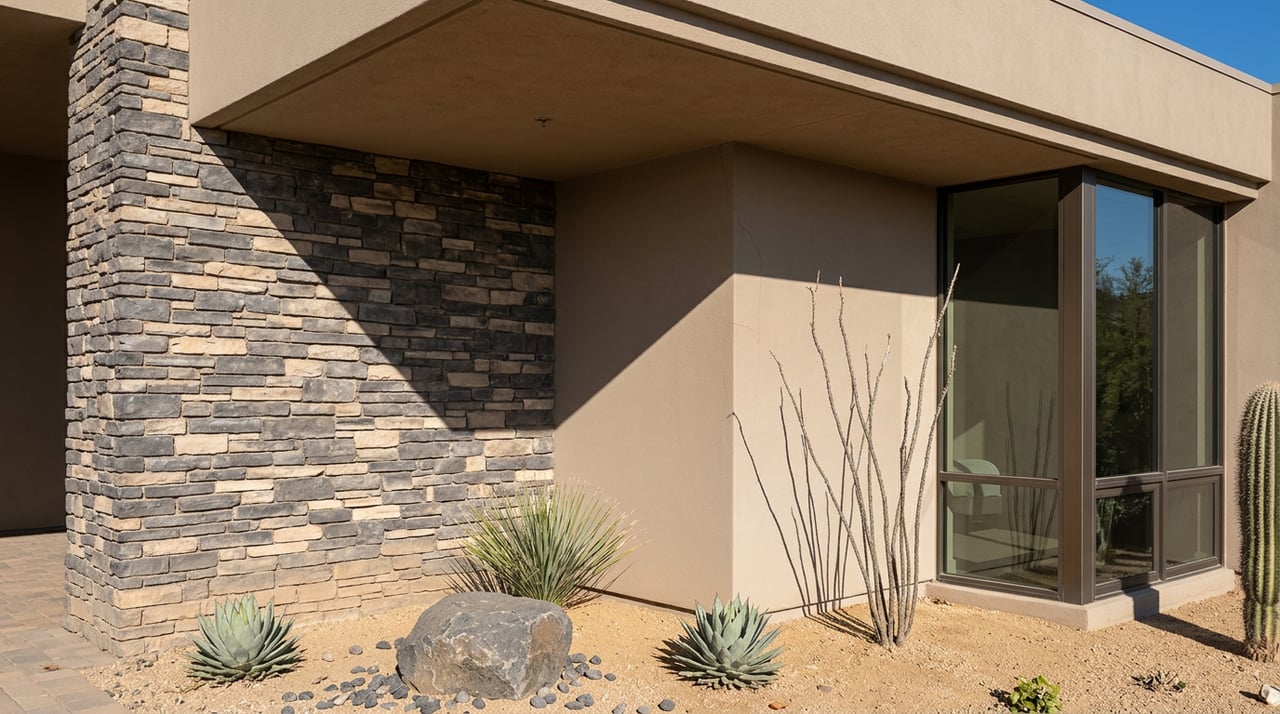
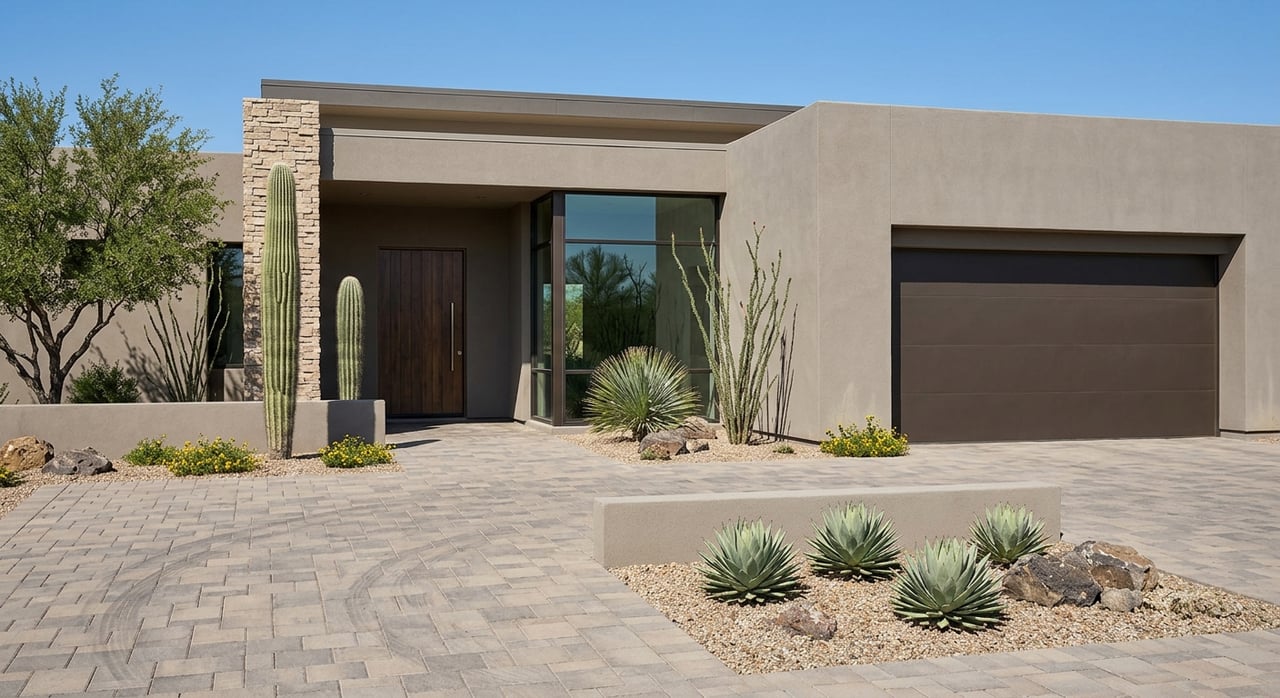
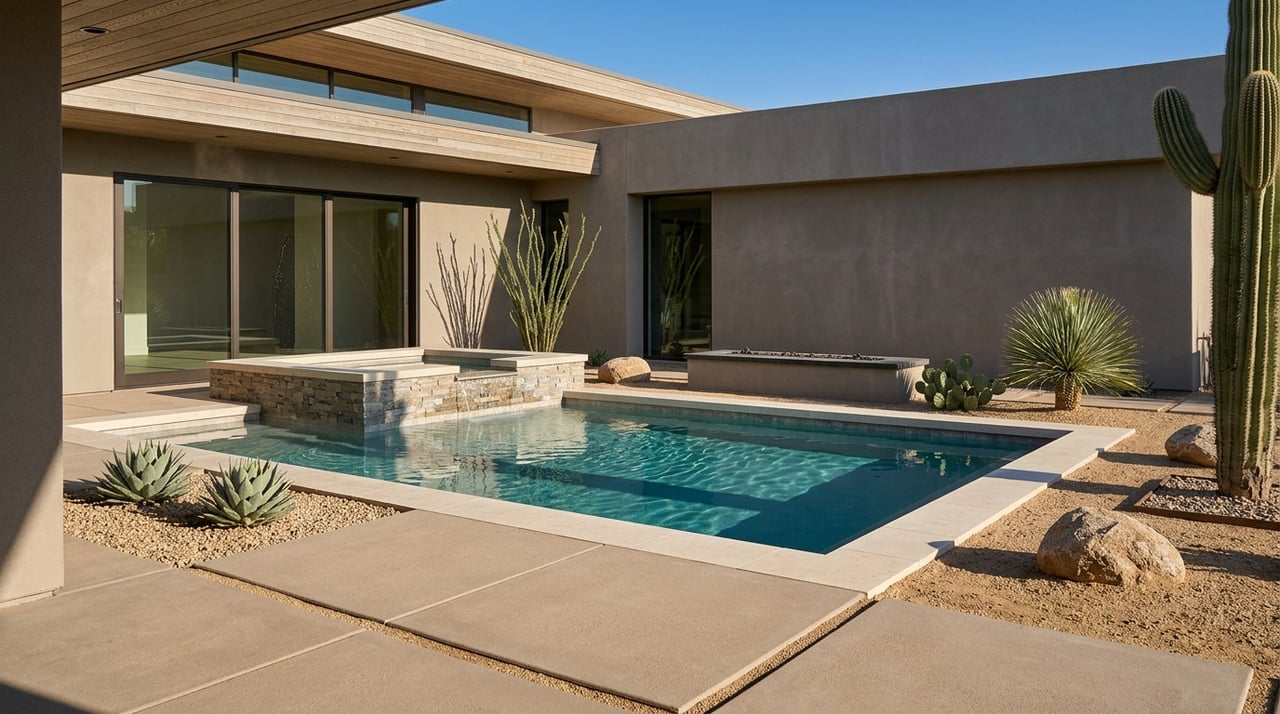
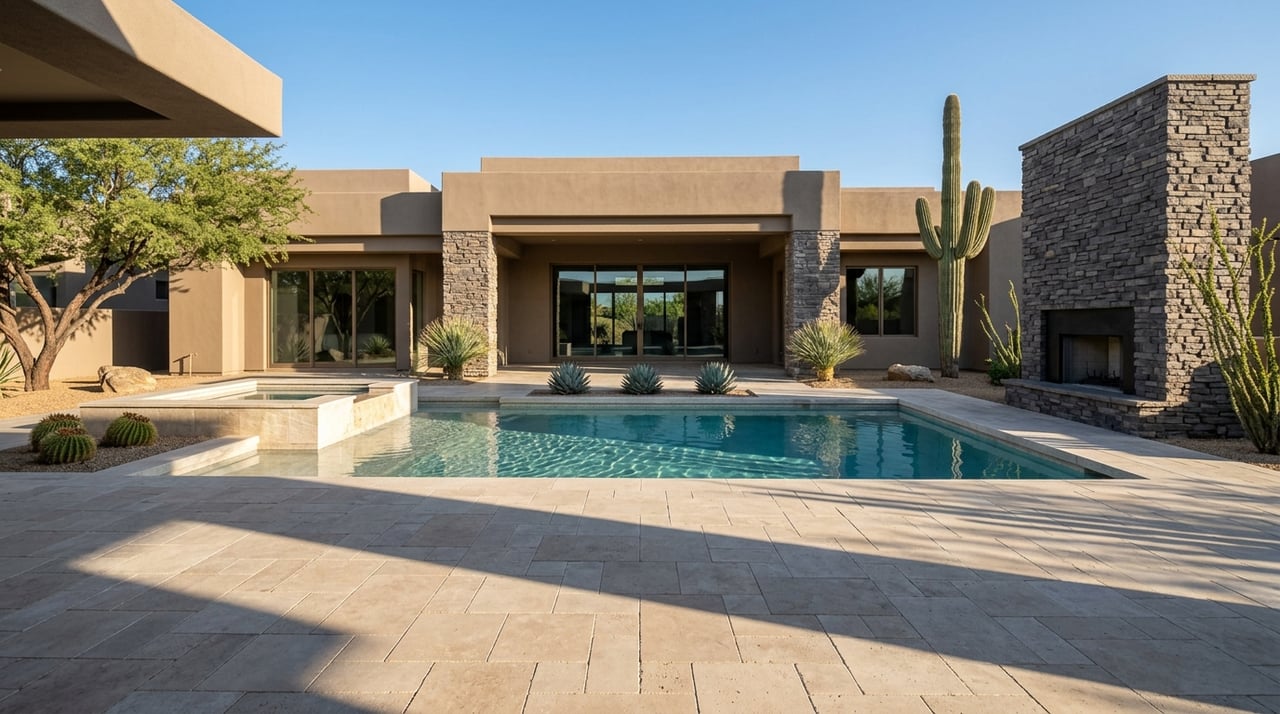
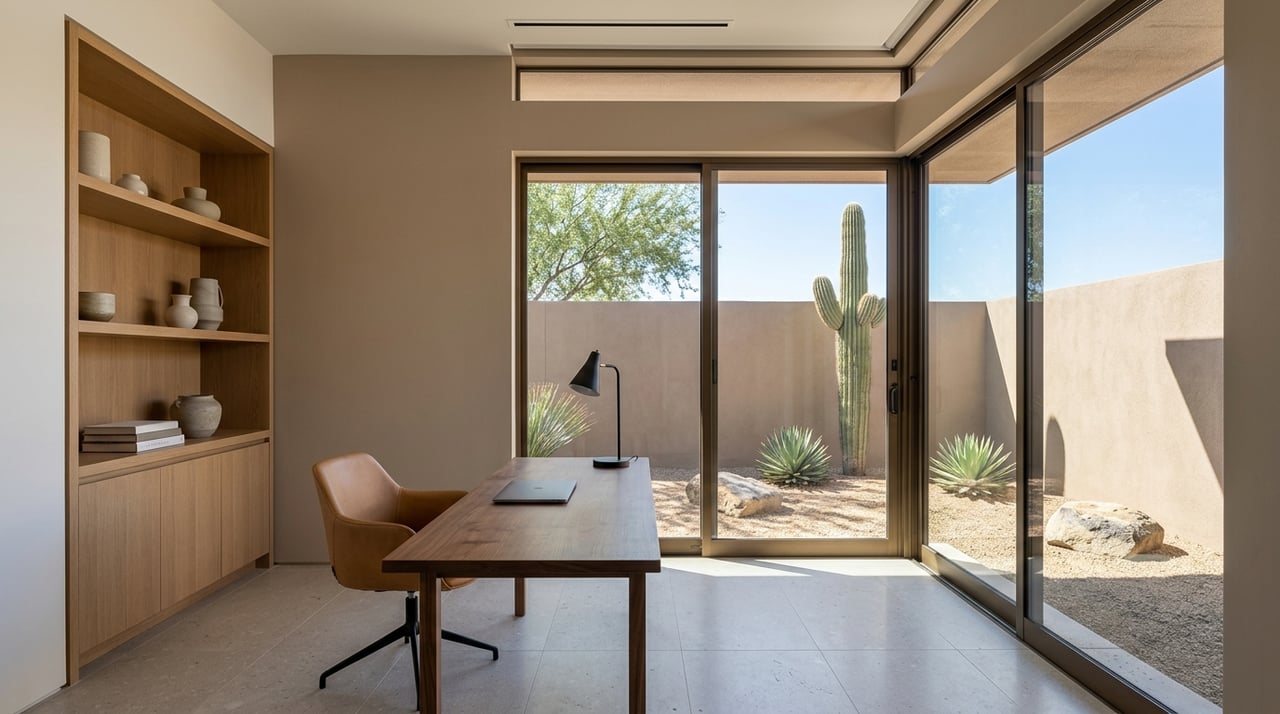
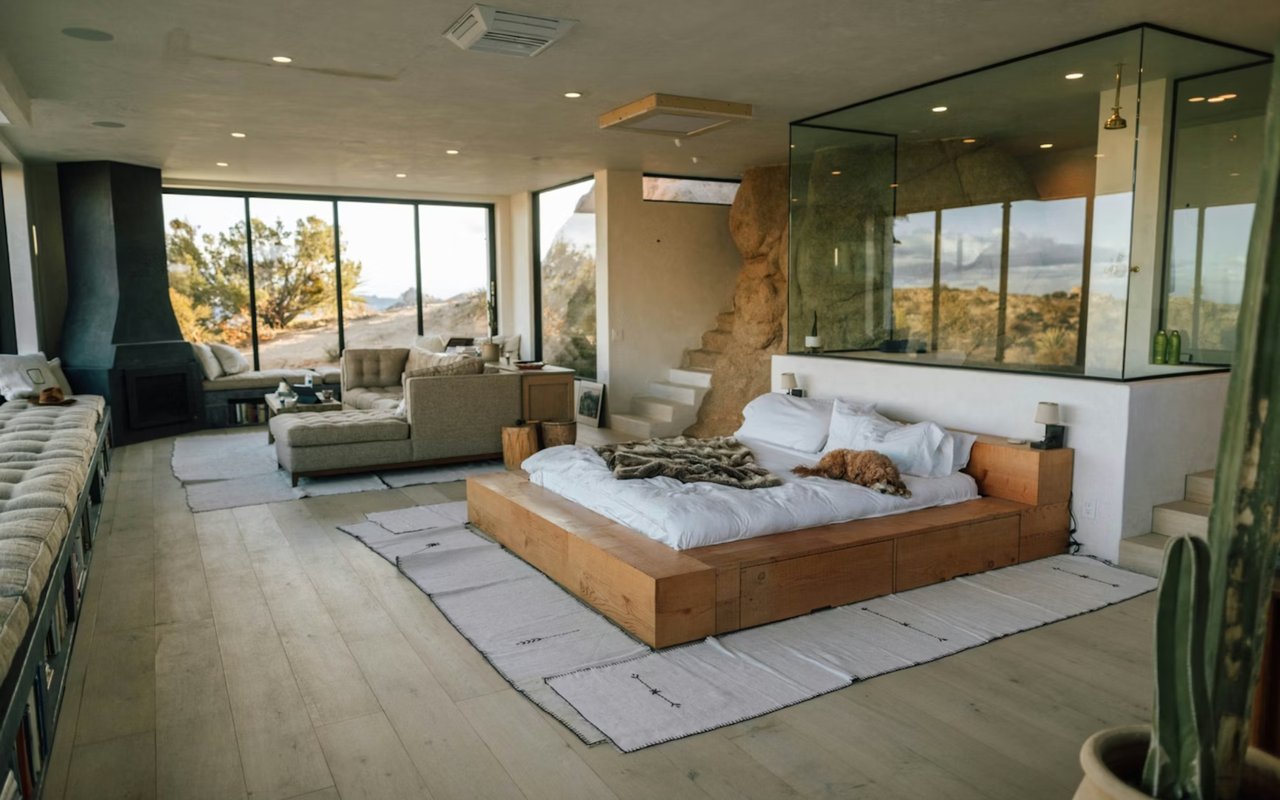
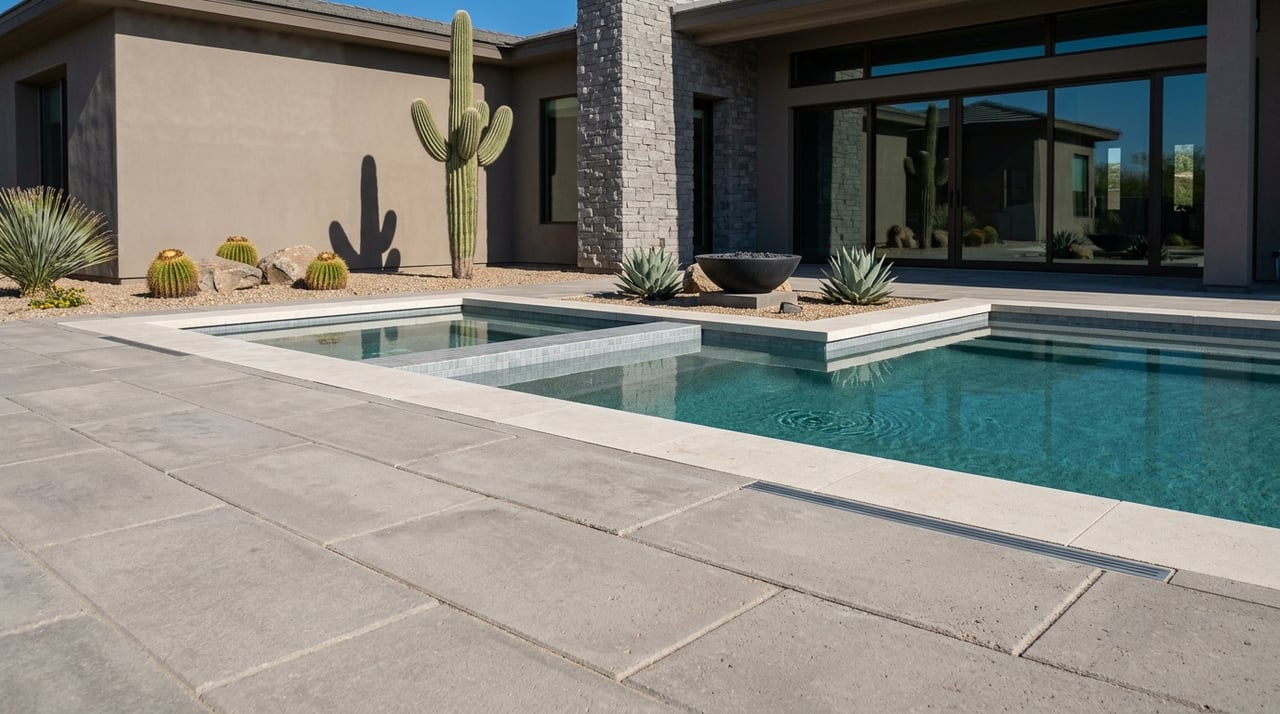
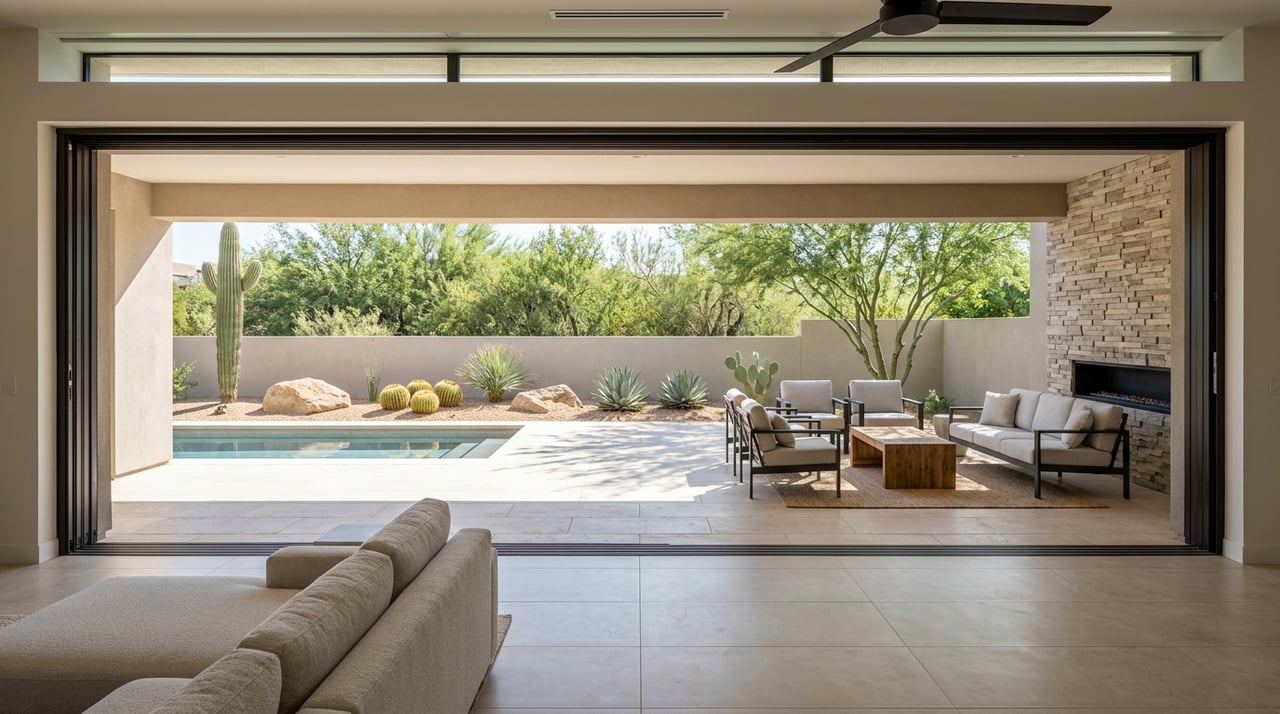
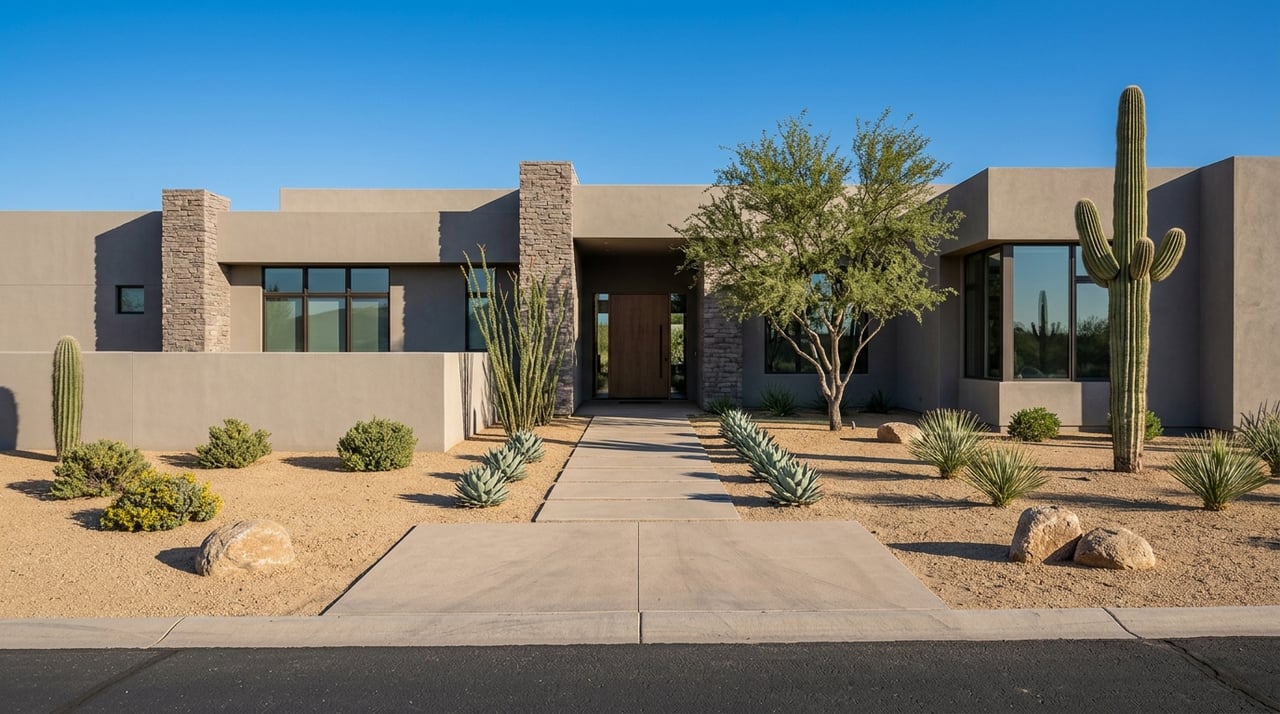
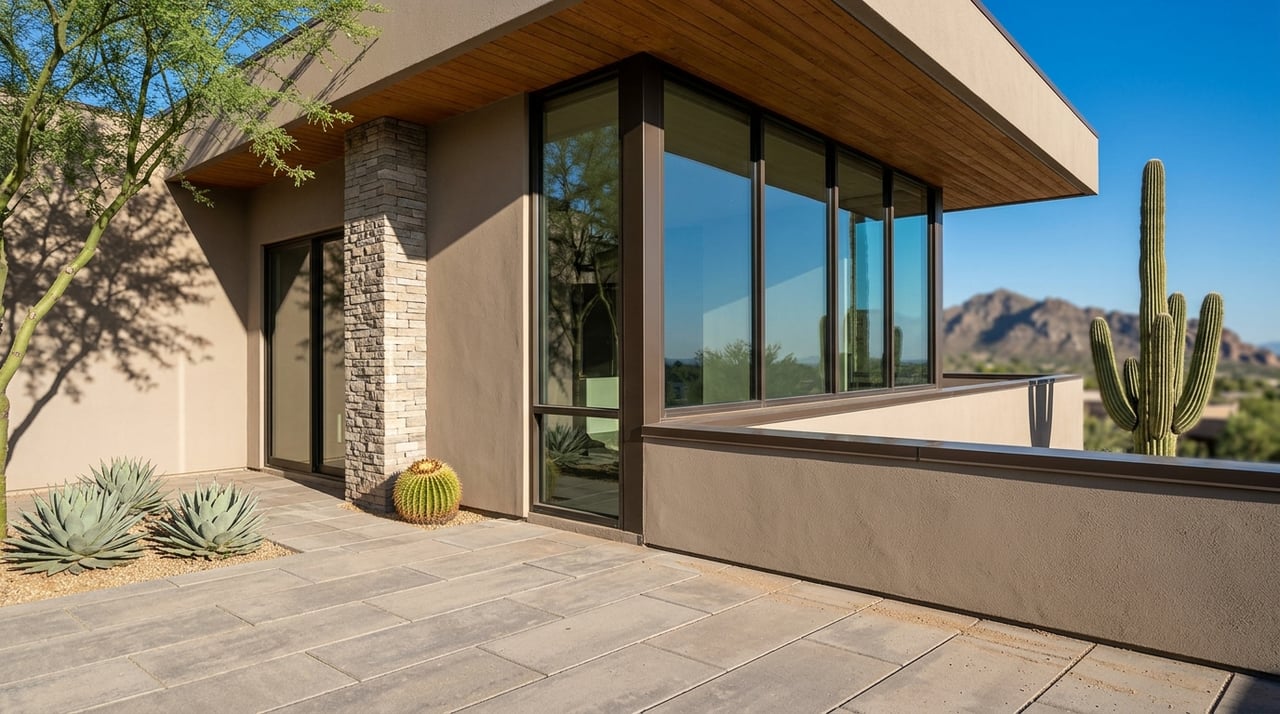
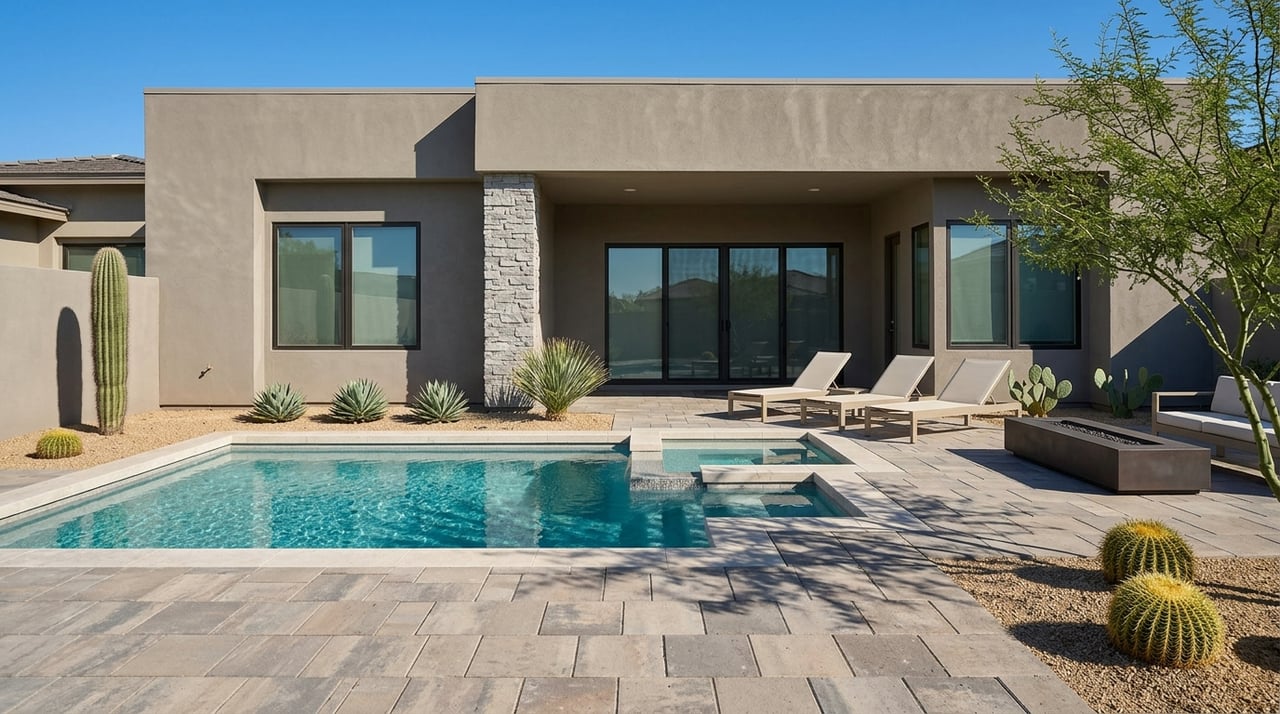
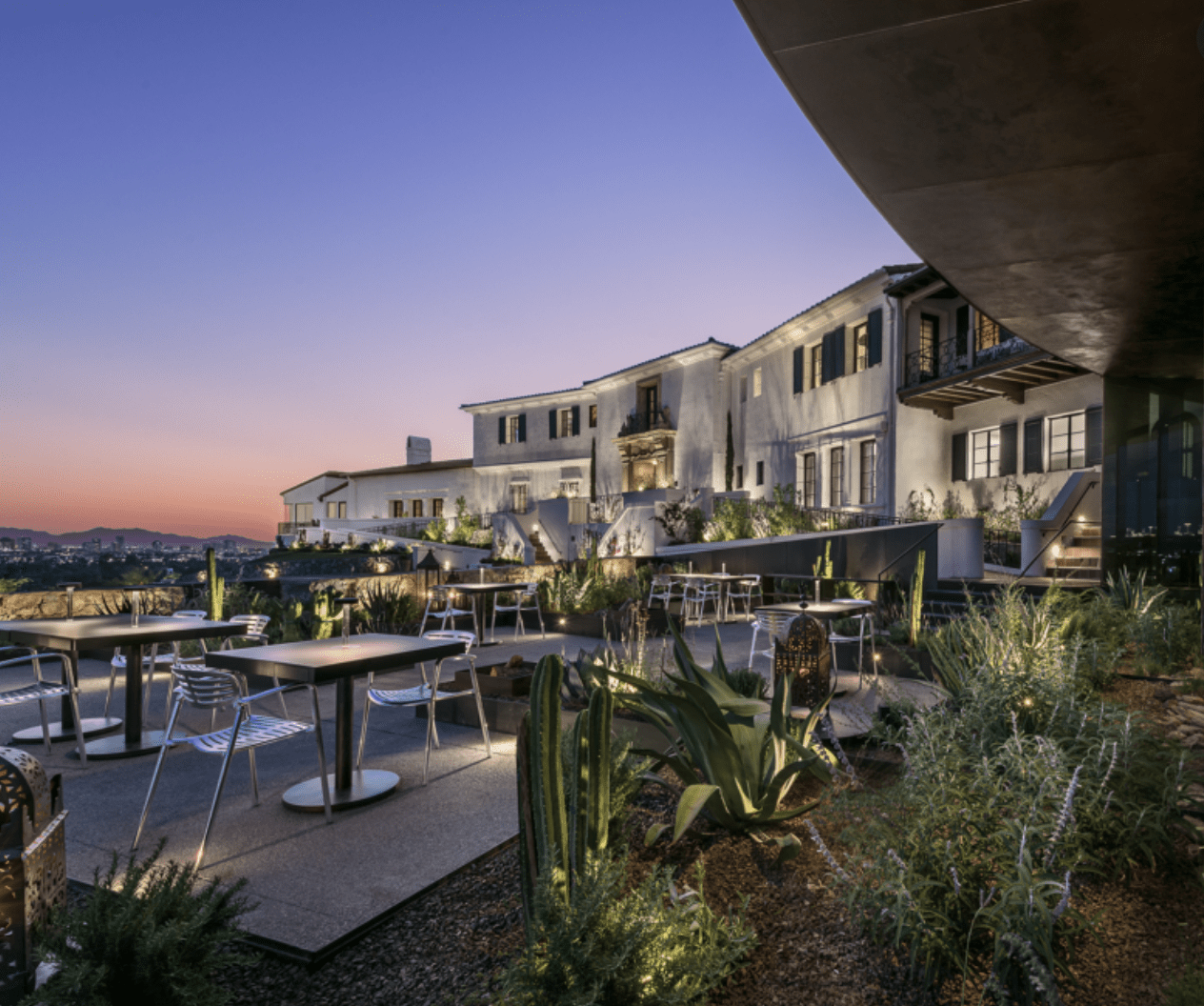
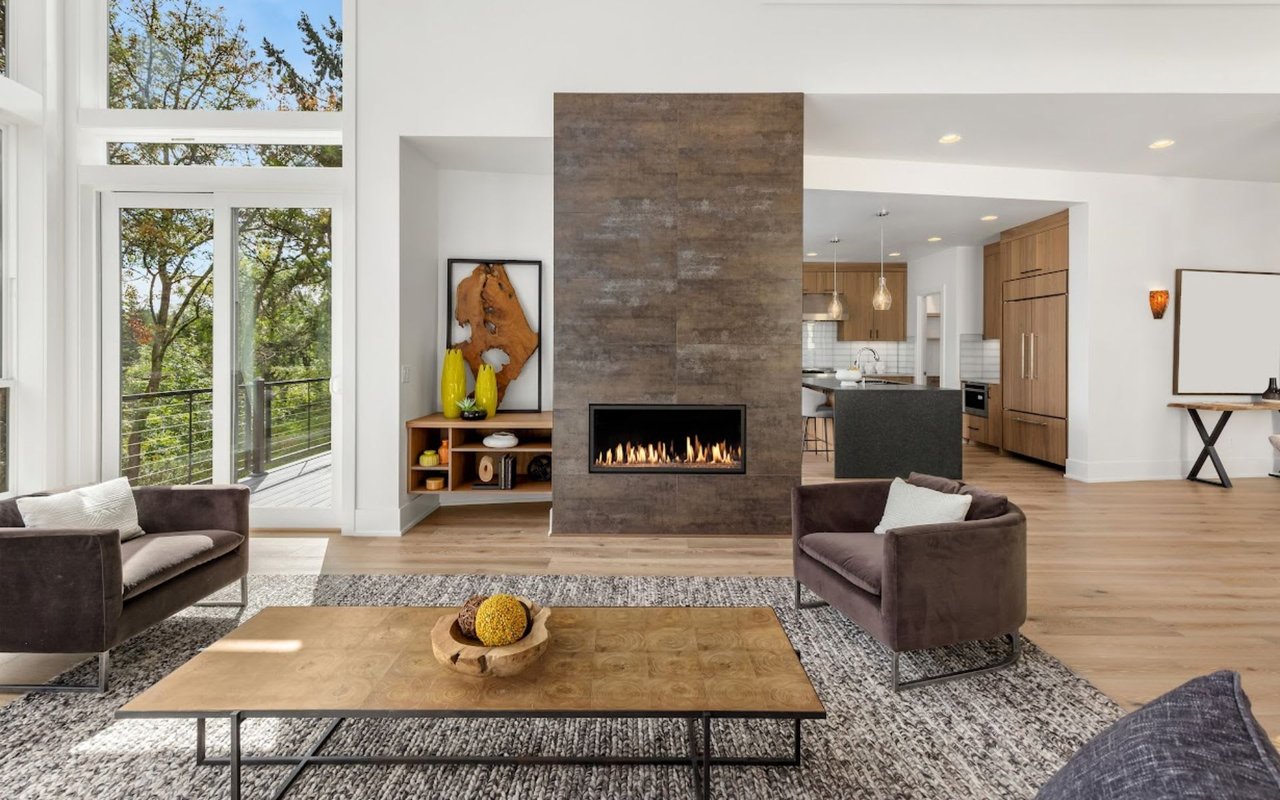
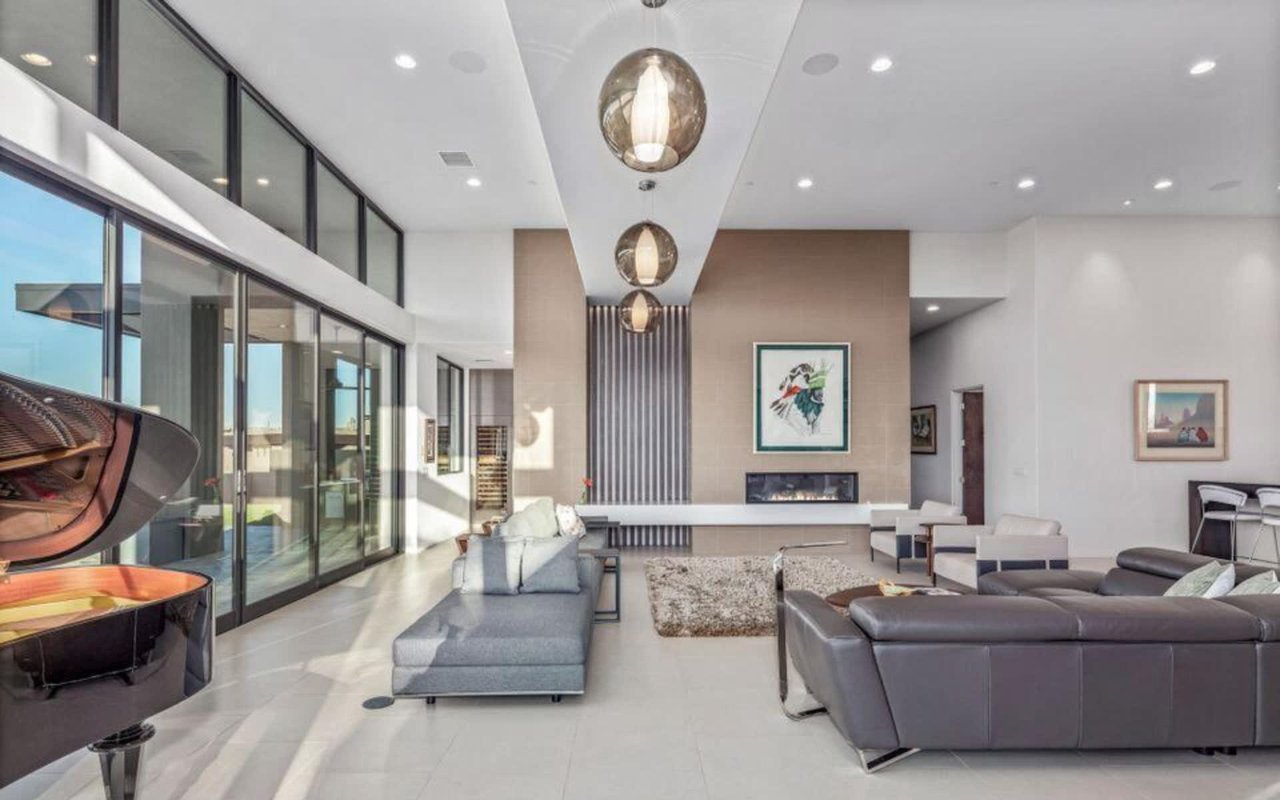
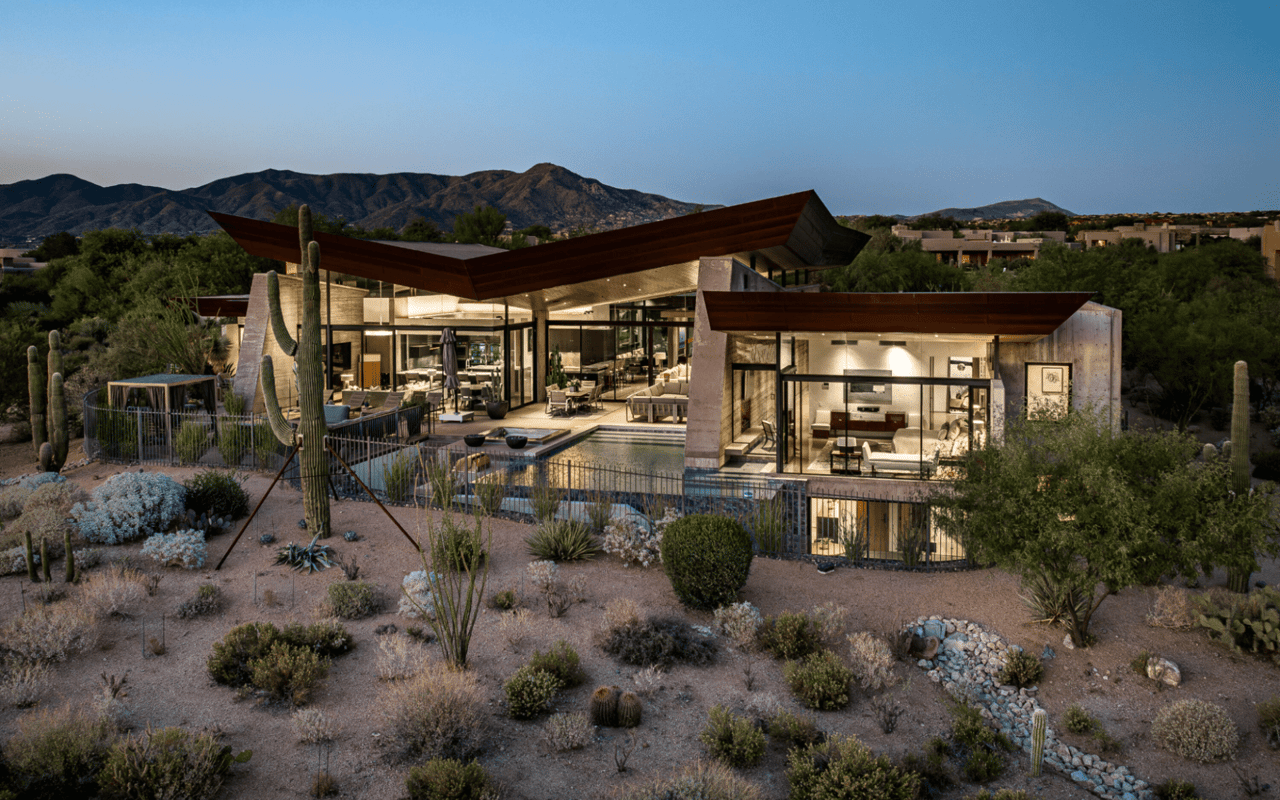
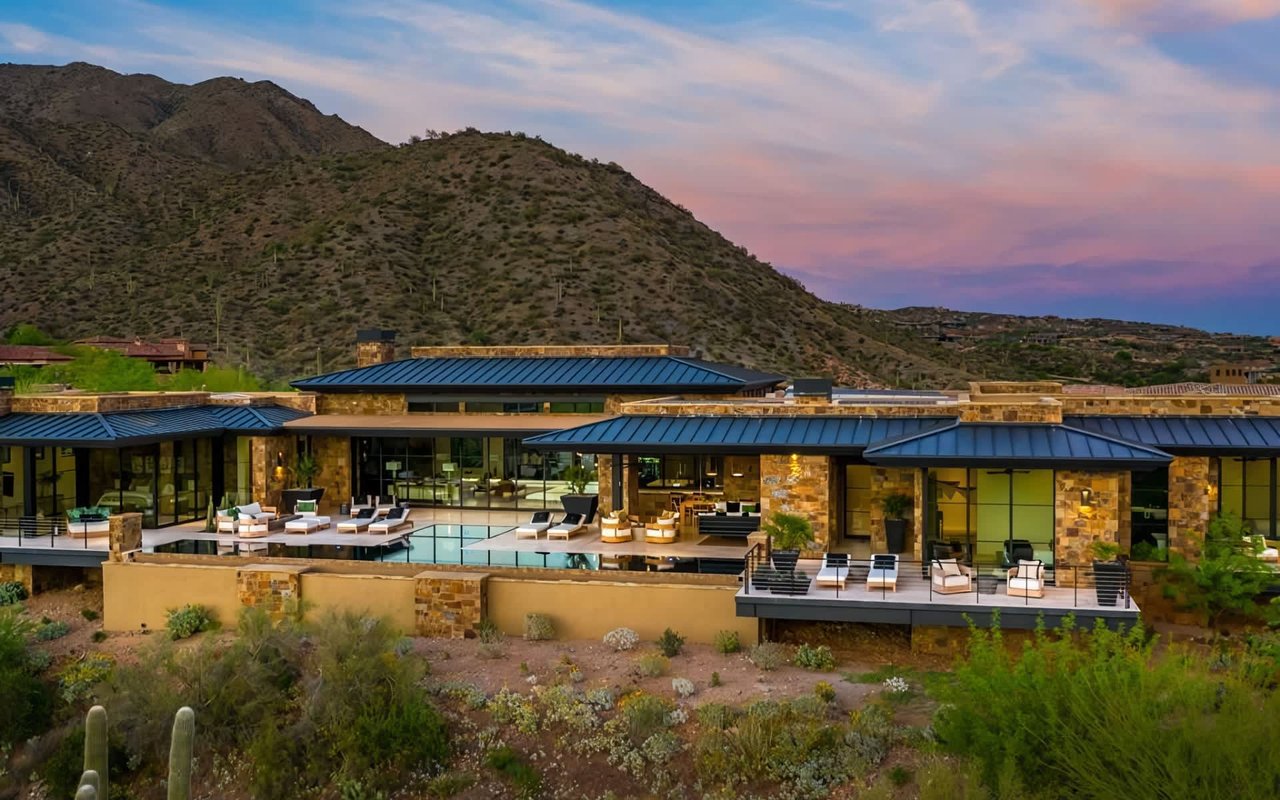
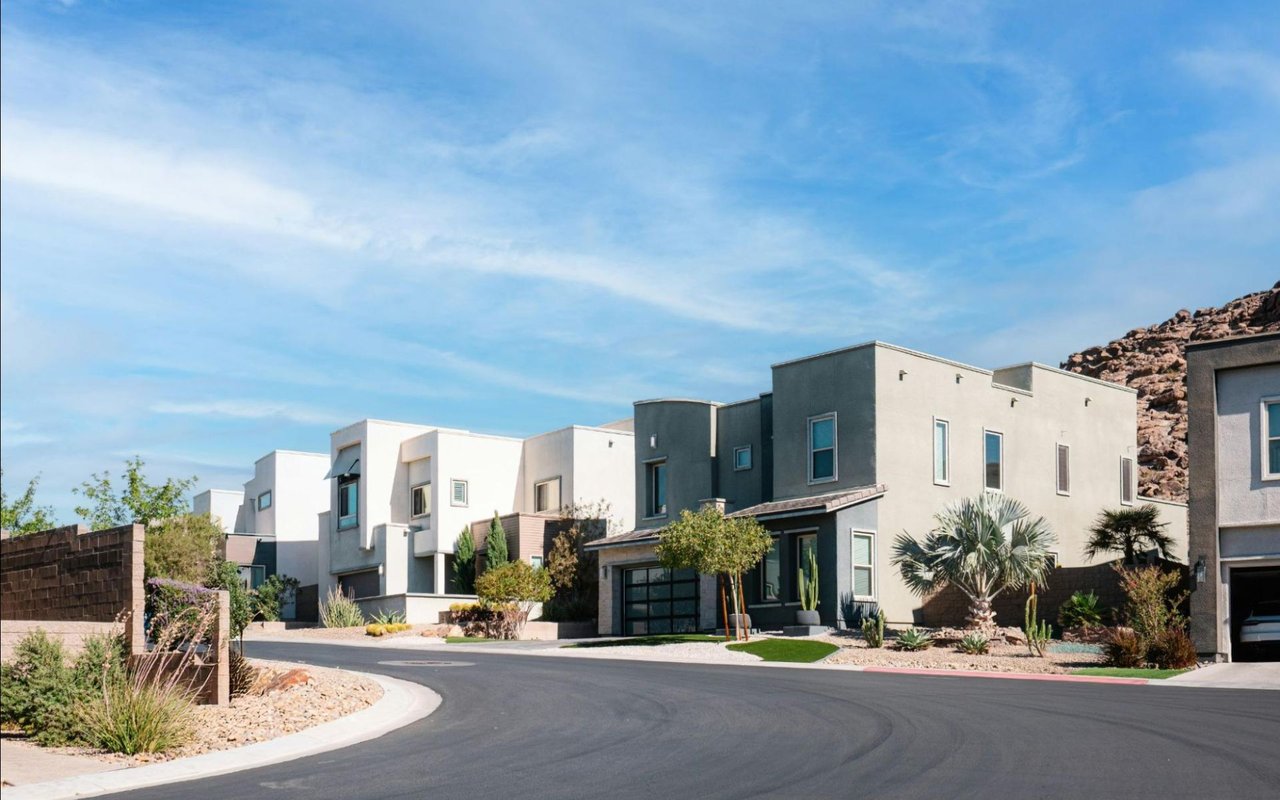
At the other end of the spectrum, Desert Mountain's newer builds and custom estate lots have produced some of the most recognized examples of contemporary desert modernist design in Arizona. The Village at Seven Desert Mountain — the community's newest development — features work by firms like Drewett Works, whose model home earned platinum and gold awards from the Best in American Living program. These homes use clean lines, rammed earth, volcanic stone, koa wood, and walls of glass that open entirely to covered patios and pool decks, making the interior and the Sonoran Desert feel like a continuous space.
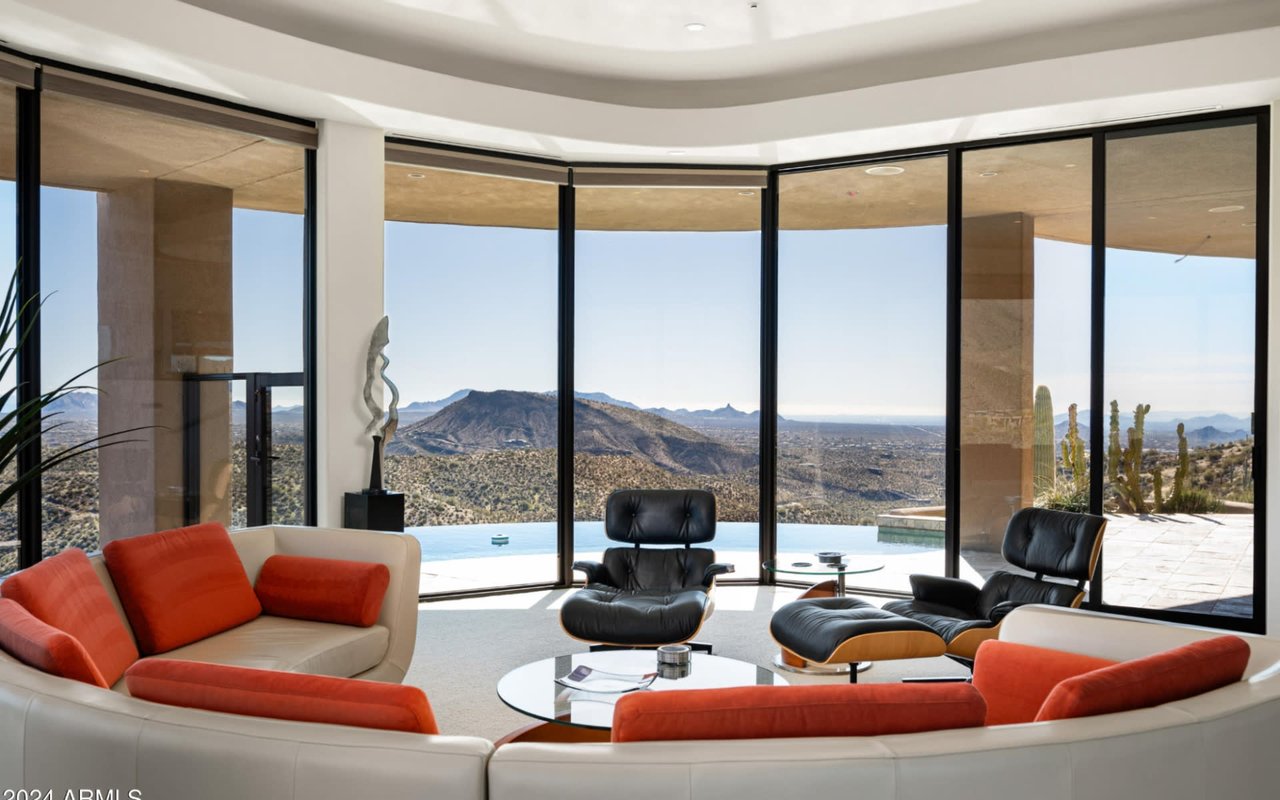
PHX Architecture has completed custom homes on Desert Mountain's larger lots that back directly to the Tonto National Forest, using four-acre sites to create structures where nearly every room captures a view of the valley, the McDowell Mountains, or open desert. Floor-to-ceiling glazing, infinity pools, and indoor-outdoor great rooms designed around the Arizona sun are consistent features of this category of Desert Mountain home. Prices for custom estates in this tier range from approximately $4 million to well over $20 million.
Santa Fe and Pueblo-Inspired Design
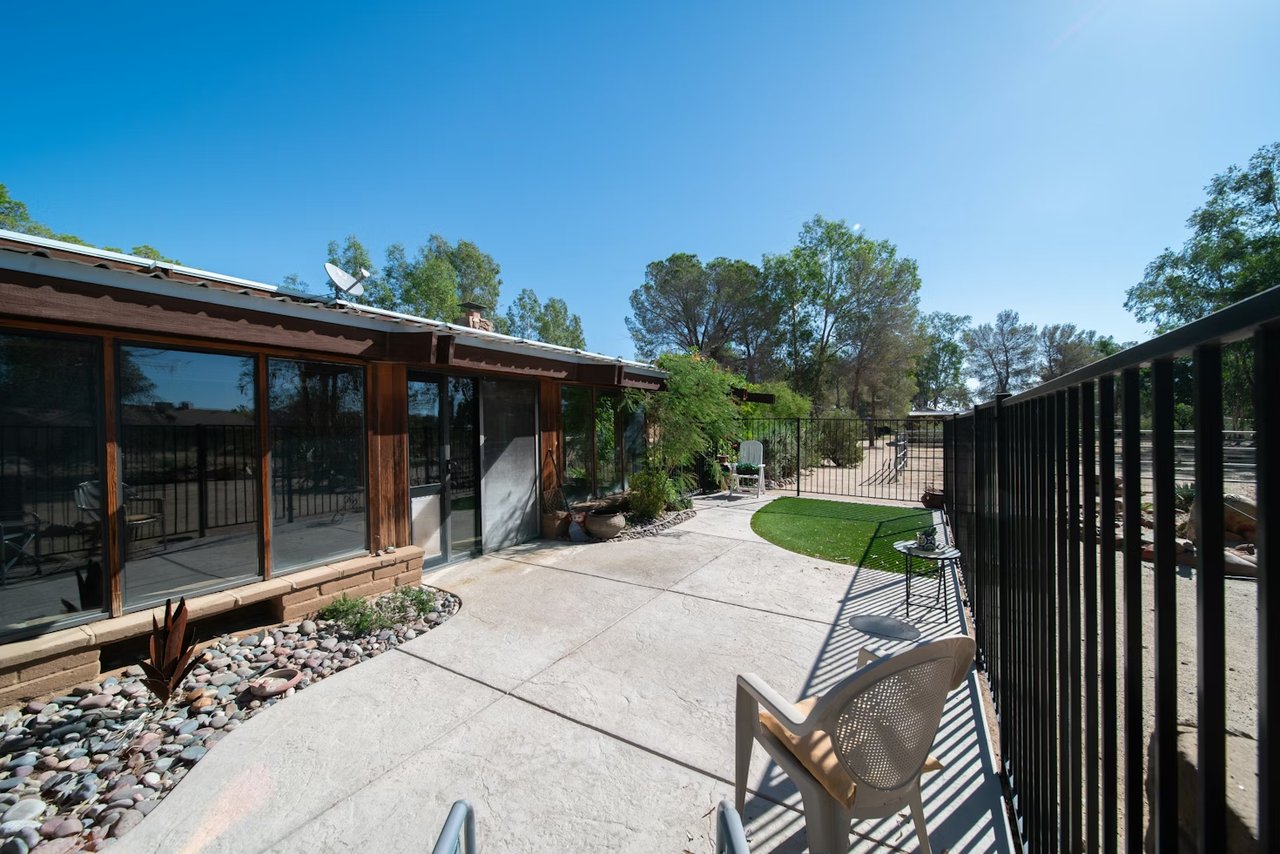
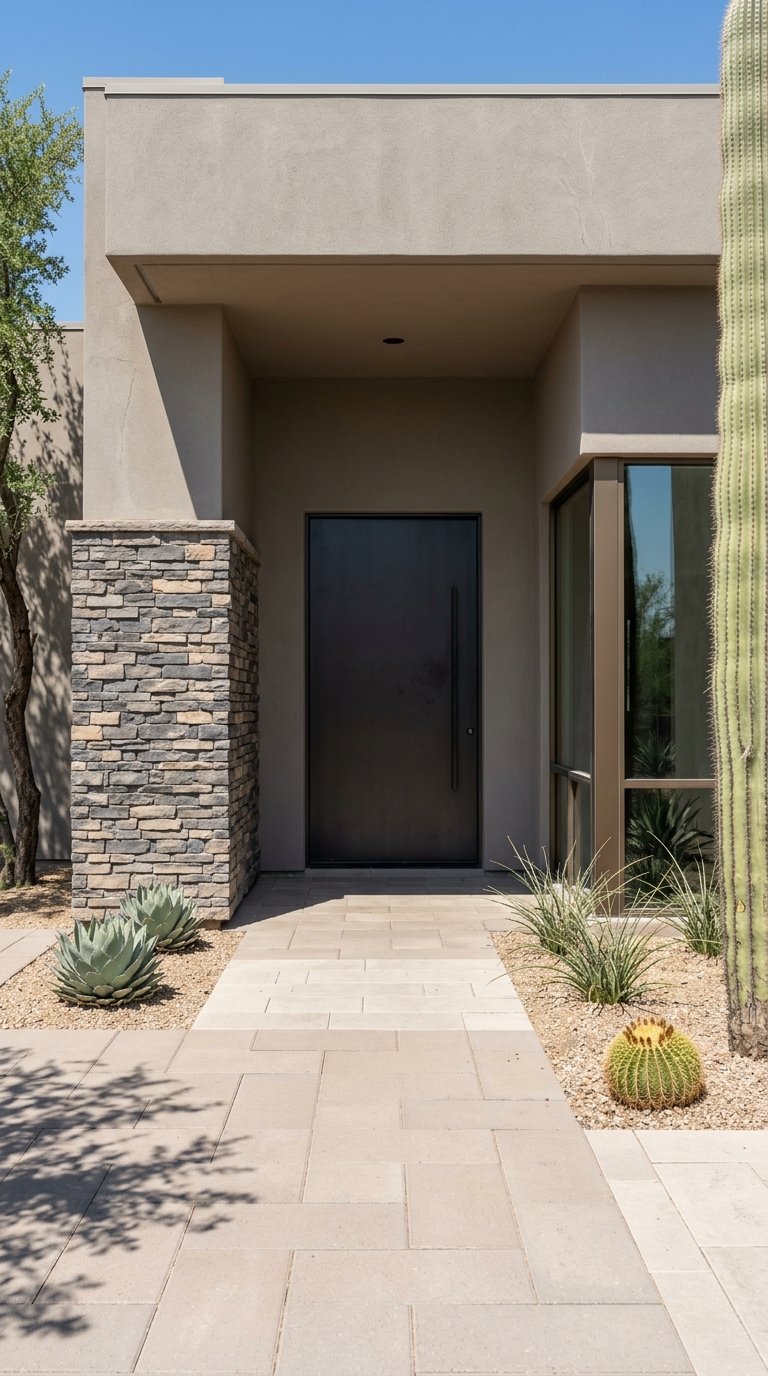
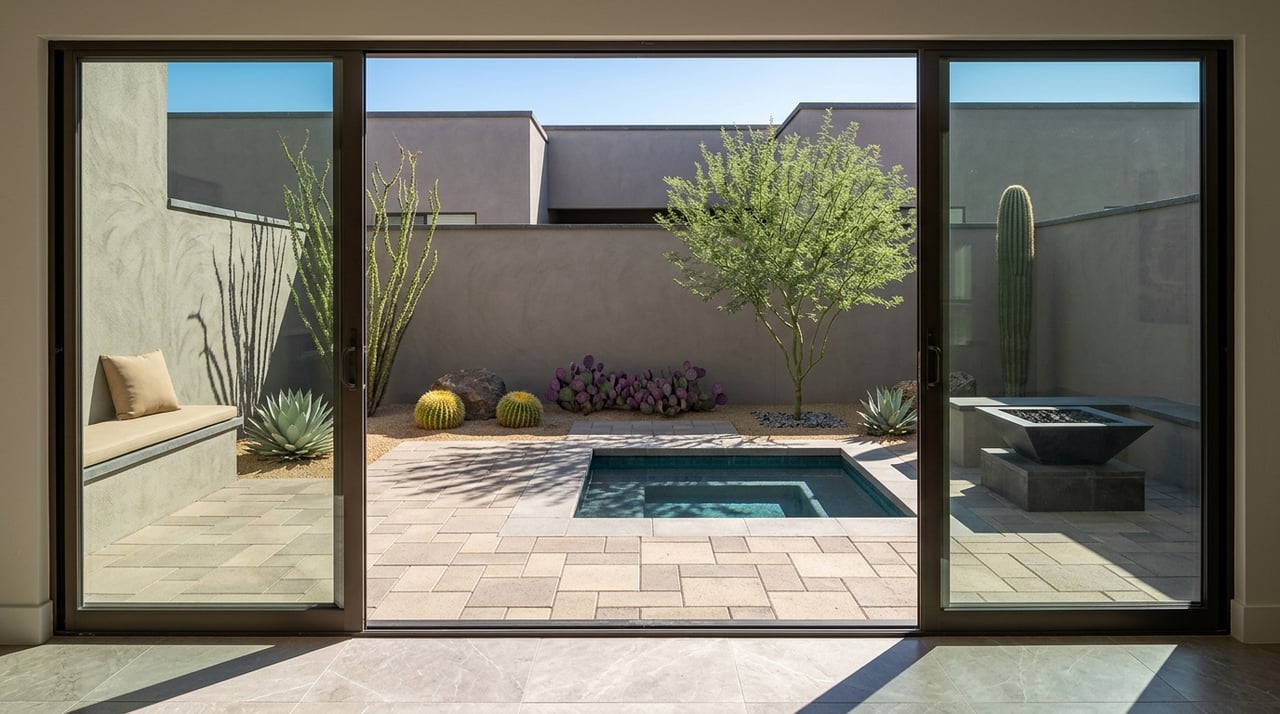
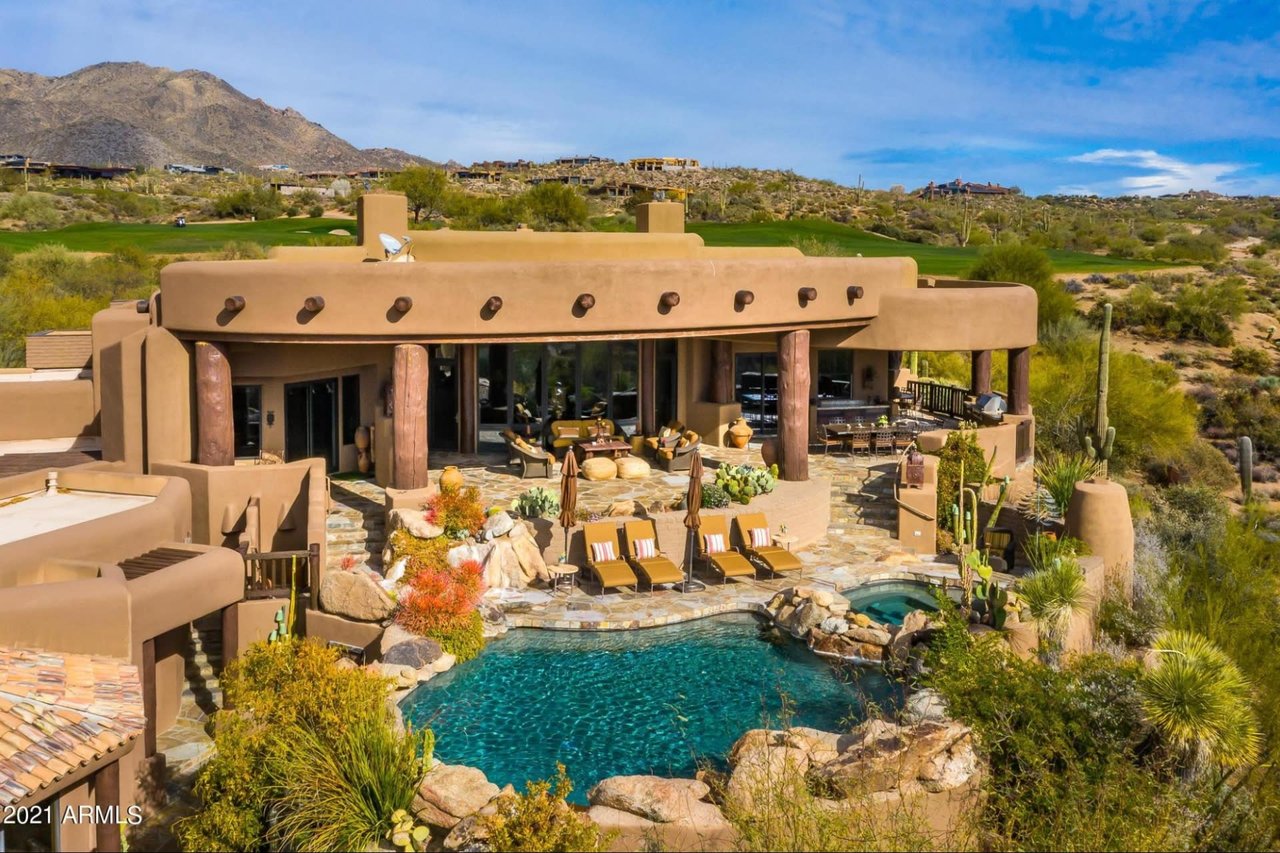
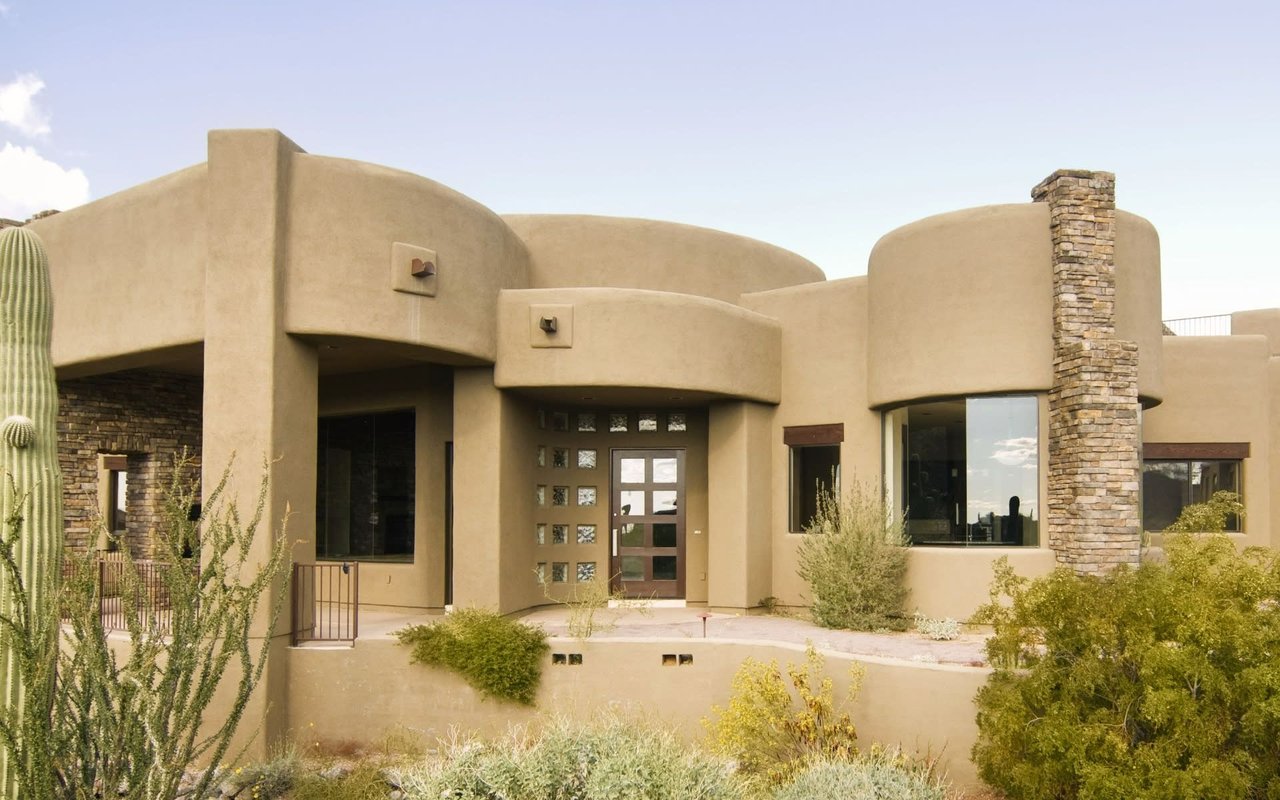
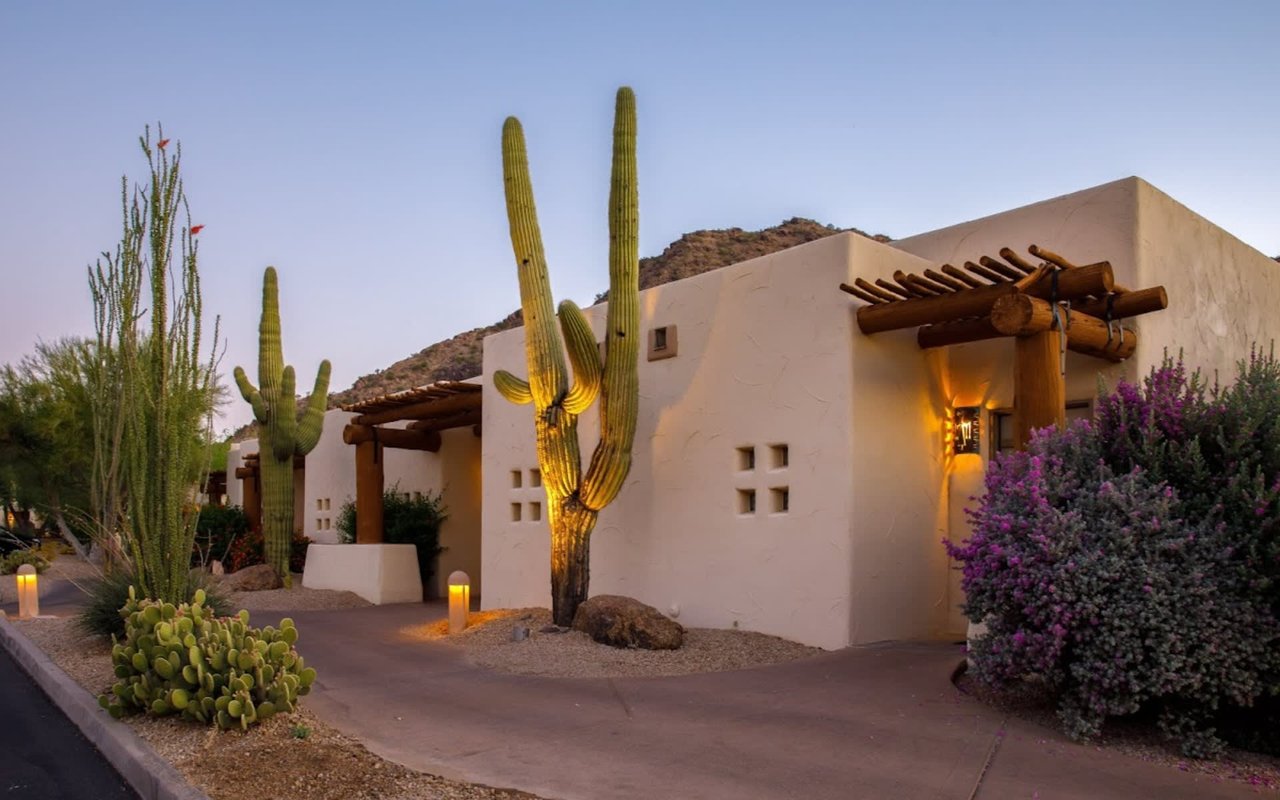
A third strong current in Desert Mountain's architectural mix draws from the Pueblo Revival and Santa Fe traditions: thick stucco walls, rounded parapets, deep portal overhangs, and interior courtyards that create private outdoor rooms. This style manages the desert climate particularly well. Heavy mass walls absorb heat during the day and release it slowly at night, keeping interiors naturally temperate. Interior courtyards become the organizing space around which the rest of the home is arranged, giving these properties a sense of layered privacy that neither the territorial nor the contemporary styles fully replicate.
Buyers drawn to this style often have experience with similar architecture in New Mexico, Mexico, or the Mediterranean — and recognize in the Santa Fe-influenced homes at Desert Mountain a familiar logic of how a house should relate to a warm, sun-driven climate.
Architecture as a Value Driver
In most real estate markets, architecture is a preference. At Desert Mountain, it is a structural driver of long-term value. The community's design standards prevent the kind of architectural inconsistency that erodes property values in less managed communities. No village looks like it was assembled without intention, and no individual home can be built in a way that conflicts with the environmental standards governing the community as a whole.
This matters for buyers who are thinking about resale. Desert Mountain's architectural coherence — the fact that each of the 33 villages has a legible identity and a consistent material palette — makes it easier for buyers to understand what they are getting, and easier for sellers to command strong prices when they go to market. The 2024 median sale price at Desert Mountain reached $2.6 million, and the community's resale performance through varying market conditions reflects, in part, the confidence that comes from a built environment that holds its character over time.
What to Look for When Evaluating a Home
For buyers evaluating specific properties at Desert Mountain, architecture should be part of the due diligence conversation alongside price per square foot, village location, and view exposure. A few things worth understanding before making an offer:
Lot orientation and solar exposure. Desert homes are designed around the sun. A home with a west-facing living room and no overhangs will be uncomfortable through much of the year, regardless of how good it looks in photographs. The best Desert Mountain homes are oriented to manage solar gain, with deep patios and covered outdoor rooms that extend the usable living space into the shoulder seasons.
Material quality and age. Stucco, tile, stone, and wood all perform differently in the high desert. Well-maintained desert homes age with character. Homes that were built cheaply or maintained poorly show it clearly in this climate, and the cost of remediation can be significant.
Village architectural standards. Each village has its own governing documents and architectural review process. Understanding what modifications are permitted — and what the review timeline looks like for any planned changes — is an important part of evaluating a specific property.
Buy Desert Mountain Real Estate With Power+
We have spent decades working in every corner of this community, and that depth of knowledge shows in how we advise buyers. Whether you are drawn to a hacienda-style courtyard home in the lower villages, a contemporary estate with Tonto National Forest views, or a lock-and-leave villa close to the Sonoran Clubhouse, we can help you match the architectural character of a property to how you actually plan to live in it. Reach out to us to learn more about how we guide buyers through Desert Mountain's villages and property types.