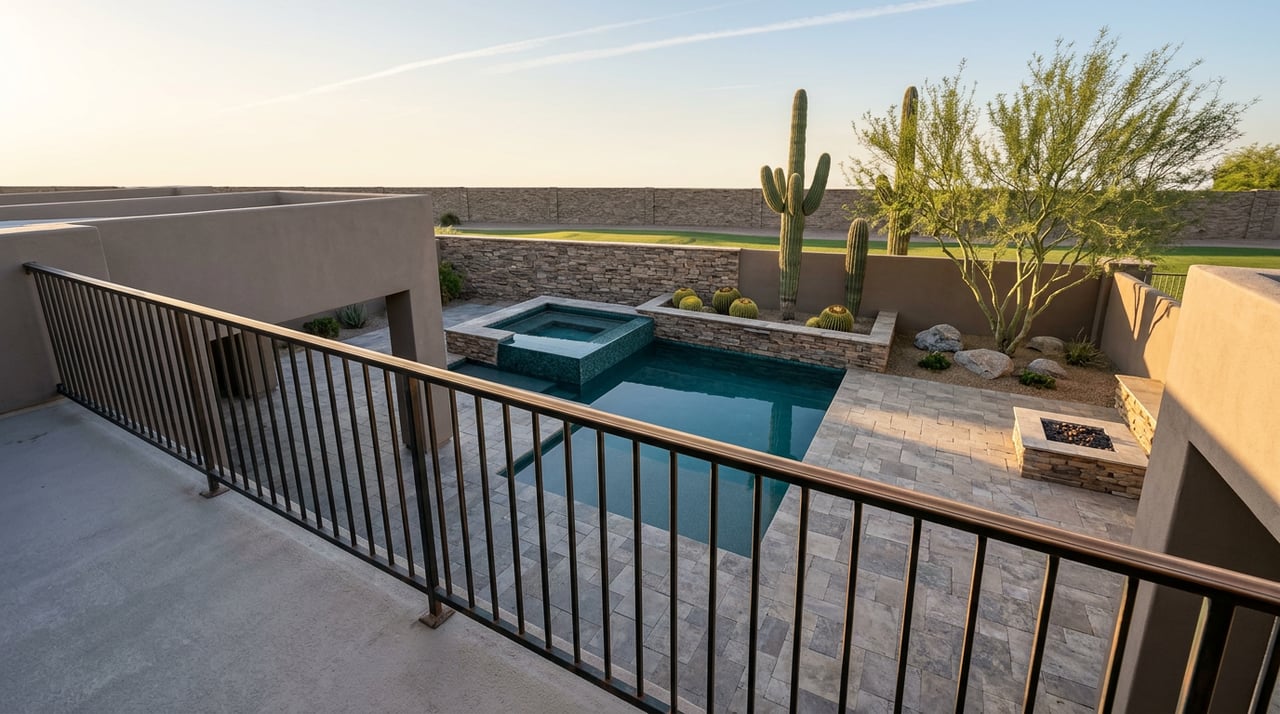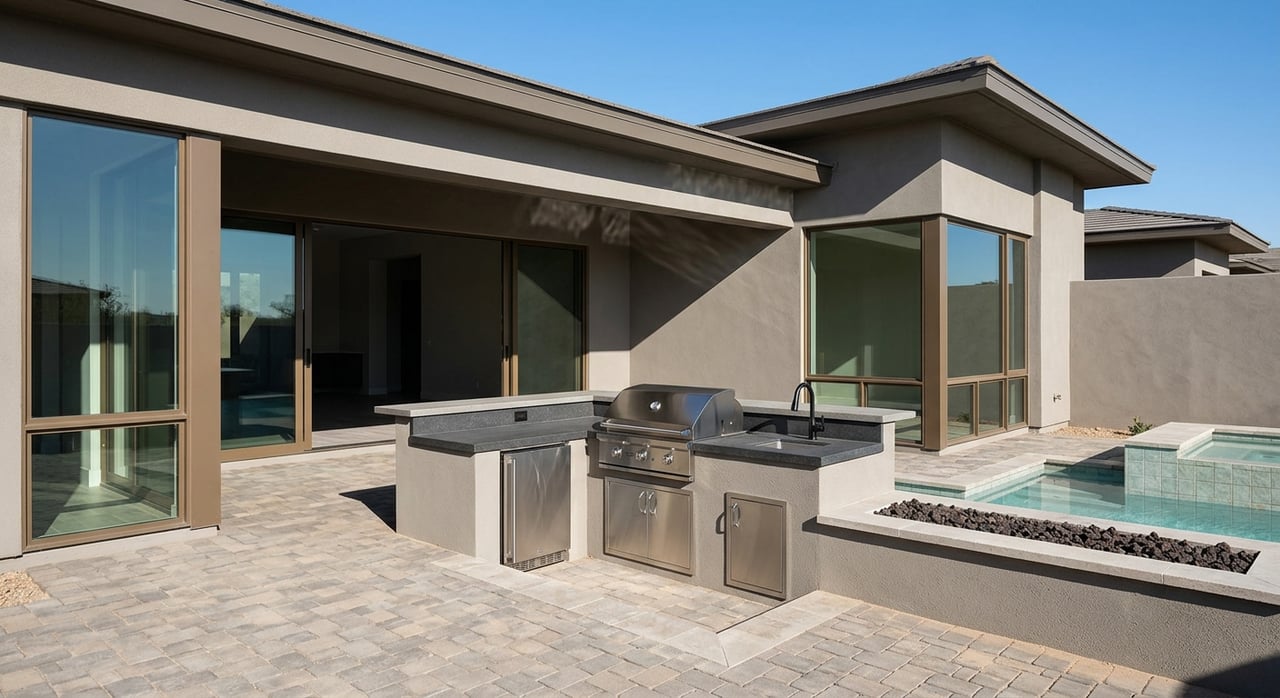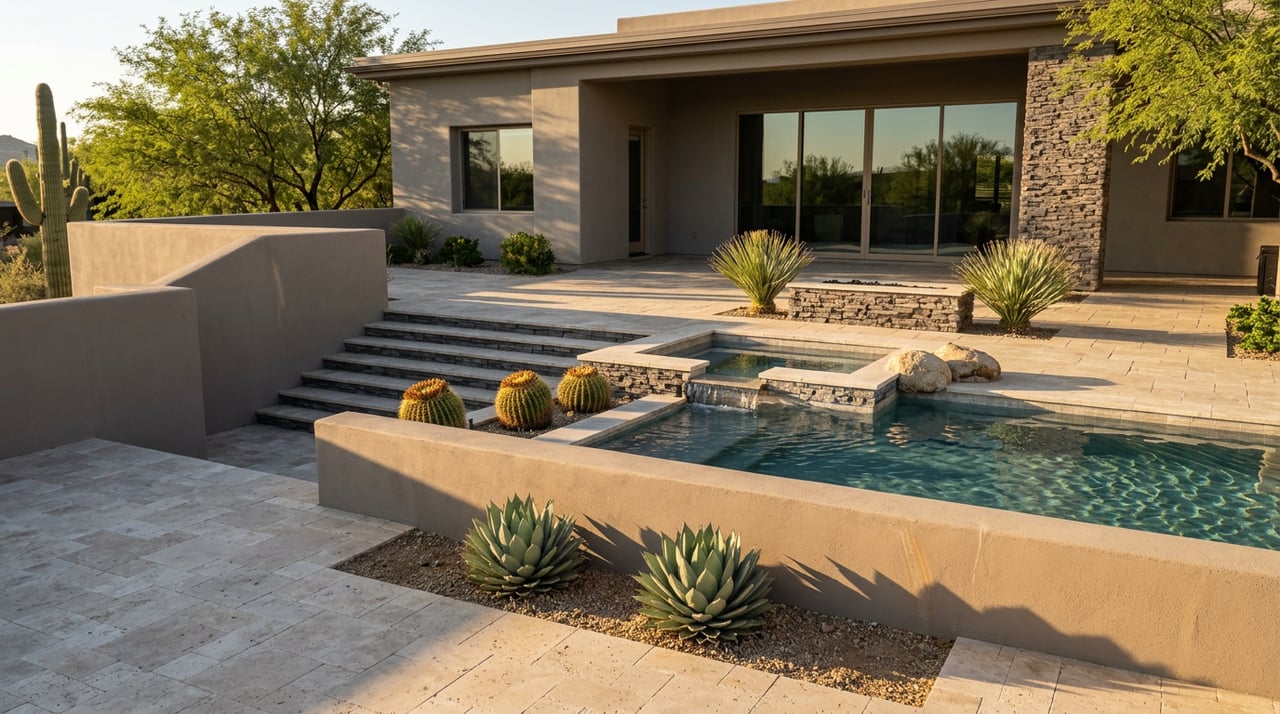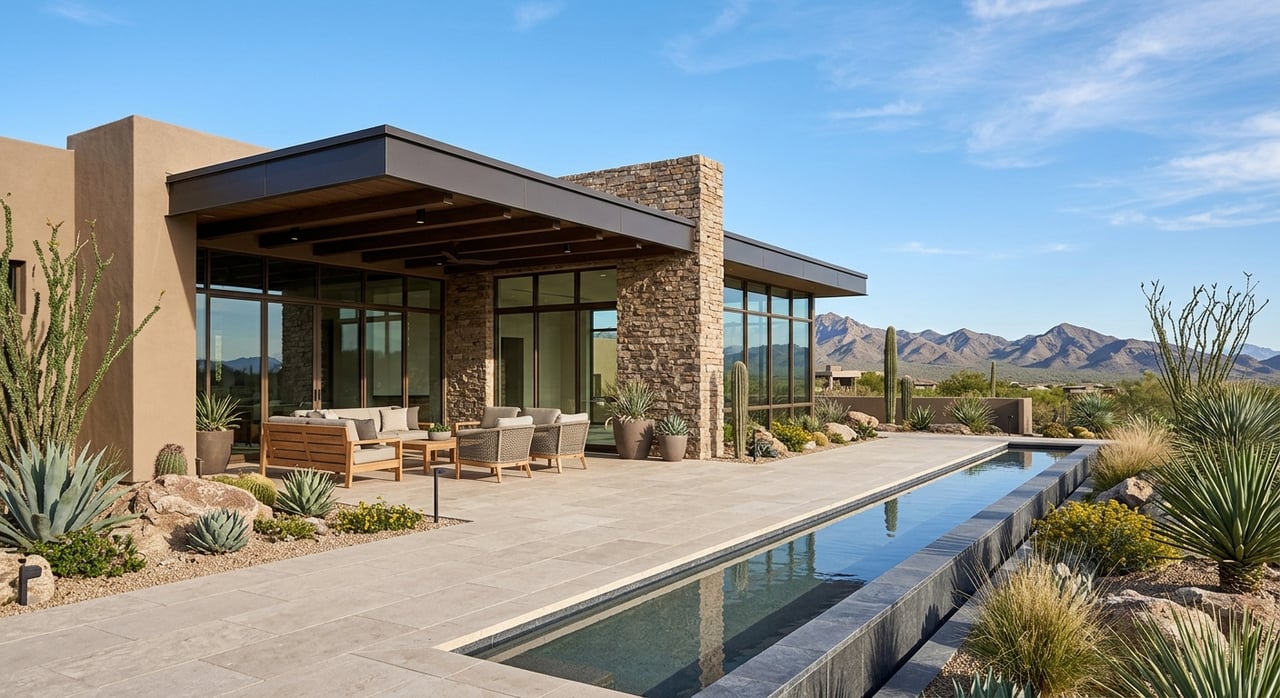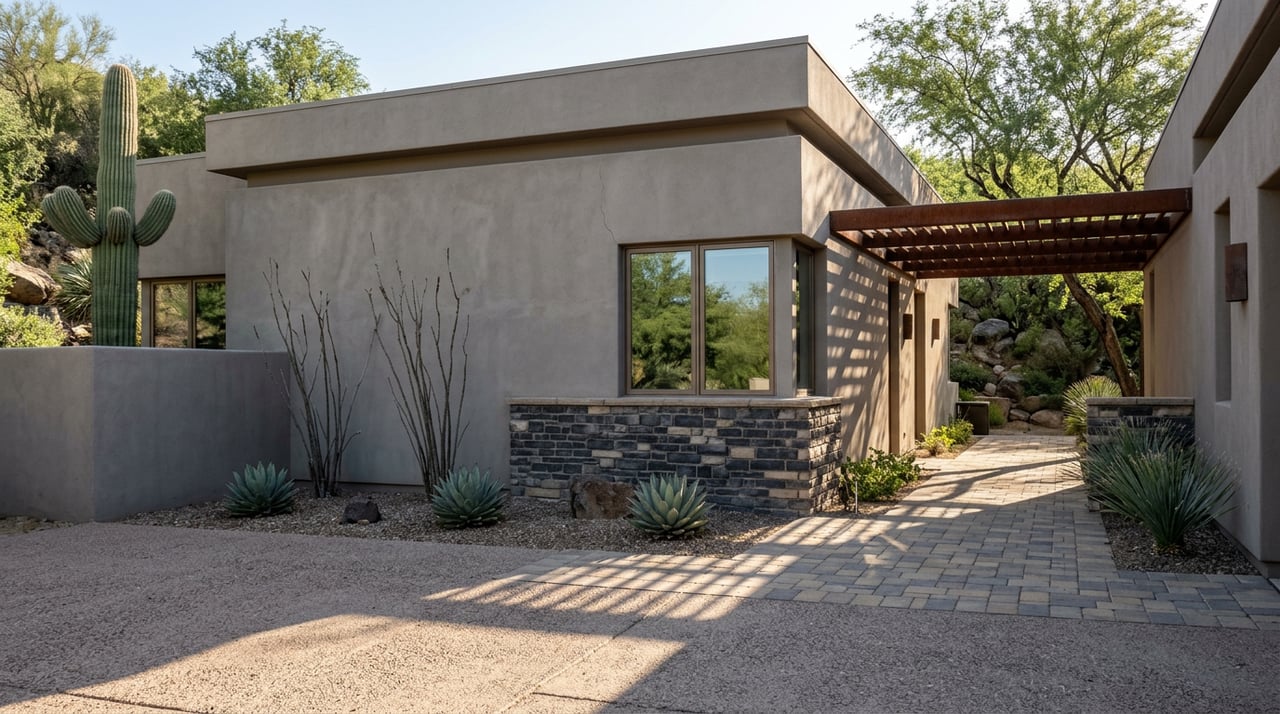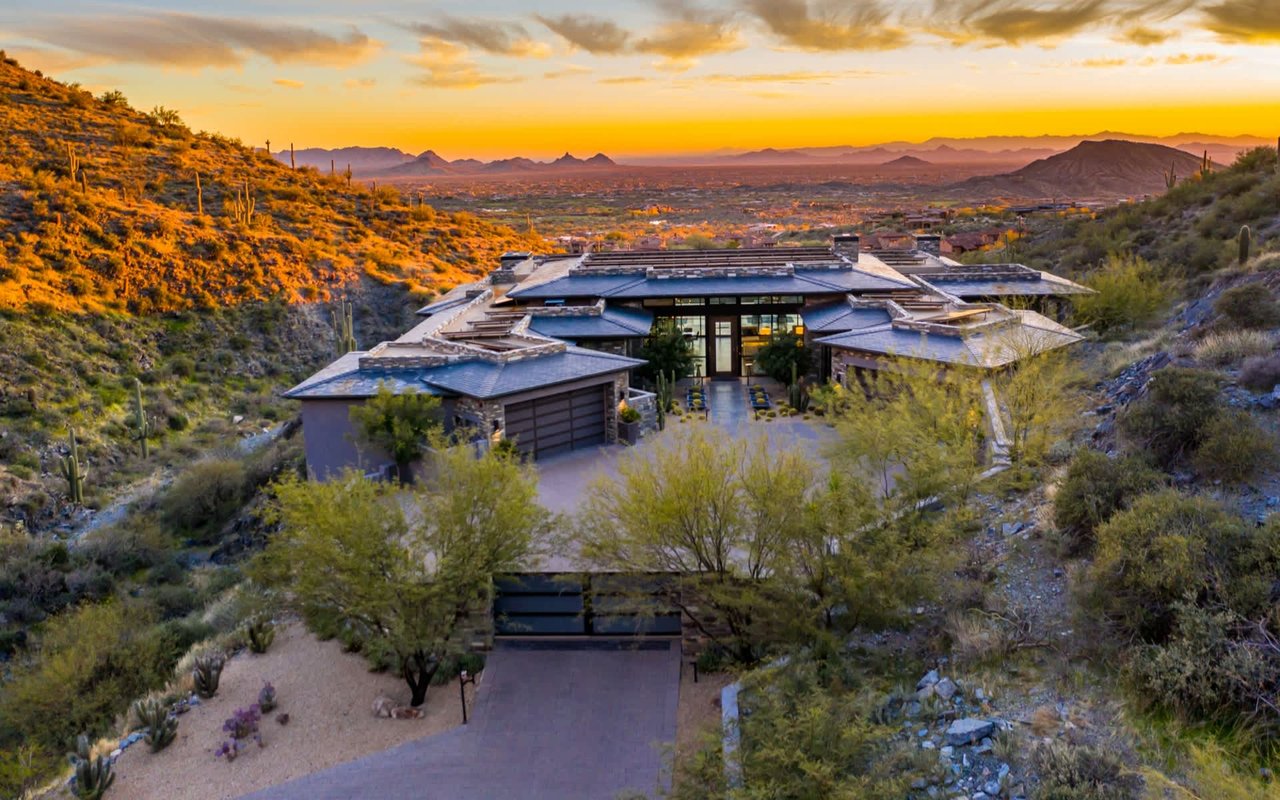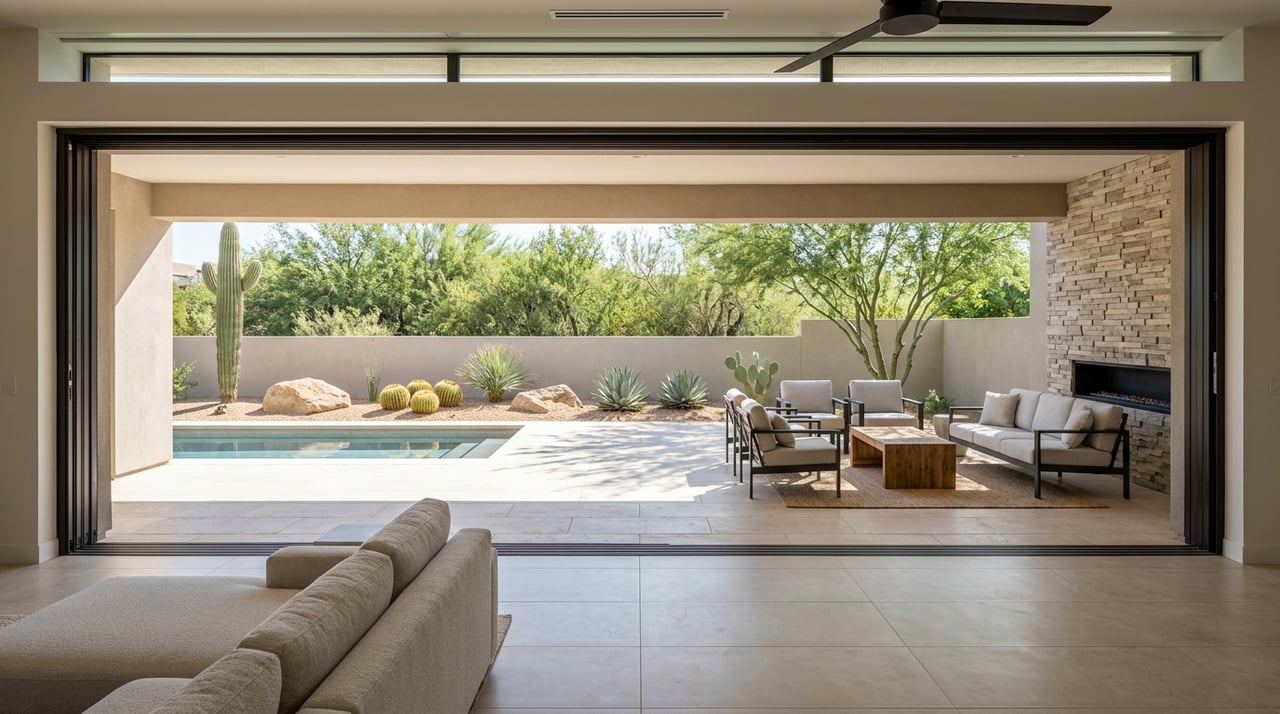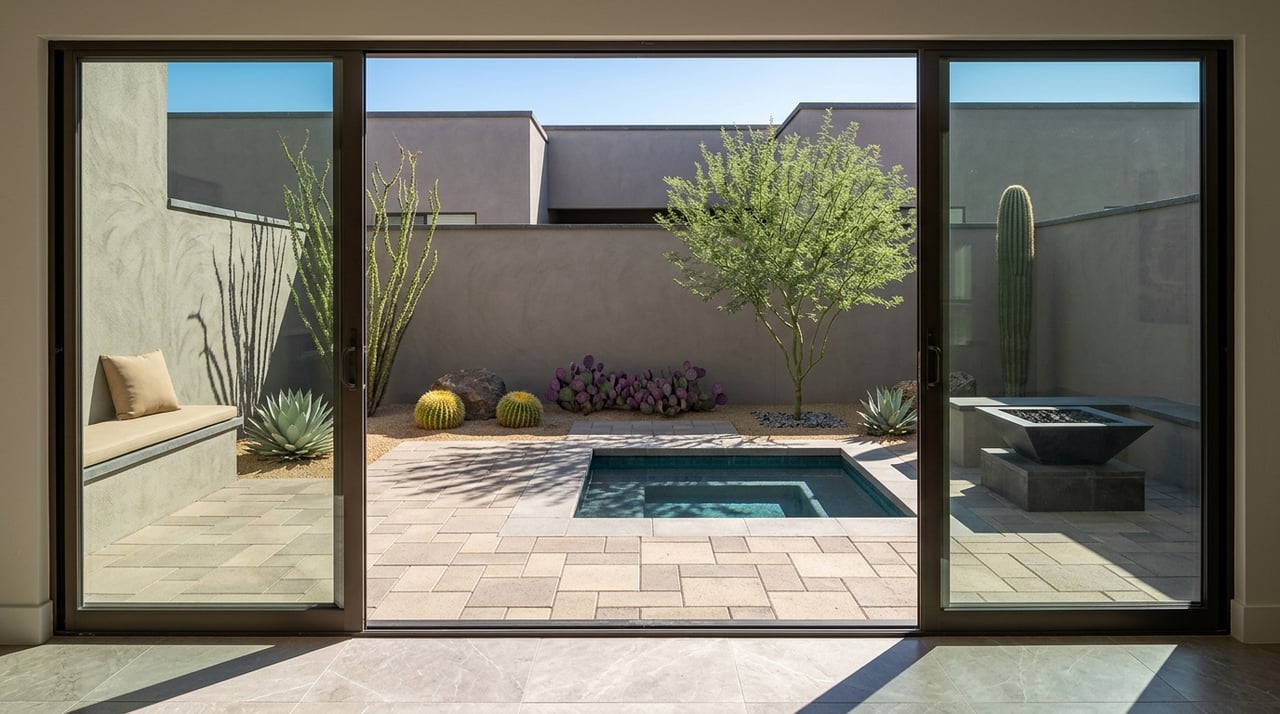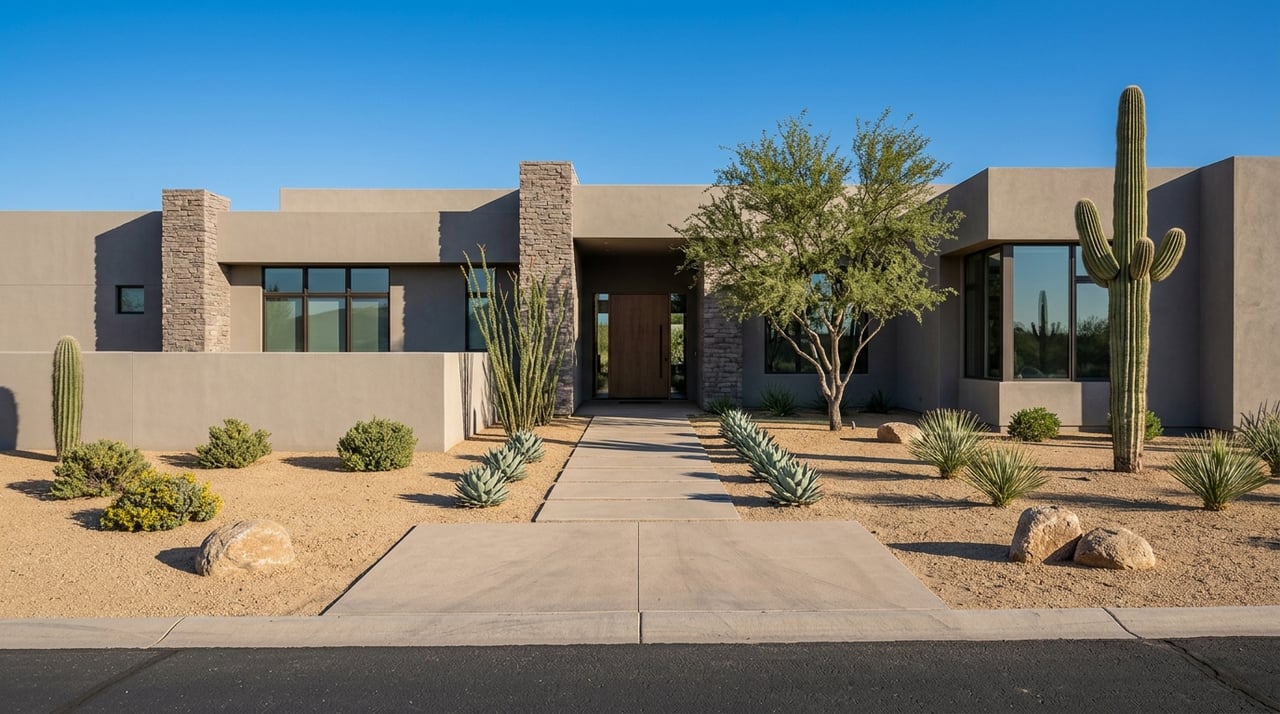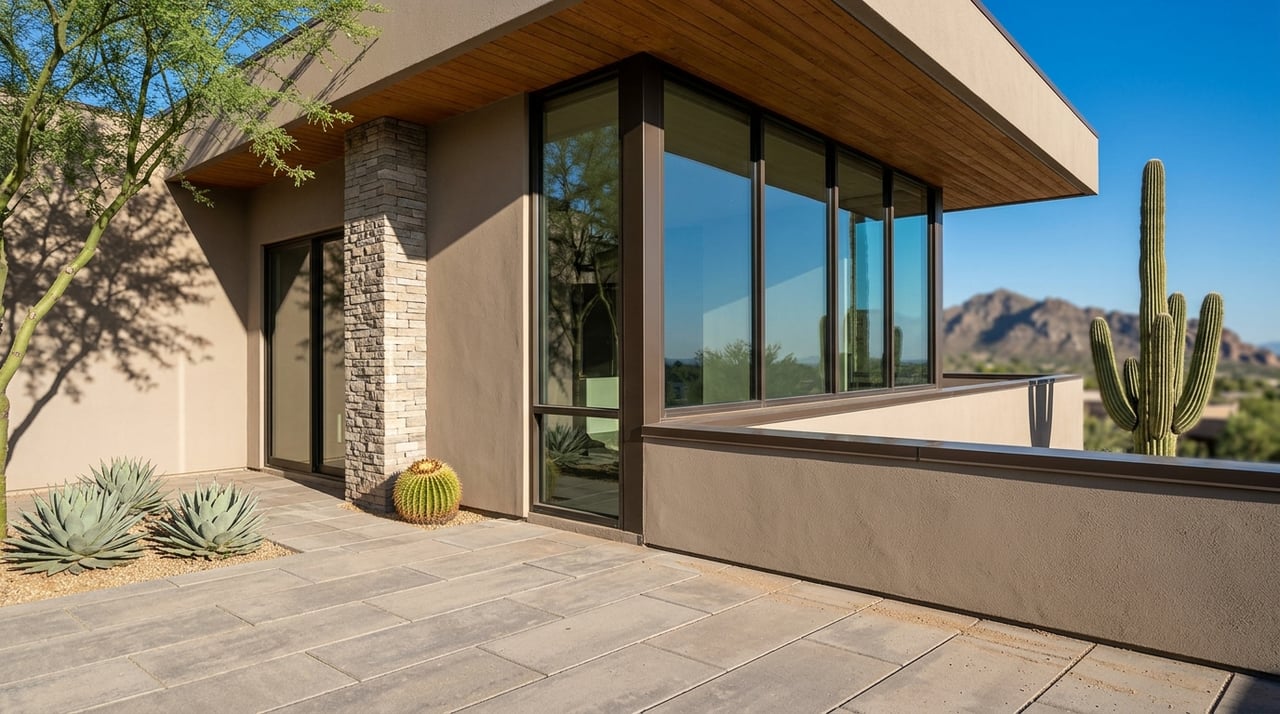
If you are comparing homes in Desert Mountain, the village matters just as much as the floor plan. In a large, double-gated community with dozens of villages, your address can shape how often you drive, how easily you reach wellness or golf amenities, and whether your day feels more social, private, or lock-and-leave. Understanding that difference can help you choose a property that truly fits how you want to live. Let’s dive in.
Why village location matters
Desert Mountain is organized into 32 gated villages, each with its own character, gate design, and in many cases its own bylaws and architectural review guidelines. The result is not a one-size-fits-all lifestyle. Two homes may both be in Desert Mountain, yet feel very different in daily use.
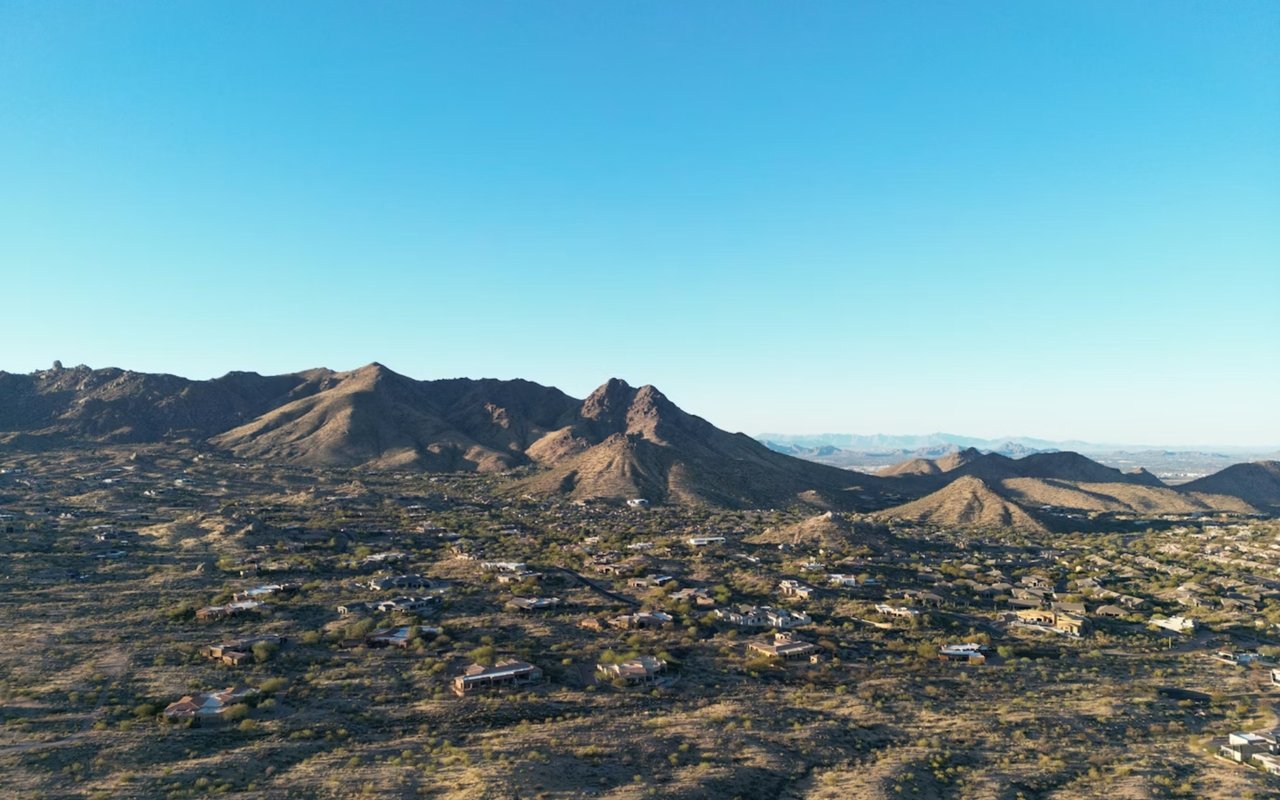
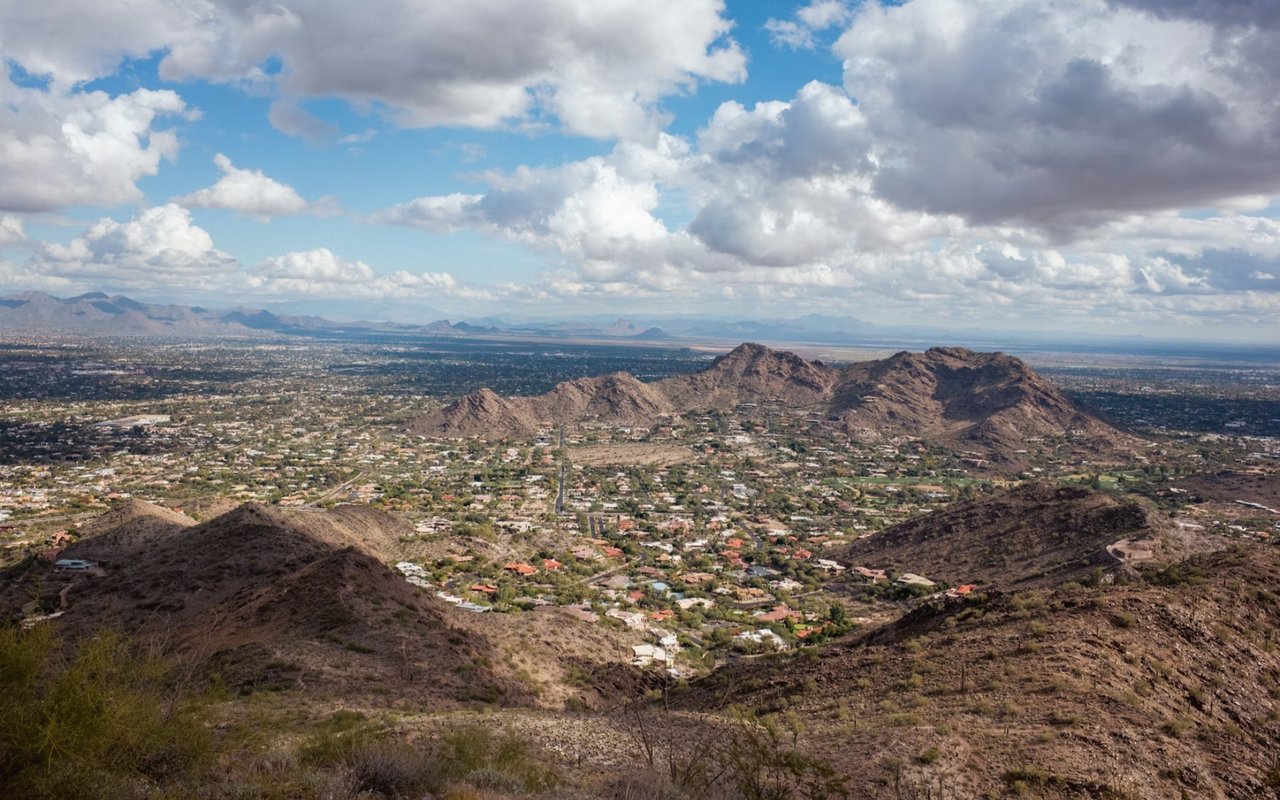
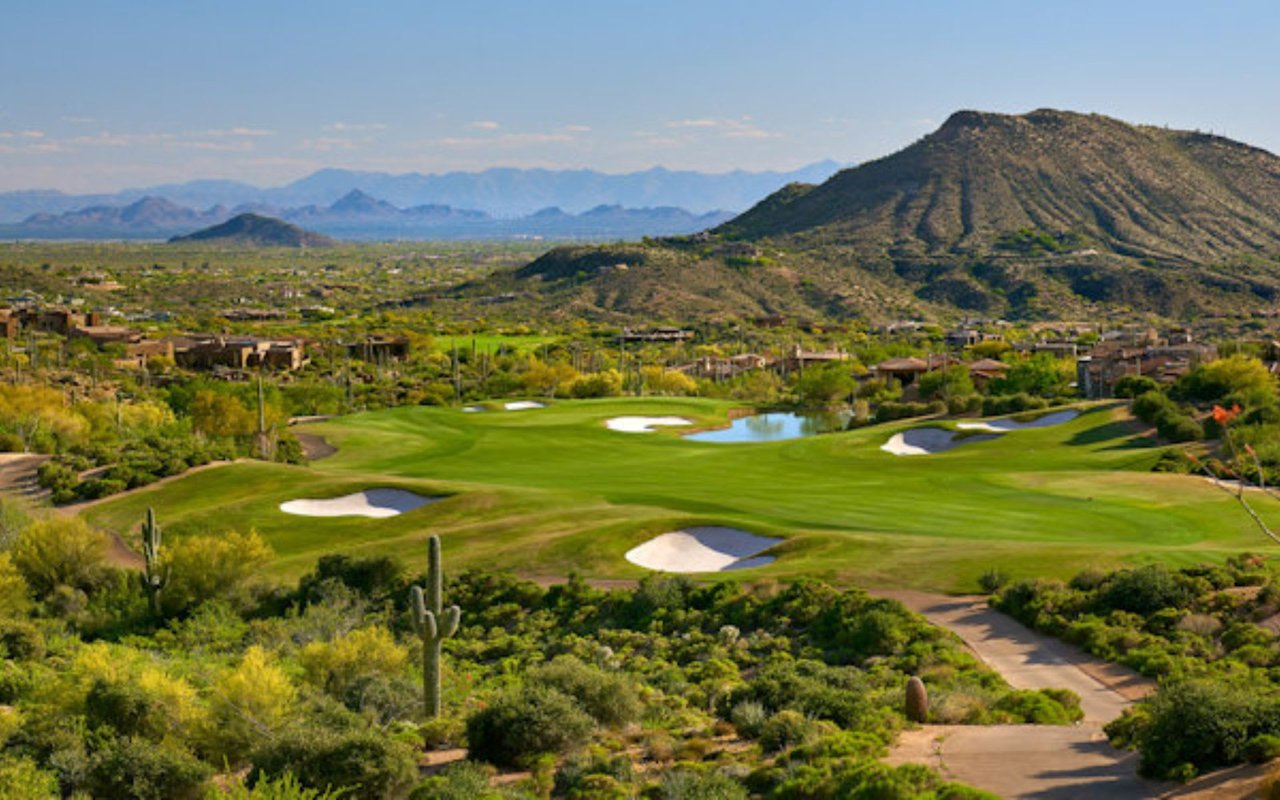
That comes down to how the community is laid out. The HOA describes Desert Mountain as a very large, gate-controlled community with about 68 miles of roads, so village placement often affects how connected or tucked away a home feels. In practical terms, your village can influence whether your routine is more walkable, golf-centered, wellness-focused, or car-based.
Gates shape your day
One of the biggest routine factors is access. Desert Mountain is double-gated, and eGo tags provide automatic entry at the main gates, the Desert Hills Gate, and each village entry.
Village gate hours also matter. The HOA notes that most village gates are open Monday through Saturday from 5:45 a.m. to 7 p.m. and are closed on Sundays and holidays, although each village board sets its own hours. That means your daily rhythm may change depending on how often you pass through a village gate for fitness, dining, golf, or errands.
Amenity hubs influence routine
Sonoran Club supports wellness living
For many residents, the Sonoran Clubhouse is a major anchor for daily life. Club materials describe it as a 42,000-square-foot wellness center with fitness, spa services, pools, pickleball, tennis, bocce, croquet, youth activities, and classes.
The wellness offering goes further with private training, physical therapy, yoga, Pilates, spinning, ELDOA, aquatic fitness, and an on-site HonorHealth clinic. If you expect to use the gym, spa, courts, or classes regularly, village proximity to Sonoran can be one of the most important lifestyle decisions you make.
Trails and The Ranch support outdoor habits
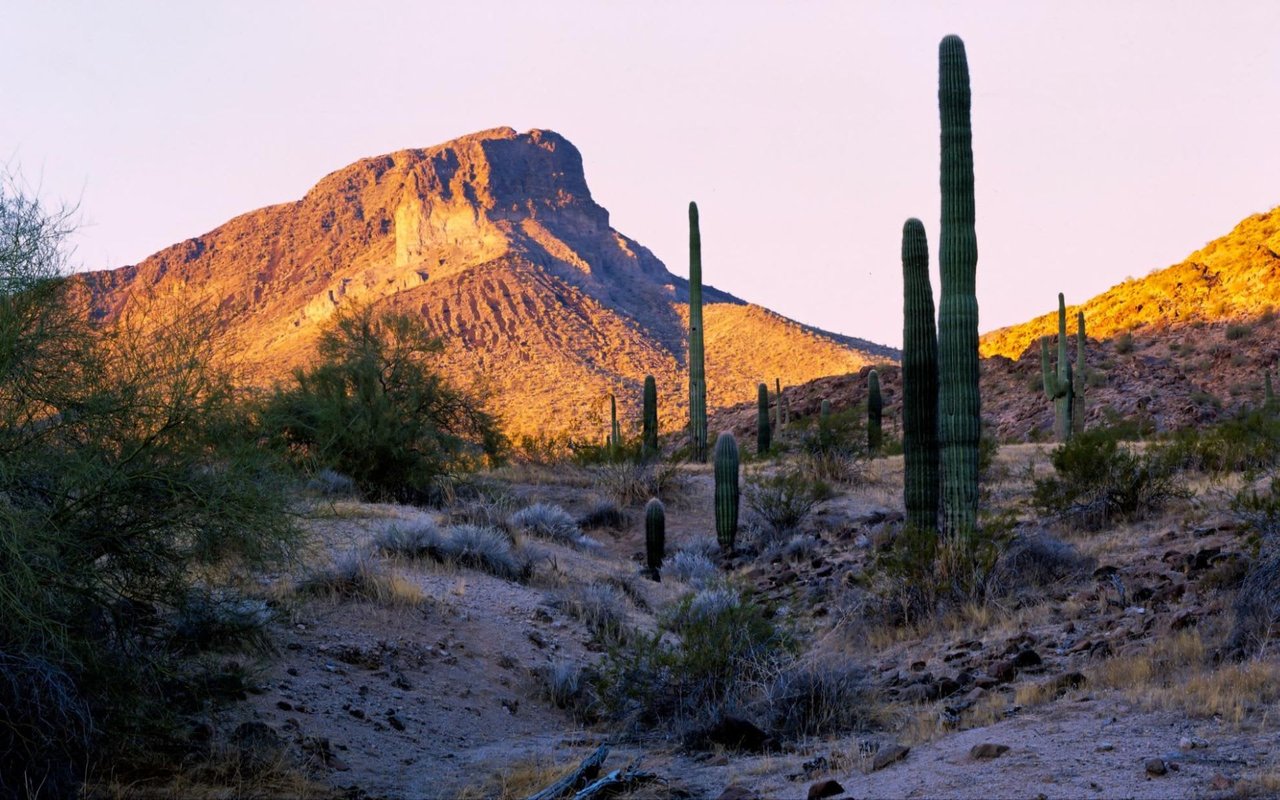
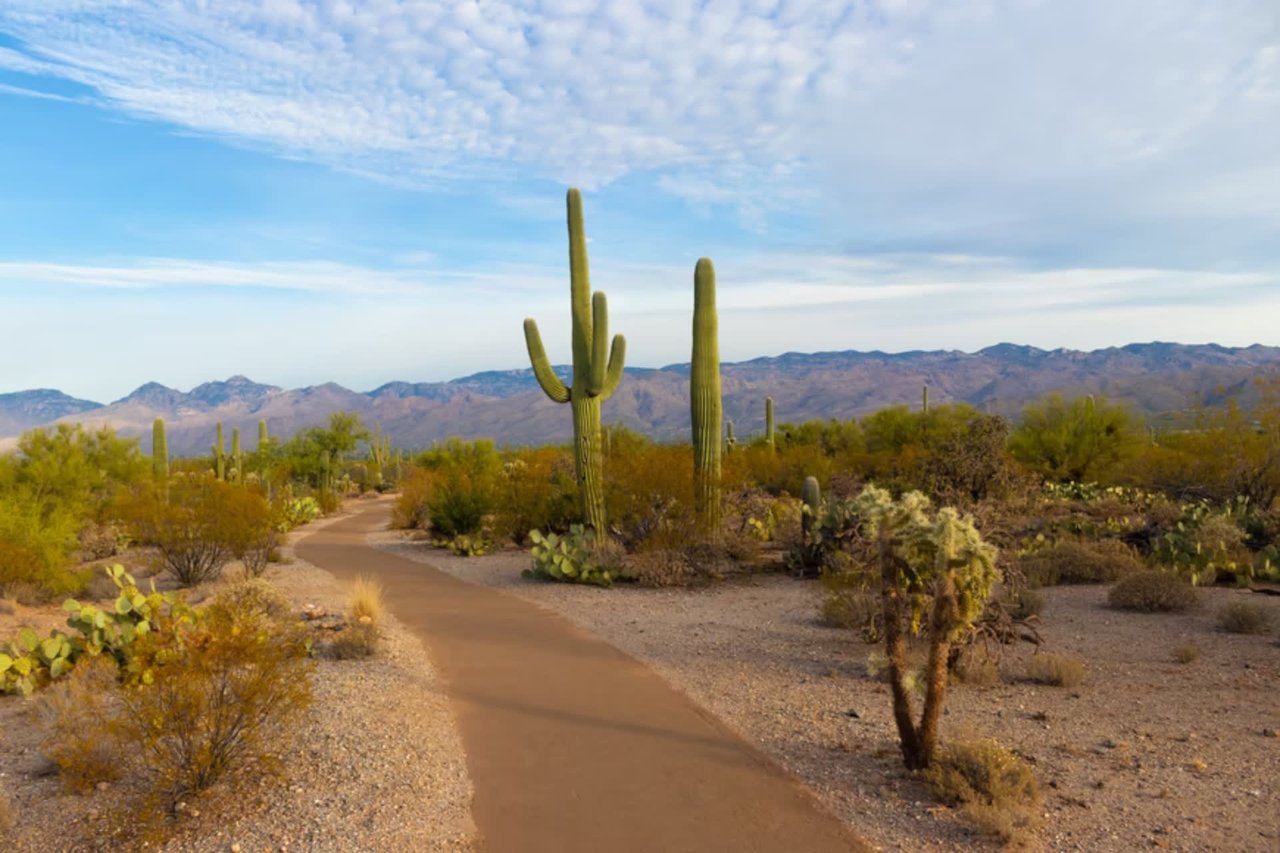
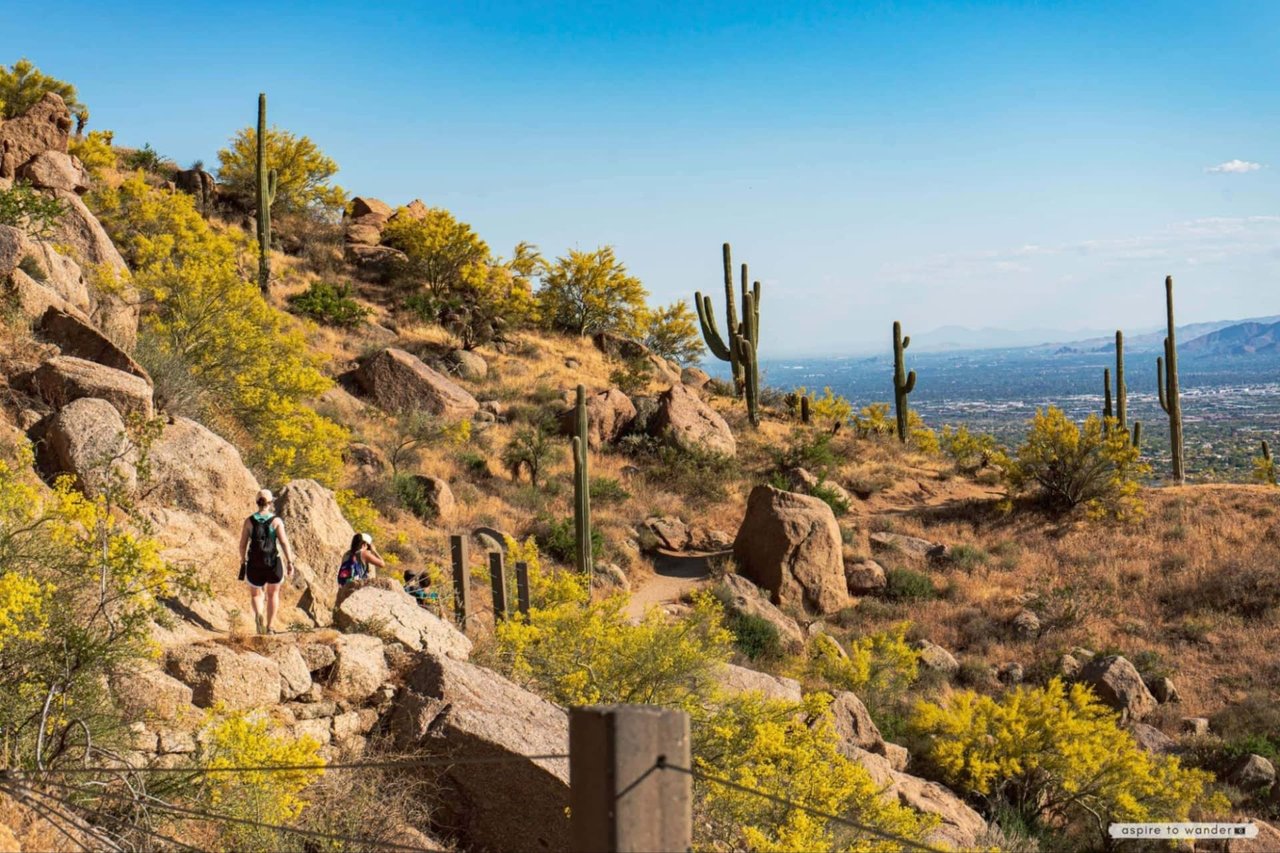
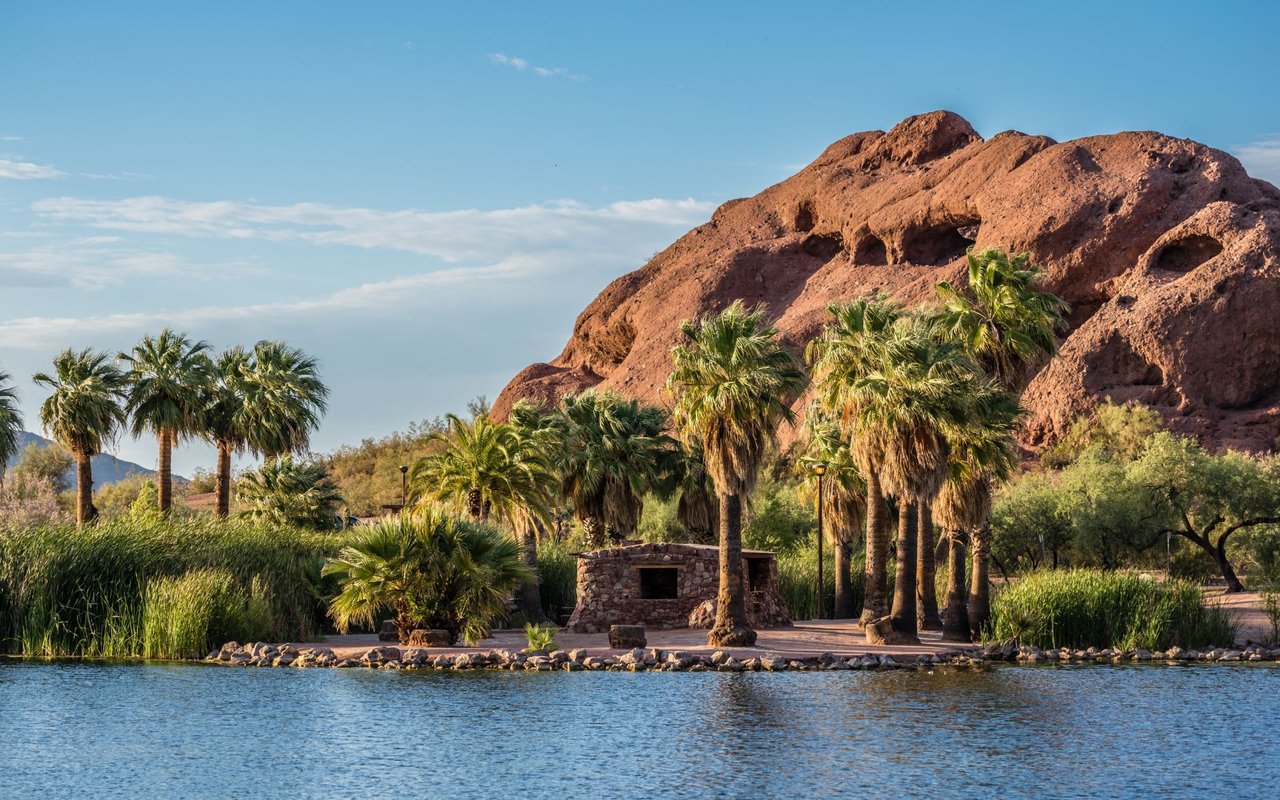
If your ideal morning starts outdoors, trail access should be part of your home search. Desert Mountain includes 3,000 acres of preserve and more than 25 miles of private hiking and biking trails, and The Ranch serves as a 33-acre wilderness amenity connected to that trail system.
This is not a separate part of the community. It is woven into everyday living. Depending on your village, it may be easier to fit a quick hike, bike ride, or outdoor workout into your routine.
Clubhouses create neighborhood gravity
Desert Mountain is not centered around just one social hub. The official guide map shows clubhouses at Apache, Chiricahua, Cochise/Geronimo, Outlaw, Renegade, Seven, and Sonoran.
That matters because many villages naturally orbit one of those clubhouses more than the community as a whole. In day-to-day life, you may find yourself returning to the same dining, golf, and social node again and again simply because it is the most convenient one from your home.
How villages can feel different
Sonoran-area villages fit active routines
If wellness is a top priority, villages near Sonoran deserve close attention. Official listing material has described Sonoran Cottages and Enclave homes as within walking distance of the Sonoran Club, while a Turquoise Ridge listing highlights quick access to the Sonoran Fitness Club, tennis, pickleball, hiking trails, fitness facilities, and spa.
For buyers who want workouts, classes, court time, or pool use to be an easy part of the week, these villages may support a more seamless routine. They also tend to appeal to owners looking for a more low-maintenance lifestyle.
Seven feels social and golf-forward
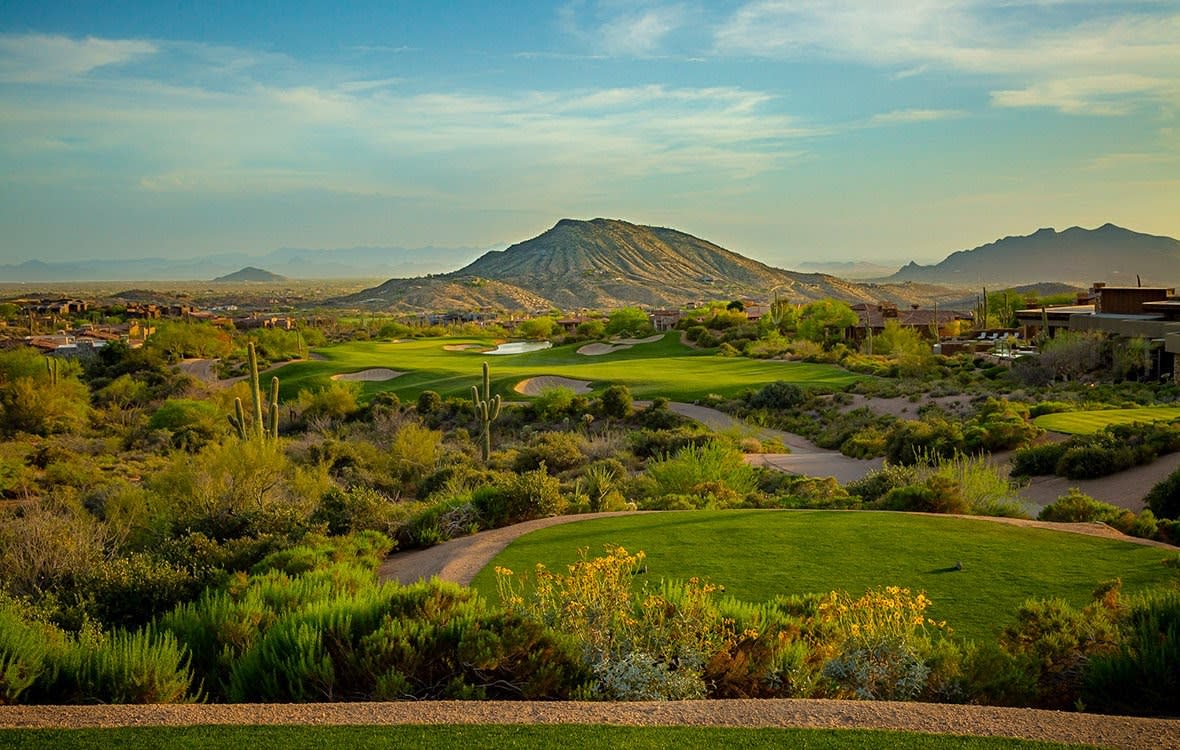
Seven Desert Mountain stands out as one of the clearest examples of a walkable, low-maintenance, golf-oriented enclave. A current listing notes that homes are steps from the Seven Clubhouse and Pro Shop, while the course itself is a par-54, USGA-rated layout built around social play.
The clubhouse design supports casual gathering with indoor and outdoor spaces, bocce, fire features, and dining. It is also important to note that in Seven, Club membership is required and deed-restricted, which is a different ownership consideration than many other villages.
Apache Peak supports easier in-and-out living
Apache Peak is often framed as a central option within the community. A current land listing describes it as having a central location, quick access to Desert Mountain’s two guard gates, and proximity to shopping and dining outside the community.
That type of positioning can be meaningful if you expect frequent trips beyond the gate. It can also place the Sonoran Fitness Center and Ranch amenities more naturally into your everyday orbit.
Saguaro Forest leans scenic and golf-connected
If your routine is shaped by views and golf access, Saguaro Forest may feel especially compelling. Listing material describes Chiricahua running through the village, with some homesites near the 18th tee box and within walking distance of the clubhouse and Constantino’s restaurant.
Other Saguaro Forest listings reference mountain, sunset, and city-light views along with nearby trail and clubhouse access. For some buyers, that mix creates a daily rhythm that feels more elevated, resort-like, and intentionally paced.
Mountain Skyline balances privacy and access
Mountain Skyline is another village associated with elevated settings and expansive desert views. A current listing describes a quiet cul-de-sac homesite with nearby access to the Sonoran Club spa, pickleball, tennis, swimming, and fitness amenities.
That combination can appeal if you want a home that feels private without being too removed from the wellness core of the community. It is a good reminder that seclusion and convenience are not always opposites in Desert Mountain.
Grey Fox may suit simpler entry routines
Grey Fox has been presented in official listing copy as one of the lower villages and as a privacy-and-view setting. Based on the map and village descriptions, lower-village locations may feel more convenient for regular in-and-out driving, while upper or more elevated areas may trade some convenience for broader views and a greater sense of separation.
That is best understood as a practical rule of thumb rather than a formal HOA classification. Still, it is a useful way to think about how location may affect your day.
Daily routine questions to ask
Before you focus only on architecture or views, it helps to think about how you actually want to spend your time. In Desert Mountain, the right village often becomes clear when you look at routine first.
Ask yourself questions like:
- Do you want to walk or make short trips to fitness and wellness amenities?
- Will golf be a weekly activity or a daily one?
- Do you expect to dine most often at one clubhouse node?
- How often will you leave the community for shopping, dining, or appointments?
- Do you prefer a lock-and-leave setup or more custom-home privacy?
- Are trail access and outdoor recreation central to your routine?
These answers can help narrow the field quickly. They also make property tours more productive because you are evaluating each village through the lens of lived experience, not just square footage.
Ownership and access details matter
It is also wise to understand the ownership structure before you buy. The HOA states that all homes and lots are governed by both the master association and their respective village, and owners pay both DMMA dues and village dues through the master and village association framework.
Club access should also be reviewed carefully. Desert Mountain Club is a private member-owned club, and not every property should be assumed to include the same club relationship. Seven is the clearest example where membership requirements are specifically tied to the property.
Desert Mountain is built for full-time living
Desert Mountain is often associated with resort living, but it should not be viewed only as a seasonal destination. Club materials state that the community operates year-round, 364 days a year, with courses, restaurants, and social amenities active through the summer.
That makes the village decision even more important. If you plan to live here full time or use your home often, the way your village supports your habits, convenience, and preferred amenities can have a lasting impact on quality of life.
Choosing the village that fits you
The simplest way to think about Desert Mountain is this: village location changes the balance between walkability, privacy, golf access, wellness access, and gate convenience. Once you know which of those matters most to you, the community starts to make much more sense.
That is where local, village-level guidance becomes especially valuable. If you want help comparing daily lifestyle differences between villages, Power+ offers private, informed guidance rooted in lived Desert Mountain experience.
FAQs
How do Desert Mountain villages affect daily life?
- Your village can shape how easily you reach clubhouses, trails, wellness amenities, golf, dining, and community gates, which changes whether your day feels more walkable, private, or car-based.
Which Desert Mountain villages are closest to wellness amenities?
- Official listing material has highlighted Sonoran Cottages and Enclave, along with Turquoise Ridge, for quick or walkable access to the Sonoran Club and related fitness and spa amenities.
Is every Desert Mountain home connected to the Club the same way?
- No. Desert Mountain Club is private and member-owned, and Seven is a notable example where current listing material states club membership is required and deed-restricted.
Are Desert Mountain village gates open all the time?
- No. The HOA says most village gates are open Monday through Saturday from 5:45 a.m. to 7 p.m. and closed on Sundays and holidays, though each village board sets its own hours.
Which Desert Mountain villages may feel more central for errands?
- Apache Peak is described in current listing material as having a central location, quick access to the two guard gates, and proximity to shopping and dining.
Is Desert Mountain only a seasonal community?
- No. Club materials say Desert Mountain operates year-round 364 days a year, with active golf, dining, and social amenities through the summer as well.